
Are you a garden lover looking to introduce some greenery into your home? Maybe you’ve heard about ivy plants and are wondering if they could be the perfect choice for your indoor garden.
Ivy plants are often praised for their versatility and ability to thrive in a variety of environments, making them an excellent option for gardeners of all skill levels.
If you’ve been scrolling through plant catalogs or online garden forums and wondering how to choose the best types of ivy for houses, you’re not alone. With so many types of ivy plants available, it can be overwhelming to decide which one is right for you. But don’t worry, this guide will walk you through everything you need to know, from the different types of ivy plants to practical tips on how to care for them.
Whether you’re a beginner gardener or a seasoned plant enthusiast, you’ll find plenty of tips and tricks here to help you choose, care for, and enjoy your ivy plants.
Types of Ivy Plants
Ivy plants, scientifically known as Hedera, are a diverse group of climbers, trailing plants, and ground covers. Their ability to adapt to different light and temperature conditions makes them great for indoor and outdoor spaces. Ivy is often used to cover walls, grow in hanging baskets, or even as ground cover for your garden. Let’s dive into the most common types of ivy plants and explore their unique characteristics.
1. English Ivy (Hedera helix)
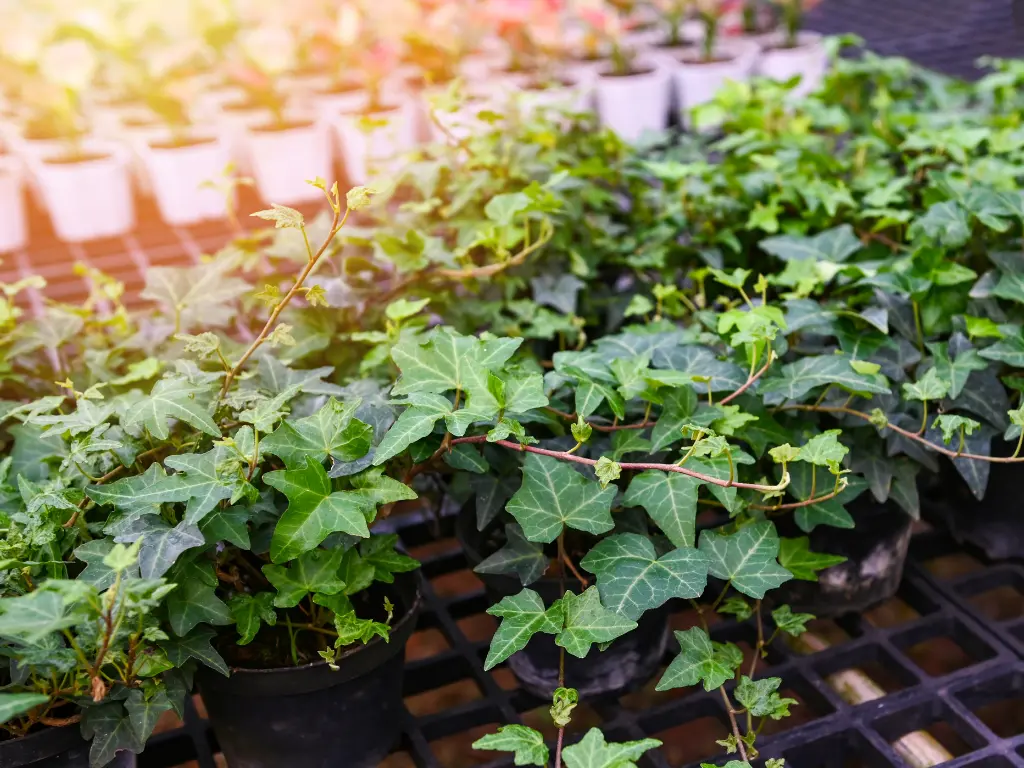
English Ivy is the quintessential ivy plant. Known for its vibrant, dark green leaves with distinctive white veins, it’s a great addition to any space. Its adaptability makes it perfect for both indoor and outdoor environments.
You’ll often see English Ivy creeping up walls, hanging from baskets, or trailing down shelves in homes. It’s an excellent plant for creating a lush, green backdrop in your living room, and its slow growth means it doesn’t require constant maintenance. However, English Ivy can grow rapidly under the right conditions, so regular pruning is a good way to keep it in check and encourage healthy new growth.
This ivy is a great choice for beginners because it’s relatively low-maintenance, and it can tolerate a range of light conditions, though it thrives in indirect sunlight. It’s also great for purifying the air in your home, making it not only a beautiful plant but also a functional one.
2. Algerian Ivy (Hedera canariensis)
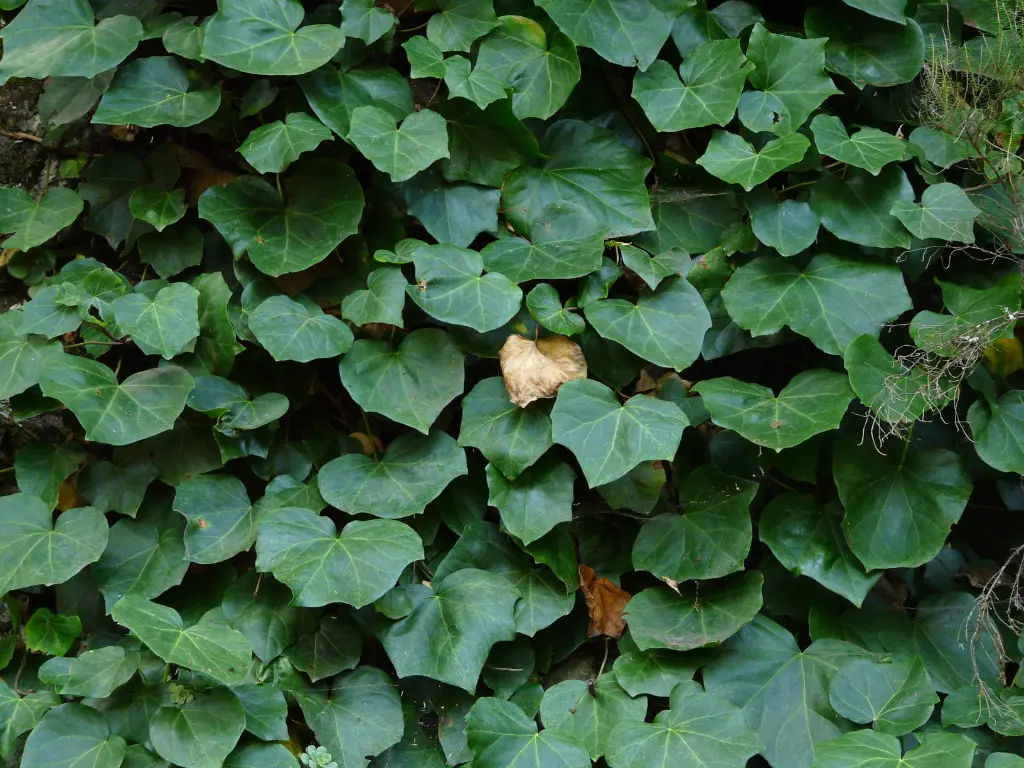
If you’re looking for a hardy ivy that’s slightly different from the classic English Ivy, Algerian Ivy is a one of the best types of ivy for houses. With large, glossy leaves, Algerian Ivy grows quickly and can be used to cover trellises or drape over hanging baskets. Its large, leathery leaves make it more noticeable, and it can add an element of bold greenery to any room. Algerian Ivy does best in bright, indirect light and requires regular watering, though it’s more forgiving when it comes to slightly drier soil than other ivy varieties.
This variety can tolerate a wider range of temperatures compared to other ivies, making it a perfect choice for gardeners who may have a bit more variation in their home’s environment. It’s an excellent option for anyone looking to add an eye-catching, fast-growing ivy to their collection.
3. Boston Ivy (Parthenocissus tricuspidata)
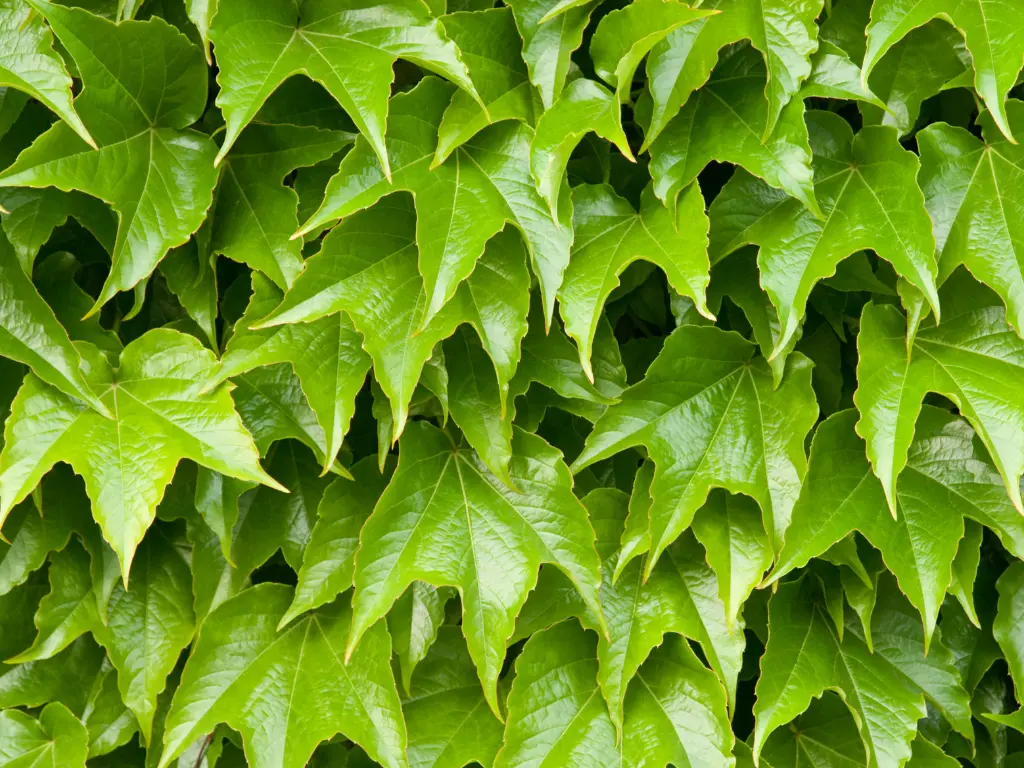
For a more dramatic and colorful ivy, Boston Ivy is a beautiful option. Known for its vibrant red and purple leaves in the fall, Boston Ivy can transform your space when its leaves turn color.
Unlike most ivies, Boston Ivy is a climber. It naturally attaches itself to walls and structures, making it perfect for decorating exterior walls or growing on trellises.
Though Boston Ivy is more commonly used outdoors, it can also be grown indoors with the right care. Make sure to place it near a bright, sunny window where it can receive ample light. Its ability to add seasonal color to your home’s decor makes it an exciting plant to grow.
4. Persian Ivy (Hedera colchica)
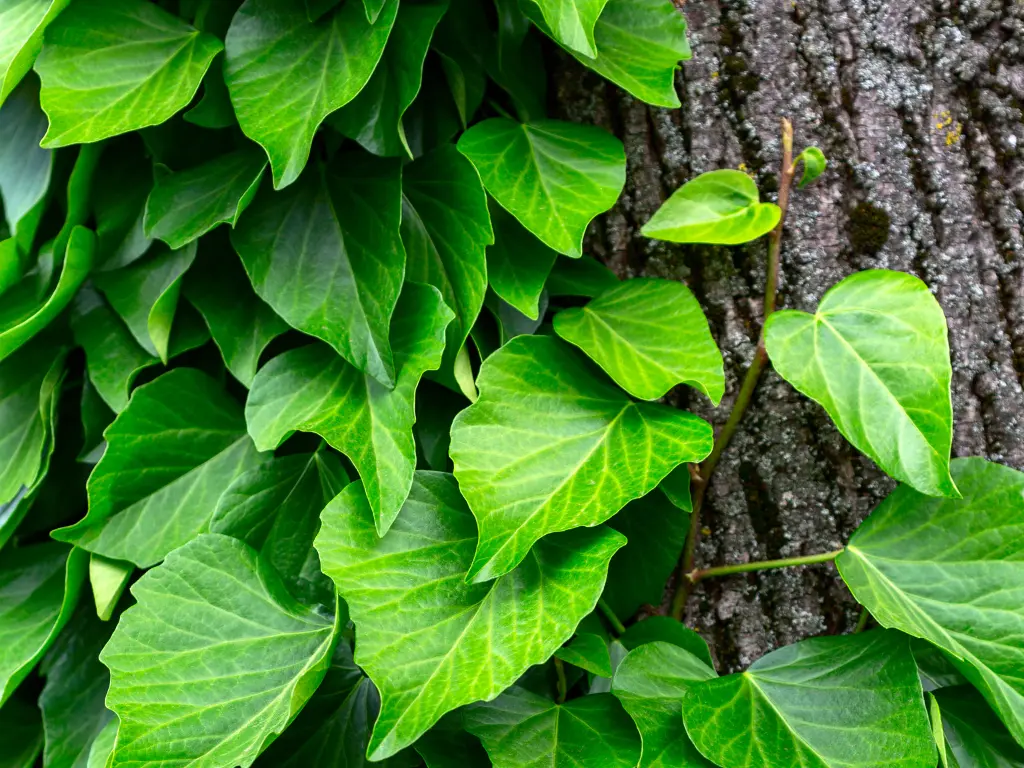
Persian Ivy is a beautiful and durable variety that’s perfect for indoor spaces. It has large, leathery leaves that can grow up to 8 inches long, offering a dramatic effect when used in hanging baskets or as a climbing vine.
Persian Ivy thrives in moderate to bright light but can also tolerate a bit more shade compared to some other ivy varieties. It’s a great choice for those looking to add a bold, statement-making ivy to their home decor. Additionally, Persian Ivy is well-suited to warmer climates, though it can be grown indoors year-round in cooler areas.
5. Variegated Ivy (Hedera helix ‘Glacier’)
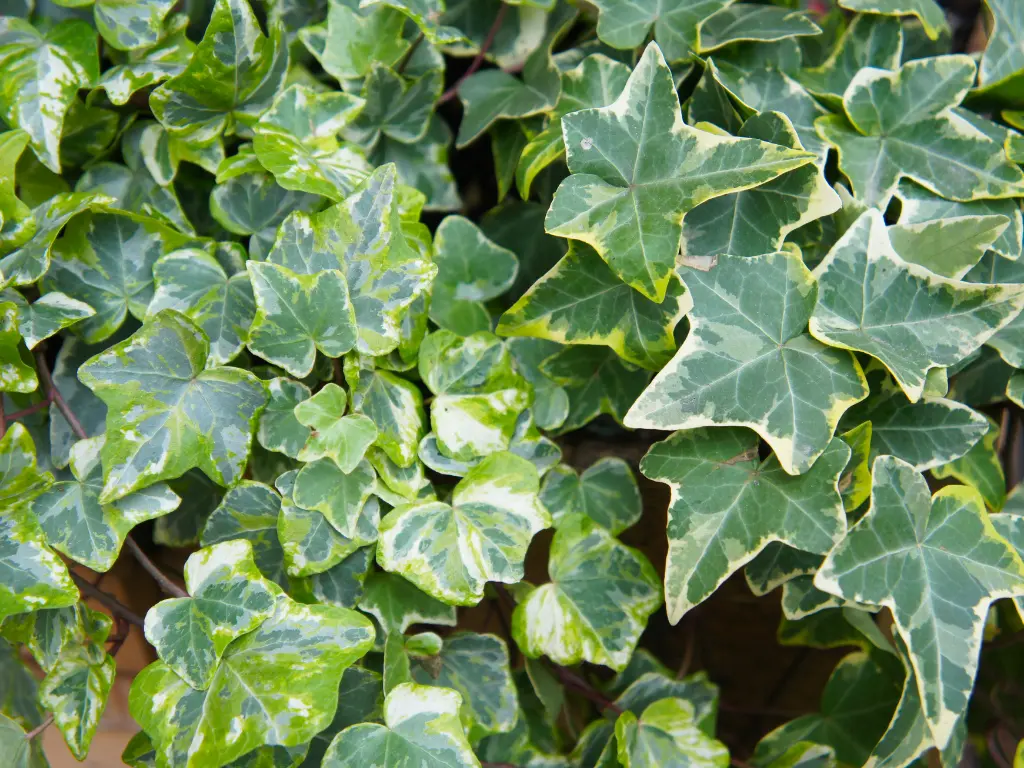
For gardeners seeking a unique, decorative ivy variety, Variegated Ivy is an excellent choice. This plant features beautiful green and white marbled leaves, adding a touch of elegance and contrast to your indoor garden.
Variegated Ivy has the same care needs as the common English Ivy but with the added bonus of stunning leaf coloration. It’s perfect for hanging baskets, window boxes, or as ground cover. The variegated pattern can also complement other plants in your garden or home, creating a visually striking display. It’s ideal for low-to-moderate light settings.
6. Irish Ivy (Hedera hibernica)
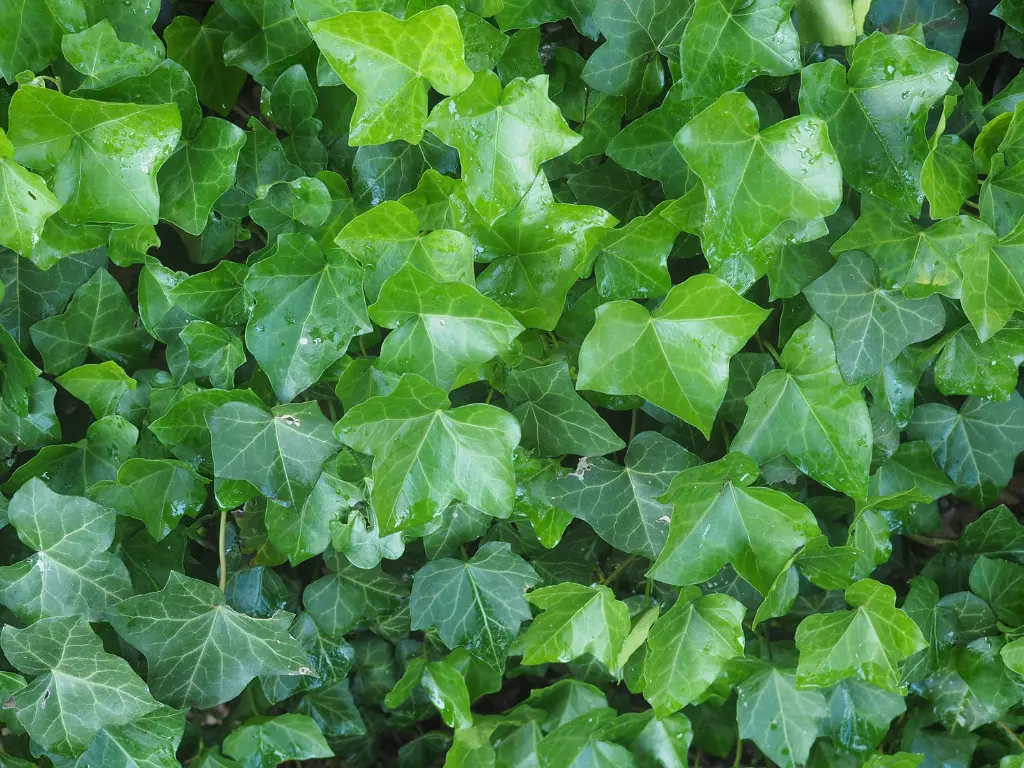
Irish Ivy is a fast-growing variety that’s perfect for gardeners looking to quickly cover large areas. With its dark green, glossy leaves, this ivy variety is known for its vigorous growth and ability to thrive in almost any environment.
Irish Ivy is often used as a ground cover or climber on walls, fences, and trellises. Unlike some other ivies, it doesn’t have the same branching habit, so it grows in long, smooth lines. This ivy variety is ideal for creating privacy screens or adding greenery to a fence or wall.
Read more: Growing Honeysuckle in Pots: A Beginner’s Guide
7. Needlepoint Ivy (Hedera helix ‘Needlepoint’)
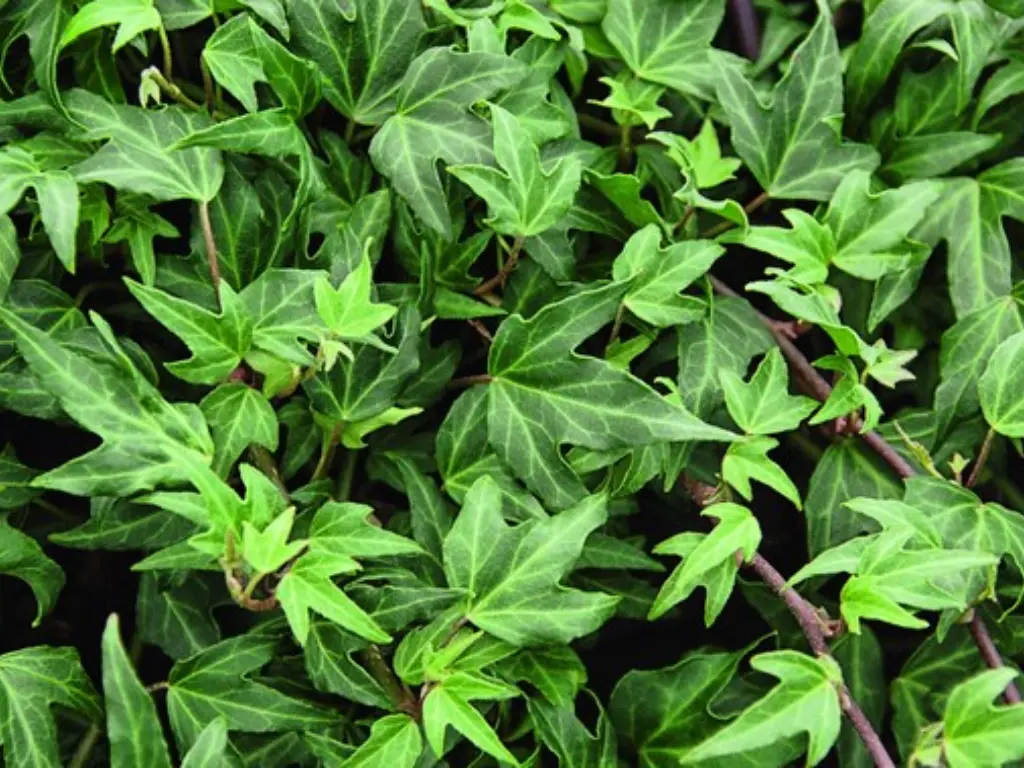
If you’re looking for a unique ivy with a more compact growth habit, Needlepoint Ivy might be the right choice for you. As the name suggests, this variety features narrow, pointed leaves that give it a more delicate, elegant appearance. Needlepoint Ivy is a great choice for small spaces like apartments or areas where a low-maintenance plant is required. It can be grown as a ground cover or in containers and works well as an accent plant in hanging baskets or on bookshelves.
Choosing the Right Types of Ivy Plant for Your Home
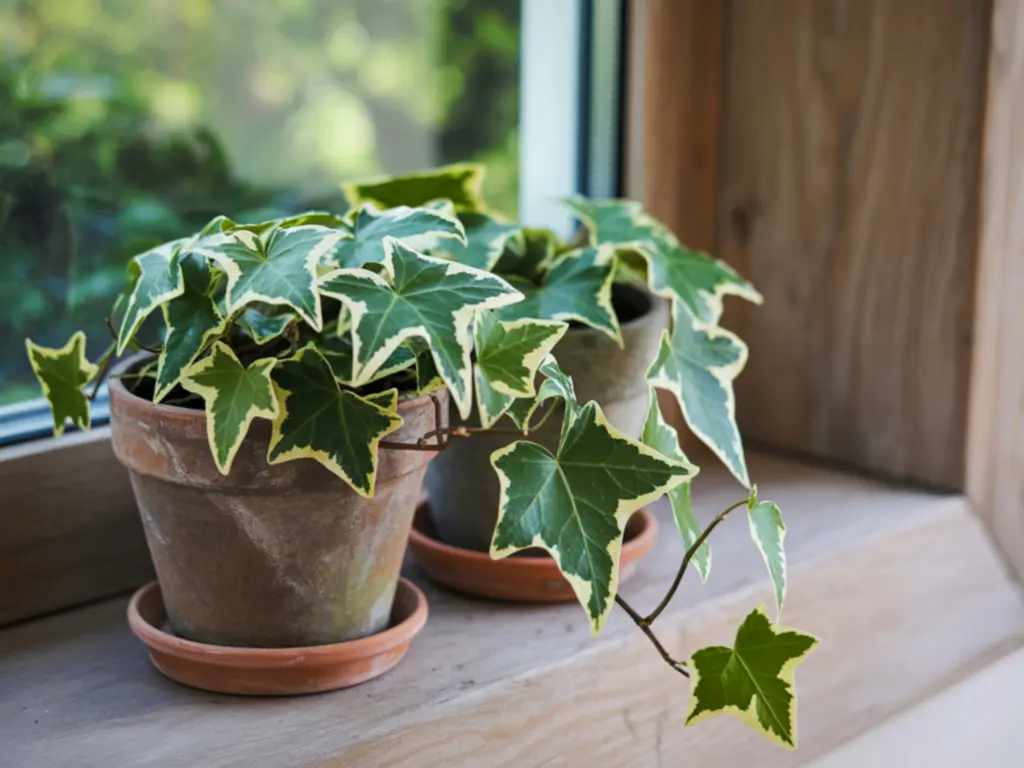
When selecting an ivy plant for your indoor space, there are several factors to keep in mind. Not every type of ivy is suited to every environment, so it’s important to choose one that will thrive in the conditions you can provide. Here’s how to choose the best ivy plant for your home.
Ivy Plants for Low Light Conditions
If you’re looking for an ivy plant that thrives in lower light conditions, varieties like English Ivy and Persian Ivy are your best bet. These ivies can tolerate lower levels of sunlight, making them ideal for homes with minimal natural light, such as apartments or rooms without direct sunlight.
Best Ivy for Indoor Spaces
Indoor ivy plants not only enhance your home’s aesthetics but also provide a touch of nature. Varieties such as Variegated Ivy (Hedera helix ‘Glacier’) and Persian Ivy are fantastic choices for indoor spaces. These types of ivy are perfect for placing on shelves, hanging baskets, or in decorative pots. They require minimal attention but offer a lovely trailing effect that adds an element of elegance to your home decor.
Ivy Plants That Need Sunlight
While many ivy varieties are adaptable, some, like Algerian Ivy, thrive best in brighter conditions. If you have a sunny spot in your home, choosing an ivy plant that requires more light can help it grow vigorously. Just make sure the ivy gets enough indirect sunlight to avoid scorching its leaves.
Caring for Ivy Plants
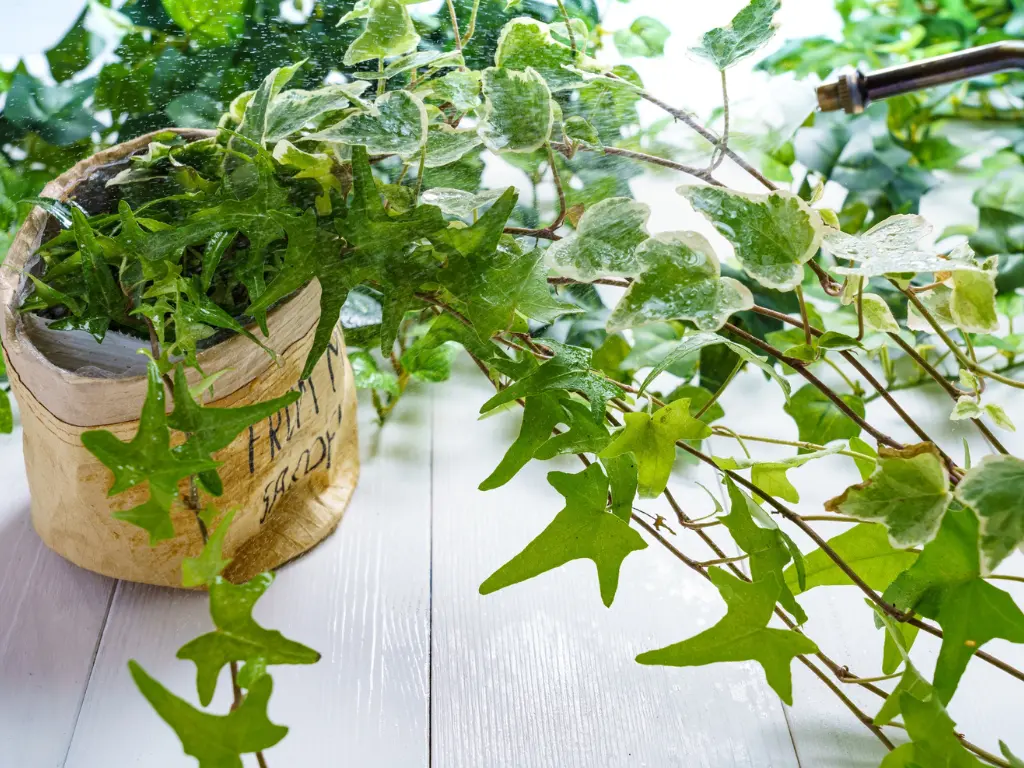
With just a few essential care tips, you can keep your ivy thriving for months and even years to come. Here’s what you need to know about taking care of your ivy plants.
Light and Temperature
As mentioned earlier, ivy plants prefer indirect light. If you’re growing your ivy indoors, make sure to place it near a window that gets bright, filtered sunlight. Keep it away from direct sun for long periods, as the leaves can become scorched. Most ivy plants thrive in moderate temperatures, ideally between 60-75°F (15-24°C). Avoid placing your ivy in a drafty area or near heat sources, as this can cause stress and hinder growth.
Watering and Soil
Watering is one of the most important aspects of caring for ivy plants. They prefer to be watered when the top inch of soil feels dry, but you should avoid letting them sit in water. Use a well-draining pot with drainage holes to prevent water from accumulating at the bottom, which can lead to root rot. Ivy plants are sensitive to overwatering, so it’s always better to underwater than overwater.
Pruning and Maintenance
Pruning ivy helps maintain its shape and encourages healthy, vigorous growth. Trim any long or leggy vines and remove dead or yellowing leaves. Regular pruning also helps keep your ivy looking neat and tidy, so it doesn’t become too unruly. If your ivy becomes too large for its space, don’t be afraid to cut it back and propagate the cuttings for new plants.
Ivy can also be propagated quite easily. Simply take a cutting of healthy vine, place it in water or soil, and wait for roots to form. This is a great way to create new plants for your home or to share with friends and family.
Frequently Asked Questions (FAQs)
1. How often should I water my ivy plant?
Water your ivy when the top inch of the soil feels dry. Ensure your pot has good drainage to avoid waterlogged soil, which can cause root rot.
2. Can ivy plants thrive in low light?
Yes, many ivy plants, including English Ivy and Persian Ivy, can grow well in low-light conditions. They may grow more slowly, but they will still thrive with minimal sunlight.
3. Are ivy plants safe for pets?
Some ivy varieties, like English Ivy, can be toxic to pets, particularly cats and dogs. If you have pets, consider placing your ivy plants in a location that is out of their reach.
4. How do I propagate my ivy plant?
You can propagate ivy by taking a cutting from a healthy stem and placing it in water or soil. After a few weeks, roots will form, and you’ll have a new plant!
Conclusion
Ivy plants are a fantastic way to bring nature indoors, adding beauty, color, and texture to your home. Whether you’re looking for a fast-growing vine to cover a trellis, a low-maintenance plant for your shelves, or a vibrant climbing ivy for your outdoor garden, there’s a type of ivy for every need.
By understanding the different types of ivy plants, their care requirements, and how to choose the best one for your home, you can enjoy the beauty of ivy all year round. Happy gardening, and may your ivy thrive!
You may like to read:
