Hoya Hindu Rope Live Plant – 3 Inch Potted Indoor Houseplant
Hoya Hindu Rope Live Plant – 3 Inch Potted Indoor Houseplant
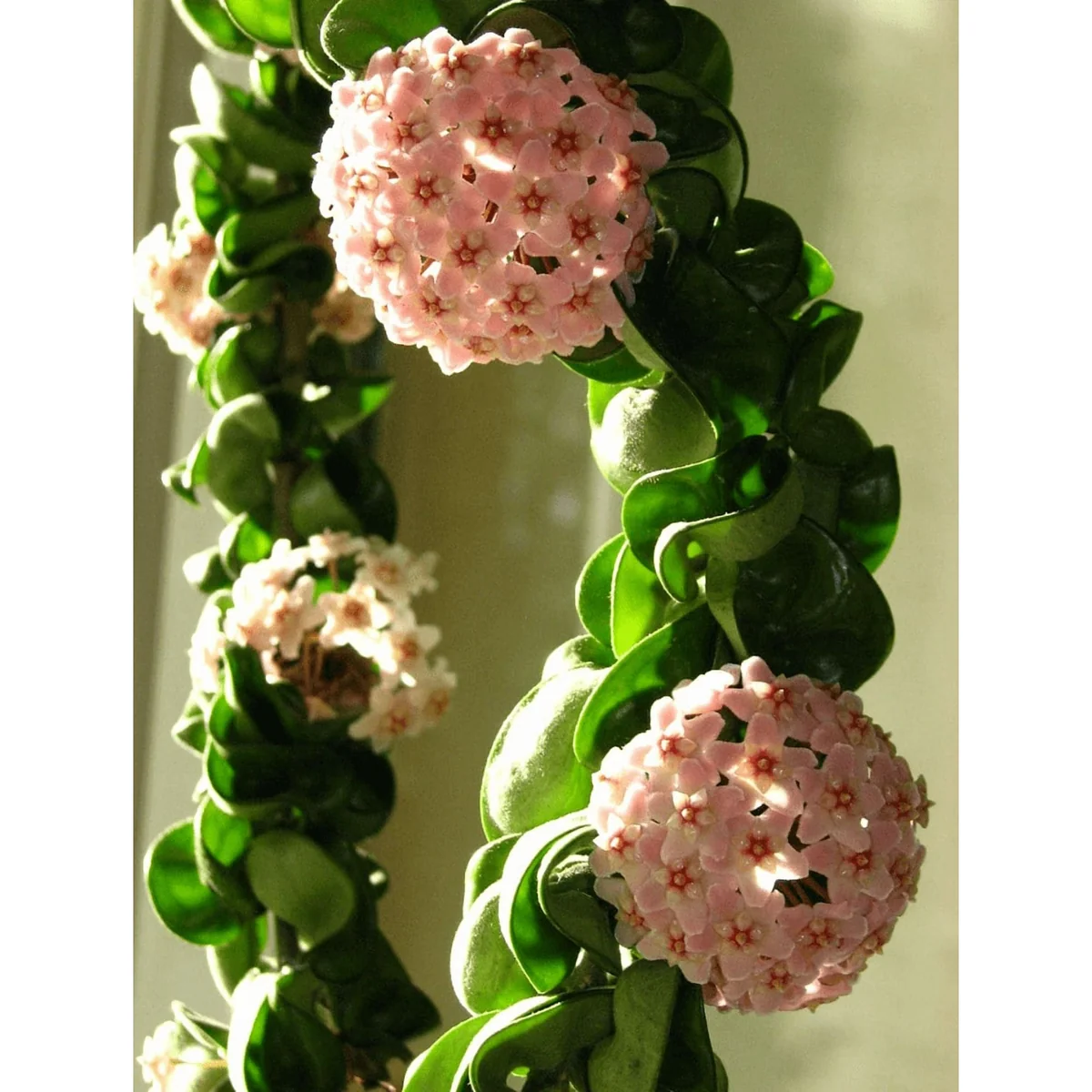
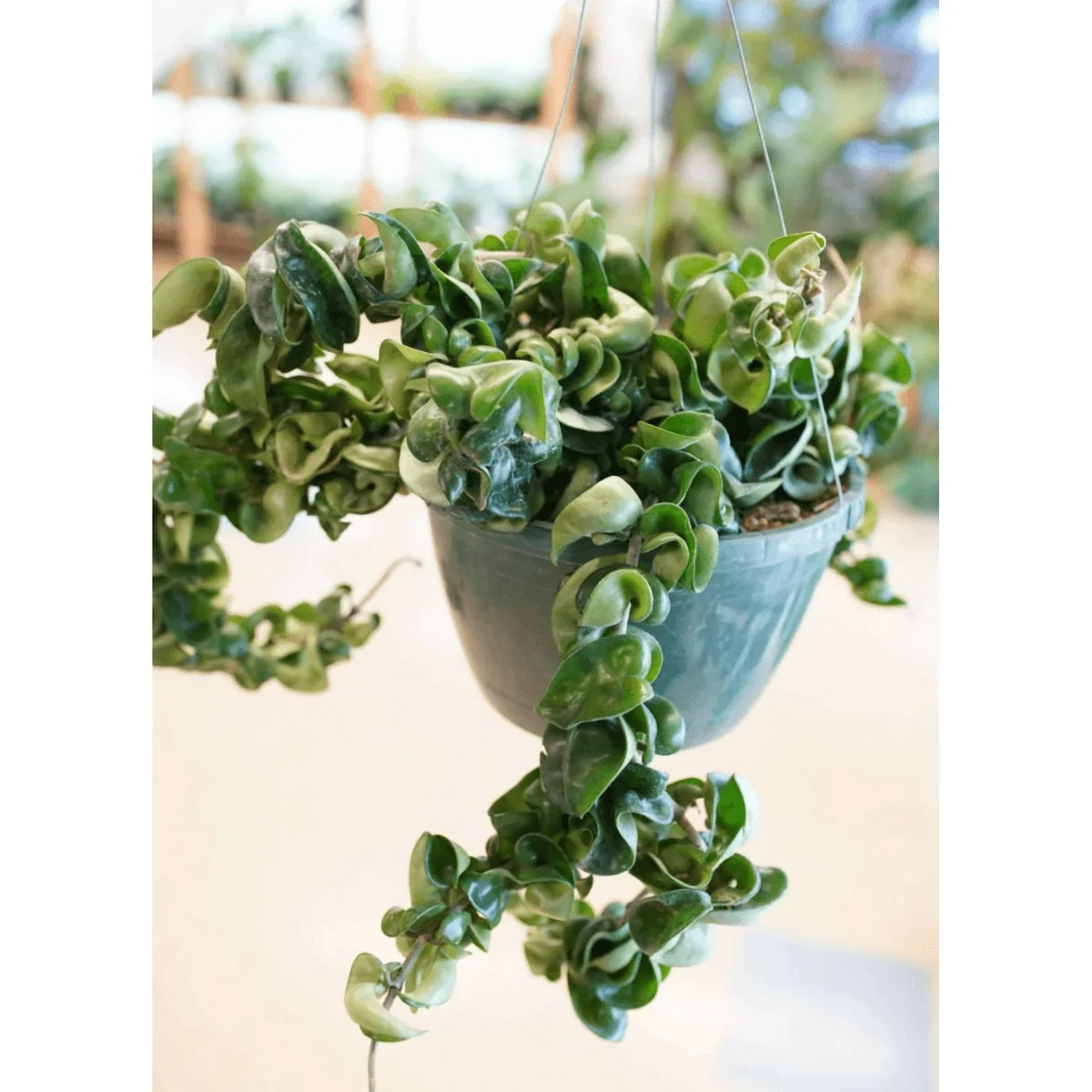
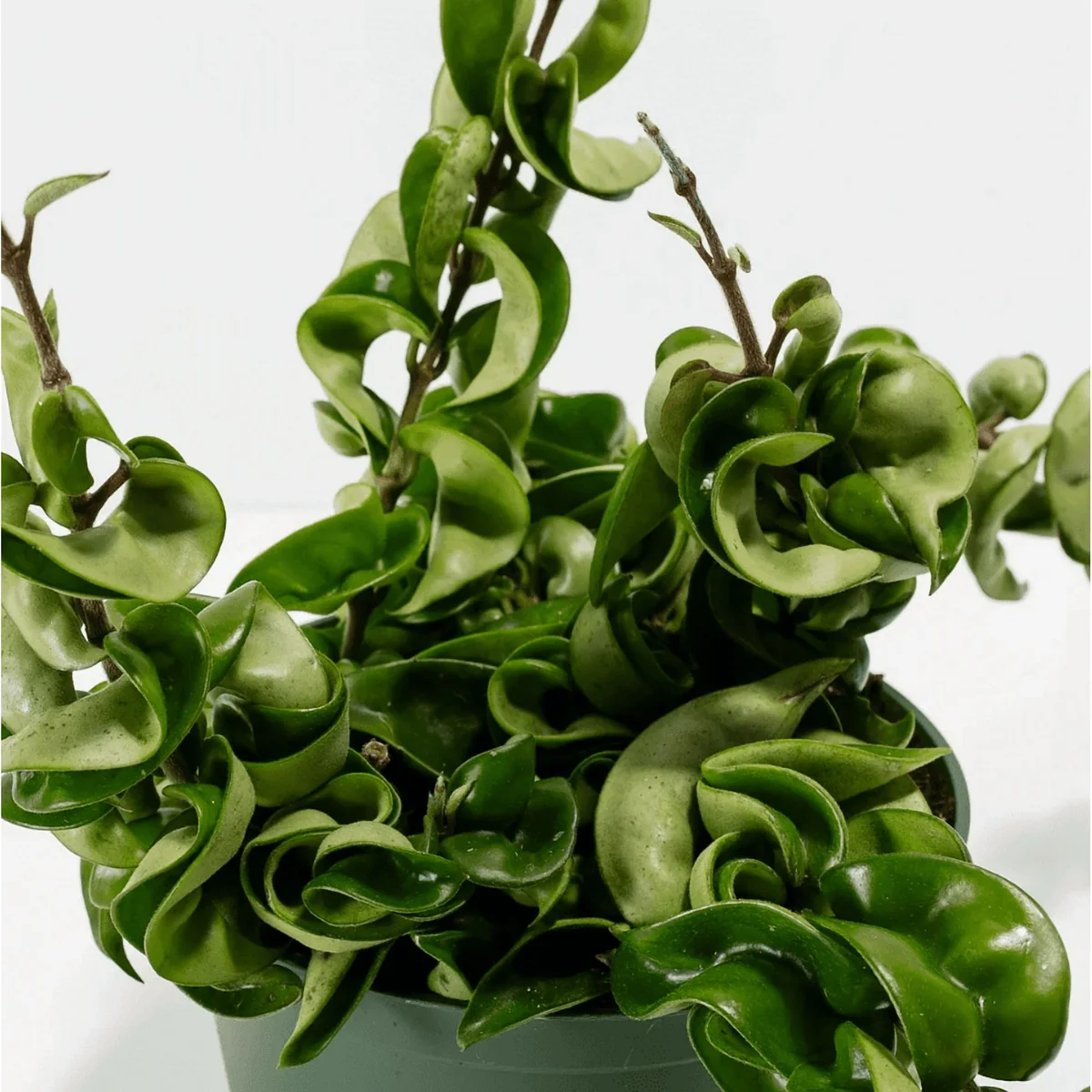
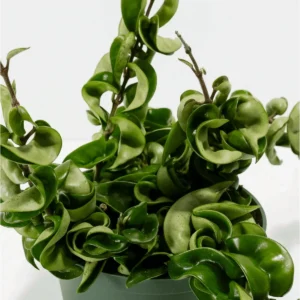
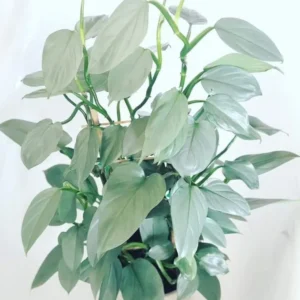
Hoya Hindu Rope live plant, a compact 3-inch potted houseplant. Known for its distinctive curly, waxy foliage, this semi-succulent is an ideal choice for adding texture and visual interest to any indoor setting. Enjoy its low-maintenance nature and beautiful trailing habit.
$42.89

With our Alive & Thrive Guarantee, we’ve got your back for the first 30 days! If you have any concerns about your plants, just reach out to us. Our team is here to help answer your questions and guide you in selecting the best plants for your garden, climate, and unique preferences. We're excited to help you create the garden of your dreams!
Estimated arrival
Mar 11
Mar 16 - Mar 18
Mar 21 - Mar 25

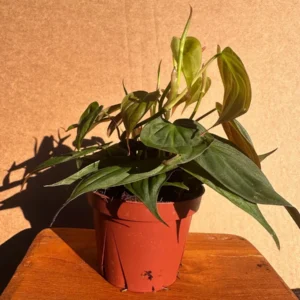

Product Details
-
USDA Hardiness Zone
USDA zones 10-12 (if outdoors), otherwise indoor plant -
Soil type
Well-draining potting mix for succulents or orchids -
Sunlight Exposure
Bright, indirect light -
Expected Planting Period
Year-round indoors
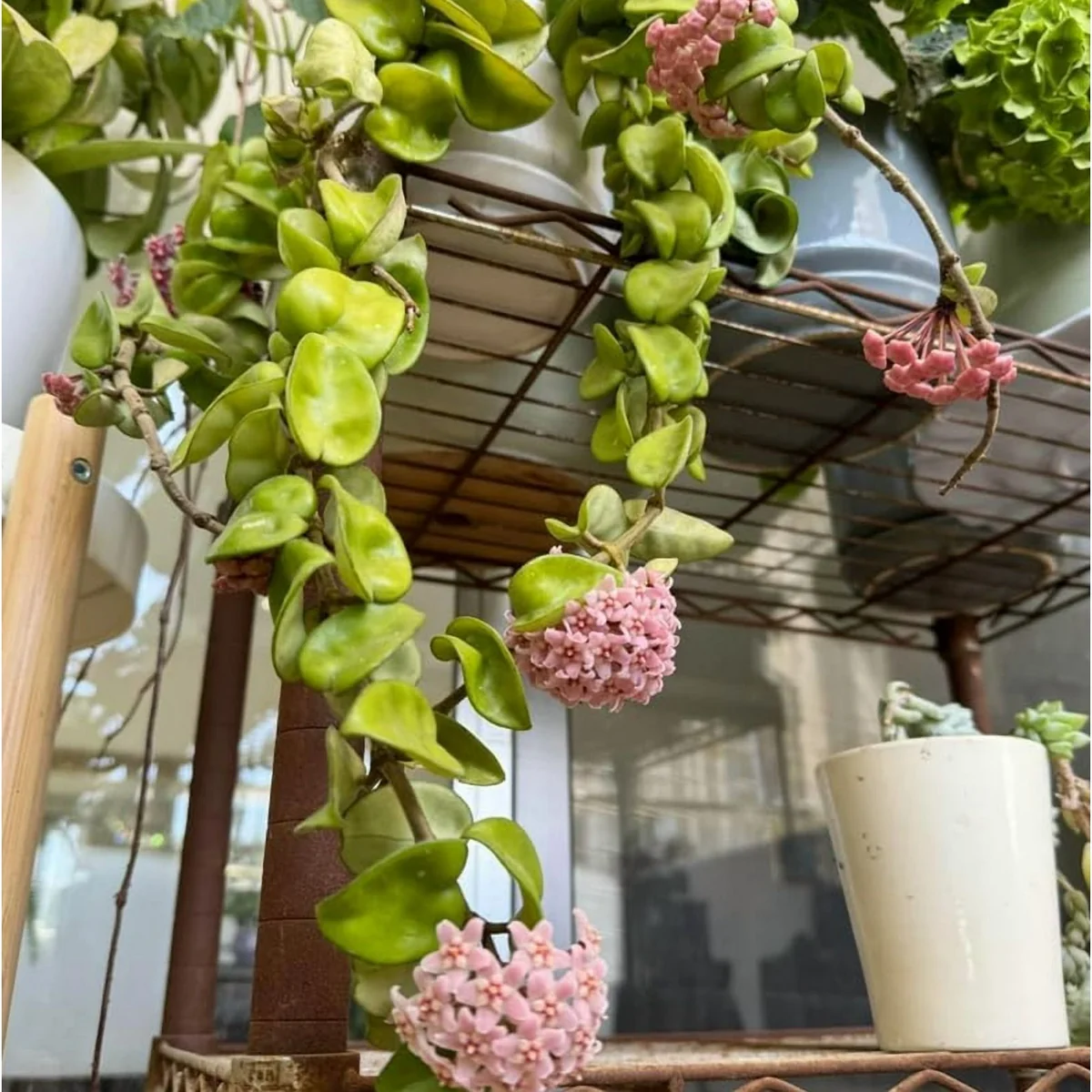
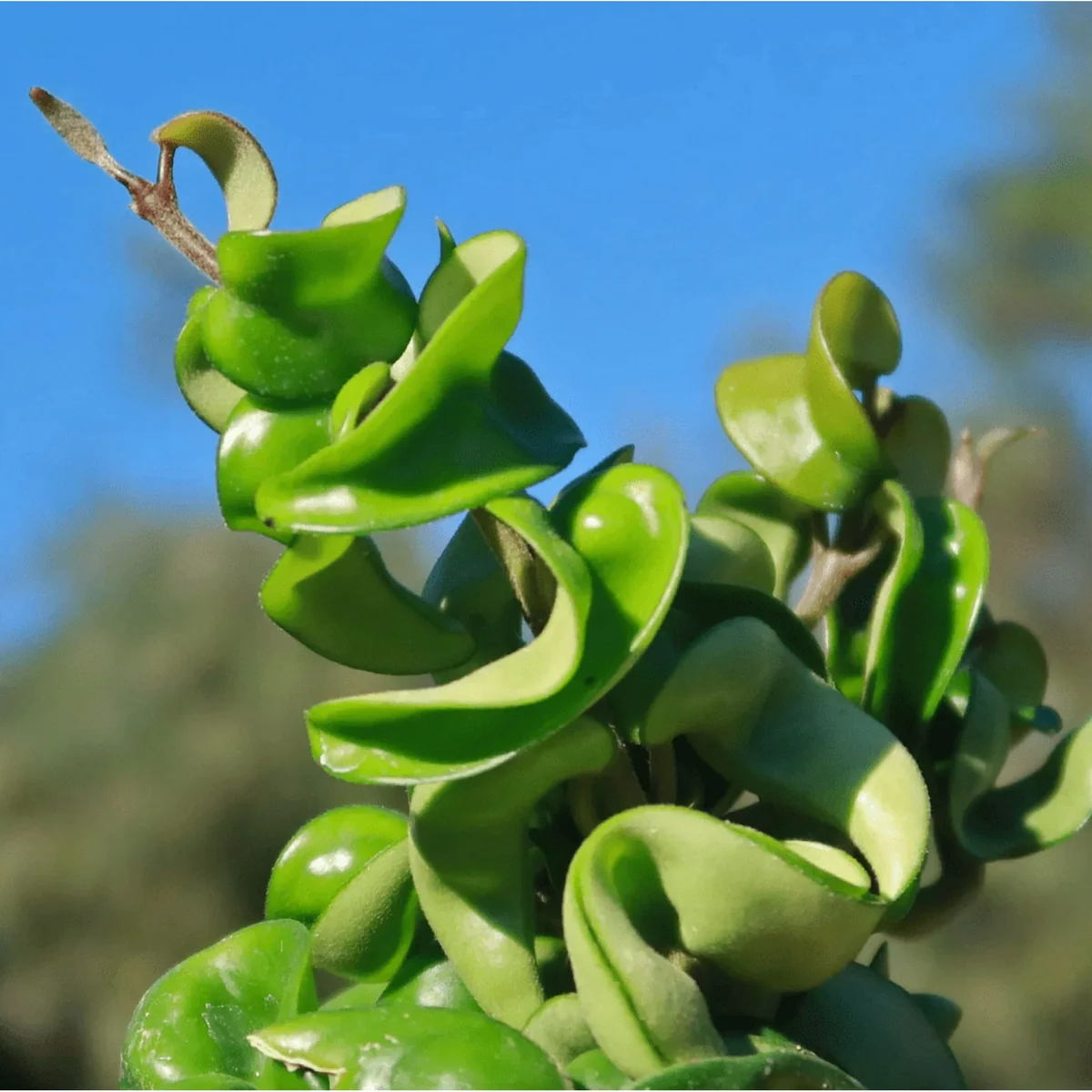
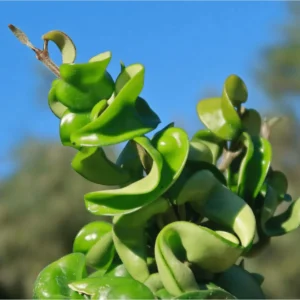
The Hoya Hindu Rope live plant, scientifically known as Hoya carnosa ‘Compacta’, is a truly mesmerizing and unique houseplant. Often referred to as the ‘Krinkle Kurl’ Hoya, this semi-succulent vine is a special cultivar of the more common Hoya carnosa. What sets this plant apart is its incredibly distinctive foliage: thick, waxy leaves that are tightly curled and folded, creating a ropelike appearance. Each leaf is a miniature work of art, giving the plant an almost sculptural quality. This particular offering is a charming 3-inch potted specimen, perfect for beginning your journey with this captivating species. The Hoya Hindu Rope live plant is highly sought after by plant enthusiasts for its unusual form and relatively easy-care nature, making it an excellent addition for both novice and experienced indoor gardeners looking for something truly out of the ordinary.
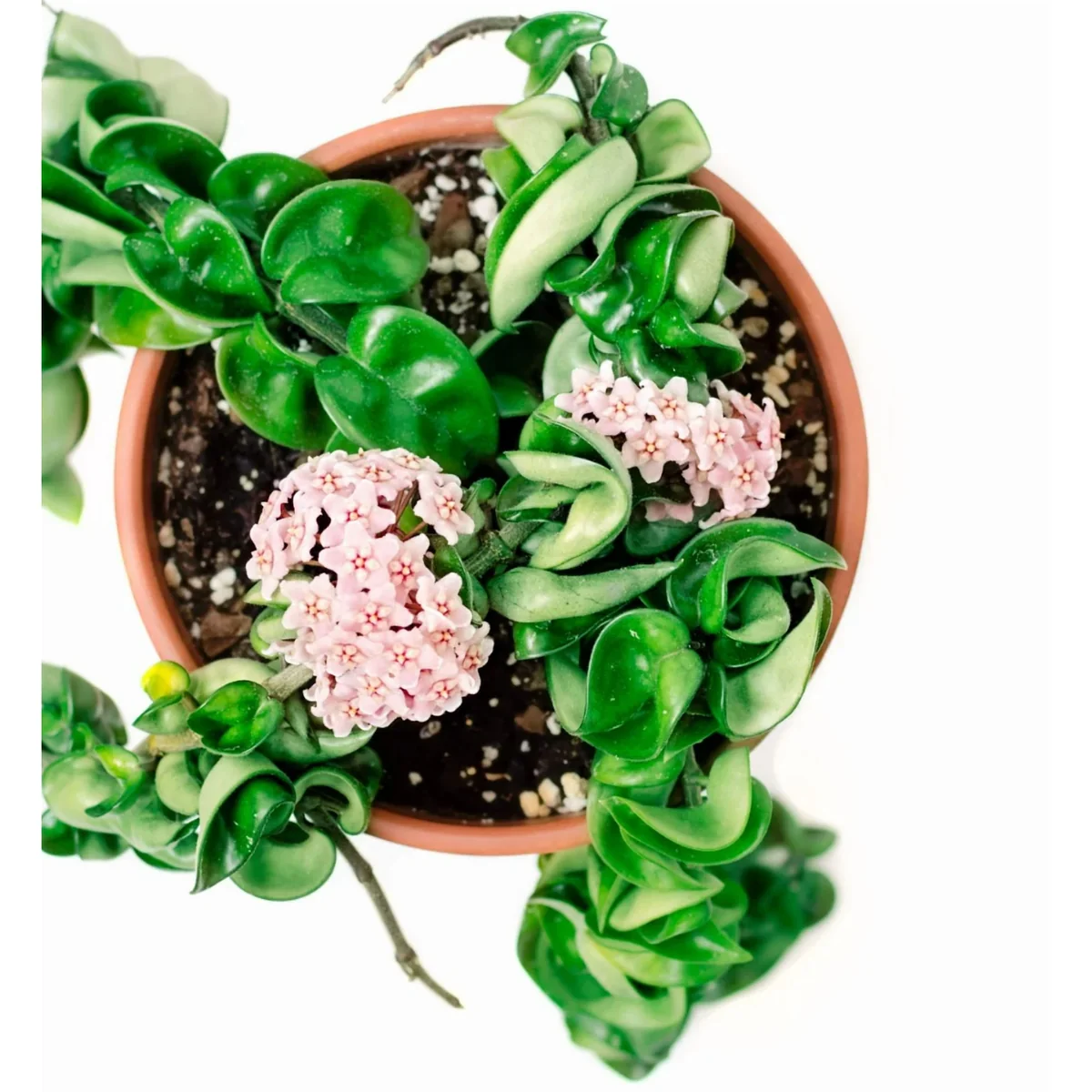
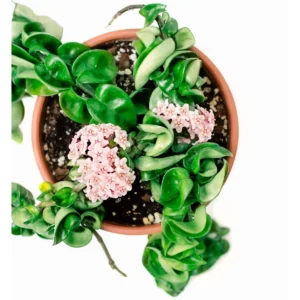
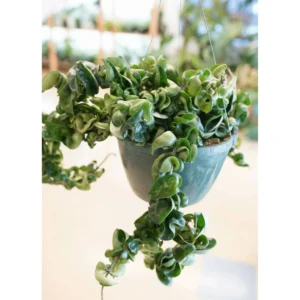
As it matures, the Hoya Hindu Rope develops long, trailing stems adorned with its signature crinkled leaves. While primarily grown for its foliage, mature plants can produce clusters of star-shaped, fragrant flowers, typically pinkish-white with a red center, adding another layer of appeal. Its compact growth habit and unique aesthetic make it a versatile decorative piece, whether placed on a shelf, in a hanging basket, or as part of a larger plant display. This plant is not just a green accent; it’s a living sculpture that continually offers visual intrigue and a touch of the exotic to your home environment.
Key Benefits
Adding a Hoya Hindu Rope live plant to your collection offers numerous advantages beyond its striking appearance:
- Unique Ornamental Appeal: The most prominent benefit is its highly unusual and attractive foliage. The tightly curled, waxy leaves create a dense, rope-like texture that is unlike almost any other houseplant, providing a captivating focal point in any room.
- Low Maintenance: This semi-succulent is remarkably forgiving and requires minimal attention once established. It tolerates infrequent watering and doesn’t demand constant fuss, making it perfect for busy individuals or those new to plant care.
- Air Purifying Qualities: Like many houseplants, the Hoya Hindu Rope contributes to a healthier indoor environment by helping to filter air pollutants, improving overall air quality in your home.
- Trailing Elegance: As it grows, the Hoya Hindu Rope develops long, cascading vines, making it an excellent choice for hanging baskets or allowing it to trail gracefully from shelves, adding a touch of natural elegance.
- Potential for Beautiful Blooms: While grown primarily for its foliage, mature and happy Hoya Hindu Rope live plant specimens can produce clusters of beautiful, fragrant, star-shaped flowers, adding an unexpected bonus to its charm.
- Drought Tolerant: Due to its semi-succulent nature, this Hoya stores water in its leaves, making it quite tolerant of periods of dryness. This reduces the risk of overwatering, a common pitfall for many plant owners.
- Compact Growth: Even though it can trail, its overall growth habit is relatively compact, making it suitable for smaller spaces, desks, or windowsills where larger plants might not fit.
Plant Care & Growing Tips
Caring for your Hoya Hindu Rope live plant is straightforward, making it a rewarding experience for all skill levels. This plant thrives in conditions that mimic its native tropical environment, but it’s also quite adaptable. For lighting, provide bright, indirect light. A spot near an east or west-facing window is often ideal, or a few feet back from a south-facing window. Avoid direct, harsh afternoon sun, which can scorch its waxy leaves. Insufficient light can lead to leggy growth and a lack of flowering, so ensure it gets ample ambient brightness.
When it comes to watering, less is often more for this semi-succulent. Allow the soil to dry out almost completely between waterings. Stick your finger about two inches deep into the soil; if it feels dry, it’s time to water thoroughly until water drains from the bottom. During winter months, reduce watering frequency significantly. Overwatering is the most common cause of problems, leading to root rot. The ideal soil type is a well-draining potting mix. A blend formulated for succulents or orchids, or a standard potting mix amended with perlite or orchid bark, works wonderfully to ensure good aeration and prevent waterlogging. Maintain average room temperatures between 65-80°F (18-27°C) and higher humidity levels if possible. While not strictly necessary, occasional misting or placing it near a humidifier will be appreciated, especially in dry indoor environments. Fertilize sparingly during the growing season (spring and summer) with a balanced liquid fertilizer diluted to half strength, typically once a month. This will encourage healthy growth and potential blooms for your Hoya Hindu Rope care routine.
Size & Details
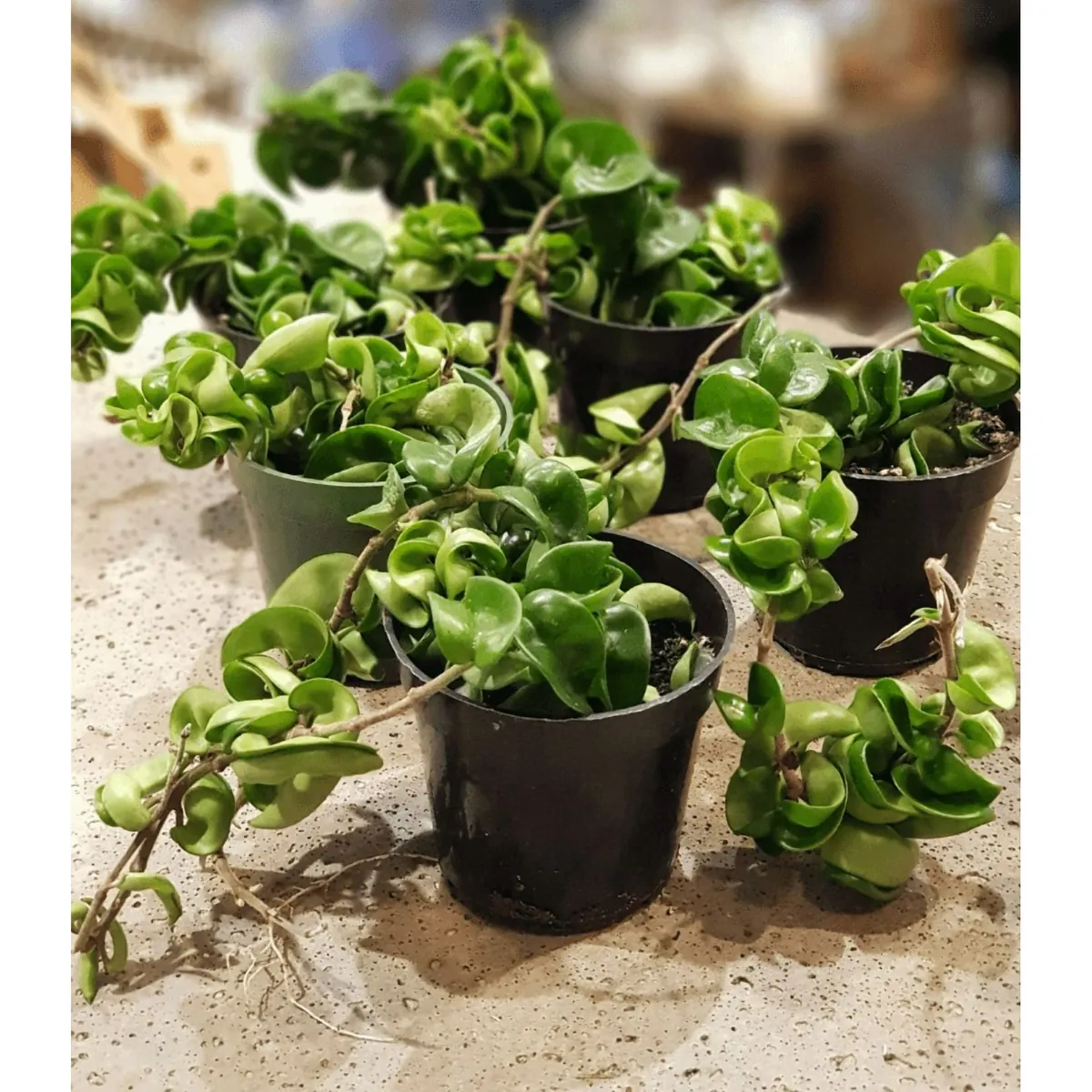
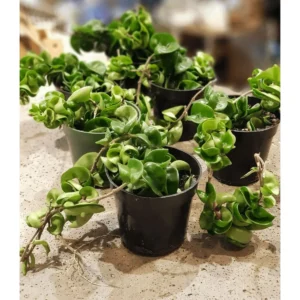
This offering is for one Hoya Hindu Rope live plant, provided in a 3-inch nursery pot. At the time of shipment, the plant will be well-rooted and actively growing, ready to thrive in its new home. Typically, young Hoya Hindu Rope plants in this size range will have several inches of trailing foliage, showcasing their characteristic curly leaves. While growth rates can vary depending on environmental conditions, this plant is a moderate grower. With proper Hoya Hindu Rope care, you can expect its vines to gradually lengthen, creating a beautiful cascading effect. Given optimal conditions, a mature plant can develop vines several feet long over many years, though its growth is generally more manageable than other fast-growing vining plants. The plant will be carefully packaged to ensure safe arrival, ready to be placed directly into your chosen decorative pot or hanging planter.
Frequently Asked Questions
- Q: How big does this Hoya Hindu Rope live plant get? A: This plant will arrive in a 3-inch pot. While compact initially, its vines can grow several feet long over time with proper care, especially when given a chance to trail or climb.
- Q: Is this an indoor or outdoor plant? A: The Hoya Hindu Rope live plant is primarily an indoor houseplant in most climates. It can be moved outdoors in warm, humid conditions during summer but must be brought inside before temperatures drop below 50°F (10°C).
- Q: How much sunlight does it need? A: This plant thrives in bright, indirect light. Avoid direct, harsh afternoon sun, which can burn its leaves. An east or west-facing window is usually ideal.
- Q: Is this plant easy to care for? A: Yes, the Hoya Hindu Rope is considered a relatively low-maintenance houseplant. It’s forgiving of occasional neglect, especially with watering, making it a good choice for beginners and busy plant parents.
- Q: What condition will it arrive in? A: Your Hoya Hindu Rope live plant will arrive well-rooted in its 3-inch nursery pot, carefully packaged to minimize stress during transit, and ready to be enjoyed immediately.
- Q: Is it pet-safe? A: Hoya plants are generally considered non-toxic to pets, making them a safer choice for households with cats and dogs. However, it’s always best to prevent pets from ingesting any plant material.
- Q: When is the best time to repot a Hoya Hindu Rope? A: Repotting is typically needed only every 2-3 years, or when the plant becomes root-bound. The best time to repot is during spring or early summer, using a slightly larger pot.
- Q: What type of soil is best for Hoya Hindu Rope care? A: A well-draining potting mix is crucial. A succulent and cactus mix, or a standard potting mix amended with perlite or orchid bark, will provide the necessary drainage and aeration.
- Q: How often should I fertilize my curly Hoya plant? A: Fertilize sparingly during its active growing season (spring and summer) with a balanced liquid fertilizer diluted to half strength, about once a month. Reduce or stop fertilizing in fall and winter.
- Q: Why are my Hoya Hindu Rope leaves turning yellow? A: Yellowing leaves are often a sign of overwatering or inadequate drainage. Ensure the soil dries out between waterings and that your pot has drainage holes. It can also be a sign of nutrient deficiency or too much direct sunlight.
Related products
-35%
Original price was: $29.80.$19.36Current price is: $19.36.
-30%
Original price was: $25.98.$18.18Current price is: $18.18.
-25%
Original price was: $16.80.$12.60Current price is: $12.60.
-30%
Original price was: $79.98.$55.98Current price is: $55.98.
-25%
Original price was: $23.00.$17.24Current price is: $17.24.
PLANTING & CARE

The Comprehensive Guide to Growing Bay Leaf Plants for a Flavorful Garden
Imagine stepping into your garden, greeted by the earthy aroma of fresh bay leaves, their
09
Feb
Feb

How to Make Comfrey Tea: The Ultimate Organic Plant Food
Growing an organic garden can be surprisingly expensive, especially when most store-bought fertilizers come in
02
Feb
Feb

True Comfrey: 7 Essential Tips Before You Plant This Herb
A staple in permaculture practices across the US, True Comfrey easily earns its reputation as
27
Jan
Jan

7 Heart-Shaped Plants for a Lasting Valentine’s Gift
If you’ve ever bought a bouquet of roses for Valentine’s Day, you know they are
26
Jan
Jan

Best Types of Ivy Plant for Houses: How to Choose the Perfect Ones for Your Home
Are you a garden lover looking to introduce some greenery into your home? Maybe you’ve
14
Nov
Nov

When to Harvest Garlic (Especially Fall-Planted Garlic)
TIMING IS EVERYTHING, they say – and for garlic, that truth hits with surprising accuracy.
13
Nov
Nov

11 of the Best Sweet Potato Varieties to Grow for Your Garden
If you’ve ever tried growing sweet potatoes, you know that picking the right variety can
12
Nov
Nov
Pruning Bougainvillea for Winter
Bougainvillea vines are known for their dazzling display of magenta, orange, and fuchsia bracts that
05
Nov
Nov