Snow Chaser Blueberry Live Plant – Southern Highbush – Early Ripening – Low Chill
-20%
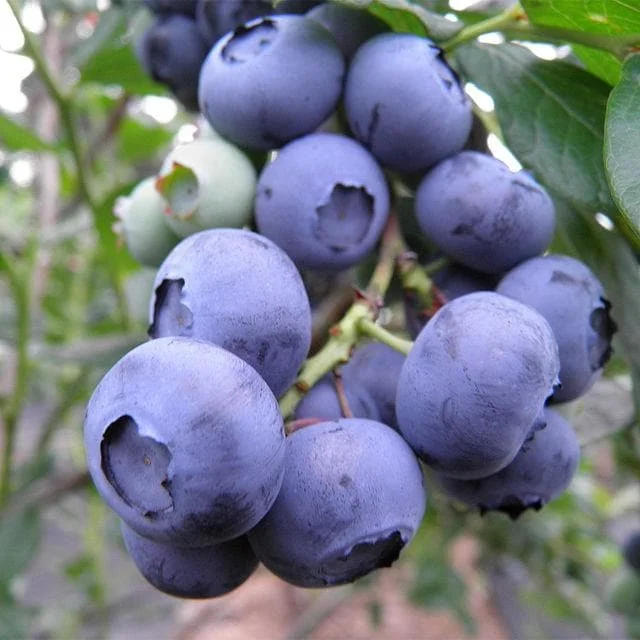
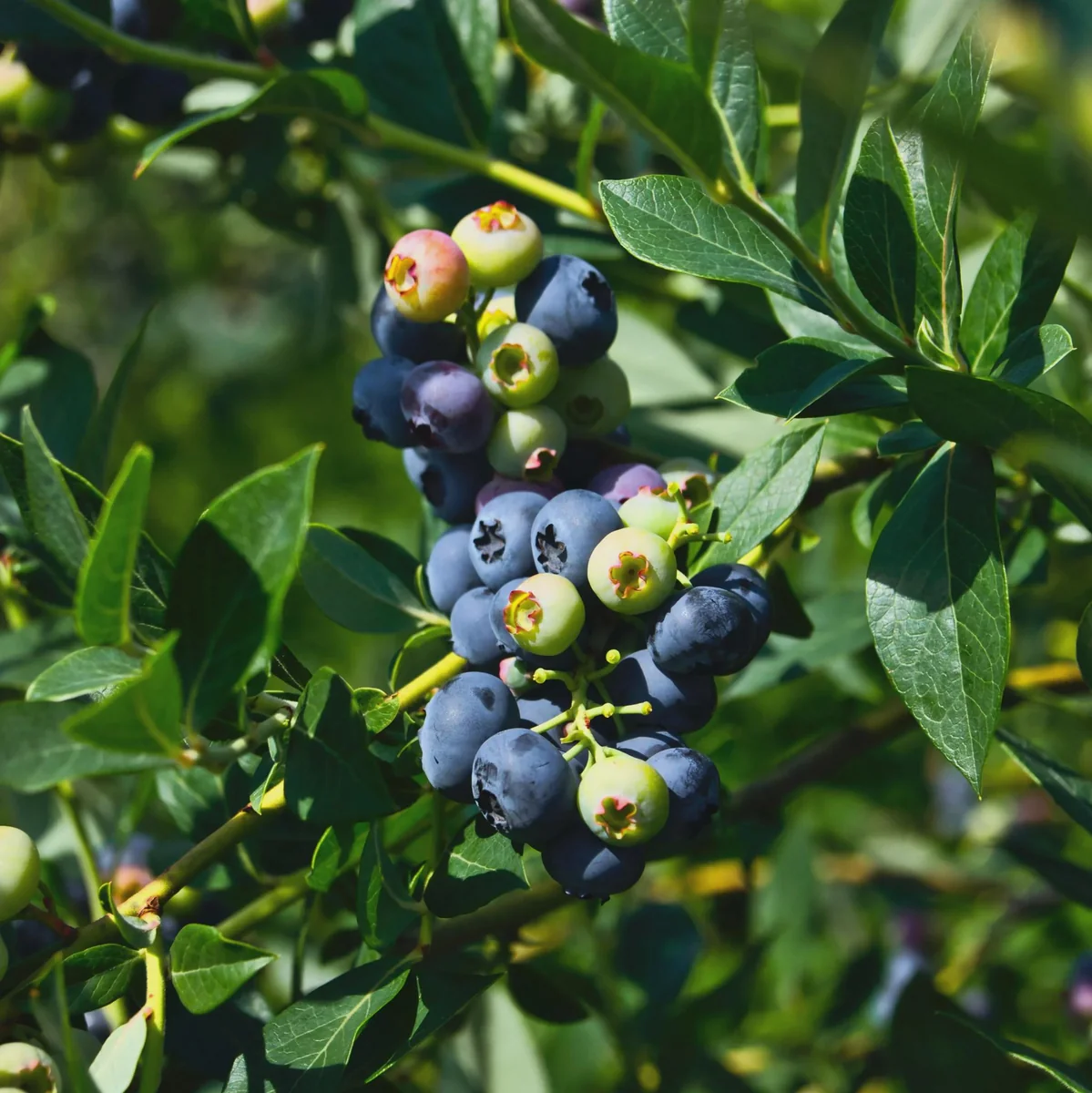
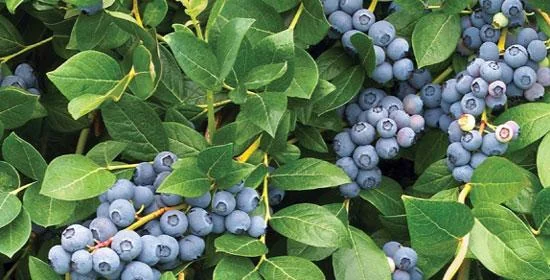
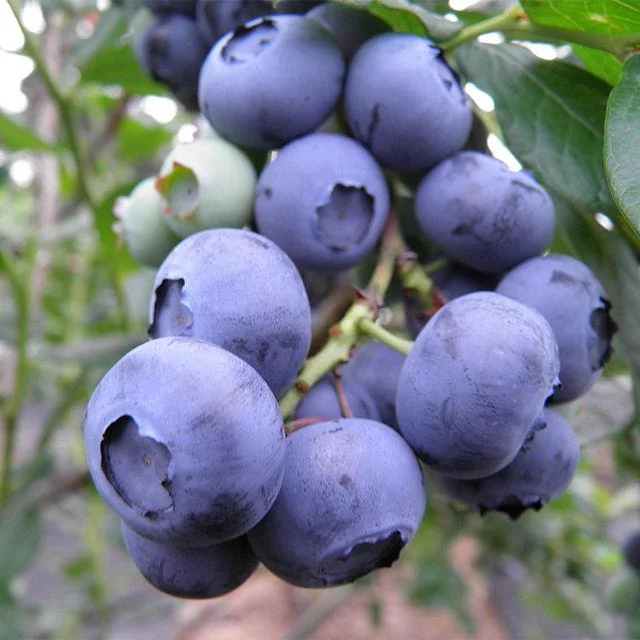
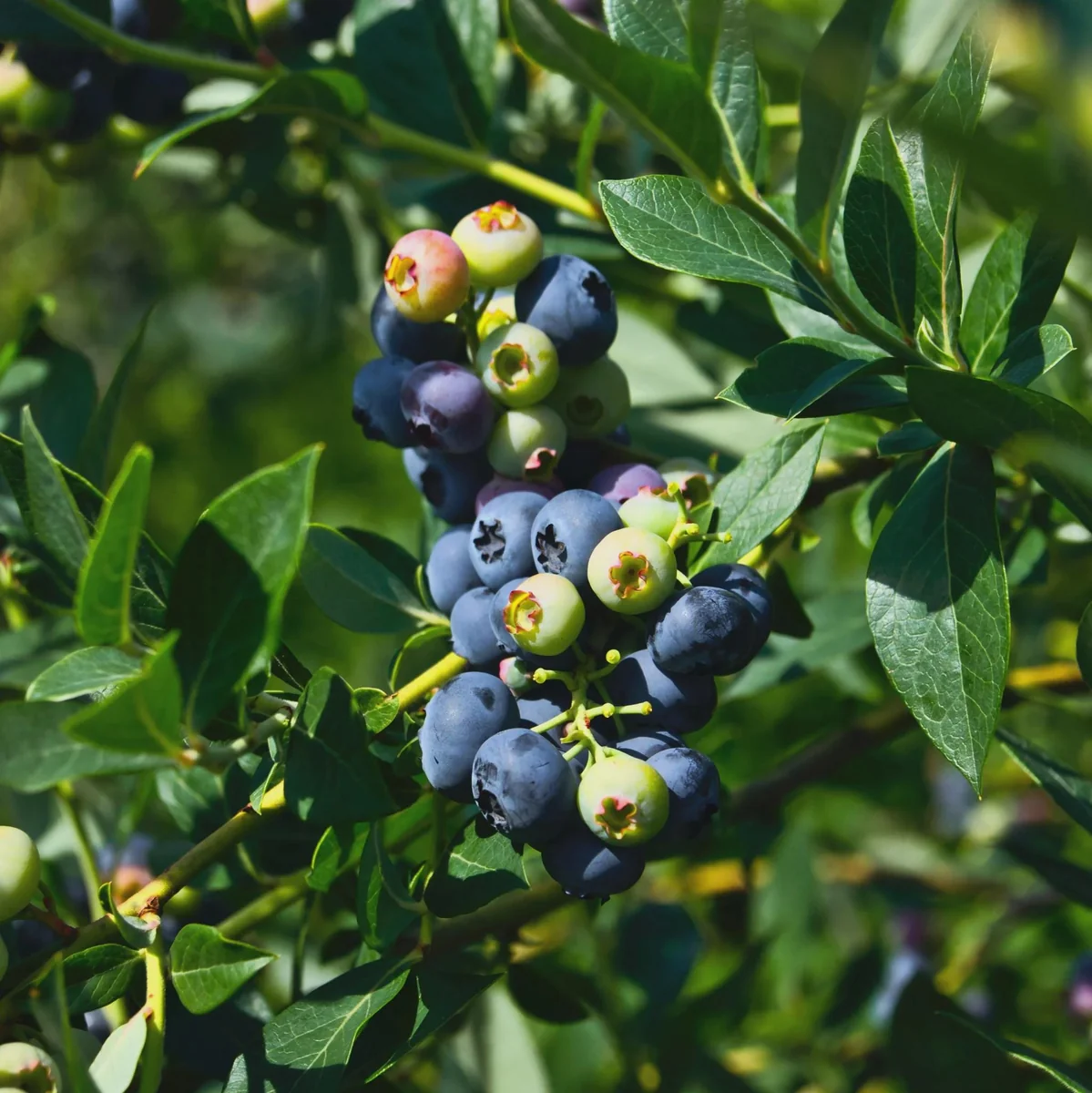
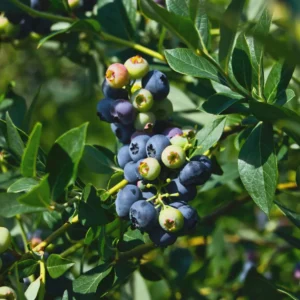
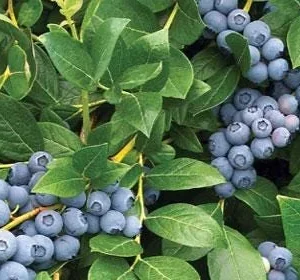
Snow Chaser Blueberry Live Plant – Southern Highbush – Early Ripening – Low Chill
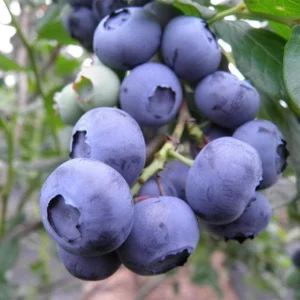
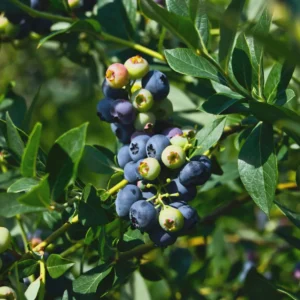
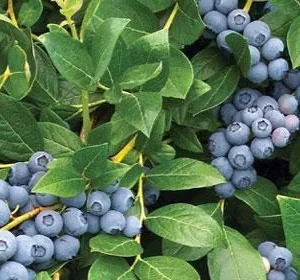
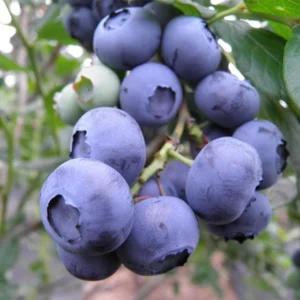
Cultivate your own flavorful fruit with a snow chaser blueberry plant. This vigorous southern highbush blueberry is ideal for low chill blueberry regions, offering delicious, early ripening blueberry harvests. Perfect for gardens and patios.
Original price was: $36.00.$28.80Current price is: $28.80.

With our Alive & Thrive Guarantee, we’ve got your back for the first 30 days! If you have any concerns about your plants, just reach out to us. Our team is here to help answer your questions and guide you in selecting the best plants for your garden, climate, and unique preferences. We're excited to help you create the garden of your dreams!
Estimated arrival
Apr 01
Apr 06 - Apr 08
Apr 11 - Apr 15
Product Details
-
USDA Hardiness Zone
USDA zones 7-10 -
Soil type
Acidic, well-draining soil -
Sunlight Exposure
Full sun (6-8+ hours daily) -
Expected Planting Period
Spring or Fall
Overview
Bring the joy of homegrown, delicious fruit to your garden with the snow chaser blueberry plant. This particular variety, known botanically as Vaccinium corymbosum ‘Snowchaser’, is a highly sought-after southern highbush blueberry cultivar, celebrated for its exceptional qualities. It’s especially prized for being one of the earliest-ripening blueberries available, making it a fantastic choice for those eager to enjoy fresh berries sooner in the season. The ‘Snowchaser’ is a live plant, ready to be established in your garden, promising bountiful harvests for years to come. Its robust nature and adaptability make it a favorite among both novice and experienced gardeners.
The ‘Snowchaser’ is a vigorous grower, forming a rounded to semi-spreading bush that adds ornamental value to your landscape in addition to its fruit-bearing capabilities. This early ripening blueberry thrives in specific conditions, making proper selection crucial for success. If you’re in a region with mild winters, this low chill blueberry is an excellent fit, requiring fewer chill hours than many other varieties to produce fruit. This characteristic broadens the geographic areas where successful blueberry cultivation is possible, allowing more gardeners to experience the satisfaction of picking their own fresh blueberries.
Beyond its early harvest, the ‘Snowchaser’ offers an attractive presence in the garden. Its lush green foliage turns to beautiful shades of red and orange in the fall, providing seasonal interest. This resilient vaccinium corymbosum is an investment that yields both aesthetic pleasure and a continuous supply of healthy, antioxidant-rich fruit. Planting a ‘Snowchaser’ means you’re investing in a productive and beautiful addition to your home orchard or edible landscape.
Key Benefits
The snow chaser blueberry plant offers a multitude of benefits, making it an excellent choice for any fruit enthusiast or gardener looking to enhance their outdoor space with a productive and attractive shrub. Its unique characteristics contribute significantly to its popularity and value.
- Early & Abundant Harvests: As one of the earliest-ripening Southern Highbush varieties, the ‘Snowchaser’ allows you to enjoy fresh blueberries weeks before many other cultivars. This extended harvest season is a major advantage for gardeners.
- Ideal for Low-Chill Regions: This low chill blueberry is specifically adapted for climates with mild winters, making it perfect for gardeners in southern states or coastal areas where traditional blueberries struggle to produce fruit.
- Vigorous Growth & Attractive Form: The bush grows vigorously with a pleasing rounded or semi-spreading habit, reaching a mature height of 8-10 feet and a width of 4-6 feet. It serves as an attractive landscape plant even when not fruiting.
- Delicious & Healthy Fruit: The berries produced by the southern highbush blueberry ‘Snowchaser’ are known for their excellent flavor, perfect for fresh eating, baking, or preserving. They are also packed with antioxidants and vitamins.
- Adaptable to Various Soil Types (with amendments): While preferring acidic soil, the ‘Snowchaser’ can be grown in a range of soil types with proper amendments to ensure the necessary pH and drainage, demonstrating its resilience.
- Enhances Biodiversity: Planting a vaccinium corymbosum contributes to local biodiversity, providing food for pollinators in spring and birds in summer, creating a vibrant ecosystem in your garden.
- Rewarding Home Harvest: The satisfaction of harvesting your own fresh, organic blueberries directly from your own snow chaser blueberry plant is unparalleled, offering a truly rewarding gardening experience.
Plant Care & Growing Tips
Caring for your snow chaser blueberry plant is straightforward, especially when you understand its specific needs. Success hinges on providing the right environment, particularly regarding soil pH and moisture. Blueberries thrive in acidic soil, ideally with a pH between 4.5 and 5.5. If your soil is naturally alkaline, you’ll need to amend it with peat moss, elemental sulfur, or specific acidic fertilizers. Consistent moisture is also crucial; blueberries have shallow root systems and prefer evenly moist, but not waterlogged, soil. A layer of organic mulch, such as pine bark or sawdust, can help retain moisture, suppress weeds, and slowly acidify the soil over time.
When it comes to sunlight, the ‘Snowchaser’ requires full sun for optimal fruit production, meaning at least 6-8 hours of direct sunlight per day. While it can tolerate partial shade, fruit yield and quality may decrease. This low chill blueberry is well-suited for USDA hardiness zones 7-10, making it a good choice for warmer climates. Fertilize your southern highbush blueberry in early spring with a fertilizer formulated for acid-loving plants, avoiding those containing nitrates which can be harmful. Pruning is essential for maintaining plant health and productivity; remove dead or weak branches annually, and thin out older canes to encourage new growth.
Watch out for common pests like birds, who love blueberries as much as we do! Netting can be an effective deterrent. Diseases are less common with proper care, but ensure good air circulation to prevent fungal issues. Regular monitoring and appropriate action will ensure your early ripening blueberry bush remains healthy and productive. Understanding the care requirements for vaccinium corymbosum is key to a successful harvest, ensuring you enjoy delicious berries year after year from your robust plant.
Size & Details
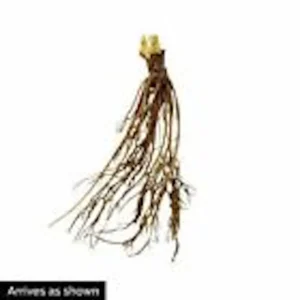
This offering is for 1 snow chaser blueberry plant, provided as a starter plug. This means you will receive a young, actively growing plant that is ready for transplanting into your garden or a larger pot. While the exact height at shipping can vary, starter plugs are typically robust young plants with a well-developed root system, allowing them to establish quickly in their new environment. Upon maturity, the ‘Snowchaser’ blueberry bush is known for its vigorous growth, developing into a sizable shrub.
Expect your mature southern highbush blueberry to reach an impressive height of 8-10 feet and spread to a width of 4-6 feet. This substantial size makes it an excellent choice for a productive hedge or as a prominent feature in an edible landscape. Being an early ripening blueberry, it begins to produce fruit quite quickly once established, often within a year or two of planting, with increasing yields as the plant matures. This low chill blueberry is specifically bred for regions with mild winters, making it an ideal long-term investment for gardeners in appropriate climates. The plant will be shipped bare root with no pot, which is a common and efficient method for shipping starter plugs, ensuring the plant’s energy is focused on root and shoot development post-transplant.
Frequently Asked Questions
- Q: How big does this snow chaser blueberry plant get? A: The ‘Snowchaser’ is a vigorous grower. When mature, it typically reaches a height of 8-10 feet and a width of 4-6 feet, forming a substantial bush that provides both fruit and ornamental value.
- Q: Is this an indoor or outdoor plant? A: The snow chaser blueberry plant is an outdoor plant. It requires full sun and specific chilling hours to produce fruit, making it unsuitable for long-term indoor cultivation, although it can be started indoors in cooler climates before transplanting.
- Q: How much sunlight does this southern highbush blueberry need? A: For optimal fruit production, the ‘Snowchaser’ blueberry requires at least 6-8 hours of direct sunlight per day. It thrives in full sun conditions.
- Q: Is this low chill blueberry easy to care for? A: Yes, with the right conditions, the ‘Snowchaser’ is relatively easy to care for. Its primary requirements are acidic soil, consistent moisture, and full sun. It’s a great choice for gardeners in suitable climates.
- Q: What condition will the early ripening blueberry arrive in? A: The plant will be shipped as a starter plug, typically bare root and without a pot. This method minimizes transplant shock and allows the plant to adapt quickly to its new environment upon arrival.
- Q: When is the best time to plant this vaccinium corymbosum? A: The best time to plant your ‘Snowchaser’ blueberry is typically in the spring or fall, allowing the plant sufficient time to establish its root system before extreme summer heat or winter cold.
- Q: Will it survive winter in my zone? A: The ‘Snowchaser’ is a low chill blueberry variety, hardy in USDA Zones 7-10. If you are within these zones, it should survive winter well. For colder zones, it may require winter protection or container growing to be moved indoors.
- Q: What kind of soil does this plant prefer? A: Blueberries, especially the ‘Snowchaser’ variety, prefer highly acidic soil with a pH between 4.5 and 5.5. Well-draining soil rich in organic matter is crucial for healthy growth and fruit production.
- Q: How long until I get fruit from my snow chaser blueberry plant? A: You can typically expect your ‘Snowchaser’ blueberry to start producing fruit within 1-2 years of planting, with yields increasing significantly as the bush matures over subsequent years.
- Q: Do I need more than one blueberry plant for pollination? A: While ‘Snowchaser’ is self-fertile and can produce fruit on its own, planting another Southern Highbush variety nearby can often lead to larger and more abundant harvests due to cross-pollination.
Related products
-10%
Original price was: $23.99.$21.59Current price is: $21.59.
-20%
Original price was: $50.00.$40.00Current price is: $40.00.
-20%
Original price was: $80.00.$64.00Current price is: $64.00.
-49%
Original price was: $59.38.$29.99Current price is: $29.99.
-20%
Original price was: $36.00.$28.80Current price is: $28.80.
-10%
Original price was: $28.99.$26.09Current price is: $26.09.
PLANTING & CARE

Growing Glencoe Raspberry: A Complete Guide for Gardeners
If you’re looking to add something unique to your garden, look no further than the
31
Mar
Mar

The Comprehensive Guide to Growing Bay Leaf Plants for a Flavorful Garden
Imagine stepping into your garden, greeted by the earthy aroma of fresh bay leaves, their
09
Feb
Feb

How to Make Comfrey Tea: The Ultimate Organic Plant Food
Growing an organic garden can be surprisingly expensive, especially when most store-bought fertilizers come in
02
Feb
Feb

True Comfrey: 7 Essential Tips Before You Plant This Herb
A staple in permaculture practices across the US, True Comfrey easily earns its reputation as
27
Jan
Jan

7 Heart-Shaped Plants for a Lasting Valentine’s Gift
If you’ve ever bought a bouquet of roses for Valentine’s Day, you know they are
26
Jan
Jan

Best Types of Ivy Plant for Houses: How to Choose the Perfect Ones for Your Home
Are you a garden lover looking to introduce some greenery into your home? Maybe you’ve
14
Nov
Nov

When to Harvest Garlic (Especially Fall-Planted Garlic)
TIMING IS EVERYTHING, they say – and for garlic, that truth hits with surprising accuracy.
13
Nov
Nov

11 of the Best Sweet Potato Varieties to Grow for Your Garden
If you’ve ever tried growing sweet potatoes, you know that picking the right variety can
12
Nov
Nov