Set of 10 True Comfrey Plant Roots, Bocking 14 Variety, Perennial Herb, 4 Inch
-10%
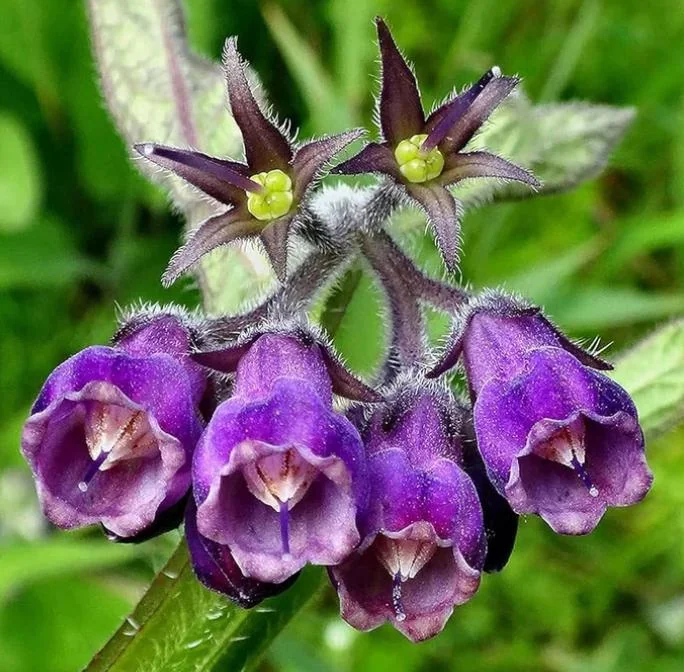
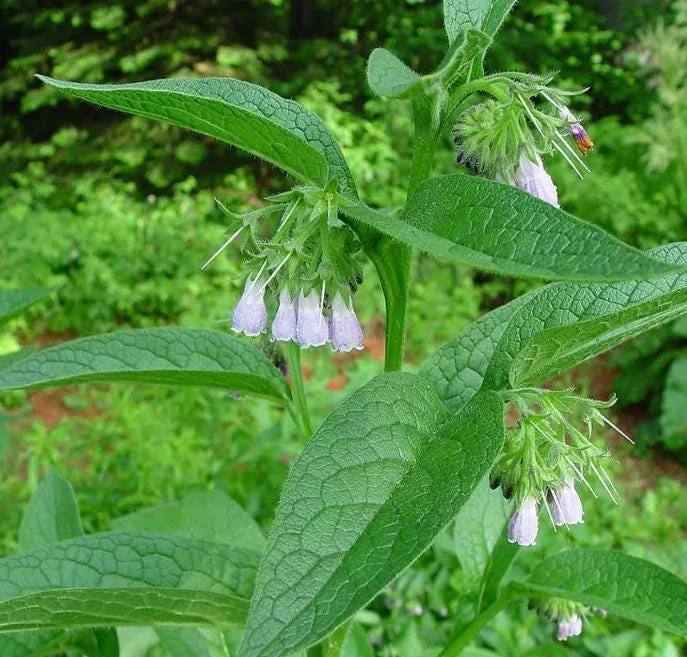
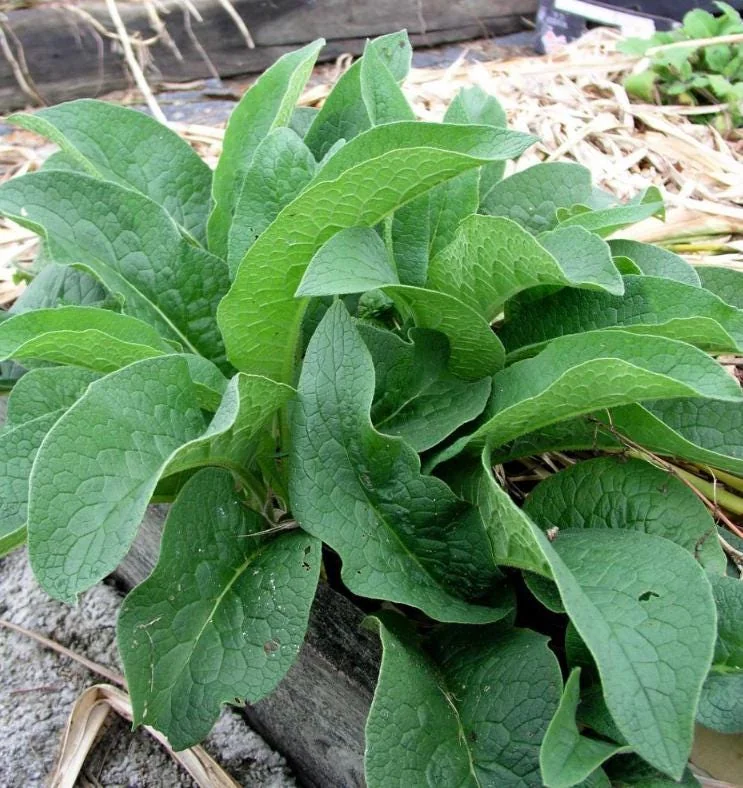
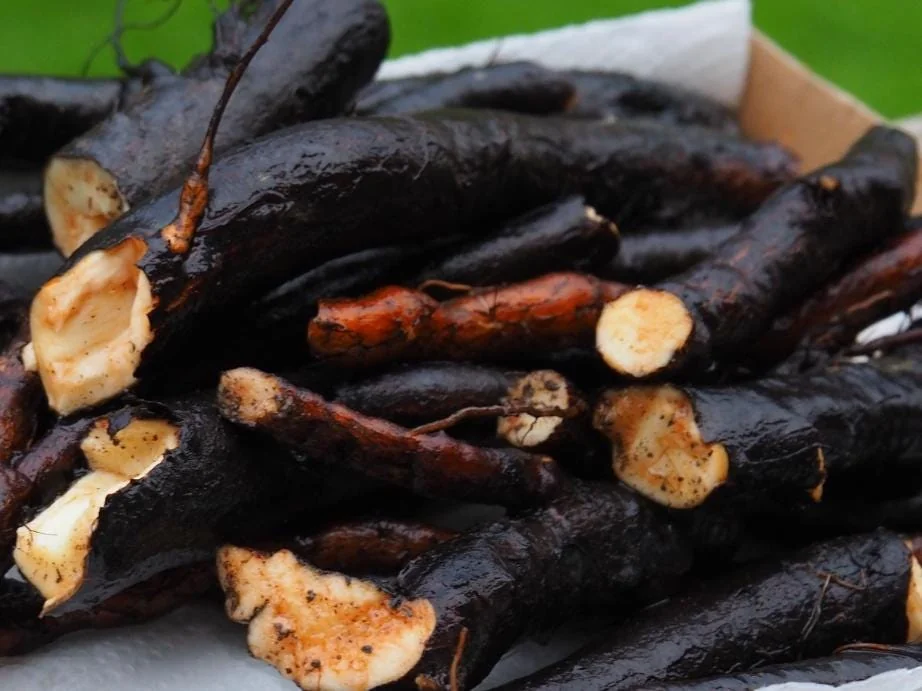
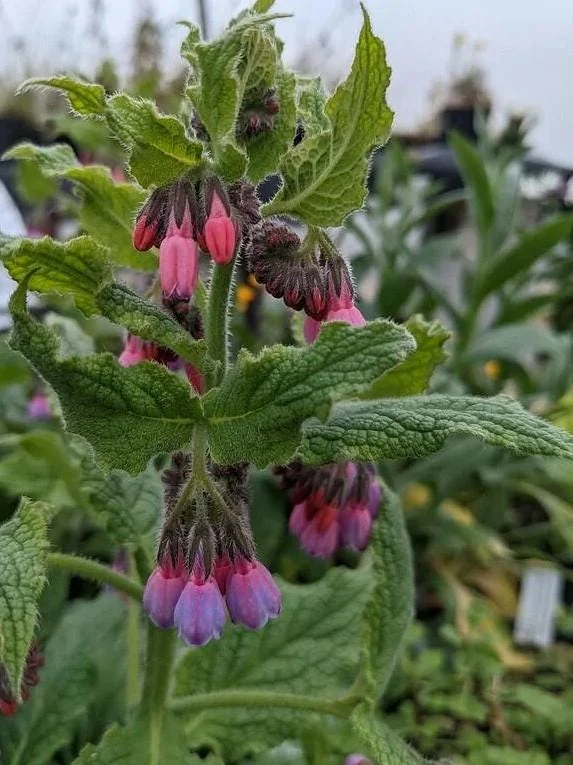
Set of 10 True Comfrey Plant Roots, Bocking 14 Variety, Perennial Herb, 4 Inch
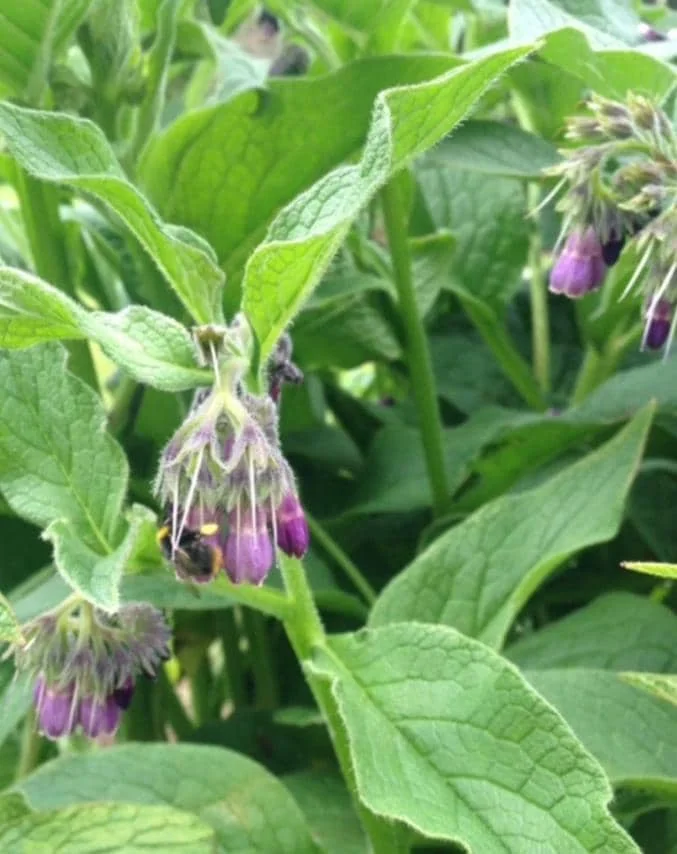
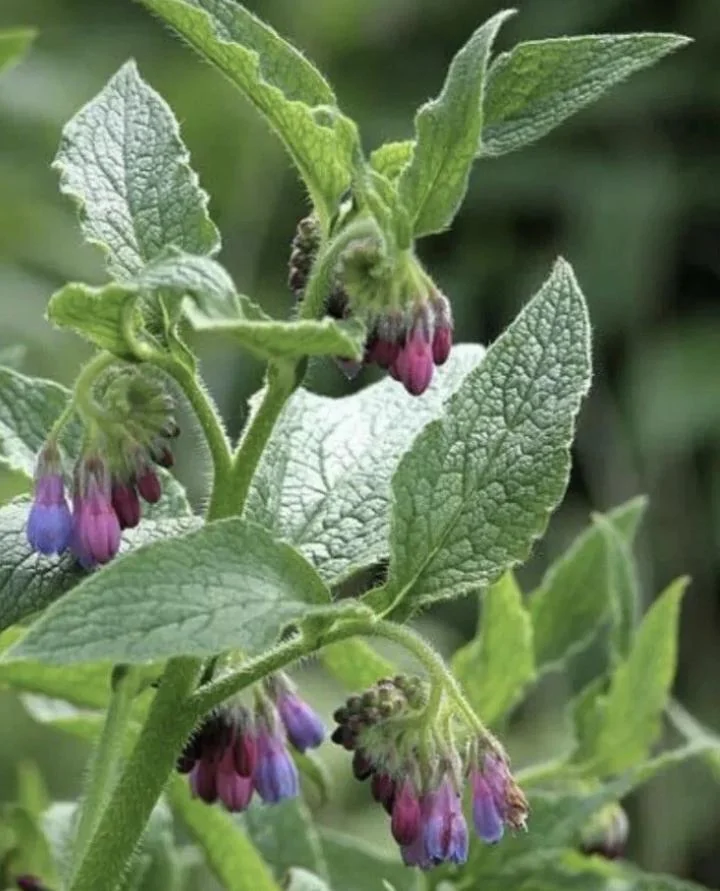
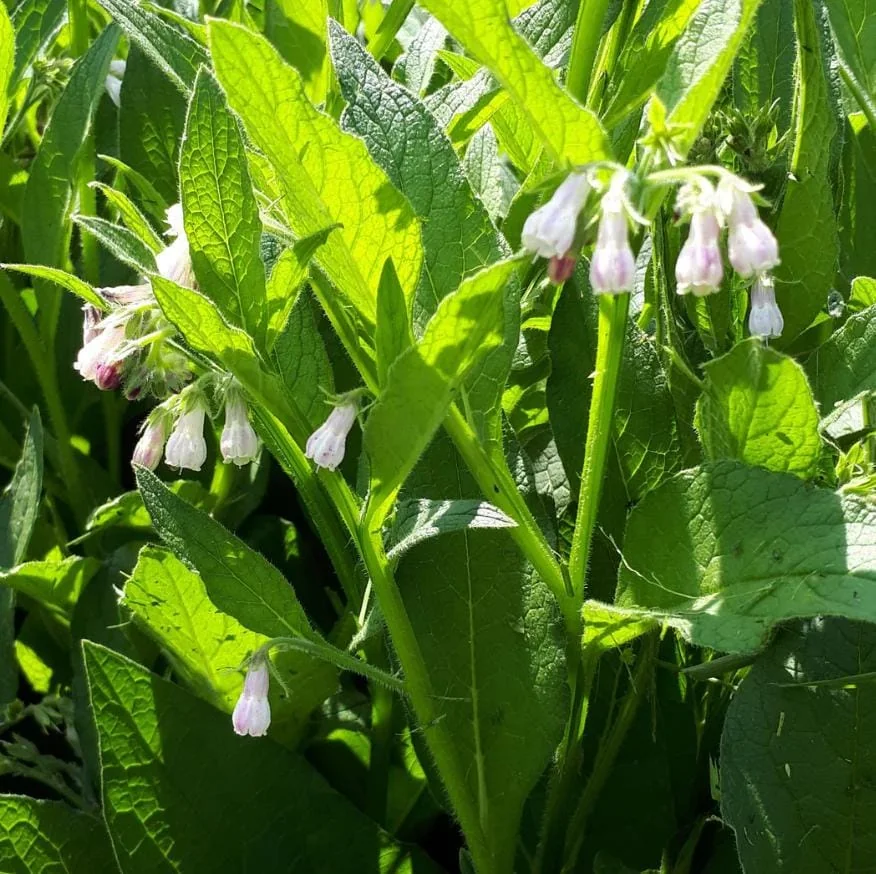
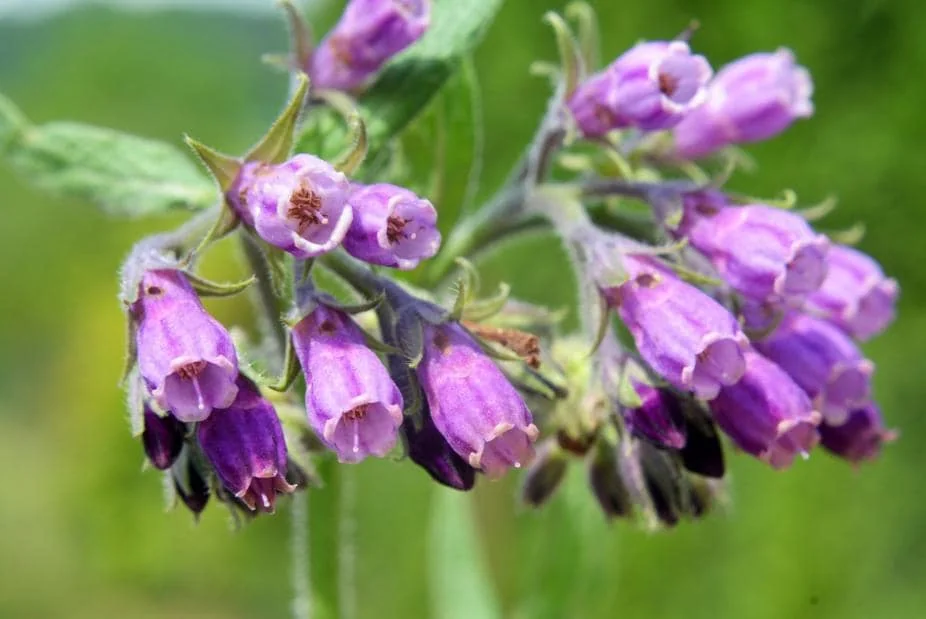
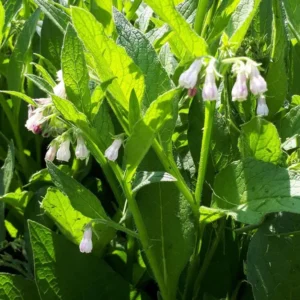
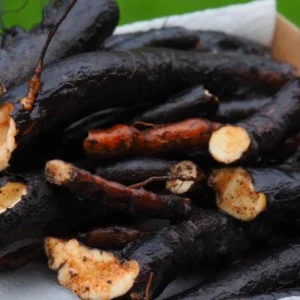
Cultivate a set of 10 true comfrey plant roots (Symphytum Officinale, Bocking 14 variety), each 4 inches long. These vigorous perennial herb roots establish quickly, providing lush foliage for your garden or natural systems. Enjoy a low-maintenance plant that thrives in various temperate climates.
Original price was: $30.99.$27.99Current price is: $27.99.

With our Alive & Thrive Guarantee, we’ve got your back for the first 30 days! If you have any concerns about your plants, just reach out to us. Our team is here to help answer your questions and guide you in selecting the best plants for your garden, climate, and unique preferences. We're excited to help you create the garden of your dreams!
Estimated arrival
Mar 10
Mar 15 - Mar 17
Mar 20 - Mar 24


Product Details
-
USDA Hardiness Zone
USDA Zones 3-9 -
Soil type
Well-drained, fertile soil -
Sunlight Exposure
Full sun to partial shade -
Expected Planting Period
Early spring or early fall
Overview
Introduce a robust and beneficial addition to your garden with this set of true comfrey plant roots. Specifically, you will receive 10 high-quality root cuttings of the Symphytum Officinale, Bocking 14 variety, each measuring approximately 4 inches in length. Comfrey, often referred to as ‘knitbone’ due to historical uses, is a remarkable perennial herb renowned for its vigorous growth and numerous applications in organic gardening and permaculture. The Bocking 14 variety is particularly prized for being non-seeding, ensuring it won’t spread invasively through seed dispersal, yet it regenerates prolifically from its roots. These comfrey Bocking 14 roots are perfect for establishing a long-lasting patch of this valuable plant, providing a continuous supply of nutrient-rich foliage.
Whether you’re looking to create nutrient-dense compost, produce a natural fertilizer, or simply enjoy a fast-growing, low-maintenance plant, these perennial comfrey herb roots are an excellent choice. They are ready to plant upon arrival and designed for quick establishment, ensuring you can enjoy the benefits of comfrey relatively soon after planting. Symphytum Officinale is a cornerstone of sustainable gardening, enhancing soil health and supporting a thriving ecosystem. With its deep taproots, comfrey draws up nutrients from the subsoil, making them available to other plants when its leaves are cut and used as mulch or compost.
Key Benefits
Integrating true comfrey plant roots into your garden offers a multitude of advantages, contributing to both plant health and ecological balance:
- Exceptional Soil Enrichment: Comfrey acts as a dynamic accumulator, drawing up essential nutrients and minerals from deep within the soil. Its leaves, when cut and used as a ‘chop and drop’ mulch or compost, release these nutrients back into the topsoil, benefiting surrounding plants. This natural fertilization reduces the need for synthetic inputs.
- Vigorous & Reliable Growth: The Bocking 14 variety is known for its rapid and abundant foliage production. Once established, this comfrey Bocking 14 plant will provide multiple harvests throughout the growing season, ensuring a consistent supply of leaves for your gardening needs.
- Non-Invasive Nature: Unlike some other comfrey varieties, Bocking 14 is sterile and does not produce viable seeds. This characteristic makes it an ideal choice for gardeners concerned about unwanted spread, allowing you to control its presence effectively.
- Drought Tolerance: After establishment, the deep root system of Symphytum Officinale roots makes it remarkably resilient to dry spells, requiring less frequent watering than many other garden plants. This contributes to water conservation in your landscape.
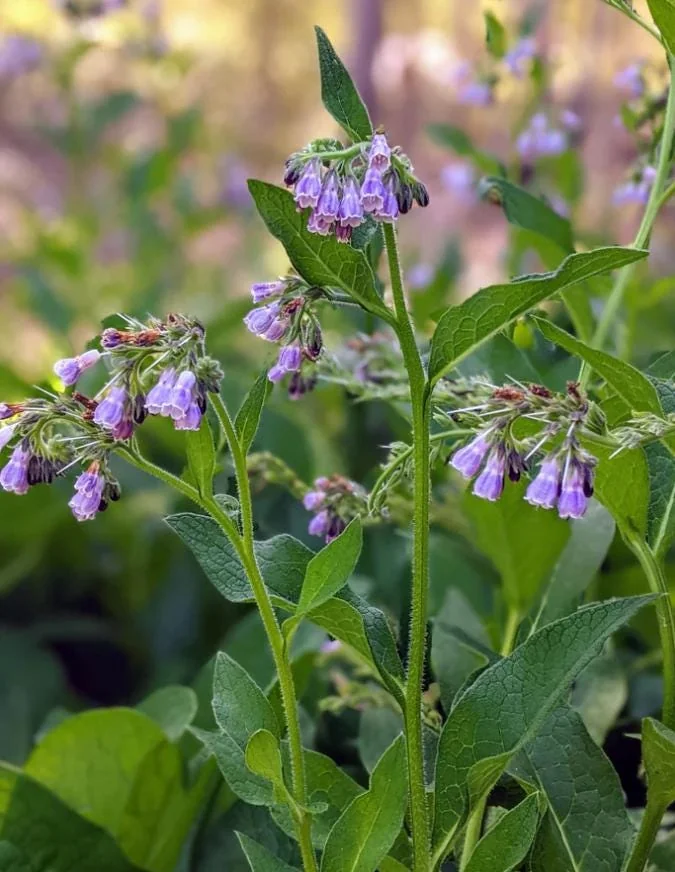
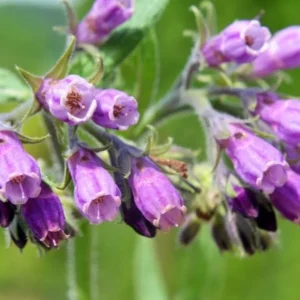
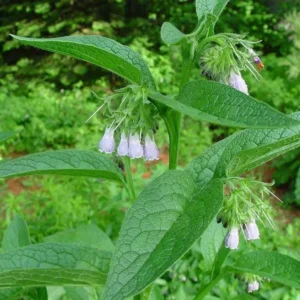
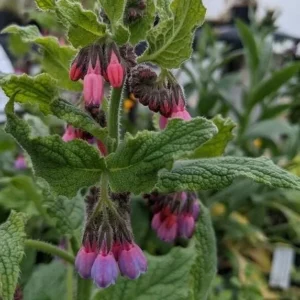
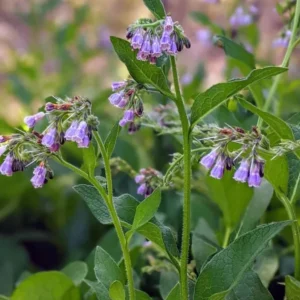
- Attracts Beneficial Pollinators: While primarily grown for its foliage, comfrey does produce small, bell-shaped flowers that are highly attractive to bees and other pollinators, supporting biodiversity in your garden ecosystem.
- Versatile Garden Use: Beyond compost and mulch, comfrey leaves can be used to make nutrient-rich liquid feeds, poultices, and even as animal fodder for certain livestock, showcasing its versatility as a perennial comfrey herb.
- Low Maintenance: Once planted and established, comfrey requires minimal care. It’s largely pest and disease resistant, and its primary ‘maintenance’ involves harvesting its leaves, which only encourages further growth.
Plant Care & Growing Tips
Successful cultivation of your true comfrey plant roots begins with proper planting and ongoing care. Comfrey is a resilient plant, but providing optimal conditions will ensure a thriving and productive patch. Upon receiving your 4-inch root cuttings, plant them either horizontally or vertically, approximately 2–3 inches deep in the soil. Ensure the soil is well-drained and fertile; comfrey thrives in rich, organic matter. Space individual roots 18–24 inches apart to allow for mature growth and good air circulation. Initial watering is crucial; water well immediately after planting and maintain consistent soil moisture during the establishment phase.
For sunlight requirements, Symphytum Officinale roots perform best in full sun to partial shade. In hotter climates, partial shade during the intense afternoon hours can prevent leaf scorch and prolong lush growth. Comfrey is a hardy perennial, generally thriving in USDA zones 3-9, meaning it will die back in winter in colder regions but return robustly in spring. Mulching around the plants is highly recommended to help retain soil moisture, suppress weeds, and provide a slow release of nutrients as the mulch breaks down. Once established, comfrey is remarkably low-maintenance. Fertilize annually with compost or a balanced organic fertilizer to support its vigorous growth and nutrient accumulation capabilities. Regular harvesting of the leaves (cutting them back to a few inches above the ground) will encourage continuous new growth, allowing for multiple harvests throughout the growing season. This practice is key to maximizing the benefits of your growing comfrey.
Size & Details
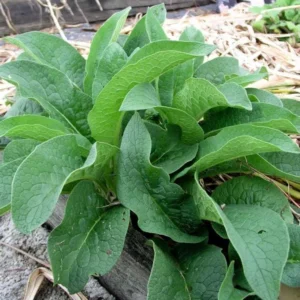
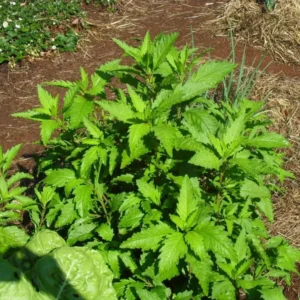
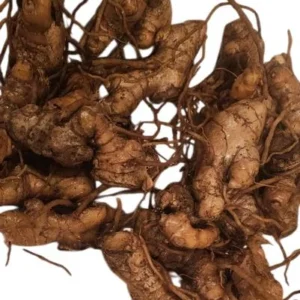
This product includes a set of 10 true comfrey plant roots, specifically the Bocking 14 variety. Each root cutting measures approximately 4 inches in length, providing ample material for quick establishment and vigorous growth. These bare roots are ready for planting and are an efficient way to start a new comfrey patch or expand an existing one. Comfrey Bocking 14 is known for its fast growth rate, typically reaching mature heights of 2-3 feet with a similar spread once fully established. The foliage is lush and broad, providing significant biomass for composting and mulching throughout the growing season.
As a perennial herb, these perennial comfrey herb roots will establish themselves in the first year and then return year after year, offering a continuous supply of beneficial leaves. The plants are shipped as dormant root cuttings, ensuring they transplant well and have a high success rate. Expect new shoots to emerge within a few weeks of planting, depending on climate and growing conditions. The robust nature of these Symphytum Officinale roots makes them an ideal choice for both experienced gardeners and those new to growing comfrey, promising a productive and enduring addition to any garden system.
Frequently Asked Questions
- Q: How big do these comfrey plants get? A: Once established, these true comfrey plant roots (Bocking 14 variety) typically grow to about 2-3 feet tall and 2-3 feet wide, forming a dense clump of foliage. They are known for their vigorous growth.
- Q: Is this an indoor or outdoor plant? A: Comfrey is primarily an outdoor plant. It is a hardy perennial that thrives in garden beds, flourishing in full sun to partial shade in appropriate USDA zones.
- Q: How much sunlight does it need? A: For best results, comfrey prefers full sun (at least 6 hours of direct sunlight daily) but will tolerate partial shade, especially in hotter climates where some afternoon shade can be beneficial.
- Q: Is this plant easy to care for? Is it good for beginners? A: Yes, comfrey is considered very easy to care for, especially once established. It’s an excellent choice for beginners due to its resilience and low maintenance requirements, making growing comfrey a straightforward process.
- Q: What condition will the Bocking 14 comfrey roots arrive in? A: The comfrey Bocking 14 roots will arrive as dormant, 4-inch bare root cuttings, ready for immediate planting. They are carefully packaged to ensure freshness and viability upon arrival.
- Q: When is the best time to plant these comfrey roots? A: The best time to plant Symphytum Officinale roots is in early spring after the last frost, or in early fall before the ground freezes. This allows them to establish their root system before extreme temperatures.
- Q: Will this perennial comfrey herb survive winter in my zone? A: Comfrey is a hardy perennial, generally suitable for USDA Zones 3-9. In colder zones, it will die back to the ground in winter and re-emerge robustly in the spring.
- Q: What is the main use for this comfrey Bocking 14 variety? A: The Bocking 14 variety is primarily grown for its foliage, which is excellent for making nutrient-rich compost, liquid fertilizers, and as a ‘chop and drop’ mulch to enrich garden soil. It’s a key component in organic and permaculture systems.
- Q: How quickly will these true comfrey plant roots establish? A: With proper planting and consistent moisture, these 4-inch roots will establish quickly, often showing new growth within a few weeks, depending on environmental conditions.
- Q: Do I need to fertilize my comfrey plants often? A: Comfrey is not a heavy feeder once established, especially if its leaves are returned to the soil as mulch. An annual application of compost or a balanced organic fertilizer in spring is usually sufficient to support its vigorous growth.
Related products
-30%
Original price was: $59.98.$41.98Current price is: $41.98.
-30%
Original price was: $67.98.$47.58Current price is: $47.58.
-67%
From Original price was: $35.22.$11.74Current price is: $11.74.
-48%
Original price was: $39.99.$20.99Current price is: $20.99.
-50%
Original price was: $53.98.$26.99Current price is: $26.99.
-67%
From Original price was: $35.22.$11.74Current price is: $11.74.
-30%
Original price was: $99.98.$69.98Current price is: $69.98.
-30%
Original price was: $59.98.$41.98Current price is: $41.98.
PLANTING & CARE

The Comprehensive Guide to Growing Bay Leaf Plants for a Flavorful Garden
Imagine stepping into your garden, greeted by the earthy aroma of fresh bay leaves, their
09
Feb
Feb

How to Make Comfrey Tea: The Ultimate Organic Plant Food
Growing an organic garden can be surprisingly expensive, especially when most store-bought fertilizers come in
02
Feb
Feb

True Comfrey: 7 Essential Tips Before You Plant This Herb
A staple in permaculture practices across the US, True Comfrey easily earns its reputation as
27
Jan
Jan

7 Heart-Shaped Plants for a Lasting Valentine’s Gift
If you’ve ever bought a bouquet of roses for Valentine’s Day, you know they are
26
Jan
Jan

Best Types of Ivy Plant for Houses: How to Choose the Perfect Ones for Your Home
Are you a garden lover looking to introduce some greenery into your home? Maybe you’ve
14
Nov
Nov

When to Harvest Garlic (Especially Fall-Planted Garlic)
TIMING IS EVERYTHING, they say – and for garlic, that truth hits with surprising accuracy.
13
Nov
Nov

11 of the Best Sweet Potato Varieties to Grow for Your Garden
If you’ve ever tried growing sweet potatoes, you know that picking the right variety can
12
Nov
Nov
Pruning Bougainvillea for Winter
Bougainvillea vines are known for their dazzling display of magenta, orange, and fuchsia bracts that
05
Nov
Nov