Redbud Tree Live Plant, Bare Root, Dormant, 14-20 Inches Tall, 1-2 Year Old
-20%
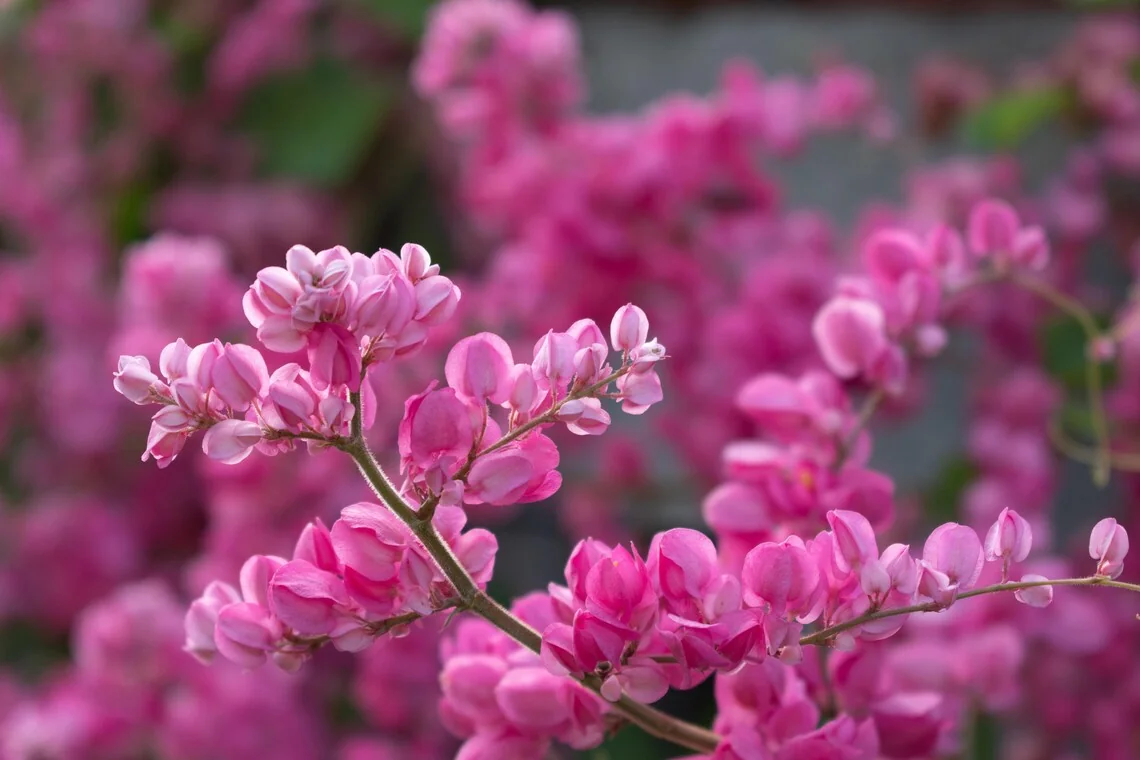
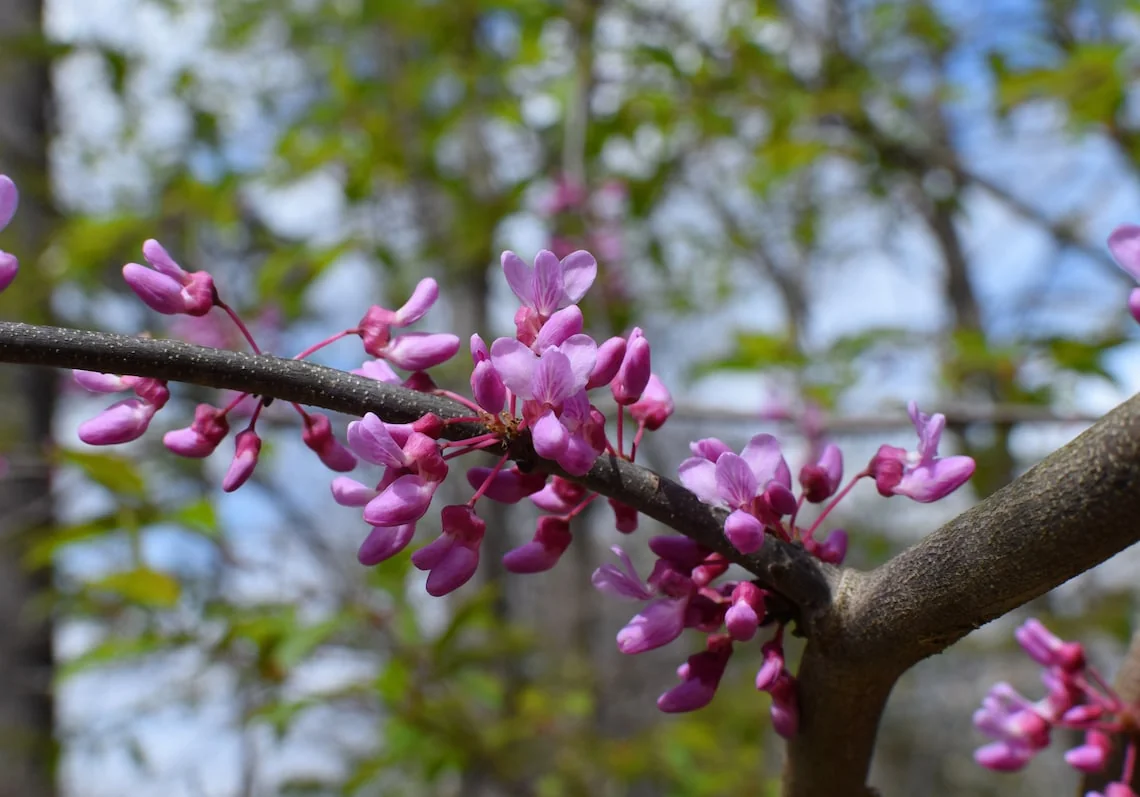
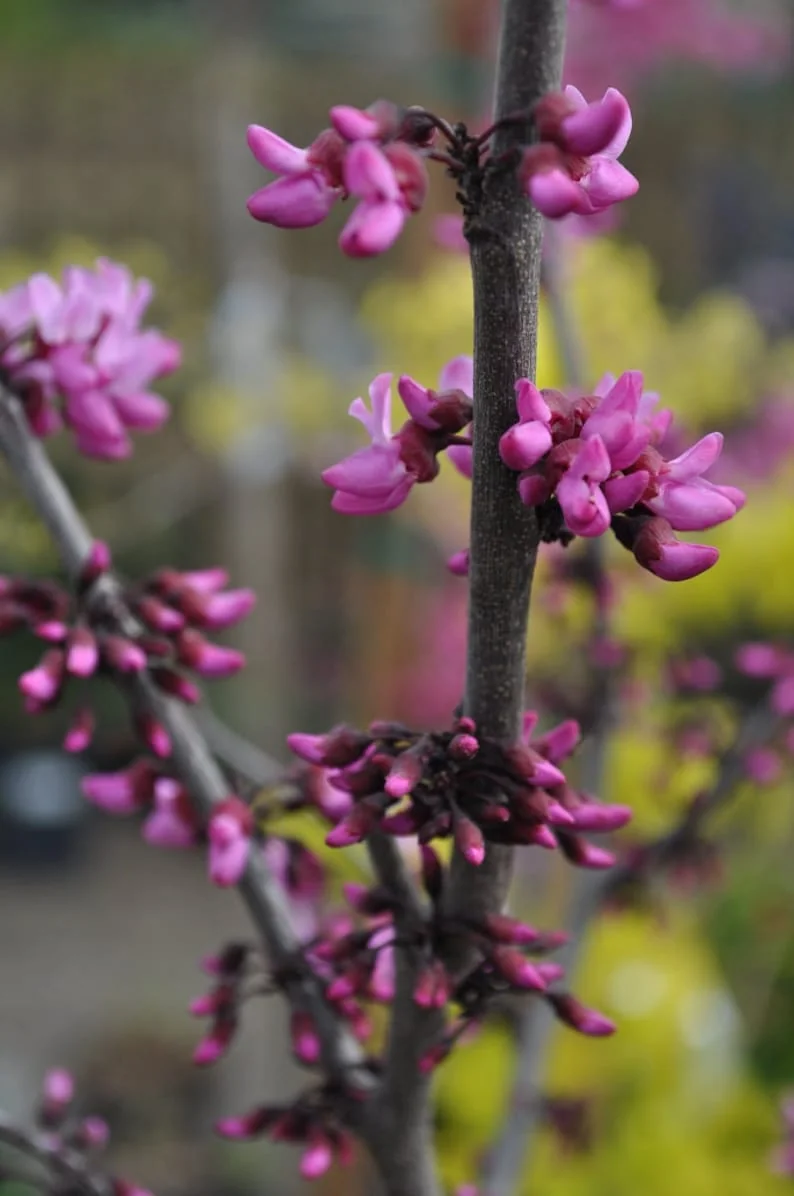
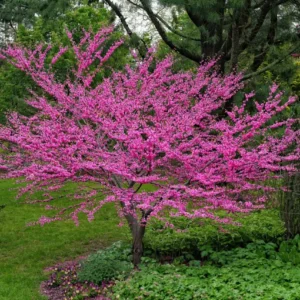
Redbud Tree Live Plant, Bare Root, Dormant, 14-20 Inches Tall, 1-2 Year Old
Bring vibrant spring color to your landscape with a redbud tree live plant. This 1-2 year old, 14-20 inch tall bare root redbud arrives dormant, ready for planting to establish and flourish outdoors, offering beautiful blooms. Ideal for gardeners seeking an easy-to-grow, resilient tree.
Original price was: $29.99.$23.99Current price is: $23.99.

With our Alive & Thrive Guarantee, we’ve got your back for the first 30 days! If you have any concerns about your plants, just reach out to us. Our team is here to help answer your questions and guide you in selecting the best plants for your garden, climate, and unique preferences. We're excited to help you create the garden of your dreams!
Estimated arrival
Jan 10
Jan 15 - Jan 17
Jan 20 - Jan 24
Product Details
-
USDA Hardiness Zone
USDA Zones 4-9 -
Soil type
Well-draining, rich in organic matter -
Sunlight Exposure
Full sun to partial shade (6+ hours direct sun) -
Expected Planting Period
Early spring or late fall
Overview
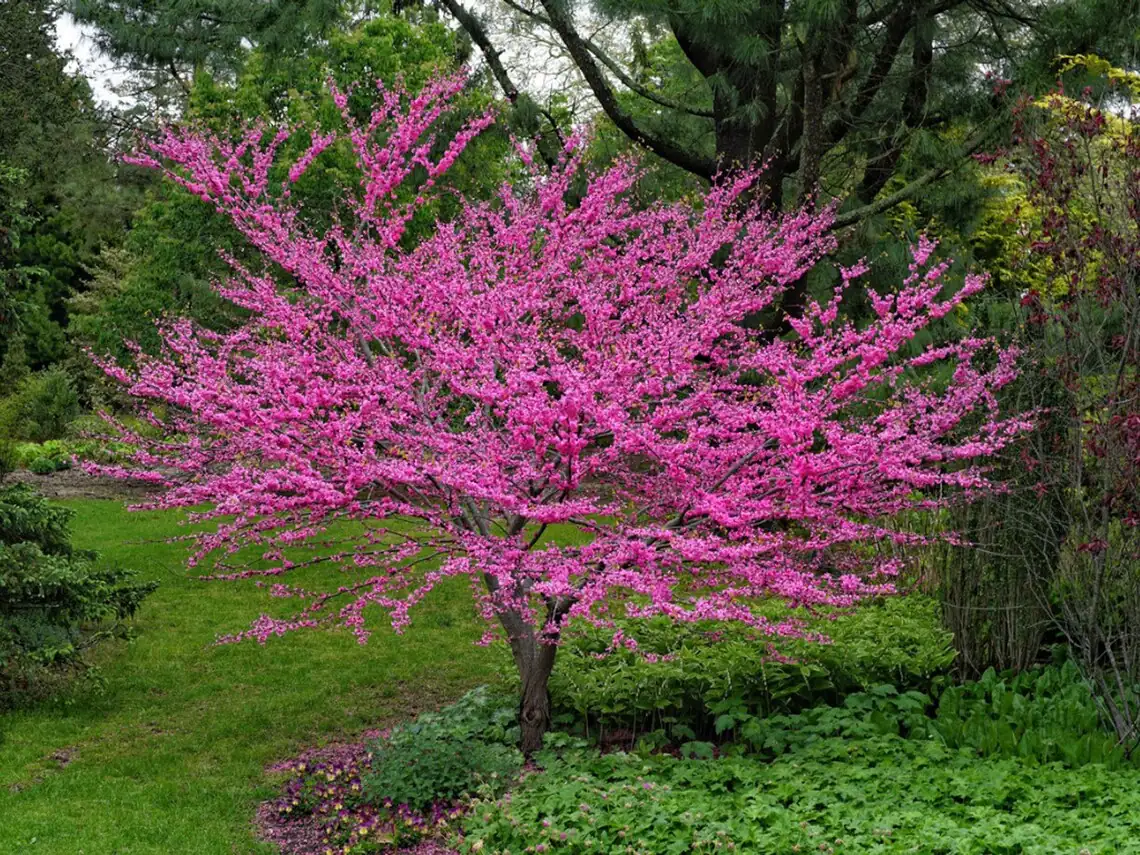
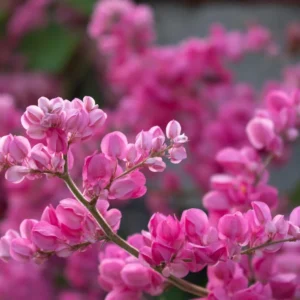
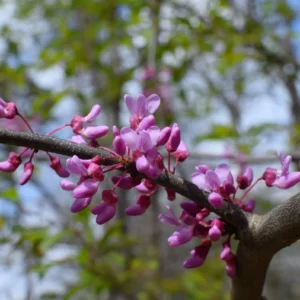
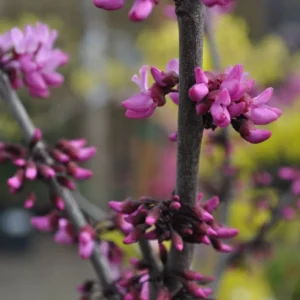
Introduce a burst of vibrant color and enduring beauty to your garden with our premium redbud tree live plant. This offering features a 1-2 year old bare root redbud tree, typically 14 to 20 inches tall, ready to establish itself in your landscape. Redbud trees, scientifically known as Cercis canadensis, are cherished by gardeners for their stunning, early spring blooms that emerge directly on the branches before the leaves appear. These captivating pinkish-purple flowers transform the tree into a spectacular focal point, signaling the arrival of warmer weather. Each bare root is carefully harvested and prepared to ensure optimal health and vigorous growth upon planting. This particular size promises a resilient start and a spectacular display that will brighten any landscape, from formal gardens to naturalized settings. Get ready to enjoy the splendor of this magnificent tree year after year.
Our bare root redbud is specifically selected for its robust nature and striking visual appeal. It is an ideal solution for adding long-lasting charm and a touch of elegance to your outdoor spaces. With impressive hardiness and minimal care requirements once established, this redbud tree will quickly become a cherished part of your garden. The unique bloom display and heart-shaped leaves create a dynamic and inviting atmosphere, drawing the eye and enriching your garden’s aesthetic. Consider this for your next landscaping project to add significant seasonal interest.
Key Benefits
Our premium redbud tree live plant offers a multitude of advantages for any gardener looking to enhance their outdoor space. These bare roots are designed for easy planting and provide lasting beauty, ensuring your garden thrives with spectacular seasonal interest.
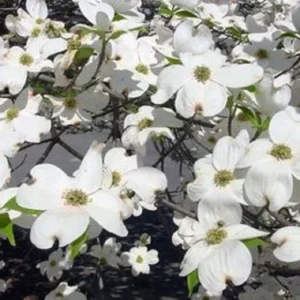
- Stunning Early Spring Blooms: Enjoy the breathtaking beauty of pinkish-purple flowers that emerge directly on the branches, creating a dramatic and colorful focal point in your garden. These vibrant hues are sure to capture attention and add visual interest, making the redbud a true highlight.
- Exceptional Hardiness: Redbud trees are renowned for their resilience, thriving in a wide range of conditions and resisting many common pests and diseases. This makes them a reliable choice for diverse climates and ensures long-term garden success.
- Low Maintenance: Once established, this redbud tree live plant requires minimal care, making it perfect for busy gardeners or those new to planting trees. It is relatively drought-tolerant and seldom needs special attention, offering beauty without constant fuss.
- Year-Round Interest: Beyond its spring blooms, the redbud offers attractive heart-shaped leaves in summer, which turn a lovely yellow in autumn, providing seasonal appeal throughout the year.
- Versatile Landscaping: Ideal as a specimen tree, for borders, in woodland settings, or as part of a mixed shrub border. Its adaptable nature allows it to fit seamlessly into various garden designs and settings, providing flexibility for your outdoor space.
- Attracts Pollinators: The beautiful early spring flowers attract beneficial pollinators like bees, contributing to a healthier and more biodiverse garden ecosystem.
- Easy to Establish: This dormant redbud tree is delivered as a bare root, which is easy to handle and plant, quickly establishing itself to produce a robust plant and abundant blooms.
Plant Care & Growing Tips
Caring for your redbud tree live plant is straightforward, ensuring a magnificent display year after year. Redbud trees are remarkably adaptable and forgiving, making them an excellent choice for gardeners of all skill levels. To begin, choose a location that receives at least six hours of direct sunlight daily for optimal blooming, though they can tolerate partial shade. In hotter climates, some afternoon shade can be beneficial. Prepare the soil by ensuring it is well-draining and rich in organic matter. A slightly acidic to neutral pH (6.0-7.5) is ideal. When planting your bare root redbud, dig a hole wide enough to accommodate the roots without bending them and deep enough so that the root collar (where the roots meet the trunk) is at or slightly above the soil line. Spread the roots out evenly. Backfill with soil and water thoroughly.
After planting, consistent watering is crucial for establishment, especially during the first year. Keep the soil moist but not waterlogged. Once established, redbuds are quite drought-tolerant, but regular watering during prolonged dry spells will ensure optimal health and growth. Fertilize in early spring with a balanced slow-release tree and shrub fertilizer, following package directions. Avoid over-fertilizing, as this can harm the young tree. Pruning is generally minimal, focusing on removing any dead, diseased, or crossing branches. The best time for pruning is after flowering in spring. In colder climates, a layer of mulch around the base of the tree in late fall can help protect the roots from extreme freezing temperatures. This simple care routine will ensure your redbud tree care is effective and your tree thrives.
For those looking to ensure their redbud thrives, monitoring for common pests like leafhoppers or canker disease is advisable, though redbuds are generally quite resistant. Ensuring good air circulation and proper drainage can prevent many fungal issues. By following these simple care tips, you will be rewarded with a spectacular and long-lasting display from your eastern redbud tree in your garden.
Size & Details
This offering includes one redbud tree live plant, shipped as a 1-2 year old dormant bare root, typically measuring 14 to 20 inches tall. Each bare root is carefully selected to ensure health and vitality, promising a robust plant and abundant blooms. Redbud trees typically grow to an average height of 20-30 feet (6-9 meters) with a spread of 25-35 feet (7.5-10.5 meters) once mature, creating a substantial presence in the garden. The growth rate is moderate, with plants generally establishing well in their first year and producing their first significant flush of flowers within 2-3 years after planting. These particular varieties are known for their striking pinkish-purple blooms, adding a vibrant touch to any landscape design. They ship as dormant bare roots, which is the ideal form for transplanting and ensures minimal stress during transit. Expect this tree to provide a spectacular display throughout the spring, with its unique flower display followed by attractive foliage. This dormant redbud tree is a fantastic way to bring lasting color and easy elegance to your outdoor space.
Frequently Asked Questions
- Q: How big does this redbud tree get? A: This redbud tree typically reaches a mature height of 20-30 feet (6-9 meters) with a spread of 25-35 feet (7.5-10.5 meters). It forms a beautiful, spreading canopy that provides excellent shade and ornamental value.
- Q: Is this an indoor or outdoor plant? A: Redbud trees are primarily outdoor plants, thriving in garden beds, as specimen trees, or in naturalized areas where they can receive ample sunlight. They are not typically grown as indoor houseplants.
- Q: How much sunlight does this redbud tree live plant need? A: For optimal blooming and health, redbud trees require at least 6 hours of direct sunlight per day. They can tolerate some partial shade, especially in hotter climates, but too much shade will reduce flower production.
- Q: Is this tree easy to care for? A: Yes, redbud trees are renowned for their ease of care and are considered a low-maintenance tree once established. They are very forgiving and adaptable, making them suitable for beginner gardeners interested in redbud tree care.
- Q: What condition will the redbud arrive in? A: Your redbud tree will arrive as a dormant redbud tree bare root. This is the optimal shipping method as it minimizes stress during transit and allows for easy planting and quick establishment in your garden.
- Q: When is the best time to plant this eastern redbud tree? A: The best time to plant bare root trees like the redbud is in early spring or late fall. This allows the tree to establish its root system before the extremes of summer heat or winter cold.
- Q: Will this redbud tree survive winter in my zone? A: Redbud trees are very hardy and generally thrive in USDA Zones 4-9. If you are within these zones and provide adequate winter protection (like mulching in colder areas), they should return year after year.
- Q: What color flowers can I expect from this redbud tree? A: You can expect vibrant pinkish-purple flowers from this redbud tree in early spring, emerging directly on the branches before the leaves appear.
- Q: How long until it blooms? A: A 1-2 year old redbud tree typically begins to produce its first significant flush of blooms within 2-3 years after planting, once it has had time to establish its root system.
- Q: Does this tree attract pollinators? A: Yes, the early spring flowers of the redbud tree are an important early nectar source and are attractive to various pollinators, especially bees, contributing to the biodiversity of your garden space.
Related products
-20%
Original price was: $36.00.$28.80Current price is: $28.80.
PLANTING & CARE

Best Types of Ivy Plant for Houses: How to Choose the Perfect Ones for Your Home
Are you a garden lover looking to introduce some greenery into your home? Maybe you’ve
14
Nov
Nov

When to Harvest Garlic (Especially Fall-Planted Garlic)
TIMING IS EVERYTHING, they say – and for garlic, that truth hits with surprising accuracy.
13
Nov
Nov

11 of the Best Sweet Potato Varieties to Grow for Your Garden
If you’ve ever tried growing sweet potatoes, you know that picking the right variety can
12
Nov
Nov

The Comprehensive Guide to Growing Bay Leaf Plants for a Flavorful Garden
Imagine stepping into your garden, greeted by the earthy aroma of fresh bay leaves, their
10
Nov
Nov
Pruning Bougainvillea for Winter
Bougainvillea vines are known for their dazzling display of magenta, orange, and fuchsia bracts that
05
Nov
Nov
The Comprehensive Guide to Growing Clerodendrum Wallichii for a Stunning Garden
Imagine walking into a garden where delicate white flowers hang from graceful branches, their petals
03
Nov
Nov
8 Mistakes to Avoid When Planting Garlic That 90% of Gardeners Make
Planting garlic can be a rewarding experience, but many gardeners, especially beginners, end up making
29
Oct
Oct
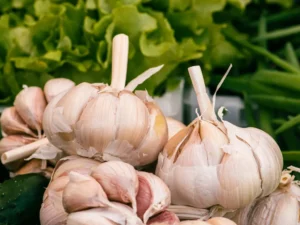
Garlic Varieties: Everything You Need to Know Before Choosing the Right Type to Grow
If you’ve ever tried growing garlic, you know that choosing the right variety can make
28
Oct
Oct