Pecan Tree Live Plant – Up to 3 ft Tall – Carya illinoinensis – Outdoor Fruit Tree
-50%
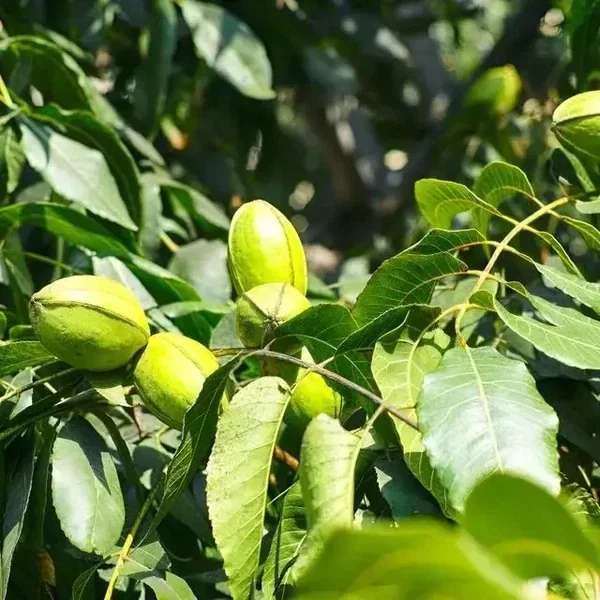
Pecan Tree Live Plant – Up to 3 ft Tall – Carya illinoinensis – Outdoor Fruit Tree
Cultivate your own delicious pecans with this robust Pecan Tree live plant. Growing up to 3 feet tall, this Hardy Pecan Tree (Carya illinoinensis) is perfect for outdoor landscapes, offering both shade and a bountiful harvest. A great addition for anyone interested in growing Pecan trees for their nuts.
Original price was: $101.98.$50.99Current price is: $50.99.

With our Alive & Thrive Guarantee, we’ve got your back for the first 30 days! If you have any concerns about your plants, just reach out to us. Our team is here to help answer your questions and guide you in selecting the best plants for your garden, climate, and unique preferences. We're excited to help you create the garden of your dreams!
Estimated arrival
Mar 12
Mar 17 - Mar 19
Mar 22 - Mar 26

Product Details
-
USDA Hardiness Zone
USDA Zones 5-9 -
Soil type
Well-draining, deep, fertile soil -
Sunlight Exposure
Full sun -
Expected Planting Period
Spring
Overview
Bring the joy of fresh, homegrown pecans to your property with this healthy Pecan Tree live plant. Known botanically as Carya illinoinensis, this magnificent tree is a favorite for its delicious nuts and impressive shade. This particular offering is for a vigorous young Pecan Tree live plant, typically growing up to 3 feet tall, though some may be larger. It’s an excellent choice for those looking to establish a long-term orchard or simply add a beautiful, productive tree to their garden. The Pecan nut tree is a native North American species, celebrated for its hardiness and ability to thrive in various climates, making it a rewarding addition for gardeners across many regions. Enjoy the beauty of its foliage and the eventual bounty of its rich, flavorful nuts.
Key Benefits
Investing in a Pecan Tree live plant offers a multitude of advantages for your landscape and lifestyle. Not only will you enjoy the aesthetic appeal of a mature tree, but you’ll also reap the rewards of its delicious fruit.
- Nut Production: The primary benefit of a Pecan Tree live plant is its ability to produce an abundance of highly sought-after pecan nuts. These nuts are not only tasty but also packed with nutrients, making them a healthy snack or ingredient for baking.
- Shade and Beauty: As it matures, the Pecan nut tree develops into a large, stately specimen, providing ample shade during hot summer months. Its attractive foliage adds significant aesthetic value to any garden or yard, enhancing the overall landscape.
- Wildlife Attraction: Planting a Pecan Tree live plant can attract local wildlife, including squirrels and various bird species, adding to the biodiversity and natural charm of your outdoor space.
- Long-Term Investment: A pecan tree is a long-lived plant, often producing nuts for many decades. This makes it a sustainable and rewarding long-term investment in your property, increasing its value and appeal.
- Environmental Benefits: Like all trees, the Carya illinoinensis contributes positively to the environment by producing oxygen, absorbing carbon dioxide, and supporting soil health, making it an eco-friendly choice for your garden.
- Hardiness: This Hardy Pecan Tree is known for its resilience and ability to withstand various environmental conditions, ensuring a greater chance of successful growth and establishment in your garden.
Plant Care & Growing Tips
Successful growing Pecan trees requires attention to a few key care aspects. Your Pecan Tree live plant will thrive best in a location that receives full sunlight, meaning at least 6-8 hours of direct sun per day. Ensure the soil is well-draining, deep, and fertile. Pecan trees prefer slightly acidic to neutral soil with a pH between 6.0 and 7.0. Regular watering is crucial, especially during the first few years after planting and during dry spells. Deep watering encourages a strong root system. Avoid overwatering, which can lead to root rot.
Pecan trees are known to be quite cold-hardy, generally thriving in USDA Zones 5-9. They require a certain number of chill hours to produce nuts effectively. Fertilize your Pecan Tree live plant in late winter or early spring with a balanced fertilizer, gradually increasing the amount as the tree matures. Look out for common pests like pecan weevils and diseases such as pecan scab, and address them promptly with appropriate organic or chemical treatments. Proper pruning during dormancy is also important to maintain tree structure and promote air circulation. With these tips, you’ll be well on your way to successfully growing Pecan trees that yield delicious nuts.
Size & Details
This offering is for one robust Pecan Tree live plant, which typically measures up to 3 feet in height at the time of shipping, though some individual plants may exceed this height. These trees are usually shipped as dormant bare root plants or in small containers, ready for transplanting into your garden or a larger pot. The initial growth stage is that of a young, dormant tree, ensuring it establishes well in its new environment. Pecan trees are known for their moderate to fast growth rate, quickly developing into substantial shade trees. Expect these Carya illinoinensis trees to begin producing nuts within 5-10 years, with yields increasing as the tree matures. They are outdoor plants, needing ample space to grow, eventually reaching heights of 70-100 feet with a similar spread.
Frequently Asked Questions
- Q: How tall is the Pecan Tree live plant upon arrival? A: Your Pecan Tree live plant will typically be up to 3 feet tall, though some may be larger. The largest available plants are usually shipped first to ensure optimal vigor.
- Q: Is this an indoor or outdoor plant? A: This Pecan Tree live plant is an outdoor plant. It requires significant space and full sun exposure to thrive and produce nuts effectively.
- Q: How much sunlight does a Pecan Tree need? A: For successful growing Pecan trees, they need full sun, which means at least 6-8 hours of direct sunlight per day.
- Q: What condition will the Pecan Tree arrive in? A: The tree will arrive as a healthy, dormant plant, either bare root or in a small container, ready for planting. We ensure careful packaging for safe transit.
- Q: How long until my Pecan Tree starts producing nuts? A: A young Pecan nut tree typically begins producing nuts within 5 to 10 years after planting, with full production achieved as the tree matures.
- Q: What USDA zones is this Hardy Pecan Tree suitable for? A: This Hardy Pecan Tree (Carya illinoinensis) is generally suitable for USDA Hardiness Zones 5-9, requiring sufficient chill hours for optimal nut production.
- Q: What type of soil is best for Pecan trees? A: Pecan trees prefer deep, well-draining, fertile soil with a slightly acidic to neutral pH (6.0-7.0).
- Q: Is this tree difficult to care for? A: While growing Pecan trees requires attention to watering, sunlight, and occasional fertilization, they are generally hardy and rewarding for dedicated gardeners.
- Q: Can I grow a Pecan Tree in a large pot? A: While you can start a young Pecan Tree live plant in a large pot, it will eventually need to be transplanted into the ground to reach its full potential and produce a good harvest.
Related products
-50%
Original price was: $73.98.$36.99Current price is: $36.99.
-10%

Original price was: $23.99.$21.59Current price is: $21.59.

PLANTING & CARE

The Comprehensive Guide to Growing Bay Leaf Plants for a Flavorful Garden
Imagine stepping into your garden, greeted by the earthy aroma of fresh bay leaves, their
09
Feb
Feb

How to Make Comfrey Tea: The Ultimate Organic Plant Food
Growing an organic garden can be surprisingly expensive, especially when most store-bought fertilizers come in
02
Feb
Feb

True Comfrey: 7 Essential Tips Before You Plant This Herb
A staple in permaculture practices across the US, True Comfrey easily earns its reputation as
27
Jan
Jan

7 Heart-Shaped Plants for a Lasting Valentine’s Gift
If you’ve ever bought a bouquet of roses for Valentine’s Day, you know they are
26
Jan
Jan

Best Types of Ivy Plant for Houses: How to Choose the Perfect Ones for Your Home
Are you a garden lover looking to introduce some greenery into your home? Maybe you’ve
14
Nov
Nov

When to Harvest Garlic (Especially Fall-Planted Garlic)
TIMING IS EVERYTHING, they say – and for garlic, that truth hits with surprising accuracy.
13
Nov
Nov

11 of the Best Sweet Potato Varieties to Grow for Your Garden
If you’ve ever tried growing sweet potatoes, you know that picking the right variety can
12
Nov
Nov
Pruning Bougainvillea for Winter
Bougainvillea vines are known for their dazzling display of magenta, orange, and fuchsia bracts that
05
Nov
Nov