Live Elderberry Plant – Sambucus Shrub – Outdoor Fruit Plant
-50%

Live Elderberry Plant – Sambucus Shrub – Outdoor Fruit Plant
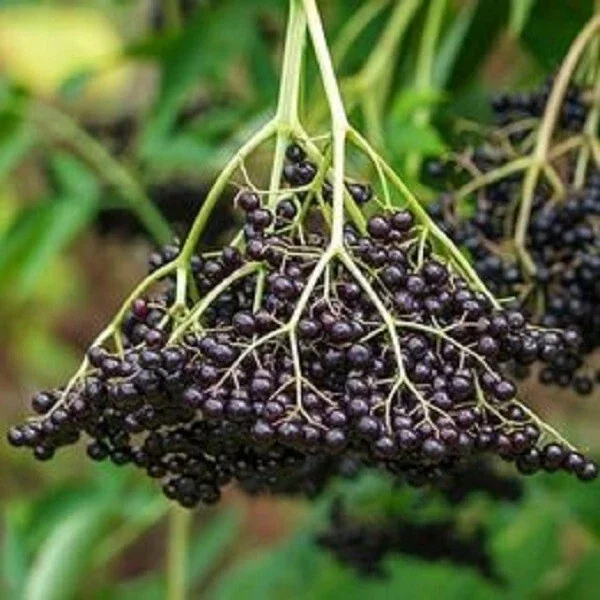
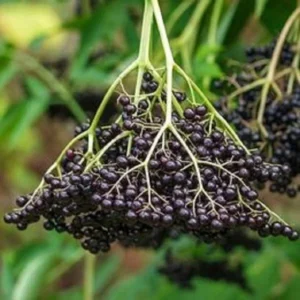
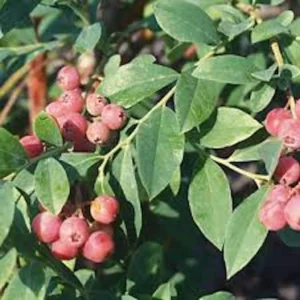
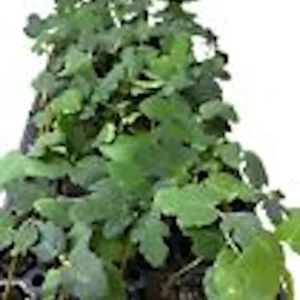
Cultivate your own delicious and healthful berries with this elderberry live plant. This robust sambucus plant is a live seedling, ready to thrive in your outdoor garden, producing fruit in the fall. An excellent choice for a productive and attractive landscape.
Original price was: $61.98.$30.99Current price is: $30.99.

With our Alive & Thrive Guarantee, we’ve got your back for the first 30 days! If you have any concerns about your plants, just reach out to us. Our team is here to help answer your questions and guide you in selecting the best plants for your garden, climate, and unique preferences. We're excited to help you create the garden of your dreams!
Estimated arrival
Mar 01
Mar 06 - Mar 08
Mar 11 - Mar 15
Product Details
-
USDA Hardiness Zone
USDA Zones 3-9 -
Soil type
Well-draining loam -
Sunlight Exposure
Full sun to partial shade -
Expected Planting Period
Spring to Fall
Overview
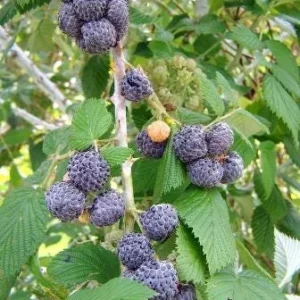
Bring the beauty and bounty of nature to your garden with this elderberry live plant. This offering is for one live Elderberry plant, a true plant and not a cutting, ensuring a well-established start for your garden. The Elderberry, scientifically known as Sambucus, is a deciduous shrub prized for its ornamental value and its clusters of dark purple berries. These berries are widely used in culinary applications, from jams and jellies to pies and wines, and are also known for their traditional medicinal properties. Growing your own elderberry live plant allows you to enjoy fresh, organic fruit right from your backyard. This particular plant is an outdoor variety, perfect for enhancing landscapes and attracting pollinators. Whether you’re a seasoned gardener or just starting, an elderberry plant is a rewarding addition to any edible landscape.
Key Benefits
Adding an elderberry plant to your garden offers a multitude of benefits, combining aesthetic appeal with practical uses. This elderberry live plant is not just a beautiful shrub but a source of delicious and healthy fruit.
- Edible & Healthful Berries: The primary benefit of an elderberry live plant is its abundant harvest of berries. These dark, nutrient-rich fruits are fantastic for making homemade jams, jellies, syrups, and even wine. They are also known for being packed with antioxidants and vitamins, traditionally used to support immune health.
- Ornamental Garden Addition: Beyond its fruit, the elderberry plant boasts attractive foliage and clusters of delicate white flowers in late spring to early summer, followed by the striking dark berries. It adds a lovely visual element to any garden or landscape.
- Attracts Pollinators & Wildlife: The fragrant flowers are a magnet for bees, butterflies, and other beneficial pollinators, contributing to a healthier ecosystem in your garden. The berries, if not harvested for human consumption, are also a favorite food source for birds.
- Easy to Grow & Low Maintenance: Elderberry plants are generally hardy and adaptable, making them suitable for gardeners of all experience levels. Once established, they require minimal care, thriving with basic watering and occasional pruning.
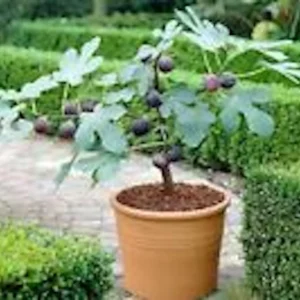
- Versatile Landscape Use: Whether you’re looking to create an edible hedge, add a specimen shrub, or integrate it into a food forest design, the elderberry plant offers great versatility. It can be grown as a large shrub or trained into a small tree.
- Fast Growing: Elderberry plants tend to grow relatively quickly, meaning you won’t have to wait many years to enjoy your first harvest of berries from your elderberry live plant.
- Adaptable to Various Conditions: While they prefer certain conditions, elderberry plants are quite forgiving and can tolerate a range of soil types and sun exposures, provided they have adequate moisture.
Plant Care & Growing Tips
Caring for your elderberry live plant is straightforward, ensuring a healthy and productive shrub for years to come. These plants are quite resilient and can adapt to various conditions, but providing optimal care will yield the best results for your growing elderberry.
Sunlight Requirements: Elderberry plants thrive in full sun to partial shade. For the most abundant berry production, aim for at least 6 hours of direct sunlight per day. In hotter climates, some afternoon shade can be beneficial to prevent leaf scorch. They are outdoor plants and need access to natural light cycles.
Watering Schedule & Soil Moisture: Elderberries prefer consistently moist, but not waterlogged, soil. Water regularly, especially during dry spells and when the plant is young and establishing itself. Once mature, they are somewhat drought-tolerant, but consistent moisture will lead to better fruit production. Avoid letting the soil dry out completely between waterings. Proper drainage is crucial to prevent root rot.
Soil Type & Drainage: These plants are adaptable to a wide range of soil types but prefer rich, well-draining loam with a slightly acidic to neutral pH (5.5-7.0). Amending heavy clay soils with organic matter can improve drainage, while sandy soils will benefit from compost to increase water retention. Ensure the planting site has good drainage to prevent standing water.
Temperature Range & USDA Hardiness Zone: Elderberry plants are quite cold-hardy, generally thriving in USDA Zones 3-9. They require a period of winter dormancy to produce fruit. They can tolerate a wide range of temperatures throughout the growing season.
Fertilization Schedule & Type: Fertilize your elderberry plant in early spring with a balanced, all-purpose granular fertilizer or an organic compost spread around the base of the plant. Avoid over-fertilizing, as this can lead to excessive foliage growth at the expense of fruit production. For best results with your sambucus plant, follow package directions for application rates.
Common Problems & Solutions: Elderberries are generally pest and disease resistant. Watch out for aphids, which can be sprayed off with water or treated with insecticidal soap. Powdery mildew can occur in humid conditions; ensure good air circulation through proper spacing and pruning. Prune out any dead, damaged, or crossing branches annually in late winter or early spring to maintain plant health and vigor. This practice is essential for successful growing elderberry.
Size & Details
This offering is for one elderberry live plant, provided as a robust seedling ready for planting. The exact height will vary depending on the time of year and growth stage, but it will be a viable plant with a developed root system, as these are plants and not cuttings. Elderberry plants are known for their moderate to fast growth rate, typically maturing into a large shrub, ranging from 5 to 12 feet tall and wide, depending on the variety and growing conditions. The plant is shipped in a suitable nursery container to ensure its health during transit. With proper care, you can expect your plant to begin producing berries within 1-2 years after planting, offering a continuous supply of delicious fruit for many seasons. This elderberry fruit plant will grow into a substantial and productive addition to your garden.
Frequently Asked Questions
- Q: How big does this elderberry live plant get? A: An elderberry live plant can typically grow into a large shrub, reaching heights of 5 to 12 feet and a similar spread, depending on the specific variety and your local growing conditions. Regular pruning can help manage its size and shape.
- Q: Is this an indoor or outdoor plant? A: This elderberry plant is an outdoor variety. It requires outdoor conditions to thrive and produce fruit, including a period of winter dormancy. It is not suitable for long-term indoor cultivation.
- Q: How much sunlight does my elderberry plant need? A: For optimal fruit production, your sambucus plant needs at least 6 hours of direct sunlight daily. It can tolerate partial shade, but berry yields may be reduced in shadier locations.
- Q: Is this plant easy to care for? A: Yes, elderberry plants are considered relatively easy to care for. They are hardy, adaptable to various soil types, and generally resistant to pests and diseases, making them a great choice for gardeners of all skill levels who want to try growing elderberry.
- Q: What condition will the plant arrive in? A: Your buy elderberry plant order will arrive as a live, healthy seedling plant, not a cutting. It will be carefully packaged in a nursery container to ensure its well-being during shipment, ready for planting upon arrival.
- Q: When is the best time to plant an elderberry? A: The best time to plant an elderberry is typically in the spring or fall. This allows the plant to establish its root system before the stress of extreme summer heat or winter cold.
- Q: Can I use the elderberry fruit in cooking? A: Absolutely! Elderberries are a popular ingredient for various culinary uses. They can be made into jams, jellies, syrups, pies, and even wine. Always ensure berries are cooked before consumption.
- Q: Will this elderberry plant survive winter in my zone? A: Elderberry plants are very cold-hardy, typically thriving in USDA Zones 3-9. If your zone falls within this range, your plant should successfully overwinter and return in spring.
- Q: What type of soil does an elderberry plant prefer? A: Elderberries prefer rich, well-draining soil with a slightly acidic to neutral pH. They can tolerate a range of soil types, but good drainage is essential to prevent root issues.
- Q: How long until I get fruit from my elderberry live plant? A: You can typically expect your elderberry fruit plant to start producing berries within 1 to 2 years after planting, with full production usually beginning in its third year.
Related products
-10%
Original price was: $48.99.$44.09Current price is: $44.09.
-20%
Original price was: $56.00.$44.80Current price is: $44.80.
-10%
Original price was: $89.99.$80.99Current price is: $80.99.
-20%
Original price was: $50.00.$40.00Current price is: $40.00.
-10%
Original price was: $158.00.$142.20Current price is: $142.20.
-10%
Original price was: $23.99.$21.59Current price is: $21.59.
-20%
Original price was: $36.00.$28.80Current price is: $28.80.
PLANTING & CARE

The Comprehensive Guide to Growing Bay Leaf Plants for a Flavorful Garden
Imagine stepping into your garden, greeted by the earthy aroma of fresh bay leaves, their
09
Feb
Feb

How to Make Comfrey Tea: The Ultimate Organic Plant Food
Growing an organic garden can be surprisingly expensive, especially when most store-bought fertilizers come in
02
Feb
Feb

True Comfrey: 7 Essential Tips Before You Plant This Herb
A staple in permaculture practices across the US, True Comfrey easily earns its reputation as
27
Jan
Jan

7 Heart-Shaped Plants for a Lasting Valentine’s Gift
If you’ve ever bought a bouquet of roses for Valentine’s Day, you know they are
26
Jan
Jan

Best Types of Ivy Plant for Houses: How to Choose the Perfect Ones for Your Home
Are you a garden lover looking to introduce some greenery into your home? Maybe you’ve
14
Nov
Nov

When to Harvest Garlic (Especially Fall-Planted Garlic)
TIMING IS EVERYTHING, they say – and for garlic, that truth hits with surprising accuracy.
13
Nov
Nov

11 of the Best Sweet Potato Varieties to Grow for Your Garden
If you’ve ever tried growing sweet potatoes, you know that picking the right variety can
12
Nov
Nov
Pruning Bougainvillea for Winter
Bougainvillea vines are known for their dazzling display of magenta, orange, and fuchsia bracts that
05
Nov
Nov