Methley Plum Tree Bare-root – Self-Pollinating Fruit Tree
Methley Plum Tree Bare-root – Self-Pollinating Fruit Tree
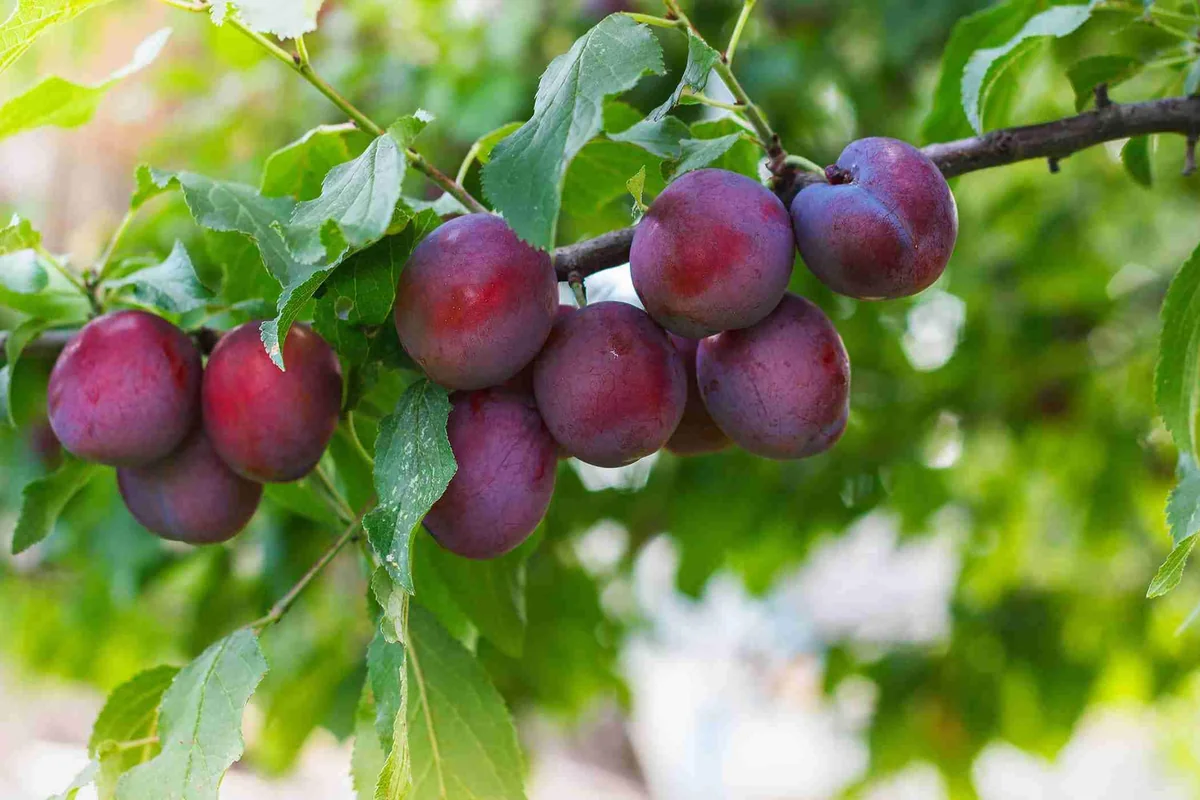
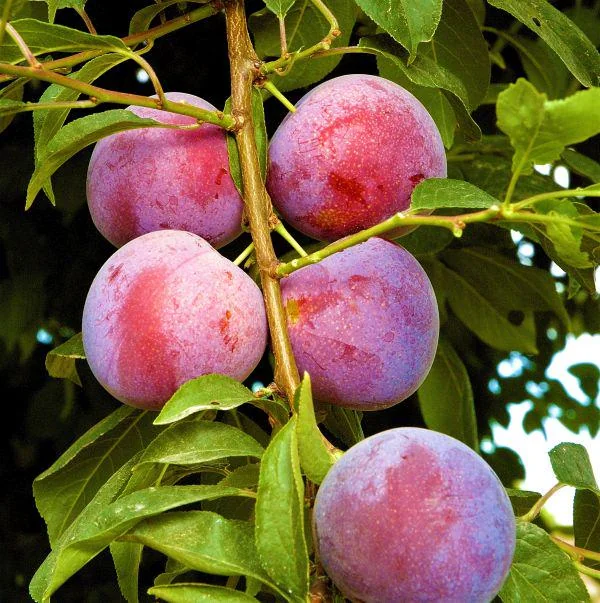
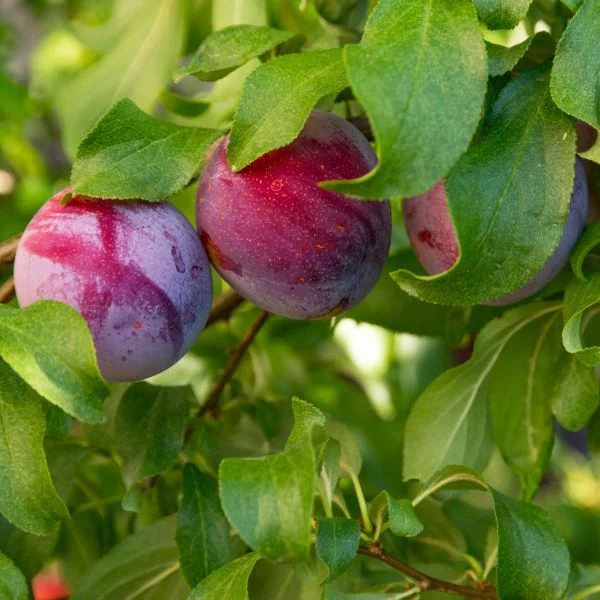
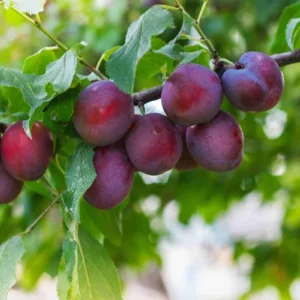
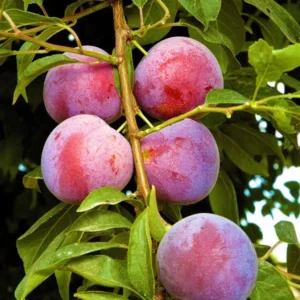
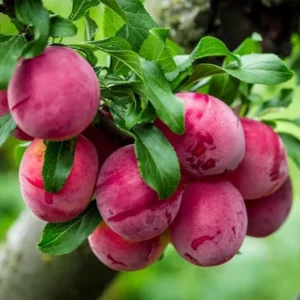
Cultivate your own sweet and juicy plums with the Methley plum tree bare-root. This self-pollinating plum variety is vigorous, low-maintenance, and ideal for beginner gardeners. Enjoy abundant harvests of maroon-colored, red-fleshed fruit ripening early to mid-summer.
From $75.96

With our Alive & Thrive Guarantee, we’ve got your back for the first 30 days! If you have any concerns about your plants, just reach out to us. Our team is here to help answer your questions and guide you in selecting the best plants for your garden, climate, and unique preferences. We're excited to help you create the garden of your dreams!
Estimated arrival
Mar 12
Mar 17 - Mar 19
Mar 22 - Mar 26


Product Details
-
USDA Hardiness Zone
USDA zones 5-9 -
Soil type
Non-alkaline, sandy loam soils with good drainage -
Sunlight Exposure
Full sun -
Expected Planting Period
Late winter to early spring
Overview
The Methley plum tree bare-root offers an excellent opportunity to cultivate your own delicious fruit. This vigorous and highly adaptable plum tree (Prunus salicina ‘Methley’) is renowned for its self-pollinating nature, making it a perfect choice for gardeners who may only have space for one fruit tree. Originating from Japan, the Methley plum is a popular cultivar known for its early ripening fruit and robust growth. It’s an ideal choice for a fruit tree for beginners due to its low-maintenance requirements and disease resistance. Expect a bountiful harvest of small, maroon-colored plums with sweet, juicy red flesh, perfect for fresh eating, jams, or preserves. Plant a Methley plum tree bare-root and enjoy homegrown fruit for years to come.
This particular offering is a Methley plum tree bare-root, meaning it ships without soil around its roots. This method is often preferred for fruit trees as it allows for easier handling and transplanting, especially during the dormant season. The Methley plum is celebrated for its strong limbs, capable of supporting heavy loads of fruit year after year, ensuring a consistent and generous yield. Its early ripening period, typically from early to late June, means you can enjoy fresh plums before many other varieties are ready.
Whether you’re an experienced orchardist or looking to grow your first self-pollinating plum, the Methley variety provides a reliable and rewarding experience. Its ability to thrive in various conditions and produce abundant, flavorful fruit makes it a garden favorite. Understanding proper Methley plum care will ensure your tree establishes well and produces a prolific harvest.
Key Benefits
The Methley plum tree bare-root brings numerous advantages to any garden, combining ease of care with productive yields. Its unique characteristics make it a standout choice for home growers.
- Self-Pollinating: One of the most significant benefits, this tree does not require another plum variety for cross-pollination to produce fruit. This makes it incredibly convenient for smaller gardens or those with limited space, simplifying the fruit-growing process. You can plant a single Methley plum tree bare-root and still expect a harvest.
- Abundant Fruit Production: Known for its vigorous growth and strong limbs, the Methley plum consistently produces a heavy crop of delicious plums each season. Gardeners can look forward to ample fruit for fresh eating, baking, and preserving.
- Early Season Harvest: The plums ripen early, typically from early to late June, providing fresh fruit when other plum varieties are still developing. This extends your fresh fruit season considerably.
- Low Maintenance & Adaptable: This variety is perfect for the fruit tree for beginners as it is relatively easy to care for and highly adaptable to various soil types and climates, provided basic requirements are met. Its inherent disease resistance also reduces the need for constant intervention.
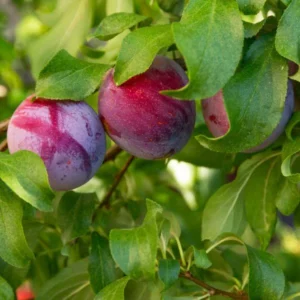
- Delicious Fruit Quality: The small, maroon-colored plums boast sweet, juicy red flesh that is perfect for eating fresh off the tree. They are also excellent for making jams, jellies, pies, and other culinary delights.
- Vigorous Growth: The tree establishes quickly and grows robustly, developing a strong framework capable of supporting its prolific fruit set. This ensures a healthy and productive tree for many years.
Plant Care & Growing Tips
Proper Methley plum care is essential for a healthy, productive tree. When planting your Methley plum tree bare-root, choose a site that receives full sun, meaning at least 6-8 hours of direct sunlight per day. Adequate sunlight is crucial for fruit development and overall tree health. The Methley plum thrives in non-alkaline, sandy loam soils that offer excellent drainage. While adaptable, avoiding heavy clay or highly alkaline soils will prevent common issues. If your soil is heavy, amend it with organic matter to improve drainage and structure. Ensure the planting hole is wide enough to accommodate the root system without bending, and deep enough so the graft union (the swollen part on the trunk) remains above the soil line.
Watering is critical, especially during the establishment phase of your Methley plum tree bare-root. Keep the soil consistently moist but not waterlogged. Deep watering encourages roots to grow downward, making the tree more drought-tolerant once established. During dry spells, particularly when fruit is developing, supplemental watering will be necessary. However, be mindful of excessive rainfall or high humidity, as these conditions can sometimes reduce production by promoting diseases or causing fruit cracking. A balanced fertilizer can be applied in early spring, once the tree has broken dormancy, to support vigorous growth and fruit production. Follow product instructions carefully to avoid over-fertilization.
Pruning for the Methley plum tree bare-root should primarily focus on removing dead, damaged, or diseased wood. Additionally, prune to remove any crossing branches that might rub and create wounds, or fast-growing shoots that appear along the trunk or main branches. Over-pruning can stunt fruit production, so aim for a light hand, focusing on maintaining an open canopy for good air circulation and sunlight penetration. This self-pollinating plum is relatively disease-resistant, but watchful care for common pests and diseases will ensure its long-term health. The Methley plum is generally hardy in USDA Zones 5-9, making it suitable for a wide range of climates across the US.
Size & Details
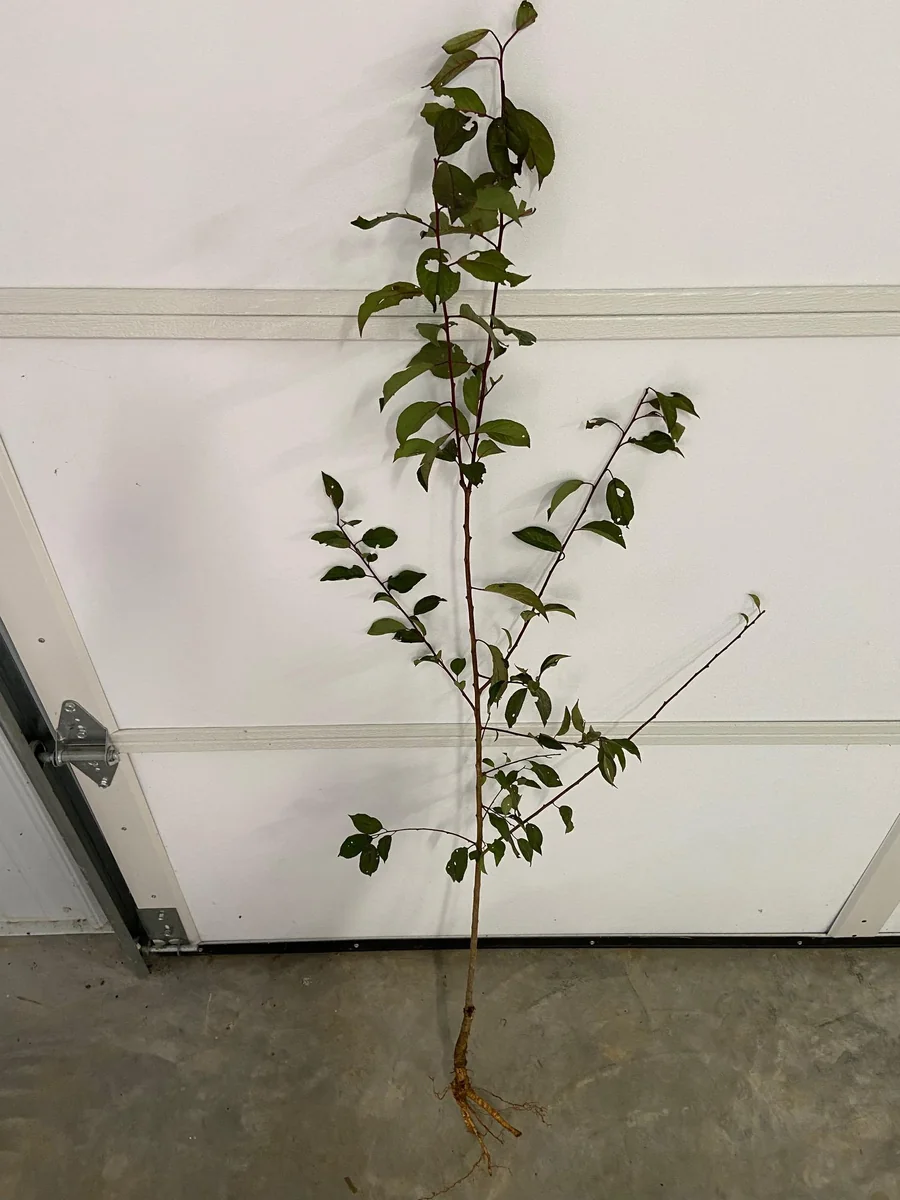
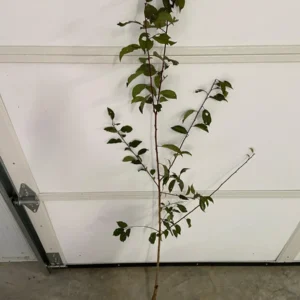
The Methley plum tree bare-root is typically shipped during its dormant season, ready for spring planting. Upon arrival, the bare-root tree will consist of a well-developed root system and a dormant trunk and branches. The mature size of a Methley plum tree can reach approximately 15-20 feet in height and spread, though it can be maintained at a smaller size with regular pruning. It has a moderate to fast growth rate, quickly developing into a fruit-bearing specimen. The plums are small, maroon-colored, with a vibrant red flesh, ripening from early to late June. This self-pollinating plum variety is known for its strong, sturdy limbs capable of supporting heavy fruit loads.
When planting, consider the mature size to allow adequate space for growth and air circulation. The tree will begin to bear fruit within 2-4 years after planting, with increasing yields as it matures. As a fruit tree for beginners, its forgiving nature makes it a joy to grow. This adaptable tree performs best when planted in full sun in well-drained, non-alkaline soil. Monitoring your tree post-planting and providing consistent Methley plum care will ensure it thrives and produces delicious fruit for many seasons.
Frequently Asked Questions
- Q: How big does the Methley plum tree bare-root get? A: A mature Methley plum tree can reach 15-20 feet in height and spread. However, its size can be managed with proper pruning to fit smaller garden spaces.
- Q: Is this an indoor or outdoor plant? A: The Methley plum tree is an outdoor fruit tree. It requires specific chill hours during winter to produce fruit and thrives in USDA Zones 5-9.
- Q: How much sunlight does the self-pollinating plum need? A: Methley plum trees require full sun, meaning at least 6 to 8 hours of direct sunlight per day, for optimal growth and fruit production.
- Q: Is this tree easy to care for? Is it good for beginners? A: Yes, the Methley plum is considered low-maintenance and is an excellent choice for beginner gardeners. Its self-pollinating nature and adaptability simplify the growing process.
- Q: What condition will the Methley plum tree bare-root arrive in? A: It will arrive as a dormant bare-root tree, meaning it will not have leaves or soil around its roots. This is the ideal state for planting fruit trees in late winter or early spring.
- Q: How long until it produces fruit? A: A newly planted Methley plum tree typically begins bearing fruit within 2 to 4 years, with yields increasing significantly as the tree matures.
- Q: Will this fruit tree for beginners survive winter in my zone? A: The Methley plum tree is hardy in USDA Zones 5-9. If you are within these zones, it should successfully overwinter and produce fruit.
- Q: What kind of soil is best for Methley plum care? A: This tree prefers non-alkaline, sandy loam soils with good drainage. Avoid heavy clay or overly alkaline conditions for best results.
- Q: Do I need more than one plum tree for pollination? A: No, the Methley plum is self-pollinating, meaning it can produce fruit without another plum variety nearby for cross-pollination.
- Q: When is the best time to plant a Methley plum tree bare-root? A: The best time to plant a bare-root plum tree is in late winter or early spring while the tree is still dormant, before new growth begins.
| Chose Size | 12-18'', 18-24'' |
|---|
Related products
-20%
Original price was: $90.00.$72.00Current price is: $72.00.

-50%
Original price was: $73.98.$36.99Current price is: $36.99.
-20%
Original price was: $36.00.$28.80Current price is: $28.80.
PLANTING & CARE

The Comprehensive Guide to Growing Bay Leaf Plants for a Flavorful Garden
Imagine stepping into your garden, greeted by the earthy aroma of fresh bay leaves, their
09
Feb
Feb

How to Make Comfrey Tea: The Ultimate Organic Plant Food
Growing an organic garden can be surprisingly expensive, especially when most store-bought fertilizers come in
02
Feb
Feb

True Comfrey: 7 Essential Tips Before You Plant This Herb
A staple in permaculture practices across the US, True Comfrey easily earns its reputation as
27
Jan
Jan

7 Heart-Shaped Plants for a Lasting Valentine’s Gift
If you’ve ever bought a bouquet of roses for Valentine’s Day, you know they are
26
Jan
Jan

Best Types of Ivy Plant for Houses: How to Choose the Perfect Ones for Your Home
Are you a garden lover looking to introduce some greenery into your home? Maybe you’ve
14
Nov
Nov

When to Harvest Garlic (Especially Fall-Planted Garlic)
TIMING IS EVERYTHING, they say – and for garlic, that truth hits with surprising accuracy.
13
Nov
Nov

11 of the Best Sweet Potato Varieties to Grow for Your Garden
If you’ve ever tried growing sweet potatoes, you know that picking the right variety can
12
Nov
Nov
Pruning Bougainvillea for Winter
Bougainvillea vines are known for their dazzling display of magenta, orange, and fuchsia bracts that
05
Nov
Nov