Rattlesnake Orchid Bare-root Plant – Goodyera oblongifolia
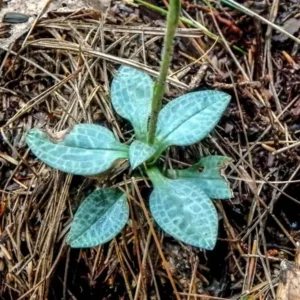
Rattlesnake Orchid Bare-root Plant – Goodyera oblongifolia
Enhance your shaded garden with the unique Rattlesnake Orchid bare-root (Goodyera oblongifolia). This fascinating terrestrial orchid features distinctive foliage resembling a rattlesnake’s skin, adding intriguing texture and beauty to your landscape. Ideal for woodland settings and naturalized areas.
From $55.80

With our Alive & Thrive Guarantee, we’ve got your back for the first 30 days! If you have any concerns about your plants, just reach out to us. Our team is here to help answer your questions and guide you in selecting the best plants for your garden, climate, and unique preferences. We're excited to help you create the garden of your dreams!
Estimated arrival
Mar 12
Mar 17 - Mar 19
Mar 22 - Mar 26

Product Details
-
USDA Hardiness Zone
USDA Zones 3-8 -
Soil type
Well-draining, organic-rich soil -
Sunlight Exposure
Partial to deep shade -
Expected Planting Period
Early spring to early fall
Overview
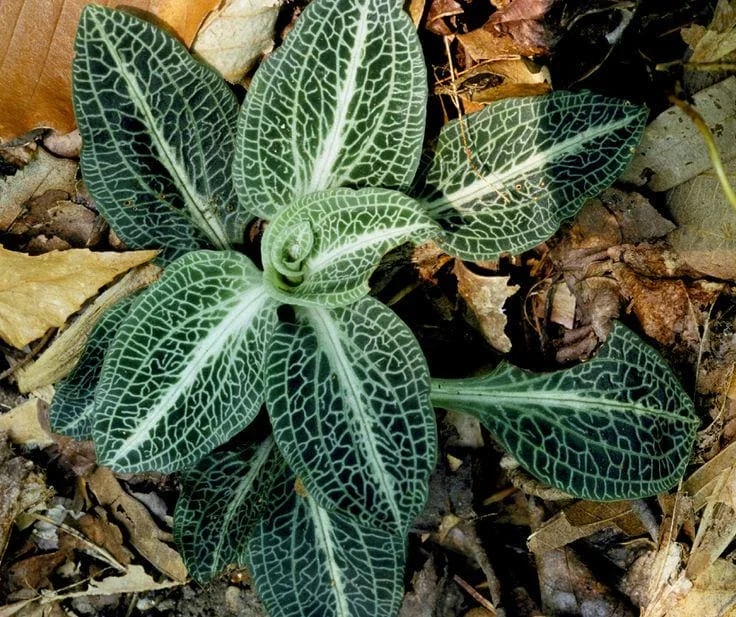
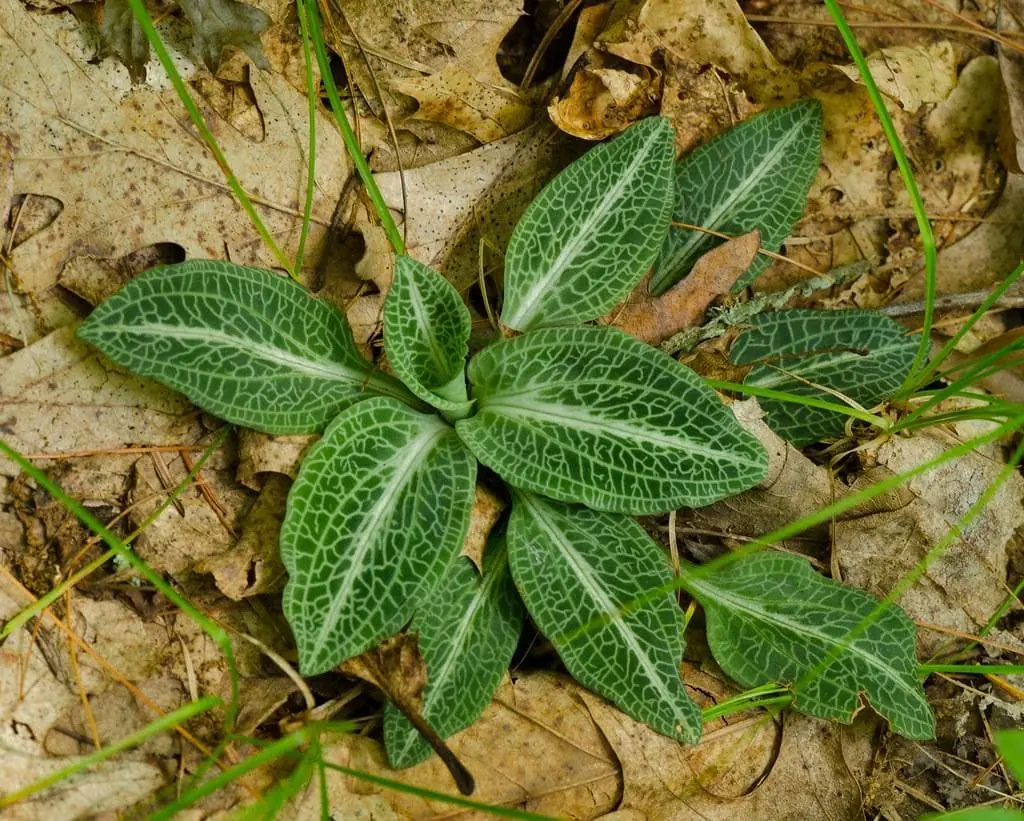
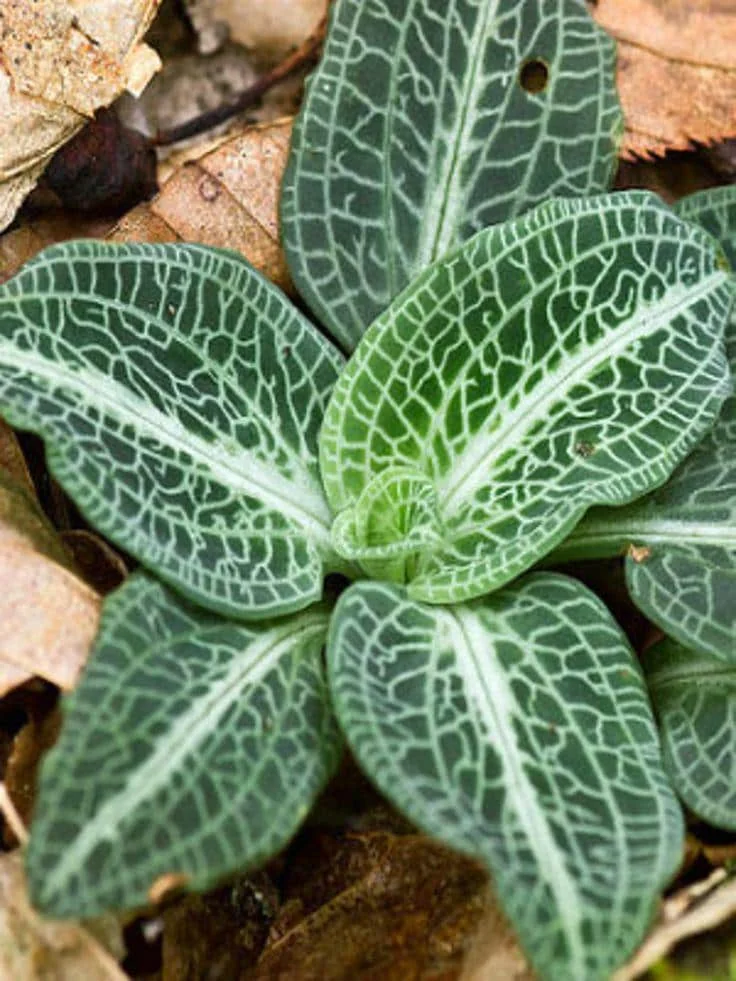
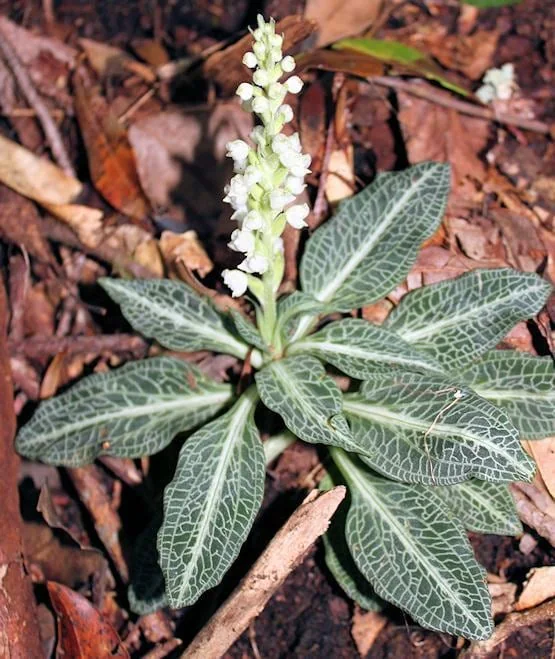
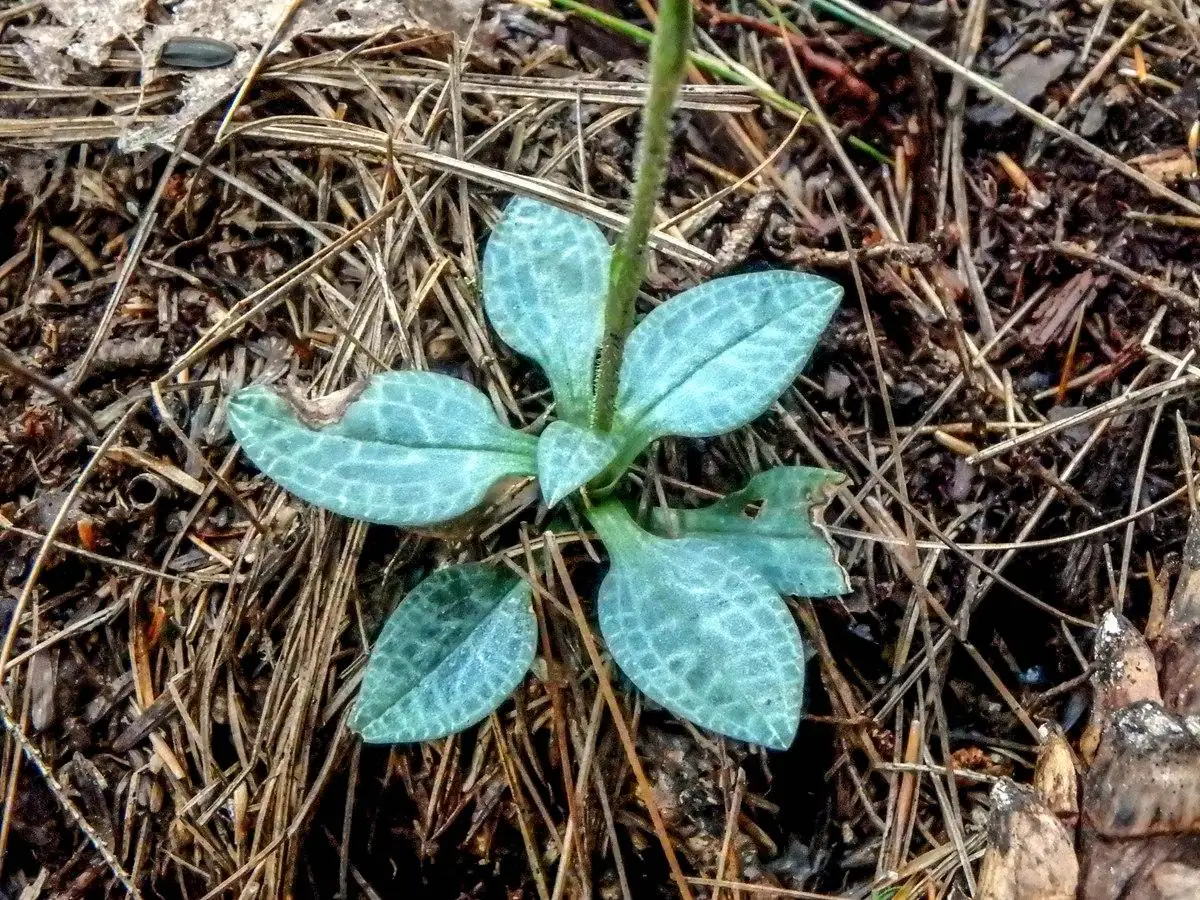
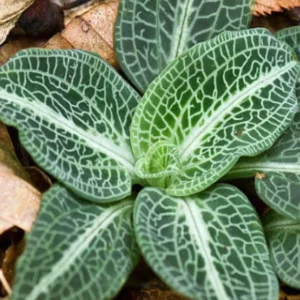
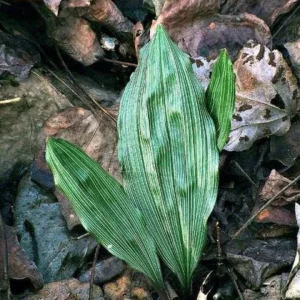
The Rattlesnake Orchid bare-root (Goodyera oblongifolia), also commonly known as rattlesnake plantain, is a captivating terrestrial perennial orchid prized for its striking foliage rather than its blooms. Originating from North America, this unique plant is characterized by its deep green leaves interlaced with a prominent silvery-white vein pattern, which gives it the appearance of a rattlesnake’s skin – hence its common name. As a bare-root specimen, it provides an economical and efficient way to establish this distinctive plant in your garden. Goodyera oblongifolia plant thrives in cool, shaded environments, making it an excellent choice for woodland gardens, shady borders, or naturalized areas where its unique charm can be fully appreciated. Unlike many showy orchids, the appeal of the Rattlesnake Orchid bare-root lies in its intricate leaf patterns, offering year-round visual interest.
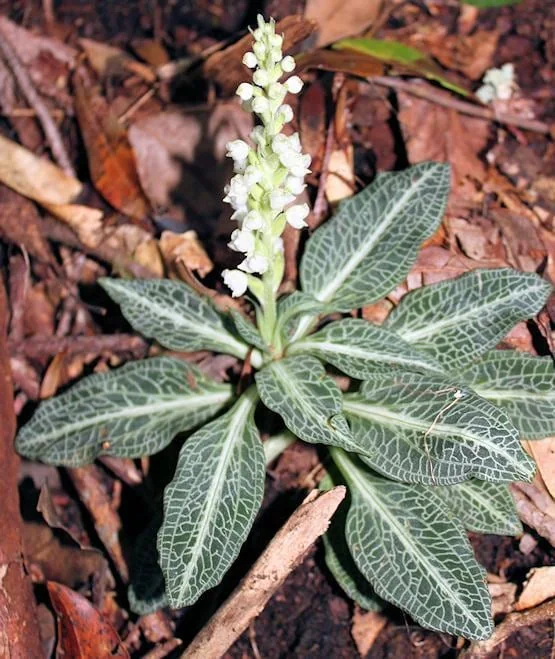
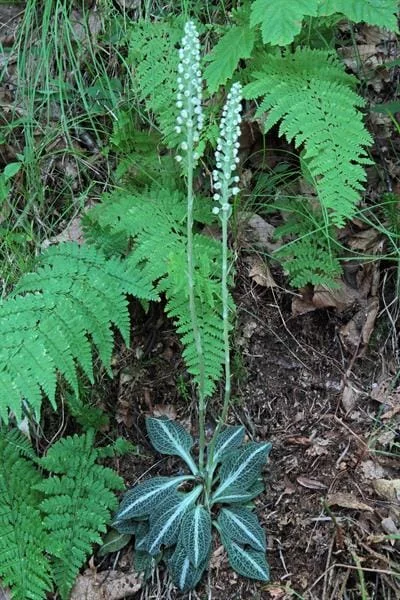
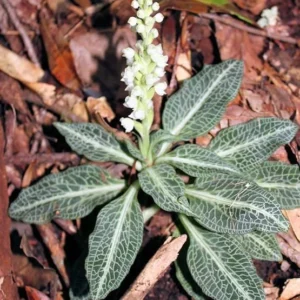
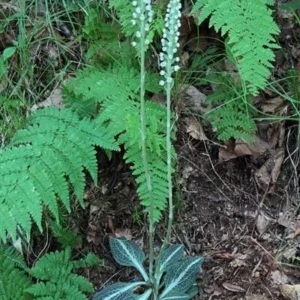
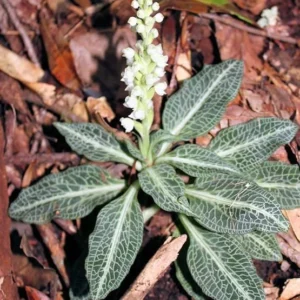
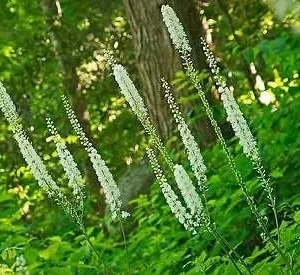
This fascinating orchid belongs to the Orchidaceae family and rises from a fibrous rhizome. While the genus Goodyera is found worldwide, this particular species is native to both the eastern and western regions of North America. Its subtle white flowers appear on a tall spike in late summer, adding a delicate touch to the already attractive foliage. For those seeking an unusual and resilient addition to their shaded landscape, the Rattlesnake Orchid bare-root offers both beauty and ease of establishment, making it a rewarding choice for gardeners of all experience levels.
Key Benefits
The Rattlesnake Orchid bare-root offers several compelling benefits for the discerning gardener looking to add unique character to their outdoor spaces:
- Distinctive Foliage: The most significant benefit is its unique leaf pattern, resembling a rattlesnake’s skin. This intricate variegation provides year-round visual interest, especially in shaded areas where other plants might struggle to stand out. The deep green leaves with silvery-white veins make the Goodyera oblongifolia plant a focal point.
- Shade Loving Plant: This orchid thrives in low light conditions, making it perfect for those challenging shaded spots in your garden where many other flowering plants fail to flourish. It brings life and beauty to the understory.
- Low Maintenance: Once established, the Rattlesnake Orchid bare-root is relatively low maintenance. It requires minimal intervention and is quite resilient, making it suitable for gardeners who prefer a more naturalized, hands-off approach.
- Native North American Species: As a native plant, it is well-adapted to local climates in many regions, contributing to local biodiversity and supporting native ecosystems. This makes it an excellent choice for a native plant garden.
- Unique Groundcover: With its spreading rhizomatous habit, it can form attractive patches over time, serving as an interesting and unusual groundcover in woodland settings. Its ability to gently spread creates a natural carpet of distinctive foliage.
- Educational Value: The unusual appearance and classification as a terrestrial orchid make it a great conversation starter and an educational plant for those interested in botany and native flora. Understanding terrestrial orchid care can be a rewarding experience.
- Winter Interest: In many climates, its evergreen foliage persists through winter, providing much-needed color and texture when most other garden plants have gone dormant. This ensures your garden retains beauty even in colder months.
Plant Care & Growing Tips
Proper terrestrial orchid care for the Rattlesnake Orchid bare-root (Goodyera oblongifolia) ensures its successful establishment and long-term health. As a woodland plant, it naturally prefers conditions reminiscent of its native habitat. When planting your Goodyera oblongifolia plant, choose a location with deep to partial shade. Direct sun, especially in the afternoon, can scorch its delicate foliage. Morning sun or dappled light throughout the day is ideal. The soil should be consistently moist but well-draining, rich in organic matter. A mix of leaf mold, compost, and coarse sand or perlite can create an ideal substrate. Avoid heavy, compacted soils that retain too much water, as this can lead to root rot.
Watering should be regular, especially during dry periods, to keep the soil evenly moist. However, do not allow the plant to sit in standing water. Reduce watering in cooler months. The Rattlesnake Orchid bare-root prefers cool temperatures and high humidity, thriving in USDA Hardiness Zones 3-8. It is quite cold hardy but benefits from a layer of leaf litter or mulch in winter to protect its shallow rhizomes. Fertilization is generally not heavily required; a light application of a balanced, slow-release organic fertilizer in spring can be beneficial, but over-fertilizing can harm these sensitive plants. Watch for slugs and snails, which can be attracted to its foliage. Ensuring good air circulation can help prevent fungal issues. Understanding these aspects of woodland plants for shade will help your Rattlesnake Orchid flourish.
Size & Details
The Rattlesnake Orchid bare-root (Goodyera oblongifolia) is shipped as a dormant bare-root specimen, ready for planting upon arrival. When mature, this perennial typically forms a rosette of leaves that spreads horizontally, reaching a height of approximately 6 to 12 inches (15 to 30 cm) and a spread of 8 to 15 inches (20 to 38 cm) over time. Its growth rate is moderate, slowly expanding to form attractive colonies in suitable conditions. The distinctive leaves, which are the main ornamental feature, are typically 1 to 3 inches long. Flowers appear on a slender stalk in late summer, rising above the foliage, and are small, white, and bell-shaped. The plant will establish its root system and begin to produce foliage within the first growing season after planting. It is a long-lived perennial, providing years of subtle beauty to your shaded garden. When considering rattlesnake plantain for your garden, remember its preference for cool, moist, and shaded environments.
Frequently Asked Questions
- Q: How big does this plant get? A: The Rattlesnake Orchid bare-root typically grows to a height of 6 to 12 inches and can spread 8 to 15 inches wide, forming attractive groundcover patches over several years. Its size makes it ideal for the forest understory.
- Q: Is this an indoor or outdoor plant? A: The Goodyera oblongifolia plant is primarily an outdoor plant, specifically suited for shaded woodland gardens, rock gardens, or naturalized areas. It thrives in cool, moist outdoor conditions.
- Q: How much sunlight does it need? A: This orchid requires deep to partial shade. It cannot tolerate direct afternoon sun, which can scorch its leaves. Dappled light or morning sun is ideal for optimal growth and leaf coloration.
- Q: Is this plant easy to care for? A: Yes, once established in the proper environment, the Rattlesnake Orchid bare-root is relatively low maintenance. Its primary needs are consistent moisture, shade, and well-draining, organic-rich soil, making terrestrial orchid care straightforward.
- Q: What condition will it arrive in? A: This product is shipped as a dormant bare-root plant. This means it will arrive without soil and foliage, ready for immediate planting to establish its root system in your garden.
- Q: When is the best time to plant a bare-root orchid? A: The best time to plant a bare-root rattlesnake plantain is typically in early spring or early fall when temperatures are mild. This allows the plant to establish its root system before extreme weather conditions.
- Q: Will it survive winter in my zone? A: The Rattlesnake Orchid bare-root is quite cold hardy, typically thriving in USDA Hardiness Zones 3 through 8. It can withstand cold winters, especially with a protective layer of leaf litter or mulch.
- Q: What kind of soil does it prefer? A: It prefers well-draining, acidic to neutral soil that is rich in organic matter. A mix of leaf mold, compost, and some sand or perlite provides the ideal growing medium for this woodland plants for shade.
- Q: How often should I water it? A: Keep the soil consistently moist but never waterlogged. Regular watering is important, especially during dry spells. Reduce watering in winter when the plant is less active.
- Q: Does it have flowers? A: While primarily grown for its foliage, the Goodyera oblongifolia plant does produce a spike of small, delicate white flowers in late summer to early fall, adding a subtle charm to its appearance.
| Qty | 10, 15, 5 |
|---|
Related products
-75%
Original price was: $59.98.$15.00Current price is: $15.00.
-83%
Original price was: $44.97.$7.74Current price is: $7.74.
-82%
Original price was: $50.97.$9.04Current price is: $9.04.
-20%
Original price was: $98.00.$78.40Current price is: $78.40.
-83%
Original price was: $44.97.$7.74Current price is: $7.74.
-50%
Original price was: $23.98.$11.99Current price is: $11.99.
PLANTING & CARE

The Comprehensive Guide to Growing Bay Leaf Plants for a Flavorful Garden
Imagine stepping into your garden, greeted by the earthy aroma of fresh bay leaves, their
09
Feb
Feb

How to Make Comfrey Tea: The Ultimate Organic Plant Food
Growing an organic garden can be surprisingly expensive, especially when most store-bought fertilizers come in
02
Feb
Feb

True Comfrey: 7 Essential Tips Before You Plant This Herb
A staple in permaculture practices across the US, True Comfrey easily earns its reputation as
27
Jan
Jan

7 Heart-Shaped Plants for a Lasting Valentine’s Gift
If you’ve ever bought a bouquet of roses for Valentine’s Day, you know they are
26
Jan
Jan

Best Types of Ivy Plant for Houses: How to Choose the Perfect Ones for Your Home
Are you a garden lover looking to introduce some greenery into your home? Maybe you’ve
14
Nov
Nov

When to Harvest Garlic (Especially Fall-Planted Garlic)
TIMING IS EVERYTHING, they say – and for garlic, that truth hits with surprising accuracy.
13
Nov
Nov

11 of the Best Sweet Potato Varieties to Grow for Your Garden
If you’ve ever tried growing sweet potatoes, you know that picking the right variety can
12
Nov
Nov
Pruning Bougainvillea for Winter
Bougainvillea vines are known for their dazzling display of magenta, orange, and fuchsia bracts that
05
Nov
Nov