2 Paw Paw Tree Bare-root – Asimina Triloba Fruit Tree Live Plant
2 Paw Paw Tree Bare-root – Asimina Triloba Fruit Tree Live Plant
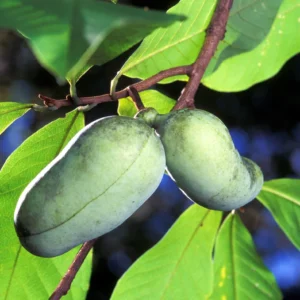
Cultivate a unique taste of North America with this 2 Paw Paw Tree Bare-root (Asimina Triloba). These deciduous trees produce the largest native fruit, offering a delightful banana-mango custard flavor. Ideal for temperate climates, they add ornamental beauty and a distinctive harvest to your garden.
From $71.96

With our Alive & Thrive Guarantee, we’ve got your back for the first 30 days! If you have any concerns about your plants, just reach out to us. Our team is here to help answer your questions and guide you in selecting the best plants for your garden, climate, and unique preferences. We're excited to help you create the garden of your dreams!
Estimated arrival
Mar 12
Mar 17 - Mar 19
Mar 22 - Mar 26
Product Details
-
USDA Hardiness Zone
USDA Zones 5-9 -
Soil type
Rich, well-draining, slightly acidic soil -
Sunlight Exposure
Partial shade (young), full sun to partial shade (mature) -
Expected Planting Period
Early spring or fall
Overview
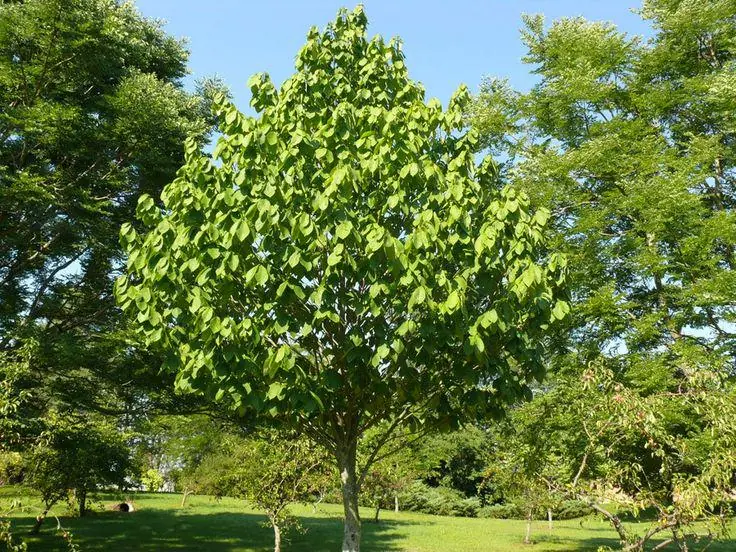
Introduce a truly unique and historically significant plant to your garden with the Paw Paw Tree Bare-root. The pawpaw, scientifically known as Asimina triloba, is a small, deciduous tree celebrated for producing the largest edible fruit native to North America. This offering includes 2 Paw Paw Tree Bare-root plants, providing an excellent start to establishing your own productive orchard. These trees are part of the Annonaceae family, which typically features tropical plants, but the Asimina triloba is uniquely adapted to the eastern United States, thriving in 26 states. Growing your own Paw Paw Tree Bare-root allows you to enjoy the novelty and deliciousness of a fruit that is often hard to find commercially.
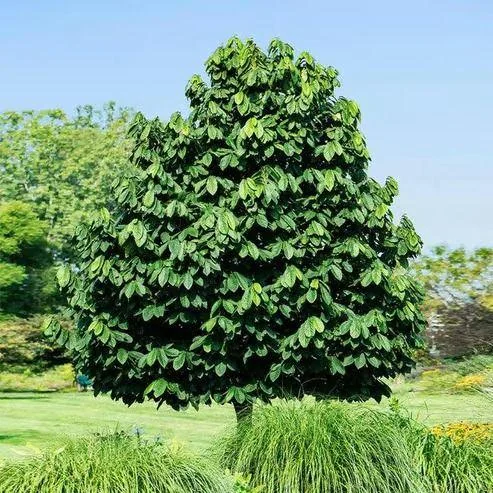
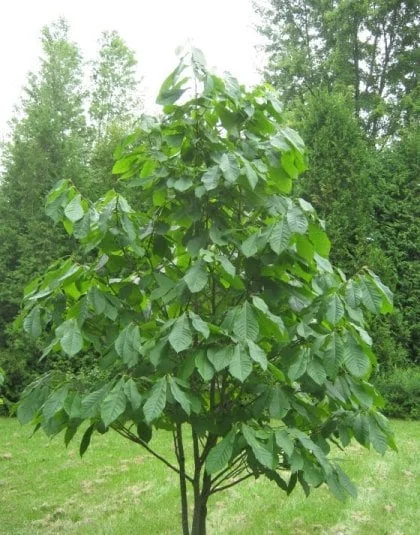
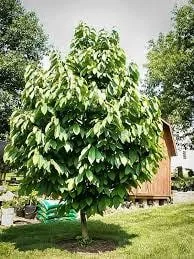
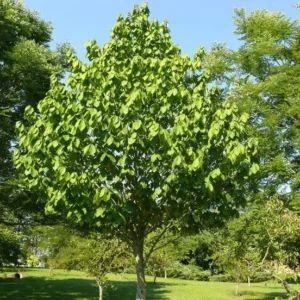
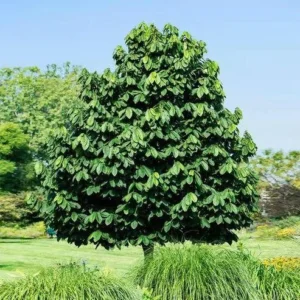
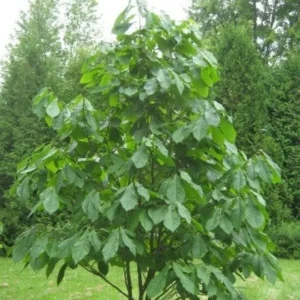
The Paw Paw Tree Bare-root is not only valued for its fruit but also for its ornamental qualities. In spring, it displays charming maroon-colored blossoms with six petals, followed by lush, dark green, shiny, oval-shaped leaves that can reach up to 12 inches in length. Come autumn, the foliage transforms into beautiful shades of yellow, adding seasonal interest to your landscape. This native fruit tree is a fantastic choice for gardeners looking to support local ecosystems and enjoy a distinctive, custard-like fruit with a flavor often described as a blend of banana and mango. Plant these Asimina Triloba live plant specimens and watch your garden flourish with a taste of American heritage.
Key Benefits
Adding the Paw Paw Tree Bare-root to your garden offers a multitude of benefits, from its unique fruit to its ecological value and ornamental appeal. This remarkable tree is a true asset for any gardener.
- Unique Native Fruit Production: Enjoy the largest edible fruit native to North America, offering a distinct custard-like flavor often compared to a blend of banana and mango. Growing your own Paw Paw Tree Bare-root ensures a fresh supply of this hard-to-find delicacy.
- Ornamental Garden Appeal: The tree provides year-round interest with its attractive maroon spring blossoms, lush dark green summer foliage, and vibrant yellow fall color, making it a beautiful addition to any landscape.
- Supports Local Wildlife: As a native species, the pawpaw tree supports local biodiversity, providing food and habitat for various insects and animals, including the zebra swallowtail butterfly.
- Adaptable and Resilient: Asimina triloba is well-adapted to a wide range of conditions across the eastern US, making it a relatively low-maintenance option for many gardeners.
- Sustainable Food Source: Cultivating this native fruit tree contributes to sustainable gardening practices and offers a rewarding experience of harvesting your own unusual fruit.
- Historical and Educational Value: Connect with American horticultural history by growing a plant that has been a food source for centuries and is a fascinating subject for study.
Plant Care & Growing Tips
Caring for your Paw Paw Tree Bare-root involves understanding its specific needs to ensure healthy growth and fruit production. These trees prefer a location with partial shade, especially when young, as direct scorching sun can damage tender leaves. As they mature, they can tolerate more sun, which often leads to better fruiting. Aim for a spot that receives morning sun and afternoon shade, or dappled light throughout the day. Ensure the soil is consistently moist but well-draining, as pawpaws do not like waterlogged conditions. Regular watering is crucial during dry spells, especially in the first few years after planting.
The ideal soil for an Asimina Triloba live plant is rich, deep, and slightly acidic to neutral (pH 5.5-7.0), with good organic content. Incorporating compost or well-rotted manure during planting can significantly improve soil structure and fertility. Pawpaw trees are hardy in USDA zones 5-9. They require a period of winter chill to properly set fruit. Fertilize young trees lightly in spring with a balanced, slow-release fertilizer. Once established, they generally don’t need heavy fertilization. Pruning should be minimal, primarily to remove dead, damaged, or crossing branches to maintain good air circulation and shape. Watch out for pests, though pawpaws are relatively pest-free; occasional issues might include pawpaw peduncle borer or various fungi, which can be managed with appropriate organic treatments. Growing a pawpaw fruit tree successfully provides a unique and rewarding harvest.
Size & Details
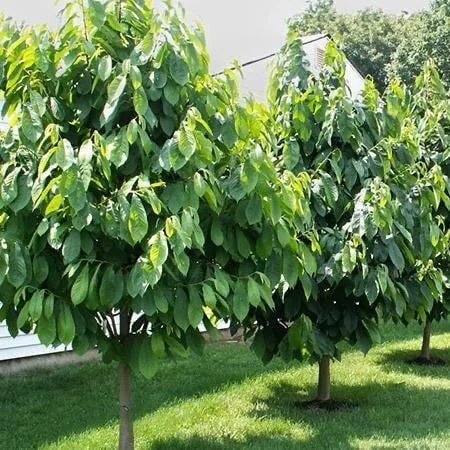
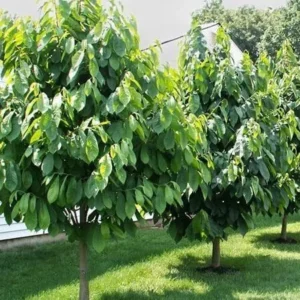
This offering includes 2 Paw Paw Tree Bare-root plants, ready for planting to establish your own native fruit grove. These bare-root specimens are typically dormant when shipped, making them ideal for spring or fall planting. Pawpaw trees are deciduous, meaning they will lose their leaves in the fall and regrow them in the spring. They can grow to a height of about 25 feet in ideal conditions, though in shadier, protected areas of established forests, they may only reach 2 to 12 feet tall. The leaves are dark green, shiny, and oval-shaped, growing up to 12 inches in length.
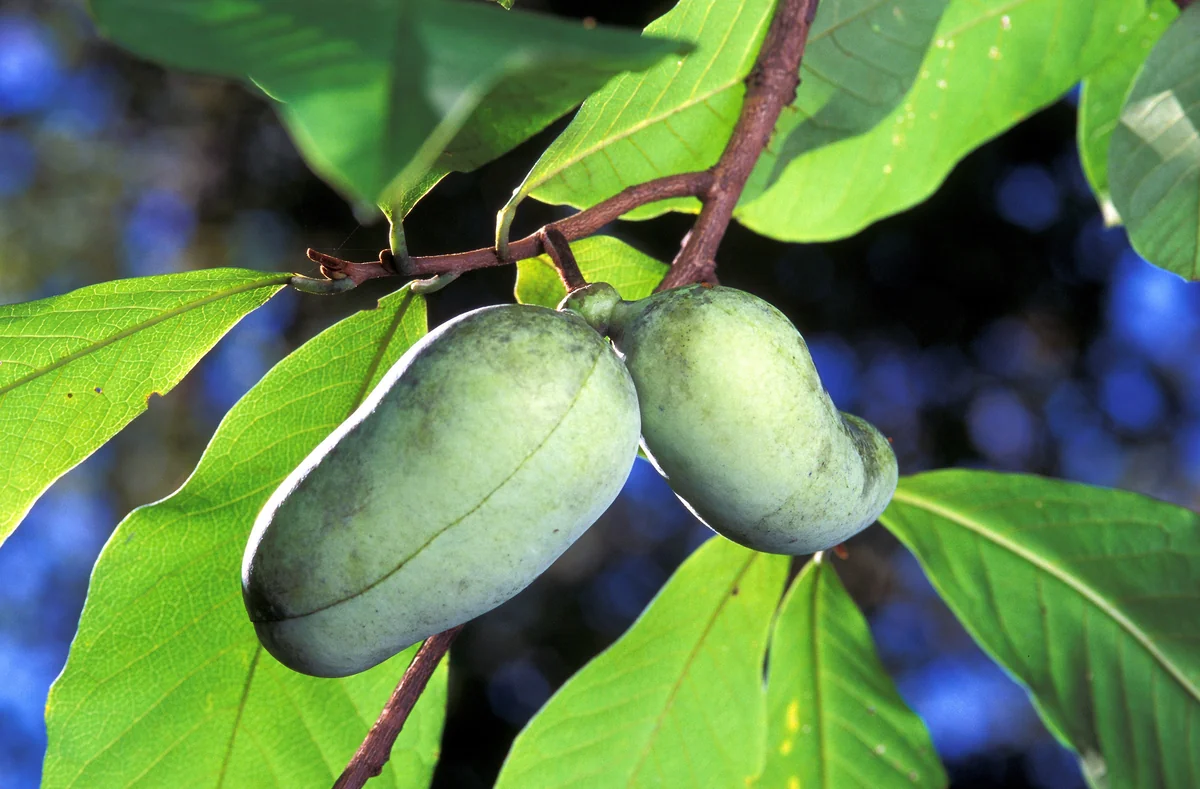
The fruit, which ripens in the fall, is frequently described as custard-like with a flavor crossing between a banana and a mango. While the fruit is edible, it is important to note that the skin and seeds should not be consumed. These bare root fruit tree specimens will establish their root systems quickly once planted, laying the groundwork for future fruit production. Expect several years for the trees to mature and begin bearing fruit, typically around 3-5 years after planting, depending on growing conditions and care. This native fruit tree is a long-term investment in your garden’s biodiversity and culinary offerings.
Frequently Asked Questions
- Q: How big does this Paw Paw Tree Bare-root get? A: A pawpaw tree can grow up to 25 feet tall in optimal conditions, but in shadier environments, it might remain smaller, between 2 to 12 feet. Its spread can be similar to its height, creating a dense canopy.
- Q: Is this an indoor or outdoor plant? A: The Asimina Triloba live plant is an outdoor tree, native to the eastern United States. It requires outdoor conditions to thrive and produce fruit, including a period of winter dormancy.
- Q: How much sunlight does it need? A: Young pawpaw trees prefer partial shade, especially protection from intense afternoon sun. Mature trees can tolerate more sun, which can lead to better fruit production, but still benefit from some afternoon shade in hotter climates.
- Q: Is this plant easy to care for? A: Once established, pawpaw trees are relatively low-maintenance. They require consistent moisture, especially when young, and benefit from rich, well-draining soil. They are generally resistant to most pests and diseases.
- Q: What condition will the bare root fruit tree arrive in? A: Your Paw Paw Tree Bare-root will arrive dormant, without leaves, and carefully packaged to protect its root system. This is the ideal state for planting to ensure successful establishment.
- Q: When is the best time to plant a pawpaw fruit tree? A: The best time to plant bare-root pawpaw trees is in early spring, after the last hard frost but before the trees break dormancy. Fall planting can also be successful in milder climates.
- Q: Will it survive winter in my zone? A: Pawpaw trees are hardy in USDA Zones 5-9, meaning they are well-adapted to tolerate cold winter temperatures within these zones. They require a certain amount of chill hours to produce fruit.
- Q: Do I need more than one pawpaw tree to get fruit? A: Yes, most pawpaw varieties require cross-pollination from a different pawpaw tree variety to produce fruit. Having two or more genetically distinct trees is recommended for successful fruiting.
- Q: What does pawpaw fruit taste like? A: The fruit of the native fruit tree is often described as having a creamy, custard-like texture with a flavor that is a tropical blend of banana, mango, and sometimes hints of pineapple or vanilla.
- Q: Can I eat the skin or seeds of the pawpaw fruit? A: No, it is important to never eat the skin or seeds of the pawpaw fruit. Only the creamy flesh is edible.
| Paw paw Tree | 12-18'', 18-24'', 2-3', 6-12'' |
|---|
Related products

-20%
Original price was: $36.00.$28.80Current price is: $28.80.

-10%
Original price was: $23.99.$21.59Current price is: $21.59.
PLANTING & CARE

The Comprehensive Guide to Growing Bay Leaf Plants for a Flavorful Garden
Imagine stepping into your garden, greeted by the earthy aroma of fresh bay leaves, their
09
Feb
Feb

How to Make Comfrey Tea: The Ultimate Organic Plant Food
Growing an organic garden can be surprisingly expensive, especially when most store-bought fertilizers come in
02
Feb
Feb

True Comfrey: 7 Essential Tips Before You Plant This Herb
A staple in permaculture practices across the US, True Comfrey easily earns its reputation as
27
Jan
Jan

7 Heart-Shaped Plants for a Lasting Valentine’s Gift
If you’ve ever bought a bouquet of roses for Valentine’s Day, you know they are
26
Jan
Jan

Best Types of Ivy Plant for Houses: How to Choose the Perfect Ones for Your Home
Are you a garden lover looking to introduce some greenery into your home? Maybe you’ve
14
Nov
Nov

When to Harvest Garlic (Especially Fall-Planted Garlic)
TIMING IS EVERYTHING, they say – and for garlic, that truth hits with surprising accuracy.
13
Nov
Nov

11 of the Best Sweet Potato Varieties to Grow for Your Garden
If you’ve ever tried growing sweet potatoes, you know that picking the right variety can
12
Nov
Nov
Pruning Bougainvillea for Winter
Bougainvillea vines are known for their dazzling display of magenta, orange, and fuchsia bracts that
05
Nov
Nov