Santa Rosa Plum Tree Bare-Root – Self-Fertile Fruit Tree for Home Gardens
Santa Rosa Plum Tree Bare-Root – Self-Fertile Fruit Tree for Home Gardens
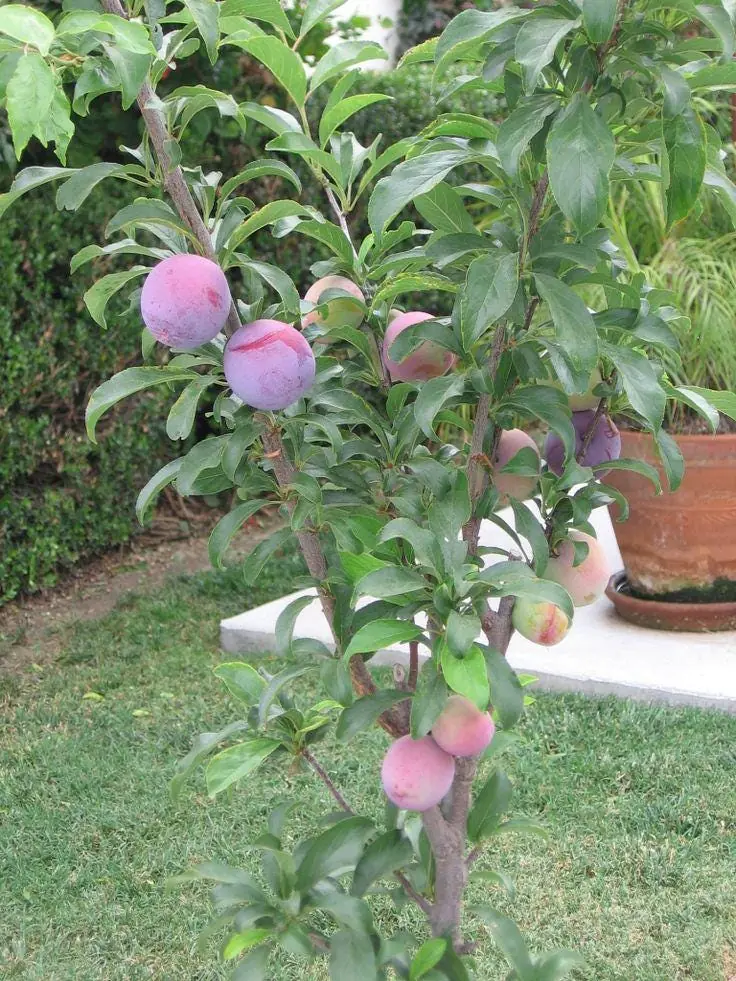
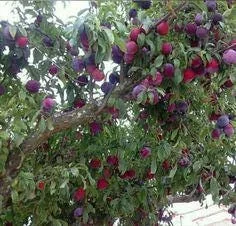
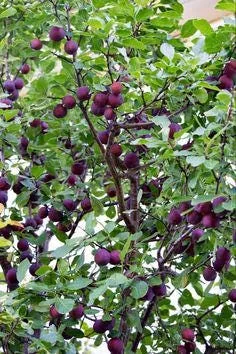
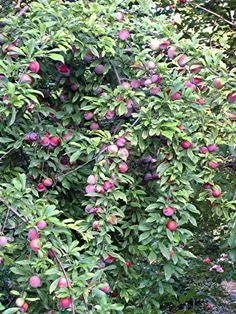
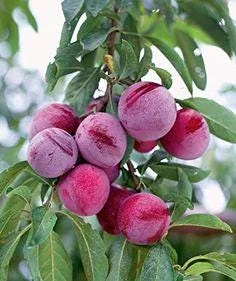
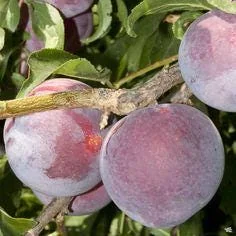
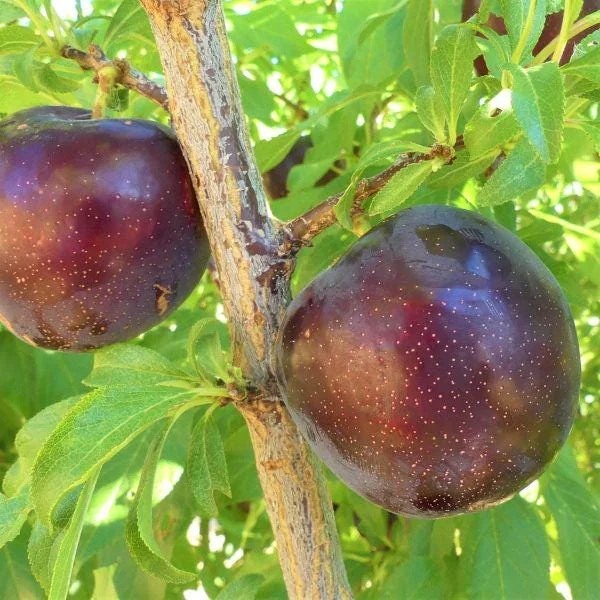
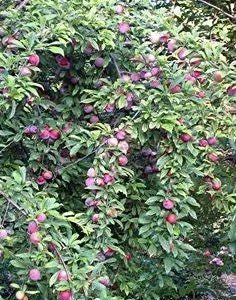
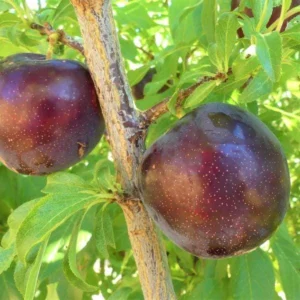
Cultivate your own delightful fruit with a Santa Rosa Plum Tree. This bare-root plum tree is renowned for its superior quality, purple-red fruit with rich, tart, yellow flesh. A vigorous and self-fertile plum, it’s perfect for home gardens, offering both delicious harvests and ornamental beauty.
From $87.96

With our Alive & Thrive Guarantee, we’ve got your back for the first 30 days! If you have any concerns about your plants, just reach out to us. Our team is here to help answer your questions and guide you in selecting the best plants for your garden, climate, and unique preferences. We're excited to help you create the garden of your dreams!
Estimated arrival
Mar 01
Mar 06 - Mar 08
Mar 11 - Mar 15
Product Details
-
USDA Hardiness Zone
USDA Zones 5-9 -
Soil type
Well-draining, rich in organic matter -
Sunlight Exposure
Full sun (6-8+ hours daily) -
Expected Planting Period
Late winter to early spring
Overview
Experience the joy of harvesting your own sweet and tart fruit with a Santa Rosa Plum Tree. This exceptional bare-root plum tree is celebrated for its superior quality, producing abundant crops of beautiful purple-red plums. The fruit boasts a rich, fragrant, yellow flesh with a delightful tartness, making it a favorite for fresh eating, preserves, and baking. Considered one of Luther Burbank’s finest creations, the Santa Rosa Plum Tree is a vigorous, prolific, and self-fertile variety, simplifying the planting process for home gardeners. It’s also an excellent choice as a pollen source to enhance fruit set on other Asian plum trees, making it a versatile addition to any orchard or backyard.
Beyond its delicious fruit, this tree offers significant aesthetic appeal. It can grow into a medium-sized tree, providing lovely spring blooms of showy white flowers that transform into lush green foliage. In the fall, the leaves deliver wonderful seasonal color, adding year-round interest to your landscape. Adaptable to a variety of soils and known for being hardy and heat-tolerant, the Santa Rosa Plum Tree is an ideal choice for many climates, bringing both utility and beauty to your outdoor space.
Key Benefits
The Santa Rosa Plum Tree offers a multitude of advantages for the home gardener and landscape enthusiast. Its combination of delicious fruit, ornamental value, and relative ease of care makes it a top choice.
- Abundant, Delicious Fruit: Enjoy a prolific harvest of large, flavorful purple-red plums with rich, tart, fragrant yellow flesh, perfect for eating fresh, canning, or making preserves.
- Self-Fertile Plum: Unlike many fruit trees, the Santa Rosa Plum Tree is self-fertile, meaning you only need one tree to produce fruit, simplifying your planting plan and ensuring a harvest.
- Beautiful Ornamental Value: Beyond its fruit, this tree provides stunning white blossoms in spring, vibrant green foliage in summer, and attractive fall color, enhancing your garden’s visual appeal throughout the seasons.
- Versatile Landscape Addition: Its medium size and moderate growth rate make it suitable for various uses, including a specimen tree, part of a privacy hedge, or a border tree, adding structure and beauty to your yard.
- Excellent Pollinator: The Santa Rosa Plum Tree is recognized as one of the best pollen sources for other Asian plum varieties, helping to increase fruit production in a diverse home orchard.
- Hardy and Adaptable: This vigorous tree is known for its heat tolerance and ability to adapt to a wide range of soil types, making it a resilient choice for many climates.
- Low Chill Requirement: With a low chill hour requirement, this plum tree is suitable for regions with milder winters, allowing more gardeners to successfully grow this beloved variety.
Plant Care & Growing Tips
Caring for your Santa Rosa Plum Tree is straightforward, ensuring years of delicious fruit and beautiful landscape presence. These trees thrive in full sun, requiring at least 6-8 hours of direct sunlight per day for optimal growth and fruit production. They prefer well-draining soil that is rich in organic matter. While adaptable to various soil types, avoid heavy clay or excessively sandy soils. Regular watering is crucial, especially during dry spells and the fruit development period. Aim for consistently moist, but not waterlogged, soil. Deep watering encourages a strong root system.
The Santa Rosa Plum Tree is deciduous and hardy, typically performing well in USDA Zones 5-9, though its low chill requirement makes it particularly suitable for warmer regions. Fertilize in early spring with a balanced fruit tree fertilizer, following package instructions. Pruning is essential for maintaining tree health, shape, and fruit quality. Prune in late winter or early spring while the tree is dormant, focusing on removing dead, diseased, or crossing branches, and thinning for good air circulation. Watch for common plum tree pests and diseases, and address them promptly with appropriate organic or conventional treatments. Proper care will ensure your growing plum trees remain healthy and productive.
Size & Details
This offering is for a Santa Rosa Plum Tree provided as a bare-root plum tree. Bare-root trees are dormant plants shipped without soil around their roots, which allows for easier transport and often quicker establishment when planted correctly. Upon arrival, the roots should be kept moist until planting. As a medium-sized tree, it typically reaches a mature height of 15-20 feet with a similar spread, though size can be managed with pruning. It exhibits a moderate growth rate, establishing itself well within a few seasons. Expect fruit production to begin within 2-4 years after planting, with increasing yields as the tree matures. Its vigorous nature and heat tolerance make it a robust choice for a variety of garden settings.
Frequently Asked Questions
- Q: How big does this plant get? A: The Santa Rosa Plum Tree typically grows to a medium size, reaching 15-20 feet tall with a similar spread. Its size can be managed with regular pruning to fit your specific garden space.
- Q: Is this an indoor or outdoor plant? A: This is an outdoor fruit tree, designed to be planted directly in the ground in your garden or orchard. It requires full sun exposure to thrive and produce fruit.
- Q: Is this plant easy to care for? A: Yes, the Santa Rosa Plum Tree is considered relatively easy to care for, especially due to its self-fertile nature and adaptability. Basic care includes adequate sunlight, well-draining soil, regular watering, and annual pruning.
- Q: What condition will it arrive in? A: Your Santa Rosa Plum Tree will arrive as a bare-root specimen, meaning it will be dormant with its roots exposed and carefully packaged to maintain moisture. This is a common and effective way to ship fruit trees.
- Q: Is it self-fertile? A: Yes, the Santa Rosa Plum Tree is an excellent self-fertile plum variety, meaning it can produce fruit without the need for a second plum tree for pollination. However, having other plum trees nearby can sometimes increase yields.
- Q: How long until it blooms? A: This bare-root tree will typically begin to bloom and produce fruit within 2-4 years after planting, with fruit production increasing as the tree matures. You can expect beautiful white blossoms in the spring.
- Q: Will it survive winter in my zone? A: The Santa Rosa Plum Tree is hardy and generally thrives in USDA Zones 5-9. Its low chill requirement also makes it suitable for regions with milder winters. Check your local USDA zone to confirm suitability.
- Q: What is the best time for growing plum trees? A: Bare-root plum trees are best planted in late winter or early spring while they are still dormant. This allows them to establish their root system before the stress of summer heat.
- Q: What makes this a Luther Burbank plum? A: The Santa Rosa Plum Tree is one of the most famous and successful creations of Luther Burbank, a renowned American botanist and horticulturist. His breeding efforts led to its superior fruit quality and widespread popularity.
| Santa Rosa Plum | 18-24'', 2-3', 3-4 Feet Tall |
|---|
Related products
-10%
Original price was: $48.99.$44.09Current price is: $44.09.
-20%
Original price was: $32.00.$25.60Current price is: $25.60.
-10%
Original price was: $158.00.$142.20Current price is: $142.20.
-50%
Original price was: $39.98.$19.99Current price is: $19.99.
-20%
Original price was: $50.00.$40.00Current price is: $40.00.
-10%
Original price was: $158.00.$142.20Current price is: $142.20.
PLANTING & CARE

The Comprehensive Guide to Growing Bay Leaf Plants for a Flavorful Garden
Imagine stepping into your garden, greeted by the earthy aroma of fresh bay leaves, their
09
Feb
Feb

How to Make Comfrey Tea: The Ultimate Organic Plant Food
Growing an organic garden can be surprisingly expensive, especially when most store-bought fertilizers come in
02
Feb
Feb

True Comfrey: 7 Essential Tips Before You Plant This Herb
A staple in permaculture practices across the US, True Comfrey easily earns its reputation as
27
Jan
Jan

7 Heart-Shaped Plants for a Lasting Valentine’s Gift
If you’ve ever bought a bouquet of roses for Valentine’s Day, you know they are
26
Jan
Jan

Best Types of Ivy Plant for Houses: How to Choose the Perfect Ones for Your Home
Are you a garden lover looking to introduce some greenery into your home? Maybe you’ve
14
Nov
Nov

When to Harvest Garlic (Especially Fall-Planted Garlic)
TIMING IS EVERYTHING, they say – and for garlic, that truth hits with surprising accuracy.
13
Nov
Nov

11 of the Best Sweet Potato Varieties to Grow for Your Garden
If you’ve ever tried growing sweet potatoes, you know that picking the right variety can
12
Nov
Nov
Pruning Bougainvillea for Winter
Bougainvillea vines are known for their dazzling display of magenta, orange, and fuchsia bracts that
05
Nov
Nov