Shooting Star (Dodecatheon meadia) Bare-root Plant – Native Perennial
Shooting Star (Dodecatheon meadia) Bare-root Plant – Native Perennial
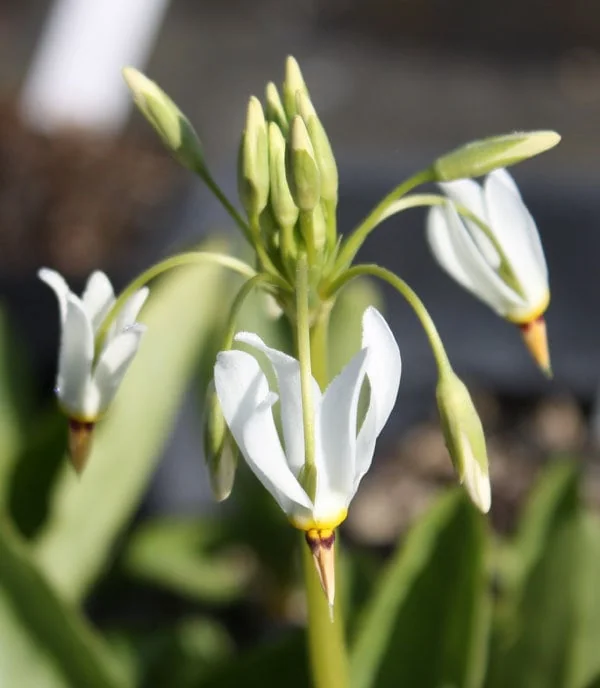
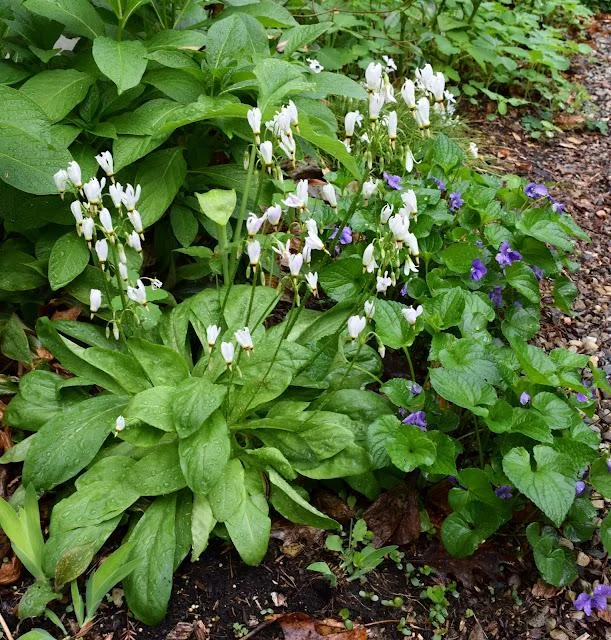
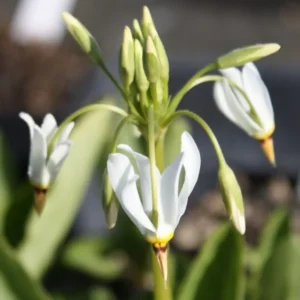
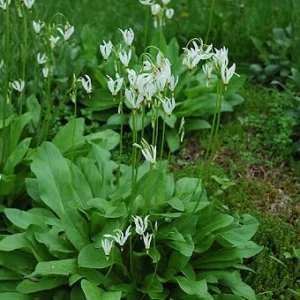
Bring unique charm to your garden with the Shooting Star bare-root (Dodecatheon meadia). This delightful native perennial produces distinctive, rocket-shaped flowers in white or pink during spring, adding a spectacular touch to any landscape.
From $55.96

With our Alive & Thrive Guarantee, we’ve got your back for the first 30 days! If you have any concerns about your plants, just reach out to us. Our team is here to help answer your questions and guide you in selecting the best plants for your garden, climate, and unique preferences. We're excited to help you create the garden of your dreams!
Estimated arrival
Mar 12
Mar 17 - Mar 19
Mar 22 - Mar 26
Product Details
-
USDA Hardiness Zone
unknown -
Soil type
Moist, well-draining, humus-rich soil -
Sunlight Exposure
Full sun in spring, partial shade in summer -
Expected Planting Period
Fall to early spring
Overview
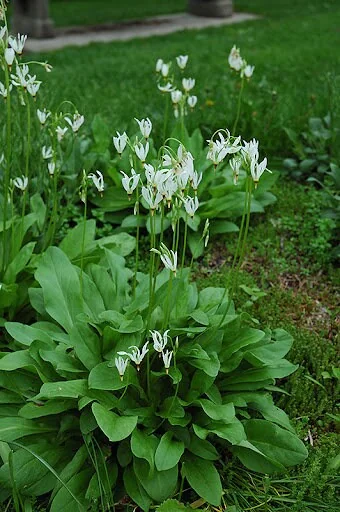
Introduce a touch of celestial beauty to your native garden with the Shooting Star bare-root plant, scientifically known as Dodecatheon meadia. This marvelous spring perennial is cherished for its truly unique and captivating blooms. As the warmer weather arrives, typically in late March, the first little buds begin to emerge, followed by a basal rosette of lush leaves in April. By late April into May, your garden will be graced with a spectacular display of its unusual, rocket-shaped flowers. These charming blossoms, which can appear in shades of white or light pink, create a striking visual impact, making the Dodecatheon meadia plant a must-have for enthusiasts of native flora.
The Shooting Star bare-root is an ephemeral beauty, delighting observers for approximately three weeks before going dormant by late June. This natural cycle makes it an excellent companion plant, as other plants can fill its space once it retreats. Its adaptability and distinct appearance make it a focal point, drawing attention with its downward-pointing petals and upright anthers that perfectly mimic a shooting star. This plant is not only visually appealing but also supports local ecosystems, making it a valuable addition to any eco-conscious gardener’s collection. Embrace the charm of this native gem and enhance your outdoor space with its early spring spectacle.
Key Benefits
The Shooting Star bare-root offers a multitude of benefits for both your garden and the local environment, making it a truly rewarding plant to cultivate. Its unique characteristics provide aesthetic appeal and ecological value:
- Unique Aesthetic Appeal: The distinctive rocket-shaped flowers, available in white or light pink, provide a spectacular and unusual display in early spring, setting your garden apart. These striking blooms are a conversation starter and a visual delight.
- Native Garden Perennial: As a native garden perennial, Dodecatheon meadia is perfectly adapted to local conditions, requiring less intervention once established and supporting native biodiversity. It thrives in its natural habitat, contributing to a healthy ecosystem.
- Early Spring Blooms: Enjoy vibrant color and life in your garden from late April into May, offering an early season burst of beauty when many other plants are just beginning to awaken. This makes it ideal for extending your garden’s blooming season.
- Pollinator Magnet: The flowers are a favorite among bees, which are crucial for pollination, helping to support local insect populations and contributing to a healthier garden ecosystem. Bees are drawn to its unique flower structure.
- Ephemeral Beauty: Its natural dormancy by late June allows for creative companion planting, ensuring continuous interest in your garden throughout the growing season. You can strategically plant other species to take over its space.
- Low Maintenance Once Established: Once settled, this spring blooming plant is relatively easy to care for, preferring moist soil conditions in spring and adapting well to various light exposures. It’s a robust and resilient addition to your landscape.
- Supports Wildlife: By providing nectar for pollinators and contributing to the native flora, this plant helps create a more balanced and thriving environment for local wildlife.
Plant Care & Growing Tips
Caring for your Shooting Star bare-root (Dodecatheon meadia) is relatively straightforward, especially when considering its native origins. For optimal growth, plant your bare-root in a location that receives ample sun in the spring. This can be achieved by planting it under deciduous trees, which provide full sun exposure before their leaves unfurl, then transitioning to partial shade as the canopy develops. In consistently moist soil, this plant can even tolerate full sun throughout the spring. It is crucial for the soil to remain consistently moist during its active growing period in spring, as this supports its vigorous growth and flowering.
The Dodecatheon meadia plant is not overly particular about soil conditions but thrives in well-drained, humus-rich soil. While it appreciates moisture in spring, good drainage is essential to prevent root rot during dormant periods. Fertilization can be beneficial during the first year to help establish the plant. After the initial year, the plant typically requires minimal feeding, especially if planted in fertile soil. Propagation can be easily done from seed; sow seeds on the surface of a seed-starting mix in a clear container, leaving it outdoors over winter or bringing it in by late February for natural spring germination. This native garden perennial is a resilient choice, making it suitable for various garden settings.
Size & Details
Each purchase includes a Shooting Star bare-root, ready for planting to establish itself in your garden. As a native ephemeral perennial, the plant exhibits a distinct growth cycle. It typically emerges in late March with buds, followed by a basal rosette of leaves in April. The captivating rocket-shaped flowers bloom from late April into May, reaching an approximate height of 12-18 inches (30-45 cm) during its peak flowering period. After flowering and producing seeds, the foliage naturally goes dormant by the end of June, disappearing until the following spring. This natural dormancy allows for flexible companion planting.
The bare-root format ensures the plant is ready to establish strong roots in its new home. The mature plant will spread gradually, forming charming clumps over time. While individual bare-root sizes may vary slightly, each is carefully selected to ensure a robust start for your spring blooming plant. Expect a moderate growth rate, with plants typically establishing well in the first year and producing a more abundant display of flowers in subsequent seasons. This plant is an excellent choice for naturalized areas, woodland gardens, or borders where its unique beauty can be appreciated.
Frequently Asked Questions
- Q: How big does this plant get? A: The Shooting Star bare-root typically grows to a height of 12-18 inches (30-45 cm) during its active spring growth and flowering period. Its foliage goes dormant by late June.
- Q: Is this an indoor or outdoor plant? A: This is an outdoor plant, ideally suited for native gardens, woodland settings, or perennial borders. It is not suitable for indoor cultivation.
- Q: How much sunlight does it need? A: It thrives in full sun during spring, especially when planted under deciduous trees, which provide shade once leaves emerge. It can tolerate full sun in spring if the soil remains consistently moist.
- Q: Is this plant easy to care for? A: Yes, once established, the Dodecatheon meadia plant is relatively low-maintenance, requiring moist soil in spring and minimal attention after dormancy. It’s a good choice for gardeners looking for a resilient native perennial.
- Q: What condition will it arrive in? A: It will arrive as a bare-root plant, meaning it will be shipped without soil or a pot, ready for immediate planting in your garden.
- Q: How long until it blooms? A: If planted in the fall or early spring, you can expect the rocket shaped flowers to bloom in late April to May of the first full growing season.
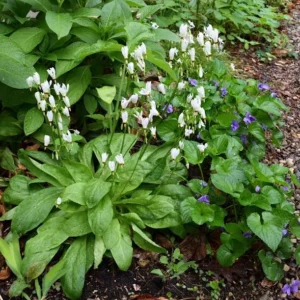
- Q: Can I plant it with other species? A: Absolutely! It’s an excellent companion plant for species like bloodroot, lady fern, Jack-in-the-pulpit, foam flower, and wild ginger, which can fill its space after it goes dormant.
- Q: What’s the best time to plant a Shooting Star bare-root? A: The ideal time to plant bare-root Shooting Stars is in the fall or very early spring before new growth fully emerges.
- Q: What type of soil does it prefer? A: It prefers moist, well-draining soil, ideally rich in organic matter. Consistent moisture is key during its spring growth phase.
- Q: Will it survive winter in my zone? A: As a native perennial, it is cold-hardy in many regions. Specific USDA hardiness zone information would provide more precise guidance for winter survival.
| Shooting Star | 10, 15, 5 |
|---|
Related products
-30%
Original price was: $63.98.$44.78Current price is: $44.78.
-67%
Original price was: $41.97.$13.99Current price is: $13.99.
-67%
Original price was: $59.97.$19.99Current price is: $19.99.
-20%
Original price was: $27.98.$22.38Current price is: $22.38.
-30%
Original price was: $63.98.$44.78Current price is: $44.78.
-30%
Original price was: $63.98.$44.78Current price is: $44.78.
-10%
Original price was: $11.99.$10.79Current price is: $10.79.
-70%
Original price was: $79.98.$24.00Current price is: $24.00.
PLANTING & CARE

The Comprehensive Guide to Growing Bay Leaf Plants for a Flavorful Garden
Imagine stepping into your garden, greeted by the earthy aroma of fresh bay leaves, their
09
Feb
Feb

How to Make Comfrey Tea: The Ultimate Organic Plant Food
Growing an organic garden can be surprisingly expensive, especially when most store-bought fertilizers come in
02
Feb
Feb

True Comfrey: 7 Essential Tips Before You Plant This Herb
A staple in permaculture practices across the US, True Comfrey easily earns its reputation as
27
Jan
Jan

7 Heart-Shaped Plants for a Lasting Valentine’s Gift
If you’ve ever bought a bouquet of roses for Valentine’s Day, you know they are
26
Jan
Jan

Best Types of Ivy Plant for Houses: How to Choose the Perfect Ones for Your Home
Are you a garden lover looking to introduce some greenery into your home? Maybe you’ve
14
Nov
Nov

When to Harvest Garlic (Especially Fall-Planted Garlic)
TIMING IS EVERYTHING, they say – and for garlic, that truth hits with surprising accuracy.
13
Nov
Nov

11 of the Best Sweet Potato Varieties to Grow for Your Garden
If you’ve ever tried growing sweet potatoes, you know that picking the right variety can
12
Nov
Nov
Pruning Bougainvillea for Winter
Bougainvillea vines are known for their dazzling display of magenta, orange, and fuchsia bracts that
05
Nov
Nov