2 Blackhaw Viburnum (Viburnum Prunifolium) Bare-Root Plants – Native Shrub
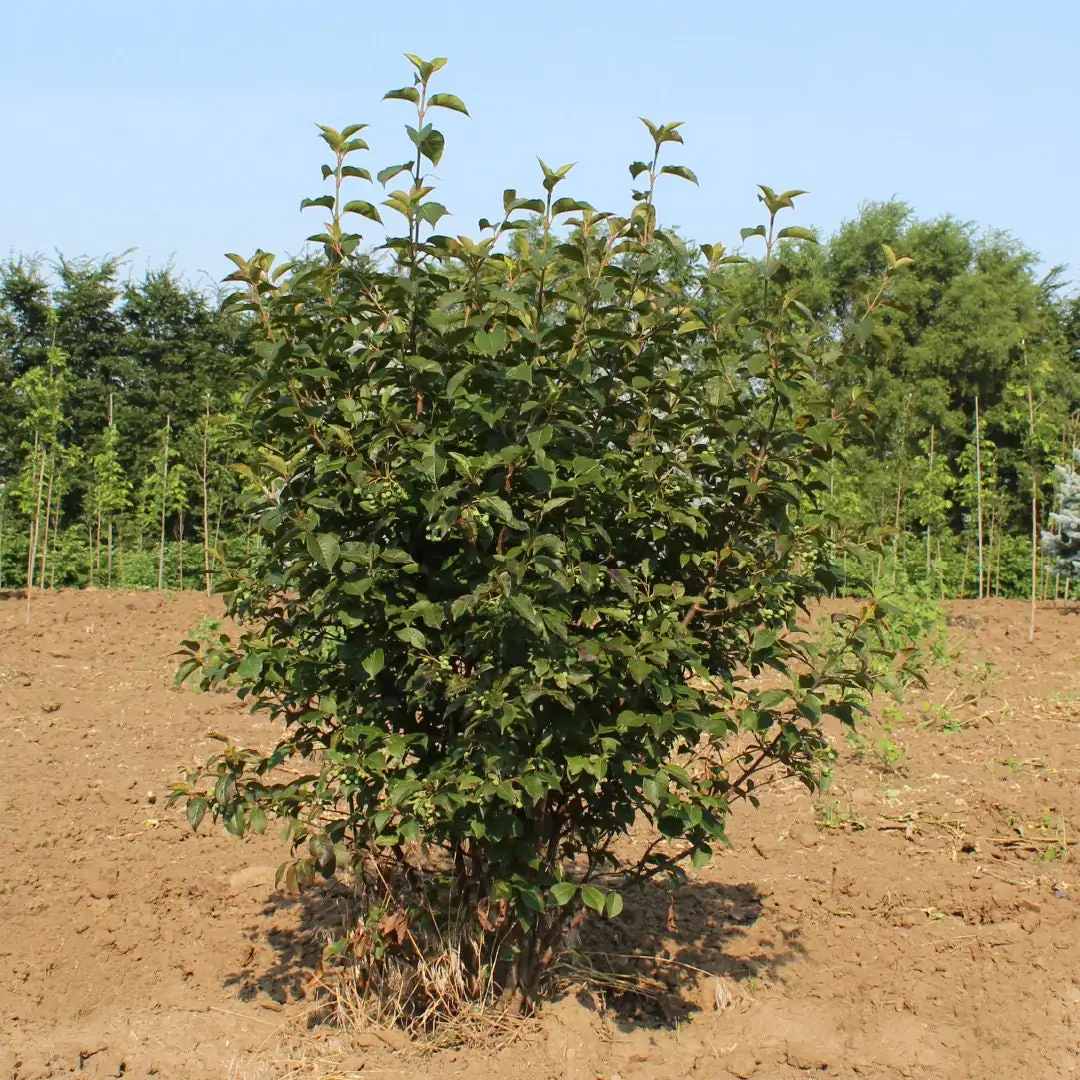
2 Blackhaw Viburnum (Viburnum Prunifolium) Bare-Root Plants – Native Shrub
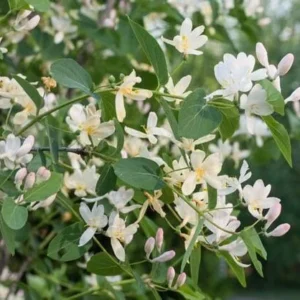
Bring natural beauty to your landscape with 2 Blackhaw Viburnum (Viburnum Prunifolium) bare-root plants. This versatile native viburnum shrub boasts white spring flowers, vibrant fall foliage, and provides essential support for wildlife and pollinators. Ideal for hedges, screens, or as a standalone specimen.
From $79.80

With our Alive & Thrive Guarantee, we’ve got your back for the first 30 days! If you have any concerns about your plants, just reach out to us. Our team is here to help answer your questions and guide you in selecting the best plants for your garden, climate, and unique preferences. We're excited to help you create the garden of your dreams!
Estimated arrival
Jan 09
Jan 14 - Jan 16
Jan 19 - Jan 23

Product Details
-
USDA Hardiness Zone
USDA Zones 3-8 -
Soil type
Medium-moist, well-draining soil -
Sunlight Exposure
Partial sun to light shade -
Expected Planting Period
Early spring or fall
Overview
Introduce a touch of native elegance to your garden with this offering of 2 Blackhaw Viburnum (Viburnum Prunifolium) bare-root plants. The blackhaw viburnum bare-root is an excellent choice for gardeners seeking a robust, multi-season interest shrub that also contributes significantly to local ecosystems. Known scientifically as Viburnum prunifolium, this large, deciduous shrub or small tree develops an attractive upright form and a rounded crown, making it a versatile addition to any landscape design. Its natural beauty and ecological benefits make the viburnum prunifolium plant a popular selection for native plant enthusiasts and those looking to support biodiversity.
These bare-root specimens allow for easy establishment in your garden, ready to develop into magnificent plants. The blackhaw viburnum bare-root is perfect for creating dense hedges, effective privacy screens, or as a striking individual specimen. Embrace the opportunity to cultivate a plant that is both aesthetically pleasing and ecologically valuable.
Key Benefits
Cultivating a blackhaw viburnum bare-root brings a wealth of advantages to your outdoor space, offering year-round appeal and ecological support. This native plant is a true asset for any garden.
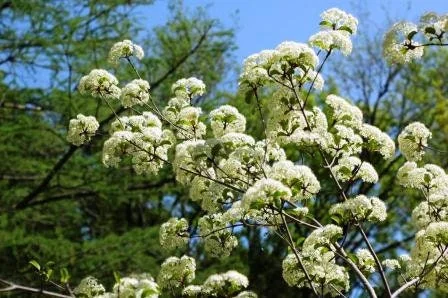
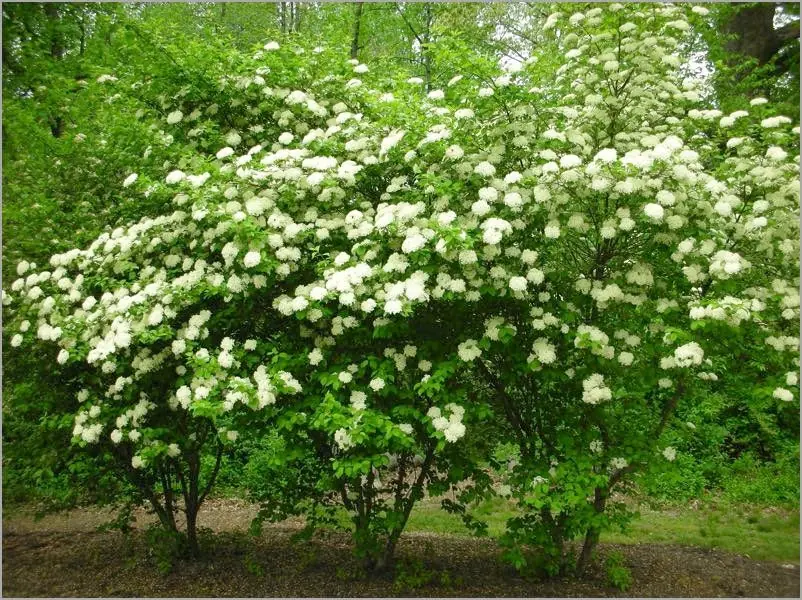
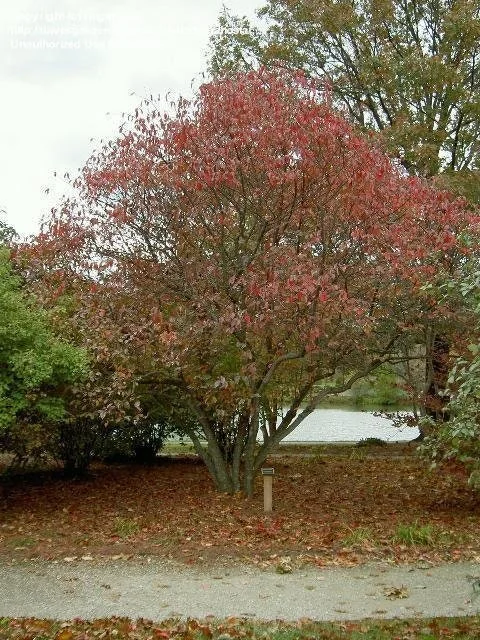
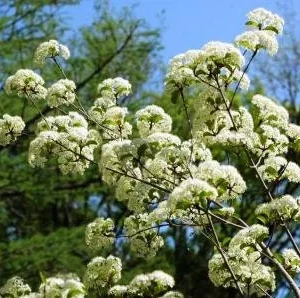
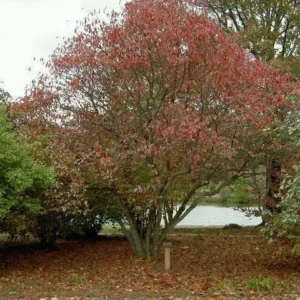
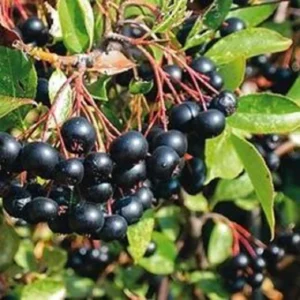
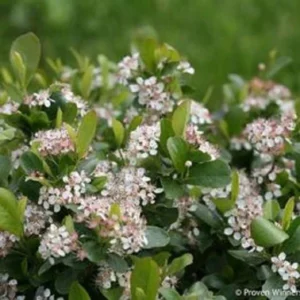
- Stunning Seasonal Interest: Enjoy flat-topped clusters of delicate white flowers in spring, followed by yellow berries that mature to an attractive blue-black. The finely toothed, dark green foliage transforms into brilliant reds and purples in autumn, providing spectacular fall color.
- Ecological Keystone Species: As a native viburnum shrub, it serves as a critical food source and habitat for a wide array of wildlife, including birds, small mammals, and various pollinator insects. It’s a host plant for numerous lepidoptera, such as the Green Marvel and Pink Prominent moths.
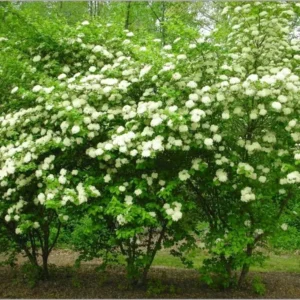
- Versatile Landscape Use: Its upright form and rounded crown make the viburnum prunifolium plant suitable for diverse applications. Plant individually as a specimen, group for a tall, dense hedge, or use it as an understory shrub in woodland gardens.
- Hardy and Adaptable: This robust plant is well-suited to a variety of conditions, thriving in consistently moist, well-drained soils. Its adaptability ensures successful growth in many garden settings, especially where a resilient native plant is desired.
- Low Maintenance: Once established, the blackhaw viburnum bare-root requires minimal care, making it an excellent choice for busy gardeners. It’s naturally resistant to many common pests and diseases.
- Supports Pollinators: The spring flowers provide an early nectar source for bees and other pollinators, contributing to the health of your garden and local ecosystem.
- Attractive Fruit Production: The blue-black berries are not only ornamental but also a valuable food source for birds, adding another layer of wildlife interaction to your garden. For best fruiting, planting multiple viburnums is recommended to ensure good pollination.
Plant Care & Growing Tips
Caring for your blackhaw viburnum bare-root plants is straightforward, ensuring they establish well and thrive in your garden. This resilient native viburnum shrub prefers specific conditions to reach its full potential. When planting, choose a location with partial sun or light shade for optimal growth and flowering. While it can tolerate full sun, it is crucial to ensure the soil remains consistently moist in such conditions. Aim for at least 4-6 hours of sunlight daily for good flower and fruit production. Protect young plants from harsh afternoon sun in hotter climates.
The viburnum prunifolium plant does best in soils that are consistently medium-moist but well-drained. It naturally grows along forest edges and near rivers, indicating its preference for ample moisture. Amend heavy clay soils with organic matter to improve drainage, or sandy soils to enhance water retention. A pH range of 5.5 to 7.0 is generally ideal. Once established, an occasional deep watering during dry spells will suffice. Fertilize in early spring with a balanced, slow-release granular fertilizer formulated for trees and shrubs. Follow package directions for application rates. Pruning can be done in late winter or early spring to remove dead or damaged branches, shape the plant, or control its size. This helps maintain the attractive form of your blackhaw viburnum bare-root and encourages healthy new growth.
Size & Details
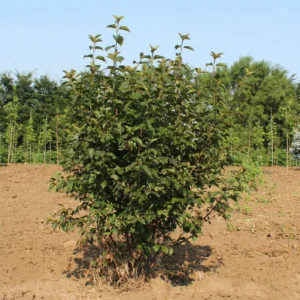
These 2 Blackhaw Viburnum bare-root plants are shipped ready for planting, offering a cost-effective and robust way to establish this beautiful native shrub in your landscape. As a mature specimen, the viburnum prunifolium plant typically grows to a height of 10-15 feet with a similar spread, forming a large shrub or small multi-stemmed tree. Its growth rate is moderate, allowing it to establish and grow steadily over time. The bare-root form means the plant is dormant and free of soil, making it lightweight and easy to handle upon arrival. Once planted, it will quickly develop a strong root system, leading to vigorous growth. Expect initial growth in the first season, with more significant development in subsequent years. The exact size of the bare-root plant will vary, but each is selected for health and viability to ensure a successful start for your new native viburnum shrub.
Frequently Asked Questions
- Q: How big does this Blackhaw Viburnum get? A: A mature blackhaw viburnum bare-root typically reaches a height of 10-15 feet with a similar spread, forming a large, rounded shrub or a small tree. Its size makes it ideal for hedges or as a specimen plant.
- Q: Is this an indoor or outdoor plant? A: The viburnum prunifolium plant is an outdoor plant, best suited for garden beds, borders, and naturalized areas. It thrives in temperate climates and is not recommended for indoor cultivation.
- Q: How much sunlight does the Blackhaw Viburnum need? A: This native viburnum shrub prefers partial sun to light shade for ideal growth. While it can tolerate full sun, it will require consistent moisture in such conditions to prevent stress.
- Q: Is this plant easy to care for? A: Yes, once established, the blackhaw viburnum bare-root is relatively low-maintenance. It’s hardy and adaptable, making it a good choice for both experienced and novice gardeners looking to buy blackhaw viburnum.
- Q: What condition will the bare-root plants arrive in? A: Your blackhaw viburnum bare-root plants will arrive dormant, without soil, and carefully packaged to ensure their health. They are ready for immediate planting upon arrival.
- Q: When is the best time to plant Blackhaw Viburnum bare-root? A: The best time to plant bare-root viburnums is in early spring, after the danger of hard frost has passed, and before the plant breaks dormancy. Fall planting is also possible in milder climates.
- Q: Will it survive winter in my zone? A: The viburnum prunifolium plant is very cold hardy, typically thriving in USDA Hardiness Zones 3-8, making it suitable for a wide range of climates across the US.
- Q: Why should I buy blackhaw viburnum? A: You should buy blackhaw viburnum for its beautiful seasonal interest, its role as a keystone species supporting local wildlife and pollinators, its adaptability, and its relatively low maintenance requirements.
- Q: How important is pollination for fruit production? A: While viburnums flower profusely regardless of pollination, poor fruiting can occur if only one viburnum prunifolium plant is available. Planting multiple specimens will greatly improve fruit set.
- Q: What type of soil does Blackhaw Viburnum prefer? A: The blackhaw viburnum bare-root thrives in consistently medium-moist, well-drained soils. It’s adaptable but performs best in soil rich in organic matter.
| blackhaw Viburnum | 12-18, 18-24", 2-3' |
|---|
Related products
-50%

Original price was: $63.00.$31.50Current price is: $31.50.
-10%
Original price was: $23.99.$21.59Current price is: $21.59.
-50%
Original price was: $83.00.$41.50Current price is: $41.50.
-50%
Original price was: $55.98.$27.99Current price is: $27.99.
PLANTING & CARE

Best Types of Ivy Plant for Houses: How to Choose the Perfect Ones for Your Home
Are you a garden lover looking to introduce some greenery into your home? Maybe you’ve
14
Nov
Nov

When to Harvest Garlic (Especially Fall-Planted Garlic)
TIMING IS EVERYTHING, they say – and for garlic, that truth hits with surprising accuracy.
13
Nov
Nov

11 of the Best Sweet Potato Varieties to Grow for Your Garden
If you’ve ever tried growing sweet potatoes, you know that picking the right variety can
12
Nov
Nov

The Comprehensive Guide to Growing Bay Leaf Plants for a Flavorful Garden
Imagine stepping into your garden, greeted by the earthy aroma of fresh bay leaves, their
10
Nov
Nov
Pruning Bougainvillea for Winter
Bougainvillea vines are known for their dazzling display of magenta, orange, and fuchsia bracts that
05
Nov
Nov
The Comprehensive Guide to Growing Clerodendrum Wallichii for a Stunning Garden
Imagine walking into a garden where delicate white flowers hang from graceful branches, their petals
03
Nov
Nov
8 Mistakes to Avoid When Planting Garlic That 90% of Gardeners Make
Planting garlic can be a rewarding experience, but many gardeners, especially beginners, end up making
29
Oct
Oct
Garlic Varieties: Everything You Need to Know Before Choosing the Right Type to Grow
If you’ve ever tried growing garlic, you know that choosing the right variety can make
28
Oct
Oct