Yellow Passion Fruit Live Plant – Vine in 4” Pot – Outdoor Edible Fruit
-38%
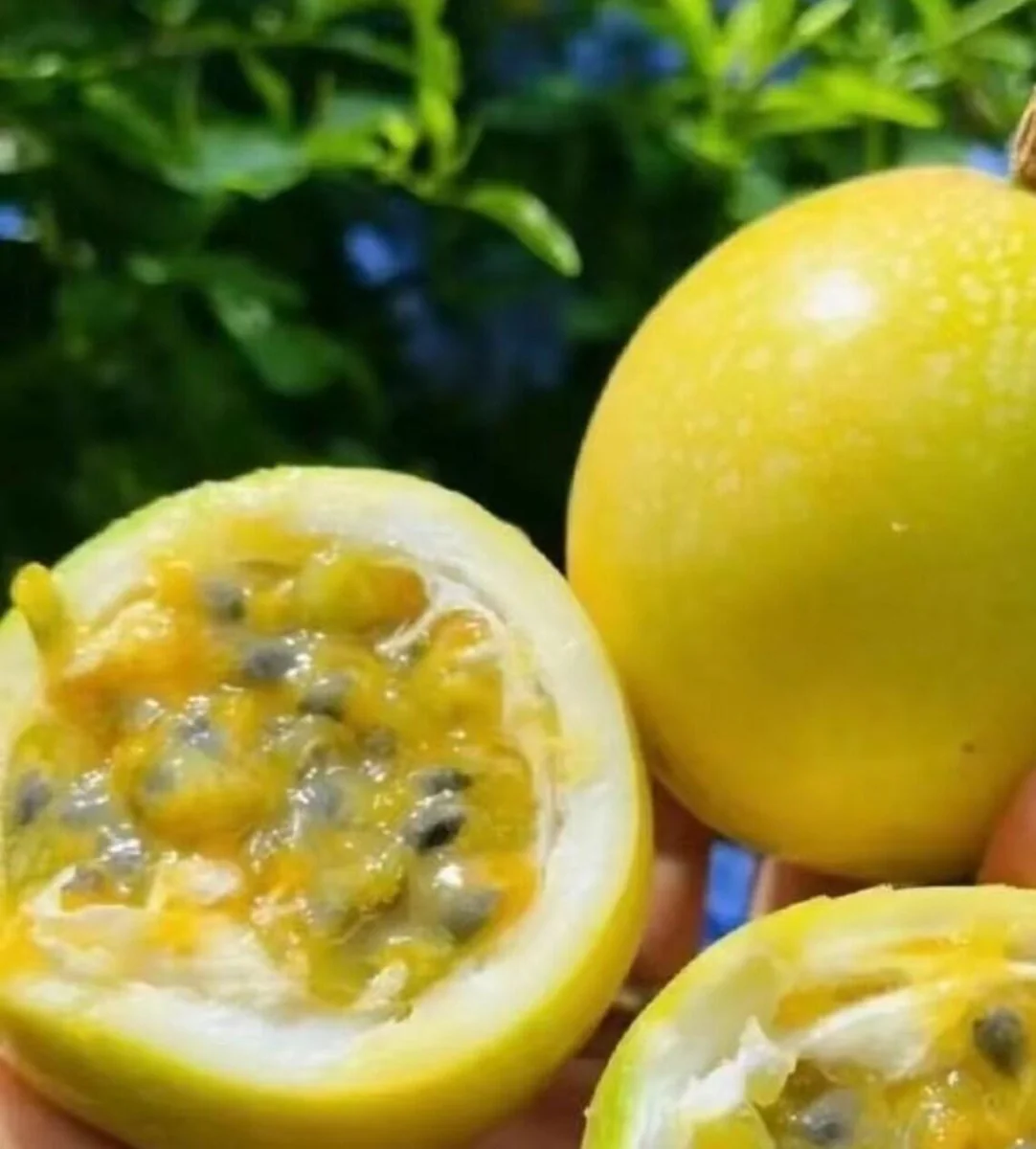
Yellow Passion Fruit Live Plant – Vine in 4” Pot – Outdoor Edible Fruit
Cultivate your own exotic fruit with this vibrant yellow passion fruit plant. This live vine comes in a 4” pot, ready to grow delicious, aromatic fruit. Ideal for trellises and pergolas, it adds a tropical touch to your garden and provides a bountiful harvest.
Original price was: $39.99.$24.99Current price is: $24.99.

With our Alive & Thrive Guarantee, we’ve got your back for the first 30 days! If you have any concerns about your plants, just reach out to us. Our team is here to help answer your questions and guide you in selecting the best plants for your garden, climate, and unique preferences. We're excited to help you create the garden of your dreams!
Estimated arrival
Mar 01
Mar 06 - Mar 08
Mar 11 - Mar 15
Product Details
-
USDA Hardiness Zone
USDA Zones 9-11 -
Soil type
Well-draining, rich in organic matter -
Sunlight Exposure
Full sun (6-8 hours daily) -
Expected Planting Period
Spring to early summer
Overview
Bring the taste of the tropics to your home garden with our vibrant yellow passion fruit plant. This vigorous live vine, scientifically known as Passiflora edulis flavicarpa, is a fantastic addition for anyone looking to grow their own edible fruit. Originating from South America, the yellow passion fruit plant is renowned for its large, intensely flavored, and aromatic fruits, which are a staple in many culinary traditions. Unlike its purple cousin, the yellow variety is typically larger, more robust, and often preferred for commercial cultivation due to its higher yield and tart, tangy juice. When you purchase this live plant in a 4” pot, you’re getting a healthy, established starter ready to be transplanted and thrive in your garden, providing a continuous supply of delicious, nutrient-rich fruits.
Growing your own yellow passion fruit plant offers immense satisfaction, allowing you to enjoy fresh, organic fruit directly from your backyard. These fast-growing vines quickly cover trellises, fences, or arbors, adding a beautiful, lush green canopy adorned with unique, intricate flowers before the fruit sets. Whether you’re an experienced gardener or just starting, this plant is a rewarding choice that transforms your outdoor space into an edible paradise. Its adaptability and relatively easy care make it a popular choice for home growers across various climates.
Key Benefits
Our yellow passion fruit plant offers numerous advantages, from its aesthetic appeal to its delicious harvest. This live vine provides a unique and rewarding gardening experience:
- Abundant Edible Fruit: Enjoy a continuous supply of large, tangy, and aromatic yellow passion fruits. Perfect for fresh eating, juices, desserts, and sauces, providing a versatile ingredient for your kitchen.
- Vigorous Growth & Beautiful Foliage: This fast-growing vine quickly covers trellises, arbors, and fences, creating a lush, tropical screen or canopy. Its glossy green leaves add significant ornamental value to any garden space.
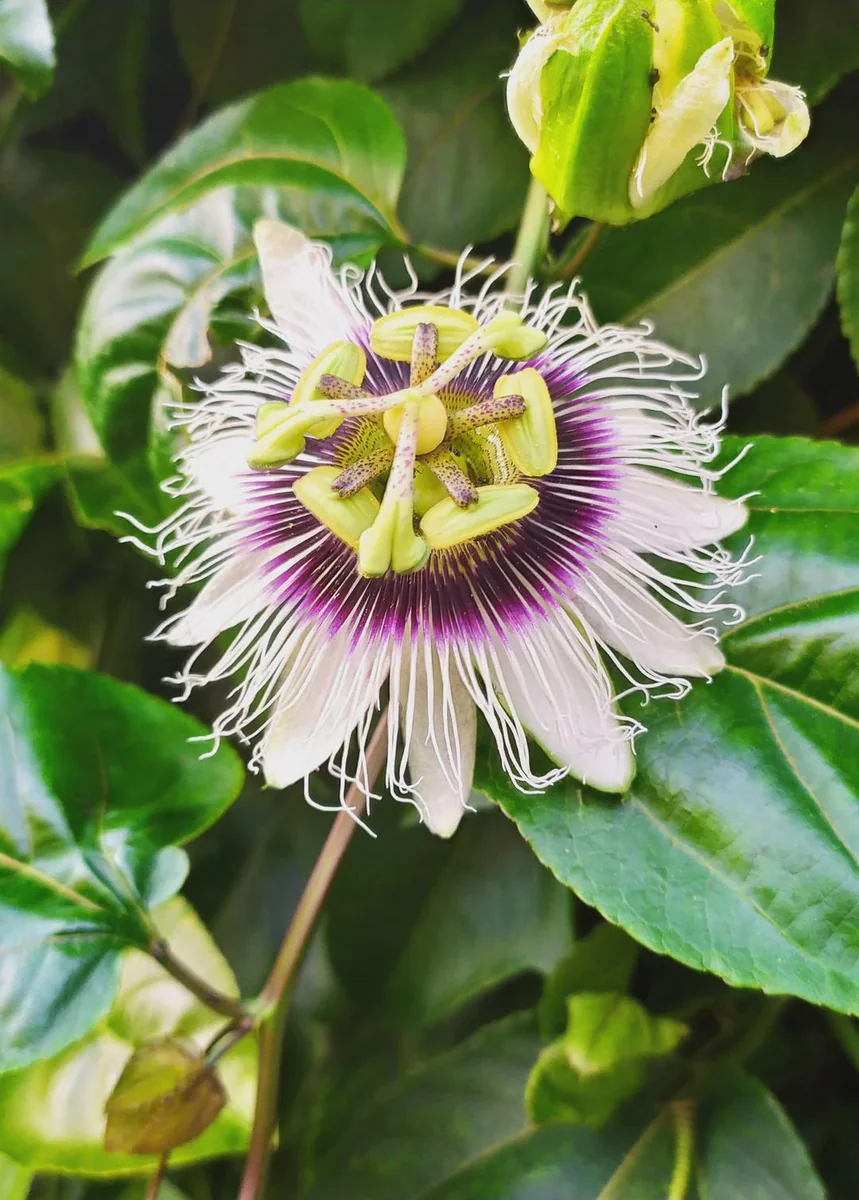
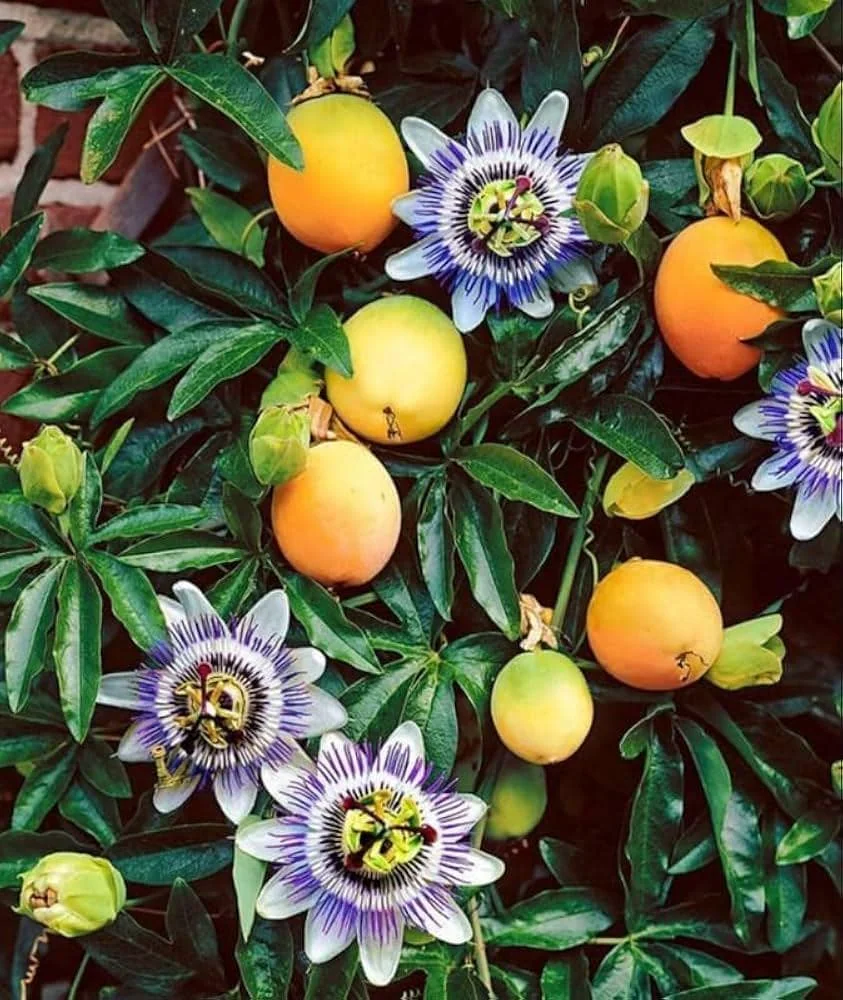
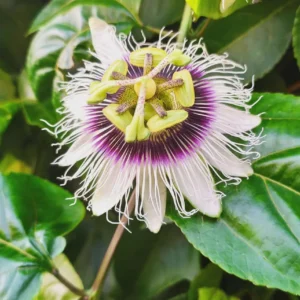
- Stunning Flowers: Before fruiting, the plant produces exotic and intricately designed flowers with white petals and a vibrant, star-like corona of purple and white filaments, attracting pollinators.
- High Nutritional Value: Passion fruit is rich in vitamins A and C, antioxidants, and dietary fiber, contributing to a healthy diet. Growing your own ensures pesticide-free, fresh produce.
- Supports Pollinators: The unique flowers are highly attractive to bees and other pollinators, contributing to local biodiversity and supporting the ecosystem in your garden.
- Adaptable & Resilient: While preferring warm climates, the yellow passion fruit plant is quite adaptable and can be grown in containers in cooler regions, allowing you to move it indoors during winter.
- Rewarding Gardening Experience: Growing your own exotic fruit from a small plant to a bountiful producer is incredibly satisfying and provides a sense of accomplishment.
Plant Care & Growing Tips
Caring for your yellow passion fruit plant is relatively straightforward, ensuring you get a bountiful harvest. These tropical vines thrive in warm, sunny conditions. For optimal growth and fruit production, select a location that receives at least 6-8 hours of direct sunlight per day. In very hot climates, some afternoon shade can be beneficial to prevent leaf scorch. They are vigorous climbers, so providing a sturdy trellis, arbor, or fence for support is crucial. Train the young vines to climb the support structure as they grow to encourage proper air circulation and fruit development.
Watering is key, especially during dry spells and when the plant is actively growing and fruiting. Keep the soil consistently moist but never waterlogged. Good drainage is essential to prevent root rot. A well-draining soil mix, rich in organic matter, is ideal. Amend heavy clay soils with compost and sand to improve drainage, or consider raised beds or containers if your native soil is unsuitable. The yellow passion fruit plant benefits from regular fertilization during its growing season. Use a balanced fertilizer (e.g., 10-5-20 or similar, higher in potassium) every 4-6 weeks from spring through fall. Reduce feeding during winter months. Pruning is important for managing growth, encouraging branching, and improving fruit production. Light pruning can be done after the main fruiting season to remove dead or weak branches and to keep the vine within bounds. Heavy pruning should be avoided as it can reduce fruit yield.
The ideal temperature range for passiflora edulis flavicarpa is between 65-85°F (18-29°C). While mature plants can tolerate brief dips to near freezing, prolonged cold will damage or kill the vine. For those wondering how to grow passion fruit in cooler climates, container growing is an excellent option, allowing you to bring the plant indoors during winter. Ensure good air circulation to prevent fungal diseases, and regularly inspect for pests like aphids or spider mites, treating them promptly with organic insecticidal soaps if necessary. With proper care, your yellow passion fruit plant will reward you with delicious fruit for years to come.
Size & Details
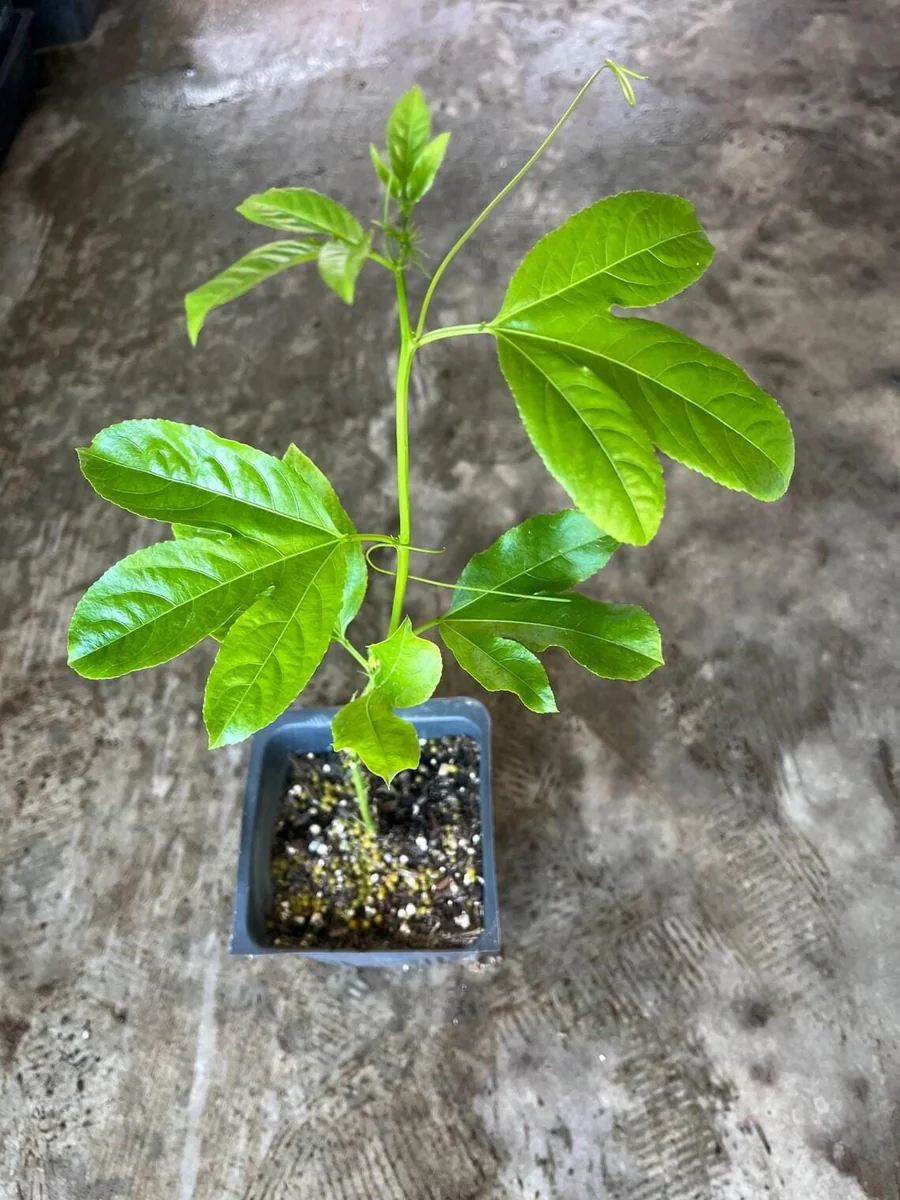
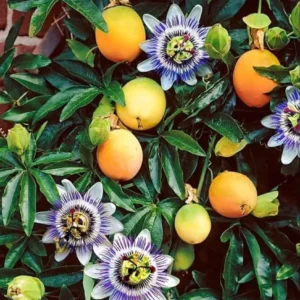
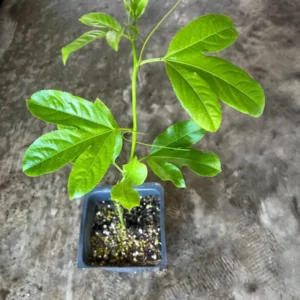
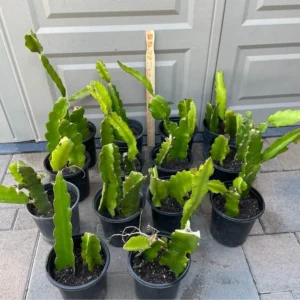
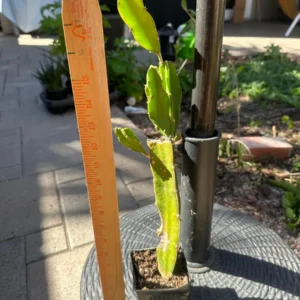
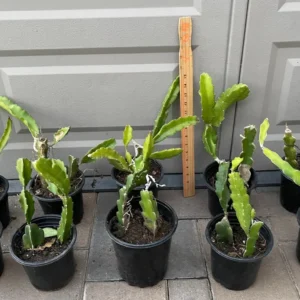
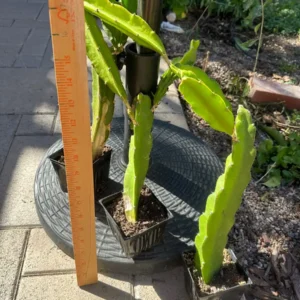
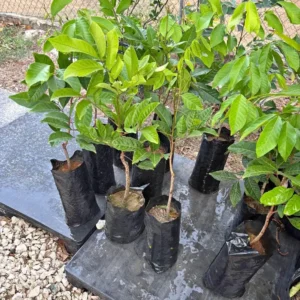
This offering is for one healthy yellow passion fruit plant, shipped as a live vine in a 4-inch nursery pot. The plant will typically be 6-12 inches tall upon arrival, ready for transplanting into a larger container or directly into your garden. Passion fruit vines are known for their rapid growth rate, often reaching heights of 10-20 feet or more in a single season when provided with adequate support and optimal growing conditions. The plant will produce large, oval-shaped yellow fruits, typically 2-3 inches in diameter, filled with aromatic pulp and seeds. Expect fruit production to begin within 1-2 years under ideal conditions, with peak harvests usually occurring in late summer and fall.
The vigorous nature of this edible fruit plant makes it a fantastic choice for covering large areas quickly. While it is a perennial vine, its lifespan can vary depending on climate and care, typically producing fruit for 5-7 years before needing replacement. The plant will arrive carefully packaged to ensure its health during transit, with its root ball intact and sufficient moisture to prevent stress. Transplant soon after arrival, ensuring the new location provides ample space for its extensive growth.
Frequently Asked Questions
- Q: How big does this yellow passion fruit plant get? A: This vine is a vigorous grower and can reach lengths of 10-20 feet or more in a single season. It requires substantial support like a trellis or arbor to climb and spread effectively.
- Q: What size pot does it come in? A: The yellow passion fruit plant is shipped in a 4-inch nursery pot, providing a healthy root system ready for transplanting.
- Q: Is this an indoor or outdoor plant? A: While it can be grown outdoors in USDA Zones 9-11, it can also be grown in containers and brought indoors during winter in cooler climates, making it versatile.
- Q: How much sunlight does it need? A: This plant thrives in full sun, requiring at least 6-8 hours of direct sunlight per day for optimal growth and fruit production.
- Q: Is this plant easy to care for? A: Yes, passion fruit vines are relatively easy to care for once established. They require consistent watering, good drainage, and a strong support structure.
- Q: What condition will it arrive in? A: Your yellow passion fruit plant will arrive as a healthy, live vine in a 4-inch pot, carefully packaged to ensure its well-being during shipment.
- Q: How long until it blooms and fruits? A: Under ideal conditions, you can expect the plant to start blooming and producing fruit within 1-2 years after planting.
- Q: When is the best time to plant a passion fruit vine care? A: The best time to plant is in spring or early summer after all danger of frost has passed, allowing the plant ample time to establish before cooler weather.
- Q: Will it survive winter in my zone? A: The yellow passion fruit is hardy in USDA Zones 9-11. In colder zones, it must be protected from frost or grown in a container and overwintered indoors.
- Q: Can I use the fruit for cooking or juice? A: Absolutely! The tangy, aromatic fruit from your edible fruit plant is perfect for making juices, desserts, sauces, or eating fresh.
Related products
-20%
Original price was: $36.00.$28.80Current price is: $28.80.
-20%
Original price was: $32.00.$25.60Current price is: $25.60.
-50%
Original price was: $39.98.$19.99Current price is: $19.99.
-10%
Original price was: $158.00.$142.20Current price is: $142.20.
-20%
Original price was: $80.00.$64.00Current price is: $64.00.
-20%
Original price was: $32.00.$25.60Current price is: $25.60.
-20%
Original price was: $60.00.$48.00Current price is: $48.00.
-20%
Original price was: $31.98.$25.58Current price is: $25.58.
PLANTING & CARE

The Comprehensive Guide to Growing Bay Leaf Plants for a Flavorful Garden
Imagine stepping into your garden, greeted by the earthy aroma of fresh bay leaves, their
09
Feb
Feb

How to Make Comfrey Tea: The Ultimate Organic Plant Food
Growing an organic garden can be surprisingly expensive, especially when most store-bought fertilizers come in
02
Feb
Feb

True Comfrey: 7 Essential Tips Before You Plant This Herb
A staple in permaculture practices across the US, True Comfrey easily earns its reputation as
27
Jan
Jan

7 Heart-Shaped Plants for a Lasting Valentine’s Gift
If you’ve ever bought a bouquet of roses for Valentine’s Day, you know they are
26
Jan
Jan

Best Types of Ivy Plant for Houses: How to Choose the Perfect Ones for Your Home
Are you a garden lover looking to introduce some greenery into your home? Maybe you’ve
14
Nov
Nov

When to Harvest Garlic (Especially Fall-Planted Garlic)
TIMING IS EVERYTHING, they say – and for garlic, that truth hits with surprising accuracy.
13
Nov
Nov

11 of the Best Sweet Potato Varieties to Grow for Your Garden
If you’ve ever tried growing sweet potatoes, you know that picking the right variety can
12
Nov
Nov
Pruning Bougainvillea for Winter
Bougainvillea vines are known for their dazzling display of magenta, orange, and fuchsia bracts that
05
Nov
Nov