Blue Hopi Indian Flint Flour Corn Seeds 200 Count Organic Heirloom Garden
-50%






Blue Hopi Indian Flint Flour Corn Seeds 200 Count Organic Heirloom Garden
Cultivate a piece of history with our blue hopi corn seeds. This pack contains 200 organic corn seeds of the stunning Blue Hopi Indian Flint variety, perfect for creating beautiful cornmeal or adding vibrant color to your garden.
Original price was: $18.00.$9.00Current price is: $9.00.

With our Alive & Thrive Guarantee, we’ve got your back for the first 30 days! If you have any concerns about your plants, just reach out to us. Our team is here to help answer your questions and guide you in selecting the best plants for your garden, climate, and unique preferences. We're excited to help you create the garden of your dreams!
Estimated arrival
Mar 13
Mar 18 - Mar 20
Mar 23 - Mar 27



Product Details
-
USDA Hardiness Zone
unknown -
Soil type
well-draining, rich in organic matter -
Sunlight Exposure
full sun -
Expected Planting Period
spring
Overview
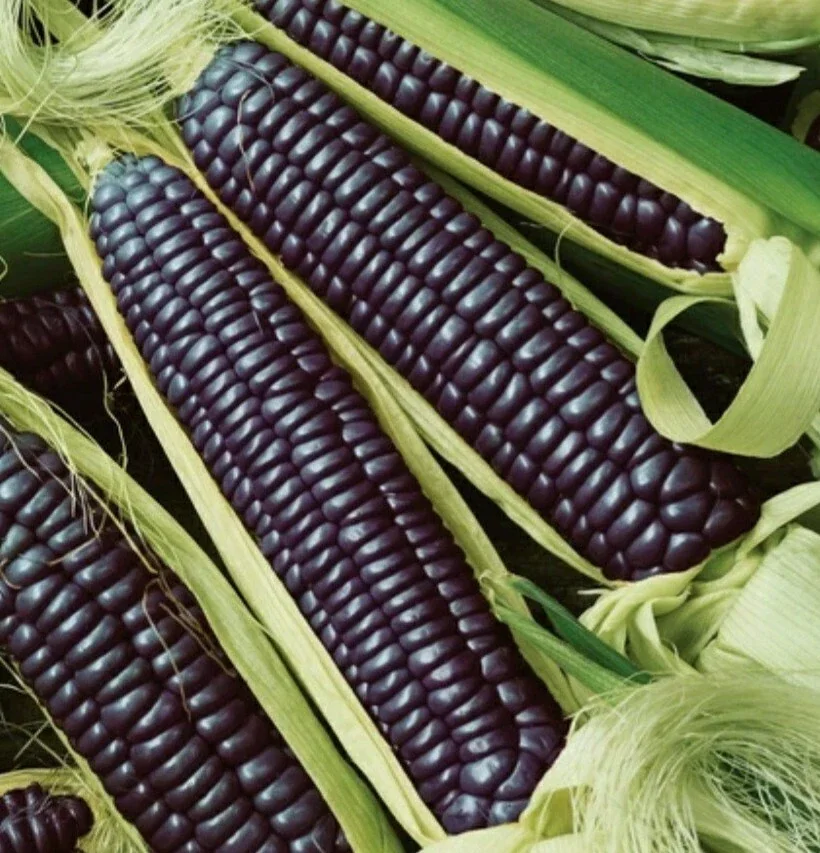
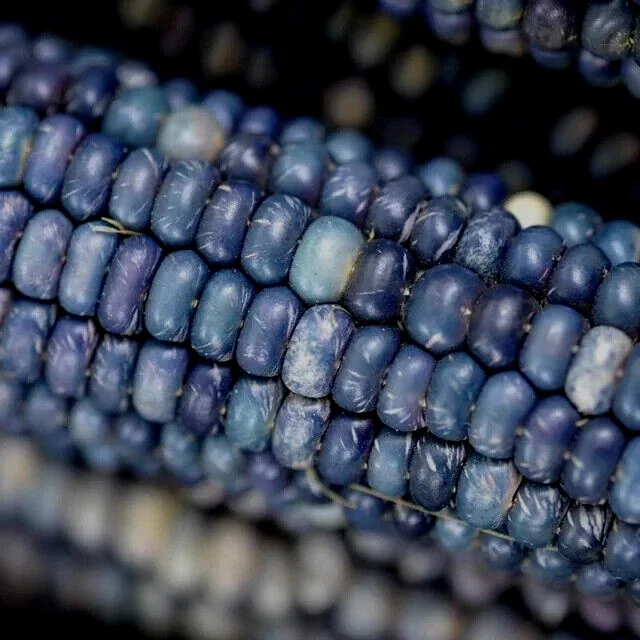
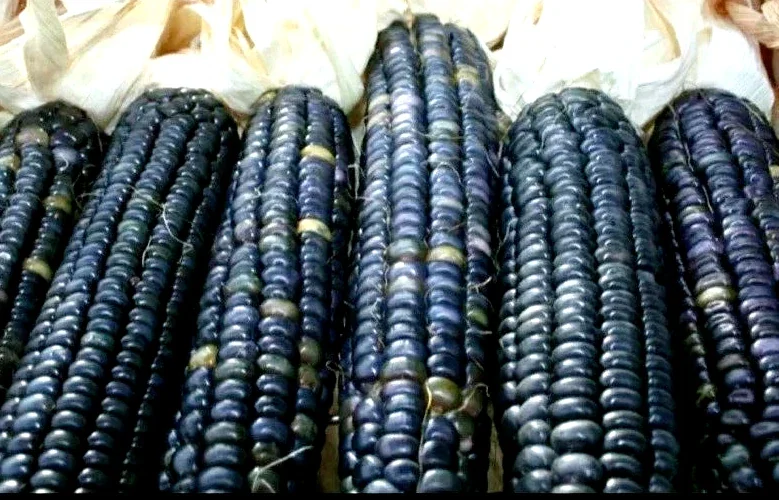
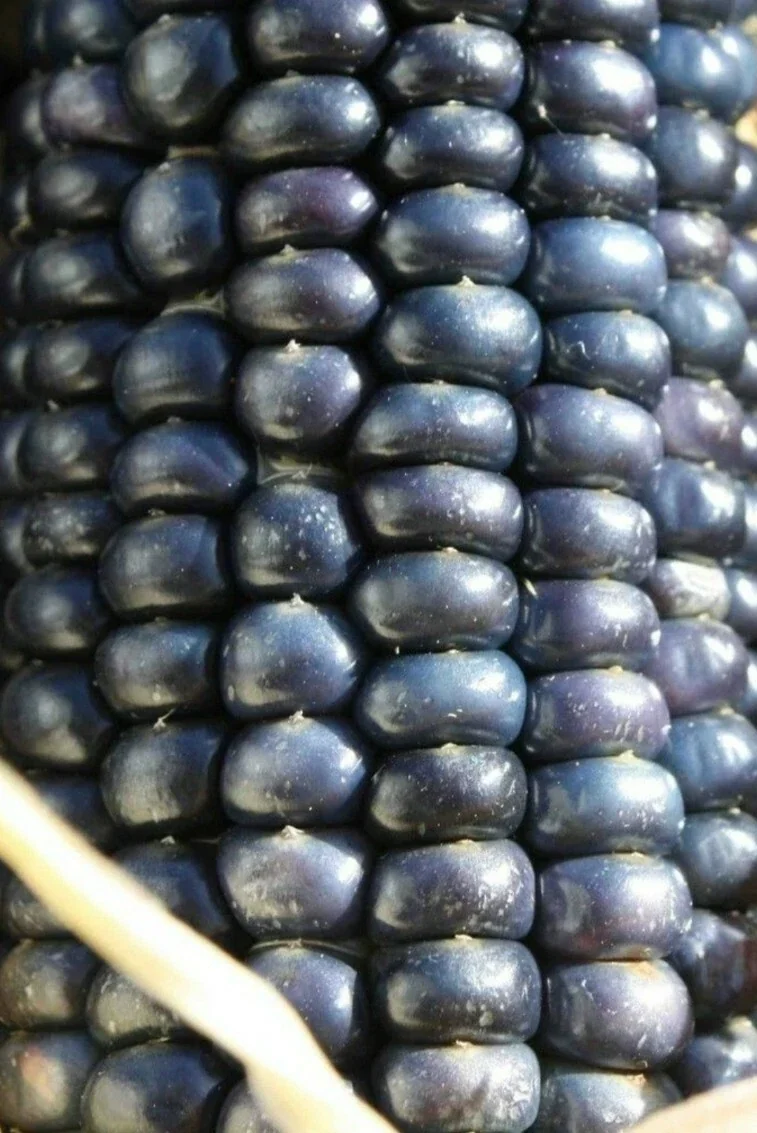
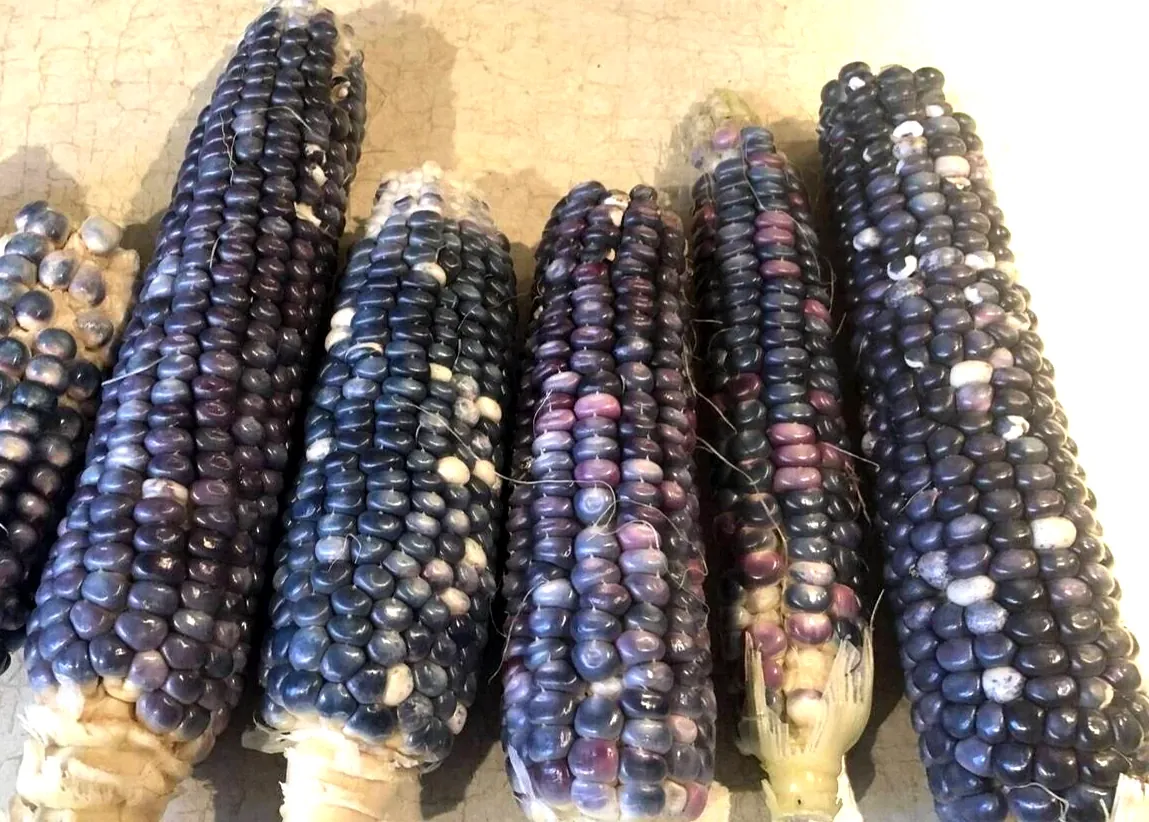
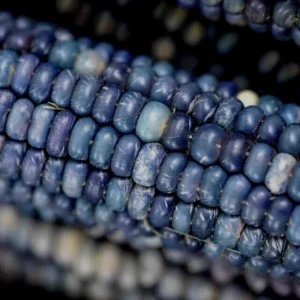
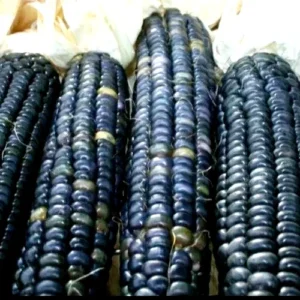
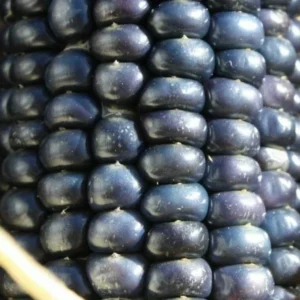
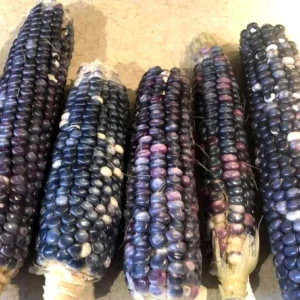
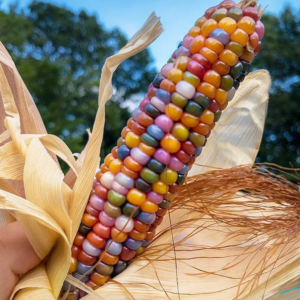
Discover the rich heritage and striking beauty of the blue hopi corn seeds. This offering provides 200 high-quality, fresh, and viable seeds of the acclaimed Blue Hopi Indian Flint Corn. Revered for centuries, this heirloom variety produces distinctive blue-purple kernels that are not only visually captivating but also exceptionally flavorful, making them ideal for traditional cornmeal, flour, or decorative purposes. Growing this ancient grain connects you to a profound agricultural history, offering a truly rewarding experience for both novice and experienced gardeners.
The Blue Hopi corn is a robust and resilient plant, known for its ability to thrive in various climates. Its unique color develops as the kernels mature, turning from a pale white to a deep, mesmerizing blue. When you plant these organic corn seeds, you’re not just cultivating a crop; you’re nurturing a legacy. This open-pollinated variety ensures that you can save seeds year after year, preserving its genetic integrity and continuing the tradition of sustainable gardening.
Key Benefits
Planting blue hopi corn seeds offers a multitude of benefits, from enhancing your garden’s aesthetics to providing nutritious food. Here are some of the prime advantages:
- Historical Significance: Grow a truly ancient variety with deep cultural roots, connecting your garden to centuries of agricultural heritage.
- Exceptional Flavor: Blue Hopi corn is renowned for its rich, distinct flavor, making it superior for homemade cornmeal, tortillas, and other culinary creations compared to modern hybrids.
- Stunning Visual Appeal: The vibrant blue-purple kernels create a breathtaking display in the garden and make for beautiful decorative arrangements once harvested.
- Organic & Heirloom: These are heirloom corn seeds, meaning they are open-pollinated and have been passed down through generations, free from genetic modification, and grown using organic practices.
- Drought and Cold Resistance: This hardy variety exhibits good resistance to both drought and colder conditions, making it a reliable choice for a wider range of growing environments.
- Self-Pollinating: The plants are self-pollinating, simplifying the growing process and ensuring good kernel development.
- Versatile Use: Beyond its use as flour, the dried ears of indian corn seeds are perfect for fall decorations, adding a rustic and authentic touch to your home.
Plant Care & Growing Tips
Cultivating blue hopi corn seeds successfully requires attention to a few key factors, ensuring a bountiful harvest. Corn is a warm-season crop, so timing your planting is crucial. Plant your organic corn seeds directly into the garden after all danger of frost has passed in spring, when soil temperatures consistently reach 60°F (15°C) or higher. For best results, sow seeds 1 inch deep and 4-6 inches apart in rows that are 30-36 inches apart. Plant in blocks of at least four rows rather than a single long row to ensure good pollination and full kernel development.
Blue Hopi corn thrives in full sun, requiring at least 6-8 hours of direct sunlight daily. It prefers well-draining soil that is rich in organic matter. A neutral soil pH (6.0-7.0) is ideal. Amend heavy clay or sandy soils with compost before planting to improve structure and fertility. Consistent moisture is vital, especially during germination and when the plants are tasseling and silking. Water deeply, about 1 inch per week, either from rainfall or irrigation. Avoid overhead watering late in the day to prevent fungal issues. Fertilize with a balanced organic fertilizer when plants are about a foot tall, and again when they begin to tassel.
This variety exhibits a climbing growth habit, which means it can grow quite tall. While not strictly necessary, some growers choose to provide staking or support in windy areas. Harvesting typically occurs in late summer to early fall. For cornmeal, allow the ears to dry completely on the stalk before harvesting. The kernels should be hard and dry, and the husks should be papery and brown. Keep an eye out for pests like corn earworms and common diseases; organic pest control methods and good air circulation can help prevent problems. The ease of cultivation makes these flint corn seeds a rewarding choice for gardeners of all levels.
Size & Details
This package contains 200 fresh heirloom corn seeds of the Blue Hopi Indian Flint Corn variety. Each seed is carefully selected to ensure high germination rates and robust plant growth. The mature plants typically reach a height of 6 to 8 feet, producing several ears per stalk. The ears themselves are usually 6-8 inches long, featuring the characteristic deep blue-purple kernels. As an annual crop, the life cycle completes within one growing season, typically maturing in approximately 90-110 days from planting. These seeds are perfect for gardeners looking to cultivate a significant harvest for culinary use or for those who appreciate the ornamental value of traditional indian corn seeds. They are packaged to maintain viability and freshness, ready for your spring planting season.
Frequently Asked Questions
- Q: How big does Blue Hopi corn get? A: Blue Hopi corn plants typically grow to a height of 6 to 8 feet tall. The ears themselves are usually around 6-8 inches long, filled with beautiful blue kernels, making them a stately addition to any garden.
- Q: Is this an indoor or outdoor plant? A: Blue Hopi corn is an outdoor plant that requires ample sunlight and space to grow. It is best suited for garden beds or large raised garden plots where it can receive full sun exposure.
- Q: How much sunlight do these blue hopi corn seeds need? A: These corn plants thrive in full sun, meaning they need at least 6-8 hours of direct sunlight per day to produce a healthy and abundant crop. Southern exposure is often ideal for optimal growth.
- Q: Is this plant easy to care for? A: Yes, Blue Hopi corn is considered to have easy cultivating difficulty. With proper planting, consistent watering, and adequate sunlight, even beginner gardeners can achieve a successful harvest from these organic corn seeds.
- Q: What condition will the seeds arrive in? A: The heirloom corn seeds will arrive fresh and carefully packaged to maintain their viability and ensure high germination rates. They are ready for immediate planting upon arrival during the appropriate season.
- Q: When is the best time to plant flint corn seeds? A: The best time to plant is in the spring, after the last frost date, when soil temperatures have warmed to at least 60°F (15°C). This typically ranges from late April to early June depending on your specific climate.
- Q: Will Blue Hopi corn survive winter in my zone? A: As an annual plant, Blue Hopi corn completes its life cycle in one growing season and will not survive winter. However, you can save seeds from your mature plants to sow again the following spring, continuing the cycle with your own indian corn seeds.
- Q: Can I use Blue Hopi corn for cornmeal? A: Absolutely! Blue Hopi Indian Flint Corn is traditionally grown for its hard, starchy kernels, which are excellent for grinding into cornmeal and flour, perfect for making delicious and authentic dishes.
- Q: What type of soil is best for these organic corn seeds? A: Blue Hopi corn prefers fertile, well-draining soil rich in organic matter. A neutral pH between 6.0 and 7.0 is ideal for optimal growth and nutrient absorption.
- Q: Do I need to plant multiple seeds for pollination? A: While corn is self-pollinating, planting in blocks of at least four rows rather than a single long row significantly improves pollination success and results in fuller, more developed ears.
Related products
-48%
Original price was: $28.99.$14.99Current price is: $14.99.
-48%
Original price was: $28.99.$14.99Current price is: $14.99.
-50%
Original price was: $39.96.$19.98Current price is: $19.98.
-50%
Original price was: $17.00.$8.50Current price is: $8.50.
-50%
Original price was: $15.96.$7.98Current price is: $7.98.
-48%
Original price was: $28.99.$14.99Current price is: $14.99.
PLANTING & CARE

The Comprehensive Guide to Growing Bay Leaf Plants for a Flavorful Garden
Imagine stepping into your garden, greeted by the earthy aroma of fresh bay leaves, their
09
Feb
Feb

How to Make Comfrey Tea: The Ultimate Organic Plant Food
Growing an organic garden can be surprisingly expensive, especially when most store-bought fertilizers come in
02
Feb
Feb

True Comfrey: 7 Essential Tips Before You Plant This Herb
A staple in permaculture practices across the US, True Comfrey easily earns its reputation as
27
Jan
Jan

7 Heart-Shaped Plants for a Lasting Valentine’s Gift
If you’ve ever bought a bouquet of roses for Valentine’s Day, you know they are
26
Jan
Jan

Best Types of Ivy Plant for Houses: How to Choose the Perfect Ones for Your Home
Are you a garden lover looking to introduce some greenery into your home? Maybe you’ve
14
Nov
Nov

When to Harvest Garlic (Especially Fall-Planted Garlic)
TIMING IS EVERYTHING, they say – and for garlic, that truth hits with surprising accuracy.
13
Nov
Nov

11 of the Best Sweet Potato Varieties to Grow for Your Garden
If you’ve ever tried growing sweet potatoes, you know that picking the right variety can
12
Nov
Nov
Pruning Bougainvillea for Winter
Bougainvillea vines are known for their dazzling display of magenta, orange, and fuchsia bracts that
05
Nov
Nov