Miracle Berry Live Tree – 2ft+ Tall, Flowering, 3 Gallon Pot – Synsepalum dulcificum




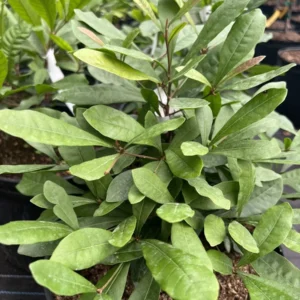
Miracle Berry Live Tree – 2ft+ Tall, Flowering, 3 Gallon Pot – Synsepalum dulcificum
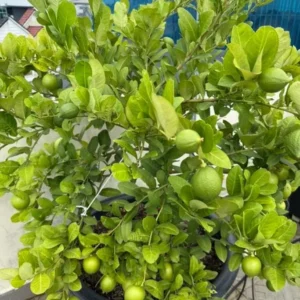
Experience the extraordinary with our miracle berry live tree. This 2ft+ tall, flowering plant comes in a 3-gallon pot, ready to produce fruit that temporarily alters your perception of sour foods to sweet. Perfect for plant enthusiasts and those seeking a unique culinary adventure.
$130.00

With our Alive & Thrive Guarantee, we’ve got your back for the first 30 days! If you have any concerns about your plants, just reach out to us. Our team is here to help answer your questions and guide you in selecting the best plants for your garden, climate, and unique preferences. We're excited to help you create the garden of your dreams!
Estimated arrival
Mar 12
Mar 17 - Mar 19
Mar 22 - Mar 26

Product Details
-
USDA Hardiness Zone
USDA zones 9-11 (outdoors) or indoors -
Soil type
Acidic, well-draining potting mix (pH 4.5-5.5) -
Sunlight Exposure
Partial shade to full sun (protect from harsh afternoon sun) -
Expected Planting Period
Year-round indoors; Spring to early summer outdoors in suitable zones
Overview
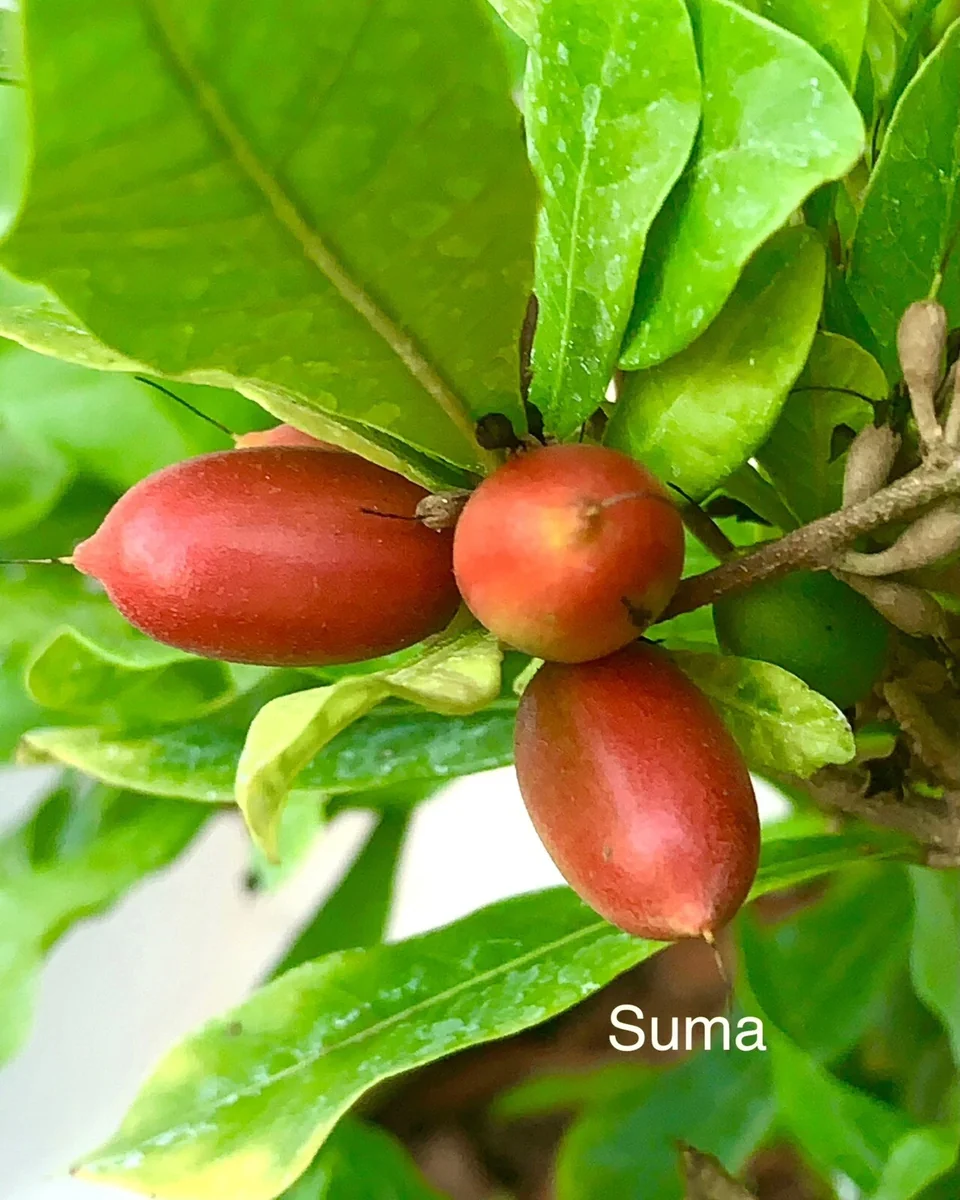
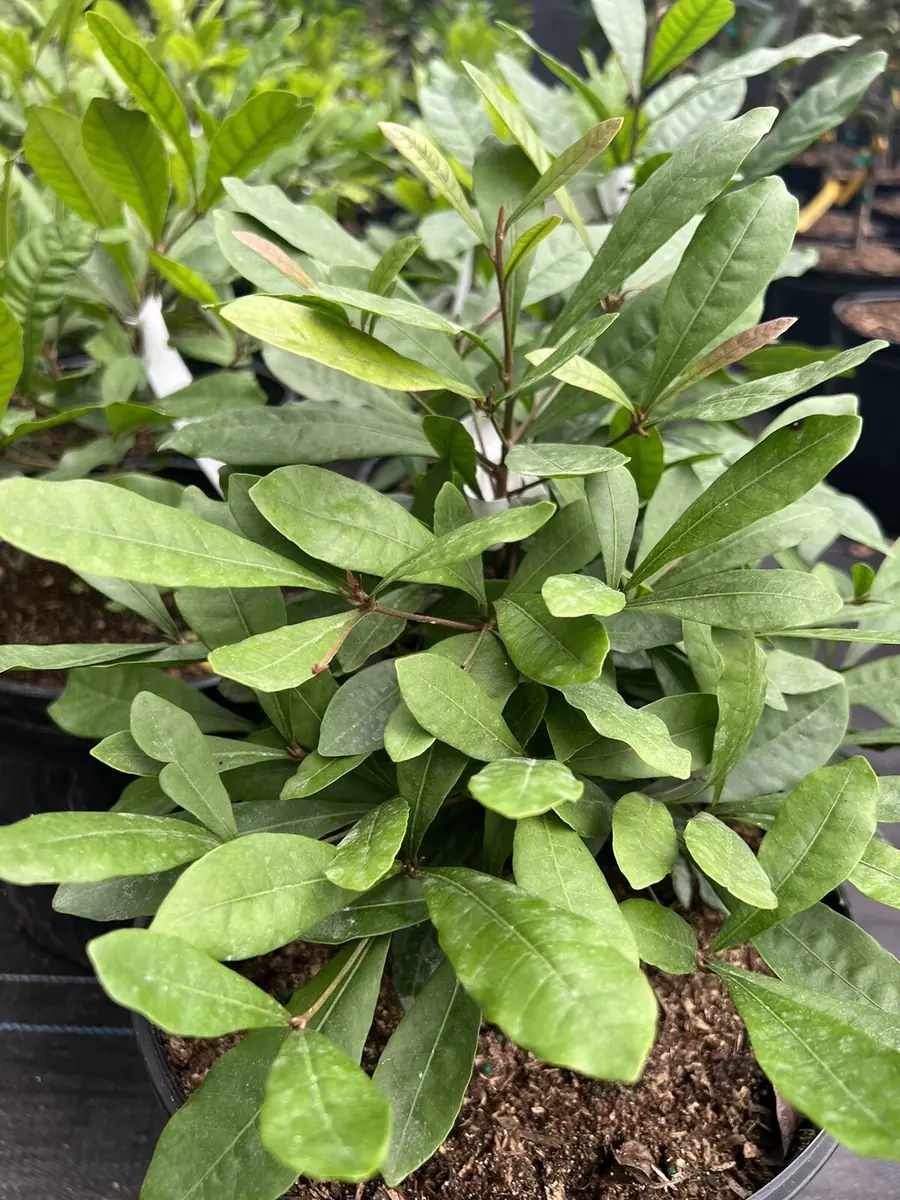
Introducing the remarkable miracle berry live tree, also known as miracle fruit plant (Synsepalum dulcificum). This live specimen arrives as a vibrant, flowering tree, standing at an impressive 2ft or taller, cultivated in a healthy 3-gallon pot. The miracle berry live tree is a truly unique botanical wonder, originating from West Africa, famous for its small, red berries that possess an extraordinary glycoprotein called miraculin. When consumed, miraculin binds to the taste buds, temporarily making sour and acidic foods taste incredibly sweet. This tropical evergreen is not only a fascinating conversation starter but also a beautiful addition to any garden or indoor space. Our air-layered specimens are carefully nurtured to ensure robust growth and early fruiting, providing you with a head start on enjoying its magical qualities.
Key Benefits
The miracle berry live tree offers a multitude of benefits, from its unique fruit to its ornamental appeal. It’s a plant that promises both intrigue and enjoyment for its caretakers.
- Taste Transformation: The primary benefit is the fruit’s ability to make sour foods like lemons and vinegar taste sweet, offering a fun and healthy way to enjoy fruits without added sugar. This unique property makes the miracle fruit plant an exciting culinary tool.
- Ornamental Value: With its glossy green leaves and small, attractive red berries, the miracle berry live tree is a beautiful addition to any home or garden, providing year-round visual interest.
- Healthful Eating: By making healthy, tart foods more palatable, the berries can encourage consumption of nutrient-rich fruits and vegetables, aiding in a balanced diet.
- Educational Experience: Growing a synsepalum dulcificum offers a fantastic educational opportunity for children and adults alike to learn about botany, taste perception, and unique plant adaptations.
- Compact Growth: This tree is suitable for container growing, making it an excellent choice for patios, balconies, or indoor environments where space is limited.
- Continuously Fruiting: Under optimal conditions, the miracle berry live tree can produce berries year-round, ensuring a steady supply of this extraordinary fruit.
- Low Maintenance: Once established, the miracle fruit plant is relatively easy to care for, requiring consistent moisture and appropriate light conditions.
Plant Care & Growing Tips
To ensure your miracle berry live tree thrives, understanding its specific care requirements is essential. This tropical plant prefers warm, humid conditions and consistent care to produce its best fruit.
Sunlight Requirements: The synsepalum dulcificum prefers partial shade to full sun. When grown outdoors, protect it from intense, direct afternoon sun, especially in hotter climates. Indoors, place it near a bright window where it can receive several hours of direct morning sun or bright indirect light throughout the day. A grow light can supplement light during darker months or in insufficient natural light.
Watering Schedule and Soil Moisture: Consistent moisture is crucial for the miracle berry live tree. The soil should remain evenly moist but never waterlogged. Water thoroughly when the top inch of soil feels dry to the touch. Reduce watering slightly during cooler, less active periods. Ensure good drainage to prevent root rot, as this plant is sensitive to overly wet feet. Overhead watering should be avoided to prevent fungal issues on the leaves.
Soil Type and Drainage: This plant thrives in acidic, well-draining soil. A peat-based potting mix with a pH between 4.5 and 5.5 is ideal. Incorporate perlite or pine bark to improve drainage and aeration. Avoid alkaline soils, which can lead to nutrient deficiencies and stunted growth for your miracle fruit plant.
Temperature Range and USDA Hardiness Zone: Being a tropical plant, the miracle berry live tree prefers temperatures between 65-85°F (18-29°C). It is not frost-tolerant and should be protected from temperatures below 40°F (4°C). It is suitable for outdoor planting in USDA zones 9-11 and can be grown as a container plant and brought indoors during colder months in other regions. High humidity is also beneficial, so consider misting regularly or placing it near a humidifier.
Fertilization Schedule: Fertilize your miracle berry live tree every 2-4 weeks during the growing season (spring and summer) with a balanced, acid-loving fertilizer. Look for formulations specifically designed for blueberries or azaleas, which typically have a higher acid content. Reduce feeding in fall and winter. Over-fertilization can harm the plant, so always follow product instructions.
Common Problems and Solutions: Watch for common pests like spider mites and mealybugs, especially in dry indoor environments. Treat with neem oil or insecticidal soap. Yellowing leaves can indicate overwatering, nutrient deficiency (often due to alkaline soil), or insufficient light. Adjust watering, check soil pH, and ensure adequate light to keep your miracle berry live tree healthy.
Size & Details
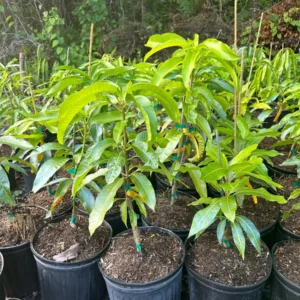
This offering is for one miracle berry live tree, approximately 2ft or taller, expertly air-layered for healthy root development and faster fruiting. It arrives planted in a robust 3-gallon nursery pot, providing ample space for its initial growth. The plant is in a flowering stage, indicating its readiness to produce the sought-after taste-transforming berries. The typical growth rate for a synsepalum dulcificum is moderate, reaching a mature height of 5-10 feet in ideal outdoor conditions, though it can be maintained at a smaller size through pruning when grown in containers. Expect fruit production to begin within the first year or two of planting, with continuous harvests possible under proper care. The berries are small, bright red, and typically ripen within a few weeks of flowering.
Frequently Asked Questions
- Q: How big does this plant get? A: This miracle berry live tree is currently 2ft or taller and comes in a 3-gallon pot. With proper care, it can reach 5-10 feet in height outdoors, but can be maintained at a smaller, more manageable size for indoor container growing through regular pruning.
- Q: What size pot does it come in? A: The miracle fruit plant is shipped in a 3-gallon nursery pot, providing a good base for its initial transplanting or continued growth.
- Q: Is this an indoor or outdoor plant? A: The miracle berry live tree is a tropical plant suitable for outdoor growth in USDA zones 9-11. In other regions, it thrives as an indoor plant or can be grown outdoors during warm months and brought inside before cold weather.
- Q: How much sunlight does it need? A: This synsepalum dulcificum prefers partial shade to full sun. Indoors, place it in a bright location with good indirect light, or a few hours of direct morning sun. Avoid harsh afternoon sun.
- Q: Is this plant easy to care for? A: While it has specific requirements for acidic soil and consistent moisture, the miracle berry live tree is considered moderately easy to care for once its needs are met. It’s a rewarding plant for beginners willing to learn its preferences.
- Q: What condition will it arrive in? A: Your miracle berry live tree will arrive as a healthy, air-layered, flowering plant, carefully packaged in its 3-gallon pot to ensure minimal stress during transit.
- Q: How long until it blooms? A: This miracle berry live tree is already in the flowering stage, meaning you can expect fruit production to begin shortly after it settles into its new environment, typically within a few weeks to months.
- Q: What’s the minimum temperature it can tolerate? A: The miracle fruit plant is very sensitive to cold and should not be exposed to temperatures below 40°F (4°C). It thrives in warmer, humid conditions.
- Q: What makes the miracle berry taste-changing? A: The fruit of the synsepalum dulcificum contains a glycoprotein called miraculin, which temporarily binds to the taste receptors on your tongue, altering your perception of sour tastes to sweet.
- Q: What kind of soil is best for a miracle berry plant? A: An acidic, well-draining soil mix is best for your miracle berry plant care. A peat-based mix with a pH of 4.5-5.5, amended with perlite or pine bark, is highly recommended.
Related products
-10%
Original price was: $80.99.$72.89Current price is: $72.89.
-50%
Original price was: $73.98.$36.99Current price is: $36.99.

PLANTING & CARE

The Comprehensive Guide to Growing Bay Leaf Plants for a Flavorful Garden
Imagine stepping into your garden, greeted by the earthy aroma of fresh bay leaves, their
09
Feb
Feb

How to Make Comfrey Tea: The Ultimate Organic Plant Food
Growing an organic garden can be surprisingly expensive, especially when most store-bought fertilizers come in
02
Feb
Feb

True Comfrey: 7 Essential Tips Before You Plant This Herb
A staple in permaculture practices across the US, True Comfrey easily earns its reputation as
27
Jan
Jan

7 Heart-Shaped Plants for a Lasting Valentine’s Gift
If you’ve ever bought a bouquet of roses for Valentine’s Day, you know they are
26
Jan
Jan

Best Types of Ivy Plant for Houses: How to Choose the Perfect Ones for Your Home
Are you a garden lover looking to introduce some greenery into your home? Maybe you’ve
14
Nov
Nov

When to Harvest Garlic (Especially Fall-Planted Garlic)
TIMING IS EVERYTHING, they say – and for garlic, that truth hits with surprising accuracy.
13
Nov
Nov

11 of the Best Sweet Potato Varieties to Grow for Your Garden
If you’ve ever tried growing sweet potatoes, you know that picking the right variety can
12
Nov
Nov
Pruning Bougainvillea for Winter
Bougainvillea vines are known for their dazzling display of magenta, orange, and fuchsia bracts that
05
Nov
Nov