Surinam Cherry Live Plant Bush – 2ft Tall, 3 Gallon Pot – Outdoor Edible Fruit Tree






Surinam Cherry Live Plant Bush – 2ft Tall, 3 Gallon Pot – Outdoor Edible Fruit Tree
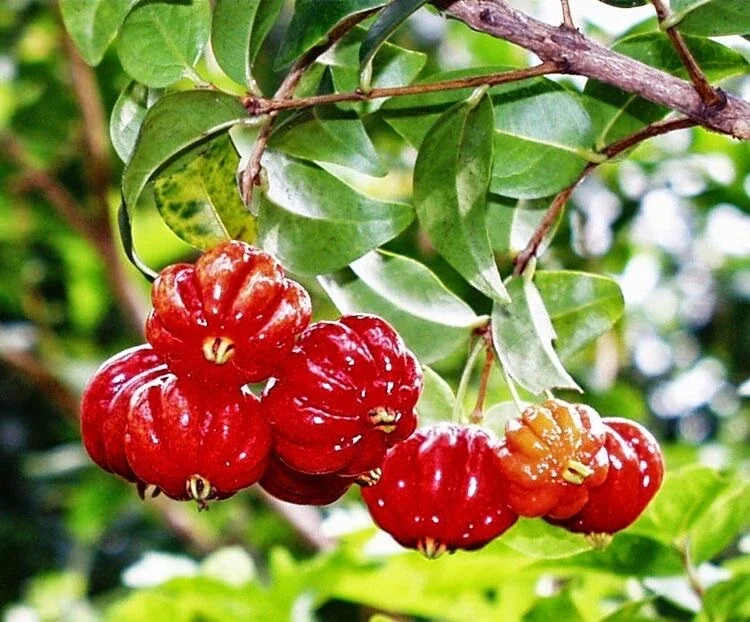
Bring the tropics to your garden with this vibrant Surinam Cherry live plant. Standing approximately 2ft tall in a 3 gallon pot, this bush is ready to produce delicious, red, edible fruits. Perfect for outdoor landscapes in tropical and subtropical climates.
$140.00

With our Alive & Thrive Guarantee, we’ve got your back for the first 30 days! If you have any concerns about your plants, just reach out to us. Our team is here to help answer your questions and guide you in selecting the best plants for your garden, climate, and unique preferences. We're excited to help you create the garden of your dreams!
Estimated arrival
Feb 26
Mar 03 - Mar 05
Mar 08 - Mar 12

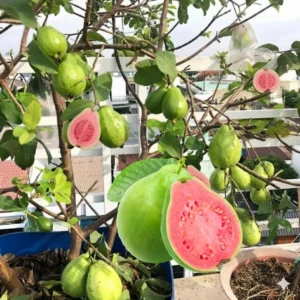
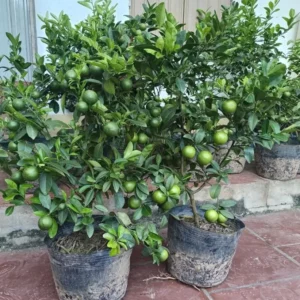
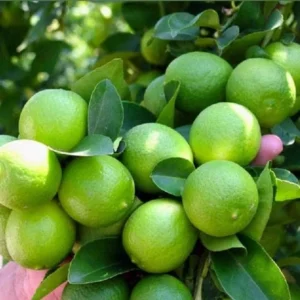
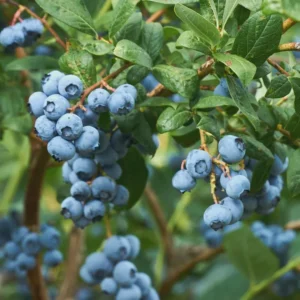
Product Details
-
USDA Hardiness Zone
USDA zones 9-11 -
Soil type
Well-draining, rich loam -
Sunlight Exposure
Full sun to partial shade -
Expected Planting Period
Year-round in tropical/subtropical climates; spring to early summer in other zones
Overview
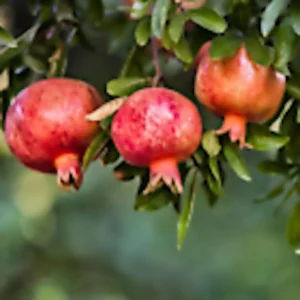
Cultivate your own exotic treats with our robust Surinam Cherry live plant. Also known as Pitanga or Brazilian Cherry, Eugenia uniflora is a highly sought-after fruit tree renowned for its vibrant, ribbed, red to dark crimson fruits. These attractive bushes are not only ornamental with their glossy evergreen foliage and delicate white flowers but also highly productive, offering a continuous harvest of juicy, tangy, and sweet berries. This specimen arrives as a healthy 2ft tall bush, ready for planting in a 3 gallon pot, and is at a growth stage where it will soon begin to bear fruit. Ideal for gardeners looking to add a functional and beautiful edible landscape element, the Surinam Cherry tree thrives in warm climates and can be grown as a shrub, hedge, or small tree.
Originating from the tropical regions of South America, the Surinam Cherry live plant adapts well to various growing conditions, making it a rewarding addition to any garden or patio in appropriate zones. Its fast-growing nature ensures that you won’t have to wait long to enjoy its bounty. The unique flavor of the berries, ranging from tart to sweet depending on ripeness and cultivar, makes them excellent for fresh eating, jams, jellies, and desserts. Embrace the joy of harvesting your own fresh, nutritious fruit right from your backyard with this exceptional plant.
Key Benefits
Adding a Surinam Cherry live plant to your collection offers a multitude of advantages, blending aesthetic appeal with practical benefits for any garden enthusiast.
- Produces Delicious Edible Fruit: Enjoy a consistent supply of sweet and tangy, vitamin C-rich red berries directly from your garden. The Pitanga fruit tree offers a unique flavor profile perfect for fresh consumption, culinary creations, or refreshing beverages.
- Attractive Ornamental Bush: With glossy, evergreen foliage and charming white flowers, this plant adds year-round visual interest to your landscape, serving as an attractive specimen plant, hedge, or screen.
- Fast-Growing & Productive: Known for its rapid growth and prolific fruiting, you’ll be enjoying harvests sooner than with many other fruit-bearing plants. This edible fruit bush quickly establishes itself and begins producing.
- Adaptable to Various Climates: Thrives in tropical and subtropical regions (USDA Zones 9-11), making it a versatile choice for warmer climates. It can also be grown in containers and brought indoors during colder months in cooler zones.
- Low Maintenance: Once established, the Eugenia uniflora plant is relatively easy to care for, requiring moderate watering and occasional fertilization to ensure abundant fruit production.
- Wildlife Attractor: The fruits are a favorite of birds, adding vibrant activity to your garden while also providing a natural food source for local wildlife.
- Versatile Landscaping Use: Can be pruned into various forms, from a compact shrub to a small tree or even a dense hedge, fitting diverse garden designs and spaces.
Plant Care & Growing Tips
Caring for your Surinam Cherry live plant is straightforward, especially when provided with the right conditions. This tropical beauty thrives in locations with ample sunlight. Aim for at least 6-8 hours of direct sun per day for optimal growth and fruit production. While it can tolerate partial shade, fruit yield may be reduced. When planting, ensure your chosen site offers good air circulation and protection from strong winds, especially in its early stages. The ideal climate for a Surinam Cherry tree is tropical to subtropical, enjoying consistent warmth and humidity.
Watering is crucial, particularly during dry spells and when the plant is establishing. Keep the soil consistently moist but never waterlogged. Good drainage is key to prevent root rot. For soil, the Eugenia uniflora plant prefers a rich, well-draining loam. Amend heavy clay soils with organic matter like compost or aged manure to improve drainage and fertility. Fertilize regularly during the growing season (spring through fall) with a balanced, slow-release fertilizer or a liquid feed formulated for fruit-bearing plants. Pruning can be done to maintain shape, size, and encourage bushier growth and more fruit. Watch out for common pests like scale insects or fruit flies, and address them promptly with appropriate organic or chemical treatments.
This Pitanga fruit tree is relatively hardy once mature, but young plants may need protection from frost. If you are in a cooler zone, consider growing it in a container that can be moved indoors during winter. Ensure that your edible fruit bush has enough space to grow; while it can be kept compact with pruning, it naturally wants to spread. With proper care, your plant will provide years of delicious fruit and ornamental beauty.
Size & Details
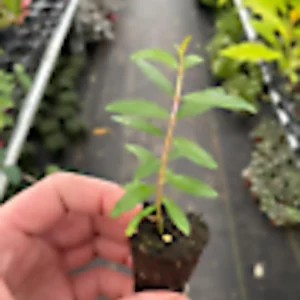
This offering is for one healthy Surinam Cherry live plant, which arrives as a well-established bush. The plant measures approximately 2ft (24 inches) tall from the base of the pot to the top of the foliage, providing a substantial start for your garden. It is housed in a robust 3 gallon nursery pot, ensuring the root system is well-developed and ready for transplanting. While the exact width may vary, these bushes typically have a spread proportionate to their height, around 1.5 to 2 feet, and can grow much larger if not pruned. The Surinam Cherry live plant is characterized by its evergreen foliage and is in a flowering or pre-flowering growth stage, meaning it is mature enough to begin producing fruit soon after settling into its new environment. Expect a moderate to fast growth rate, with fruits typically appearing in the spring, summer, and fall seasons.
Frequently Asked Questions
- Q: How big does this Surinam Cherry live plant get? A: This plant arrives approximately 2ft tall in a 3 gallon pot. In optimal outdoor conditions, a mature Surinam Cherry tree can grow up to 15-20 feet tall and wide, though it can be kept smaller with regular pruning.
- Q: Is this an indoor or outdoor plant? A: The Surinam Cherry live plant is primarily an outdoor plant, thriving in tropical and subtropical climates. It can be grown in containers and brought indoors during winter in colder regions (USDA Zones 8 and below).
- Q: How much sunlight does the Pitanga fruit tree need? A: For best fruit production, your Pitanga fruit tree requires at least 6-8 hours of direct sunlight daily. It can tolerate partial shade, but fruiting may be less abundant.
- Q: What condition will the Eugenia uniflora plant arrive in? A: Your Eugenia uniflora plant will arrive as a healthy, live bush in a 3 gallon pot, with its root ball intact and ready for planting. We take great care in packaging to ensure safe transit.
- Q: Is the edible fruit bush pet-safe? A: While the fruits of the edible fruit bush are safe for human consumption, the seeds and other parts of the plant contain compounds that can be mildly toxic to pets if ingested in large quantities. It’s best to supervise pets around the plant.
- Q: How long until it blooms and fruits? A: This Surinam Cherry live plant is at a mature enough stage to begin flowering and fruiting relatively soon after planting, typically within its first year in its new home, given proper care and conditions.
- Q: What’s the minimum temperature this plant can tolerate? A: The Surinam Cherry tree is best suited for USDA Zones 9-11. It can tolerate brief dips to around 28-30°F (-1 to -2°C) once mature, but young plants and prolonged cold spells require protection.
- Q: What type of soil is best for this plant? A: This Surinam Cherry live plant prefers a rich, well-draining soil with a slightly acidic to neutral pH. A good quality potting mix amended with compost works well for container growing, while garden soil should be improved for drainage and fertility.
- Q: Can I grow the Surinam Cherry live plant in a container? A: Yes, the Surinam Cherry live plant is an excellent candidate for container growing, especially in regions with cold winters. Ensure the container is large enough to accommodate root growth and has good drainage.
- Q: What do Surinam Cherries taste like? A: The flavor of the Surinam Cherry fruit varies from tart to sweet, often described as a mix between cherry, mango, and passionfruit, with a slightly resinous aftertaste when eaten fresh. The darker red fruits are generally sweeter.
Related products
-50%
Original price was: $39.98.$19.99Current price is: $19.99.
-49%
Original price was: $59.38.$29.99Current price is: $29.99.
-20%
Original price was: $31.98.$25.58Current price is: $25.58.
-20%
Original price was: $80.00.$64.00Current price is: $64.00.
-20%
Original price was: $36.00.$28.80Current price is: $28.80.
-20%

Original price was: $34.00.$27.20Current price is: $27.20.
-10%
Original price was: $158.00.$142.20Current price is: $142.20.
PLANTING & CARE

The Comprehensive Guide to Growing Bay Leaf Plants for a Flavorful Garden
Imagine stepping into your garden, greeted by the earthy aroma of fresh bay leaves, their
09
Feb
Feb

How to Make Comfrey Tea: The Ultimate Organic Plant Food
Growing an organic garden can be surprisingly expensive, especially when most store-bought fertilizers come in
02
Feb
Feb

True Comfrey: 7 Essential Tips Before You Plant This Herb
A staple in permaculture practices across the US, True Comfrey easily earns its reputation as
27
Jan
Jan

7 Heart-Shaped Plants for a Lasting Valentine’s Gift
If you’ve ever bought a bouquet of roses for Valentine’s Day, you know they are
26
Jan
Jan

Best Types of Ivy Plant for Houses: How to Choose the Perfect Ones for Your Home
Are you a garden lover looking to introduce some greenery into your home? Maybe you’ve
14
Nov
Nov

When to Harvest Garlic (Especially Fall-Planted Garlic)
TIMING IS EVERYTHING, they say – and for garlic, that truth hits with surprising accuracy.
13
Nov
Nov

11 of the Best Sweet Potato Varieties to Grow for Your Garden
If you’ve ever tried growing sweet potatoes, you know that picking the right variety can
12
Nov
Nov
Pruning Bougainvillea for Winter
Bougainvillea vines are known for their dazzling display of magenta, orange, and fuchsia bracts that
05
Nov
Nov