Set of 3 Stinging Nettle Bare Roots – Urtica dioica – Medicinal & Edible Herb Plant for Garden
-81%
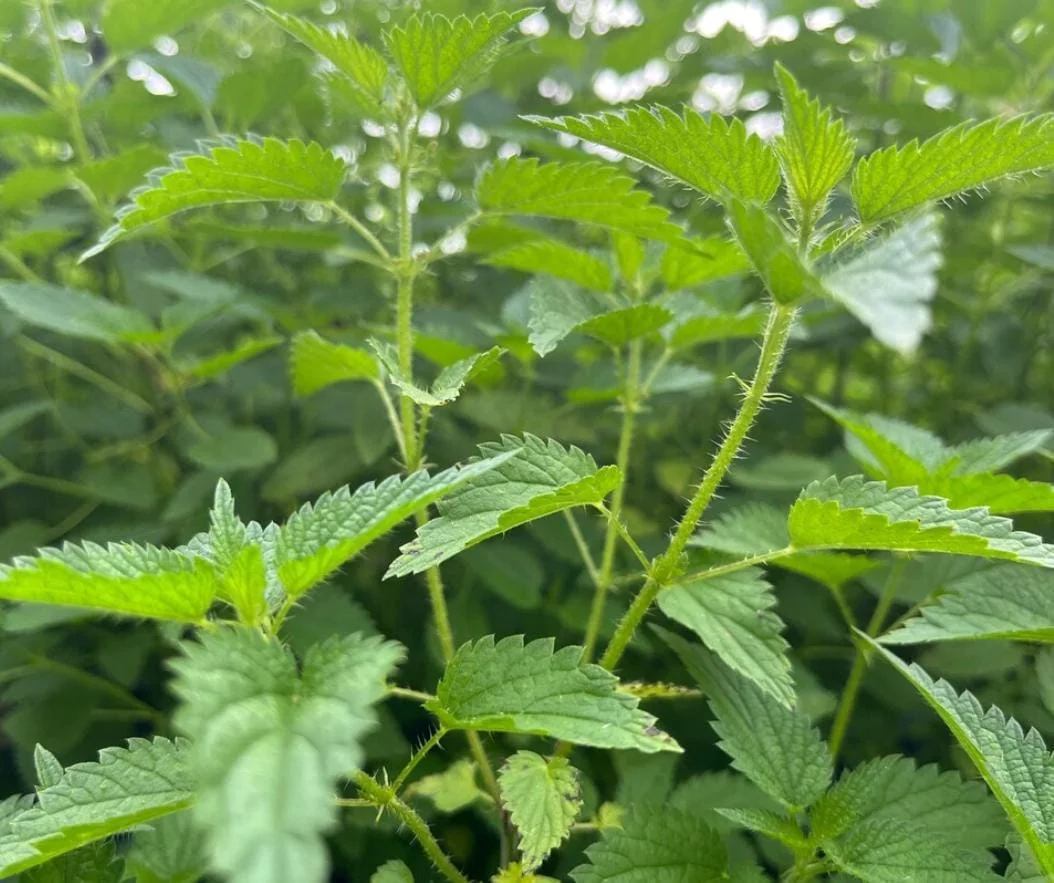
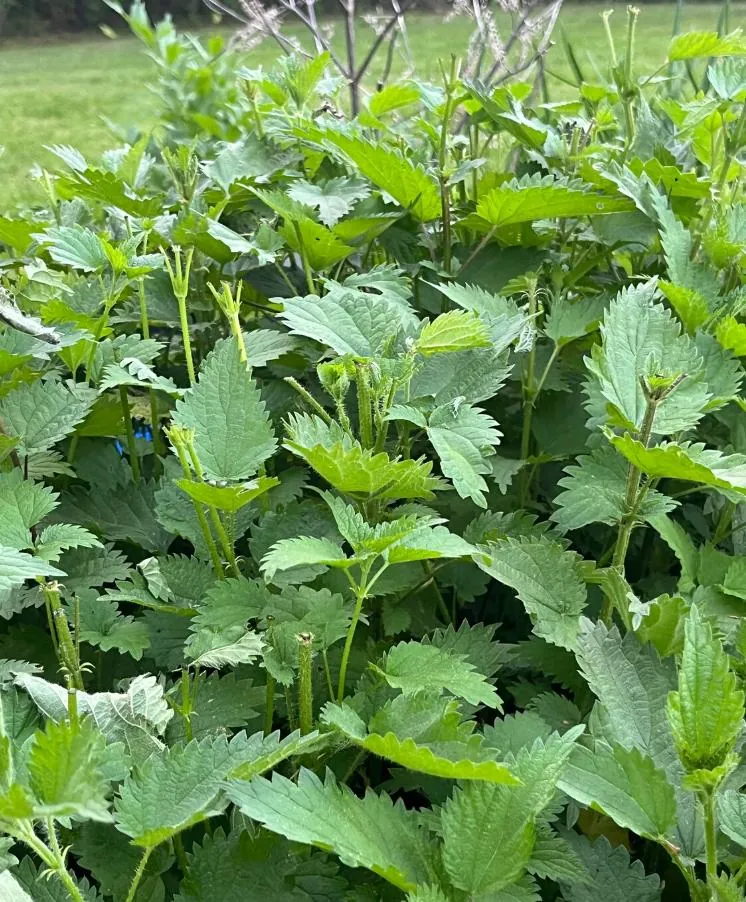
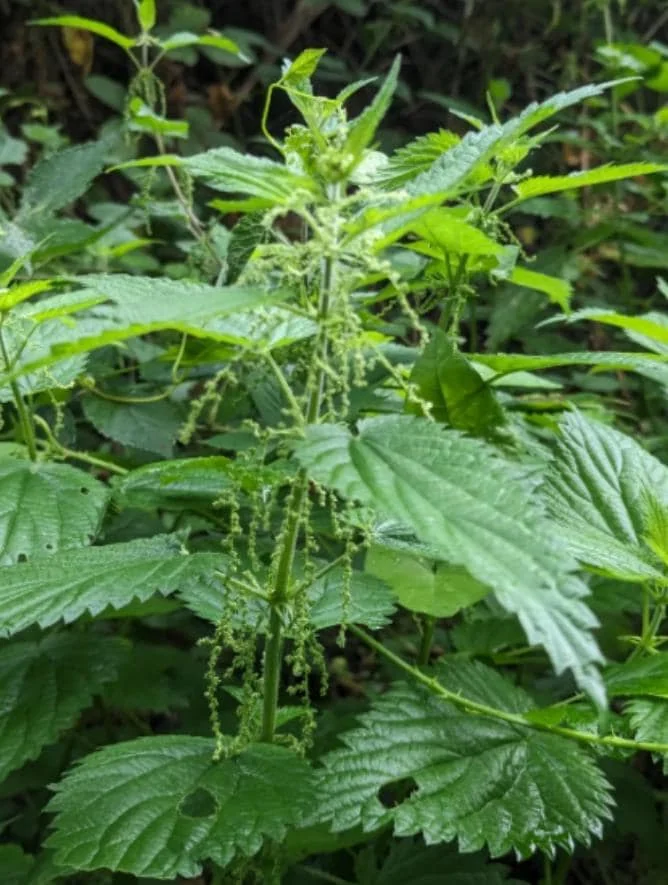
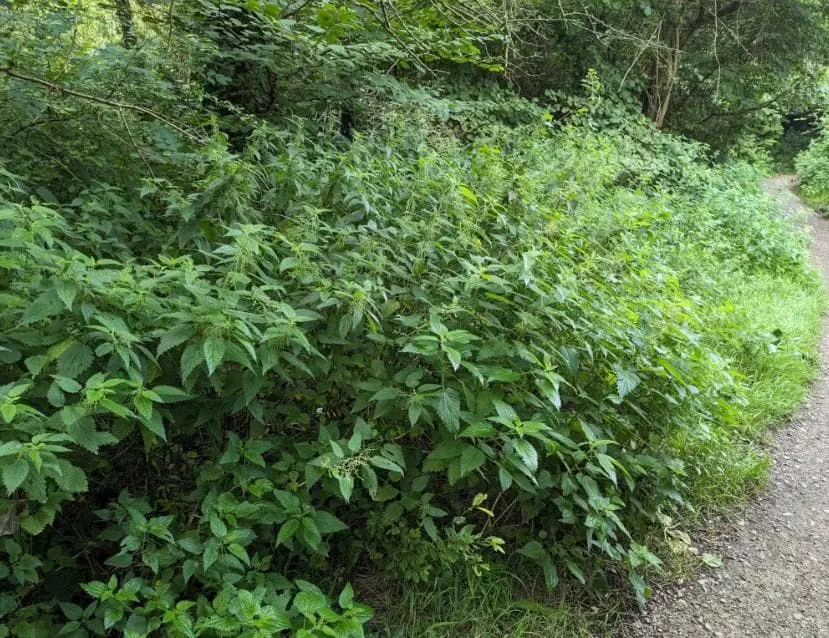
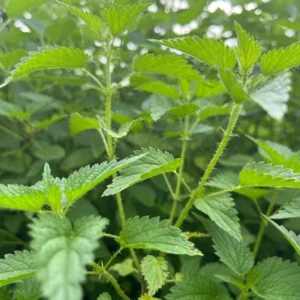
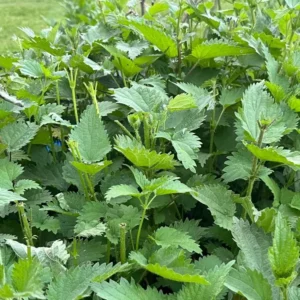
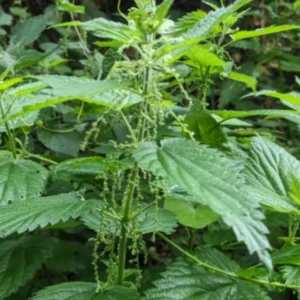
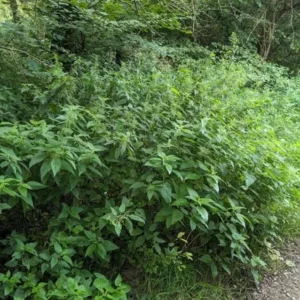
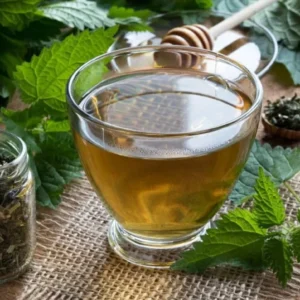
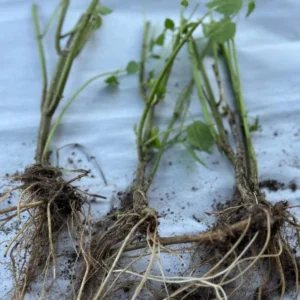
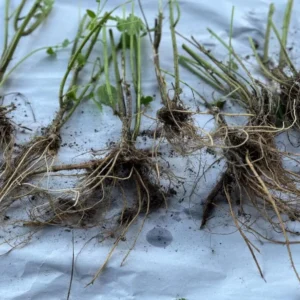
Set of 3 Stinging Nettle Bare Roots – Urtica dioica – Medicinal & Edible Herb Plant for Garden
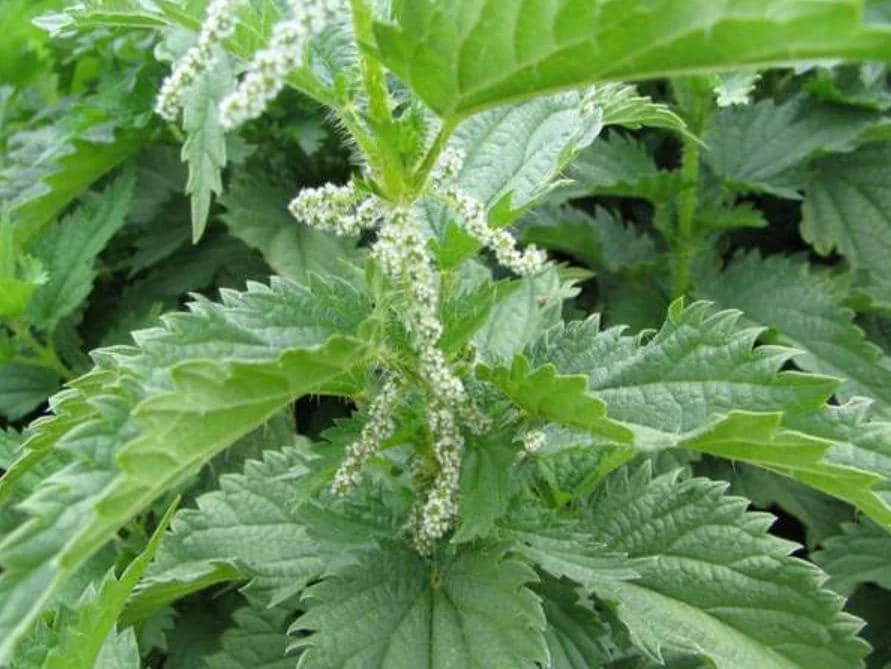
Cultivate your own stinging nettle bare roots, a versatile perennial herb (Urtica dioica) known for its medicinal and culinary properties. These edible herb plants are easy to grow and perfect for gardens, thriving in USDA zones 3-10. Each set includes 3 healthy bare roots, ready for planting to establish a vibrant, beneficial patch.
Original price was: $68.97.$12.94Current price is: $12.94.

With our Alive & Thrive Guarantee, we’ve got your back for the first 30 days! If you have any concerns about your plants, just reach out to us. Our team is here to help answer your questions and guide you in selecting the best plants for your garden, climate, and unique preferences. We're excited to help you create the garden of your dreams!
Estimated arrival
Mar 15
Mar 20 - Mar 22
Mar 25 - Mar 29
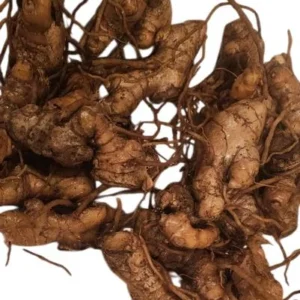
Product Details
-
USDA Hardiness Zone
USDA zones 3–10 -
Soil type
Moist, fertile, well-drained soil -
Sunlight Exposure
Full sun to partial shade -
Expected Planting Period
Spring or fall
Overview
Cultivate your own beneficial patch with this stinging nettle bare roots set. Stinging Nettle (Urtica dioica) is a highly valued hardy perennial herb, celebrated for its wide array of medicinal, culinary, and ecological benefits. Known for its nutrient-rich leaves, this remarkable plant has been traditionally incorporated into teas, soups, and various herbal remedies, as well as natural wellness practices. These urtica dioica plant bare roots offer a fantastic way to establish this fast-growing plant in your garden. It thrives naturally in garden beds and uncultivated areas, making it an excellent choice for herb gardens, dedicated medicinal plant collections, and permaculture landscapes. By planting these bare roots, you’re not just adding a plant; you’re inviting a piece of botanical history and utility into your outdoor space.
Key Benefits
Adding stinging nettle bare roots to your garden provides numerous advantages, from health benefits to ecological contributions. This versatile plant offers a unique combination of utility and resilience, making it a valuable addition to any green space. The benefits extend beyond just personal use, contributing to a healthier ecosystem.
- Medicinal Properties: Stinging Nettle is renowned for its traditional use in herbal medicine. Its leaves are packed with vitamins and minerals, often used to support joint health, alleviate seasonal allergies, and act as a natural diuretic. Incorporating this plant into your garden allows for easy access to these natural remedies.
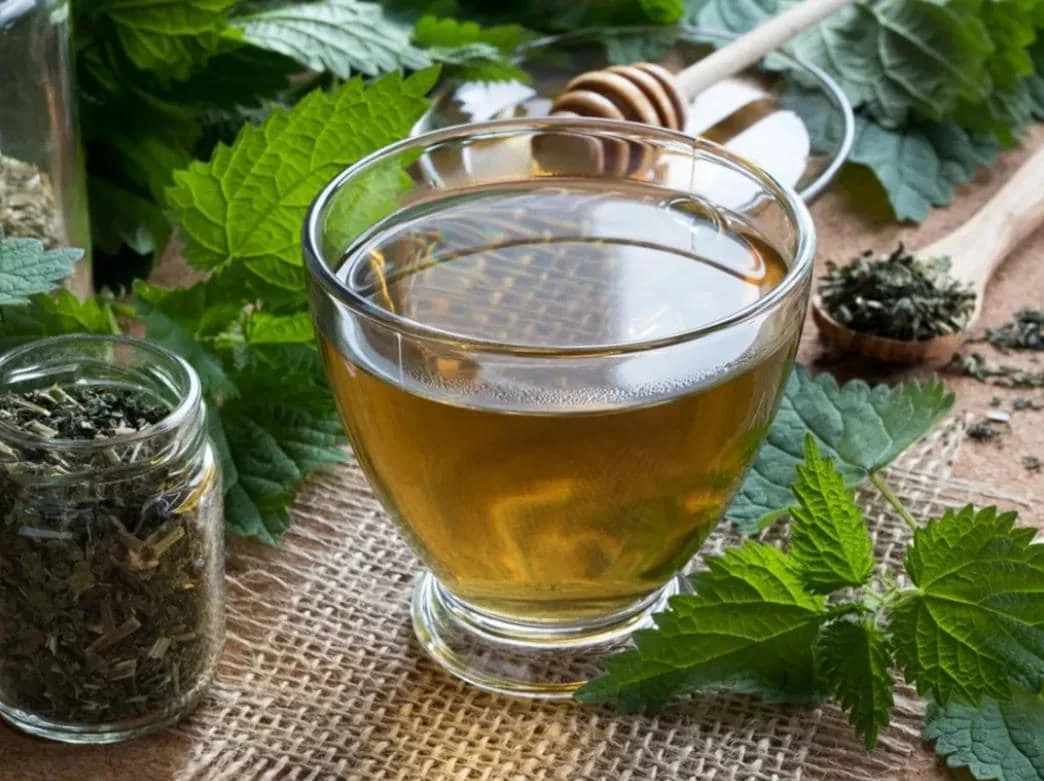
- Culinary Versatility: Young nettle leaves, when cooked, lose their sting and can be used like spinach. They are excellent in soups, stews, pesto, and teas, providing a nutritious and earthy flavor. Growing your own ensures a fresh, organic supply of this unique culinary ingredient.
- Ecological Value: As a native plant, Stinging Nettle supports local wildlife. It serves as a food source for several butterfly and moth larvae, contributing to biodiversity. Its deep root system can also help improve soil structure and prevent erosion.
- Easy to Grow: This hardy perennial is exceptionally resilient and low-maintenance once established. It tolerates a range of conditions and quickly forms dense patches, providing a consistent harvest year after year. It’s an ideal choice for both novice and experienced gardeners looking for rewarding edible herb plants.
- Nutrient-Rich: Nettle is a powerhouse of nutrients, including iron, calcium, magnesium, and vitamins A, C, and K. Cultivating stinging nettle bare roots allows you to harness these health benefits directly from your garden.
- Permaculture Friendly: Its robust growth and beneficial properties make it a perfect component of permaculture systems, providing food, medicine, and support for other plants and wildlife.
- Natural Dye Source: Beyond its culinary and medicinal uses, nettle can also be used to create natural green dyes for textiles.
Plant Care & Growing Tips
Successfully growing stinging nettle bare roots is straightforward, as these plants are known for their hardiness and adaptability. To ensure your urtica dioica plant thrives, understanding its basic needs for sunlight, soil, and water is key. Once established, it requires minimal intervention, making it a rewarding addition to your garden.
Stinging Nettle thrives in USDA zones 3–10, indicating its wide adaptability to various climates. It prefers a location that receives full sun to partial shade, meaning at least 4-6 hours of direct sunlight daily, though it can tolerate some afternoon shade in hotter climates. When it comes to soil, it’s not overly fussy but performs best in moist, fertile, and well-drained soil. Amending your garden bed with compost or other organic matter before planting will significantly benefit its growth. The ideal planting time for these bare roots is either in spring or fall, allowing the roots to establish before extreme temperatures set in. Space your plants about 12–18 inches apart to give them ample room to spread and grow. Consistent watering is crucial, especially during dry spells; keep the soil consistently moist but never waterlogged. While generally robust, monitoring for common pests and diseases is always a good practice, though nettle is quite resistant. You can also grow stinging nettle in containers, but ensure they are large enough to accommodate its spreading root system.
Size & Details
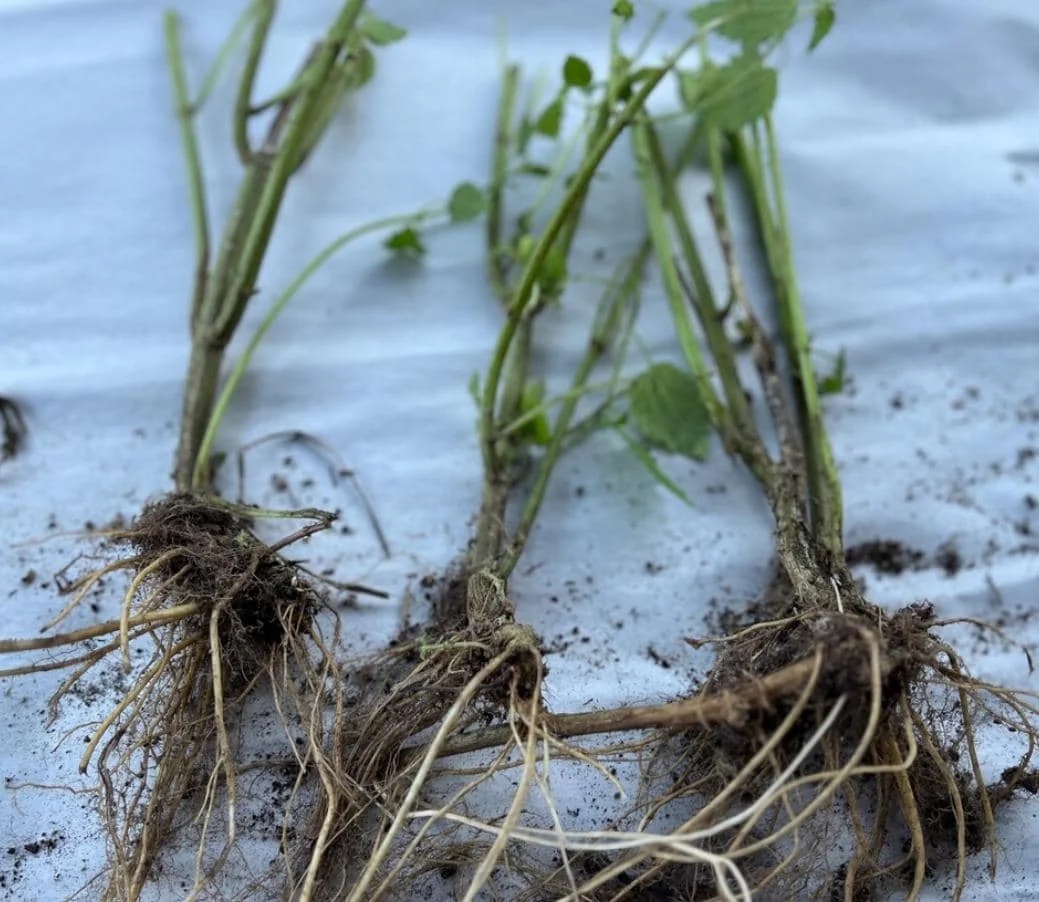
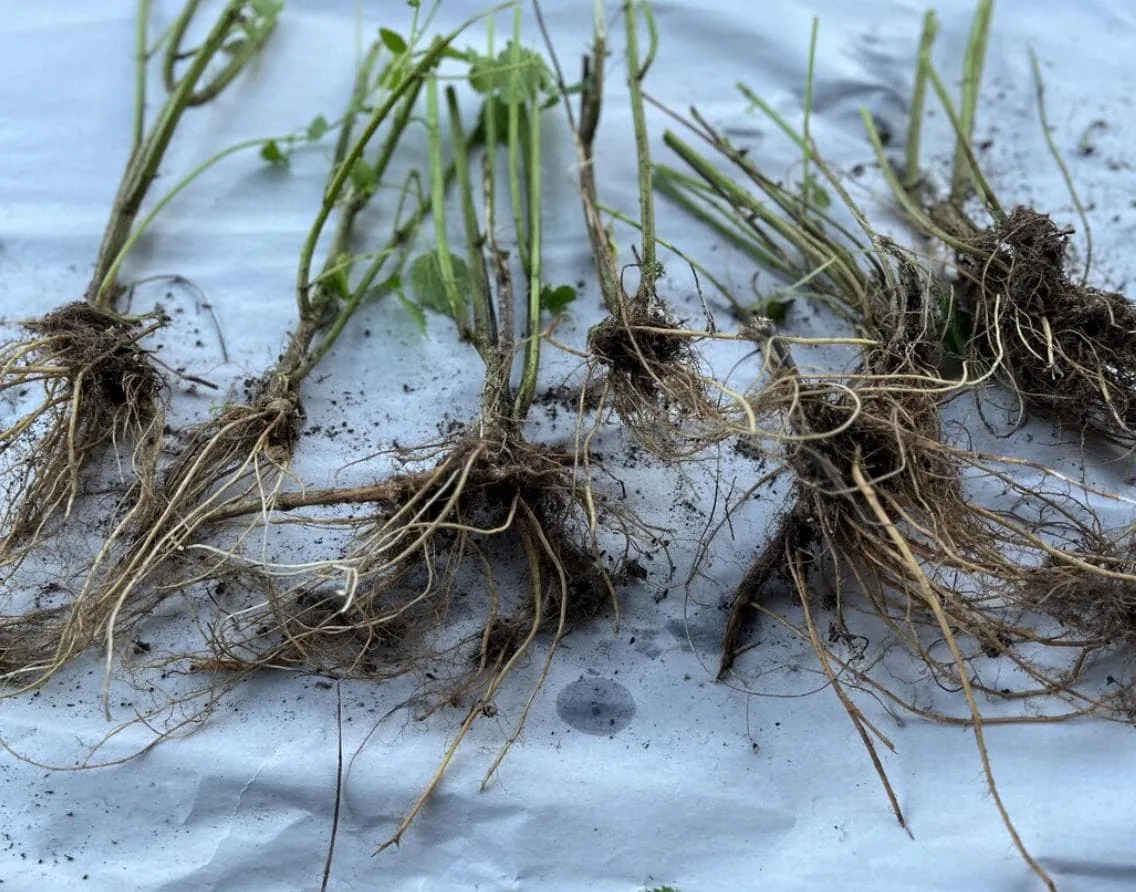
This offering includes a Set of 3 Stinging Nettle Bare Roots. Each bare root is a dormant, living plant section without a pot or leaves, carefully prepared for planting. This form ensures easy transport and excellent establishment rates once planted in your garden. Stinging Nettle typically grows to a height of 2-4 feet, forming dense clumps over time. It has a fast growth rate, meaning you can expect to see new shoots emerging relatively quickly after planting, especially in favorable conditions. The plants are perennial, returning year after year, and will spread to form a flourishing patch suitable for continuous harvesting. These bare roots are best for establishing a new patch of medicinal garden plants or expanding an existing one, providing a sustainable source for your herbal needs. The mature plants will produce small, inconspicuous greenish flowers, followed by seeds, further contributing to their ecological role.
Frequently Asked Questions
- Q: How big does this plant get? A: Stinging Nettle typically grows to a height of 2 to 4 feet tall and can spread quite vigorously, forming dense patches over time. Its growth habit makes it suitable for naturalized areas or dedicated herb beds where it has room to expand.
- Q: Is this an indoor or outdoor plant? A: Stinging Nettle is primarily an outdoor plant, thriving in garden beds and naturalized areas. While it can be grown in large containers, it generally prefers the space and conditions of an outdoor garden.
- Q: How much sunlight does it need? A: This plant thrives in full sun to partial shade. Aim for at least 4-6 hours of direct sunlight daily for the best growth, though it can tolerate some afternoon shade, especially in warmer climates.
- Q: Is this plant easy to care for? A: Yes, stinging nettle bare roots are known for being very easy to care for. Once established, they are hardy, resilient, and require minimal maintenance, making them an excellent choice for gardeners of all experience levels.
- Q: What condition will it arrive in? A: Your order will arrive as a set of 3 dormant bare roots. These are living plant sections without soil or foliage, specifically prepared for optimal planting and establishment in your garden.
- Q: Can I use stinging nettle bare roots for cooking? A: Absolutely! Young stinging nettle leaves, when cooked, lose their sting and can be used in a variety of culinary dishes, such as soups, stews, and teas, similar to spinach.
- Q: When is the best time to plant these bare roots? A: The best times to plant stinging nettle bare roots are in the spring or fall. These seasons offer moderate temperatures and adequate moisture, which are ideal for root establishment.
- Q: Will it survive winter in my zone? A: Stinging Nettle is a hardy perennial that thrives in USDA zones 3–10, meaning it is very resilient and will typically survive winter in most temperate climates, returning each spring.
- Q: What type of soil does it prefer? A: It prefers moist, fertile, and well-drained soil. While adaptable, enriching your soil with organic matter will promote healthier and more vigorous growth for your urtica dioica plant.
- Q: How far apart should I space the bare roots? A: Space your stinging nettle bare roots approximately 12–18 inches apart. This spacing allows ample room for their growth and spread, ensuring a healthy and productive patch.
Related products
-10%
Original price was: $75.00.$67.50Current price is: $67.50.
-10%
Original price was: $11.99.$10.79Current price is: $10.79.
-67%
Original price was: $75.72.$25.24Current price is: $25.24.
-30%
Original price was: $59.98.$41.98Current price is: $41.98.
-10%
Original price was: $23.99.$21.59Current price is: $21.59.
-67%
From Original price was: $35.22.$11.74Current price is: $11.74.
-58%
Original price was: $39.99.$16.99Current price is: $16.99.
-30%
Original price was: $59.98.$41.98Current price is: $41.98.
PLANTING & CARE

The Comprehensive Guide to Growing Bay Leaf Plants for a Flavorful Garden
Imagine stepping into your garden, greeted by the earthy aroma of fresh bay leaves, their
09
Feb
Feb

How to Make Comfrey Tea: The Ultimate Organic Plant Food
Growing an organic garden can be surprisingly expensive, especially when most store-bought fertilizers come in
02
Feb
Feb

True Comfrey: 7 Essential Tips Before You Plant This Herb
A staple in permaculture practices across the US, True Comfrey easily earns its reputation as
27
Jan
Jan

7 Heart-Shaped Plants for a Lasting Valentine’s Gift
If you’ve ever bought a bouquet of roses for Valentine’s Day, you know they are
26
Jan
Jan

Best Types of Ivy Plant for Houses: How to Choose the Perfect Ones for Your Home
Are you a garden lover looking to introduce some greenery into your home? Maybe you’ve
14
Nov
Nov

When to Harvest Garlic (Especially Fall-Planted Garlic)
TIMING IS EVERYTHING, they say – and for garlic, that truth hits with surprising accuracy.
13
Nov
Nov

11 of the Best Sweet Potato Varieties to Grow for Your Garden
If you’ve ever tried growing sweet potatoes, you know that picking the right variety can
12
Nov
Nov
Pruning Bougainvillea for Winter
Bougainvillea vines are known for their dazzling display of magenta, orange, and fuchsia bracts that
05
Nov
Nov