Lemon Balm Live Starter Plant – 3-6″ Tall – Fragrant Perennial Herb
-83%


Lemon Balm Live Starter Plant – 3-6″ Tall – Fragrant Perennial Herb
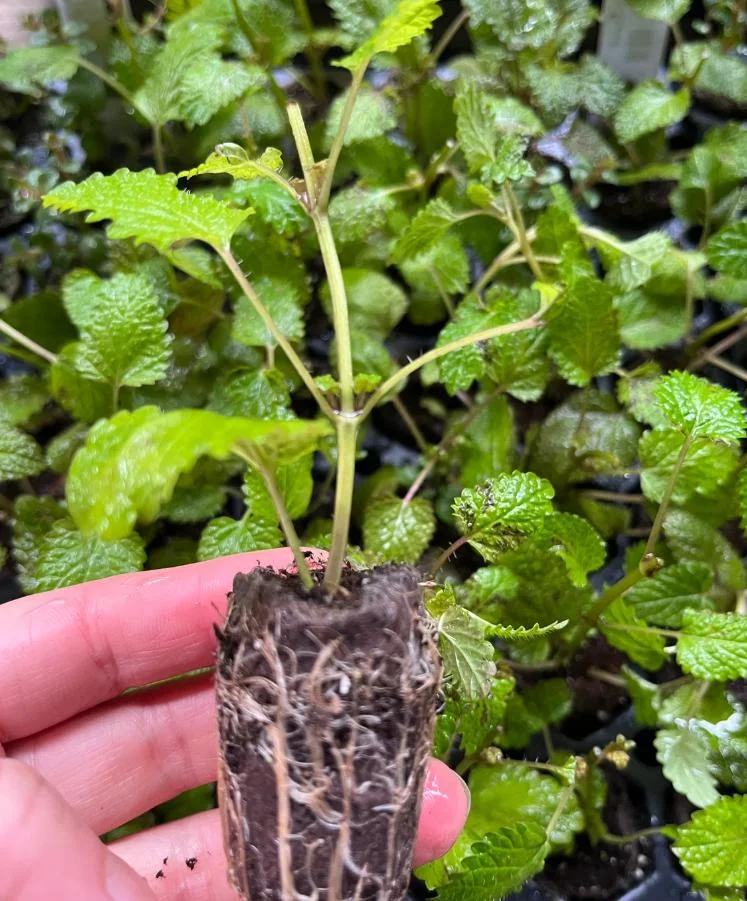
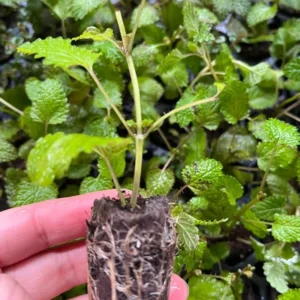
Bring home a vibrant lemon balm live plant, a fragrant perennial herb reaching 3-6 inches tall. Perfect for culinary creations, herbal teas, or attracting pollinators to your garden. Enjoy its calming, citrusy aroma and easy-care nature.
Original price was: $44.97.$7.74Current price is: $7.74.

With our Alive & Thrive Guarantee, we’ve got your back for the first 30 days! If you have any concerns about your plants, just reach out to us. Our team is here to help answer your questions and guide you in selecting the best plants for your garden, climate, and unique preferences. We're excited to help you create the garden of your dreams!
Estimated arrival
Mar 15
Mar 20 - Mar 22
Mar 25 - Mar 29
Product Details
-
USDA Hardiness Zone
USDA zones 4–9 -
Soil type
Moist, well-drained loamy soil -
Sunlight Exposure
Full sun to partial shade -
Expected Planting Period
Spring to early summer
Overview
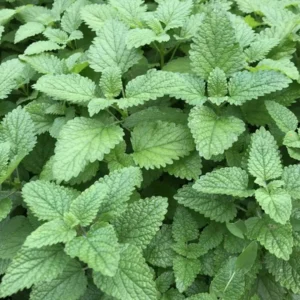
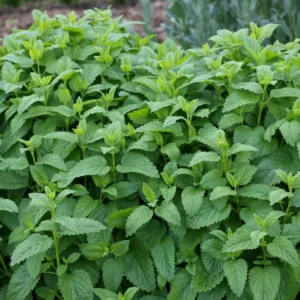
Introduce the delightful fragrance and versatile uses of the lemon balm live plant into your home or garden. This charming perennial herb, scientifically known as Melissa officinalis, belongs to the mint family and is renowned for its bright, lemony scent and flavor. Our starter plants are carefully cultivated to ensure a strong beginning for your herb garden, arriving ready to thrive. The lemon balm live plant is an excellent choice for both novice and experienced gardeners, offering a rewarding growing experience with minimal fuss. Its lush green foliage and pleasant aroma make it a wonderful addition to any outdoor space or sunny windowsill, providing both aesthetic appeal and practical benefits.
Native to Southern Europe and the Mediterranean region, lemon balm live plant has been cherished for centuries for its various applications. It’s an easy-to-grow specimen that quickly establishes itself, producing an abundance of aromatic leaves. Whether you’re looking to enhance your culinary dishes, create soothing herbal remedies, or simply enjoy a beautiful and fragrant garden, this melissa officinalis plant is an ideal selection. Its resilience and adaptability make it a popular choice for a wide range of climates and gardening styles. Get started on your herbal journey with this vigorous and beneficial plant.
Key Benefits
Growing your own lemon balm live plant offers a multitude of advantages, enriching your life with its beauty, aroma, and utility. This versatile herb is a must-have for any gardener seeking both ornamental value and practical applications.
- Culinary Delight: Fresh lemon balm live plant leaves add a bright, citrusy flavor to teas, desserts, salads, and marinades. It’s a fantastic natural alternative to lemon zest.
- Soothing Aroma: The distinct lemon-mint fragrance is known for its calming and uplifting properties, making it perfect for aromatherapy or simply enjoying in your garden.
- Pollinator Magnet: Its small, delicate flowers attract beneficial pollinators like bees and butterflies, contributing to a healthy and vibrant ecosystem in your fragrant herb garden.
- Herbal Remedies: Traditionally used to promote relaxation, reduce stress, and aid digestion, the leaves of the melissa officinalis plant can be brewed into a soothing tea.
- Easy to Grow: A hardy perennial, lemon balm thrives with minimal care, making it an excellent choice for beginners or those with busy schedules. It’s a rewarding perennial herb starter that establishes quickly.
- Pest Repellent: The strong scent of lemon balm can help deter certain garden pests, acting as a natural companion plant for other vegetables and herbs.
- Versatile Use: Beyond culinary and medicinal uses, it can be incorporated into potpourri, homemade cosmetics, or used as a fragrant groundcover.
Plant Care & Growing Tips
Caring for your lemon balm live plant is straightforward, ensuring a bountiful harvest of fragrant leaves throughout the growing season. This resilient herb is known for its adaptability and ease of maintenance, making it a favorite among gardeners of all skill levels. To ensure your melissa officinalis plant thrives, pay attention to its basic needs regarding sunlight, water, and soil conditions.
For optimal growth, plant your lemon balm live plant in a location that receives full sun to partial shade. In hotter climates, providing some afternoon shade will protect the leaves from scorching. It prefers moist, well-drained soil with a pH between 6.0 and 7.5. While it tolerates a range of soil types, it performs best in fertile loam. Water regularly to keep the soil consistently moist, especially during dry periods, but avoid waterlogging as this can lead to root rot. Once established, lemon balm is relatively drought-tolerant, but consistent moisture promotes more vigorous growth. This perennial herb starter is hardy in USDA zones 4-9, making it suitable for many regions.
Fertilize sparingly, if at all, as lemon balm generally doesn’t require heavy feeding. A light application of a balanced organic fertilizer in spring can encourage lush growth. To encourage bushier plants and prevent it from becoming leggy, harvest leaves frequently once the plant reaches 6-8 inches tall. Pruning also helps manage its growth, as lemon balm can spread vigorously. Deadhead spent flowers to prevent self-seeding, which can lead to it becoming invasive in some garden settings. Watch out for common pests like powdery mildew in humid conditions; ensuring good air circulation can help prevent this. Following these simple care tips will ensure your lemon balm care routine results in a healthy and productive plant for many years.
Size & Details
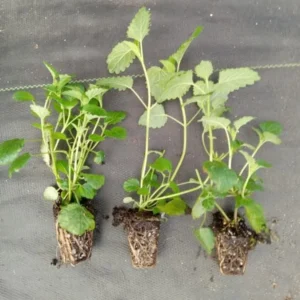
Your lemon balm live plant will arrive as a healthy starter plant, typically measuring 3-6 inches tall, ready for transplanting into your garden or a larger pot. This size ensures a strong root system and quick establishment. Lemon balm is a fast grower and can reach mature heights of 1-2 feet with a similar spread, forming a bushy, attractive clump. It’s typically shipped as a young, actively growing plant in a small nursery pot, carefully packaged to withstand transit and ensure its vitality upon arrival. Expect vigorous growth once transplanted into its permanent home, enjoying its fragrant foliage throughout the growing season.
This fragrant herb garden essential is a perennial, meaning it will return year after year, providing a continuous supply of fresh leaves. While it can be grown indoors in a sunny window, it truly flourishes outdoors where it has space to spread and receive ample sunlight and air circulation. The growth rate is moderate to fast, allowing you to begin harvesting within weeks of planting. Its adaptability to various conditions makes it a reliable choice for gardeners looking for a low-maintenance yet highly rewarding herb. This melissa officinalis plant will become a cherished part of your plant collection.
Frequently Asked Questions
- Q: How big does this lemon balm live plant get? A: A: Our lemon balm live plant starters arrive 3-6 inches tall. Once established, they can grow to a mature height and spread of 1-2 feet, forming a lovely bushy plant in your fragrant herb garden.
- Q: Is this an indoor or outdoor plant? A: Lemon balm can be grown both indoors in a sunny window or outdoors. It thrives best outdoors in a garden bed or container where it has more space and natural light.
- Q: How much sunlight does it need? A: This melissa officinalis plant prefers full sun to partial shade. In hotter climates, some afternoon shade is beneficial to prevent leaf scorch and maintain its vibrant green color.
- Q: Is this plant easy to care for? A: Yes, lemon balm is widely considered an easy-to-care-for perennial herb, making it an excellent choice for beginners. Its resilience and adaptability contribute to its low-maintenance nature.
- Q: What condition will the perennial herb starter arrive in? A: Your perennial herb starter will arrive as a healthy, actively growing plant in a small nursery pot, carefully packaged to ensure its vitality and readiness for planting upon arrival.
- Q: Can I use lemon balm in cooking? A: Absolutely! The leaves of the lemon balm live plant have a wonderful citrusy flavor perfect for teas, salads, desserts, and flavoring various culinary dishes.
- Q: When is the best time to plant lemon balm? A: The best time to plant your lemon balm live plant outdoors is after the last danger of frost has passed in spring. It can also be planted in early fall in milder climates.
- Q: Will it survive winter in my zone? A: Lemon balm is hardy in USDA zones 4-9. In these zones, it will die back in winter but reliably return from its roots in spring, making it a true perennial.
- Q: How often should I water my lemon balm? A: Water your lemon balm regularly to keep the soil consistently moist, especially during dry spells. Avoid overwatering, which can lead to root rot.
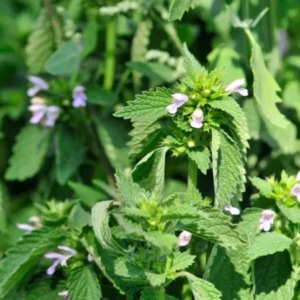
- Q: Is lemon balm good for attracting pollinators? A: Yes, the small white flowers of the melissa officinalis plant are very attractive to bees and other beneficial pollinators, making it a great addition to a pollinator garden.
Related products
-30%
Original price was: $59.98.$41.98Current price is: $41.98.
-50%
Original price was: $47.96.$23.98Current price is: $23.98.
-48%
Original price was: $39.99.$20.99Current price is: $20.99.
-10%
Original price was: $65.00.$58.50Current price is: $58.50.
-30%
Original price was: $67.98.$47.58Current price is: $47.58.
-50%
Original price was: $107.96.$53.98Current price is: $53.98.
-58%
Original price was: $39.99.$16.99Current price is: $16.99.
-67%
Original price was: $39.72.$13.24Current price is: $13.24.
PLANTING & CARE

The Comprehensive Guide to Growing Bay Leaf Plants for a Flavorful Garden
Imagine stepping into your garden, greeted by the earthy aroma of fresh bay leaves, their
09
Feb
Feb

How to Make Comfrey Tea: The Ultimate Organic Plant Food
Growing an organic garden can be surprisingly expensive, especially when most store-bought fertilizers come in
02
Feb
Feb

True Comfrey: 7 Essential Tips Before You Plant This Herb
A staple in permaculture practices across the US, True Comfrey easily earns its reputation as
27
Jan
Jan

7 Heart-Shaped Plants for a Lasting Valentine’s Gift
If you’ve ever bought a bouquet of roses for Valentine’s Day, you know they are
26
Jan
Jan

Best Types of Ivy Plant for Houses: How to Choose the Perfect Ones for Your Home
Are you a garden lover looking to introduce some greenery into your home? Maybe you’ve
14
Nov
Nov

When to Harvest Garlic (Especially Fall-Planted Garlic)
TIMING IS EVERYTHING, they say – and for garlic, that truth hits with surprising accuracy.
13
Nov
Nov

11 of the Best Sweet Potato Varieties to Grow for Your Garden
If you’ve ever tried growing sweet potatoes, you know that picking the right variety can
12
Nov
Nov
Pruning Bougainvillea for Winter
Bougainvillea vines are known for their dazzling display of magenta, orange, and fuchsia bracts that
05
Nov
Nov