3 Yacon Root Plant Live – Smallanthus sonchifolius Bolivian Sunroot Starter Plant
-20%
3 Yacon Root Plant Live – Smallanthus sonchifolius Bolivian Sunroot Starter Plant
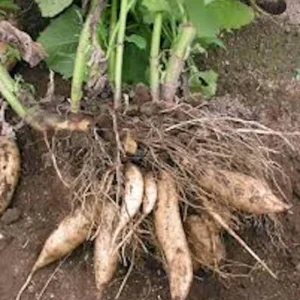
Cultivate your own organic supply of yacon root plant with these healthy starter plants. Known for their sweet, crisp tubers, these bolivian sunroot plants are easy to grow perennials, perfect for warm temperate to tropical climates. Enjoy fresh, nutritious harvests.
Original price was: $60.00.$48.00Current price is: $48.00.

With our Alive & Thrive Guarantee, we’ve got your back for the first 30 days! If you have any concerns about your plants, just reach out to us. Our team is here to help answer your questions and guide you in selecting the best plants for your garden, climate, and unique preferences. We're excited to help you create the garden of your dreams!
Estimated arrival
Mar 12
Mar 17 - Mar 19
Mar 22 - Mar 26
Product Details
-
USDA Hardiness Zone
USDA Zones 8-10 (perennial) or annual in colder climates -
Soil type
Well-draining, loamy, fertile soil -
Sunlight Exposure
Full sun preferred -
Expected Planting Period
Spring to early summer (after last frost)
Overview
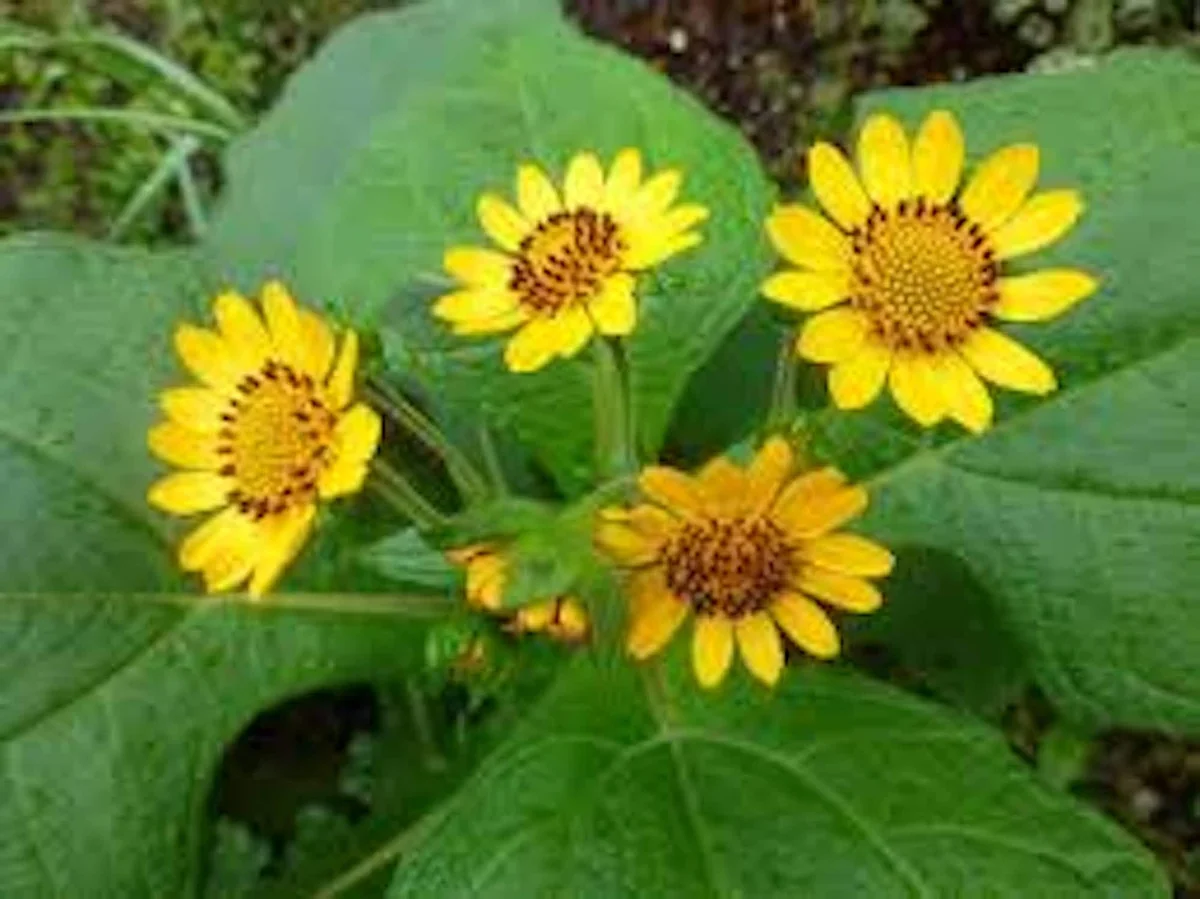
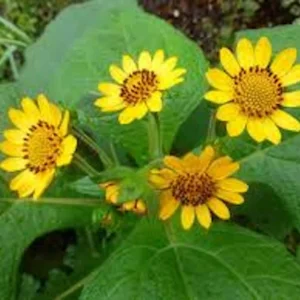
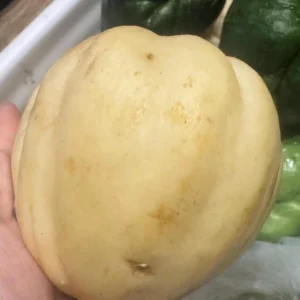
Discover the joy of growing your own yacon root plant (Smallanthus sonchifolius), an extraordinary perennial native to the Andes Mountains. Often referred to as bolivian sunroot, this unique plant is celebrated for its delicious, sweet, and crunchy tubers, which are a healthy alternative to potatoes or jicama. These starter plants provide a fantastic opportunity to add a novel and nutritious vegetable to your garden. The yacon root plant is not only a culinary delight but also a fascinating botanical specimen, yielding substantial harvests under the right conditions. Prepare to enjoy the benefits of this remarkable plant, perfect for enthusiasts looking to expand their edible landscape with something truly special.
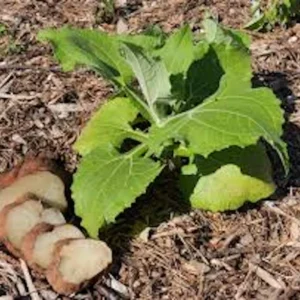
Our healthy smallanthus sonchifolius starter plants are carefully selected to ensure a strong beginning in your garden. Yacon plants are relatively low-maintenance once established, making them suitable for both experienced gardeners and those new to cultivating unique edibles. With their attractive foliage and productive roots, these plants offer a rewarding growing experience from planting to harvest. Embrace the rich history and health benefits of this Andean treasure in your own backyard.
Key Benefits
Cultivating yacon root plant offers a multitude of advantages, from culinary versatility to potential health benefits. These plants are a wonderful addition to any garden, providing both beauty and bounty.
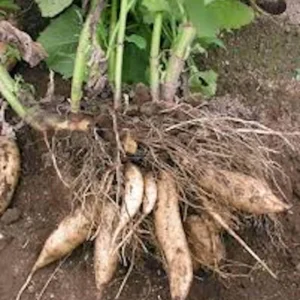
- Nutrient-Rich Tubers: The primary benefit of the yacon root plant is its delicious tubers, which are rich in fructooligosaccharides (FOS), a type of prebiotic fiber beneficial for gut health. They offer a sweet taste without spiking blood sugar, making them suitable for various dietary needs.
- Versatile Culinary Use: Yacon tubers can be eaten raw, sliced into salads, juiced, or cooked into various dishes. Their crisp texture and sweet flavor make them a unique and refreshing ingredient.
- Perennial Growth: As a perennial in warm climates, the bolivian sunroot can provide harvests year after year from the same rootstock, offering long-term value and sustainability for your garden.
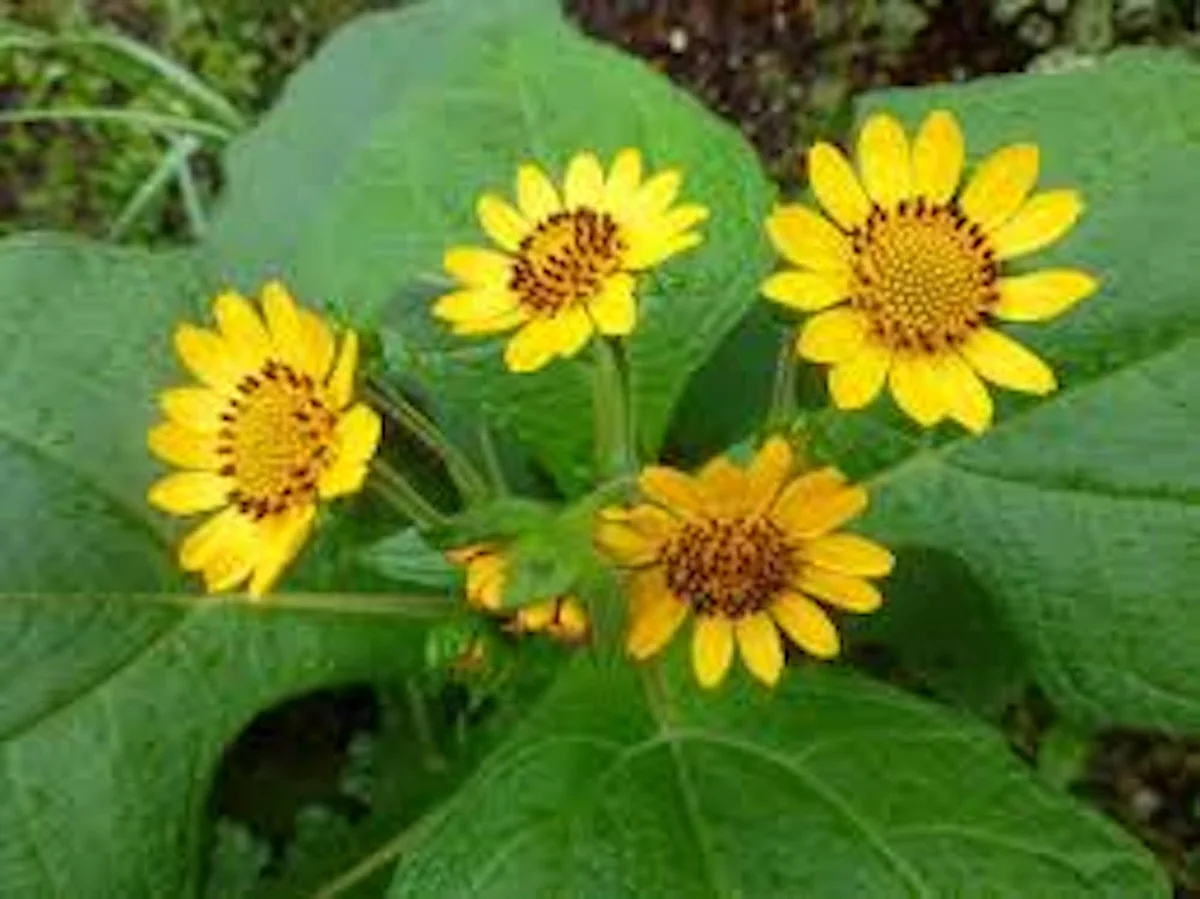
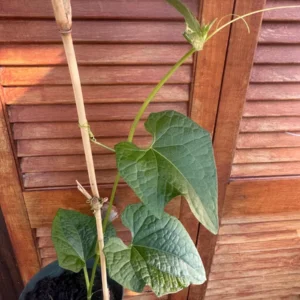
- Attractive Foliage: Beyond its edible roots, the smallanthus sonchifolius plant features large, attractive leaves that can add a tropical or lush feel to your garden landscape.
- Easy to Grow: Once established, yacon plants are relatively hardy and require minimal intervention, making yacon plant care straightforward for most gardeners.
- High Yield Potential: A single yacon root plant can produce a significant amount of tubers, providing a generous harvest for your household to enjoy.
- Unique Garden Addition: Stand out from traditional gardens by growing this exotic and lesser-known vegetable. It’s a great conversation starter and a rewarding plant to cultivate.
Plant Care & Growing Tips
Successful cultivation of your yacon root plant depends on providing the right environment and consistent care. These plants thrive in conditions that mimic their Andean origins, focusing on soil, sunlight, and moisture.
Sunlight Requirements: Smallanthus sonchifolius prefers full sun exposure, meaning at least 6-8 hours of direct sunlight daily. While it can tolerate partial shade, optimal tuber development and overall plant vigor are achieved with ample sun. When considering yacon plant care, ensure your chosen planting site receives generous daylight throughout the growing season.
Soil and Watering: The ideal soil for bolivian sunroot is well-draining, loamy, and fertile. Amend heavy clay soils with compost or organic matter to improve drainage and nutrient content. Yacon plants require consistent moisture, especially during dry spells, but they do not tolerate soggy conditions. Water deeply and regularly, allowing the top inch or two of soil to dry out between waterings. Avoid overwatering, as this can lead to root rot. A layer of mulch can help retain soil moisture and suppress weeds.
Climate and Fertilization: Yacon root plant is frost-sensitive and thrives in warm temperate to tropical climates. In cooler areas, it can be grown as an annual or the tubers can be dug up and stored over winter. USDA zones 8-10 are generally suitable for perennial growth. Fertilize every 4-6 weeks during the growing season with a balanced organic fertilizer to support vigorous growth and tuber formation. Protect young plants from strong winds which can damage their large leaves. For optimal growing yacon, consider planting after the last frost date in your region.
Size & Details
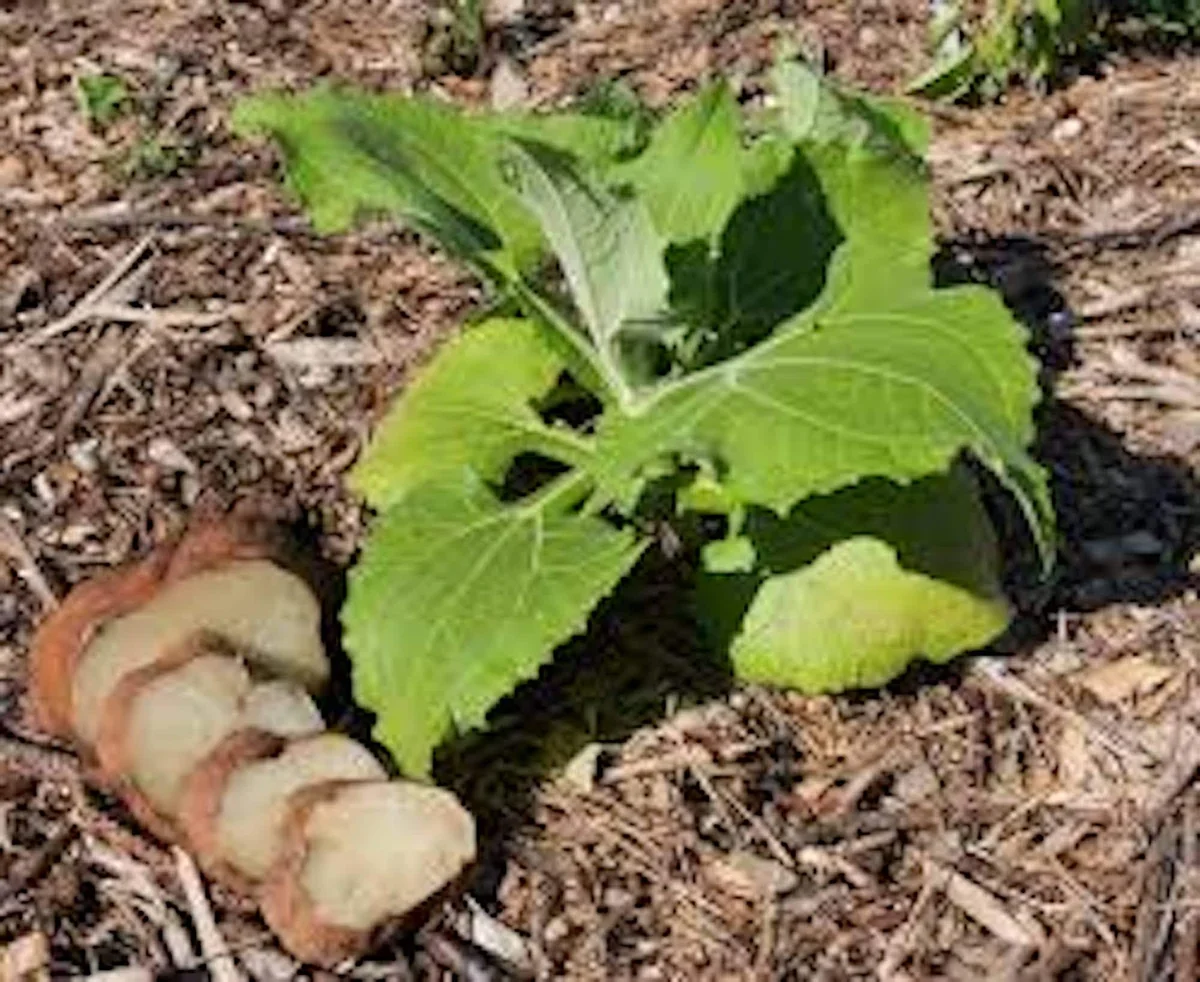
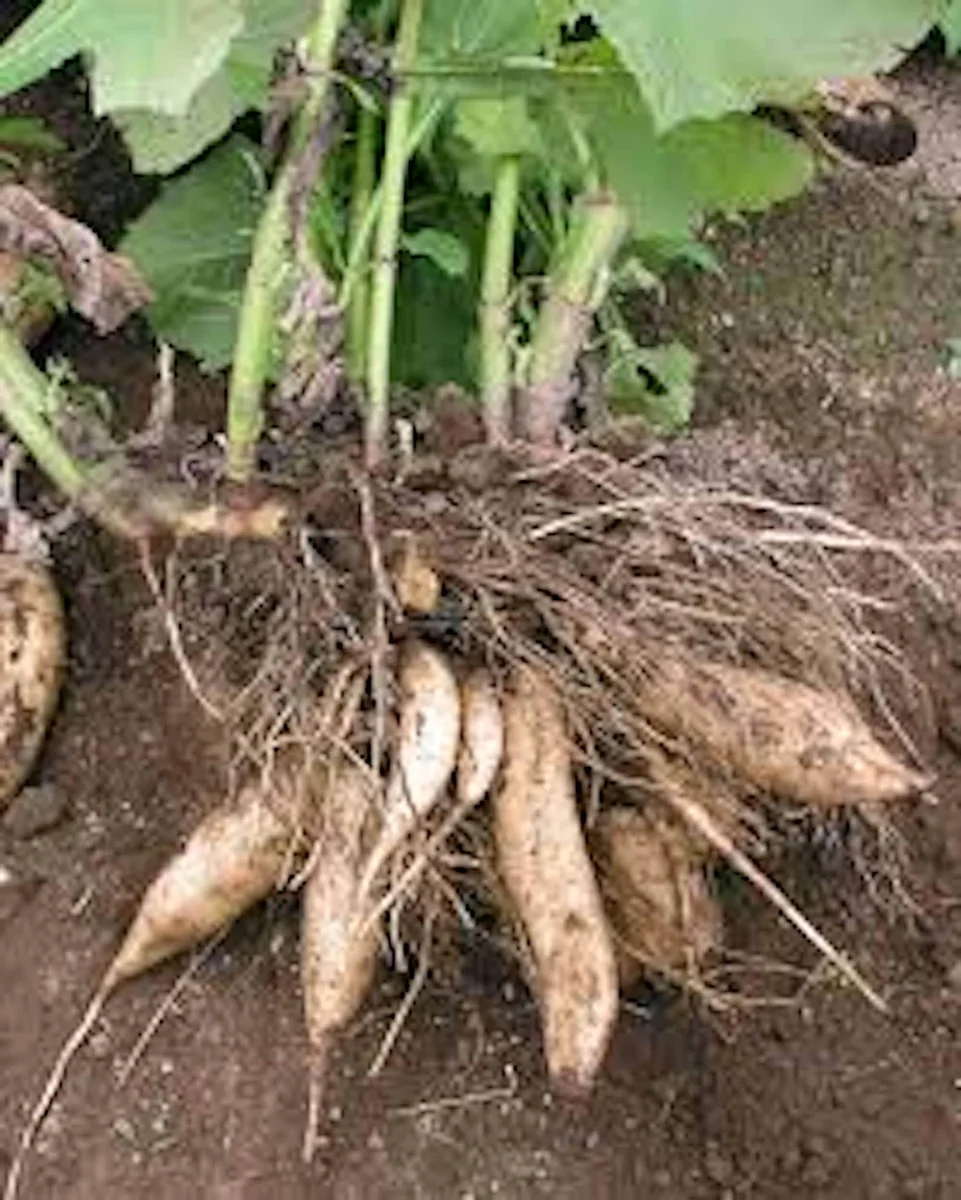
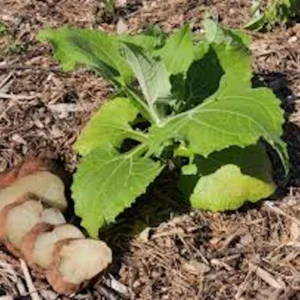
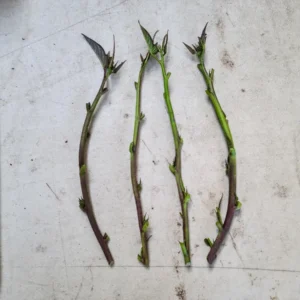
This offering includes 3 yacon root plant starter plants, ready for transplanting into your garden. Each plant is a young, healthy specimen of Smallanthus sonchifolius, ensuring a strong foundation for growth. Yacon plants typically grow quite large, often reaching 5-7 feet tall and spreading 3-4 feet wide, with lush, broad leaves. The tubers, the edible part of the plant, develop underground and can vary in size and shape.
Harvest time for bolivian sunroot is generally 6-7 months after planting, often after the first frost in cooler climates, which helps to sweeten the tubers. These plants are shipped bare root, carefully packaged to maintain their vitality during transit, ready to be planted upon arrival. Expect a robust growth rate once established in suitable conditions, leading to a bountiful harvest of crisp, sweet roots.
Frequently Asked Questions
- Q: How big does this yacon root plant get? A: A: Yacon root plants typically grow quite large, often reaching 5-7 feet tall and spreading 3-4 feet wide, with lush, broad leaves. Ensure you provide ample space for its mature size.
- Q: Is this an indoor or outdoor plant? A: The yacon root plant is primarily an outdoor plant, thriving in garden beds or large containers. It requires significant sunlight and space to develop its edible tubers effectively.
- Q: How much sunlight does the bolivian sunroot need? A: This plant prefers full sun, meaning it needs at least 6-8 hours of direct sunlight per day for optimal growth and tuber production. Partial shade can be tolerated but may reduce yields.
- Q: Is this plant easy to care for? A: Yes, once established, yacon plant care is relatively easy. It requires consistent watering and fertile, well-draining soil. It is known for being a productive and rewarding plant for gardeners.
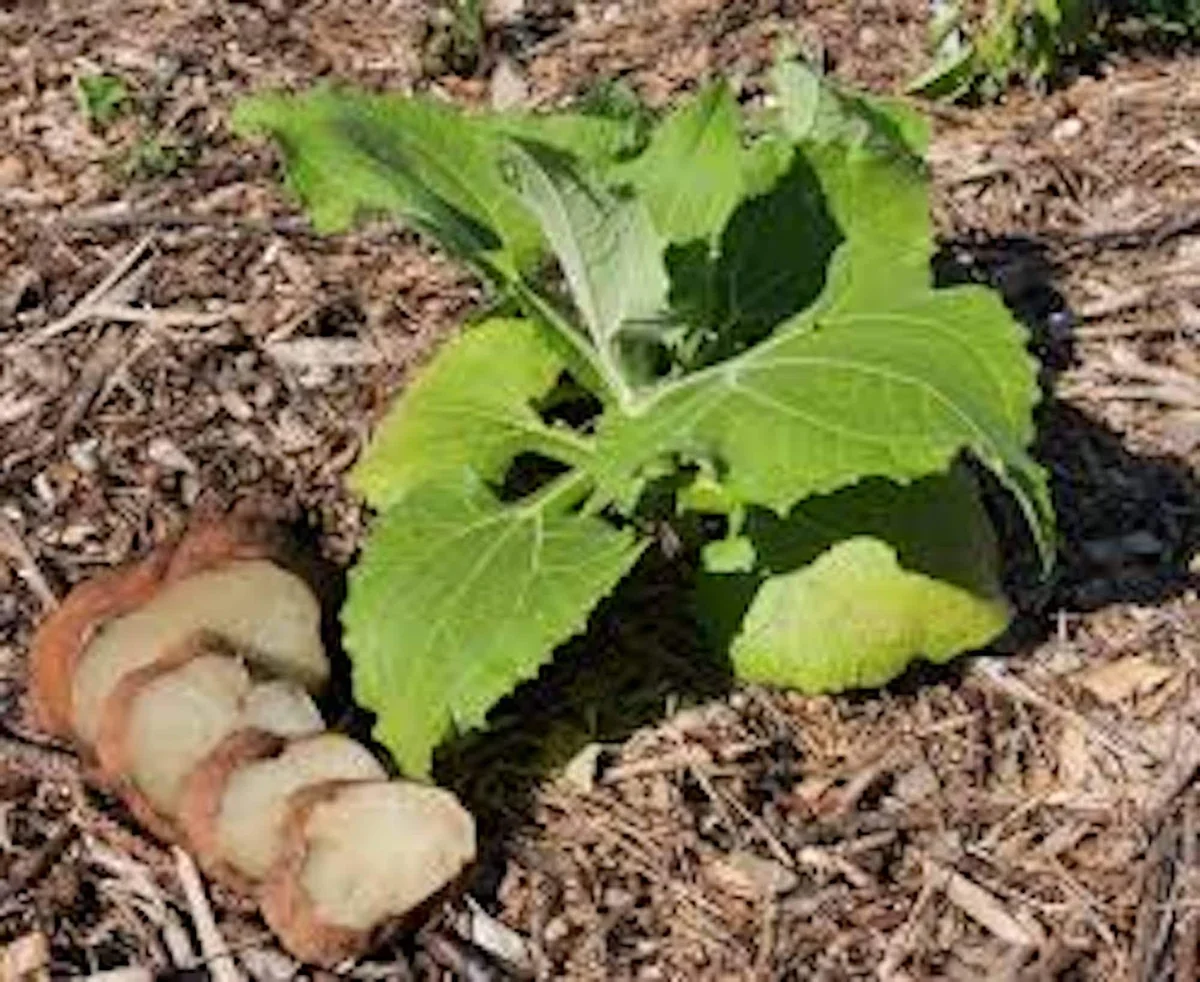
- Q: What condition will the smallanthus sonchifolius arrive in? A: These plants are shipped bare root, meaning they will arrive without soil or a pot. They are carefully packaged to ensure they remain healthy during transit and are ready for immediate planting upon arrival.
- Q: How long until I can harvest the yacon roots? A: You can typically expect to harvest yacon root plant tubers approximately 6-7 months after planting. In cooler regions, harvesting often occurs after the first frost, which helps to enhance the sweetness of the roots.
- Q: What’s the minimum temperature this plant can tolerate? A: The yacon root plant is frost-sensitive. While it can tolerate very light, brief frosts, prolonged freezing temperatures will damage or kill the plant. In colder climates, tubers should be harvested and stored indoors before a hard freeze.
- Q: Can I grow yacon root plant in a container? A: Yes, you can grow bolivian sunroot in large containers, at least 15-20 gallons in size, to accommodate its extensive root system and large growth habit. Ensure the container has excellent drainage.
- Q: What kind of soil is best for growing yacon? A: The best soil for yacon root plant is well-draining, loamy, and rich in organic matter. Good drainage is crucial to prevent root rot, and fertile soil supports the development of large, healthy tubers.
- Q: Is the yacon root plant a perennial? A: Yes, in warm temperate to tropical climates (typically USDA Zones 8-10 and above), the yacon root plant is a perennial. In colder climates, it is often grown as an annual, or the tubers are dug up and stored over winter to be replanted in spring.
Related products
-20%
Original price was: $48.00.$38.40Current price is: $38.40.
-20%
Original price was: $28.00.$22.40Current price is: $22.40.
-50%
Original price was: $63.96.$31.98Current price is: $31.98.
-20%
Original price was: $100.00.$80.00Current price is: $80.00.
-20%
Original price was: $48.00.$38.40Current price is: $38.40.
-20%

Original price was: $17.00.$13.60Current price is: $13.60.
-20%
Original price was: $36.00.$28.80Current price is: $28.80.
PLANTING & CARE

The Comprehensive Guide to Growing Bay Leaf Plants for a Flavorful Garden
Imagine stepping into your garden, greeted by the earthy aroma of fresh bay leaves, their
09
Feb
Feb

How to Make Comfrey Tea: The Ultimate Organic Plant Food
Growing an organic garden can be surprisingly expensive, especially when most store-bought fertilizers come in
02
Feb
Feb

True Comfrey: 7 Essential Tips Before You Plant This Herb
A staple in permaculture practices across the US, True Comfrey easily earns its reputation as
27
Jan
Jan

7 Heart-Shaped Plants for a Lasting Valentine’s Gift
If you’ve ever bought a bouquet of roses for Valentine’s Day, you know they are
26
Jan
Jan

Best Types of Ivy Plant for Houses: How to Choose the Perfect Ones for Your Home
Are you a garden lover looking to introduce some greenery into your home? Maybe you’ve
14
Nov
Nov

When to Harvest Garlic (Especially Fall-Planted Garlic)
TIMING IS EVERYTHING, they say – and for garlic, that truth hits with surprising accuracy.
13
Nov
Nov

11 of the Best Sweet Potato Varieties to Grow for Your Garden
If you’ve ever tried growing sweet potatoes, you know that picking the right variety can
12
Nov
Nov
Pruning Bougainvillea for Winter
Bougainvillea vines are known for their dazzling display of magenta, orange, and fuchsia bracts that
05
Nov
Nov