20 Quinault Strawberry Bare Roots – Everbearing Fruit Plant for Home Gardens
-20%
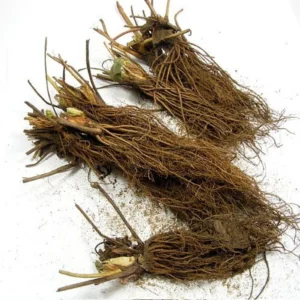
20 Quinault Strawberry Bare Roots – Everbearing Fruit Plant for Home Gardens
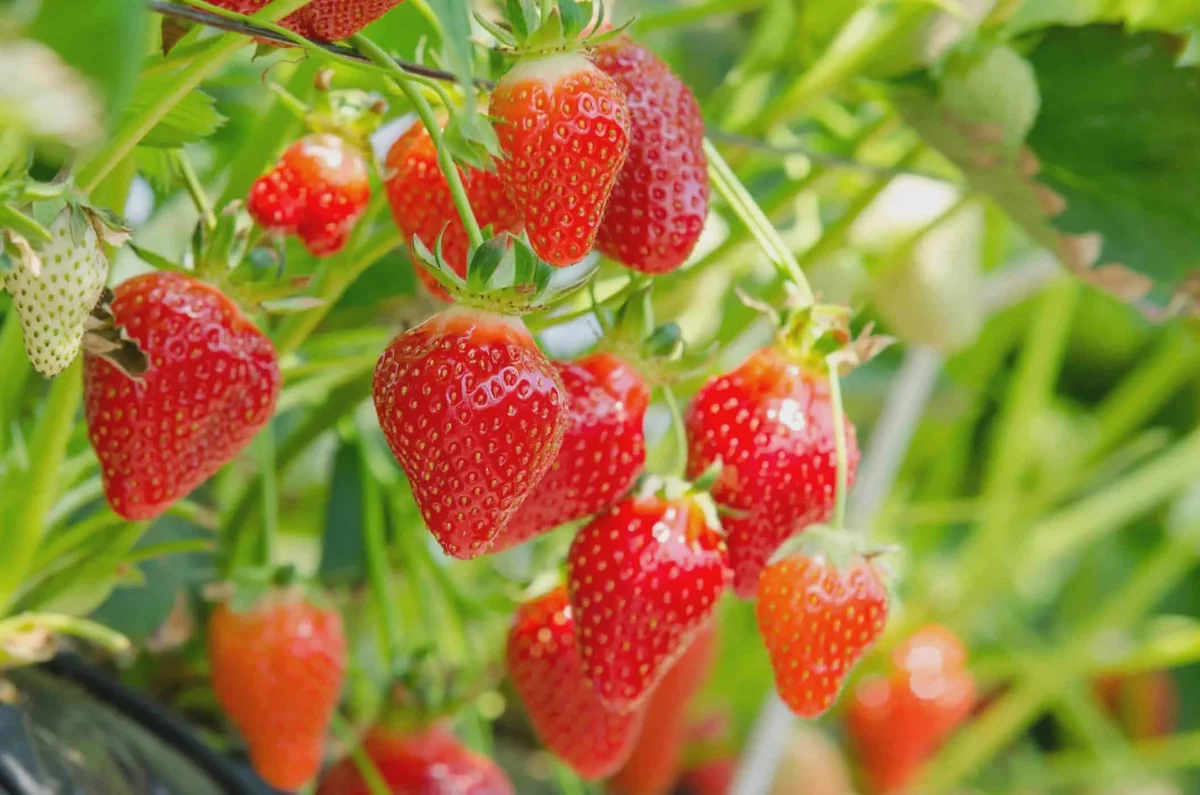
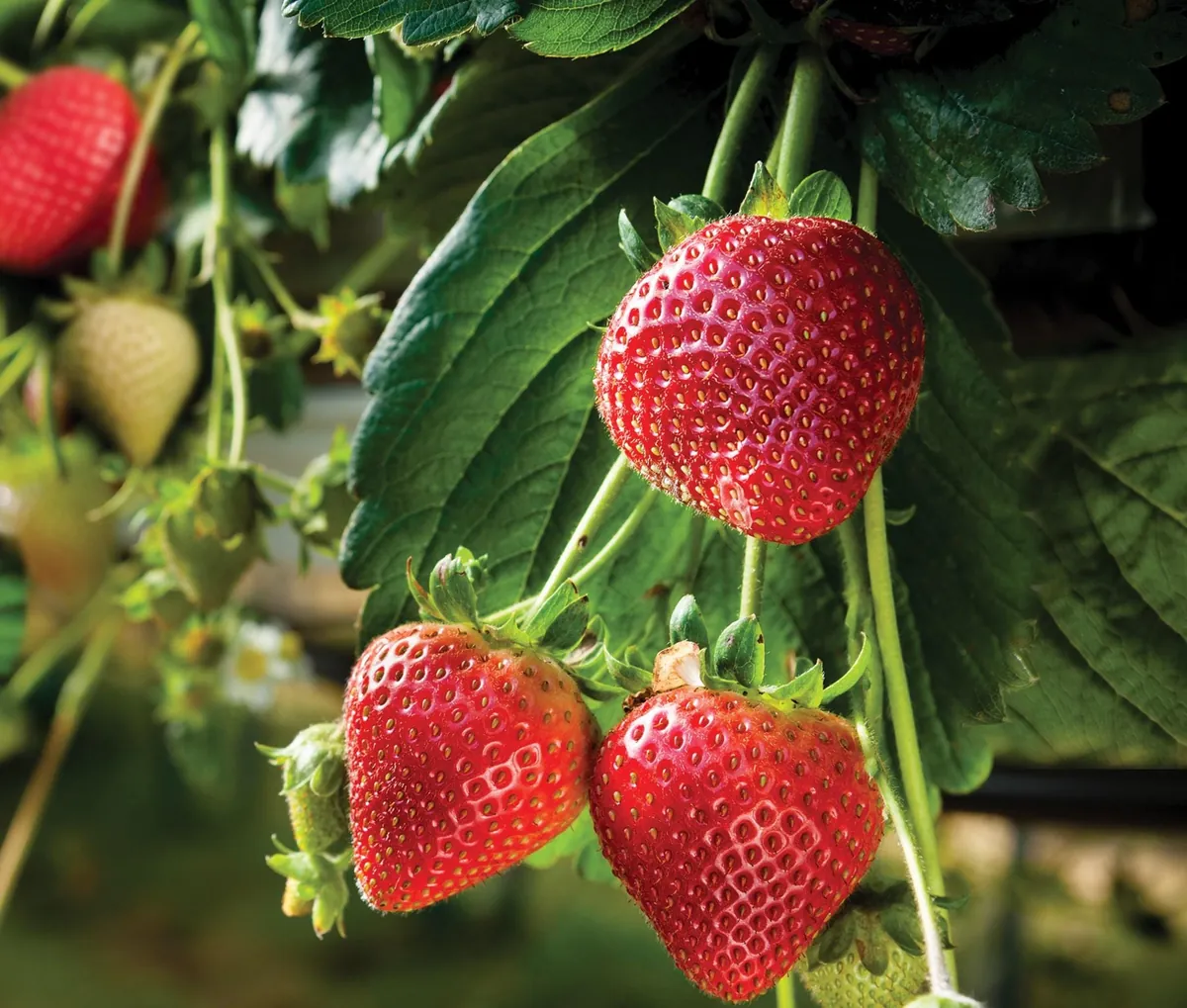
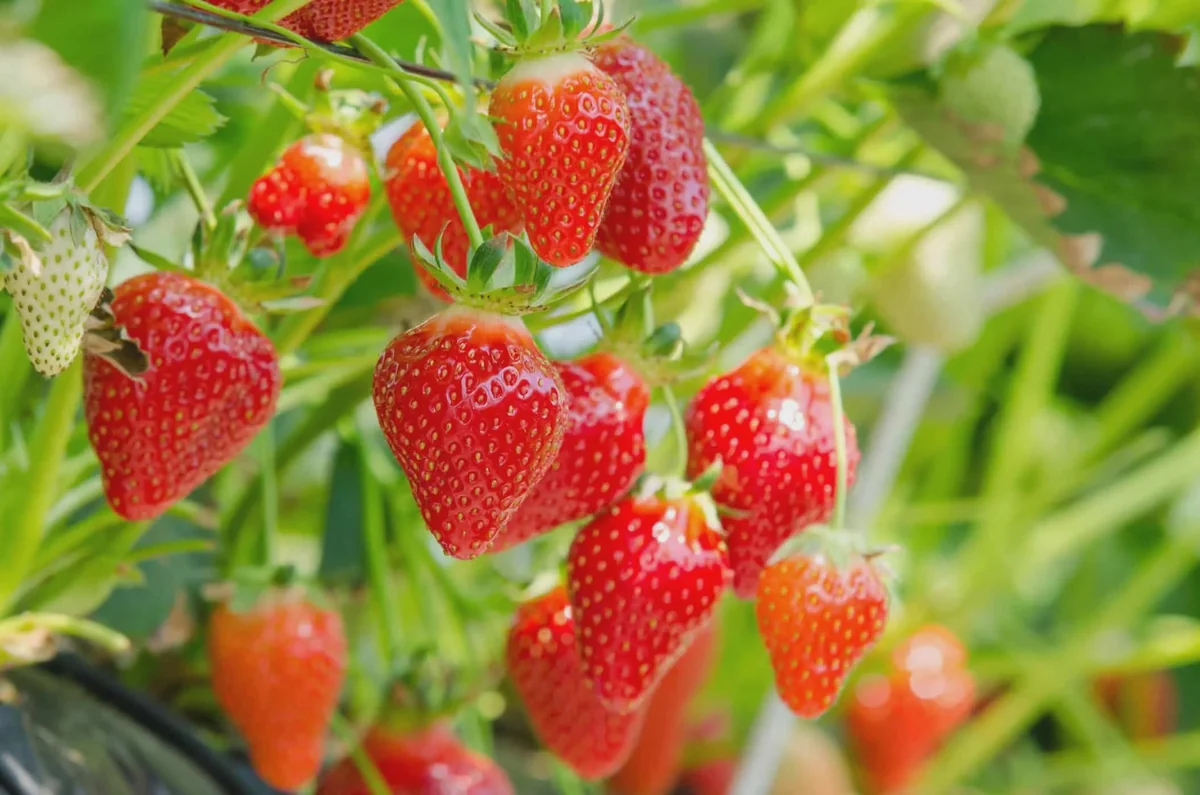
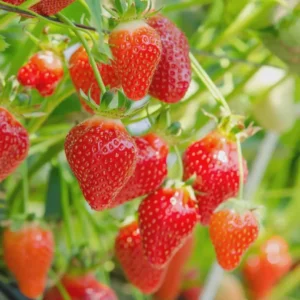
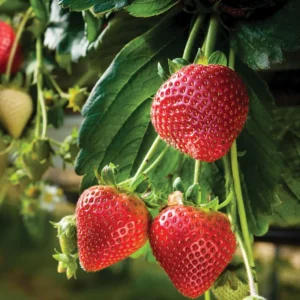
Cultivate your own sweet and juicy berries with these 20 Quinault Strawberry Bare Roots. This everbearing strawberry plant variety is perfect for home gardens and container planting, offering a continuous harvest of large, heart-shaped fruits from late spring until the first frost.
Original price was: $52.00.$41.60Current price is: $41.60.

With our Alive & Thrive Guarantee, we’ve got your back for the first 30 days! If you have any concerns about your plants, just reach out to us. Our team is here to help answer your questions and guide you in selecting the best plants for your garden, climate, and unique preferences. We're excited to help you create the garden of your dreams!
Estimated arrival
Mar 18
Mar 23 - Mar 25
Mar 28 - Apr 01
Product Details
-
USDA Hardiness Zone
USDA Zones 4-8 (Zone 3a with protection) -
Soil type
Well-draining, fertile, slightly acidic soil -
Sunlight Exposure
Full sun (6-8+ hours daily) -
Expected Planting Period
Early spring to early summer
Overview
Transform your garden into a berry haven with these 20 Quinault Strawberry Bare Roots. The Quinault strawberry (Fragaria × ananassa ‘Quinault’) is a highly sought-after everbearing variety, celebrated for its ability to produce an abundance of large, sweet, and perfectly heart-shaped berries throughout the growing season, from late spring right up until the first signs of frost. These bare root plants provide a robust and economical way to establish a thriving strawberry patch. Ideal for both seasoned gardeners and beginners, the Quinault offers a rewarding experience with its continuous yield and relatively easy care. Enjoy fresh, homegrown strawberries directly from your backyard, perfect for snacking, desserts, or preserves. This particular type of everbearing strawberry plant is a fantastic addition to any edible landscape.
Choosing fragaria x ananassa ‘Quinault’ means opting for a resilient and productive strawberry variety. Its vigorous growth and delicious fruit make it a staple for home fruit production. The bare root form ensures that the plants are ready to establish quickly in their new environment, focusing their energy on root development and subsequent fruit production. Whether planted directly in the ground or in containers, these plants promise a bountiful harvest of delectable berries.
Key Benefits
The Quinault strawberry offers numerous advantages for the home gardener, making it a top choice for its delicious fruit and ease of cultivation. These quinault strawberry bare roots provide a foundation for a highly productive and enjoyable gardening experience.
- Continuous Harvest: As an everbearing strawberry plant, the Quinault variety produces multiple flushes of fruit from late spring through to the first frost, ensuring a prolonged harvest season. This means more fresh berries for a longer period.
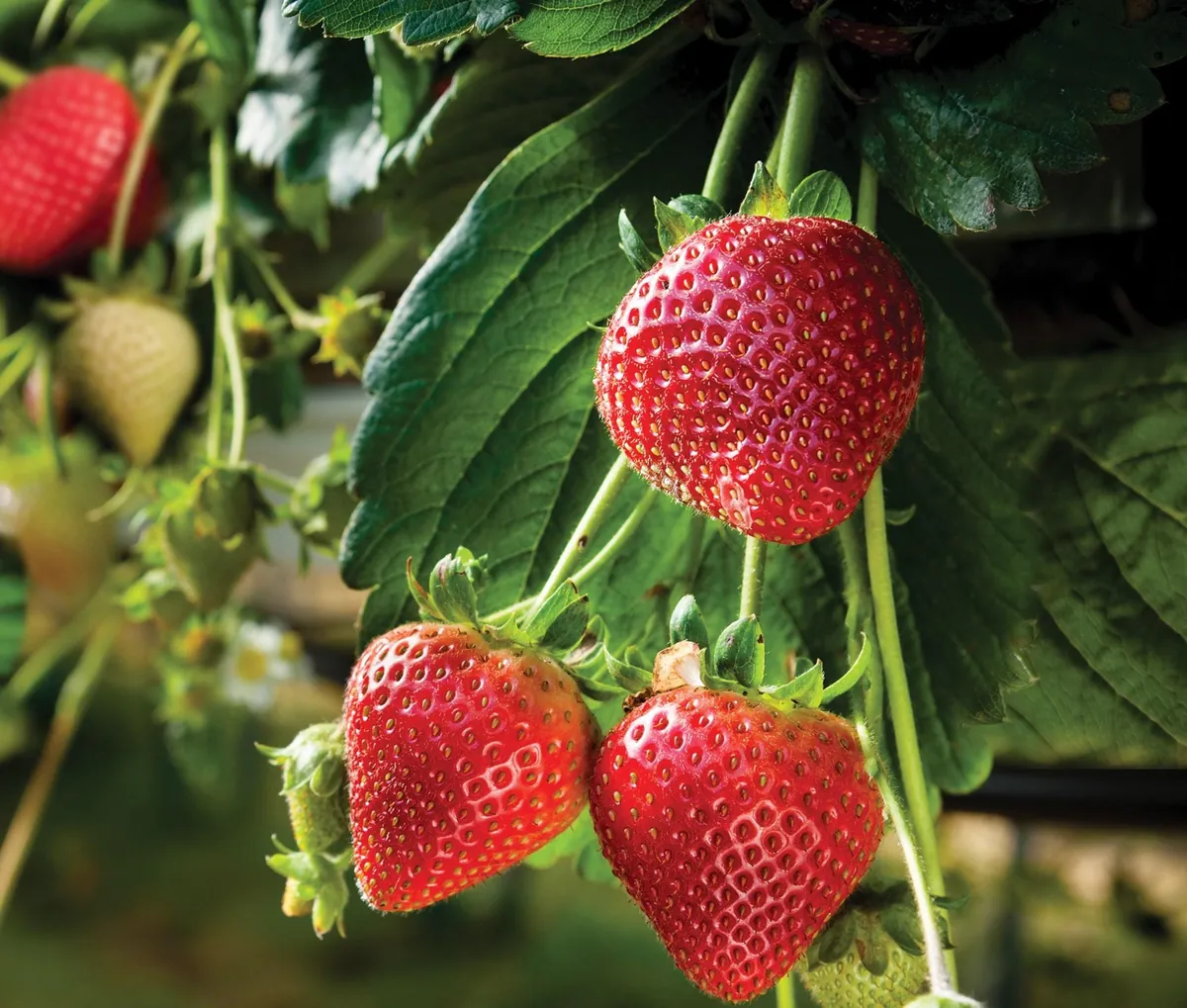
- Delicious Flavor Profile: Known for producing large, sweet, and juicy heart-shaped berries, perfect for eating fresh, making jams, or baking. The flavor is consistently excellent, providing a true taste of summer.
- Versatile Planting Options: Excellent for traditional garden beds, raised beds, and especially well-suited for container planting, hanging baskets, or vertical gardens. Its adaptability makes it ideal for various garden sizes and styles.
- Disease Resistance: The Quinault variety exhibits good resistance to common strawberry diseases, reducing the need for chemical treatments and making it a healthier choice for organic gardening.
- Vigorous Growth & Spreading: These plants produce numerous runners that can be rooted to expand your strawberry patch, effectively giving you more plants for free over time. This natural propagation ensures your patch remains productive.
- Cold Hardiness: Perennial in USDA Zones 4-8, it can even be grown in Zone 3a with adequate winter protection, making it suitable for a wide range of climates across the US.
- Easy to Grow: A relatively low-maintenance plant once established, making it a great option for both novice and experienced gardeners interested in growing quinault strawberries.
Plant Care & Growing Tips
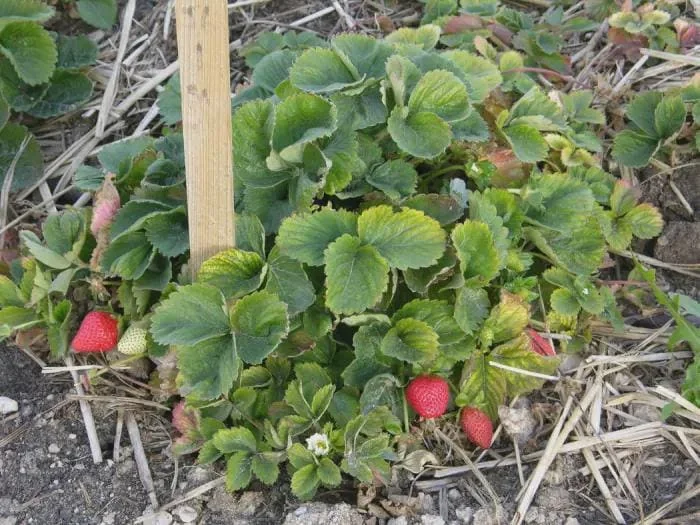
Successful cultivation of quinault strawberry bare roots begins with proper planting and consistent care. To ensure your fragaria x ananassa plants thrive, select a site that receives at least 6-8 hours of direct sunlight daily. Good air circulation is also crucial to prevent fungal diseases. Prepare your soil by amending it with organic matter to improve drainage and fertility. Strawberries prefer slightly acidic soil with a pH between 5.5 and 6.5. When planting bare roots, ensure the crown (where the leaves emerge) is at soil level, with the roots spread out beneath it.
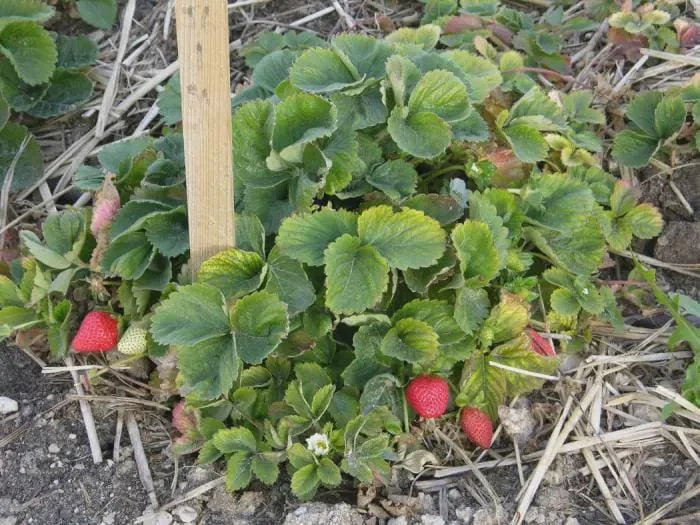
Watering is paramount, especially during establishment and fruit production. Keep the soil consistently moist but never waterlogged. Drip irrigation or soaker hoses are ideal to avoid wetting the foliage, which can lead to disease. Mulching around the plants with straw helps retain soil moisture, suppress weeds, and keep berries clean. Fertilize in early spring and again after the first flush of fruit with a balanced fertilizer or one higher in phosphorus and potassium to encourage fruit development. Remove any flowers in the first year after planting to allow the plant to establish a strong root system, leading to a more vigorous and productive plant in subsequent years. Regular weeding is important to reduce competition for nutrients and water, contributing to successful growing quinault strawberries.
For optimal production from your everbearing strawberry plants, consider renovating your strawberry patch every 2-3 years. This involves removing older, less productive plants and allowing new runners to establish. Protect plants in colder zones (like 3a) with a thick layer of straw mulch after the first hard frost. Monitor for common pests like slugs and birds, using appropriate organic controls such as barriers or traps. With proper care, your Quinault strawberry patch will provide abundant, delicious fruit for years to come. Understanding how to manage runners is key to maintaining a healthy patch, ensuring your strawberry plants for containers or beds remain productive.
Size & Details
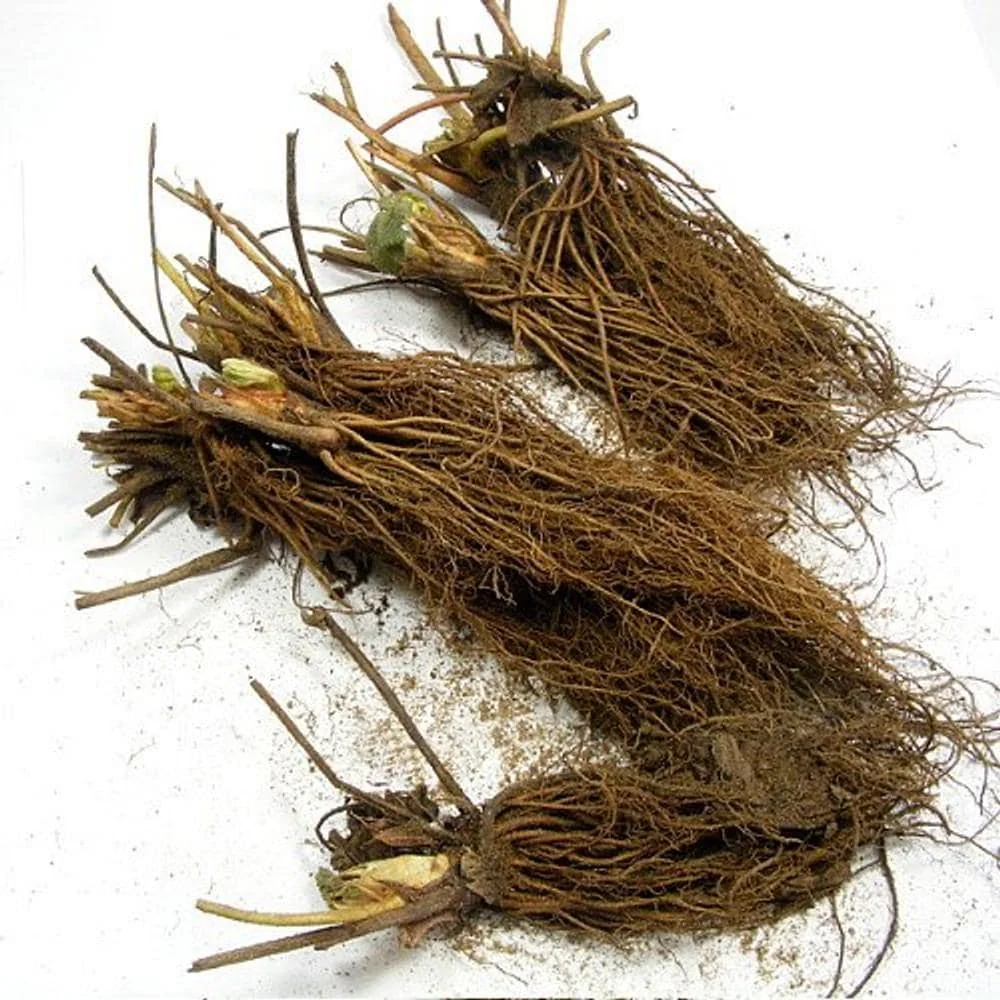
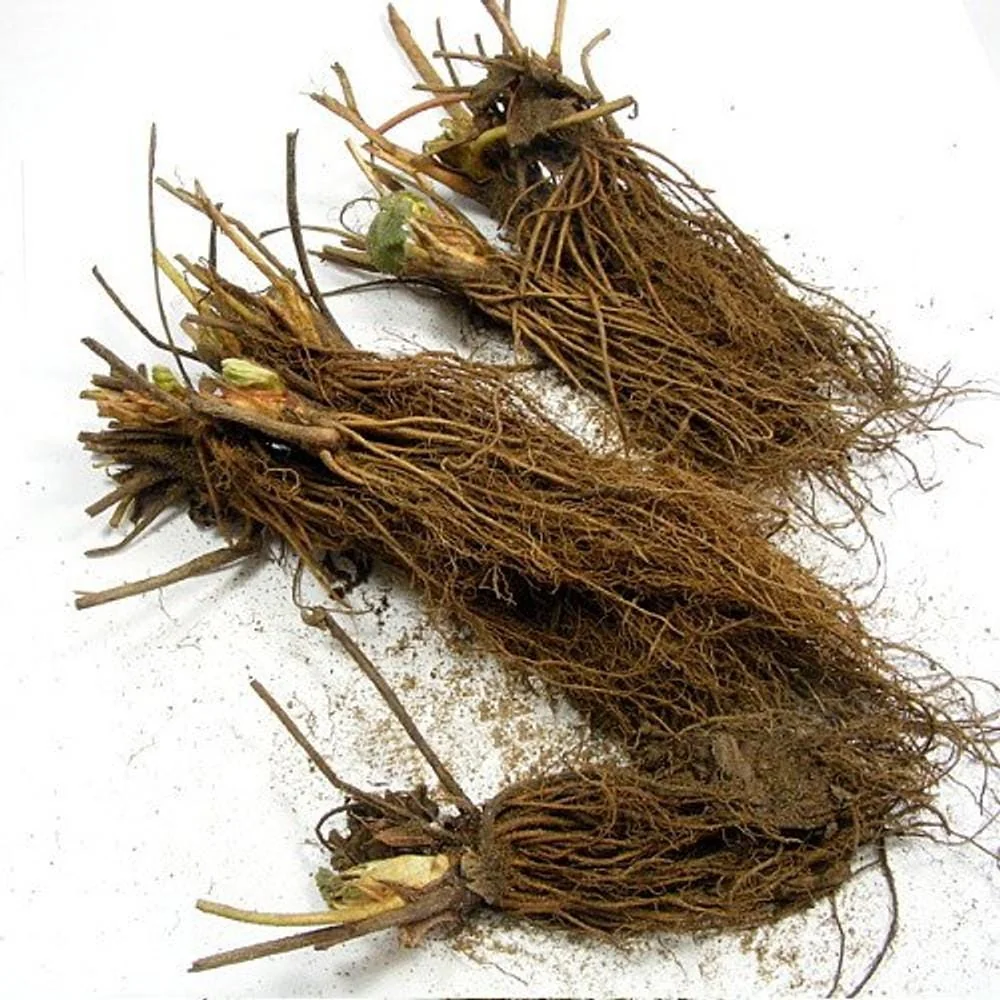
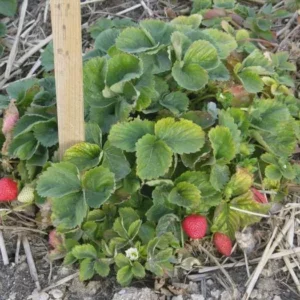
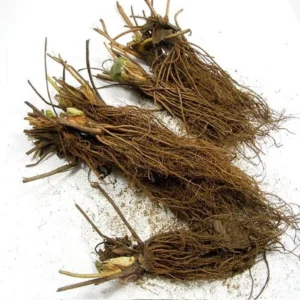
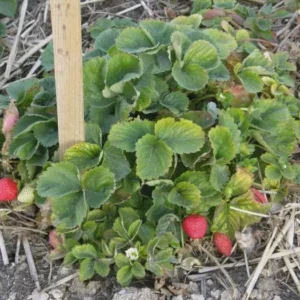
This offering includes 20 Quinault Strawberry Bare Roots, ready for planting. Each bare root is a dormant plant, carefully harvested without soil, designed for easy shipping and successful establishment in your garden. Upon planting, these bare roots will quickly develop into mature everbearing strawberry plants, typically reaching a spread of 12-18 inches and a height of 8-12 inches. They are vigorous growers, producing runners that can extend several feet, which can be rooted to expand your patch or pruned for more concentrated fruit production.
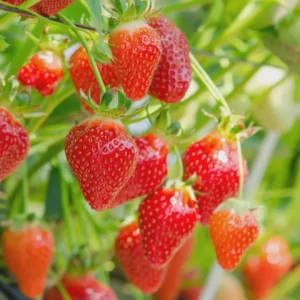
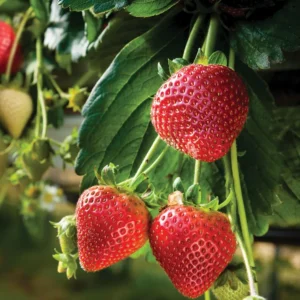
Expect your fragaria x ananassa ‘Quinault’ plants to begin producing fruit from late spring, with continuous flushes throughout the summer and into the fall until the first hard frost. The berries themselves are known for their large size, often measuring 1-1.5 inches in diameter, and their characteristic heart shape. These plants are perennial in USDA Zones 4-8, with winter protection extending their viability into Zone 3a, offering long-term enjoyment. Proper spacing of approximately 12-18 inches between plants is recommended to allow for adequate growth and air circulation, especially when growing quinault strawberries in rows or beds. For strawberry plants for containers, a pot of at least 8-10 inches in diameter per plant is ideal.
Frequently Asked Questions
- Q: How big do these Quinault strawberry plants get? A: Once established, Quinault strawberry bare roots will grow into plants that typically reach a height of 8-12 inches and spread 12-18 inches wide. They also produce runners that can extend several feet.
- Q: Is this an indoor or outdoor plant? A: The Quinault strawberry is primarily an outdoor plant, thriving in full sun. While it can be grown in containers, it requires outdoor conditions to fruit successfully.
- Q: How much sunlight does it need? A: These everbearing strawberry plants require at least 6-8 hours of direct sunlight per day for optimal growth and fruit production. More sun generally leads to sweeter berries.
- Q: Is this plant easy to care for? A: Yes, growing Quinault strawberries is considered relatively easy, making them suitable for beginners. They require consistent watering, good soil, and adequate sunlight, but are generally low-maintenance once established.
- Q: What condition will the bare roots arrive in? A: The 20 Quinault Strawberry Bare Roots will arrive dormant, without soil or leaves, packaged to maintain viability during transit. They should be planted as soon as possible after arrival.
- Q: How long until it blooms and produces fruit? A: If planted in the spring, your fragaria x ananassa plants may produce a light crop of berries in their first year, typically starting in late spring. Full production will begin in the second year.
- Q: Can I grow these strawberry plants in containers? A: Absolutely! Strawberry plants for containers are an excellent choice for Quinault strawberries due to their compact growth and everbearing nature. Ensure containers have good drainage and are large enough for root development.
- Q: Will it survive winter in my zone? A: Quinault strawberries are perennial in USDA Zones 4-8. In Zone 3a, they will require a thick layer of straw mulch or other winter protection to survive the colder temperatures.
- Q: What type of soil do Quinault strawberries prefer? A: These plants prefer well-draining, fertile soil rich in organic matter. A slightly acidic pH between 5.5 and 6.5 is ideal for the best growth and fruit quality.
- Q: How often should I water my Quinault strawberry plants? A: Keep the soil consistently moist, especially during flowering and fruiting periods. Avoid overwatering, which can lead to root rot. Check the soil moisture daily and water when the top inch feels dry.
Related products
-20%
Original price was: $34.00.$27.20Current price is: $27.20.
-20%
Original price was: $31.98.$25.58Current price is: $25.58.
-10%
Original price was: $48.99.$44.09Current price is: $44.09.
-20%
Original price was: $50.00.$40.00Current price is: $40.00.
-10%
Original price was: $28.99.$26.09Current price is: $26.09.
-10%
Original price was: $89.99.$80.99Current price is: $80.99.
PLANTING & CARE

The Comprehensive Guide to Growing Bay Leaf Plants for a Flavorful Garden
Imagine stepping into your garden, greeted by the earthy aroma of fresh bay leaves, their
09
Feb
Feb

How to Make Comfrey Tea: The Ultimate Organic Plant Food
Growing an organic garden can be surprisingly expensive, especially when most store-bought fertilizers come in
02
Feb
Feb

True Comfrey: 7 Essential Tips Before You Plant This Herb
A staple in permaculture practices across the US, True Comfrey easily earns its reputation as
27
Jan
Jan

7 Heart-Shaped Plants for a Lasting Valentine’s Gift
If you’ve ever bought a bouquet of roses for Valentine’s Day, you know they are
26
Jan
Jan

Best Types of Ivy Plant for Houses: How to Choose the Perfect Ones for Your Home
Are you a garden lover looking to introduce some greenery into your home? Maybe you’ve
14
Nov
Nov

When to Harvest Garlic (Especially Fall-Planted Garlic)
TIMING IS EVERYTHING, they say – and for garlic, that truth hits with surprising accuracy.
13
Nov
Nov

11 of the Best Sweet Potato Varieties to Grow for Your Garden
If you’ve ever tried growing sweet potatoes, you know that picking the right variety can
12
Nov
Nov
Pruning Bougainvillea for Winter
Bougainvillea vines are known for their dazzling display of magenta, orange, and fuchsia bracts that
05
Nov
Nov