100 Organic Wild Ramps Bulbs – Allium Tricoccum Bare Root for Planting
-60%
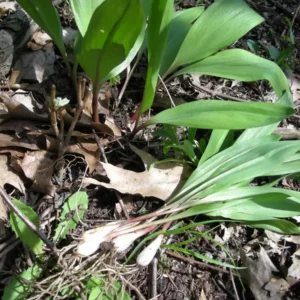
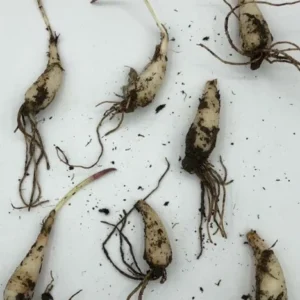
100 Organic Wild Ramps Bulbs – Allium Tricoccum Bare Root for Planting
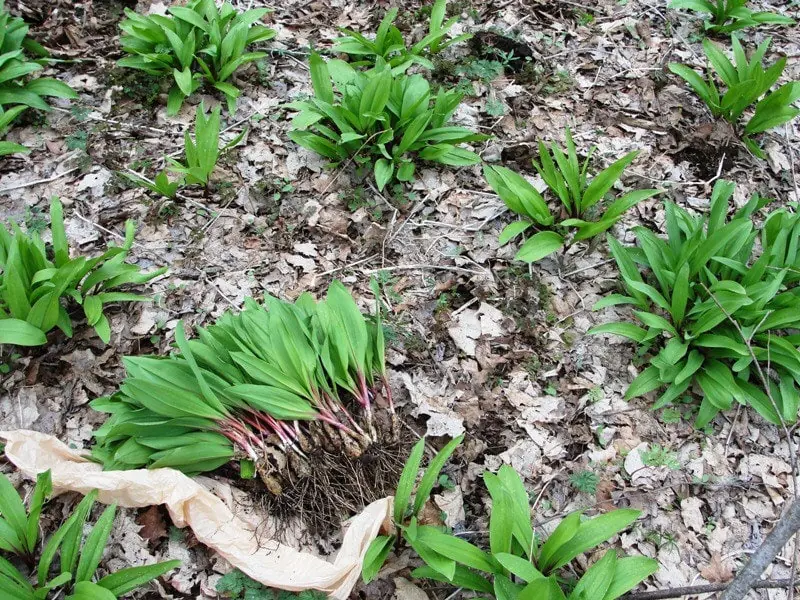
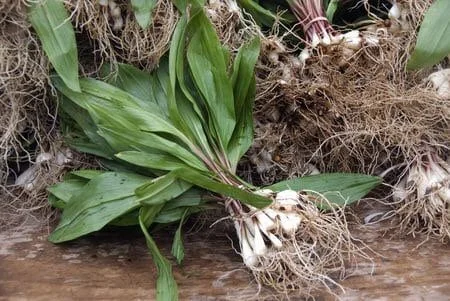
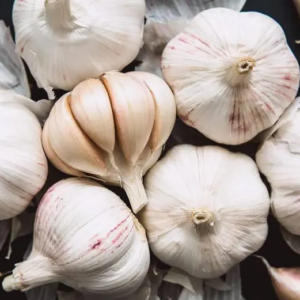
Cultivate your own patch of wild garlic with this pack of 100 organic wild ramps bulbs. These bare root Allium tricoccum bulbs are ready for planting, offering a delicious and perennial addition to your garden. Ideal for shady, woodland settings, they grow into flavorful greens and bulbs.
Original price was: $174.00.$69.99Current price is: $69.99.

With our Alive & Thrive Guarantee, we’ve got your back for the first 30 days! If you have any concerns about your plants, just reach out to us. Our team is here to help answer your questions and guide you in selecting the best plants for your garden, climate, and unique preferences. We're excited to help you create the garden of your dreams!
Estimated arrival
Mar 15
Mar 20 - Mar 22
Mar 25 - Mar 29


Product Details
-
USDA Hardiness Zone
USDA zones 3-7 -
Soil type
Rich, well-draining soil high in organic matter -
Sunlight Exposure
Full to partial shade -
Expected Planting Period
Fall or early spring
Overview
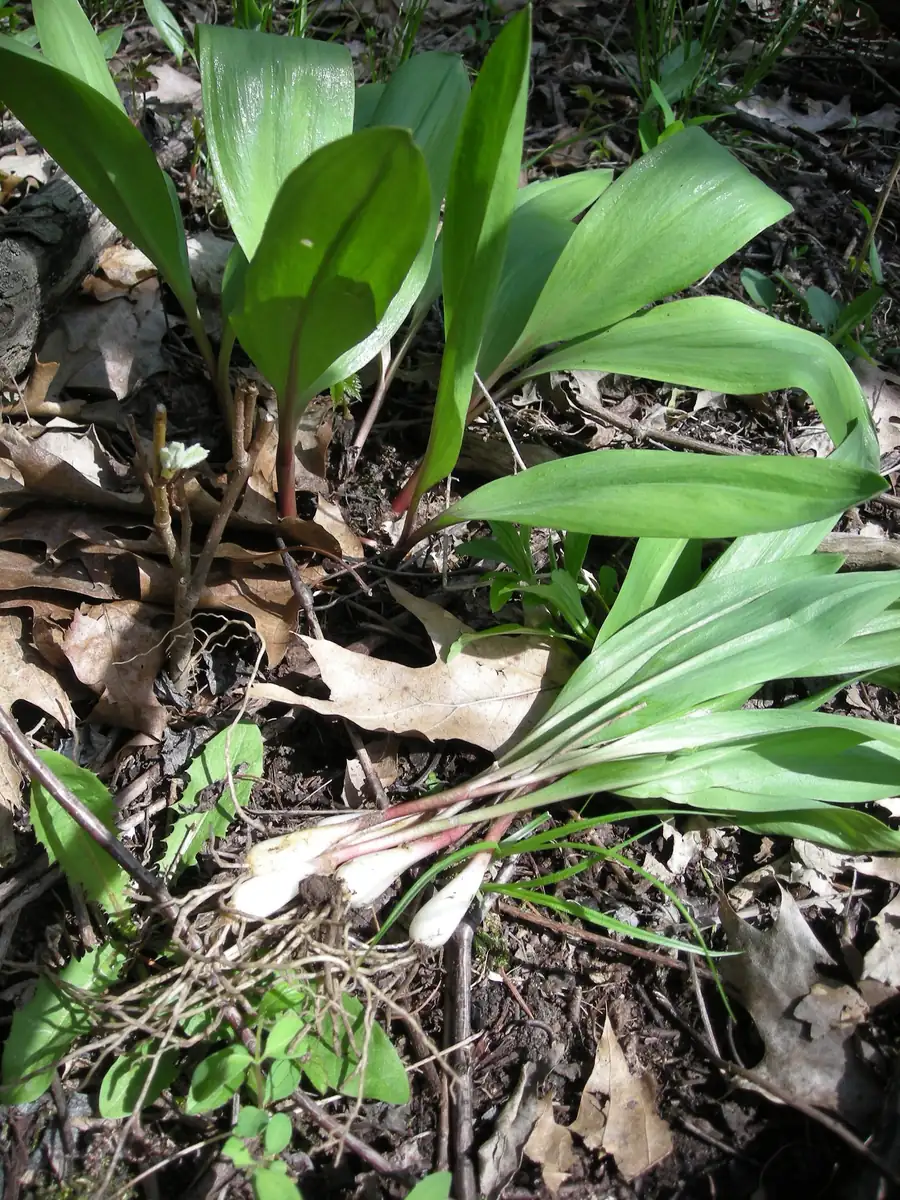
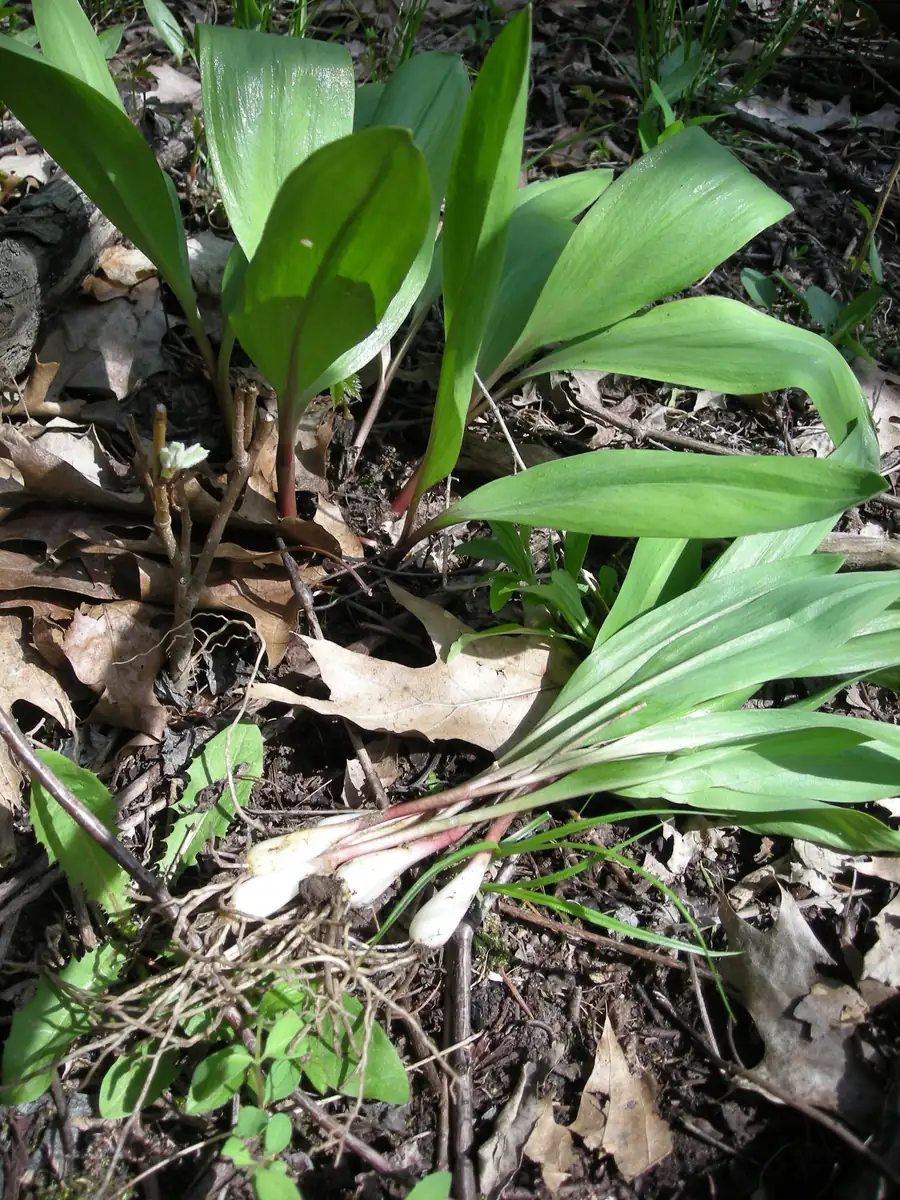
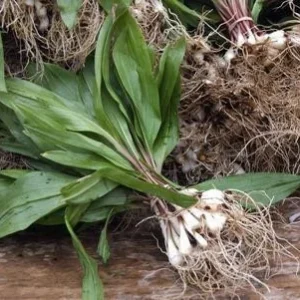
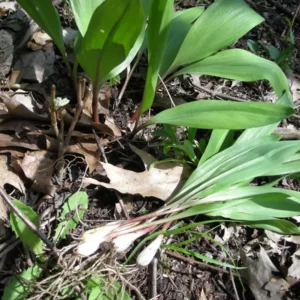
Embark on a culinary and gardening adventure with our premium selection of 100 organic wild ramps bulbs. Also known as wild garlic or Allium tricoccum, these perennial woodland delicacies are highly sought after for their distinctive flavor, a delightful blend of garlic and onion. Each order provides 100 bare root bulbs, carefully harvested to ensure optimal health and vigor upon arrival. Ramps are native to eastern North America and thrive in shaded, moist environments, making them perfect for naturalizing under deciduous trees or in woodland gardens. Growing your own wild ramps is a rewarding experience, providing a sustainable source of these seasonal favorites for years to come. These bulbs are an excellent choice for expanding an existing patch or starting a new culinary herb garden.
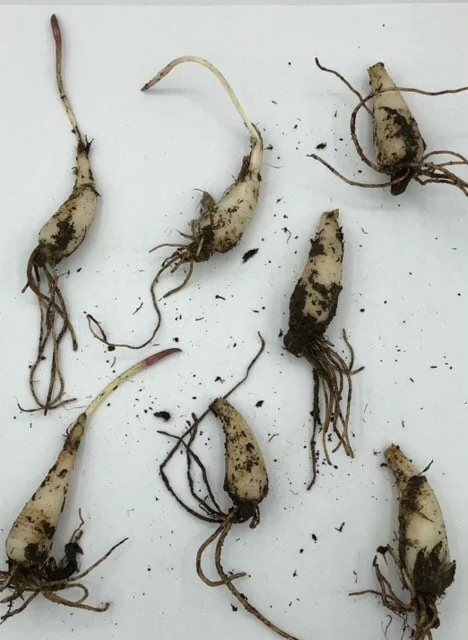
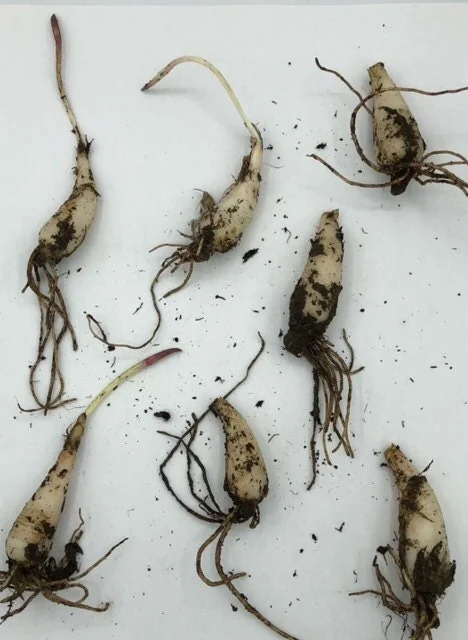
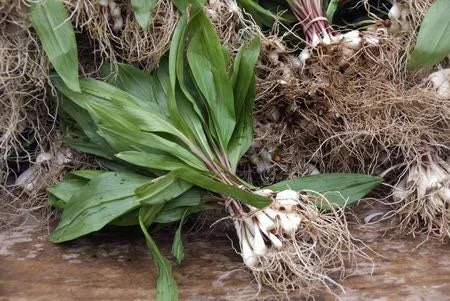
Our Allium tricoccum bare root bulbs are organically grown, ensuring you receive a product free from synthetic pesticides and fertilizers. They are shipped without foliage, focusing all their energy on root establishment once planted. This method promotes stronger growth and better acclimatization to their new environment. With proper care, these bulbs will establish themselves and multiply, offering a bountiful harvest each spring. Enjoy the unique taste of wild ramps in your cooking, from stir-fries and pestos to savory egg dishes and soups.
Key Benefits
Cultivating organic wild ramps bulbs in your garden offers a multitude of advantages, enhancing both your landscape and your culinary repertoire. Here are some of the key benefits:
- Exceptional Flavor Profile: Ramps offer a unique and highly prized flavor, combining the pungent notes of garlic with the subtle sweetness of onion. This makes them a versatile ingredient for a wide range of gourmet dishes.
- Perennial Harvest: Once established, these bulbs will return year after year, providing a reliable and sustainable source of fresh wild garlic without the need for replanting. They naturally spread, gradually expanding your patch.
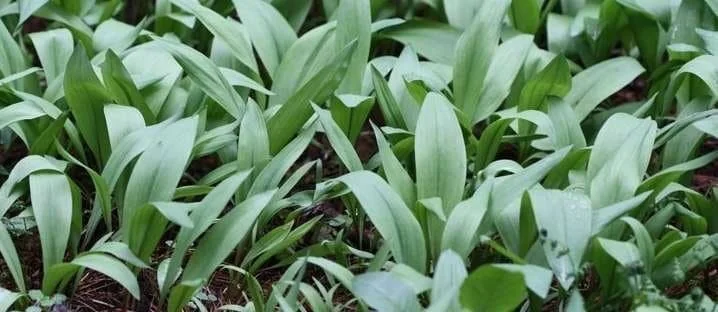
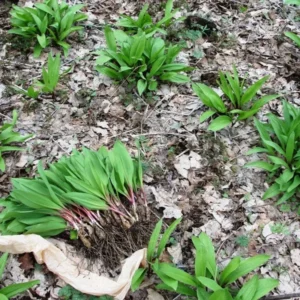
- Woodland Garden Enhancement: Ramps are perfectly suited for shady, woodland conditions, making them an ideal choice for areas where other plants might struggle. They add beautiful green foliage to the forest floor in early spring.
- Organically Grown: Our bulbs are cultivated using organic practices, guaranteeing a natural and healthy product for your garden and table. This means no harmful chemicals, just pure, wholesome ramps.
- Early Spring Delicacy: Ramps are among the first edible greens to emerge in spring, offering a fresh taste of the season when other produce is still scarce. This makes them a highly anticipated ingredient for chefs and home cooks alike.
- Easy to Grow from Bulbs: With the right conditions, it is relatively straightforward to grow ramps from bulbs. They require minimal intervention once established, making them a low-maintenance addition to your edible garden.
- Support Pollinators: While ramps are primarily known for their edible leaves and bulbs, they also produce small white flowers that can attract early spring pollinators, contributing to local biodiversity.
Plant Care & Growing Tips
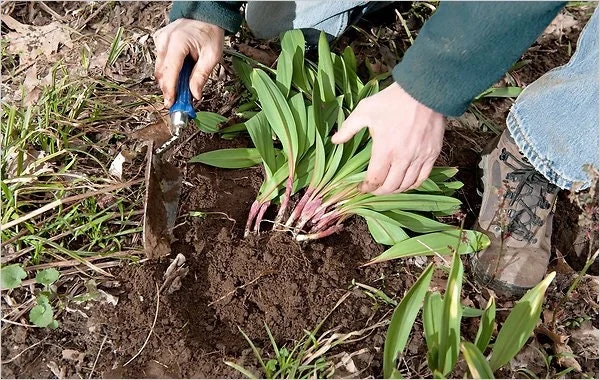
To successfully establish and cultivate your organic wild ramps bulbs, understanding their specific growing requirements is key. Ramps naturally thrive in deciduous woodlands, so replicating these conditions in your garden will yield the best results. They prefer full to partial shade, especially during the warmer months. Plant them under trees that lose their leaves in winter, as this provides them with ample sunlight in early spring before the canopy fills in, and then protective shade during summer. Avoid areas with direct, intense afternoon sun, which can scorch their delicate leaves.
Soil conditions are crucial for Allium tricoccum bare root. Ramps prefer rich, well-draining soil that is high in organic matter. Mimic their natural habitat by amending your soil with plenty of compost, leaf mold, or other organic materials. The soil should remain consistently moist but never waterlogged. Regular watering will be necessary, especially during dry spells, to ensure the bulbs establish properly. Once established, they are somewhat drought-tolerant but will perform best with consistent moisture. A thick layer of leaf mulch applied in fall will help retain soil moisture, suppress weeds, and provide natural nutrients as it breaks down, mimicking their forest floor environment. When you grow ramps from bulbs, remember they are slow to establish, often taking a year or two to really settle in before significant harvesting.
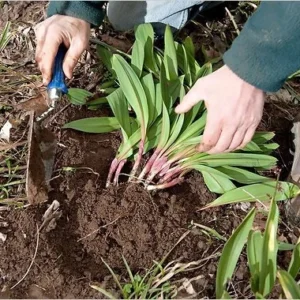
Ramps are hardy and can tolerate a wide range of temperatures, typically thriving in USDA zones 3-7. They emerge in early to mid-spring, often before the last frost, and their foliage dies back by early summer as temperatures rise. Fertilization is not strictly necessary if your soil is rich in organic matter. However, a light application of a balanced organic fertilizer or a top dressing of compost in early spring can boost their growth. Watch out for common garden pests, though ramps are generally quite resilient. Proper spacing (about 4-6 inches apart) allows for good air circulation and reduces the risk of fungal issues. If you are interested in planting wild ramps, consider that they can take several years to reach maturity from bulbs, so patience is a virtue.
Size & Details
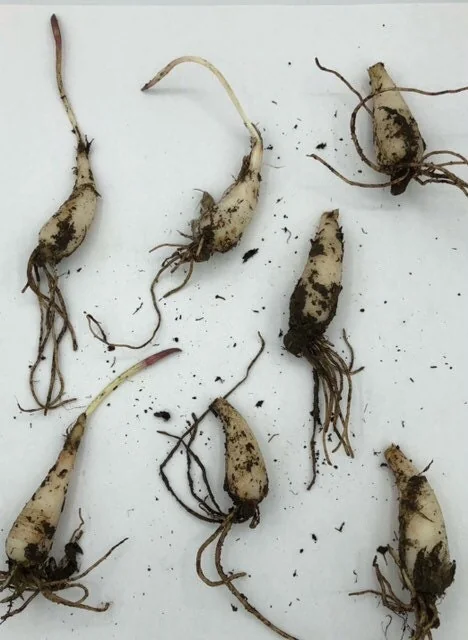
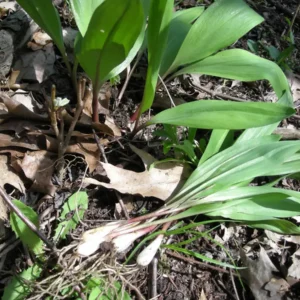
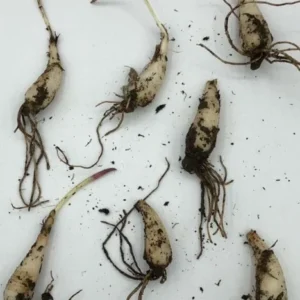
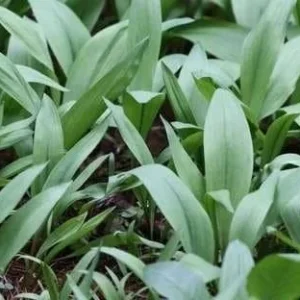
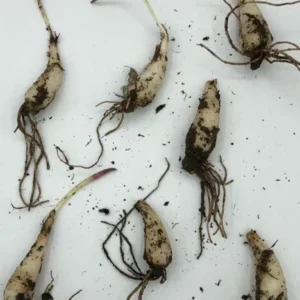
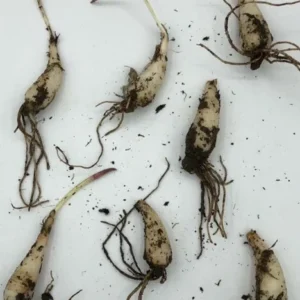
This offering includes 100 organic wild ramps bulbs, provided as bare root specimens. Each bulb is carefully selected for quality and viability, ensuring a strong start for your new ramp patch. The bulbs themselves are typically small, ranging from 0.25 to 0.75 inches in diameter, similar in size to a small pearl onion. When fully grown, mature ramp plants will produce broad, vibrant green leaves that can reach heights of 6 to 12 inches, emerging from the ground in early spring. The bulbs themselves will grow larger underground over time, eventually developing into a robust root system capable of producing multiple shoots each season. These bare root bulbs are shipped without foliage, which minimizes transplant shock and allows the plant to focus its energy on root development once planted. Expect the first leaves to emerge the spring following planting, with significant harvests possible in subsequent years as the patch establishes and multiplies. This allows you to truly grow ramps from bulbs into a thriving perennial patch.
Frequently Asked Questions
- Q: How big do these wild ramp bulbs get? A: The individual bulbs you receive are typically small, ranging from 0.25 to 0.75 inches. Once planted, the mature plants will produce leaves that grow 6 to 12 inches tall each spring. The underground bulbs will also slowly increase in size over time.
- Q: Is this an indoor or outdoor plant? A: Wild ramps are primarily an outdoor plant, ideally suited for woodland gardens or shaded areas that mimic their natural habitat. They thrive in the dappled light found under deciduous trees. While some attempts have been made to grow them indoors, they generally do not perform well in typical indoor environments due to their specific light and temperature requirements.
- Q: How much sunlight do wild ramps need? A: Ramps prefer full to partial shade. They require sunlight in early spring before deciduous trees leaf out, and then prefer shade during the hot summer months. Avoid planting them in areas with intense, direct afternoon sun.
- Q: Is this plant easy to care for? Is it good for beginners? A: Once established, wild ramps are relatively low-maintenance. However, getting them established can require patience as they are slow growers. They are a good choice for beginners who can provide the specific woodland-like conditions (shade, moist, rich soil) they need. If you are looking to grow ramps from bulbs for the first time, careful site selection is key.
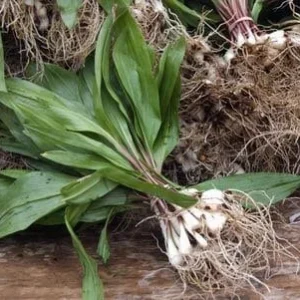
- Q: What condition will the bulbs arrive in? A: Your 100 organic wild ramps bulbs will arrive as bare root bulbs, meaning they are shipped without soil or foliage. They are harvested fresh and packed to ensure they remain viable during transit, ready for immediate planting. We recommend planting them as soon as possible upon arrival.
- Q: When is the best time to plant these bulbs? A: The best time to plant wild ramp bulbs is in the fall, allowing them to establish their root system over winter and emerge in the spring. They can also be planted in early spring as soon as the ground can be worked, though fall planting often yields better establishment. This timing is critical for successfully planting wild ramps.
- Q: Will these bulbs survive winter in my zone? A: Wild ramps are very cold hardy and are suitable for USDA Zones 3-7. They are accustomed to winter dormancy and will emerge again in spring. Applying a layer of leaf mulch in fall can provide additional protection and mimic their natural woodland environment.
- Q: What kind of soil is best for planting wild ramps? A: Ramps prefer rich, well-draining soil that is high in organic matter. Amend your planting area with compost, leaf mold, or other organic materials to create a loose, fertile medium that retains moisture but doesn’t become waterlogged. This is essential for these Allium tricoccum bare root bulbs.
- Q: Is it okay to harvest all the leaves from a ramp plant? A: No, it’s best to harvest sustainably. Take only one leaf per plant, or a few leaves from a large clump, to allow the plant to photosynthesize and replenish its energy reserves for the following year. Over-harvesting can weaken or kill the plant, preventing you from enjoying your wild garlic plants for years to come.
- Q: How long until I can harvest after planting bulbs? A: While some small leaves might appear the first spring after fall planting, it’s generally recommended to wait 2-3 years to allow the bulbs to fully establish and multiply before beginning significant harvesting. This ensures a sustainable future for your wild garlic plants.
Related products
-10%
Original price was: $11.25.$10.12Current price is: $10.12.
-20%
Original price was: $28.98.$23.18Current price is: $23.18.
-60%
Original price was: $69.99.$27.99Current price is: $27.99.
-50%
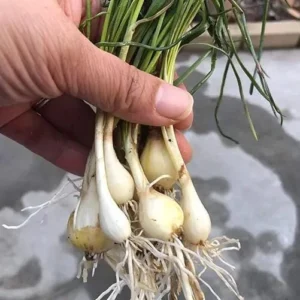
Original price was: $19.96.$9.98Current price is: $9.98.
-20%
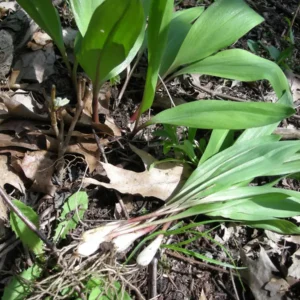
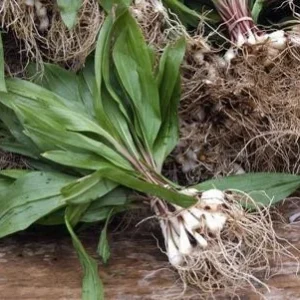
From Original price was: $22.00.$17.60Current price is: $17.60.
-50%


Original price was: $55.96.$27.98Current price is: $27.98.
-43%
Original price was: $69.99.$39.99Current price is: $39.99.
PLANTING & CARE

The Comprehensive Guide to Growing Bay Leaf Plants for a Flavorful Garden
Imagine stepping into your garden, greeted by the earthy aroma of fresh bay leaves, their
09
Feb
Feb

How to Make Comfrey Tea: The Ultimate Organic Plant Food
Growing an organic garden can be surprisingly expensive, especially when most store-bought fertilizers come in
02
Feb
Feb

True Comfrey: 7 Essential Tips Before You Plant This Herb
A staple in permaculture practices across the US, True Comfrey easily earns its reputation as
27
Jan
Jan

7 Heart-Shaped Plants for a Lasting Valentine’s Gift
If you’ve ever bought a bouquet of roses for Valentine’s Day, you know they are
26
Jan
Jan

Best Types of Ivy Plant for Houses: How to Choose the Perfect Ones for Your Home
Are you a garden lover looking to introduce some greenery into your home? Maybe you’ve
14
Nov
Nov

When to Harvest Garlic (Especially Fall-Planted Garlic)
TIMING IS EVERYTHING, they say – and for garlic, that truth hits with surprising accuracy.
13
Nov
Nov

11 of the Best Sweet Potato Varieties to Grow for Your Garden
If you’ve ever tried growing sweet potatoes, you know that picking the right variety can
12
Nov
Nov
Pruning Bougainvillea for Winter
Bougainvillea vines are known for their dazzling display of magenta, orange, and fuchsia bracts that
05
Nov
Nov