1 Carlos Muscadine Grape Plant Vitis Rotundifolia – Sweet Edible Vine Perennial Starter
-20%

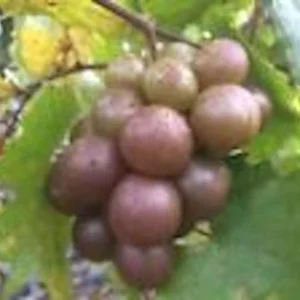
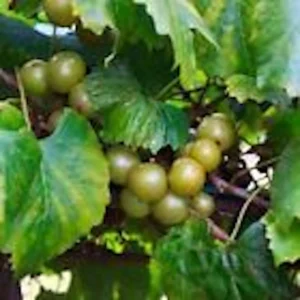
1 Carlos Muscadine Grape Plant Vitis Rotundifolia – Sweet Edible Vine Perennial Starter
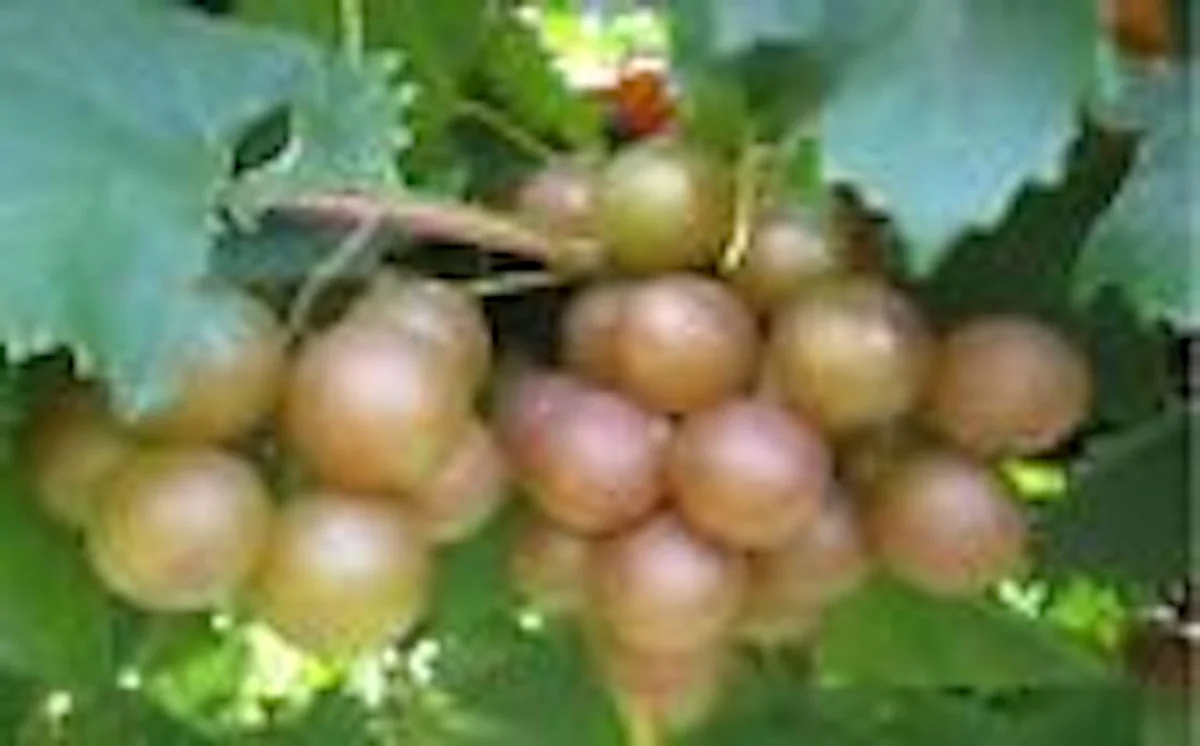
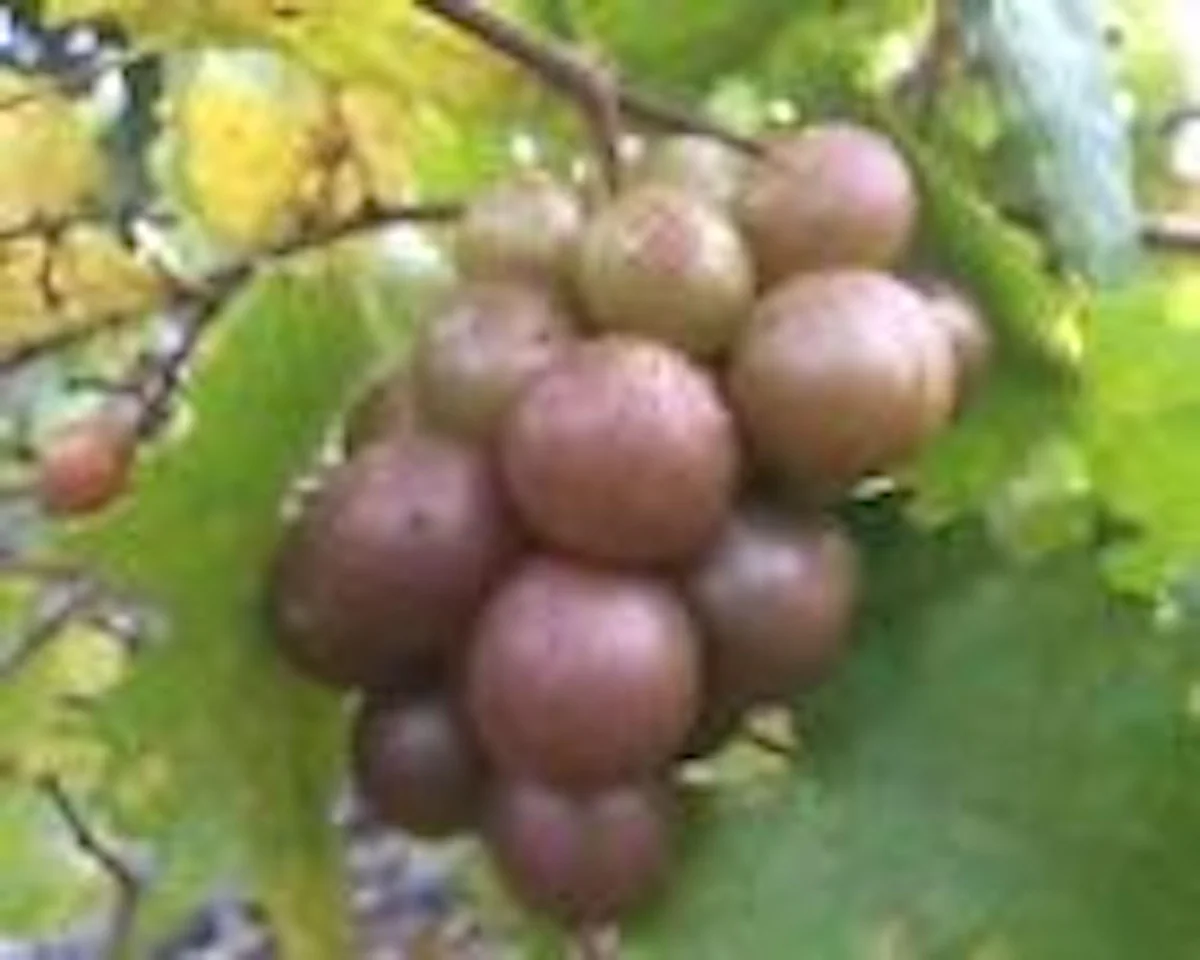
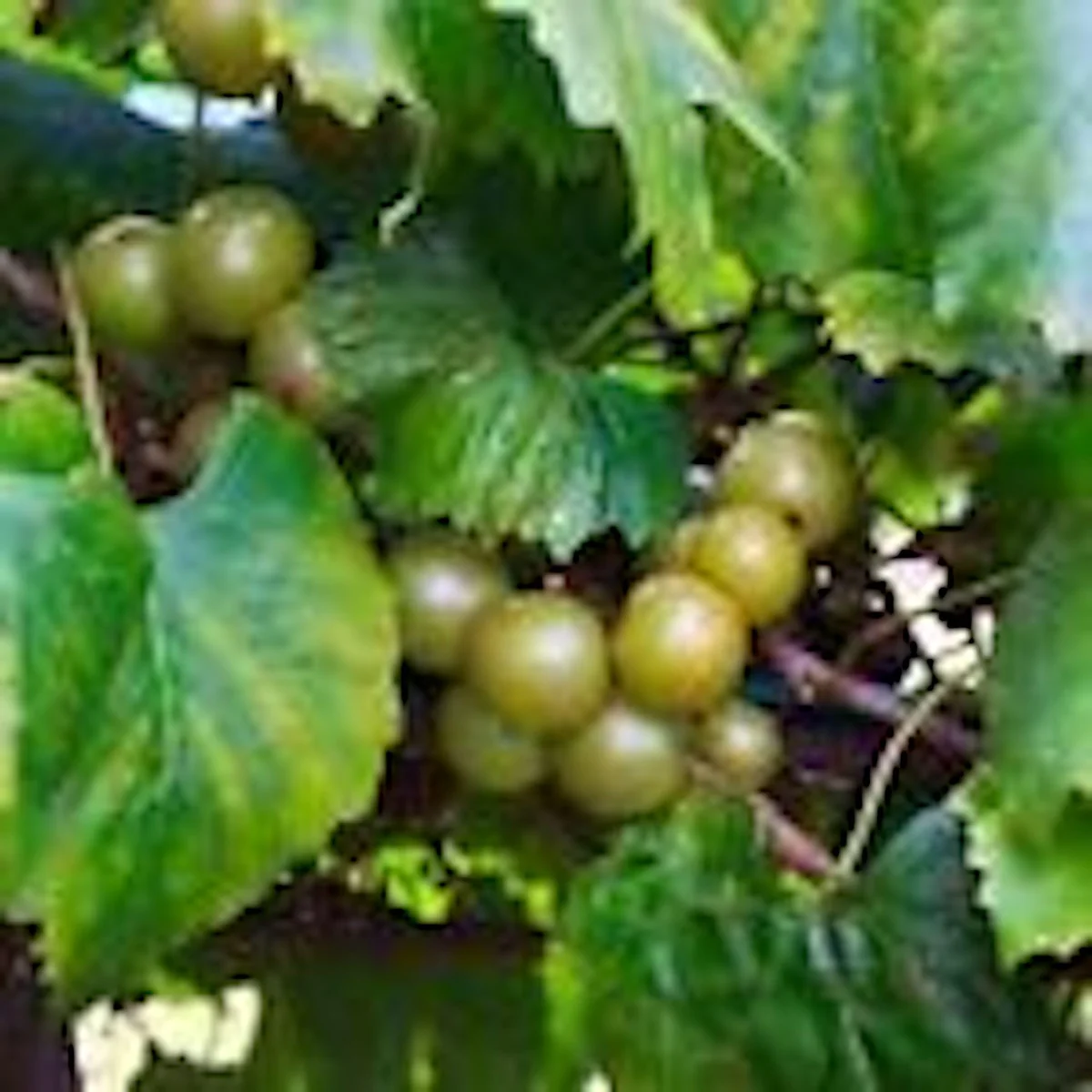
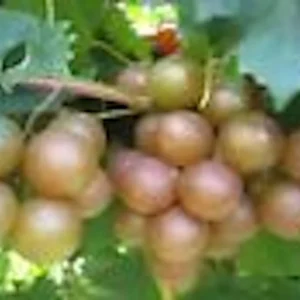
Cultivate your own delicious grapes with this Carlos Muscadine grape plant. A vigorous, self-fertile Vitis Rotundifolia vine, it yields sweet, bronze grapes ideal for eating fresh or making wine and juice. This sweet edible grape is also resistant to pests and diseases.
Original price was: $32.00.$25.60Current price is: $25.60.

With our Alive & Thrive Guarantee, we’ve got your back for the first 30 days! If you have any concerns about your plants, just reach out to us. Our team is here to help answer your questions and guide you in selecting the best plants for your garden, climate, and unique preferences. We're excited to help you create the garden of your dreams!
Estimated arrival
Mar 02
Mar 07 - Mar 09
Mar 12 - Mar 16



Product Details
-
USDA Hardiness Zone
USDA zones 7-10 -
Soil type
Well-draining, slightly acidic to neutral soil -
Sunlight Exposure
Full sun -
Expected Planting Period
Early spring
Overview
Embark on a rewarding gardening journey with the Carlos Muscadine grape plant, a highly sought-after variety of Vitis Rotundifolia vine. Renowned for its exceptional fruit quality, this particular muscadine is a top choice for home gardeners and commercial growers alike, especially those interested in producing their own wine, juice, or enjoying fresh, sweet grapes. Originating from North Carolina, the ‘Carlos’ muscadine is celebrated for its vigorous growth and reliable yields. As a perennial, this plant will return year after year, providing a consistent bounty of delicious fruit.
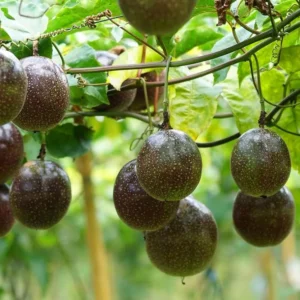
The ‘Carlos’ muscadine is a self-fertile variety, meaning you only need one plant to produce fruit, making it an excellent option for smaller gardens or for those new to growing grapes. Its robust nature and attractive foliage also make it a beautiful addition to any landscape, whether trained on a trellis, arbor, or fence. This sweet edible grape offers both ornamental appeal and a bountiful harvest, enriching your garden with its vibrant green leaves and developing clusters of bronze-colored fruit.
Key Benefits
The Carlos Muscadine grape plant offers a multitude of advantages for the enthusiastic gardener, combining ease of care with a generous yield of high-quality fruit. Its natural resilience and self-sufficiency make it a standout choice for both novice and experienced cultivators.
- Delicious and Versatile Fruit: The ‘Carlos’ muscadine produces perfectly round, bronze-colored grapes that are exceptionally sweet and juicy. They are perfect for fresh eating, making homemade wine, juice, jellies, and preserves, offering a wide range of culinary uses.
- Self-Fertile Variety: Unlike many other grape varieties, this Vitis Rotundifolia vine is self-fertile, eliminating the need for a separate pollinator plant. This simplifies planting and ensures a consistent fruit set, even with a single vine.
- Disease and Pest Resistant: The ‘Carlos’ muscadine exhibits strong natural resistance to common grape diseases and pests, reducing the need for chemical treatments and making it an excellent choice for organic gardening practices. This contributes to healthier plants and more reliable harvests.
- Vigorous Growth Habit: Known for its robust and vigorous growth, this sweet edible grape quickly establishes itself and covers trellises or arbors, providing ample shade and an attractive green canopy throughout the growing season.
- Excellent Cold Tolerance: This muscadine variety boasts impressive cold tolerance, allowing it to thrive in a wider range of climates compared to less hardy grape types. This ensures better survival rates and productivity in cooler regions.
- Ornamental Appeal: Beyond its fruit, the ‘Carlos’ muscadine is a visually appealing plant with glossy, deep green leaves that provide an attractive backdrop to the developing bronze grapes. It enhances the aesthetic of any garden space.
- Long-Lived Perennial: As a perennial plant, your Carlos Muscadine grape plant will provide years of enjoyment and abundant harvests with proper care, becoming a lasting feature in your landscape.
Plant Care & Growing Tips
Caring for your Carlos Muscadine grape plant is straightforward, especially given its robust nature and disease resistance. To ensure a healthy and productive vine, attention to its basic needs will be greatly rewarded. Muscadines thrive in full sun, requiring at least 6-8 hours of direct sunlight per day to produce the sweetest, most abundant fruit. Choose a planting site that receives ample sun exposure throughout the day. While tolerant of various soil types, muscadines prefer well-draining, slightly acidic to neutral soil (pH 5.5-6.5). Amend heavy clay soils with organic matter like compost to improve drainage and aeration. Good drainage is crucial to prevent root rot.
Water young plants regularly to help establish a strong root system. Once established, muscadines are quite drought-tolerant but will benefit from consistent watering during dry spells, especially when fruit is developing. Aim for about 1 inch of water per week, either from rainfall or irrigation. Fertilize your Vitis Rotundifolia vine in early spring before new growth begins, using a balanced fertilizer. Avoid excessive nitrogen, which can promote leafy growth at the expense of fruit production. Pruning is essential for maintaining plant vigor, fruit quality, and managing growth. Prune in late winter while the plant is dormant, removing dead or diseased wood and training the vine to a strong, permanent framework. This also helps with air circulation and sunlight penetration, which is vital for preventing fungal issues and ensuring even ripening of your sweet edible grape harvest.
The ‘Carlos’ muscadine is known for being a disease resistant muscadine, but good cultural practices like proper spacing, pruning, and air circulation further enhance its health. Monitor for common grape pests, though muscadines are generally less susceptible than other grape varieties. This muscadine plant care guide will help you cultivate a thriving vine that produces delicious grapes for years to come.
Size & Details
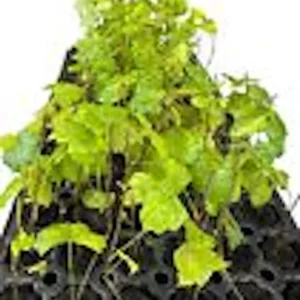
This offering is for 1 Carlos Muscadine grape plant, provided as a starter plant. Muscadine vines are known for their vigorous growth and can reach considerable lengths if not pruned, typically growing 15-20 feet or more. When mature and properly trained, the vine will produce abundant clusters of bronze grapes. These plants are shipped as bare-root specimens, meaning they arrive without soil or a pot, which is an ideal method for transplanting dormant plants and promoting rapid establishment in your garden. Expect initial growth in the first season, with significant fruiting usually beginning in the second or third year after planting. The ‘Carlos’ variety is a reliable producer, offering a consistent harvest once established.
Frequently Asked Questions
- Q: How big does this plant get? A: A mature Carlos Muscadine grape plant can grow quite large, typically reaching lengths of 15-20 feet or more if not regularly pruned. With proper training on a trellis or arbor, you can manage its size and shape effectively for optimal fruit production and aesthetic appeal.
- Q: What size pot does it come in? A: This sweet edible grape is shipped as a bare-root starter plant, meaning it does not come with a pot or soil. This allows for easier and more successful transplanting directly into your garden or a larger container upon arrival.
- Q: Is this an indoor or outdoor plant? A: The Carlos Muscadine grape plant is an outdoor plant, best suited for gardens and vineyards. It requires full sun exposure and ample space to grow and produce fruit efficiently.
- Q: How much sunlight does it need? A: For optimal growth and fruit production, this Vitis Rotundifolia vine needs at least 6-8 hours of direct sunlight per day. Choose a sunny location in your garden.
- Q: Is this plant easy to care for? A: Yes, the ‘Carlos’ muscadine is considered relatively easy to care for, especially due to its self-fertile nature and natural resistance to many common pests and diseases, making muscadine plant care manageable for most gardeners.
- Q: What condition will it arrive in? A: Your plant will arrive as a dormant bare-root starter plant. It will be carefully packaged to ensure it reaches you in good condition, ready for planting.
- Q: How long until it produces fruit? A: While you might see some initial growth in the first year, significant fruit production from your Carlos Muscadine grape plant typically begins in the second or third year after planting, assuming proper care and growing conditions.
- Q: Can I use these grapes for wine making? A: Absolutely! The ‘Carlos’ muscadine is highly prized for its wine-making qualities, producing excellent bronze-colored grapes perfect for delightful homemade wines and juices.
- Q: Will it survive winter in my zone? A: The ‘Carlos’ muscadine has excellent cold tolerance and is generally hardy in USDA zones 7-10, and potentially zone 6 with some winter protection. Consult your local USDA zone for specific guidance.
- Q: Is this a disease resistant muscadine variety? A: Yes, the ‘Carlos’ muscadine is known for its strong natural resistance to many common grape diseases and pests, contributing to its ease of care and reliable harvests.
Related products
-20%


Original price was: $70.00.$56.00Current price is: $56.00.
-30%


Original price was: $39.99.$27.99Current price is: $27.99.
-50%
Original price was: $85.98.$42.99Current price is: $42.99.
-10%

Original price was: $19.99.$17.99Current price is: $17.99.

-67%


Original price was: $66.72.$22.24Current price is: $22.24.
-67%


Original price was: $59.97.$19.99Current price is: $19.99.
PLANTING & CARE

The Comprehensive Guide to Growing Bay Leaf Plants for a Flavorful Garden
Imagine stepping into your garden, greeted by the earthy aroma of fresh bay leaves, their
09
Feb
Feb

How to Make Comfrey Tea: The Ultimate Organic Plant Food
Growing an organic garden can be surprisingly expensive, especially when most store-bought fertilizers come in
02
Feb
Feb

True Comfrey: 7 Essential Tips Before You Plant This Herb
A staple in permaculture practices across the US, True Comfrey easily earns its reputation as
27
Jan
Jan

7 Heart-Shaped Plants for a Lasting Valentine’s Gift
If you’ve ever bought a bouquet of roses for Valentine’s Day, you know they are
26
Jan
Jan

Best Types of Ivy Plant for Houses: How to Choose the Perfect Ones for Your Home
Are you a garden lover looking to introduce some greenery into your home? Maybe you’ve
14
Nov
Nov

When to Harvest Garlic (Especially Fall-Planted Garlic)
TIMING IS EVERYTHING, they say – and for garlic, that truth hits with surprising accuracy.
13
Nov
Nov

11 of the Best Sweet Potato Varieties to Grow for Your Garden
If you’ve ever tried growing sweet potatoes, you know that picking the right variety can
12
Nov
Nov
Pruning Bougainvillea for Winter
Bougainvillea vines are known for their dazzling display of magenta, orange, and fuchsia bracts that
05
Nov
Nov