5 Jack In The Pulpit Plants – Arisaema Triphyllum Native Wildflower Bare Root
-20%


5 Jack In The Pulpit Plants – Arisaema Triphyllum Native Wildflower Bare Root
Cultivate a unique woodland aesthetic with these 5 Jack In The Pulpit plants (Arisaema Triphyllum). These distinctive native wildflower plants thrive in shaded gardens, offering unusual hooded blooms and vibrant berries. Organically grown and shipped bare root for successful establishment.
Original price was: $27.98.$22.38Current price is: $22.38.

With our Alive & Thrive Guarantee, we’ve got your back for the first 30 days! If you have any concerns about your plants, just reach out to us. Our team is here to help answer your questions and guide you in selecting the best plants for your garden, climate, and unique preferences. We're excited to help you create the garden of your dreams!
Estimated arrival
Mar 14
Mar 19 - Mar 21
Mar 24 - Mar 28
Product Details
-
USDA Hardiness Zone
USDA Zones 3-9 -
Soil type
Rich, moist, well-draining soil with high organic content -
Sunlight Exposure
Partial to full shade -
Expected Planting Period
Early spring or fall
Overview
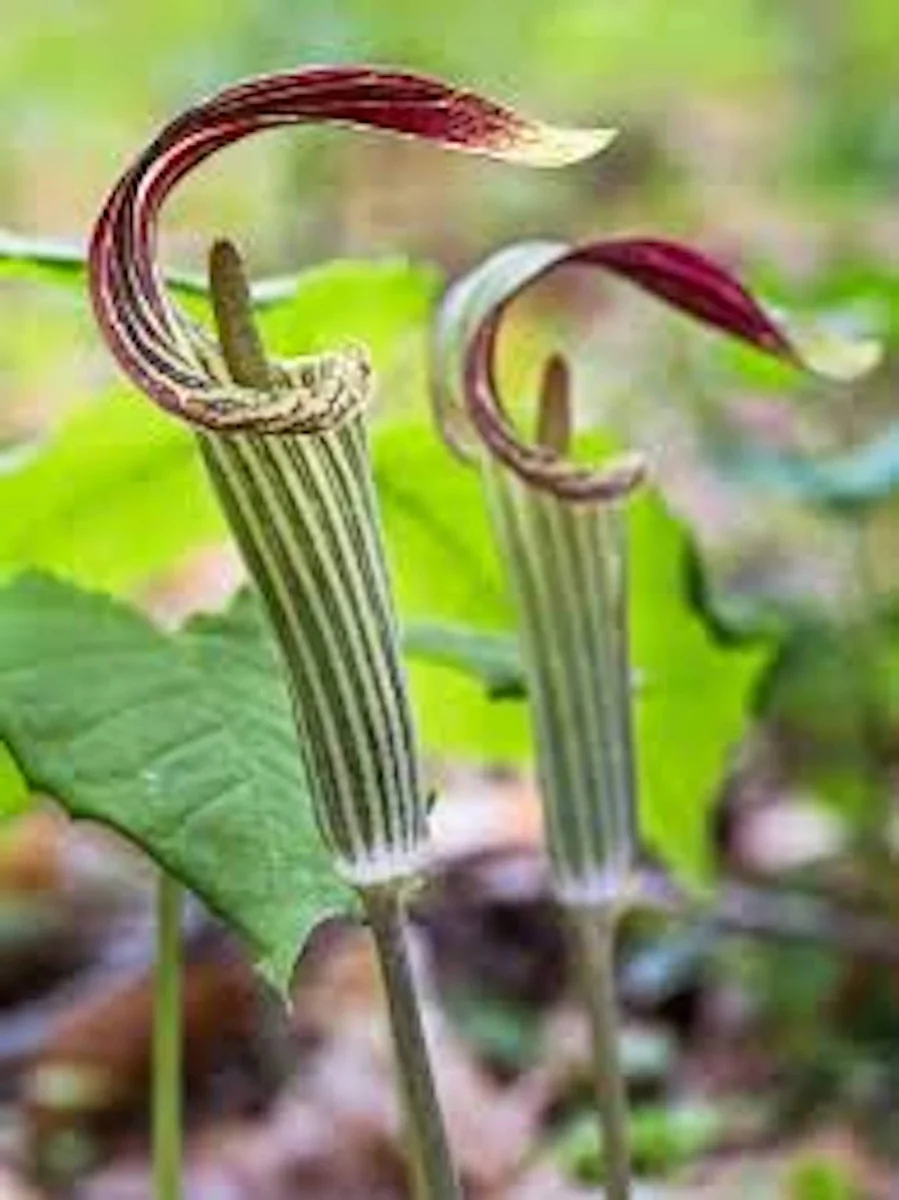
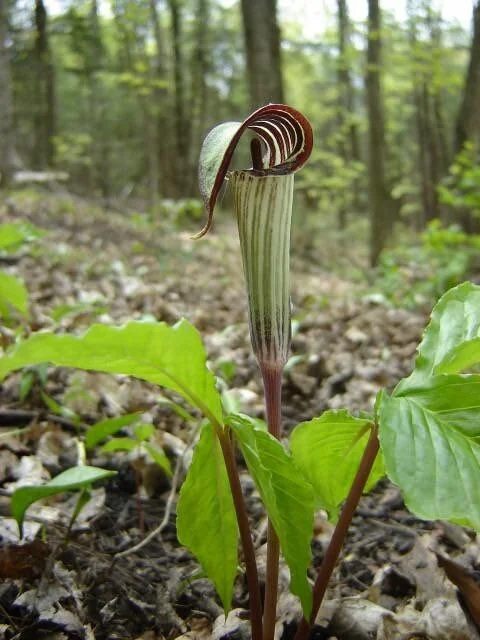
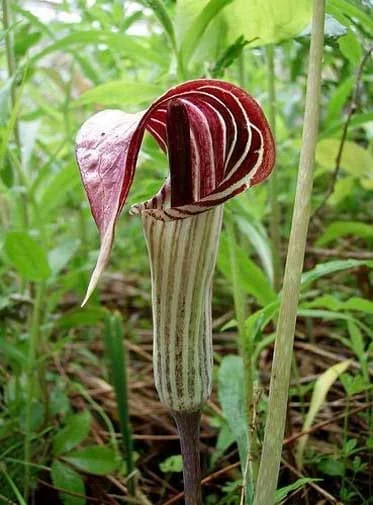
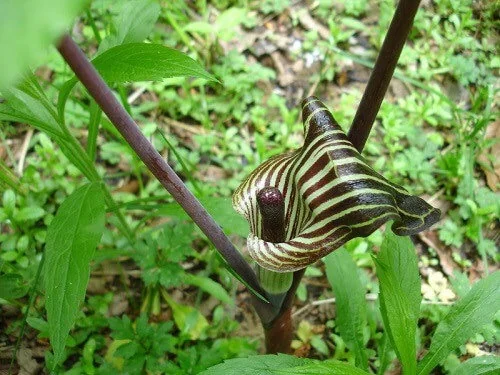
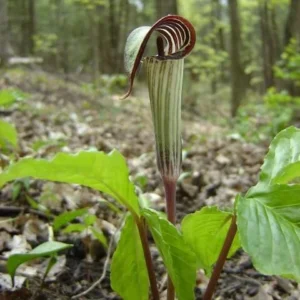
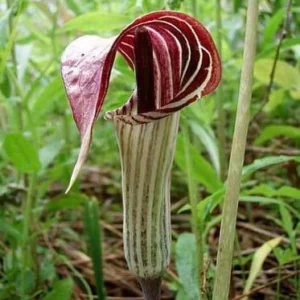
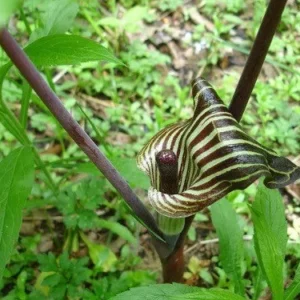
Introduce a fascinating and unique specimen to your shaded garden with these 5 Jack In The Pulpit plants, scientifically known as Arisaema Triphyllum. This distinctive perennial is a true native wildflower, celebrated for its unusual hooded, pitcher-like spathe (the “pulpit”) that encloses a club-shaped spadix (the “Jack”). These organically grown plants are a wonderful addition to woodland gardens, shaded borders, or naturalized areas, providing visual interest from spring through fall. Each order includes five healthy bare root specimens, ready to be planted and establish themselves in your landscape. The unique structure and subtle beauty of Arisaema Triphyllum make it a focal point in any naturalistic planting scheme, attracting curious glances and sparking conversation among garden enthusiasts. Its robust nature and adaptability to various shade conditions further enhance its appeal as a low-maintenance yet striking garden resident.
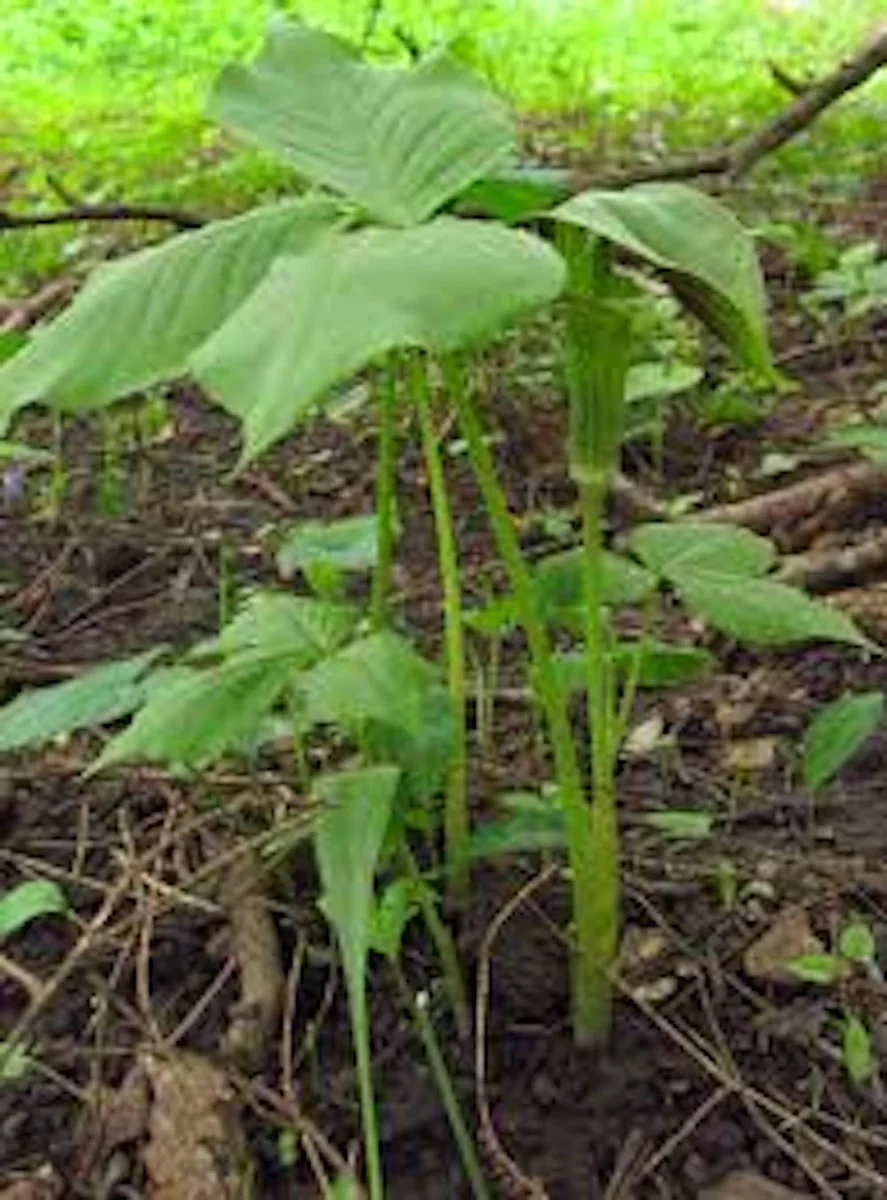
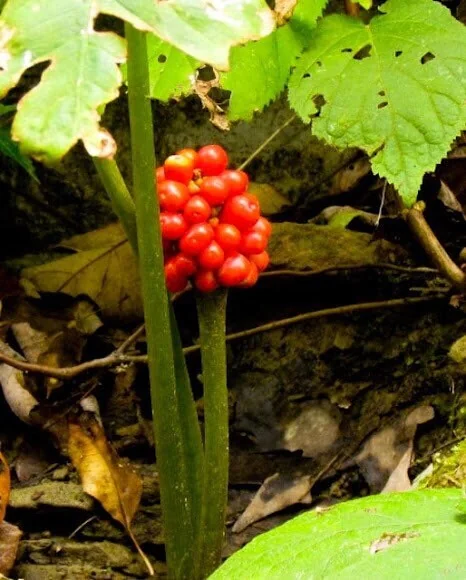
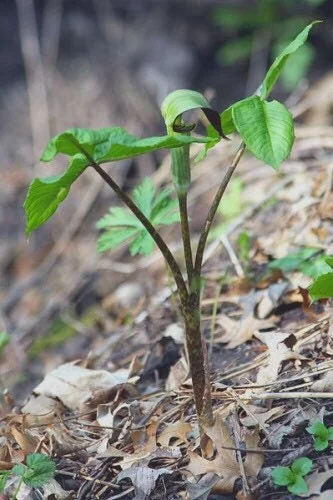
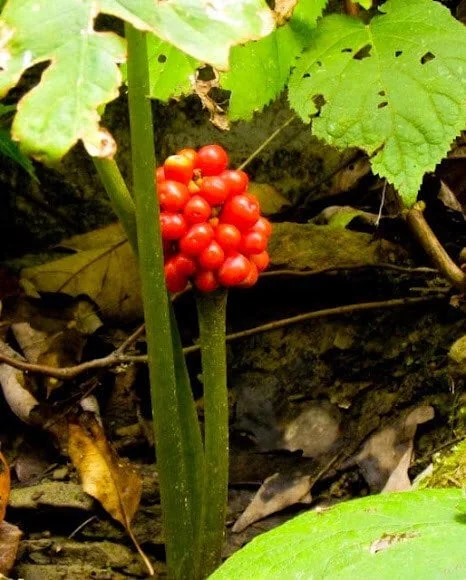
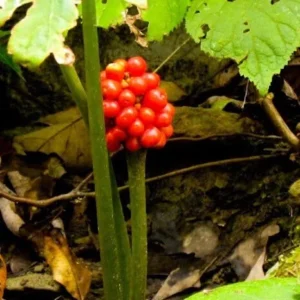
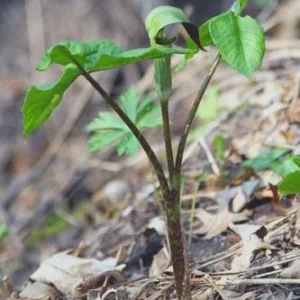
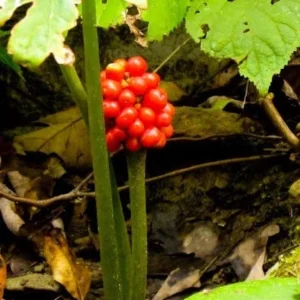
The allure of Jack In The Pulpit plants extends beyond their peculiar blooms. As the season progresses, the flowers give way to clusters of bright red berries, adding another layer of color and texture to your garden in late summer and early autumn. These berries are not only ornamental but also provide a valuable food source for birds, contributing to the biodiversity of your outdoor space. By planting these native wildflowers, you are supporting local ecosystems and encouraging beneficial wildlife. The three-part leaves, which give the plant its ‘Triphyllum’ name, form an attractive backdrop for the developing spathes and later, the vibrant fruit. These plants are a testament to the beauty and resilience of native flora, making them an excellent choice for gardeners seeking to create a natural, harmonious environment.
Key Benefits
Integrating Jack In The Pulpit plants into your garden offers a myriad of advantages, enhancing both the aesthetic and ecological value of your outdoor space. These unique native perennials provide continuous interest and contribute to a thriving ecosystem. Choosing these organically grown plants ensures you’re adding healthy, robust specimens to your collection.
- Unique Ornamental Appeal: The distinctive hooded flowers of Arisaema Triphyllum provide an unusual and captivating focal point in any shaded garden. Their intricate structure and subtle coloration are truly one-of-a-kind.
- Native Wildflower: As a native species, these plants are perfectly adapted to their environment, requiring less intervention and supporting local wildlife, including pollinators and birds who feed on their berries.
- Shade Loving: Thriving in partial to full shade, Jack In The Pulpit plants are ideal for those challenging spots under trees or in north-facing garden beds where many other plants struggle to grow.
- Low Maintenance: Once established, these perennials are remarkably self-sufficient, requiring minimal care beyond initial planting and occasional watering during dry spells.
- Seasonal Interest: Enjoy a dynamic display from spring’s emerging foliage and unique blooms to late summer’s vibrant red berry clusters, offering continuous visual appeal.
- Ecosystem Support: The berries provide a food source for birds, contributing to a healthy and biodiverse garden environment.
- Organically Grown: These plants are cultivated without synthetic pesticides or fertilizers, promoting a healthier garden and planet.
Plant Care & Growing Tips
Caring for your Jack In The Pulpit plants is relatively straightforward, especially since they are shipped as bare root specimens, allowing for optimal establishment. These native wildflowers prefer conditions that mimic their natural woodland habitat. The first step to successful growth is selecting the right location. They thrive in partial to full shade, meaning they should receive no more than a few hours of direct morning sun, or filtered light throughout the day. Avoid hot, direct afternoon sun, which can scorch their leaves. A location under deciduous trees is often ideal, as they receive sunlight before the canopy leafs out in spring and dappled shade during the summer.
Soil requirements are crucial for the health of Arisaema Triphyllum. They prefer rich, moist, well-draining soil with a high organic content. Amending your planting site with compost, leaf mold, or other organic matter will significantly improve soil structure and moisture retention. While they like consistent moisture, they do not tolerate soggy conditions, which can lead to rot. Ensure good drainage to prevent waterlogging. During dry periods, especially in their first year of establishment, regular watering is important to keep the soil consistently moist but not saturated. Once established, they are more tolerant of drier spells but will perform best with adequate moisture. These plants are hardy in USDA Zones 3-9, tolerating a wide range of climates. Fertilization is generally not necessary in rich, organic soil, but a light application of a balanced, slow-release organic fertilizer in early spring can be beneficial if your soil is poor. Protecting newly planted bare roots from pests like slugs and snails can also help ensure robust growth, especially for young native wildflower plants.
Size & Details
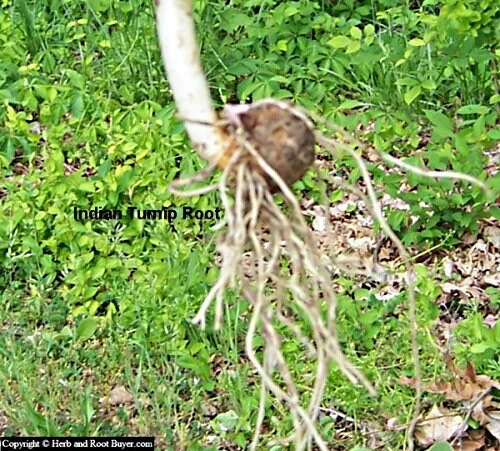
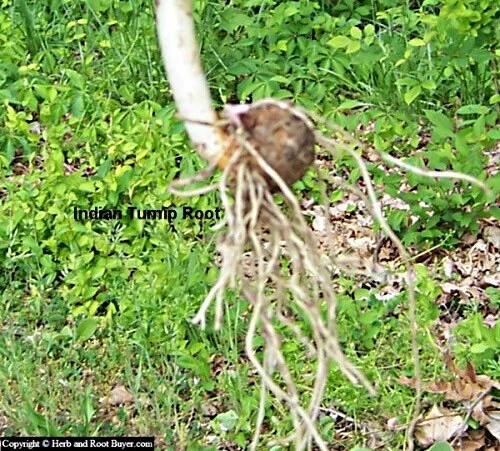
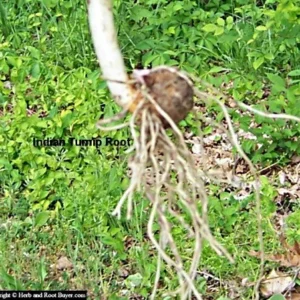
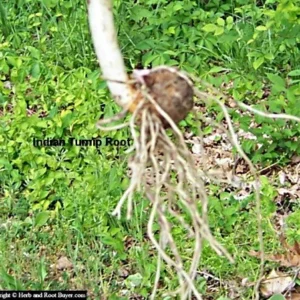
This offering includes 5 Jack In The Pulpit plants, provided as healthy bare root specimens. Bare root plants are dormant and ship without soil or foliage, which minimizes transplant shock and allows for easy handling and planting. Upon arrival, the roots should be plump and firm, ready for immediate planting. Jack In The Pulpit typically grows to a height of 1-2 feet (30-60 cm) with a spread of about 1 foot (30 cm) when mature, creating an attractive clump over time. The growth rate is moderate, with established plants returning year after year to put on a vibrant display.
Expect to see the distinctive foliage emerge in early spring, followed by the unique spathe and spadix blooms. After flowering, the green berries will begin to form, gradually ripening to a brilliant red in late summer and early autumn. These plants are known for their longevity in the garden, providing many years of enjoyment. Planting instructions will be included to guide you through the process, ensuring your Arisaema Triphyllum establish successfully and thrive in their new home.
Frequently Asked Questions
- Q: How big do these Jack In The Pulpit plants get? A: Mature Jack In The Pulpit plants typically reach a height of 12 to 24 inches (30-60 cm) with a similar spread, forming an attractive clump over several years.
- Q: Is this an indoor or outdoor plant? A: Arisaema Triphyllum is an outdoor perennial plant, best suited for shaded garden beds, woodland areas, or naturalized landscapes. It is not suitable for indoor cultivation.
- Q: How much sunlight do these native wildflower plants need? A: These plants thrive in partial to full shade, meaning they prefer locations with dappled sunlight or only a few hours of direct morning sun. Avoid harsh afternoon sun.
- Q: What condition will the plants arrive in? A: You will receive 5 Jack In The Pulpit plants as dormant bare root specimens. They will not have foliage or a pot, which is ideal for successful transplanting.
- Q: Is this plant easy to care for? A: Yes, once established in the correct conditions (shade, moist, well-draining soil), Jack In The Pulpit care is quite low-maintenance, making them great for gardeners of all levels.
- Q: When is the best time to plant these bare roots? A: Bare root Jack In The Pulpit plants are best planted in early spring or fall when the ground is workable and temperatures are moderate, allowing them to establish before extreme weather.
- Q: Will they survive winter in my zone? A: These plants are hardy in USDA Zones 3-9, meaning they are well-adapted to survive winters in a wide range of temperate climates.
- Q: Do these plants produce flowers and berries? A: Yes, Arisaema Triphyllum produces its unique hooded flowers in spring, which then develop into clusters of vibrant red berries in late summer and early fall, offering extended seasonal interest.
- Q: What kind of soil is best for Jack In The Pulpit? A: They prefer rich, moist, well-draining soil that is high in organic matter, such as compost or leaf mold.
- Q: Are the berries edible? A: No, the berries of Jack In The Pulpit are toxic if ingested and should not be consumed by humans or pets. They are primarily for ornamental appeal and bird food.
Related products
-67%
Original price was: $59.97.$19.99Current price is: $19.99.
-70%
Original price was: $89.98.$27.00Current price is: $27.00.
PLANTING & CARE

The Comprehensive Guide to Growing Bay Leaf Plants for a Flavorful Garden
Imagine stepping into your garden, greeted by the earthy aroma of fresh bay leaves, their
09
Feb
Feb

How to Make Comfrey Tea: The Ultimate Organic Plant Food
Growing an organic garden can be surprisingly expensive, especially when most store-bought fertilizers come in
02
Feb
Feb

True Comfrey: 7 Essential Tips Before You Plant This Herb
A staple in permaculture practices across the US, True Comfrey easily earns its reputation as
27
Jan
Jan

7 Heart-Shaped Plants for a Lasting Valentine’s Gift
If you’ve ever bought a bouquet of roses for Valentine’s Day, you know they are
26
Jan
Jan

Best Types of Ivy Plant for Houses: How to Choose the Perfect Ones for Your Home
Are you a garden lover looking to introduce some greenery into your home? Maybe you’ve
14
Nov
Nov

When to Harvest Garlic (Especially Fall-Planted Garlic)
TIMING IS EVERYTHING, they say – and for garlic, that truth hits with surprising accuracy.
13
Nov
Nov

11 of the Best Sweet Potato Varieties to Grow for Your Garden
If you’ve ever tried growing sweet potatoes, you know that picking the right variety can
12
Nov
Nov
Pruning Bougainvillea for Winter
Bougainvillea vines are known for their dazzling display of magenta, orange, and fuchsia bracts that
05
Nov
Nov