5 Virginia Bluebell Mertensia virginica Wildflower Bare Roots – Perennial
-20%
5 Virginia Bluebell Mertensia virginica Wildflower Bare Roots – Perennial
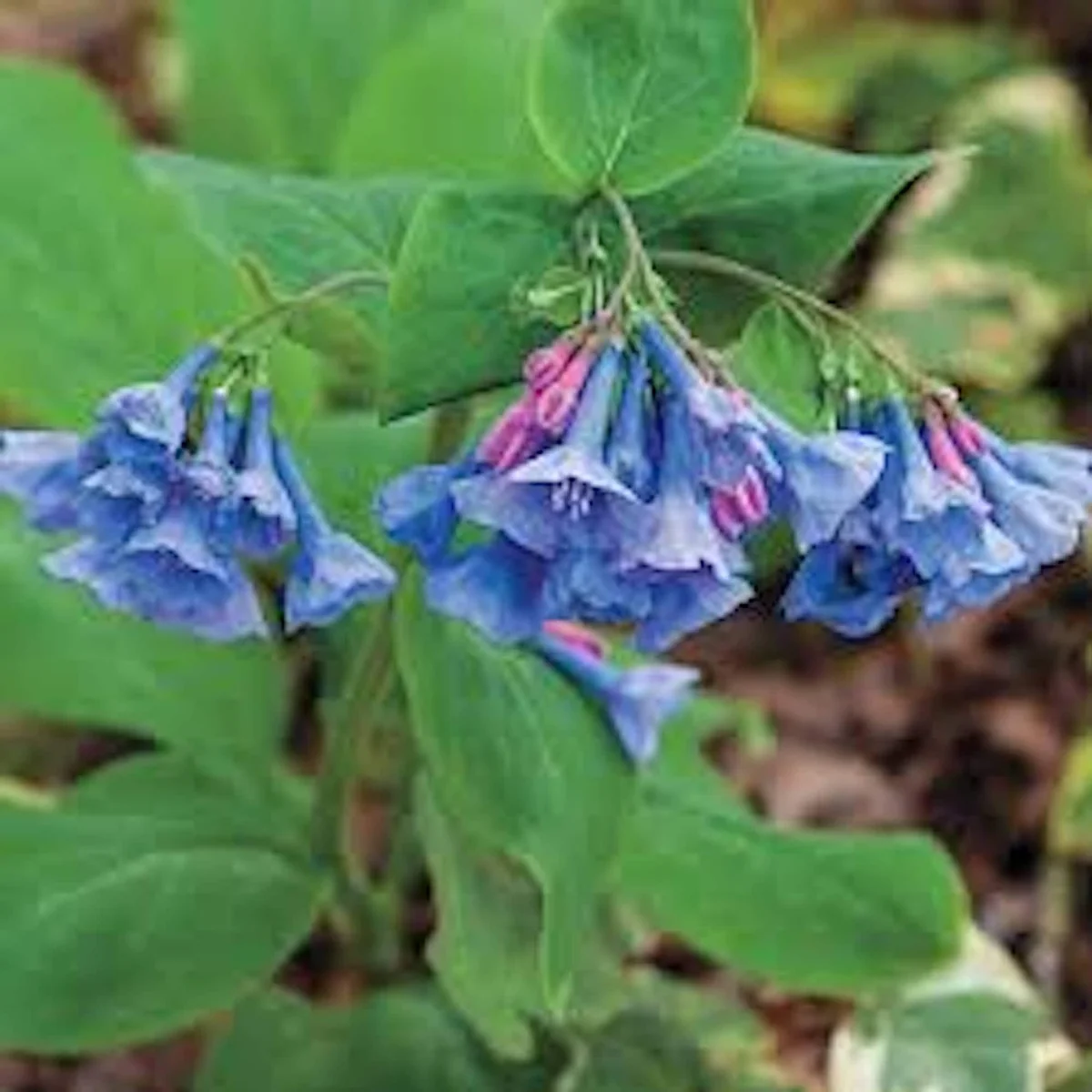
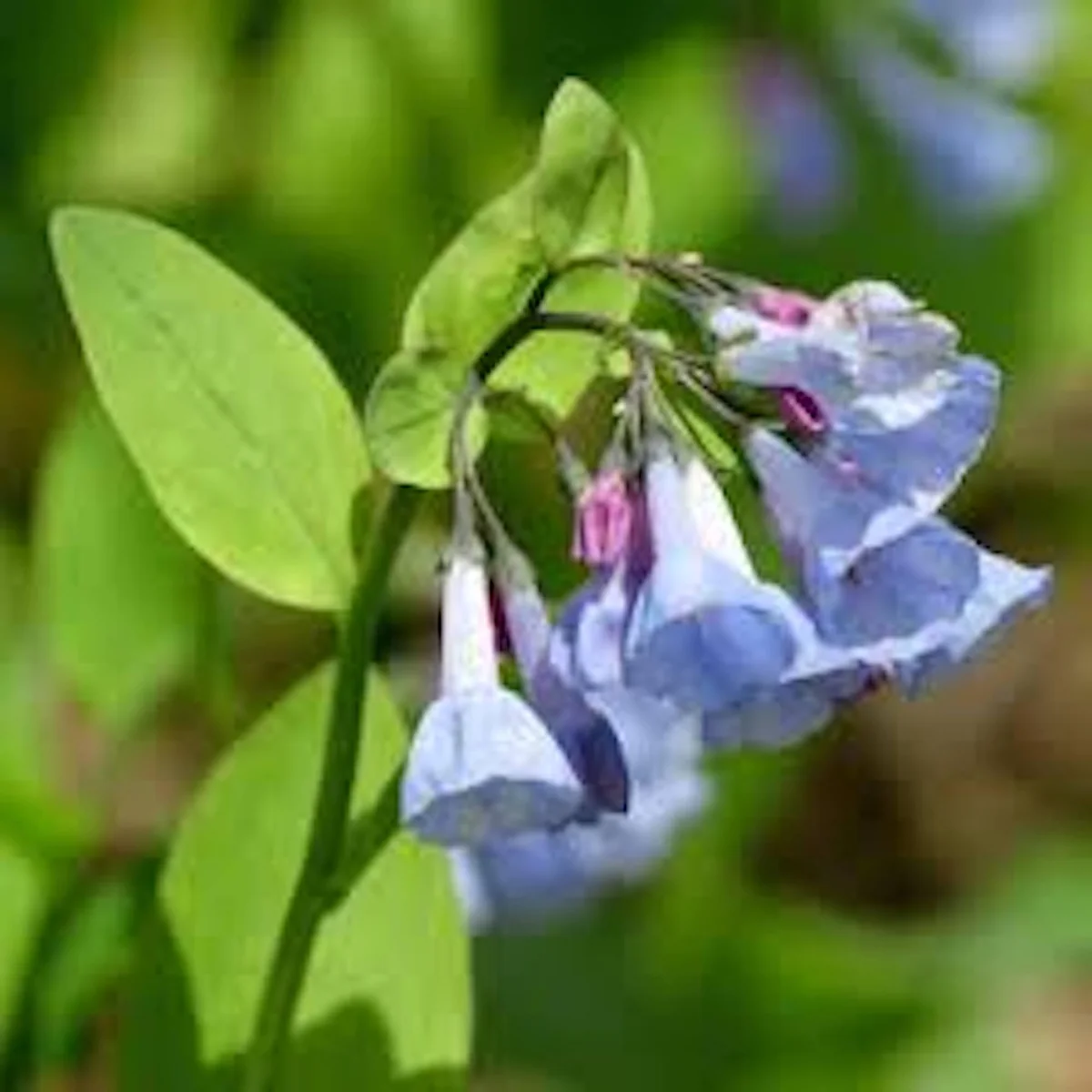
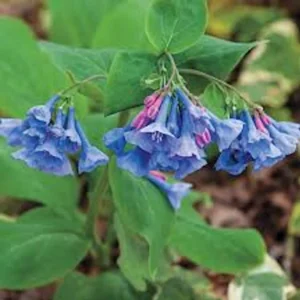
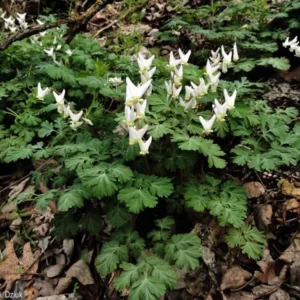
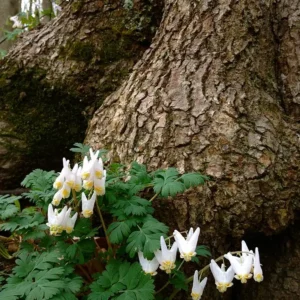
Transform your shaded garden with 5 Virginia Bluebell bare roots (Mertensia virginica). These native spring ephemeral wildflowers feature unique bell-shaped flowers that shift from pink to stunning blue, providing early season color and attracting pollinators.
Original price was: $40.00.$32.00Current price is: $32.00.

With our Alive & Thrive Guarantee, we’ve got your back for the first 30 days! If you have any concerns about your plants, just reach out to us. Our team is here to help answer your questions and guide you in selecting the best plants for your garden, climate, and unique preferences. We're excited to help you create the garden of your dreams!
Estimated arrival
Mar 14
Mar 19 - Mar 21
Mar 24 - Mar 28

Product Details
-
USDA Hardiness Zone
USDA Zones 3-8 -
Soil type
Moist, rich, well-draining, slightly acidic to neutral soil -
Sunlight Exposure
Partial to full shade -
Expected Planting Period
Fall or early spring
Overview
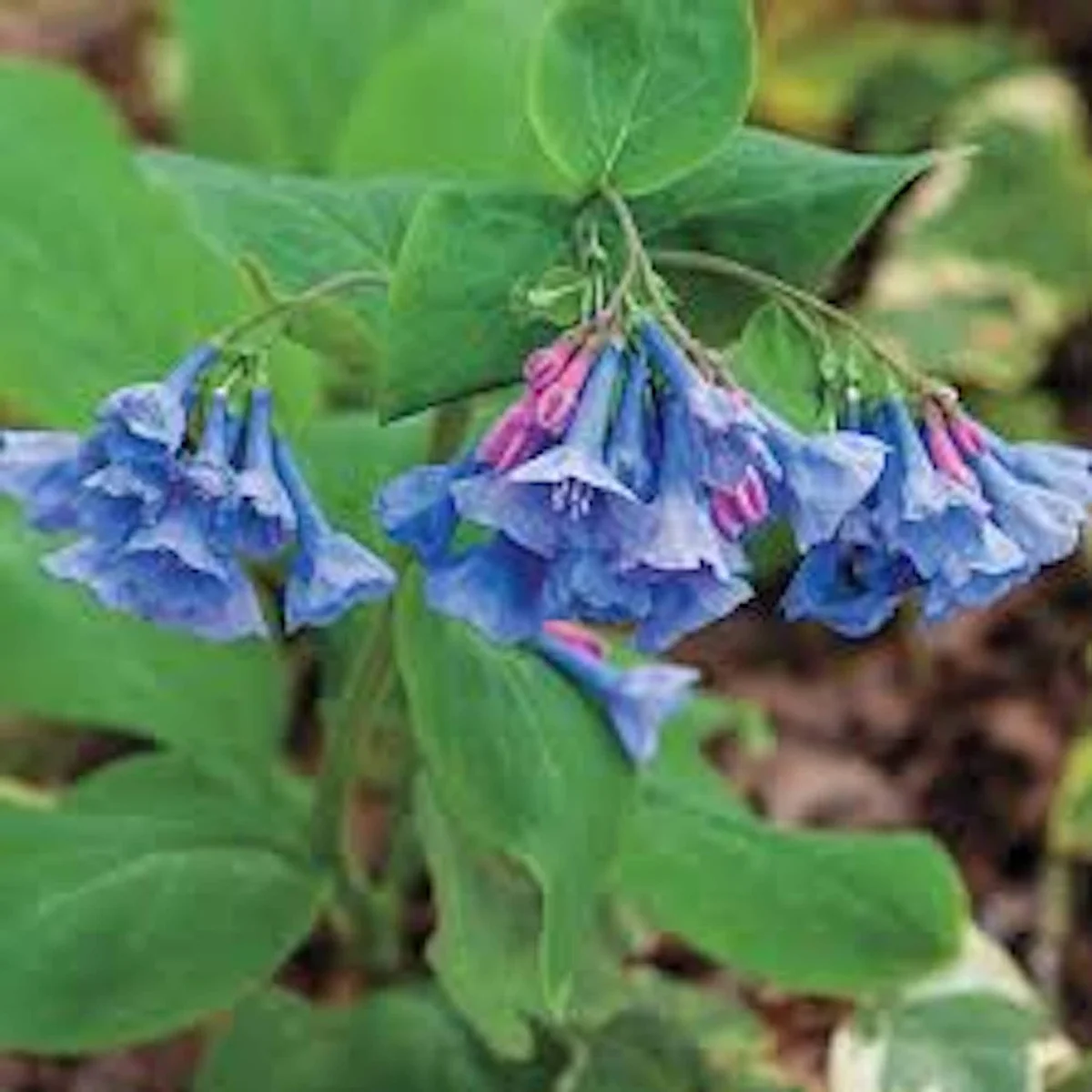
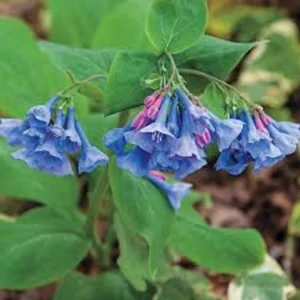
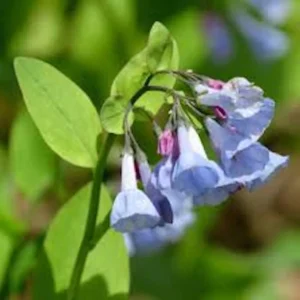
Bring the enchanting beauty of the woodland to your garden with these Virginia Bluebell bare roots. Each pack contains 5 Mertensia virginica bare roots, ready to establish and flourish in your landscape. Known for their delicate, bell-shaped flowers that undergo a captivating color transformation from soft pink buds to vibrant blue blooms as they mature, these native wildflowers are a true spectacle of spring. Mertensia virginica plants are cherished spring ephemerals, meaning they emerge early in the season, bloom, and then go dormant by mid-summer, allowing other shade-loving plants to take their place. Their bluish-green foliage adds an attractive texture before the blossoms appear, making them a delightful addition to any shaded or partially shaded garden.
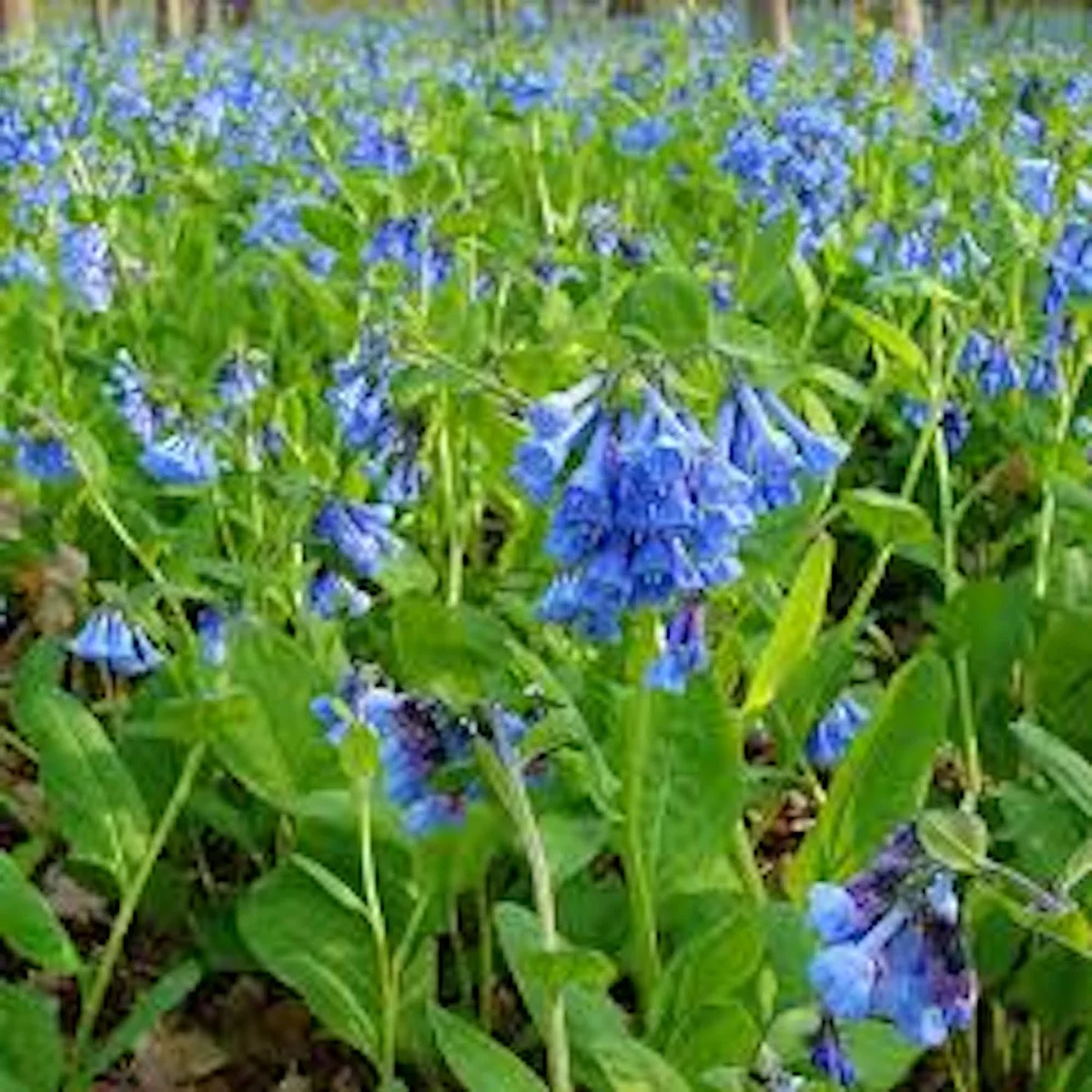
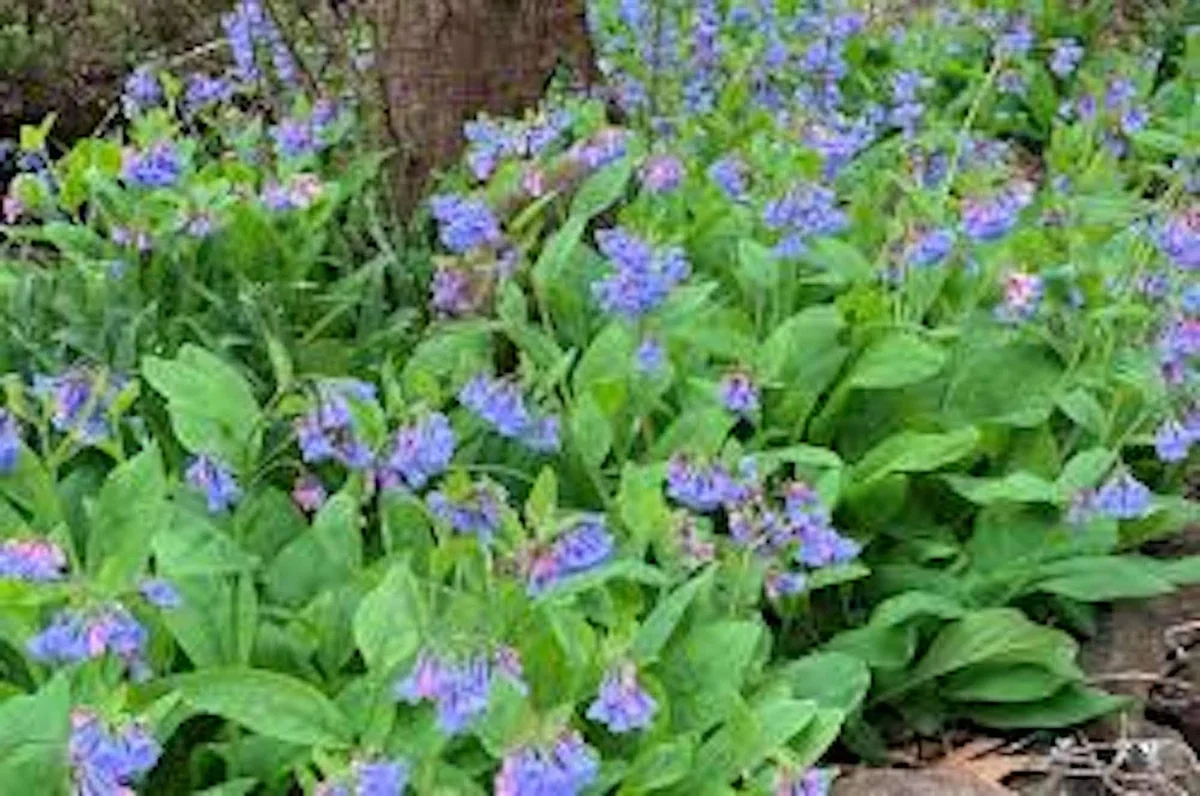
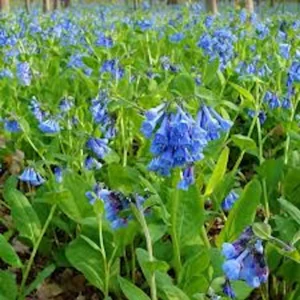
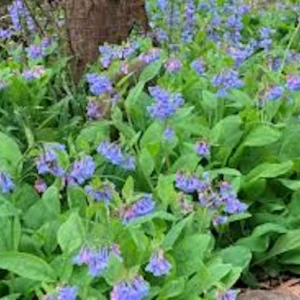
These perennial beauties are not only visually stunning but also play an important ecological role, providing early nectar for pollinators like bees and butterflies. They are ideal for naturalizing in woodland gardens, creating drifts of color under deciduous trees, or adding a touch of wild elegance to a shaded border. With their easy-care nature and reliable return each year, Virginia Bluebell bare roots are an excellent choice for both novice and experienced gardeners looking to enhance their spring landscape with native flora.
Key Benefits
Planting Virginia Bluebell bare roots offers a wealth of advantages for your garden and local ecosystem. These resilient wildflowers provide stunning visual appeal and contribute to a healthier environment.
- Captivating Color Transition: Experience the magic as the delicate pink buds of the Virginia Bluebell unfurl into brilliant blue, bell-shaped flowers. This unique color change adds dynamic interest to your garden, making them a standout feature in spring.
- Early Spring Bloomers: As one of the first plants to bloom in spring, these Mertensia virginica plants provide much-needed early season color and a vital nectar source for emerging pollinators when other food sources are scarce.
- Native Wildflower Appeal: Enhance your garden with native wildflowers for shade. Virginia Bluebells are indigenous to North America, making them perfectly adapted to local climates and soil conditions, requiring less intervention once established.
- Pollinator Magnet: Attract beneficial insects like bees, butterflies, and even hummingbirds to your garden. Their trumpet-shaped flowers are perfectly designed to support a variety of pollinators, contributing to biodiversity.
- Low Maintenance & Hardy: Once established, these perennial bare roots are remarkably low-maintenance. They are deer-resistant and generally free from serious pests or diseases, thriving with minimal fuss in their preferred conditions.
- Spring Ephemeral Charm: Enjoy their vibrant display in spring, then watch them gracefully recede by mid-summer. This ephemeral nature allows you to interplant them with later-season shade perennials, maximizing garden space and continuous interest.
- Naturalizes Easily: Virginia Bluebell bare roots readily naturalize and spread over time through self-seeding, creating beautiful, expanding colonies that enhance the woodland feel of your garden without becoming invasive.
Plant Care & Growing Tips
Caring for your Virginia Bluebell bare roots is straightforward, making them an excellent choice for a variety of garden settings. These plants thrive in conditions that mimic their natural woodland habitat. For optimal growth, choose a location with partial to full shade. They prefer morning sun with afternoon shade, or dappled light throughout the day. Avoid harsh, direct afternoon sun, which can scorch their delicate foliage and shorten their blooming period. Virginia Bluebells are cold-hardy, typically thriving in USDA Zones 3-8, returning reliably each spring.
The ideal soil for Mertensia virginica plants is moist, rich, and well-draining, with a slightly acidic to neutral pH. Amend heavy clay soils with organic matter like compost or leaf mold to improve drainage and fertility. Ensure the planting site doesn’t become waterlogged, as this can lead to root rot. Plant the bare roots about 2-3 inches deep and 6-12 inches apart, ensuring the growing point (if visible) faces upwards. Water thoroughly after planting to settle the soil around the roots. During their active growing period in spring, keep the soil consistently moist, but not soggy. Once they go dormant in summer, they require very little water.
Fertilization is generally not necessary, especially if planted in rich, organic soil. If your soil is poor, a light application of a balanced, slow-release granular fertilizer in early spring can be beneficial. These spring ephemeral plants are relatively pest and disease-free. Slugs and snails can sometimes be an issue for young foliage; organic slug baits or physical barriers can help. Allow the foliage to die back naturally after blooming; this process returns energy to the roots for the following year’s display. Do not cut back the foliage until it has completely yellowed and withered. Mulching around the plants with leaf litter or shredded bark will help retain soil moisture, suppress weeds, and provide a natural nutrient boost as it decomposes.
Size & Details
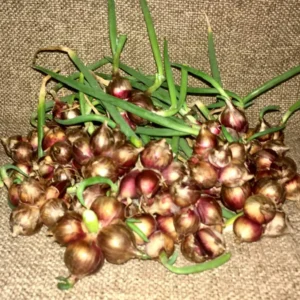
This offering includes 5 Virginia Bluebell bare roots (Mertensia virginica), carefully harvested and prepared for planting. Bare roots are a cost-effective and efficient way to establish these beautiful wildflowers in your garden. Upon arrival, the bare roots will appear dormant, ready to awaken with the warmth of spring. When mature, Virginia Bluebell bare roots typically grow to a height of 1-2 feet (30-60 cm) and spread about 1-1.5 feet (30-45 cm) wide, forming attractive clumps. Their distinctive bluish-green foliage emerges in early spring, followed by clusters of their iconic pink to blue flowers.
These plants have a moderate growth rate and will typically bloom in their first or second year after planting, depending on planting time and growing conditions. The spring ephemeral plants will provide a vibrant display from late March through May, depending on your specific climate and USDA zone. After their blooming period, the foliage will gradually yellow and disappear by mid-summer, leaving space for other shade-loving perennials to shine. They are an excellent choice for naturalizing in woodland settings, creating a stunning carpet of color beneath deciduous trees.
Frequently Asked Questions
- Q: How big do these Virginia Bluebell bare roots get when mature? A: When mature, Virginia Bluebell bare roots typically grow to a height of 1-2 feet (30-60 cm) and spread about 1-1.5 feet (30-45 cm) wide, forming lovely clumps of foliage and flowers.
- Q: Is this an indoor or outdoor plant? How much sunlight does it need? A: Virginia Bluebells are primarily outdoor plants, perfect for garden beds. They thrive in partial to full shade, preferring morning sun and protection from harsh afternoon sun to prevent leaf scorching. They are excellent native wildflowers for shade.
- Q: Are these Mertensia virginica plants easy to care for, making them good for beginners? A: Yes, Mertensia virginica plants are considered very easy to care for once established. They are low-maintenance, requiring consistent moisture during their spring growth and little attention once they go dormant, making them ideal for beginner gardeners.
- Q: What condition will the Virginia Bluebell bare roots arrive in? A: Your Virginia Bluebell bare roots will arrive in a dormant state, carefully packaged and ready for planting. This ensures they are stress-free and prepared to establish quickly in your garden.
- Q: When is the best time to plant Virginia Bluebell bare roots? A: The best time to plant Virginia Bluebell bare roots is in the fall or very early spring, before new growth begins. This allows the roots to establish before the plant enters its active growing and blooming phase.
- Q: Will Virginia Bluebells survive winter in my zone? What’s the minimum temperature? A: Yes, Virginia Bluebells are very cold-hardy perennials, typically surviving winters in USDA Zones 3-8. They are well-adapted to freezing temperatures and will re-emerge each spring.
- Q: Do these plants produce the distinctive pink to blue flowers? A: Absolutely! The defining characteristic of these spring ephemeral plants is their beautiful bell-shaped flowers that emerge pink and gradually transition to a stunning sky blue as they mature.
Related products
-50%

Original price was: $79.96.$39.98Current price is: $39.98.
-50%
Original price was: $71.96.$35.98Current price is: $35.98.
-60%
Original price was: $69.99.$27.99Current price is: $27.99.
-10%
Original price was: $11.25.$10.12Current price is: $10.12.
-50%

Original price was: $63.96.$31.98Current price is: $31.98.
-50%
Original price was: $79.96.$39.98Current price is: $39.98.
-60%
Original price was: $69.99.$27.99Current price is: $27.99.
PLANTING & CARE

The Comprehensive Guide to Growing Bay Leaf Plants for a Flavorful Garden
Imagine stepping into your garden, greeted by the earthy aroma of fresh bay leaves, their
09
Feb
Feb

How to Make Comfrey Tea: The Ultimate Organic Plant Food
Growing an organic garden can be surprisingly expensive, especially when most store-bought fertilizers come in
02
Feb
Feb

True Comfrey: 7 Essential Tips Before You Plant This Herb
A staple in permaculture practices across the US, True Comfrey easily earns its reputation as
27
Jan
Jan

7 Heart-Shaped Plants for a Lasting Valentine’s Gift
If you’ve ever bought a bouquet of roses for Valentine’s Day, you know they are
26
Jan
Jan

Best Types of Ivy Plant for Houses: How to Choose the Perfect Ones for Your Home
Are you a garden lover looking to introduce some greenery into your home? Maybe you’ve
14
Nov
Nov

When to Harvest Garlic (Especially Fall-Planted Garlic)
TIMING IS EVERYTHING, they say – and for garlic, that truth hits with surprising accuracy.
13
Nov
Nov

11 of the Best Sweet Potato Varieties to Grow for Your Garden
If you’ve ever tried growing sweet potatoes, you know that picking the right variety can
12
Nov
Nov
Pruning Bougainvillea for Winter
Bougainvillea vines are known for their dazzling display of magenta, orange, and fuchsia bracts that
05
Nov
Nov