3 Delicious Muscadine Grape Vine Live Starter Plant – Vitis Rotundifolia
-20%
3 Delicious Muscadine Grape Vine Live Starter Plant – Vitis Rotundifolia
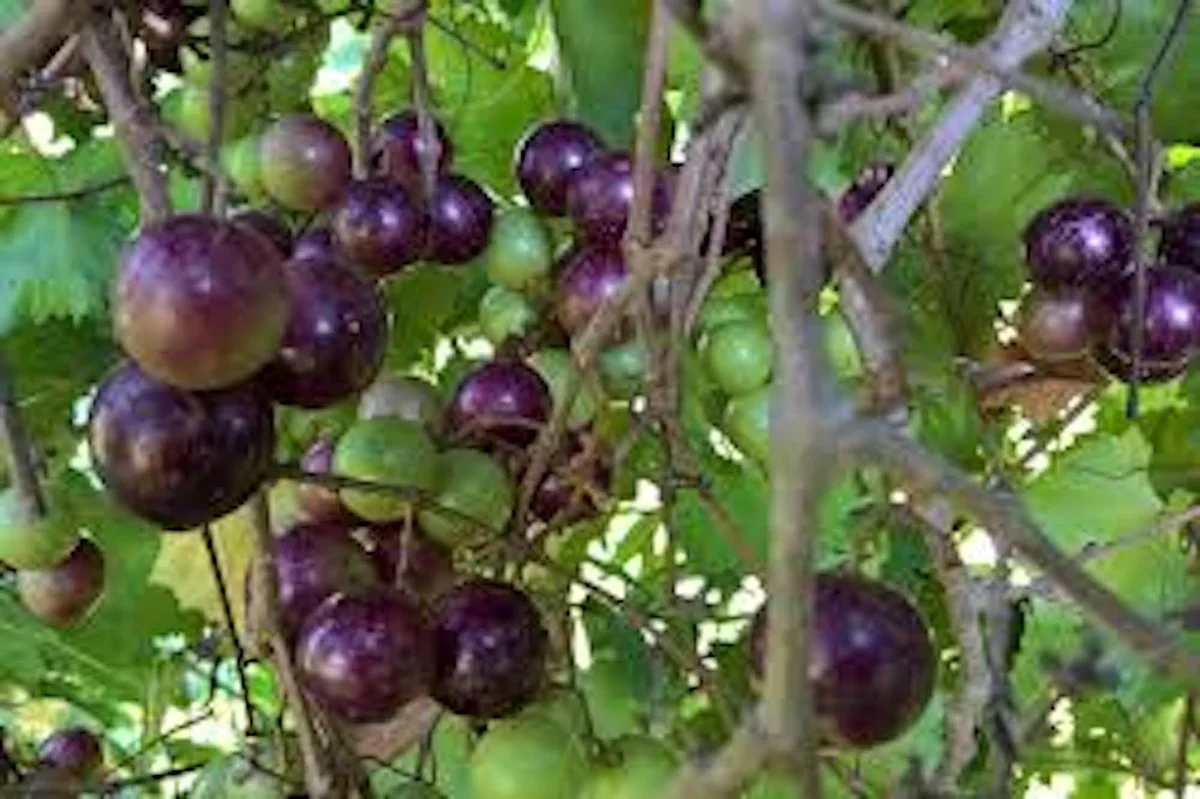
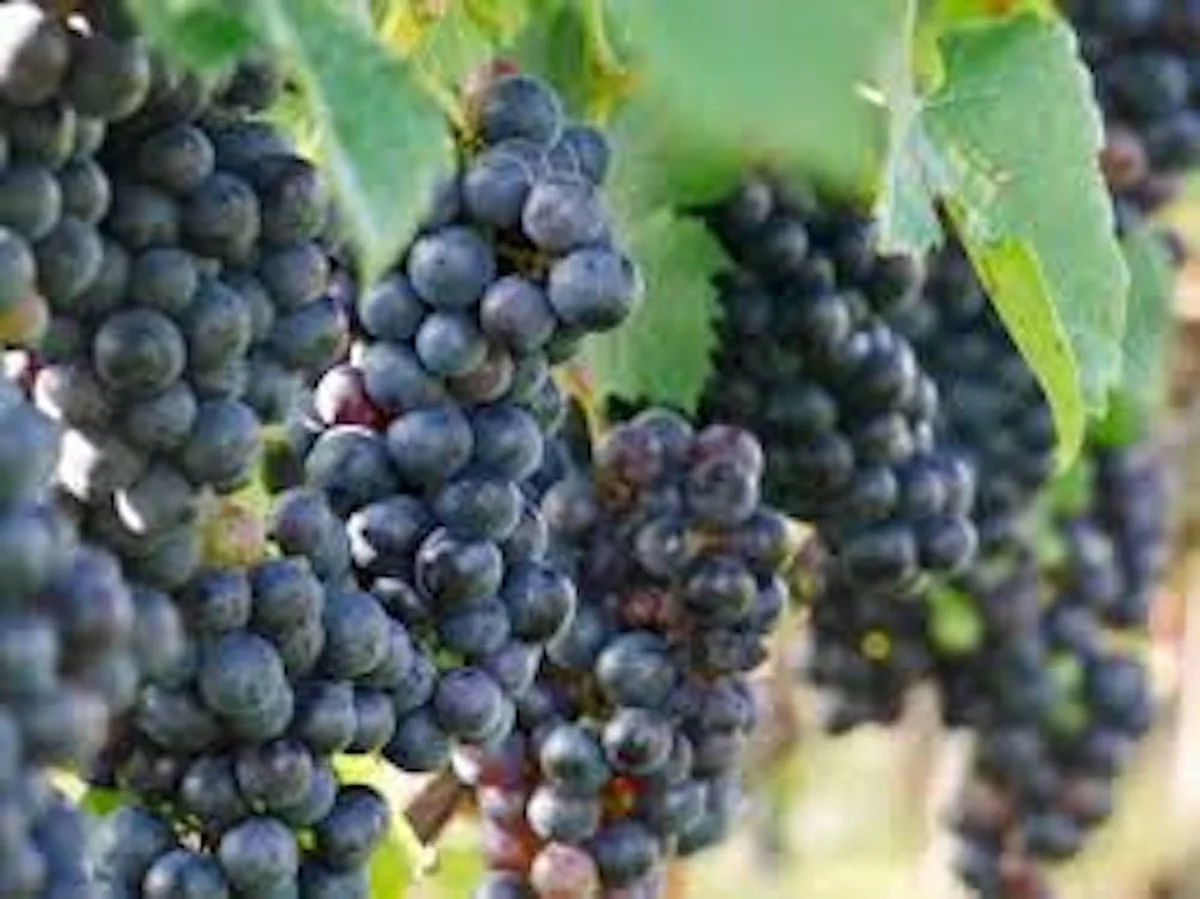
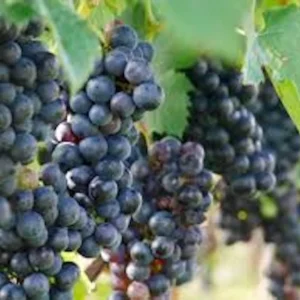
Cultivate your own delicious fruit with this muscadine grape vine starter plant. The ‘Delicious’ variety of vitis rotundifolia is self-fertile, producing abundant yields of black, thin-skinned grapes known for their rich, complex flavor. Perfect for home gardens, these medium to large sized grapes thrive in full sun.
Original price was: $60.00.$48.00Current price is: $48.00.

With our Alive & Thrive Guarantee, we’ve got your back for the first 30 days! If you have any concerns about your plants, just reach out to us. Our team is here to help answer your questions and guide you in selecting the best plants for your garden, climate, and unique preferences. We're excited to help you create the garden of your dreams!
Estimated arrival
Mar 01
Mar 06 - Mar 08
Mar 11 - Mar 15






Product Details
-
USDA Hardiness Zone
USDA zones 7-10 -
Soil type
Rich, well-draining soil -
Sunlight Exposure
Full sun -
Expected Planting Period
Late winter to early spring
Overview
Introduce a taste of the South to your garden with the muscadine grape vine ‘Delicious’ variety. This offering includes 3 live starter plants of the highly sought-after Vitis rotundifolia ‘Delicious’, a black-fruited cultivar renowned for its exceptional flavor and thin skin. Originally introduced by the University of Florida in 2009, this self-fertile variety is celebrated for its prolific yields and early ripening, making it an excellent choice for both seasoned gardeners and beginners eager to experience the joy of growing muscadine grapes. These starter plants provide a robust foundation for establishing your own productive vineyard, yielding medium to large sized grapes perfect for fresh eating, juices, or preserves.
The ‘Delicious’ muscadine grape plant is a vigorous grower, designed to thrive in suitable climates. Its robust nature and self-fertile characteristic mean you won’t need multiple plants for pollination, simplifying the cultivation process. Enjoy the satisfaction of harvesting your own sweet, aromatic grapes right from your backyard. Each starter plant is carefully prepared to ensure a strong beginning, ready to establish itself and flourish into a fruitful vine.
Key Benefits
The ‘Delicious’ muscadine grape vine offers numerous advantages for the home gardener, combining ease of care with bountiful harvests. These benefits make it a rewarding addition to any landscape:
- Prolific Fruit Production: Known for its exceptional yields, this vine consistently produces a large quantity of medium to large sized black grapes, ensuring a generous harvest each season.
- Superior Flavor Profile: The ‘Delicious’ muscadine lives up to its name, offering a rich, complex flavor with a desirable thin skin, making it a favorite for fresh consumption and various culinary uses.
- Self-Fertile Variety: As a self-fertile plant, this vitis rotundifolia does not require a separate pollinator, simplifying planting and ensuring fruit set even with a single vine.
- Early Ripening: Enjoy your harvest sooner! This variety is known for its early ripening characteristics, allowing you to savor fresh grapes earlier in the growing season.
- Adaptable to Various Uses: The versatile grapes are perfect for eating fresh off the vine, making homemade juices, jellies, wines, or other delicious muscadine treats.
- Vigorous Growth Habit: Once established, the muscadine grape plant grows vigorously, quickly covering arbors, pergolas, or trellises to create an attractive and productive landscape feature.
- Disease Resistance: Muscadines are generally more resistant to common grape diseases than other grape species, contributing to easier maintenance and healthier plants.
Plant Care & Growing Tips
To ensure your muscadine grape vine thrives and produces abundant fruit, proper care is essential. These vines prefer full sun, meaning at least 6-8 hours of direct sunlight per day. Choose a location in your garden that receives ample sun exposure throughout the day. Proper air circulation is also beneficial to prevent fungal issues. The ‘Delicious’ vitis rotundifolia is best suited for USDA Hardiness Zones 7-10, where it can tolerate winter temperatures without significant damage. Protection may be needed in the colder extremes of its range.
When it comes to soil, this muscadine grape plant prefers rich, well-drained soil. A sandy loam with a pH between 5.5 and 6.5 is ideal. Amend heavy clay soils with organic matter like compost or aged manure to improve drainage and fertility. Regular watering is crucial, especially during dry periods and the fruit development stage. Keep the soil consistently moist but never waterlogged. Fertilize in early spring before new growth begins, using a balanced fertilizer or one formulated for fruit-bearing plants. Avoid excessive nitrogen, which can promote leafy growth at the expense of fruit production.
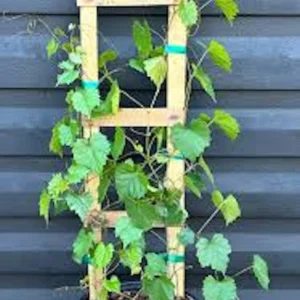
Pruning is vital for maintaining vine health, promoting fruit production, and managing growth. Muscadine grapes are typically pruned using a cordon system, where permanent woody arms (cordons) are established, from which fruiting spurs emerge. Prune in late winter or early spring while the vine is dormant, removing dead, damaged, or weak wood, and shortening fruiting spurs to 2-4 buds. Training the vine onto a sturdy trellis, arbor, or fence will support its growth and make harvesting easier. Watch for common pests like Japanese beetles or diseases like black rot, and address them promptly with appropriate organic or conventional treatments to ensure a healthy season for growing muscadine grapes.
Size & Details
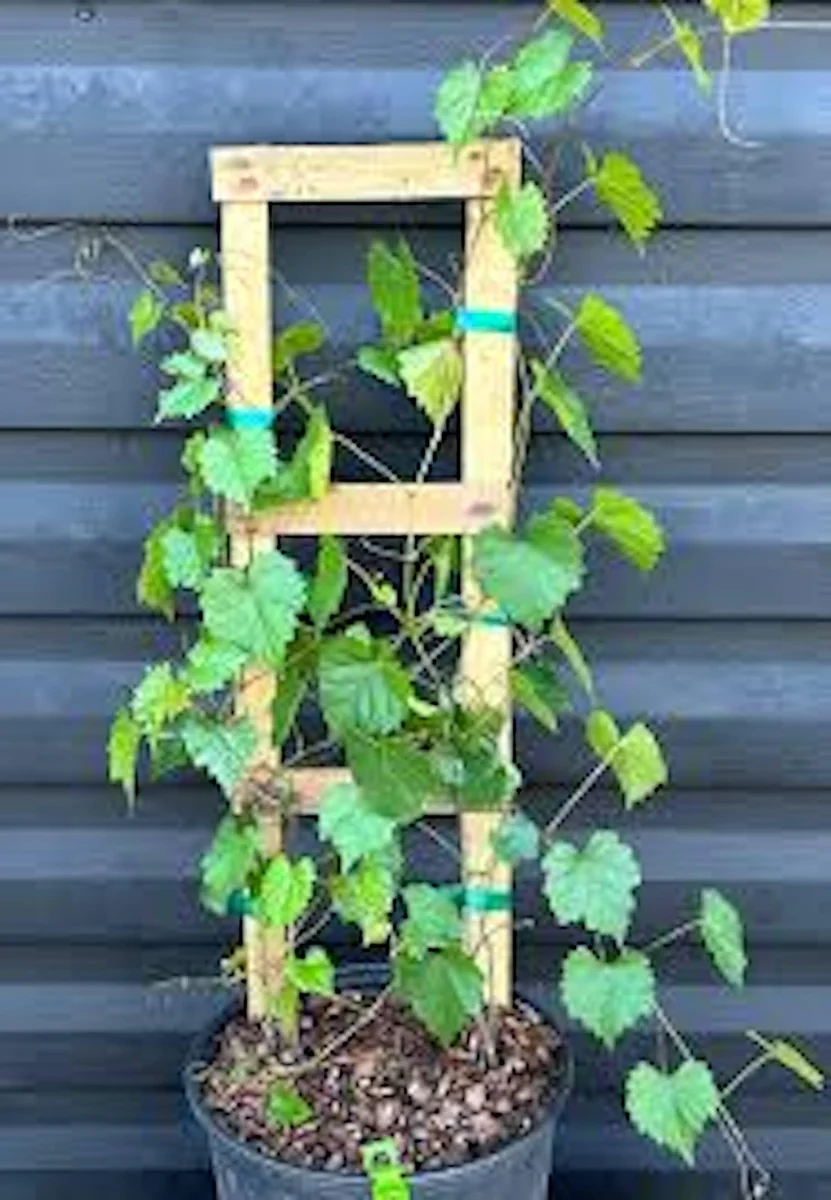
This offering includes 3 muscadine grape vine starter plants of the ‘Delicious’ variety. Each plant is a live starter plug, carefully grown to develop a strong root system, ready for transplanting into your garden. While exact dimensions can vary, these starter plants typically arrive at a manageable size, perfect for establishing quickly. They are shipped bare root, meaning without a pot and with minimal soil around the roots, a common and effective method for shipping dormant or semi-dormant vines that reduces shipping weight and cost while ensuring plant vitality. Upon arrival, prompt planting is recommended to allow the roots to re-establish.
Once planted and properly cared for, these muscadine grape vines are vigorous growers. They will begin to establish their root systems and put on new growth in the first season. Fruit production typically begins within 2-3 years after planting, with full production achieved in 5-7 years, providing a long-term source of fresh, delicious grapes. The mature vines can reach lengths of 20-30 feet or more, depending on the support structure and pruning regimen, making them excellent for covering arbors or large trellises.
Frequently Asked Questions
- Q: How big does this muscadine grape vine get? A: A mature ‘Delicious’ muscadine grape vine can grow quite large, typically reaching lengths of 20-30 feet or more, depending on the support structure and how it is pruned. It’s important to provide a sturdy trellis or arbor for optimal growth and fruit production.
- Q: Is this an indoor or outdoor plant? A: This muscadine grape vine is an outdoor plant. It requires full sun and is best suited for planting in a garden or vineyard setting where it can receive ample light and space to grow. Growing muscadine grapes outdoors ensures proper fruit development.
- Q: How much sunlight does it need? A: The ‘Delicious’ vitis rotundifolia requires full sun, meaning at least 6-8 hours of direct sunlight per day to produce the best fruit yields and ensure healthy growth.
- Q: Is this plant easy to care for? A: Muscadine grapes are generally considered relatively easy to care for compared to other grape varieties, especially due to their disease resistance and self-fertility. Basic care involves proper sunlight, watering, soil, and annual pruning.
- Q: What condition will it arrive in? A: The muscadine grape plant starter plugs are typically shipped bare root, carefully packaged to protect the roots during transit. Upon arrival, they will be ready for immediate planting.
- Q: How long until it blooms and produces fruit? A: These muscadine grape vines typically begin to produce fruit within 2-3 years after planting, with full production reached in about 5-7 years. The ‘Delicious’ variety is known for its early ripening characteristics once established.
- Q: What is the best time to plant this muscadine grape vine? A: The best time for growing muscadine grapes is typically in late winter or early spring, after the danger of hard frost has passed and before new growth begins, allowing the plant to establish its root system.
- Q: Will it survive winter in my zone? A: The ‘Delicious’ muscadine grape vine is hardy in USDA Zones 7-10. If you are in the colder parts of this range, or experience unusually harsh winters, some winter protection may be beneficial.
- Q: What kind of soil does this muscadine grape plant prefer? A: This vine thrives in rich, well-drained soil, ideally a sandy loam with a pH between 5.5 and 6.5. Good drainage is crucial to prevent root rot.
- Q: Do I need more than one vine for fruit production? A: No, the ‘Delicious’ vitis rotundifolia is a self-fertile variety, meaning a single plant can produce fruit without the need for a separate pollinator.
Related products
-30%


Original price was: $39.99.$27.99Current price is: $27.99.
-20%

Original price was: $70.00.$56.00Current price is: $56.00.
-50%
Original price was: $267.00.$133.50Current price is: $133.50.

-67%


Original price was: $50.97.$16.99Current price is: $16.99.
-67%

Original price was: $59.97.$19.99Current price is: $19.99.
-50%

Original price was: $81.98.$40.99Current price is: $40.99.
-67%

Original price was: $59.97.$19.99Current price is: $19.99.
PLANTING & CARE

The Comprehensive Guide to Growing Bay Leaf Plants for a Flavorful Garden
Imagine stepping into your garden, greeted by the earthy aroma of fresh bay leaves, their
09
Feb
Feb

How to Make Comfrey Tea: The Ultimate Organic Plant Food
Growing an organic garden can be surprisingly expensive, especially when most store-bought fertilizers come in
02
Feb
Feb

True Comfrey: 7 Essential Tips Before You Plant This Herb
A staple in permaculture practices across the US, True Comfrey easily earns its reputation as
27
Jan
Jan

7 Heart-Shaped Plants for a Lasting Valentine’s Gift
If you’ve ever bought a bouquet of roses for Valentine’s Day, you know they are
26
Jan
Jan

Best Types of Ivy Plant for Houses: How to Choose the Perfect Ones for Your Home
Are you a garden lover looking to introduce some greenery into your home? Maybe you’ve
14
Nov
Nov

When to Harvest Garlic (Especially Fall-Planted Garlic)
TIMING IS EVERYTHING, they say – and for garlic, that truth hits with surprising accuracy.
13
Nov
Nov

11 of the Best Sweet Potato Varieties to Grow for Your Garden
If you’ve ever tried growing sweet potatoes, you know that picking the right variety can
12
Nov
Nov

Pruning Bougainvillea for Winter
Bougainvillea vines are known for their dazzling display of magenta, orange, and fuchsia bracts that
05
Nov
Nov