5 Sequoia Strawberry Bare Roots – Fragaria × ananassa – High-Yielding Fruit Plants
-20%
5 Sequoia Strawberry Bare Roots – Fragaria × ananassa – High-Yielding Fruit Plants
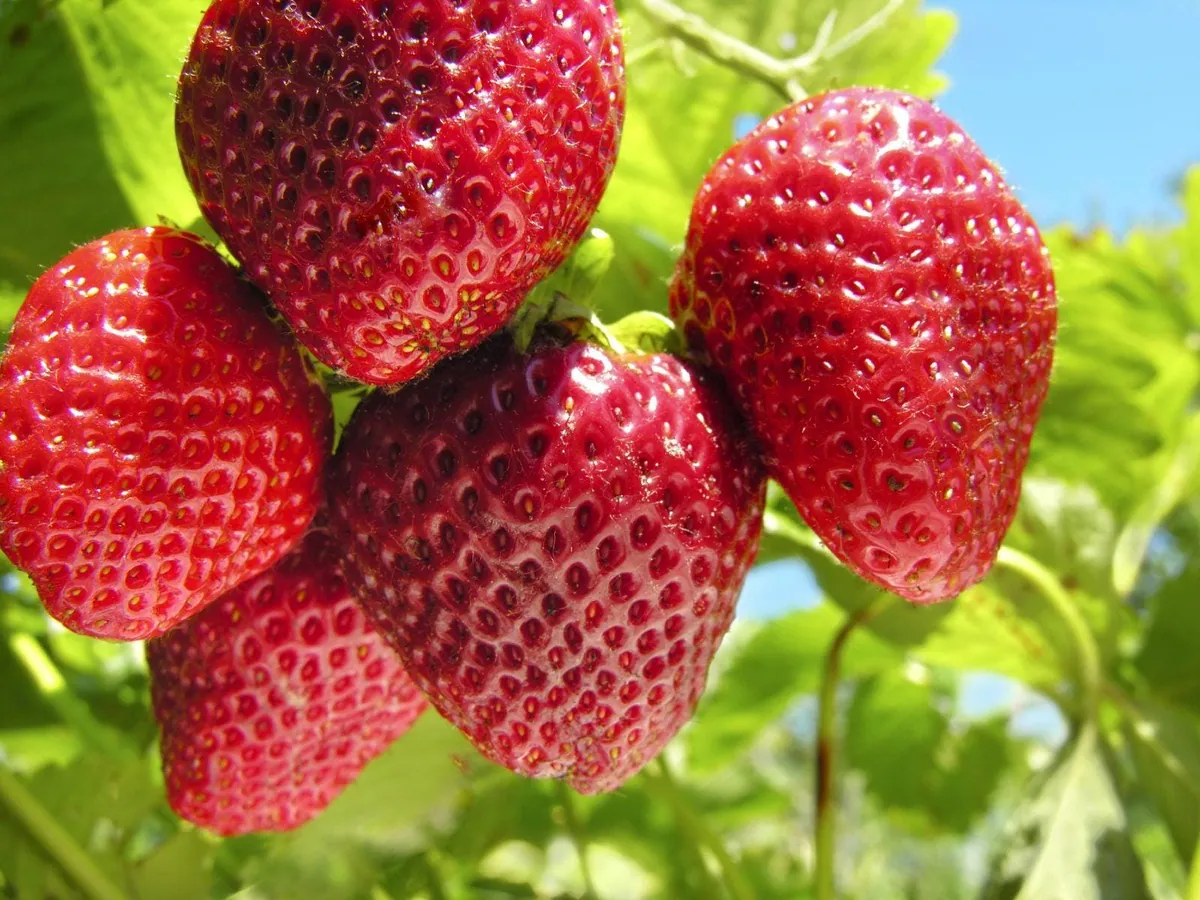
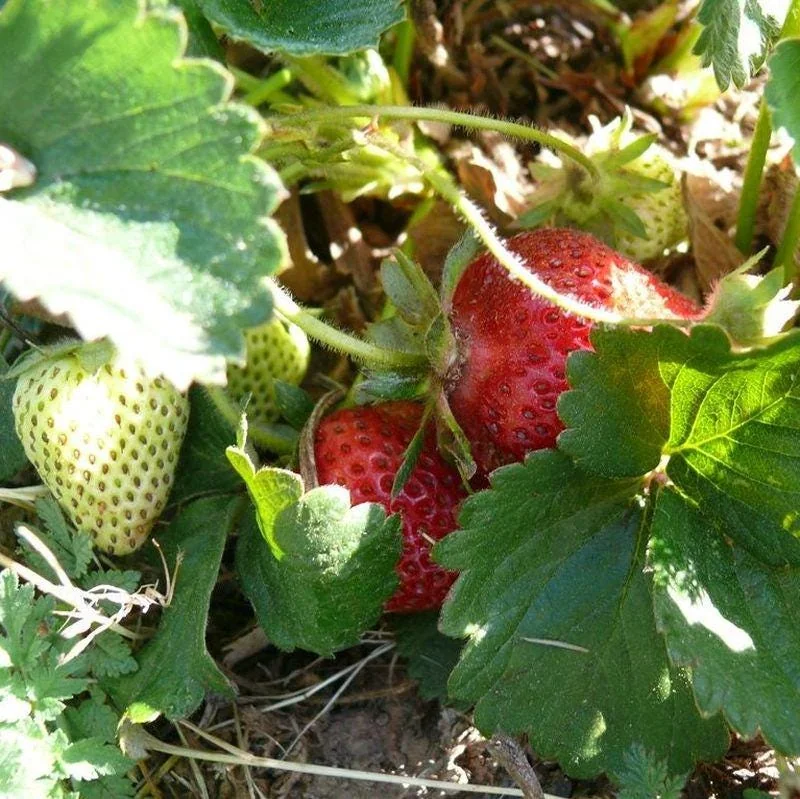
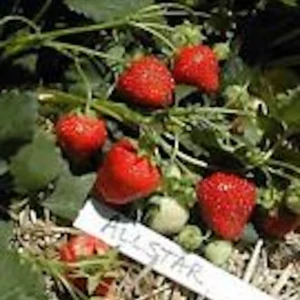
Cultivate your own sweet and large ‘Sequoia’ strawberries with this pack of 5 Sequoia strawberry bare roots. Perfect for home gardens, these everbearing strawberry plants produce abundant fruit from late spring through autumn, offering a continuous supply of delicious berries. Enjoy a robust and popular sweet strawberry variety that is easy to grow.
Original price was: $28.00.$22.40Current price is: $22.40.

With our Alive & Thrive Guarantee, we’ve got your back for the first 30 days! If you have any concerns about your plants, just reach out to us. Our team is here to help answer your questions and guide you in selecting the best plants for your garden, climate, and unique preferences. We're excited to help you create the garden of your dreams!
Estimated arrival
Mar 15
Mar 20 - Mar 22
Mar 25 - Mar 29
Product Details
-
USDA Hardiness Zone
USDA zones 6-9 for everbearing, generally hardy to zone 4 with protection -
Soil type
Well-draining, slightly acidic (pH 5.5-6.8) sandy loam -
Sunlight Exposure
Full sun (6-8+ hours daily) -
Expected Planting Period
Early spring
Overview
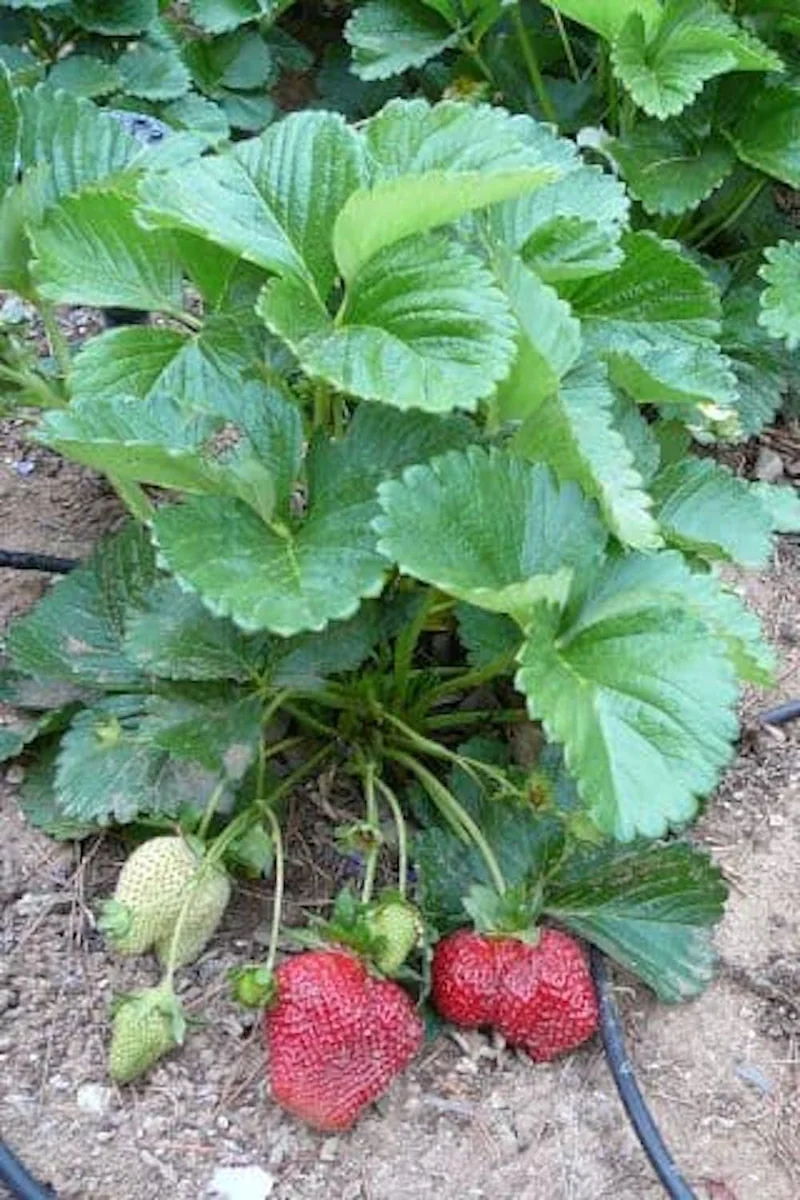
Bring the joy of fresh, homegrown fruit to your garden with these 5 Sequoia strawberry bare roots. The ‘Sequoia’ strawberry, scientifically known as Fragaria x ananassa plants, is a highly sought-after variety renowned for its large, sweet, and flavorful berries. Perfect for home gardeners, this particular strawberry plant is known for its extended fruiting season, delivering a continuous harvest from late spring through autumn, especially in milder climates. While officially classified as June-bearing, the ‘Sequoia’ often performs like an everbearing strawberry plants in warmer regions (USDA zones 6-9), ensuring a steady supply of delicious fruit until the first frost. In cooler climates, you can expect a generous crop in early summer. These bare roots provide a cost-effective and efficient way to establish a productive strawberry patch, promising a bountiful yield of one of the most popular sweet strawberry varieties.
The ‘Sequoia’ strawberry is a testament to successful home gardening, offering both ease of cultivation and exceptional taste. Its robust nature and ability to produce runners make it an excellent choice for expanding your strawberry bed year after year. Prepare to enjoy the delightful experience of picking your own sweet, juicy strawberries right from your backyard, perfect for desserts, jams, or fresh snacking. Growing Sequoia strawberry bare roots is a rewarding endeavor for gardeners of all experience levels.
Key Benefits
Investing in Sequoia strawberry bare roots offers numerous advantages for any home gardener looking to enjoy fresh, delicious fruit. These plants are celebrated for their productivity and the superior quality of their berries, making them a fantastic addition to any edible landscape. Here are some key benefits you can expect from these Fragaria x ananassa plants:
- Extended Fruiting Season: Enjoy a prolonged harvest of fresh strawberries. In mild climates (USDA zones 6-9), these plants often produce like everbearing strawberry plants, yielding fruit continuously from June until the first frost, providing a steady supply of berries for many months.
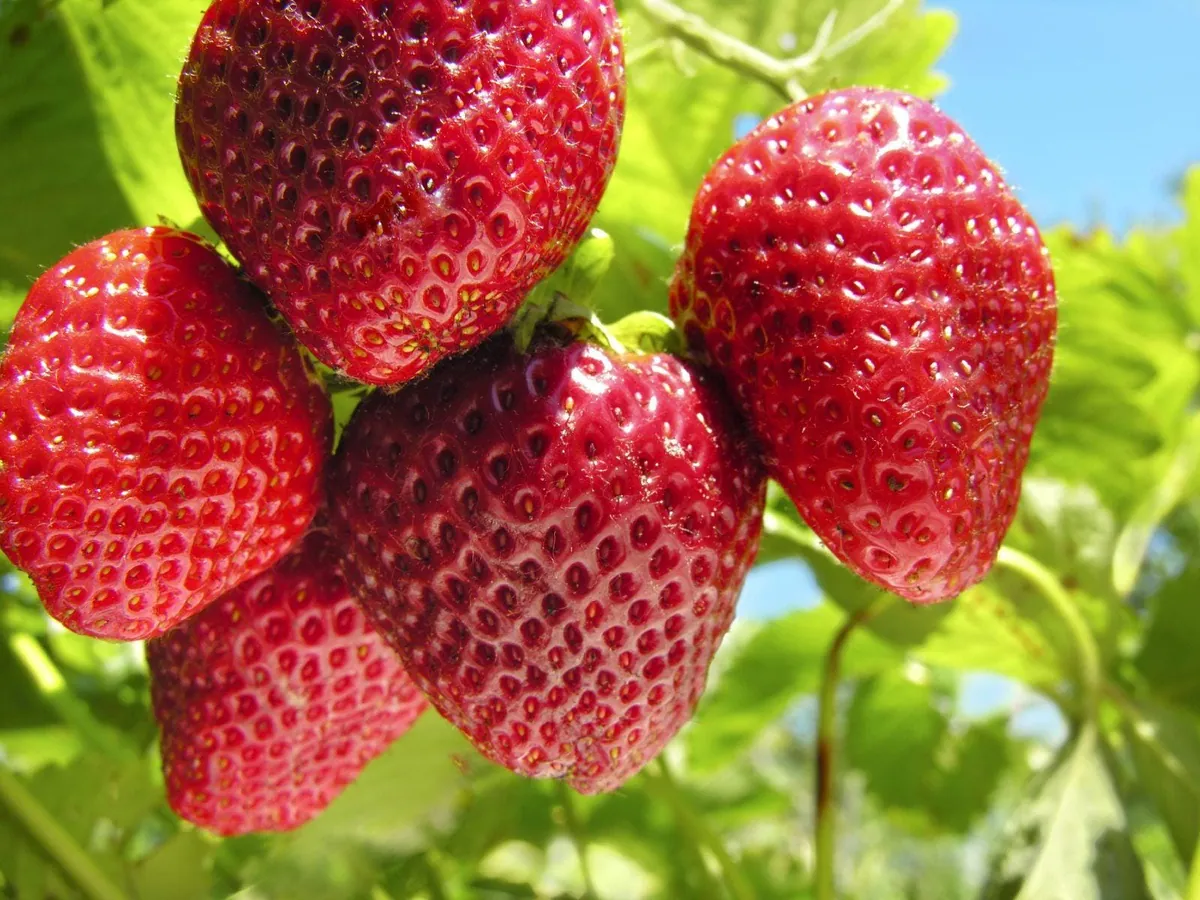
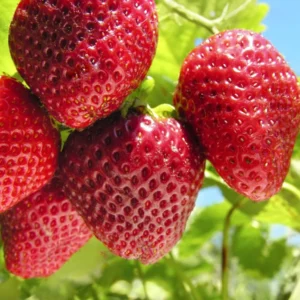
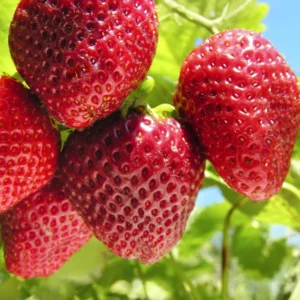
- Large, Sweet Berries: The ‘Sequoia’ variety is famous for its exceptionally large and sweet fruit, making it a favorite for fresh eating, desserts, and preserves. You’ll love the rich flavor of this sweet strawberry variety.
- High Yield Potential: These plants are prolific producers, especially as they establish and send out runners. A small patch can quickly expand, increasing your annual harvest significantly.
- Adaptable Growth: While preferring milder climates for extended harvests, ‘Sequoia’ strawberries are versatile. They produce a substantial early summer crop even in cooler regions, making them suitable for a wide range of growing conditions.
- Easy to Grow: Strawberry bare roots are relatively simple to establish and care for, making them an excellent choice for both beginner and experienced gardeners looking to grow Sequoia strawberry bare roots.
- Robust Runner Production: After fruiting, the plants produce strong runners, which can be used to propagate new plants, effectively increasing your strawberry patch size and yield over time without additional cost.
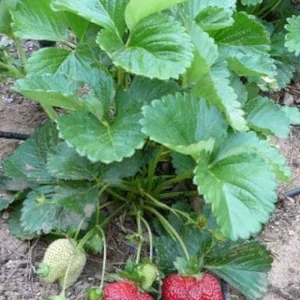
- Ideal for Home Gardens: Their manageable size (8-10 inches tall, 18 inches wide) makes them perfect for raised beds, containers, or traditional garden rows, fitting seamlessly into various garden designs.
Plant Care & Growing Tips
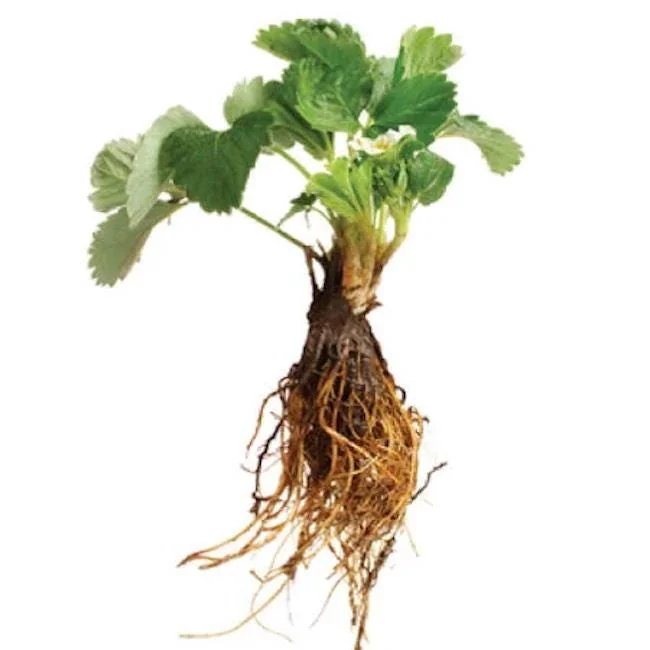
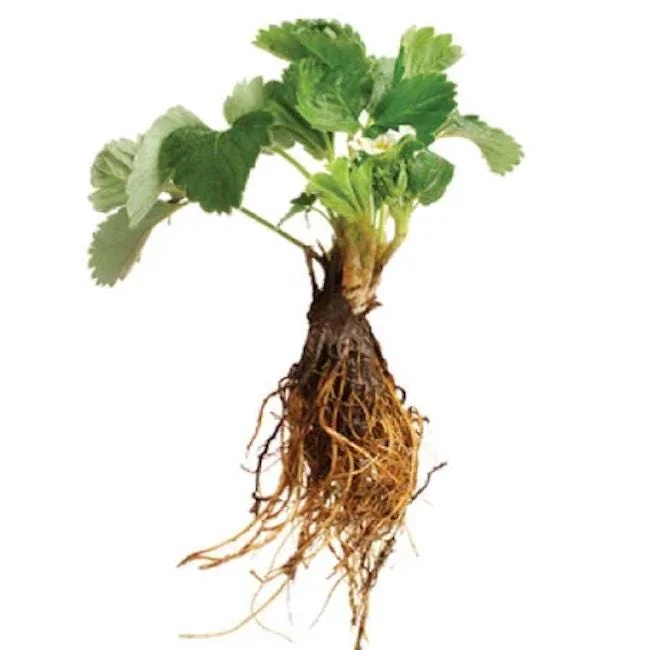
Caring for your Sequoia strawberry bare roots is straightforward, and with proper attention, you’ll be rewarded with a bountiful harvest of delicious fruit. Upon arrival, soak the bare roots in water for about 20-30 minutes before planting. Choose a location that receives full sun, ideally 6-8 hours of direct sunlight per day. Well-draining soil is crucial; a sandy loam enriched with organic matter is ideal. Ensure the soil pH is between 5.5 and 6.8. When planting, make sure the crown (the point where the roots meet the stem) is at soil level, with the roots spread out and the top of the crown exposed. Space plants about 12-18 inches apart in rows, with rows 3 feet apart to allow for runner development.
Water your Fragaria x ananassa plants regularly, especially during dry periods and when fruits are developing. Strawberries need consistent moisture, but avoid overwatering, as this can lead to root rot. Mulching around the plants with straw or pine needles helps retain soil moisture, suppress weeds, and keep the berries clean. Fertilize in early spring with a balanced slow-release fertilizer or a specific strawberry formula. In cooler climates, protect the plants during winter with a layer of mulch after the first hard frost. Remove spent leaves and runners (unless you want to propagate new plants) to encourage robust growth and better fruit production. Pests like slugs and birds can be an issue; consider netting to protect your ripening sweet strawberry variety crop. Regularly monitoring your everbearing strawberry plants will help you catch and address any issues early.
Size & Details
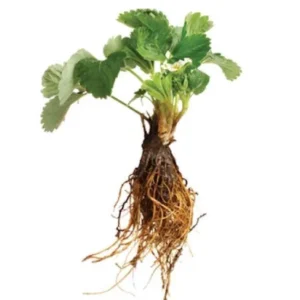
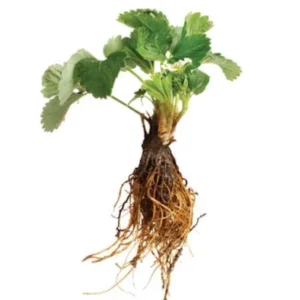
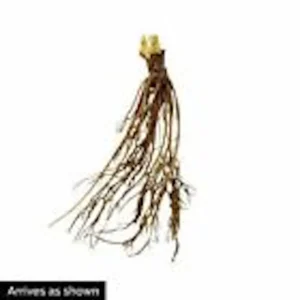
This offering includes 5 Sequoia strawberry bare roots, ready for planting. These bare roots are dormant plants, meaning they are shipped without soil or foliage, which is the ideal state for transplanting and ensures vigorous growth once established. Each bare root is carefully selected to ensure health and vitality. Once planted, the ‘Sequoia’ strawberry plants typically grow to a medium height of about 8-10 inches tall and can spread up to 18 inches wide. They are known for their robust runner production after fruiting, which naturally expands your patch and increases yield over successive seasons. The ‘Sequoia’ variety is classified as June-bearing but behaves like an everbearing type in milder climates (USDA zones 6-9), providing a continuous supply of fruit from June until the first frost. In cooler regions, you can expect one large, delicious crop in early summer. This makes them a highly versatile and productive choice for any home garden looking to grow Sequoia strawberry bare roots.
Frequently Asked Questions
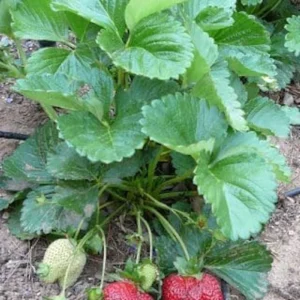
- Q: How big do these ‘Sequoia’ strawberry plants get? A: ‘Sequoia’ strawberry plants typically grow to a height of about 8-10 inches and can spread up to 18 inches wide. They also produce runners that will expand the patch.
- Q: Is this an indoor or outdoor plant? A: The ‘Sequoia’ strawberry is primarily an outdoor plant, ideal for garden beds, raised beds, or large containers where it can receive ample sunlight and space to spread.
- Q: How much sunlight do Fragaria x ananassa plants need? A: These plants thrive in full sun, requiring at least 6-8 hours of direct sunlight per day for optimal fruit production and plant health.
- Q: Is this plant easy to care for? A: Yes, ‘Sequoia’ strawberries are relatively easy to care for, making them suitable for gardeners of all skill levels. Consistent watering, good drainage, and proper sunlight are key.
- Q: What condition will the Sequoia strawberry bare roots arrive in? A: The plants will arrive as dormant bare roots, meaning they will not have soil or leaves. This is a normal and healthy state for transplanting.
- Q: When is the best time to plant these everbearing strawberry plants? A: The best time to plant bare root strawberries is in early spring, after the danger of hard frost has passed, allowing them to establish before the growing season.
- Q: Will this sweet strawberry variety survive winter in my zone? A: ‘Sequoia’ strawberries are hardy in USDA zones 6-9 for continuous fruiting, and can be grown in cooler zones with winter protection (mulching) for a single large crop.
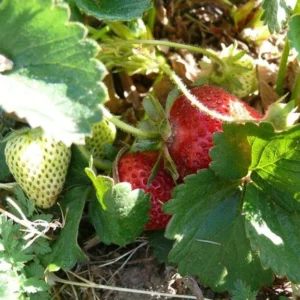
- Q: How long until I can harvest fruit from these plants? A: You can typically expect your first harvest the season after planting. While some fruit may appear in the first year, it’s best to remove flowers to encourage stronger root development for a larger crop the following year.
- Q: Can I grow these strawberries in containers? A: Yes, ‘Sequoia’ strawberries can be grown successfully in containers, provided they are large enough (at least 1-2 gallons per plant) and have good drainage.
- Q: Do I need to prune these strawberry plants? A: Regular removal of older leaves and excessive runners (if you want to control spread) is beneficial for plant health and fruit production.
Related products
-20%
Original price was: $80.00.$64.00Current price is: $64.00.
-20%
Original price was: $36.00.$28.80Current price is: $28.80.
-20%
Original price was: $36.00.$28.80Current price is: $28.80.
-20%
Original price was: $50.00.$40.00Current price is: $40.00.
-20%
Original price was: $31.98.$25.58Current price is: $25.58.
-20%
Original price was: $60.00.$48.00Current price is: $48.00.
-50%
Original price was: $39.98.$19.99Current price is: $19.99.
PLANTING & CARE

The Comprehensive Guide to Growing Bay Leaf Plants for a Flavorful Garden
Imagine stepping into your garden, greeted by the earthy aroma of fresh bay leaves, their
09
Feb
Feb

How to Make Comfrey Tea: The Ultimate Organic Plant Food
Growing an organic garden can be surprisingly expensive, especially when most store-bought fertilizers come in
02
Feb
Feb

True Comfrey: 7 Essential Tips Before You Plant This Herb
A staple in permaculture practices across the US, True Comfrey easily earns its reputation as
27
Jan
Jan

7 Heart-Shaped Plants for a Lasting Valentine’s Gift
If you’ve ever bought a bouquet of roses for Valentine’s Day, you know they are
26
Jan
Jan

Best Types of Ivy Plant for Houses: How to Choose the Perfect Ones for Your Home
Are you a garden lover looking to introduce some greenery into your home? Maybe you’ve
14
Nov
Nov

When to Harvest Garlic (Especially Fall-Planted Garlic)
TIMING IS EVERYTHING, they say – and for garlic, that truth hits with surprising accuracy.
13
Nov
Nov

11 of the Best Sweet Potato Varieties to Grow for Your Garden
If you’ve ever tried growing sweet potatoes, you know that picking the right variety can
12
Nov
Nov
Pruning Bougainvillea for Winter
Bougainvillea vines are known for their dazzling display of magenta, orange, and fuchsia bracts that
05
Nov
Nov