20 New York Fern Bare Roots – Thelypteris noveboracensis, Perennial, Outdoor
-20%
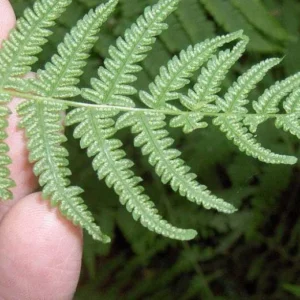
20 New York Fern Bare Roots – Thelypteris noveboracensis, Perennial, Outdoor
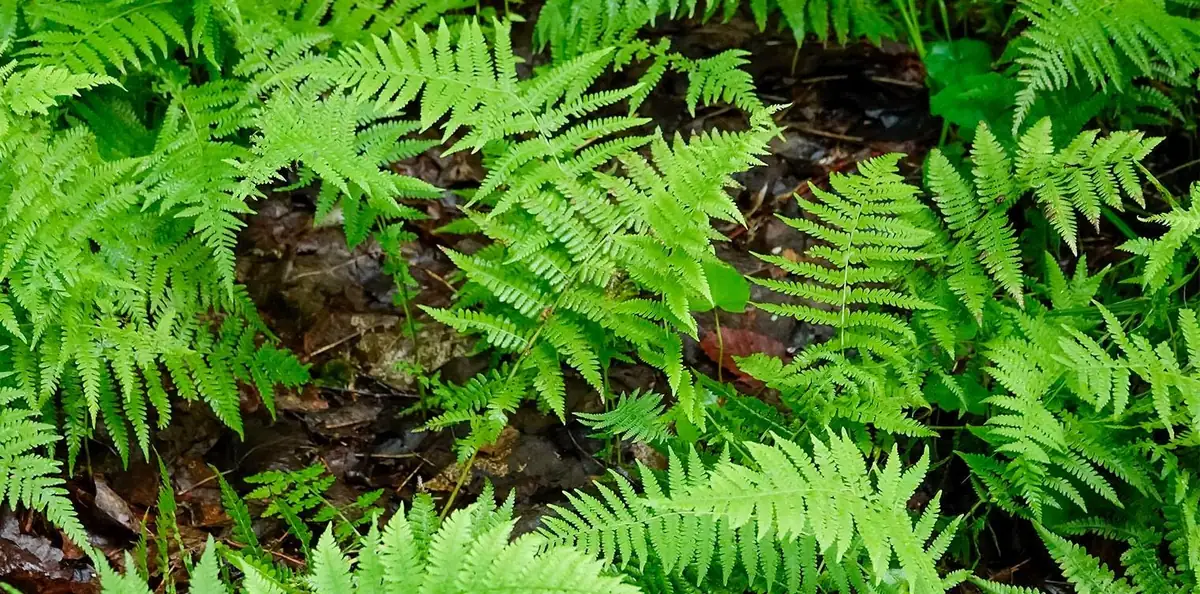
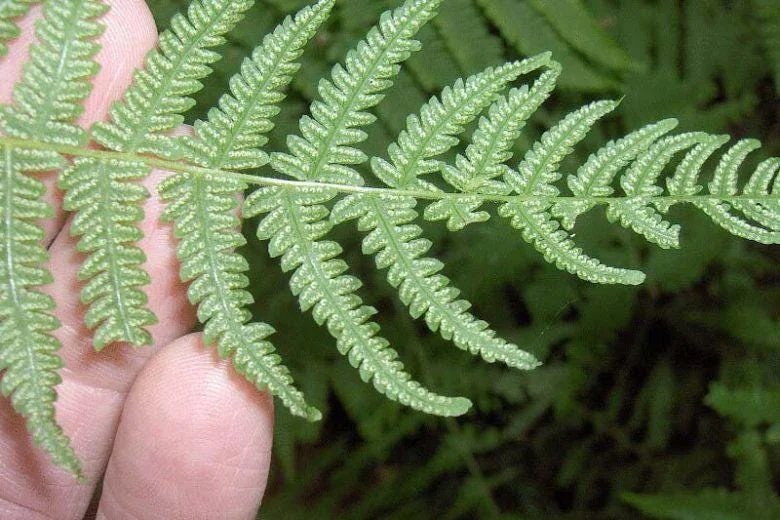
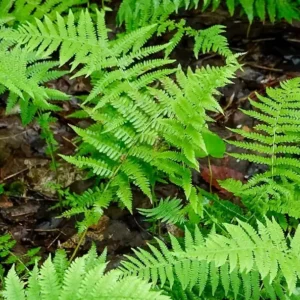
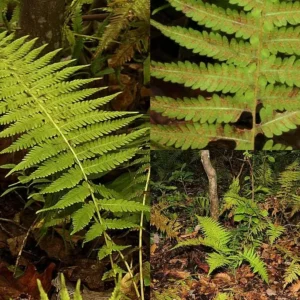
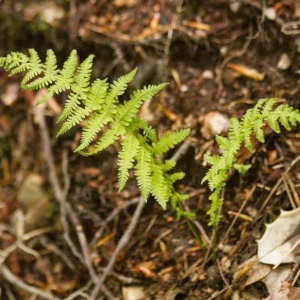
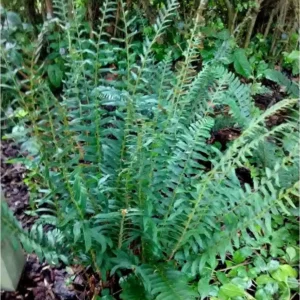
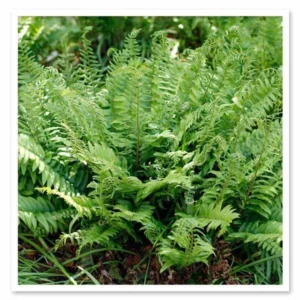
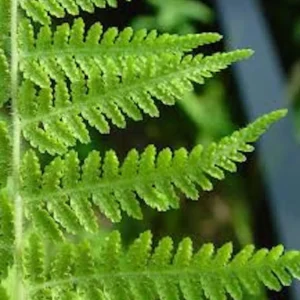
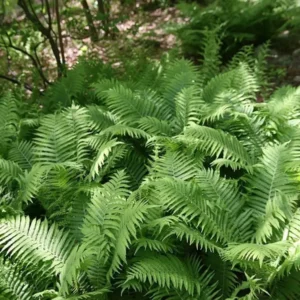
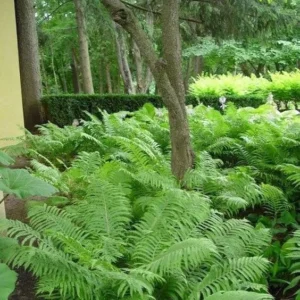
Receive 20 New York Fern bare roots (Thelypteris noveboracensis) for your garden. This deciduous perennial offers a soft, yellow-green texture, perfect for creating lush ground cover in woodland and naturalized areas. Enjoy a beautiful, low-maintenance landscape.
Original price was: $80.00.$64.00Current price is: $64.00.

With our Alive & Thrive Guarantee, we’ve got your back for the first 30 days! If you have any concerns about your plants, just reach out to us. Our team is here to help answer your questions and guide you in selecting the best plants for your garden, climate, and unique preferences. We're excited to help you create the garden of your dreams!
Estimated arrival
Mar 14
Mar 19 - Mar 21
Mar 24 - Mar 28

Product Details
-
USDA Hardiness Zone
USDA Zones 3-8 -
Soil type
Rich, well-draining soil with organic matter -
Sunlight Exposure
Partial to full shade -
Expected Planting Period
Early spring or early fall
Overview
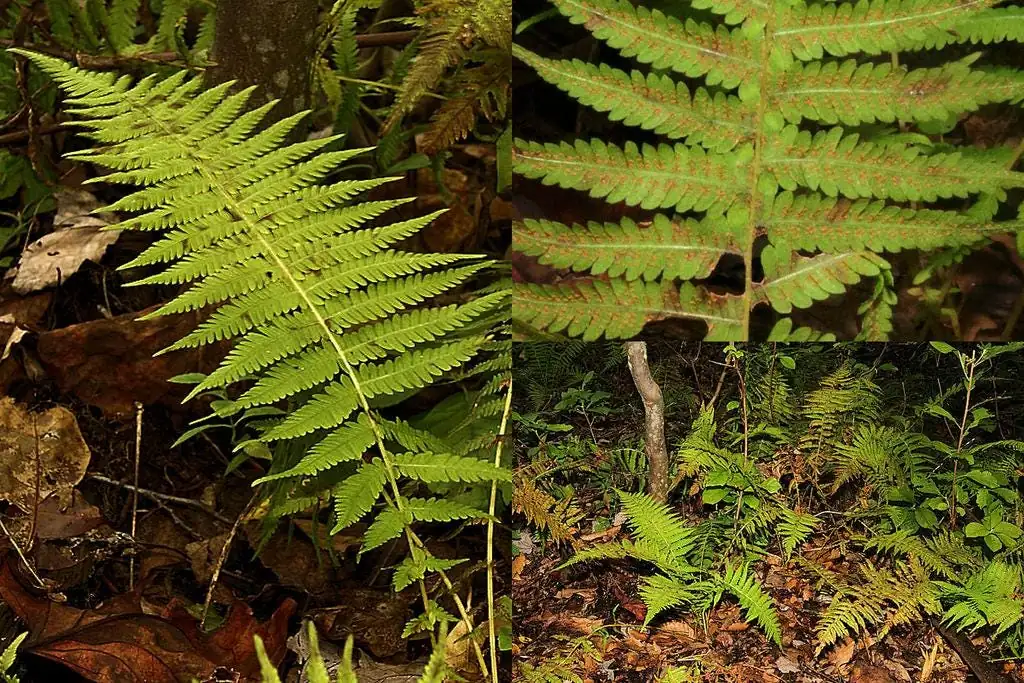
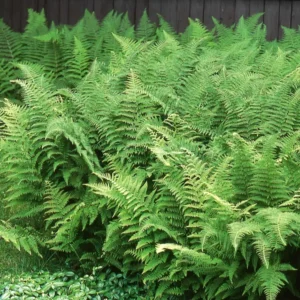
Transform your garden into a serene woodland retreat with these 20 New York Fern bare roots. The Thelypteris noveboracensis, commonly known as the New York Fern, is a delightful deciduous perennial native to Eastern North America. These bare roots are an excellent choice for gardeners seeking to establish a soft, yellow-green ground cover with minimal effort. Known for its fine texture and elegant appearance, the New York Fern bare roots will quickly naturalize, creating a lush, verdant carpet that enhances any shaded or partially shaded landscape. Its charming fronds emerge in spring, providing continuous beauty through the growing season before gracefully fading in the fall. This plant is a fantastic addition for those looking to create an inviting, naturalistic environment.
Key Benefits
The New York Fern bare roots offer numerous advantages for any gardener, from novice to expert. Their adaptability and aesthetic appeal make them a popular choice for various garden settings.
- Easy to Grow: These New York Fern bare roots are remarkably low-maintenance, making them perfect for busy gardeners or those new to planting. Once established, they require minimal intervention to thrive, allowing you to enjoy their beauty with little fuss.
- Lush Ground Cover: The Thelypteris noveboracensis excels at forming a dense, attractive ground cover. Its spreading habit helps suppress weeds and creates a uniform, verdant layer, ideal for naturalized areas and woodland gardens.
- Native Beauty: As a native species to Eastern North America, the New York Fern is well-suited to local climates and ecosystems. It contributes to biodiversity and provides habitat, making it an eco-friendly choice for your landscape.
- Fine Texture & Color: The soft, yellow-green fronds of this fern provide a delicate texture and refreshing color that brightens shaded areas. It adds visual interest and a sense of tranquility to your garden design.
- Deciduous Charm: While deciduous, the fern’s seasonal changes add character to the garden. Its fronds emerge fresh in spring, mature through summer, and offer a soft transition in autumn before returning in the next growing season.
- Versatile Landscaping: Whether you’re filling in gaps, creating borders, or naturalizing a large area, this perennial bare roots option is incredibly versatile. It thrives in various settings, from formal woodland gardens to wilder, informal landscapes.
Plant Care & Growing Tips
Caring for your New York Fern bare roots is straightforward, ensuring a successful and rewarding gardening experience. These ferns prefer conditions that mimic their natural woodland habitat.
Sunlight Requirements: The New York Fern thrives in partial to full shade. While it can tolerate a few hours of morning sun, it is best protected from intense afternoon sun, which can scorch its delicate fronds. Dappled light under trees or north-facing beds are ideal locations for a healthy woodland fern.
Watering Schedule & Soil Moisture: Consistent moisture is key for these ferns, especially during their establishment phase. The soil should remain evenly moist but not waterlogged. Water regularly, particularly during dry spells, ensuring the roots receive adequate hydration. Good drainage is important to prevent root rot.
Soil Type and Drainage: Plant your Thelypteris noveboracensis in rich, well-draining soil that is high in organic matter. A slightly acidic to neutral pH is preferred. Amending heavy clay soils with compost or peat moss will improve drainage and fertility, providing the ideal environment for your new plants. This helps ensure the successful growth of your low maintenance fern.
Temperature & USDA Hardiness Zone: The New York Fern is hardy in USDA Zones 3-8. It is tolerant of cold winters, with its deciduous fronds dying back to the ground and re-emerging in spring. It prefers cooler temperatures and high humidity, making it an excellent choice for many temperate climates.
Fertilization: Generally, New York Ferns do not require heavy fertilization. If your soil is poor, a light application of a balanced, slow-release granular fertilizer in early spring can be beneficial. Alternatively, top-dressing with compost annually will provide sufficient nutrients and improve soil structure for your New York Fern bare roots.
Common Problems: New York Ferns are generally pest and disease resistant. The most common issues arise from improper watering (too much or too little) or excessive sun exposure, which can lead to browning fronds. Ensure adequate shade and consistent moisture for optimal health.
Size & Details
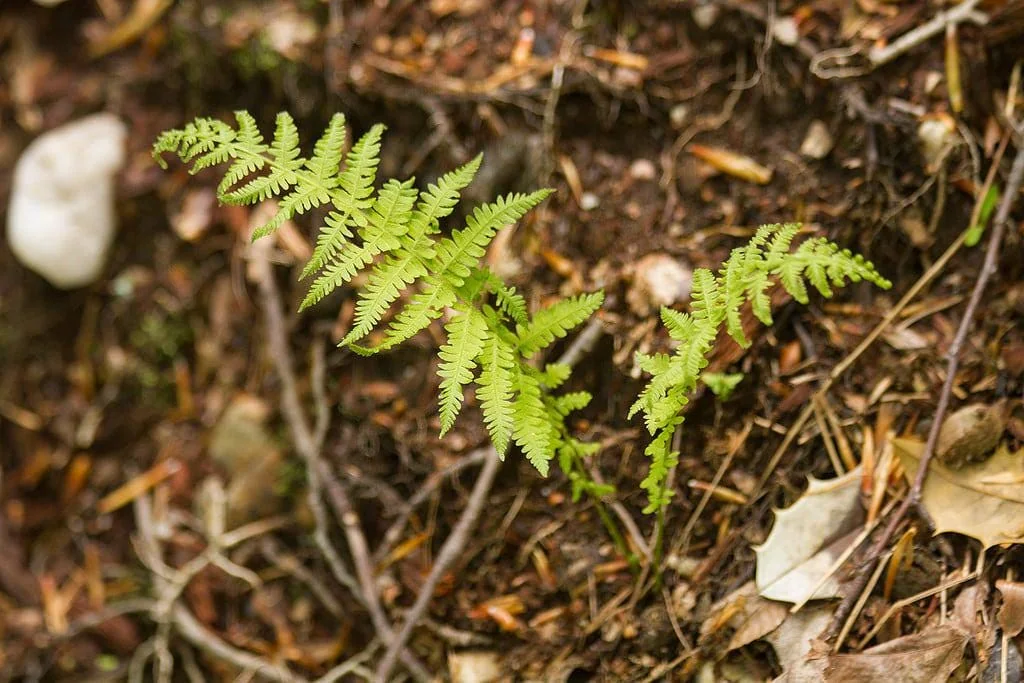
These 20 New York Fern bare roots offer a robust start to cultivating a beautiful fern patch. Each bare root is carefully harvested to ensure viability upon arrival. Once established, the New York Fern typically grows to a height of 1-2 feet, with a similar spread, forming a dense and attractive clump over time. This deciduous perennial spreads by rhizomes, allowing it to gradually colonize an area and create a lush, naturalized look. Expect a moderate growth rate, with noticeable development in the first growing season and full establishment within 2-3 years. Plant these bare roots in spring or early fall for best results, giving them ample time to settle before extreme weather. You’ll receive a generous quantity of perennial bare roots, perfect for establishing a significant planting area or for multiple smaller projects in your garden.
Frequently Asked Questions
- Q: How big does the New York Fern get? A: The New York Fern bare roots will grow into plants typically reaching 1 to 2 feet in height and spreading 1 to 2 feet wide, forming a beautiful, dense clump over time.
- Q: Is this an indoor or outdoor plant? A: The New York Fern (Thelypteris noveboracensis) is primarily an outdoor plant, best suited for woodland gardens, shaded borders, and naturalized areas in USDA Zones 3-8.
- Q: How much sunlight does the New York Fern need? A: This woodland fern thrives in partial to full shade. It prefers protection from harsh afternoon sun, which can damage its delicate fronds, making it an ideal choice for shaded spots.
- Q: Is this plant easy to care for? A: Yes, the New York Fern is considered a low maintenance fern. Once established, it requires consistent moisture and appropriate shade, but is generally very adaptable and pest-resistant.
- Q: What condition will the bare roots arrive in? A: You will receive 20 New York Fern bare roots, harvested fresh per order. They are packaged to ensure they arrive in good, viable condition, ready for planting.
- Q: When is the best time to plant these bare roots? A: The ideal times to plant these perennial bare roots are in early spring after the last frost, or in early fall, allowing them to establish before extreme temperatures.
- Q: What kind of soil does the New York Fern prefer? A: This fern prefers rich, well-draining soil with plenty of organic matter. A slightly acidic to neutral pH is optimal for healthy growth of your Thelypteris noveboracensis.
- Q: Will these ferns survive winter in my zone? A: The New York Fern is hardy in USDA Zones 3-8, meaning it will reliably return each spring after dying back to the ground in winter within these zones.
- Q: How long until I see growth from the bare roots? A: You should see new growth emerge from your New York Fern bare roots within a few weeks of planting, especially if planted in spring with consistent moisture and suitable conditions.
- Q: Can I use these ferns for erosion control? A: Due to their spreading habit and ability to form a dense ground cover, New York Ferns can be a good choice for stabilizing soil on gentle slopes in shaded areas, contributing to erosion control.
Related products
-20%
Original price was: $37.98.$30.38Current price is: $30.38.
-20%
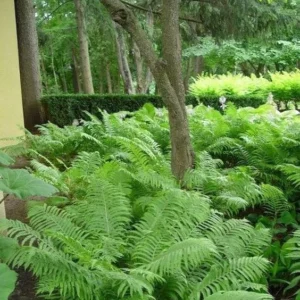
Original price was: $37.98.$30.38Current price is: $30.38.
-20%

Original price was: $33.98.$27.18Current price is: $27.18.
-20%
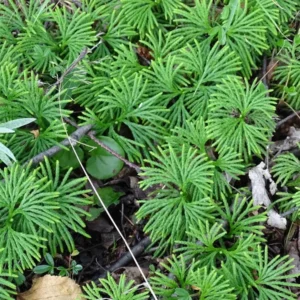
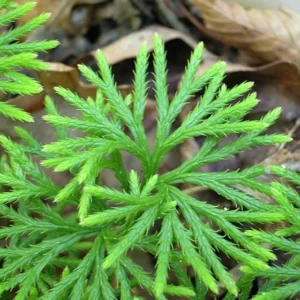
Original price was: $19.98.$15.98Current price is: $15.98.
-50%
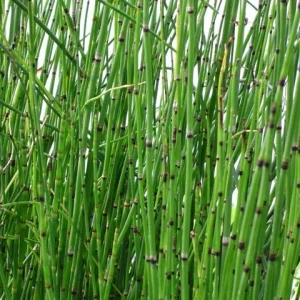
From Original price was: $87.60.$43.80Current price is: $43.80.
-20%
Original price was: $80.00.$64.00Current price is: $64.00.
-50%
Original price was: $65.98.$32.99Current price is: $32.99.
-20%
Original price was: $190.00.$152.00Current price is: $152.00.
PLANTING & CARE

The Comprehensive Guide to Growing Bay Leaf Plants for a Flavorful Garden
Imagine stepping into your garden, greeted by the earthy aroma of fresh bay leaves, their
09
Feb
Feb

How to Make Comfrey Tea: The Ultimate Organic Plant Food
Growing an organic garden can be surprisingly expensive, especially when most store-bought fertilizers come in
02
Feb
Feb

True Comfrey: 7 Essential Tips Before You Plant This Herb
A staple in permaculture practices across the US, True Comfrey easily earns its reputation as
27
Jan
Jan

7 Heart-Shaped Plants for a Lasting Valentine’s Gift
If you’ve ever bought a bouquet of roses for Valentine’s Day, you know they are
26
Jan
Jan

Best Types of Ivy Plant for Houses: How to Choose the Perfect Ones for Your Home
Are you a garden lover looking to introduce some greenery into your home? Maybe you’ve
14
Nov
Nov

When to Harvest Garlic (Especially Fall-Planted Garlic)
TIMING IS EVERYTHING, they say – and for garlic, that truth hits with surprising accuracy.
13
Nov
Nov

11 of the Best Sweet Potato Varieties to Grow for Your Garden
If you’ve ever tried growing sweet potatoes, you know that picking the right variety can
12
Nov
Nov
Pruning Bougainvillea for Winter
Bougainvillea vines are known for their dazzling display of magenta, orange, and fuchsia bracts that
05
Nov
Nov