5 Mullein Plant Verbascum Thapsus Organic Bare Root Wildflower – No Foliage
-20%
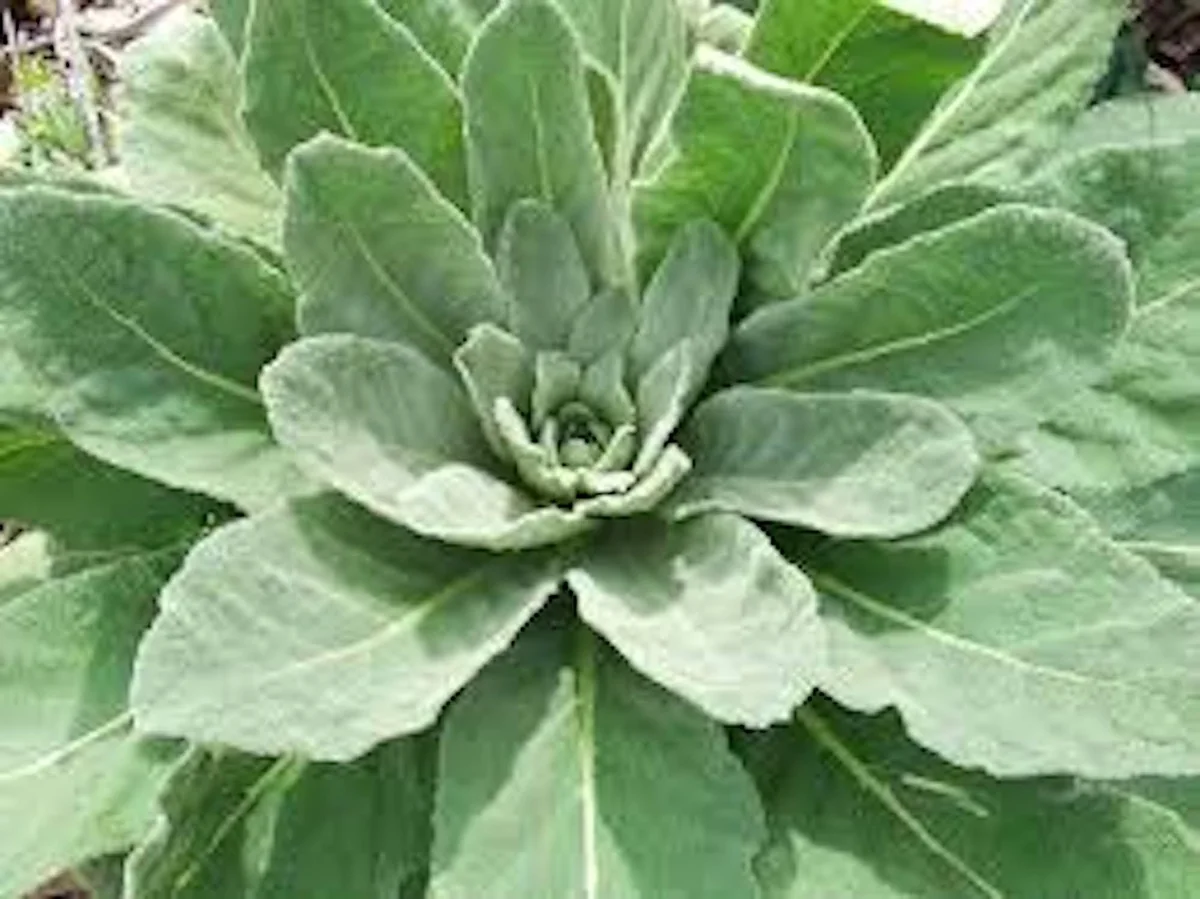
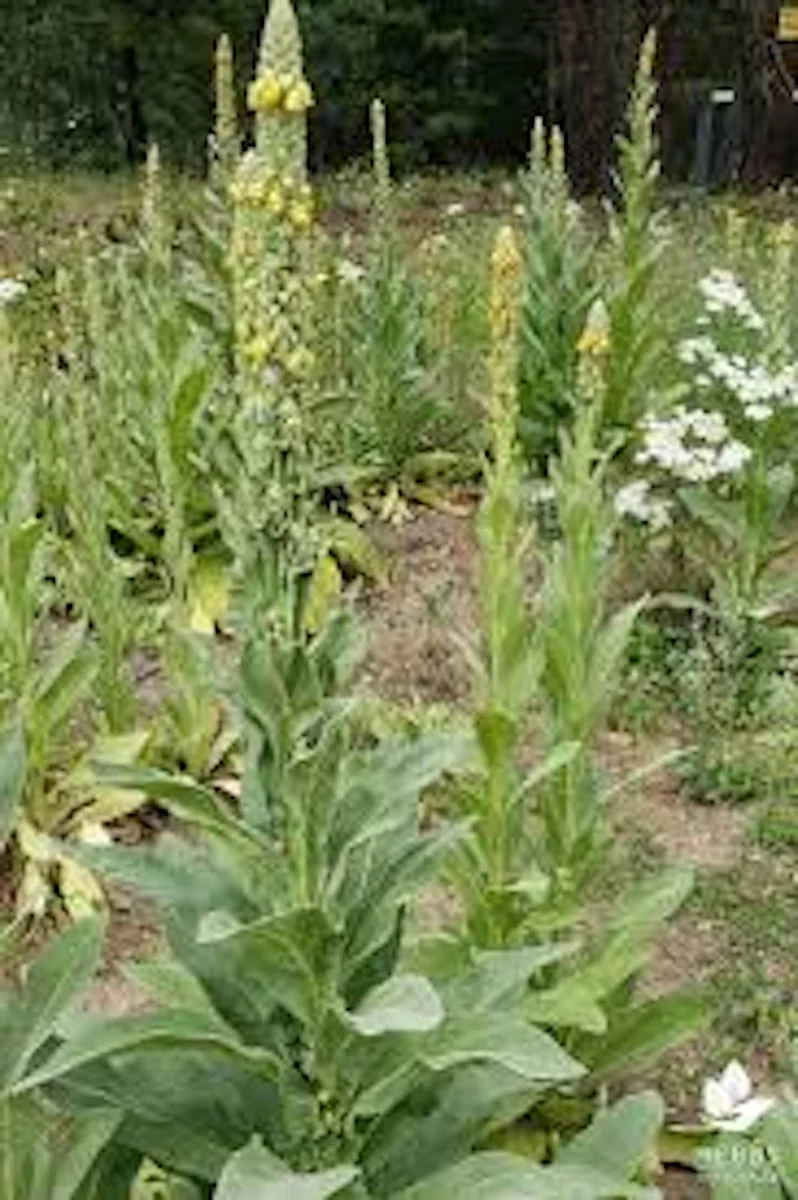
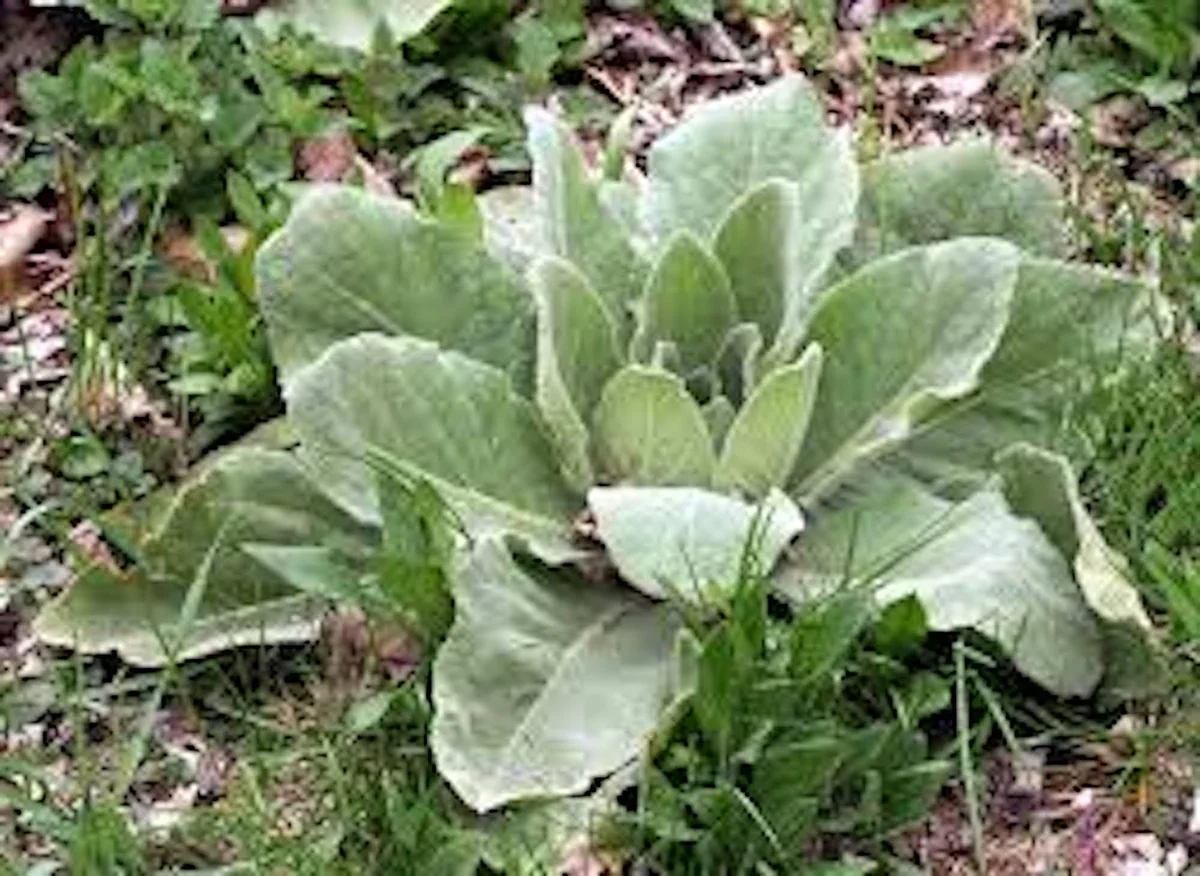
5 Mullein Plant Verbascum Thapsus Organic Bare Root Wildflower – No Foliage
Cultivate 5 mullein plant bare root specimens of Verbascum thapsus organic. These unique plants feature soft, fuzzy leaves and eventually produce tall spikes of vibrant yellow flowers, making them a striking addition to any garden. Shipped as bare roots with no foliage.
Original price was: $45.98.$36.78Current price is: $36.78.

With our Alive & Thrive Guarantee, we’ve got your back for the first 30 days! If you have any concerns about your plants, just reach out to us. Our team is here to help answer your questions and guide you in selecting the best plants for your garden, climate, and unique preferences. We're excited to help you create the garden of your dreams!
Estimated arrival
Mar 12
Mar 17 - Mar 19
Mar 22 - Mar 26
Product Details
-
USDA Hardiness Zone
USDA Zones 3-9 -
Soil type
Well-draining soil -
Sunlight Exposure
Full sun -
Expected Planting Period
Spring or Fall
Overview
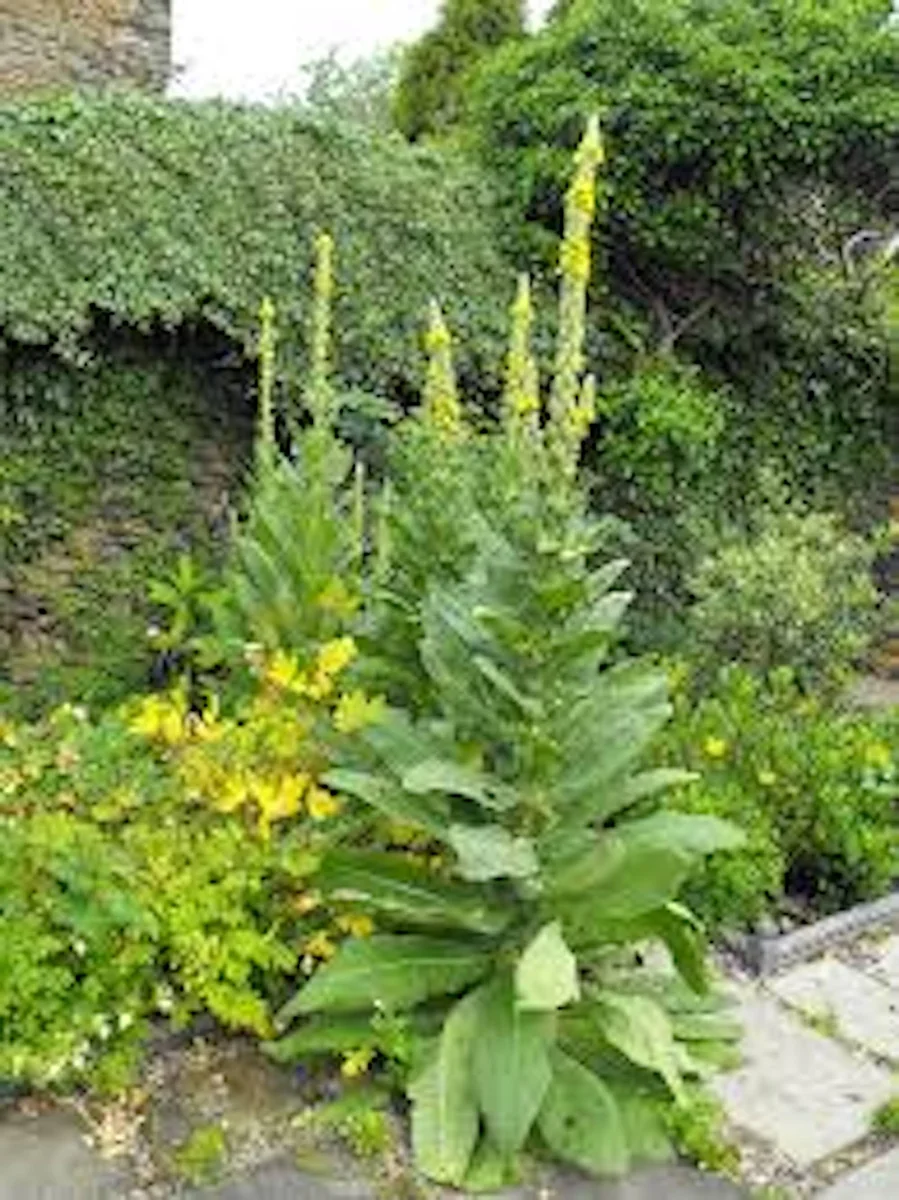
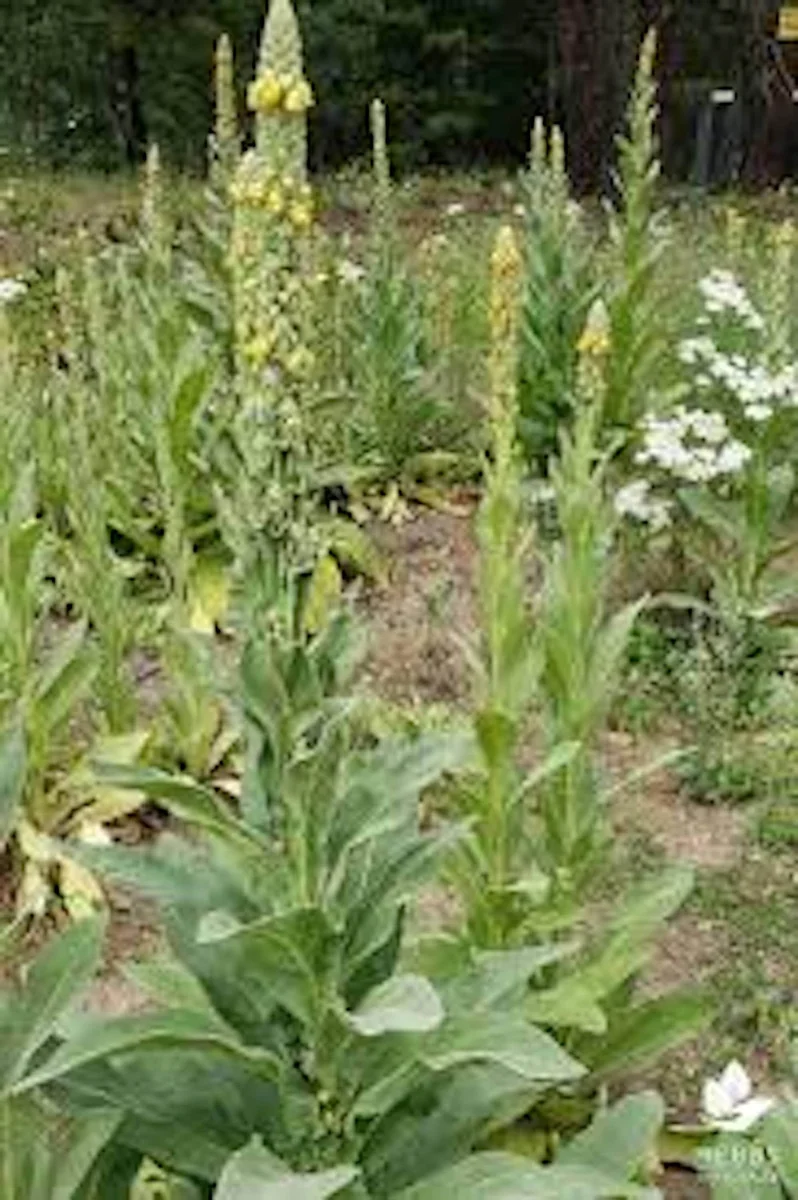
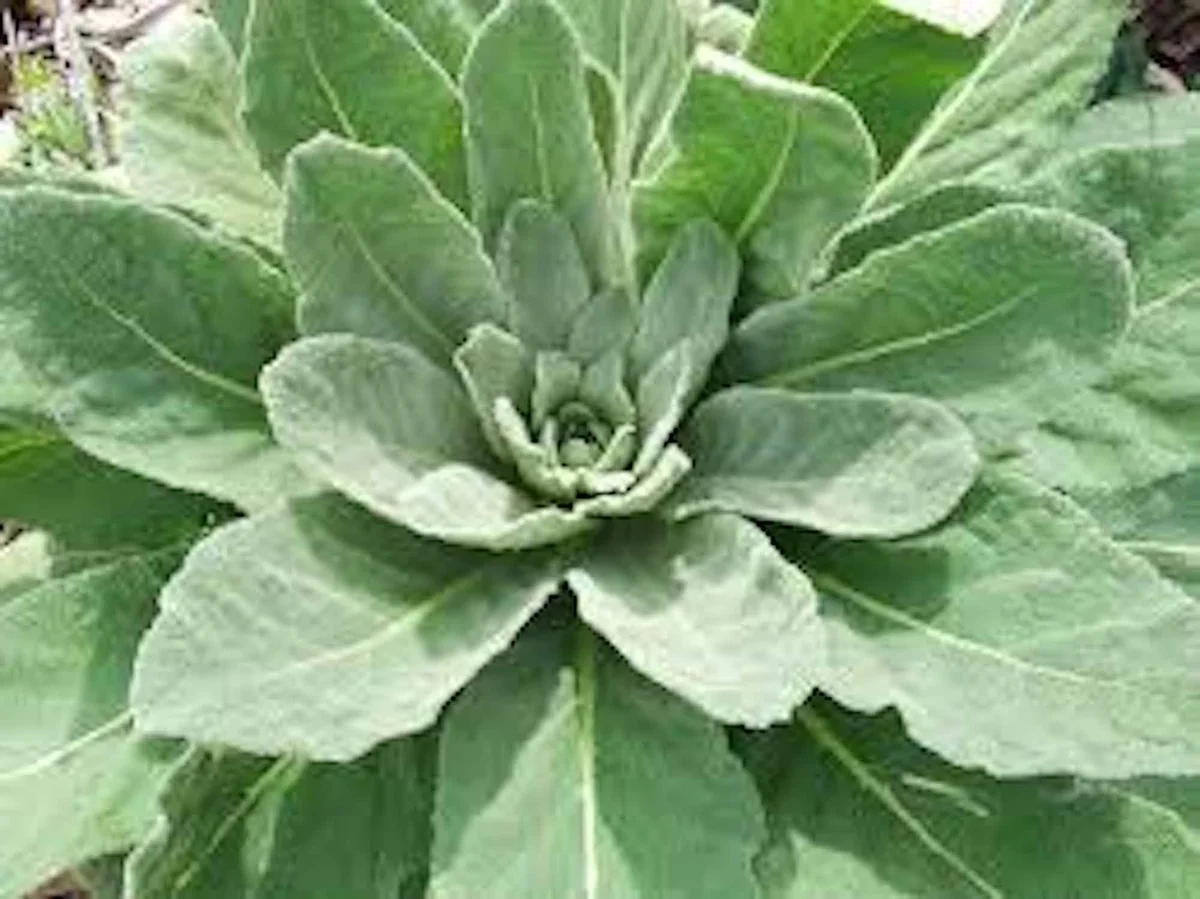
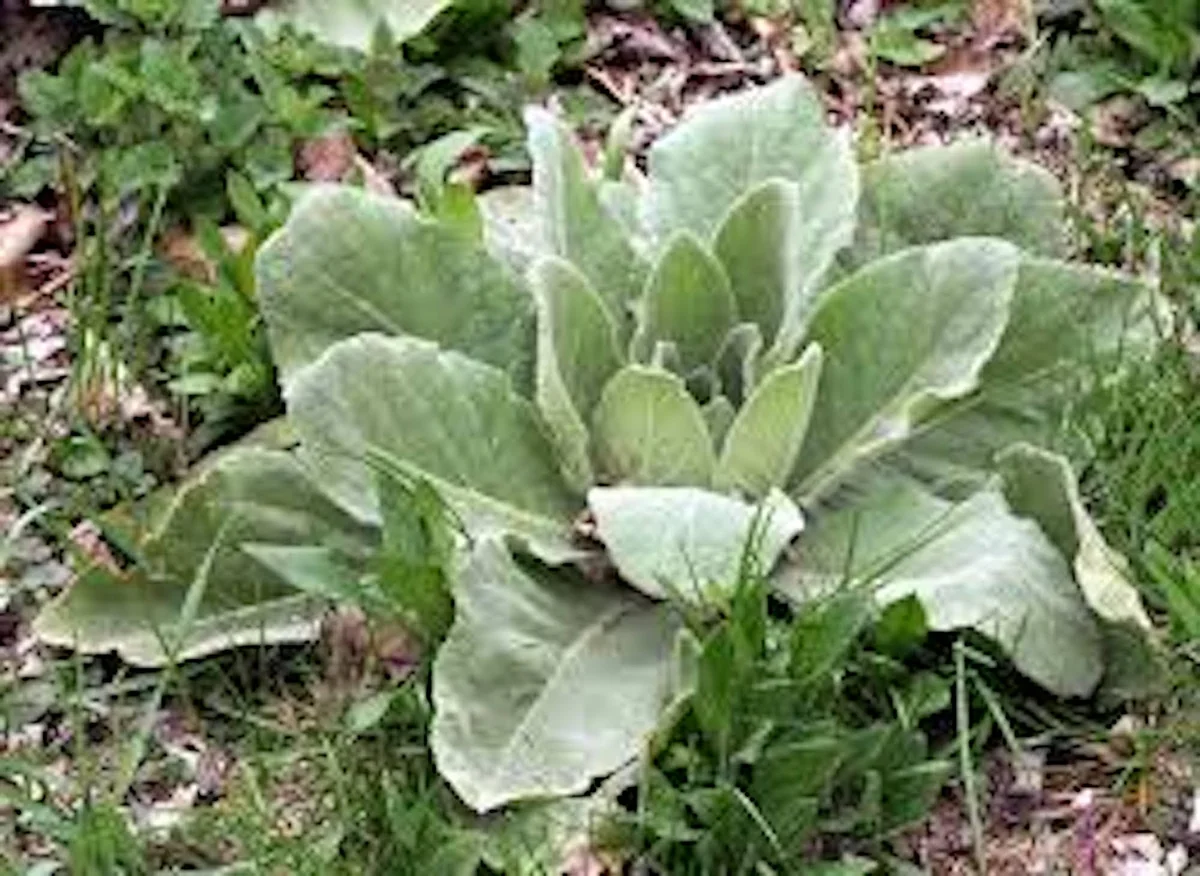
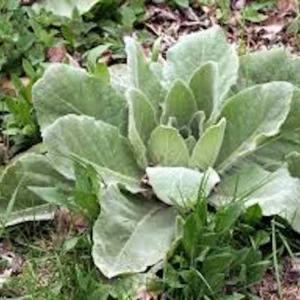
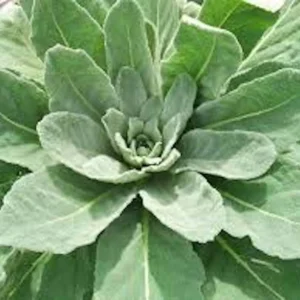
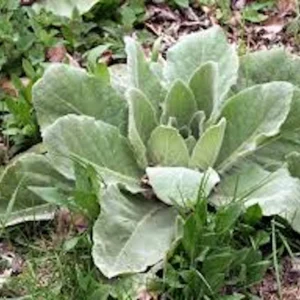
Introduce a touch of natural beauty to your garden with this offering of 5 mullein plant bare root specimens. The Mullein plant, scientifically known as Verbascum thapsus organic, is a truly captivating biennial or short-lived perennial herb renowned for its distinctive appearance and resilience. During its first year, it develops a striking rosette of broad, velvety leaves that can reach up to a foot in length. These leaves are oval to lance-shaped, characterized by a soft, fuzzy texture due to fine hairs covering their surface, which gives them a beautiful silvery-green hue. This unique foliage, often referred to as fuzzy leaf mullein, not only adds visual interest but also helps the plant retain moisture.
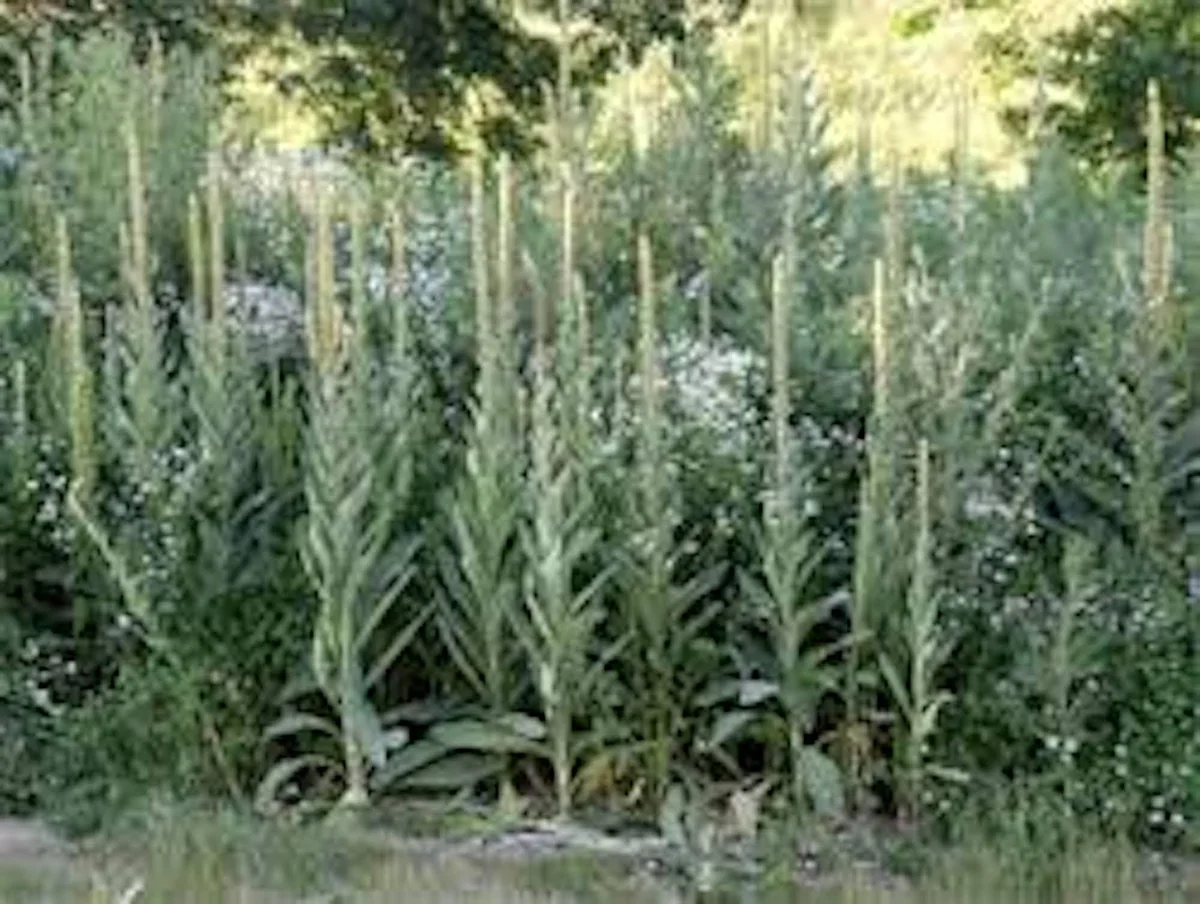
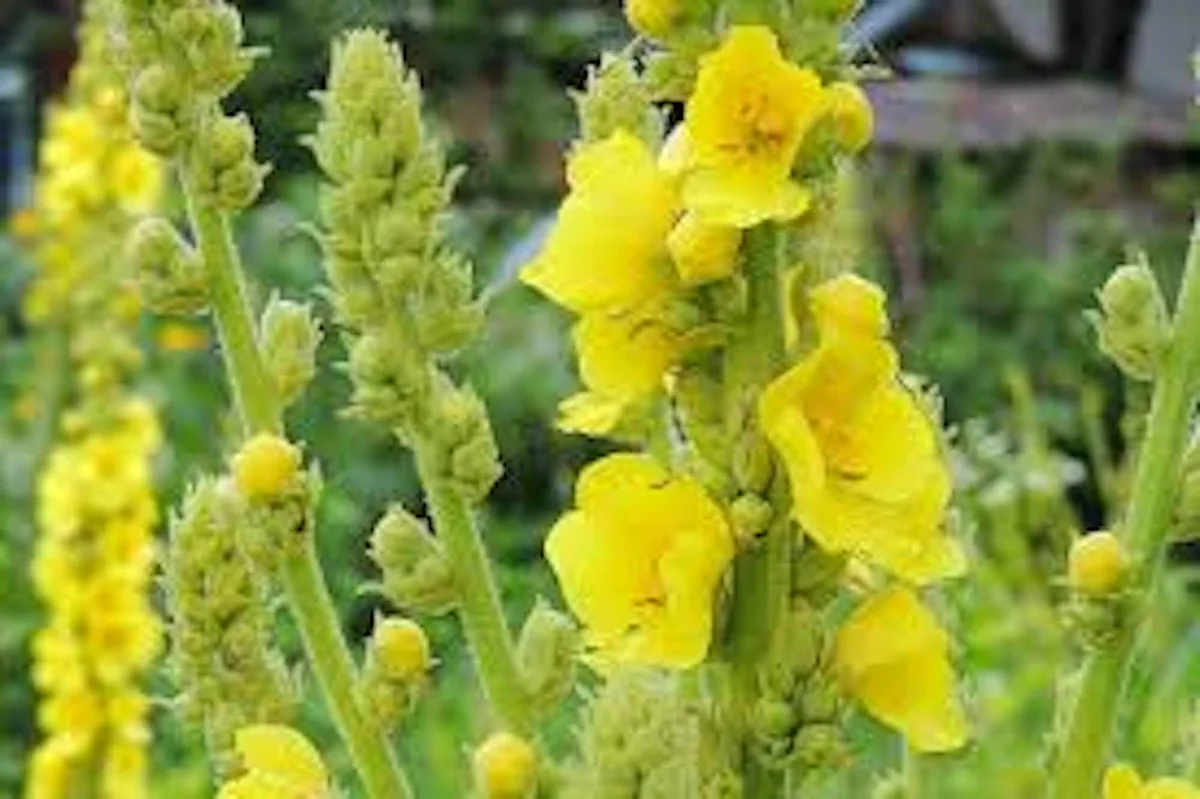
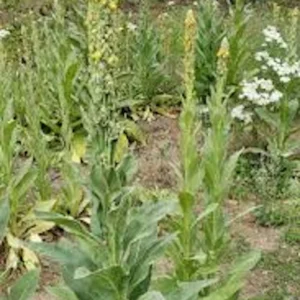
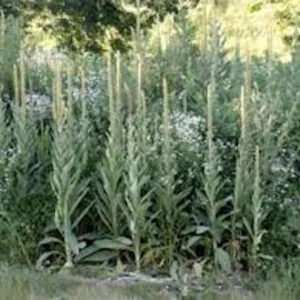
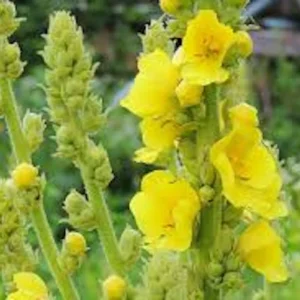
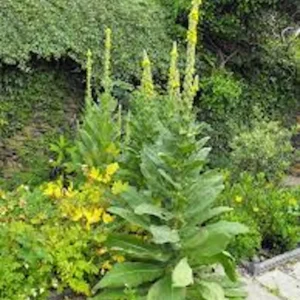
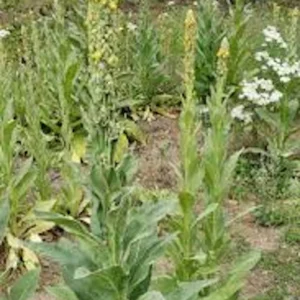
In its second year, the Mullein plant undergoes a remarkable transformation, producing a tall, sturdy flower spike that can soar to heights of 3 to 8 feet. This impressive spike is adorned with clusters of small, star-like yellow flowers that bloom progressively from the bottom upward throughout the summer. Each flower features five petals and a central set of stamens, creating a visually stunning display that attracts a variety of pollinators, including bees and butterflies. As a native wildflower mullein, it thrives in diverse habitats, making it an excellent choice for naturalized areas, meadows, or alongside roadsides. These bare root plants are ready to establish in your garden, offering a foundation for this architectural and ecologically beneficial species.
Key Benefits
The mullein plant bare root offers numerous advantages for both gardeners and the environment, enhancing your landscape with its unique characteristics and ecological contributions. Incorporating this plant into your garden provides a host of benefits:
- Striking Visual Appeal: The Mullein plant boasts a unique two-stage growth cycle. Its first-year rosette of large, velvety, silvery-green leaves provides lush ground cover, while the second-year’s towering yellow flower spike creates a dramatic vertical element. This ensures continuous visual interest throughout the growing season, making it a focal point in any garden setting.
- Pollinator Magnet: The vibrant yellow flowers of Verbascum thapsus organic are highly attractive to a wide array of beneficial pollinators, including various species of bees and butterflies. By planting mullein, you contribute to local biodiversity and support the health of pollinator populations essential for ecosystem balance.
- Drought Tolerance & Resilience: Mullein is an incredibly hardy plant that thrives in disturbed soils, meadows, and along roadsides. It prefers full sun and well-drained soil, demonstrating remarkable resilience and adaptability to different environmental conditions. Its fuzzy leaves aid in moisture retention, contributing to its drought tolerance.
- Naturalized & Wildflower Gardens: As a native wildflower mullein, it integrates beautifully into naturalized landscapes, wildflower meadows, and cottage gardens. It helps create a more natural aesthetic and supports local wildlife. Its ability to self-seed ensures a continuous presence once established.
- Low Maintenance: Once established, these mullein plants require very little attention. They are not prone to many pests or diseases and do not need rich soil or frequent watering. This makes them an ideal choice for gardeners seeking an impactful yet easy-to-care-for plant.
- Distinctive Foliage: The soft, fuzzy leaf mullein provides a unique textural element to the garden. The silvery-green hue of the leaves creates a striking contrast with other plants, enhancing the overall aesthetic and tactile experience of your outdoor space.
- Ecological Contribution: Beyond attracting pollinators, mullein provides shelter and food sources for various insects. Its adaptability to poor soils helps in ecological restoration efforts in degraded areas, contributing to a healthier environment.
Plant Care & Growing Tips
Caring for your mullein plant bare root is relatively straightforward, as this plant is known for its hardiness and adaptability. To ensure successful establishment and vigorous growth, consider the following guidelines. Mullein thrives in full sun, requiring at least 6-8 hours of direct sunlight per day to produce its impressive flower spikes. While it can tolerate partial shade, flowering may be reduced. It is an excellent candidate for sunny borders, open fields, or areas where other plants might struggle with intense sun exposure. Proper sunlight is crucial for the development of the fuzzy leaves and the iconic flower stalk that defines the native wildflower mullein.
When it comes to soil, mullein prefers well-drained conditions. It is not particular about soil fertility and can even thrive in poor, rocky, or sandy soils, which is why it’s often found in disturbed areas. Heavy, waterlogged soils should be avoided as they can lead to root rot. If your soil is heavy clay, consider amending it with sand or gravel to improve drainage. Watering should be minimal once the plant is established; it is quite drought-tolerant. During its first year, especially after planting the bare roots, ensure consistent moisture to help it establish, but avoid overwatering. For established plants, supplemental watering is usually only necessary during prolonged dry spells. Understanding how to grow this plant, especially when growing mullein plant from bare roots, is key to its success.
Mullein is primarily a biennial, meaning it forms a rosette of leaves in its first year and flowers and sets seed in its second year before dying. However, it readily self-seeds, ensuring a continuous presence in your garden if conditions are favorable. It is generally hardy in USDA Zones 3-9. Fertilization is typically not required, as mullein performs well in nutrient-poor soils. If you wish to prevent excessive self-seeding, you can deadhead the flower stalks before they go to seed. Common problems are rare, but watch for slugs and snails on young rosettes. Overall, the Verbascum thapsus organic is a low-maintenance plant that rewards gardeners with dramatic form and ecological benefits.
Size & Details
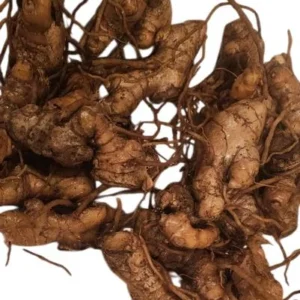
This offering includes 5 mullein plant bare root specimens, shipped without foliage to ensure optimal transplanting success. Each bare root is a living plant ready to establish in your garden, focusing its energy on developing a strong root system upon planting. In its first year, the plant will form a rosette of broad, velvety leaves, which can reach up to a foot in length. The characteristic fuzzy leaf mullein texture will be evident as it grows. In the second year, a tall flower spike will emerge, typically growing between 3 to 8 feet in height, adorned with numerous yellow blossoms. The growth rate is moderate, with the plant reaching its full height in its second year.
These bare roots are an economical and effective way of growing mullein plant, allowing them to adapt to your specific garden conditions from an early stage. While specific dimensions at planting are minimal, expect robust growth quickly once established. The plant’s overall structure, with its tall spike and broad base, creates an impressive silhouette against the backdrop of other flora. The flowers will give way to small, fuzzy seed capsules containing tiny seeds, which can be dispersed by wind or animals, aiding in the plant’s natural spread and ensuring future generations of this beautiful native wildflower mullein.
Frequently Asked Questions
- Q: How big does this mullein plant bare root get? A: In its first year, the mullein plant forms a rosette of leaves that can spread up to a foot in diameter. In its second year, it sends up a tall flower stalk that typically reaches 3 to 8 feet in height, creating a prominent vertical accent in your garden.
- Q: Is this an indoor or outdoor plant? How much sunlight does it need? A: Mullein is an outdoor plant that thrives in full sun, requiring at least 6-8 hours of direct sunlight daily. It is not suitable for indoor cultivation due to its size and light requirements.
- Q: Is this plant easy to care for? Is it good for beginners? A: Yes, Verbascum thapsus organic is considered very easy to care for and is an excellent choice for beginner gardeners. It is highly resilient, drought-tolerant, and requires minimal maintenance once established.
- Q: What condition will the bare roots arrive in? A: Your 5 mullein plant bare root specimens will arrive dormant, with no foliage, carefully packaged to ensure their health during transit. This is the optimal state for bare root planting, allowing them to focus energy on root development.
- Q: When is the best time to plant these bare roots? A: The best time for growing mullein plant from bare roots is in early spring or fall. This allows the roots to establish before the heat of summer or the deep cold of winter.
- Q: Can I expect flowers in the first year? A: Mullein is typically a biennial. It will focus on growing its leafy rosette in the first year and then produce its tall, yellow flower spike in the second year. You will not see flowers in the first year from bare roots.
- Q: What kind of soil does mullein prefer, and what USDA zones is it suitable for? A: Mullein prefers well-drained soil and can tolerate poor or rocky conditions. It is suitable for USDA Hardiness Zones 3 through 9, making it adaptable to a wide range of climates across the US.
- Q: Will the fuzzy leaf mullein attract wildlife to my garden? A: Yes, the vibrant yellow flowers of the native wildflower mullein are known to attract various pollinators, including bees and butterflies, contributing to the biodiversity of your garden ecosystem.
- Q: How do I ensure self-seeding for continuous growth? A: To encourage continuous growth, allow the flower stalks to remain on the plant after blooming. They will produce seeds that disperse naturally, leading to new mullein plants in subsequent years, ensuring a continuous cycle of growing mullein plant.
Related products
-10%
Original price was: $23.99.$21.59Current price is: $21.59.
-30%
Original price was: $99.98.$69.98Current price is: $69.98.
-30%
Original price was: $59.98.$41.98Current price is: $41.98.
-10%
Original price was: $30.99.$27.99Current price is: $27.99.
-10%
Original price was: $11.99.$10.79Current price is: $10.79.
-10%
Original price was: $65.00.$58.50Current price is: $58.50.
-20%
Original price was: $35.00.$28.00Current price is: $28.00.
-50%
Original price was: $107.96.$53.98Current price is: $53.98.
PLANTING & CARE

The Comprehensive Guide to Growing Bay Leaf Plants for a Flavorful Garden
Imagine stepping into your garden, greeted by the earthy aroma of fresh bay leaves, their
09
Feb
Feb

How to Make Comfrey Tea: The Ultimate Organic Plant Food
Growing an organic garden can be surprisingly expensive, especially when most store-bought fertilizers come in
02
Feb
Feb

True Comfrey: 7 Essential Tips Before You Plant This Herb
A staple in permaculture practices across the US, True Comfrey easily earns its reputation as
27
Jan
Jan

7 Heart-Shaped Plants for a Lasting Valentine’s Gift
If you’ve ever bought a bouquet of roses for Valentine’s Day, you know they are
26
Jan
Jan

Best Types of Ivy Plant for Houses: How to Choose the Perfect Ones for Your Home
Are you a garden lover looking to introduce some greenery into your home? Maybe you’ve
14
Nov
Nov

When to Harvest Garlic (Especially Fall-Planted Garlic)
TIMING IS EVERYTHING, they say – and for garlic, that truth hits with surprising accuracy.
13
Nov
Nov

11 of the Best Sweet Potato Varieties to Grow for Your Garden
If you’ve ever tried growing sweet potatoes, you know that picking the right variety can
12
Nov
Nov
Pruning Bougainvillea for Winter
Bougainvillea vines are known for their dazzling display of magenta, orange, and fuchsia bracts that
05
Nov
Nov