September Red Raspberry Plant – 10 Starter Plugs – Everbearing, Cold-Hardy, Rubus idaeus
-20%
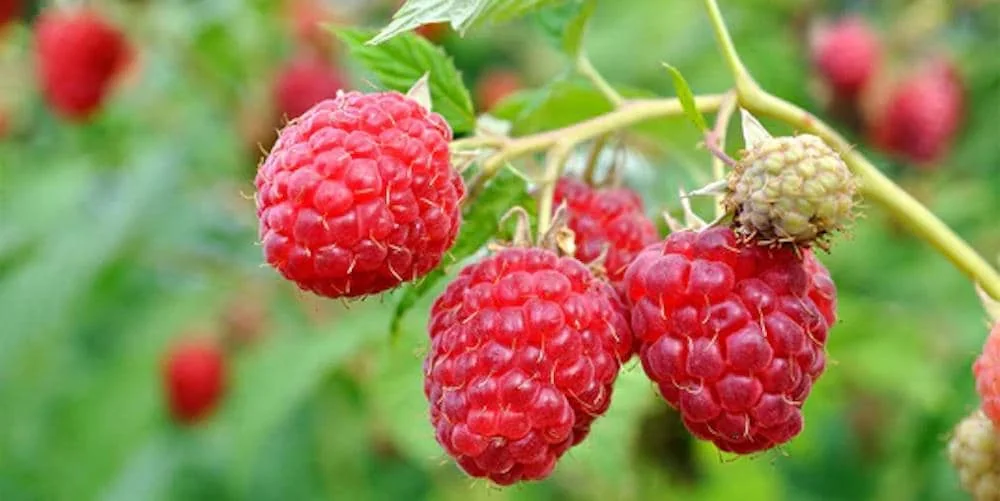
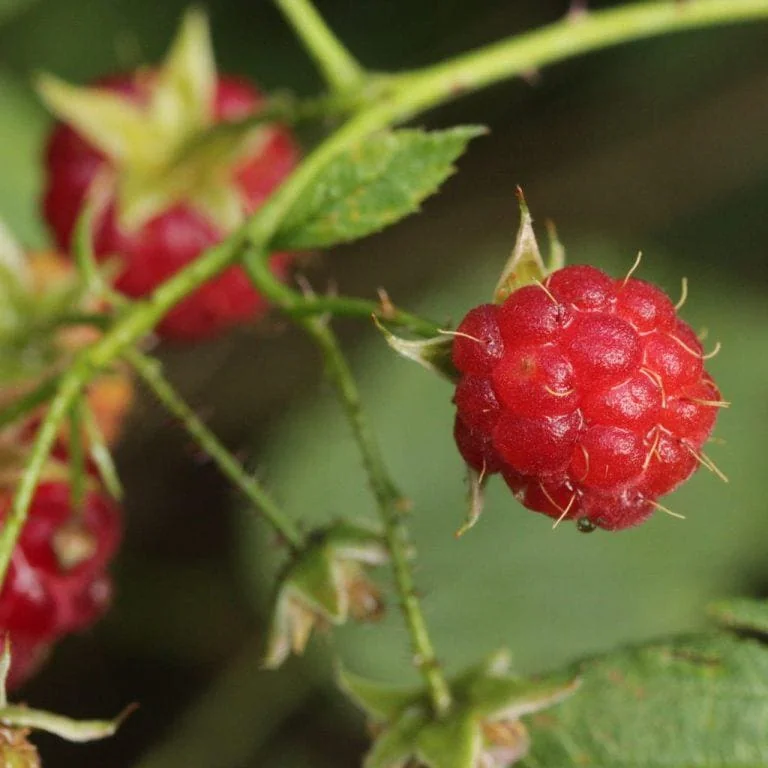
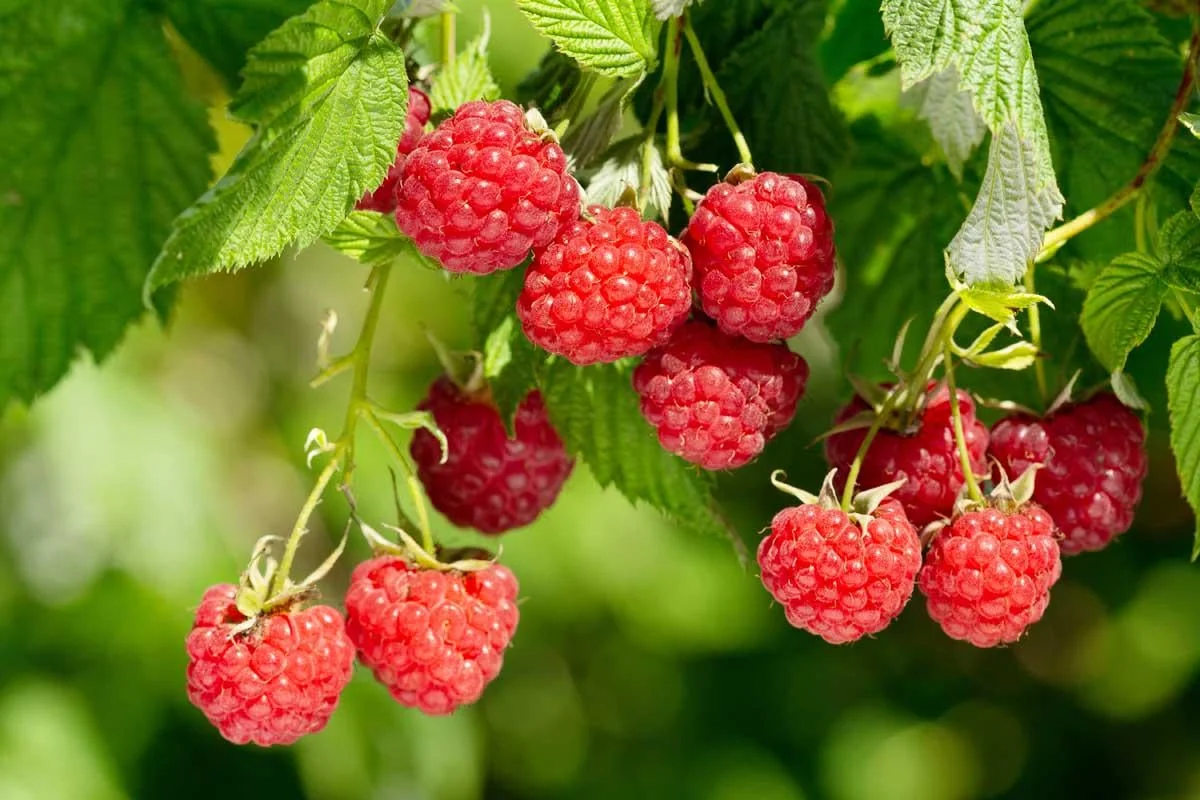
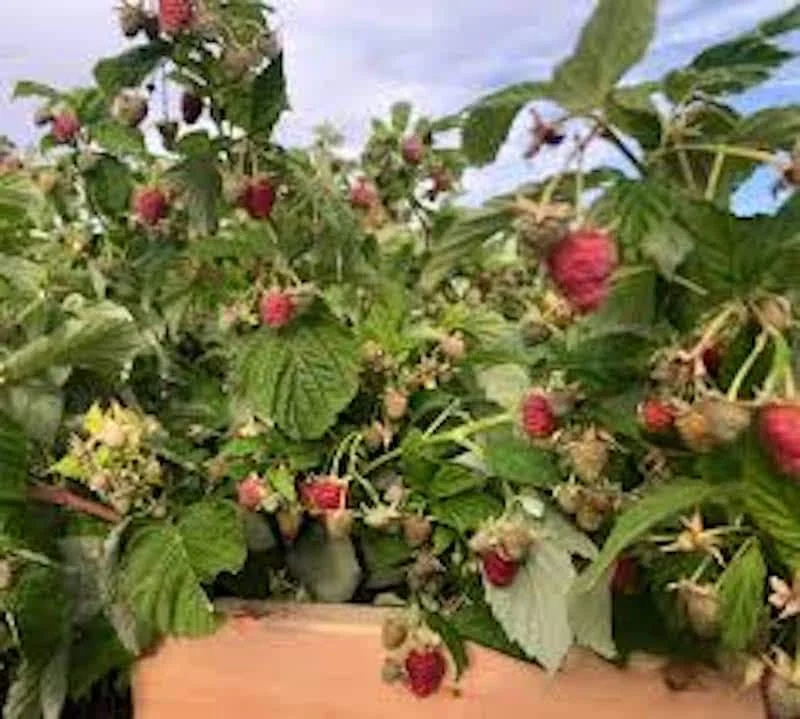
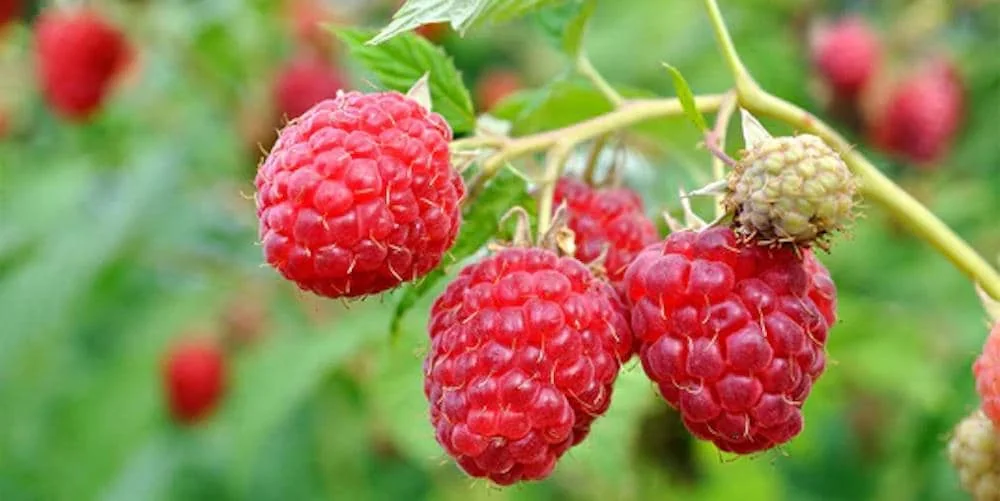
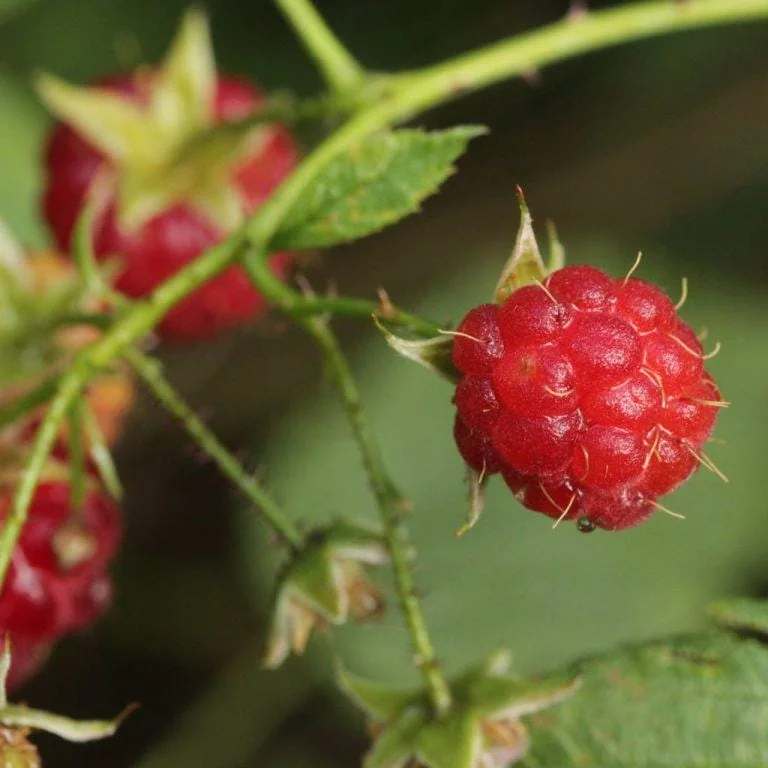
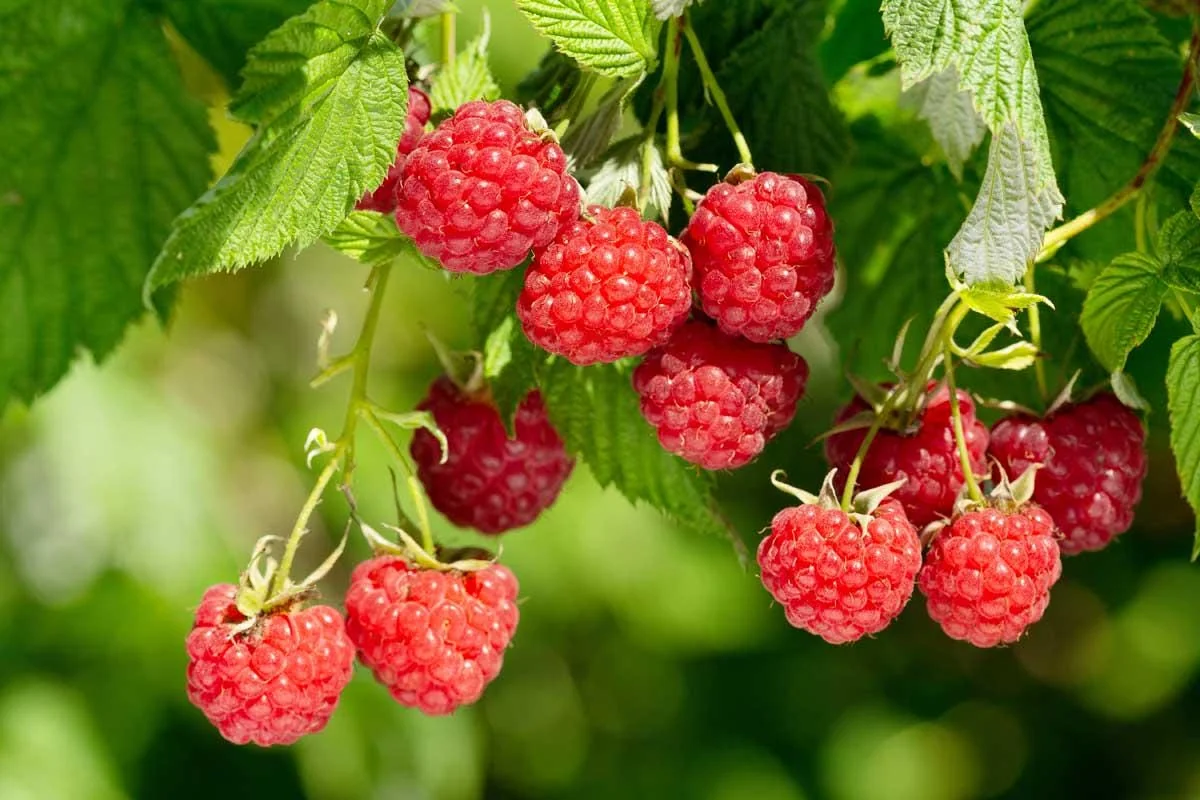
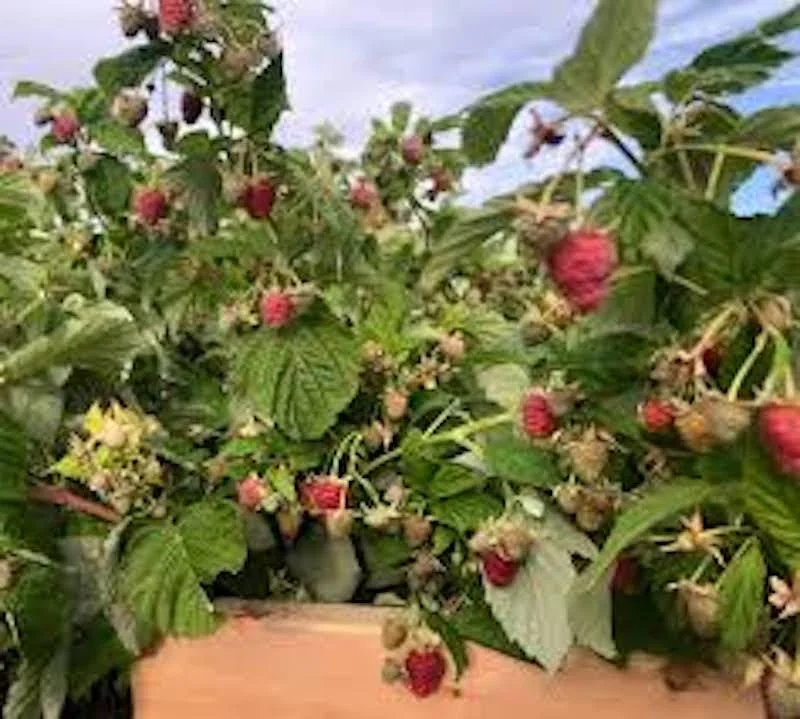
September Red Raspberry Plant – 10 Starter Plugs – Everbearing, Cold-Hardy, Rubus idaeus
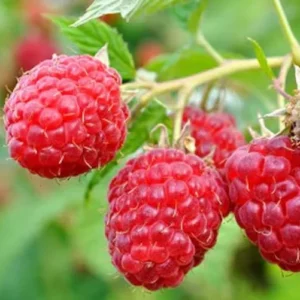
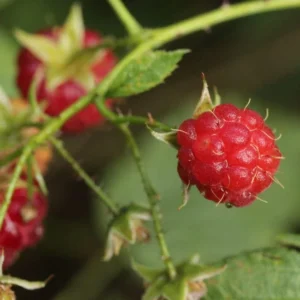
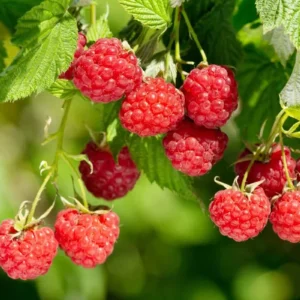
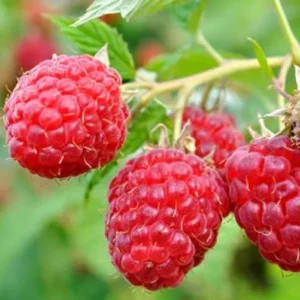
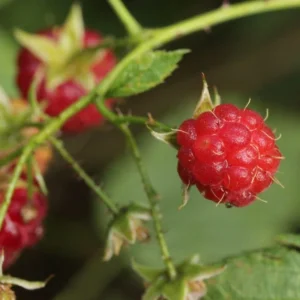
Cultivate your own delicious berries with this September Red Raspberry Starter Plug. This everbearing raspberry plant offers two harvests annually and is renowned for its exceptional cold hardiness, thriving in USDA zones 4-8. Grow this vigorous thorned shrub for abundant, flavorful fruit.
Original price was: $130.00.$104.00Current price is: $104.00.

With our Alive & Thrive Guarantee, we’ve got your back for the first 30 days! If you have any concerns about your plants, just reach out to us. Our team is here to help answer your questions and guide you in selecting the best plants for your garden, climate, and unique preferences. We're excited to help you create the garden of your dreams!
Estimated arrival
Mar 11
Mar 16 - Mar 18
Mar 21 - Mar 25
Product Details
-
USDA Hardiness Zone
4-8 -
Soil type
Well-draining, slightly acidic to neutral -
Sunlight Exposure
Full sun -
Expected Planting Period
Early spring
Overview
Bring the joy of fresh raspberries to your garden with the September Red Raspberry Starter Plug. This exceptional variety, scientifically known as Rubus idaeus, is celebrated for its everbearing nature, providing a generous two-crop yield each year. Gardeners will appreciate its remarkable cold hardiness, making it an ideal choice for a wide range of climates, particularly northern regions within USDA hardiness zones 4 through 8. These starter plugs offer a convenient and effective way to establish a productive raspberry patch, promising a bountiful harvest of sweet, juicy berries. The upright and bushy growth habit of the September Red raspberry makes it a striking and functional addition to any edible landscape, offering both beauty and a continuous supply of fruit.
The September Red Raspberry Starter Plug is perfect for those looking to enjoy homegrown fruit without the wait. These plants are easy to establish and will quickly develop into robust, fruit-producing shrubs. Its ability to produce two distinct crops—a lighter one in early summer and a heavier one in late summer/fall—ensures a prolonged harvest season, allowing you to enjoy fresh raspberries for an extended period. This particular raspberry plant is also self-pollinating, simplifying the growing process and guaranteeing fruit production even if planted individually. Whether you’re an experienced gardener or just starting, the September Red raspberry offers a rewarding and delicious experience.
Key Benefits
The September Red Raspberry Starter Plug offers numerous advantages for both the home gardener and the culinary enthusiast. Its unique characteristics contribute to a successful and satisfying growing experience, ensuring a steady supply of fresh, flavorful fruit.
- Extended Harvest Season: Enjoy two distinct crops annually. A light harvest in early summer (July) and a more substantial yield from late summer through fall (August to October) means more fresh berries for longer. This everbearing trait is a significant benefit for continuous fruit production.
- Exceptional Cold Hardiness: This variety is incredibly tolerant of cold temperatures, making it suitable for a broad range of climates, specifically USDA hardiness zones 4 through 8. Gardeners in northern regions can confidently grow this robust plant.
- Self-Pollinating Convenience: The Rubus idaeus plant is self-fertile, meaning a single plant can produce fruit without the need for additional raspberry varieties for pollination. This simplifies planting and ensures a reliable harvest.
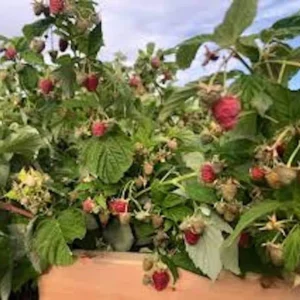
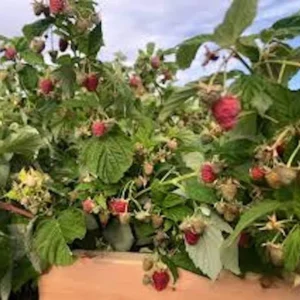
- Vigorous and Bushy Growth: The September Red raspberry develops into an upright, bushy shrub, typically reaching 3 to 5 feet tall and wide. Its vigorous growth ensures a healthy and productive plant that is easy to manage in the garden.
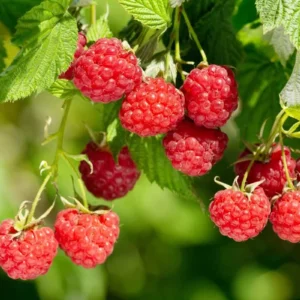
- Delicious, Versatile Fruit: The raspberries produced are sweet and flavorful, perfect for fresh eating, baking, jams, jellies, or freezing. Having your own supply of fresh berries opens up endless culinary possibilities.
- Low Maintenance & Resilient: Once established, this cold-hardy raspberry requires relatively little care, making it an excellent choice for gardeners seeking productive plants that don’t demand constant attention. Its resilience contributes to a successful growing experience.
- Attractive Garden Addition: Beyond its fruit production, the vigorous green foliage and bright red berries add an appealing aesthetic to your garden or edible landscape, enhancing its overall beauty.
Plant Care & Growing Tips
Caring for your September Red Raspberry Starter Plug is straightforward, and with proper attention, you’ll be rewarded with abundant harvests. These plants prefer a location that receives full sun, meaning at least 6-8 hours of direct sunlight daily for optimal fruit production. While they are tolerant of some shade, more sun generally leads to more berries. Ensure your planting site has well-draining soil, as raspberries do not like wet feet. A slightly acidic to neutral pH (6.0-6.8) is ideal. Amend heavy clay soils with organic matter like compost or aged manure to improve drainage and fertility before planting.
Watering is crucial, especially during establishment and fruit development. Aim for consistent moisture, providing about 1 inch of water per week through rainfall or irrigation. During hot, dry periods, you may need to water more frequently. Mulching around the base of the plants with straw, wood chips, or shredded leaves will help retain soil moisture, suppress weeds, and regulate soil temperature. Fertilize in early spring with a balanced granular fertilizer or a product specifically formulated for berries. Pruning is essential for maintaining plant health and maximizing yields. Since this is an everbearing raspberry plant, you can choose to prune for one large fall crop or two smaller crops. For two crops, prune spent canes after the fall harvest, leaving the first-year canes to produce the summer crop. For one large fall crop, cut all canes back to the ground in late winter.
This Rubus idaeus plant thrives in USDA hardiness zones 4 through 8, making it highly adaptable. Protect new plantings from extreme winter winds in the colder parts of its range. Watch out for common pests like Japanese beetles or raspberry borers, and address them with organic pest control methods if necessary. Good air circulation can help prevent fungal diseases. With these simple tips, your September Red Raspberry Starter Plug will flourish and provide years of delicious fruit.
Size & Details
Each order includes 10 September Red Raspberry Starter Plugs, providing a robust foundation for establishing a productive raspberry patch. These starter plugs are young, actively growing plants, ready for transplanting into your garden or larger containers. The September Red raspberry is a vigorous variety that typically grows into an upright, bushy shrub, reaching a mature size of 3 to 5 feet in both height and width. Its growth rate is moderate to fast, allowing for fruit production to begin relatively quickly after planting.
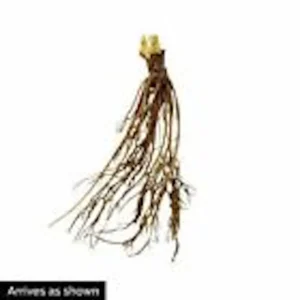
These plants are shipped as bare root stock, meaning they will arrive without soil or a pot. This method is common for dormant plants and ensures they can be easily planted upon arrival. The vibrant red berries are known for their medium size and excellent flavor profile. Expect your first light crop in early summer (July) and a more substantial harvest from late summer to fall (August through October). With proper care, these cold-hardy raspberry plants will establish quickly and become a long-term asset to your edible garden.
Frequently Asked Questions
- Q: How large will the September Red Raspberry plant grow? A: The September Red Raspberry Starter Plug will mature into an upright, bushy shrub, typically reaching 3 to 5 feet tall and 3 to 5 feet wide. Its vigorous growth habit ensures a substantial plant.
- Q: Is this an indoor or outdoor plant? A: The September Red raspberry is an outdoor plant, best suited for garden beds or large outdoor containers where it can receive ample sunlight and space to grow. It is not suitable for indoor cultivation.
- Q: How much sunlight does the September Red Raspberry need? A: This plant thrives in full sun, requiring at least 6 to 8 hours of direct sunlight per day for optimal fruit production and plant health. Less sun may result in fewer berries.
- Q: Is the September Red Raspberry easy to care for? A: Yes, once established, the September Red Raspberry Starter Plug is considered relatively low-maintenance. It requires consistent watering, annual fertilization, and proper pruning to ensure a healthy and productive harvest.
- Q: What condition will the starter plugs arrive in? A: Your September Red Raspberry Starter Plug will be shipped as bare root plants, meaning they will arrive without soil or a pot. This is a standard and effective shipping method for many dormant or semi-dormant plants.
- Q: When is the best time to plant these raspberries? A: The best time to plant bare root raspberry plugs is in early spring, after the last frost, allowing them ample time to establish their root system before the heat of summer. Fall planting is also possible in milder climates.
- Q: What USDA hardiness zones are suitable for this raspberry? A: The cold-hardy raspberry, September Red, is suitable for USDA hardiness zones 4 through 8, making it a versatile choice for many regions, especially those with colder winters.
- Q: How long until I can expect fruit from my September Red Raspberry Starter Plug? A: You can typically expect your first light crop of raspberries in the first year, usually in early summer (July), with a heavier crop in late summer/fall (August-October) as the plant matures.
- Q: Do I need multiple plants for pollination? A: No, the Rubus idaeus plant ‘September Red’ is self-pollinating, meaning a single plant can produce fruit on its own. However, planting multiple plants can increase overall yield.
- Q: What type of soil does this raspberry prefer? A: This raspberry prefers well-draining soil with a slightly acidic to neutral pH (6.0-6.8). Amending heavy soils with organic matter will improve drainage and provide essential nutrients.
Related products
-20%
Original price was: $32.00.$25.60Current price is: $25.60.
-20%
Original price was: $36.00.$28.80Current price is: $28.80.
-20%
Original price was: $80.00.$64.00Current price is: $64.00.
-20%
Original price was: $32.00.$25.60Current price is: $25.60.
-20%
Original price was: $36.00.$28.80Current price is: $28.80.
-20%
Original price was: $60.00.$48.00Current price is: $48.00.
-20%
Original price was: $36.00.$28.80Current price is: $28.80.
PLANTING & CARE

The Comprehensive Guide to Growing Bay Leaf Plants for a Flavorful Garden
Imagine stepping into your garden, greeted by the earthy aroma of fresh bay leaves, their
09
Feb
Feb

How to Make Comfrey Tea: The Ultimate Organic Plant Food
Growing an organic garden can be surprisingly expensive, especially when most store-bought fertilizers come in
02
Feb
Feb

True Comfrey: 7 Essential Tips Before You Plant This Herb
A staple in permaculture practices across the US, True Comfrey easily earns its reputation as
27
Jan
Jan

7 Heart-Shaped Plants for a Lasting Valentine’s Gift
If you’ve ever bought a bouquet of roses for Valentine’s Day, you know they are
26
Jan
Jan

Best Types of Ivy Plant for Houses: How to Choose the Perfect Ones for Your Home
Are you a garden lover looking to introduce some greenery into your home? Maybe you’ve
14
Nov
Nov

When to Harvest Garlic (Especially Fall-Planted Garlic)
TIMING IS EVERYTHING, they say – and for garlic, that truth hits with surprising accuracy.
13
Nov
Nov

11 of the Best Sweet Potato Varieties to Grow for Your Garden
If you’ve ever tried growing sweet potatoes, you know that picking the right variety can
12
Nov
Nov
Pruning Bougainvillea for Winter
Bougainvillea vines are known for their dazzling display of magenta, orange, and fuchsia bracts that
05
Nov
Nov