10 Goji Berry Live Plants – Lycium barbarum Fruit Starter Plants
-20%
10 Goji Berry Live Plants – Lycium barbarum Fruit Starter Plants
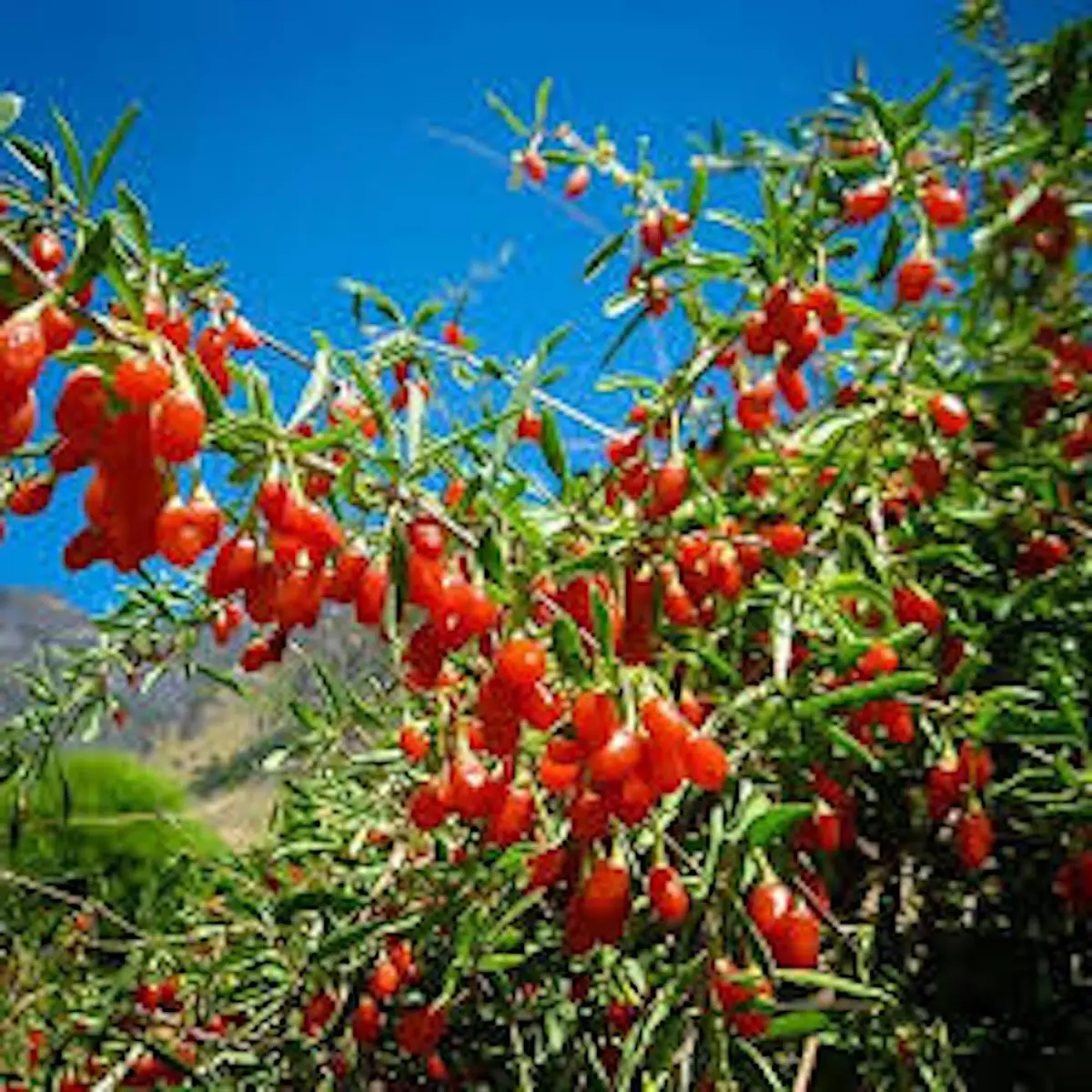
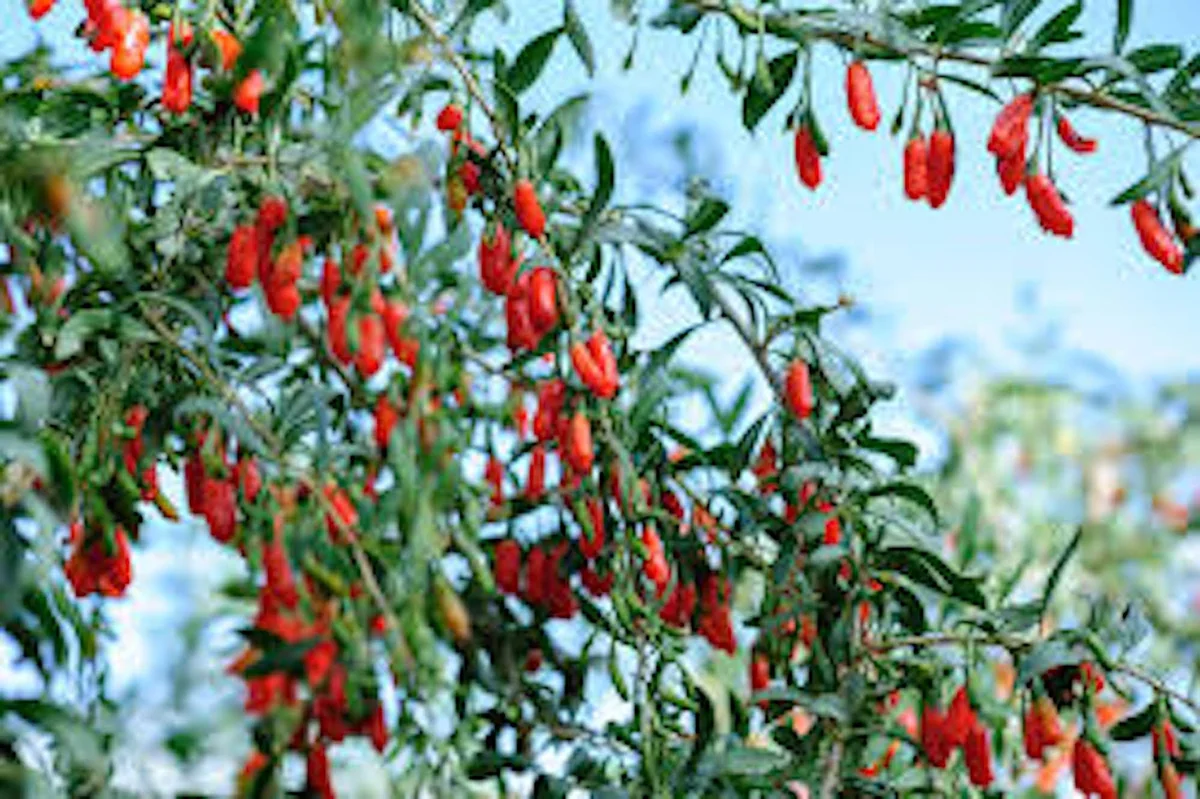
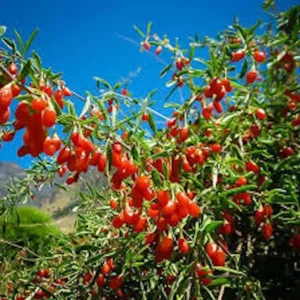
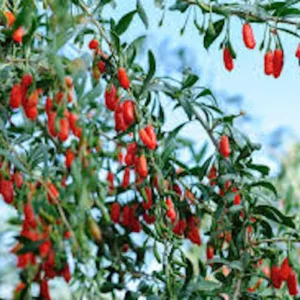
Cultivate your own superfood with this pack of 10 Goji Berry live plant starters (Lycium barbarum). These hardy, drought-tolerant shrubs produce vibrant red, oval-shaped berries known for their health benefits. Ideal for edible landscapes and full sun gardens, they offer both beauty and nutrition.
Original price was: $142.00.$113.60Current price is: $113.60.

With our Alive & Thrive Guarantee, we’ve got your back for the first 30 days! If you have any concerns about your plants, just reach out to us. Our team is here to help answer your questions and guide you in selecting the best plants for your garden, climate, and unique preferences. We're excited to help you create the garden of your dreams!
Estimated arrival
Mar 31
Apr 05 - Apr 07
Apr 10 - Apr 14


Product Details
-
USDA Hardiness Zone
USDA Zones 5-9 -
Soil type
Well-draining soil -
Sunlight Exposure
Full sun -
Expected Planting Period
Early spring
Overview
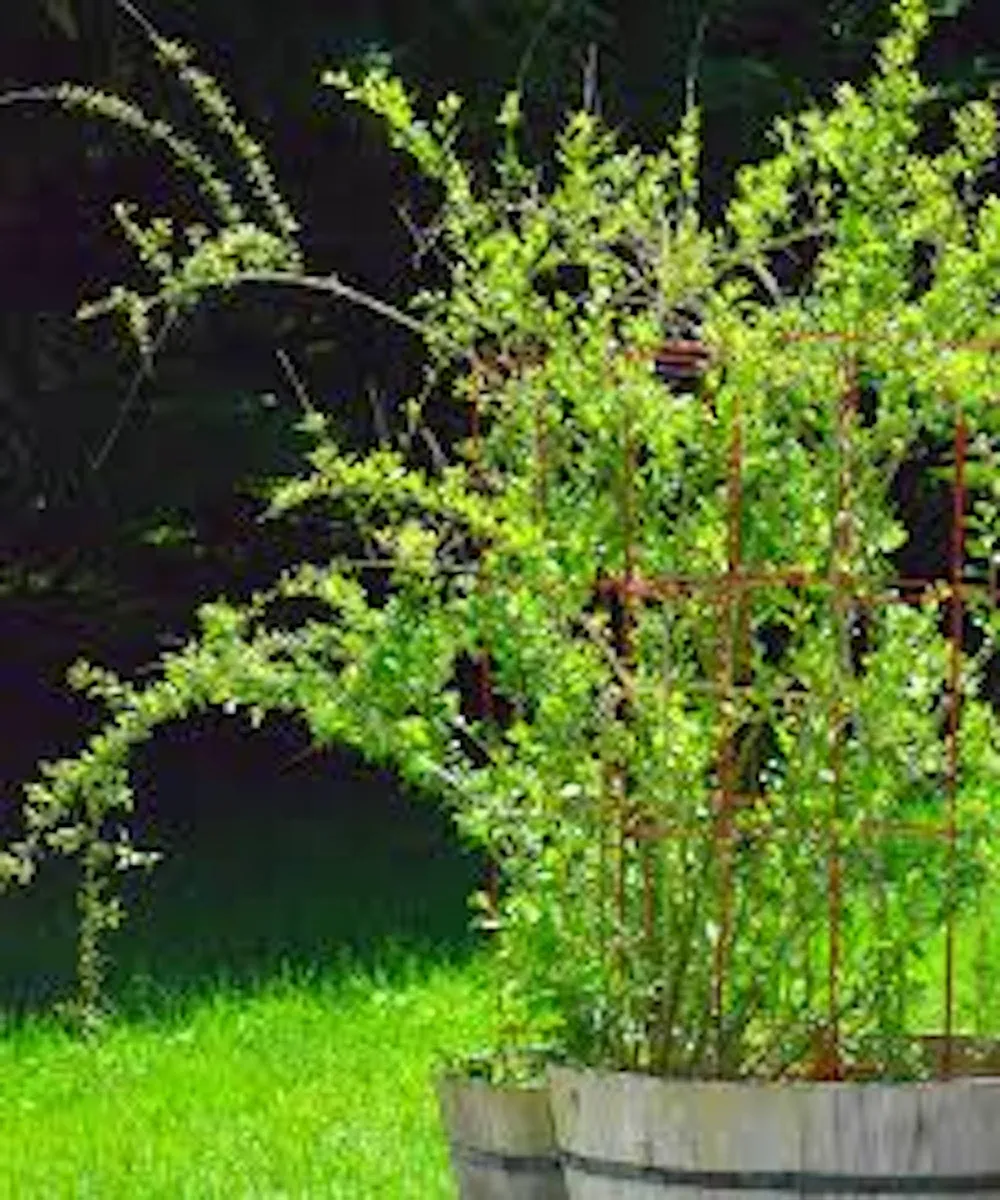
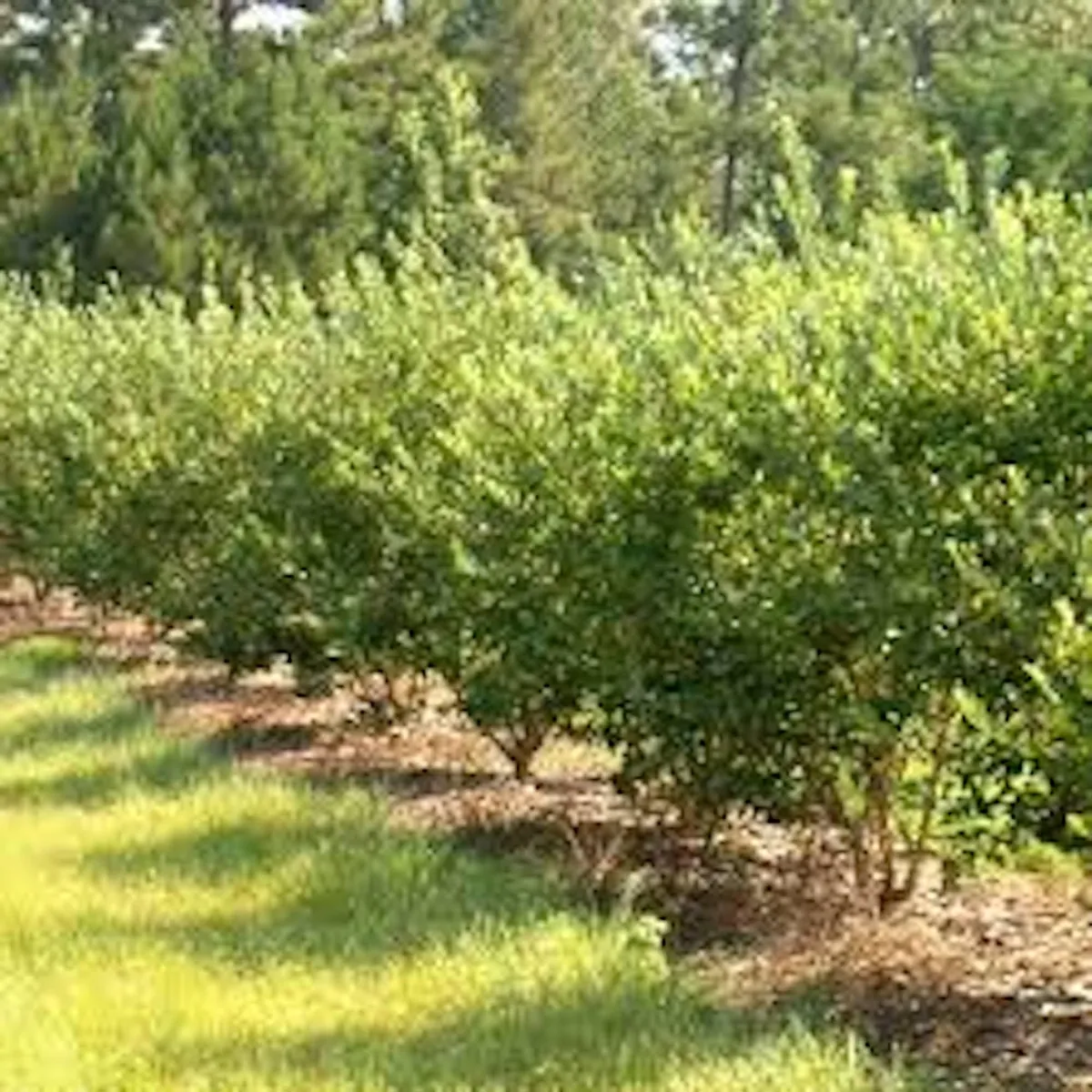
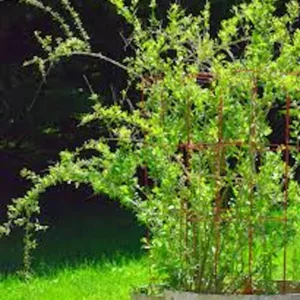
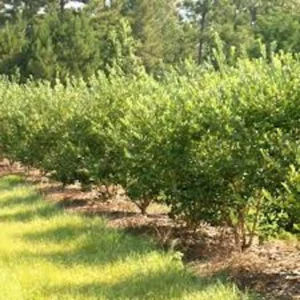
Embark on your gardening journey with this exceptional offering of 10 Goji Berry live plant starters, scientifically known as Lycium barbarum. These deciduous, sprawling shrubs are celebrated for their vibrant red, nutrient-dense berries, often hailed as a superfood. Originating from Asia, goji berry live plant specimens are remarkably hardy and adaptable, making them an excellent choice for both experienced gardeners and enthusiastic beginners. While they can reach considerable sizes in their natural habitat, they are easily pruned and maintained in cultivation, typically growing to a manageable 3-6 feet tall. These starter plants provide a fantastic foundation for establishing a productive goji berry patch in your own backyard.
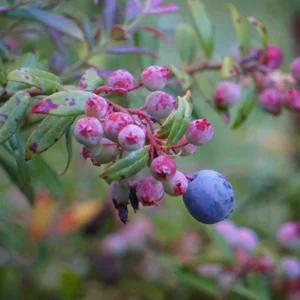
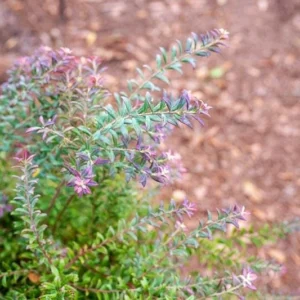
The goji berry live plant is not only a source of delicious fruit but also an attractive addition to any landscape. With their long, flexible, and often thorny stems adorned with grey-green, somewhat succulent leaves, they offer unique textural interest. In late spring to early summer, they burst into bloom with charming purple, bell-shaped flowers, which then give way to the iconic bright red berries in late summer and early fall. This collection of 10 plants ensures you have ample opportunity to cultivate a thriving crop, providing a bountiful harvest for fresh eating, drying, or incorporating into various recipes.
Key Benefits
Cultivating a goji berry live plant offers a multitude of advantages, blending ornamental appeal with significant practical benefits. These plants are a superb choice for those looking to add a functional and beautiful element to their garden.
- Nutrient-Rich Superfood Production: Harvest your own fresh goji berries, packed with antioxidants, vitamins, and minerals. Enjoy the satisfaction of growing a highly sought-after superfood right in your garden.
- Exceptional Hardiness and Drought Tolerance: Goji berry plants are renowned for their resilience. They can withstand a wide range of environmental conditions, including periods of drought, making them a low-maintenance option for various climates.
- Attractive Ornamental Value: Beyond their fruit, these shrubs offer year-round interest with their unique foliage, delicate purple flowers, and bright red berries, enhancing the aesthetic appeal of your landscape.
- Versatile Growth Habit: While naturally sprawling, goji berry plants can be pruned to maintain a desired size and shape, fitting well into different garden designs, from edible hedges to standalone specimen plants.
- Supports Pollinators: The bell-shaped purple flowers attract beneficial pollinators to your garden, contributing to a healthy ecosystem and ensuring a good fruit set for your goji berry live plant.
- Easy to Grow for Beginners: Their robust nature and minimal care requirements make them an ideal choice for new gardeners looking to successfully grow fruit-bearing plants.
- Long Harvest Season: Enjoy a prolonged harvest of fresh berries from late summer through early fall, providing a continuous supply of this healthy fruit.
Plant Care & Growing Tips
Caring for your goji berry live plant is relatively straightforward, thanks to its hardy and adaptable nature. These plants thrive in conditions that mimic their native environments, primarily full sun and well-drained soil. For optimal fruit production, choose a site that receives at least 6-8 hours of direct sunlight daily. Goji berries are not particular about soil type but perform best in well-draining soil with a pH between 6.5 and 7.0. If your soil is heavy clay, consider amending it with organic matter like compost or sand to improve drainage. When planting, ensure adequate spacing between the lycium barbarum plants to allow for air circulation and growth.
Watering is crucial during the establishment phase. Keep the soil consistently moist but not waterlogged for the first year. Once established, goji berry plants are remarkably drought-tolerant and will require less frequent watering, though supplemental watering during prolonged dry spells will benefit fruit production. Fertilize sparingly; an annual application of a balanced, slow-release fertilizer in early spring is usually sufficient. Pruning is essential for maintaining plant health, shape, and maximizing fruit yield. In late winter or early spring, remove any dead, damaged, or crossing branches. You can also prune to encourage a more bushy habit or to train them as small trees. Understanding goji berry plant care ensures a healthy and productive plant.
Goji berries are generally resistant to most pests and diseases. However, good air circulation and proper watering practices can help prevent fungal issues. They are cold hardy and can tolerate temperatures down to USDA Zone 5, making them suitable for a wide range of climates. Protecting young plants from severe winter winds in colder regions can be beneficial. With proper attention to sunlight, soil, and occasional pruning, your goji berry live plant will flourish and provide you with delicious fruit for years to come. Many gardeners find that growing goji berries is a rewarding experience.
Size & Details
This offering includes 10 Goji Berry live plant starter plants. These plants are typically shipped as bare root specimens, ready for immediate planting upon arrival. In their natural state, Goji berry plants (Lycium barbarum) are deciduous shrubs that can reach up to 12 feet tall and 4 feet wide. However, in cultivation, they are generally pruned to a more manageable size of 3-6 feet tall and wide, making them suitable for most home gardens. They exhibit a moderate to fast growth rate, quickly establishing themselves and beginning to produce fruit within 1-2 years of planting. Expect purple, bell-shaped flowers in late spring to early summer, followed by the distinctive bright red, oval-shaped berries from late summer into early fall. These plants are robust and designed to establish well in your garden.
Frequently Asked Questions
- Q: How big does this goji berry live plant get? A: While goji berry plants can grow up to 12 feet tall and 4 feet wide in their wild state, they are typically pruned to a more manageable size of 3-6 feet tall and wide in cultivation for easier harvesting and garden integration.
- Q: What condition will the goji berry live plant arrive in? A: These plants typically ship as bare root starters, meaning they will arrive without soil or a pot. This method is effective for transport and allows for easy planting upon receipt.
- Q: Is this an indoor or outdoor plant? A: Goji berry plants are primarily outdoor plants, thriving in full sun conditions. They are hardy and can withstand various outdoor climates, making them perfect for garden beds or large outdoor containers.
- Q: How much sunlight does a goji berry live plant need? A: Goji berries require full sun exposure, meaning they need at least 6-8 hours of direct sunlight per day for optimal growth and fruit production.
- Q: Is this plant easy to care for? A: Yes, goji berry plants are known for their hardiness and drought tolerance, making them relatively easy to care for, even for beginner gardeners. Consistent watering during establishment and annual pruning are the main requirements.
- Q: When is the best time to plant lycium barbarum plants? A: The best time to plant bare root goji berry starters is in early spring, after the last frost, allowing them ample time to establish before the heat of summer or the cold of winter.
- Q: Can I use goji berry benefits in my diet after harvesting? A: Absolutely! Goji berries are renowned for their health benefits and can be eaten fresh, dried, or incorporated into smoothies, cereals, and other dishes.
- Q: Will these plants survive winter in my zone? A: Goji berry plants are quite cold-hardy, typically thriving in USDA Zones 5-9. They are deciduous, meaning they will lose their leaves in winter and go dormant, ready to re-emerge in spring.
- Q: What kind of soil is best for growing goji berries? A: Goji berries prefer well-draining soil with a neutral to slightly alkaline pH (6.5-7.0). If your soil is heavy clay, amend it with organic matter to improve drainage.
- Q: How long until these goji berry live plant starters produce fruit? A: You can typically expect your goji berry plants to start producing fruit within 1-2 years after planting, with increasing yields as the plants mature.
Related products
-50%
Original price was: $59.98.$29.99Current price is: $29.99.
-10%
Original price was: $23.99.$21.59Current price is: $21.59.
-50%
Original price was: $83.00.$41.50Current price is: $41.50.
-50%
Original price was: $55.98.$27.99Current price is: $27.99.
-50%
Original price was: $49.98.$24.99Current price is: $24.99.
-50%

Original price was: $133.98.$66.99Current price is: $66.99.
-30%
Original price was: $73.98.$51.78Current price is: $51.78.
PLANTING & CARE
Growing Glencoe Raspberry: A Complete Guide for Gardeners
If you’re looking to add something unique to your garden, look no further than the
31
Mar
Mar

The Comprehensive Guide to Growing Bay Leaf Plants for a Flavorful Garden
Imagine stepping into your garden, greeted by the earthy aroma of fresh bay leaves, their
09
Feb
Feb

How to Make Comfrey Tea: The Ultimate Organic Plant Food
Growing an organic garden can be surprisingly expensive, especially when most store-bought fertilizers come in
02
Feb
Feb

True Comfrey: 7 Essential Tips Before You Plant This Herb
A staple in permaculture practices across the US, True Comfrey easily earns its reputation as
27
Jan
Jan

7 Heart-Shaped Plants for a Lasting Valentine’s Gift
If you’ve ever bought a bouquet of roses for Valentine’s Day, you know they are
26
Jan
Jan

Best Types of Ivy Plant for Houses: How to Choose the Perfect Ones for Your Home
Are you a garden lover looking to introduce some greenery into your home? Maybe you’ve
14
Nov
Nov

When to Harvest Garlic (Especially Fall-Planted Garlic)
TIMING IS EVERYTHING, they say – and for garlic, that truth hits with surprising accuracy.
13
Nov
Nov

11 of the Best Sweet Potato Varieties to Grow for Your Garden
If you’ve ever tried growing sweet potatoes, you know that picking the right variety can
12
Nov
Nov