10 Jack-in-the-Pulpit Bare Root Plants – Arisaema Triphyllum Native Wildflower
-20%
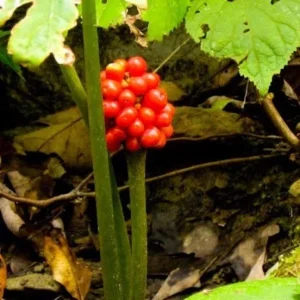
10 Jack-in-the-Pulpit Bare Root Plants – Arisaema Triphyllum Native Wildflower
Cultivate a unique woodland aesthetic with these 10 Jack-in-the-Pulpit bare root plants. Each Arisaema Triphyllum plant offers striking hooded flowers, ideal for adding intrigue to shaded garden areas. These organically grown, native wildflowers are perfect for creating a distinct and naturalized landscape.
Original price was: $39.98.$31.98Current price is: $31.98.

With our Alive & Thrive Guarantee, we’ve got your back for the first 30 days! If you have any concerns about your plants, just reach out to us. Our team is here to help answer your questions and guide you in selecting the best plants for your garden, climate, and unique preferences. We're excited to help you create the garden of your dreams!
Estimated arrival
Mar 14
Mar 19 - Mar 21
Mar 24 - Mar 28
Product Details
-
USDA Hardiness Zone
USDA zones 4-9 -
Soil type
Rich, moist, well-draining soil -
Sunlight Exposure
Full to partial shade -
Expected Planting Period
Spring or Fall
Overview
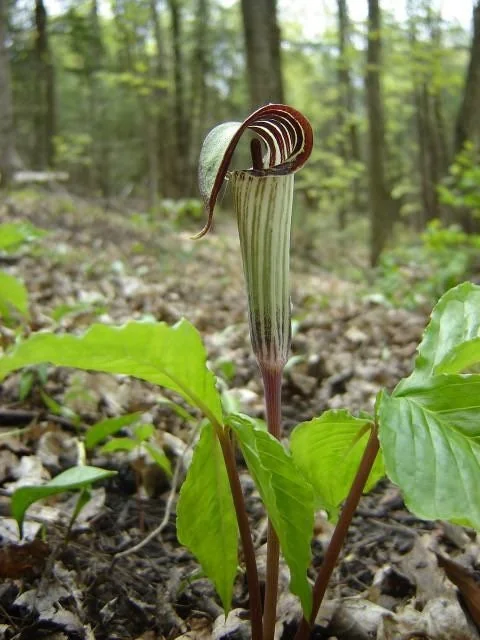
Introduce a touch of native woodland charm to your garden with this offering of 10 Jack-in-the-Pulpit bare root plants. Known scientifically as Arisaema Triphyllum plant, this fascinating perennial is celebrated for its distinctive flower structure, resembling a pulpit with a “Jack” figure inside. These organically grown bare roots are an excellent choice for gardeners looking to establish a unique and conversation-starting feature in their shaded landscapes. The Jack-in-the-Pulpit is a true native wildflower plant, thriving in conditions that mimic its natural forest habitat.
Each bare root is carefully harvested to ensure viability and comes ready to plant, allowing for a seamless integration into your garden design. The unique perennial plant is a captivating addition, offering visual interest from spring through summer. Its unusual spathe and spadix create an architectural focal point, making it a favorite among enthusiasts of native flora and those seeking an extraordinary botanical specimen.
Key Benefits
Adding Jack-in-the-Pulpit bare root plants to your garden brings a multitude of benefits, enhancing both aesthetic appeal and ecological value. Their distinctive appearance makes them an immediate focal point, while their native status contributes to local biodiversity.
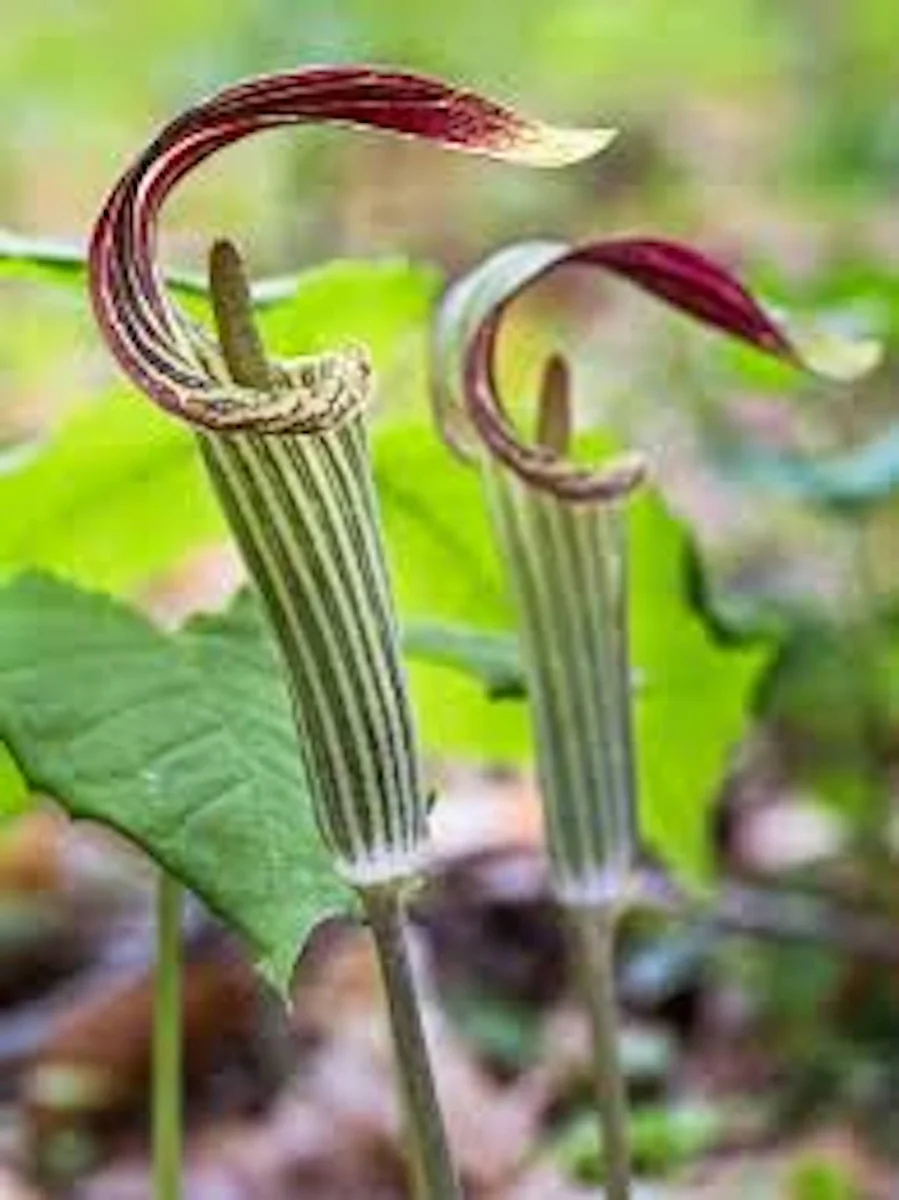
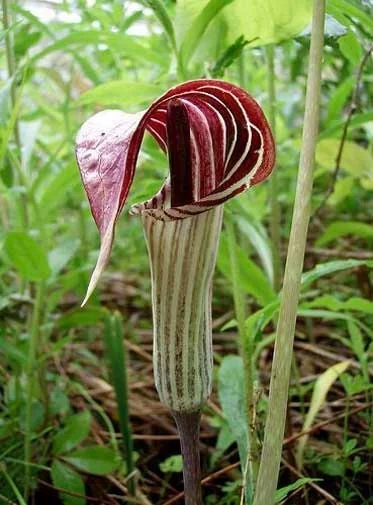
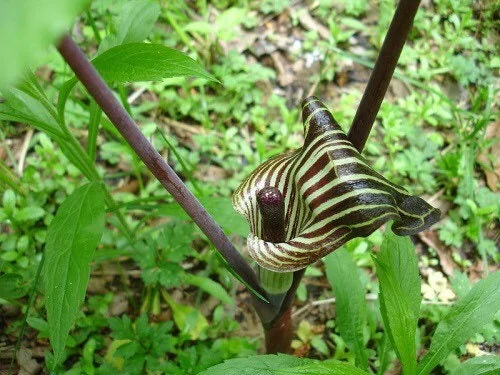
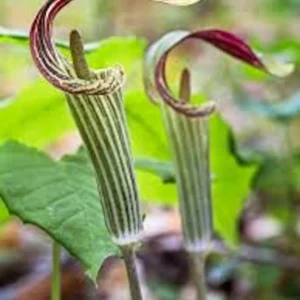
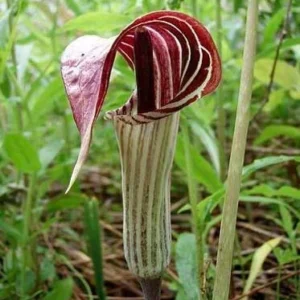
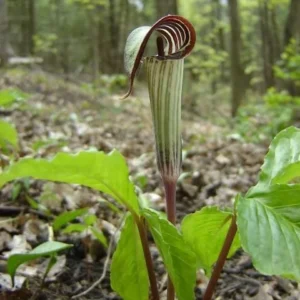
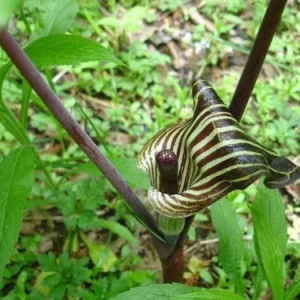
- Unique Aesthetic Appeal: The primary benefit of the Arisaema Triphyllum plant is its striking and unusual appearance. The hooded spathe, often striped with green and purple, encases the spadix, creating a truly one-of-a-kind floral display that will capture attention and spark curiosity in any shaded garden setting.
- Native Wildflower Status: As a native wildflower plant, Jack-in-the-Pulpit helps support local ecosystems by providing habitat and food sources for native insects. Planting native species also reduces the need for excessive care, as they are naturally adapted to the local climate and soil conditions.
- Thrives in Shade: Unlike many flowering plants that demand full sun, the Jack-in-the-Pulpit excels in shady environments. This makes it an ideal choice for woodland gardens, under trees, or in other areas where sunlight is limited, allowing you to beautify often-challenging garden spots.
- Low Maintenance Perennial: Once established, this unique perennial plant requires minimal care. It is relatively pest-free and disease-resistant, returning year after year with its captivating blooms, making it a rewarding addition for both novice and experienced gardeners.
- Ecological Contribution: Beyond its beauty, the Jack-in-the-Pulpit plays a role in its native ecosystem. It attracts specific pollinators, contributing to the health and diversity of your garden’s microenvironment.
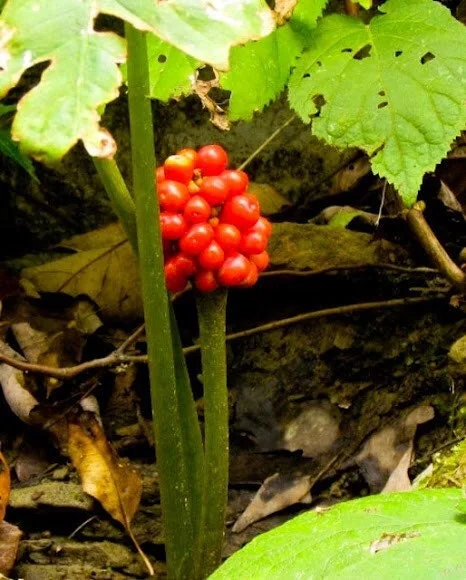
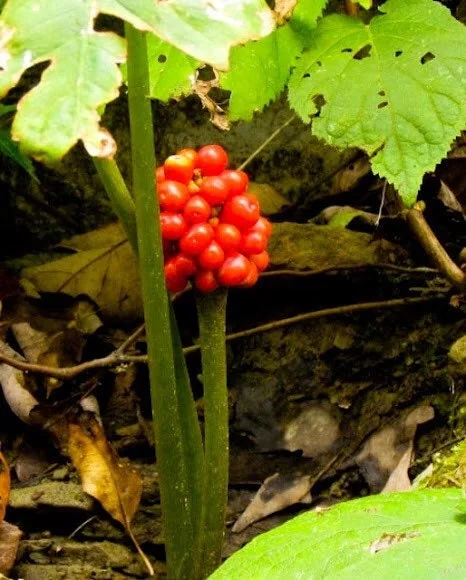
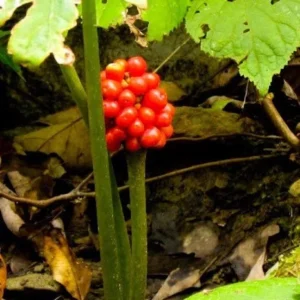
- Long-Lasting Interest: From the emergence of its distinct foliage in spring to the development of its vibrant red berries in late summer and fall, the Jack-in-the-Pulpit provides extended seasonal interest, keeping your garden dynamic throughout much of the year.
- Educational Value: Its unique morphology makes the Jack-in-the-Pulpit bare root an excellent plant for educational purposes, helping children and adults learn about native flora and the fascinating adaptations of plants.
Plant Care & Growing Tips
Caring for your Jack-in-the-Pulpit bare root plants is relatively straightforward, especially once they are established in a suitable environment. These plants thrive in conditions that mimic their natural woodland habitat. The most crucial factor is finding the right location with adequate shade and consistent moisture. When planting your Arisaema Triphyllum plant, ensure the soil is rich in organic matter and has good drainage to prevent root rot. Incorporating compost or leaf mold into the planting area will greatly benefit their growth and overall health.
Sunlight requirements for the Jack-in-the-Pulpit are specific: they prefer full to partial shade. Avoid direct, intense afternoon sun, which can scorch their leaves. Consistent moisture is key, especially during the growing season. The soil should remain damp but never waterlogged. A layer of mulch, such as shredded leaves or wood chips, can help retain soil moisture and regulate soil temperature, benefiting this native wildflower plant. While the Jack-in-the-Pulpit is a hardy perennial, it appreciates a light feeding with a balanced, slow-release fertilizer in early spring. These plants are generally hardy in USDA zones 4-9, making them suitable for a wide range of climates. Watch out for slugs and snails in the spring; otherwise, they are relatively pest-free. This unique perennial plant will bring joy to your garden for many years with proper care.
Size & Details
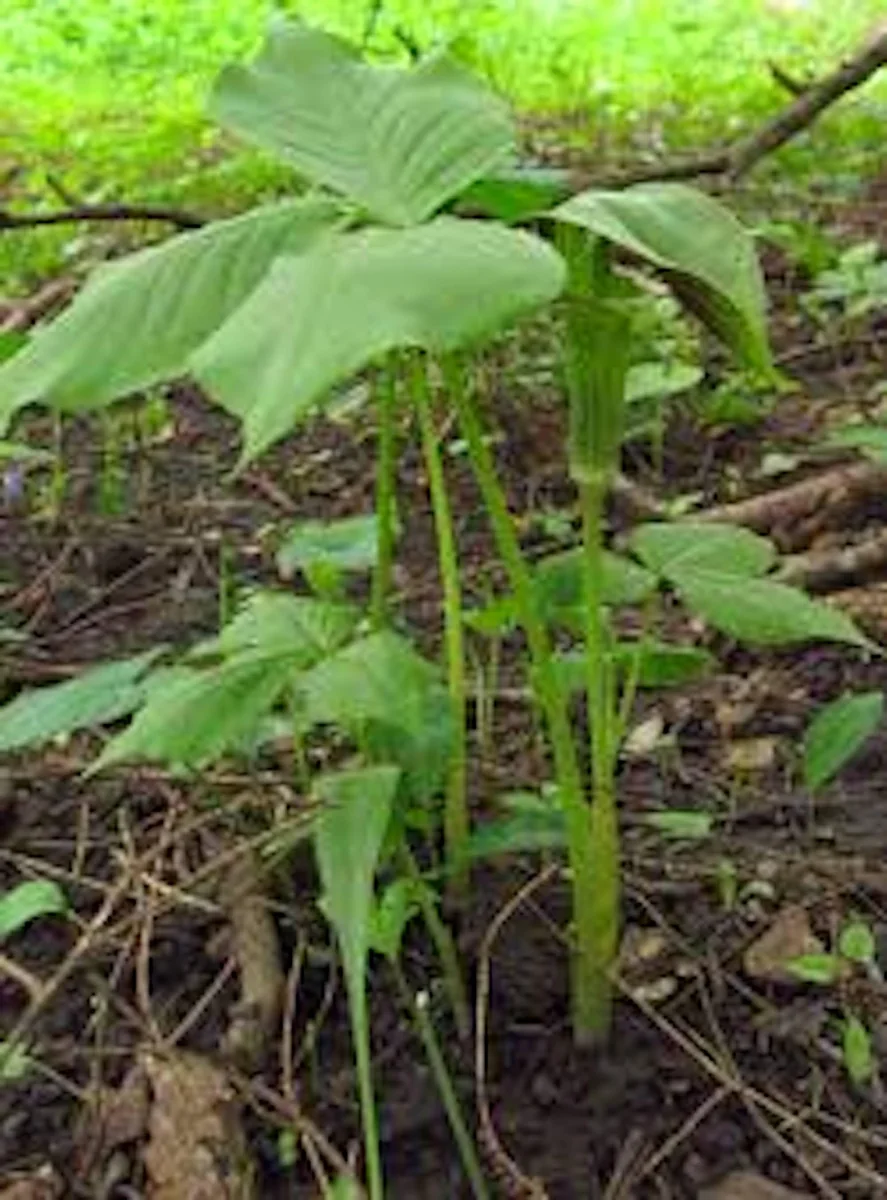
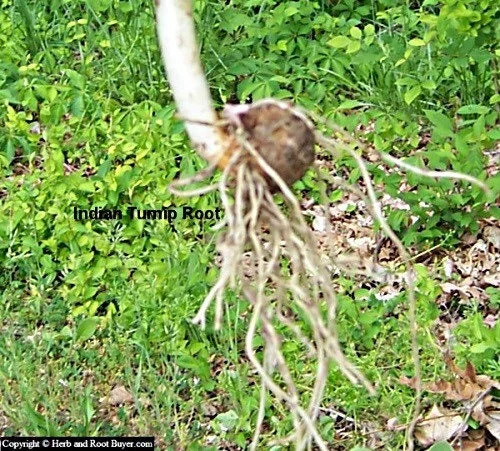
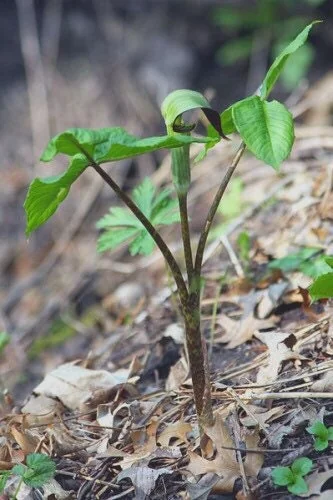
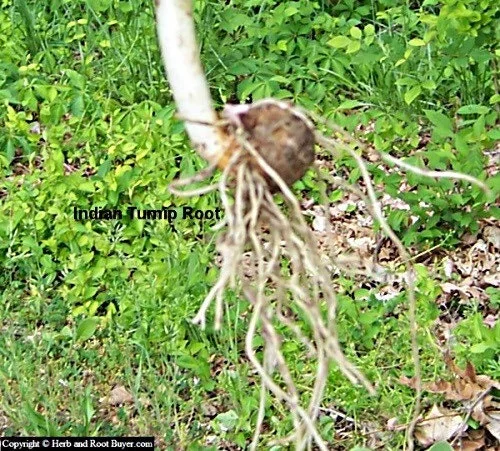
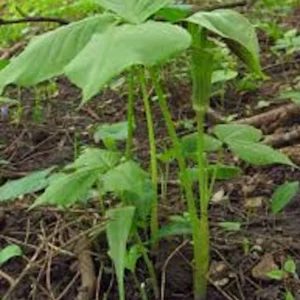
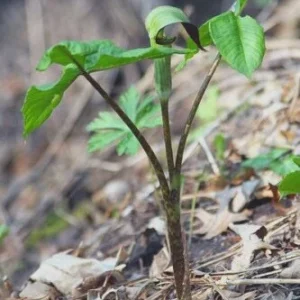
You will receive 10 Jack-in-the-Pulpit bare root plants, ready for immediate planting. These bare roots are typically dormant rhizomes, which will sprout foliage and flowers in their first growing season after planting. The mature Arisaema Triphyllum plant typically grows to a height of 1-2 feet (30-60 cm) with a similar spread, forming an upright clump of foliage and flowers. The leaves are trifoliate, meaning they have three leaflets, and emerge in spring before the distinctive spathe and spadix. The plant produces a cluster of bright red berries in late summer and fall, adding another season of interest.
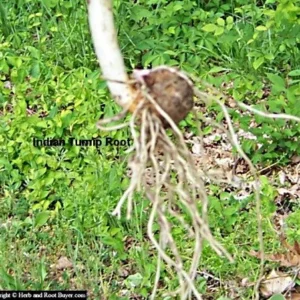
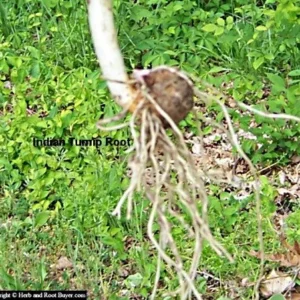
These bare roots are harvested per order to ensure freshness and viability upon arrival. They ship without foliage or a pot, which is standard for bare root plants, allowing for easier transport and establishment. With appropriate planting and care, your native wildflower plant will begin to establish itself and display its unique characteristics, becoming a cherished part of your garden for years to come.
Frequently Asked Questions
- Q: How big do these Jack-in-the-Pulpit plants get? A: A mature Jack-in-the-Pulpit bare root plant typically grows to be about 1 to 2 feet (30-60 cm) tall and wide, forming an attractive clump of foliage and its unique flower structure.
- Q: Is this an indoor or outdoor plant? A: Jack-in-the-Pulpit (Arisaema Triphyllum plant) is an outdoor plant. It is a native woodland perennial that thrives in shaded garden environments and is not suitable for indoor cultivation.
- Q: How much sunlight does the Jack-in-the-Pulpit need? A: This native wildflower plant prefers full to partial shade. It should be protected from direct, intense afternoon sun, which can damage its leaves and hinder its growth.
- Q: Is this plant easy to care for? A: Yes, once established in its preferred environment, the Jack-in-the-Pulpit is considered a low-maintenance perennial. It requires consistent moisture but is otherwise quite resilient.
- Q: What condition will the bare roots arrive in? A: You will receive 10 Jack-in-the-Pulpit bare root plants that are dormant rhizomes, shipped without foliage or a pot. They are harvested fresh to ensure they are viable for planting.
- Q: When is the best time to plant Jack-in-the-Pulpit bare roots? A: The ideal time to plant Jack-in-the-Pulpit bare roots is in the spring, after the danger of hard frost has passed, or in the fall, allowing them to establish before winter.
- Q: Will this unique perennial plant survive winter in my zone? A: Jack-in-the-Pulpit is hardy in USDA Zones 4-9. In these zones, it is a perennial that will die back in winter and re-emerge in spring.
- Q: What type of soil does the Arisaema Triphyllum plant prefer? A: The Arisaema Triphyllum plant thrives in rich, moist, well-draining soil that is high in organic matter, mimicking its natural woodland habitat.
- Q: Are the red berries produced by the Jack-in-the-Pulpit edible? A: No, the bright red berries that follow the flowers are considered toxic if ingested and should not be consumed.
- Q: How long until my Jack-in-the-Pulpit bare root plants bloom? A: With proper care, your bare root plants should emerge and produce their characteristic blooms in the first growing season after planting, typically in late spring to early summer.
Related products
-83%
Original price was: $44.97.$7.74Current price is: $7.74.
-10%
Original price was: $149.99.$134.99Current price is: $134.99.
-65%
Original price was: $37.47.$12.99Current price is: $12.99.
-81%

Original price was: $68.97.$12.94Current price is: $12.94.
-80%
Original price was: $113.97.$22.69Current price is: $22.69.
-50%
Original price was: $23.98.$11.99Current price is: $11.99.
PLANTING & CARE

The Comprehensive Guide to Growing Bay Leaf Plants for a Flavorful Garden
Imagine stepping into your garden, greeted by the earthy aroma of fresh bay leaves, their
09
Feb
Feb

How to Make Comfrey Tea: The Ultimate Organic Plant Food
Growing an organic garden can be surprisingly expensive, especially when most store-bought fertilizers come in
02
Feb
Feb

True Comfrey: 7 Essential Tips Before You Plant This Herb
A staple in permaculture practices across the US, True Comfrey easily earns its reputation as
27
Jan
Jan

7 Heart-Shaped Plants for a Lasting Valentine’s Gift
If you’ve ever bought a bouquet of roses for Valentine’s Day, you know they are
26
Jan
Jan

Best Types of Ivy Plant for Houses: How to Choose the Perfect Ones for Your Home
Are you a garden lover looking to introduce some greenery into your home? Maybe you’ve
14
Nov
Nov

When to Harvest Garlic (Especially Fall-Planted Garlic)
TIMING IS EVERYTHING, they say – and for garlic, that truth hits with surprising accuracy.
13
Nov
Nov

11 of the Best Sweet Potato Varieties to Grow for Your Garden
If you’ve ever tried growing sweet potatoes, you know that picking the right variety can
12
Nov
Nov
Pruning Bougainvillea for Winter
Bougainvillea vines are known for their dazzling display of magenta, orange, and fuchsia bracts that
05
Nov
Nov