3 Salavatski Pomegranate Tree Starter Plants – Cold Hardy Punica granatum
-20%
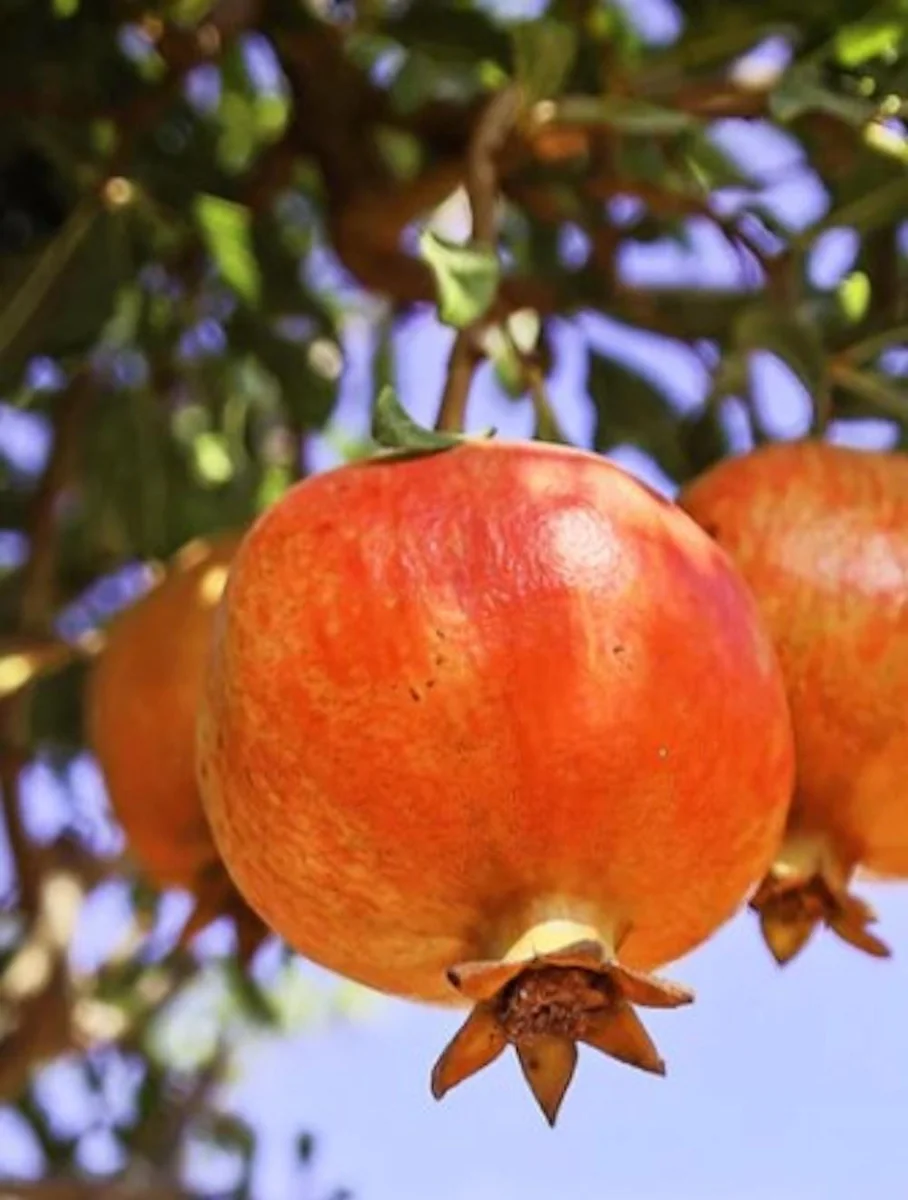
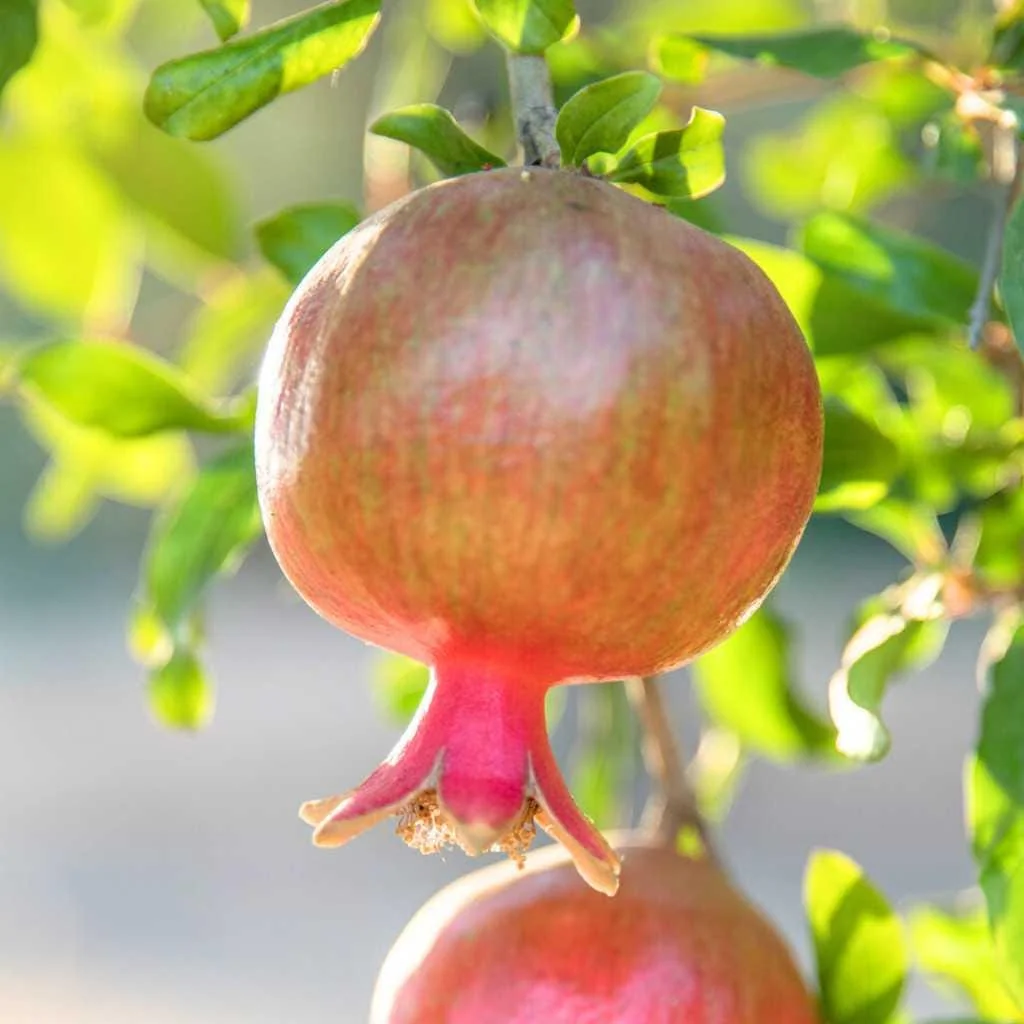
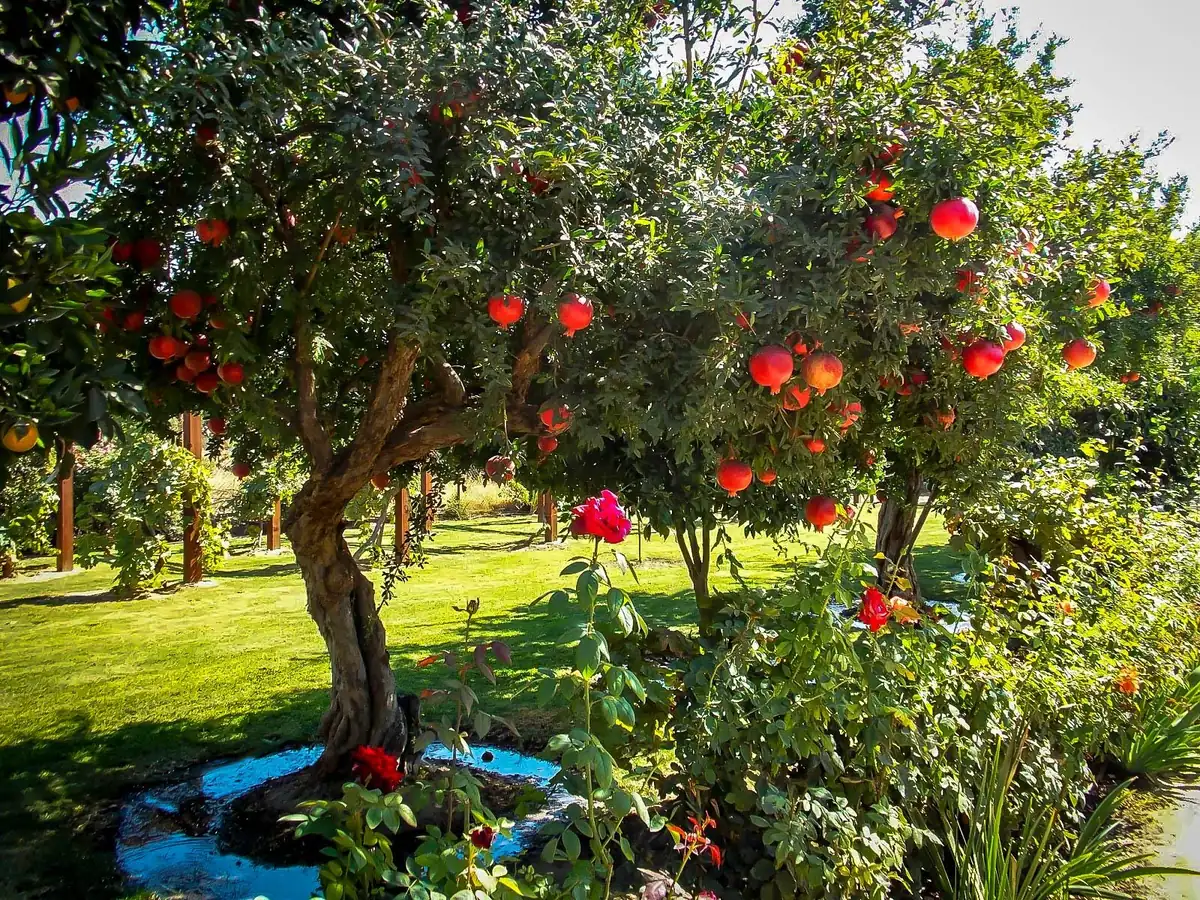
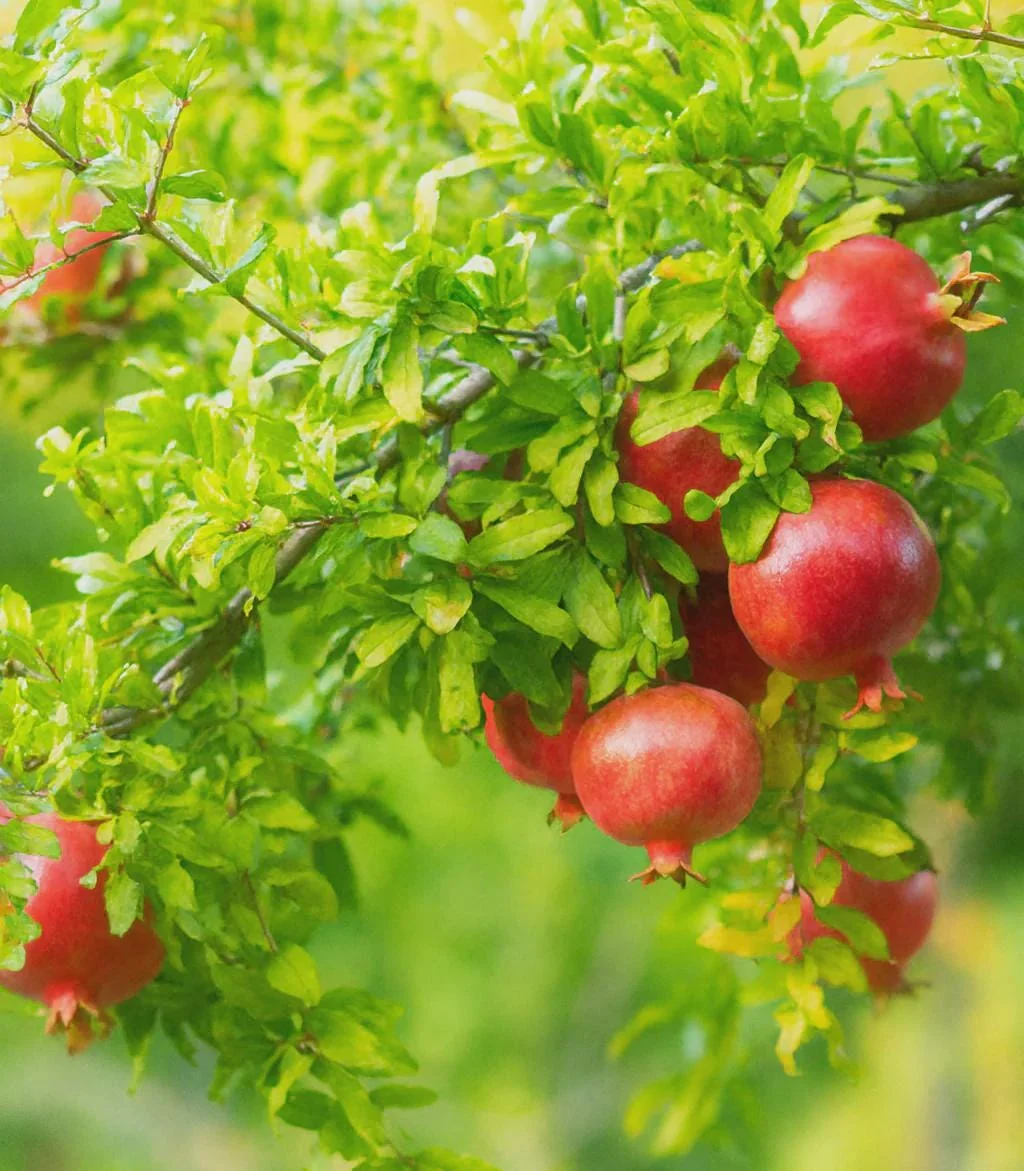
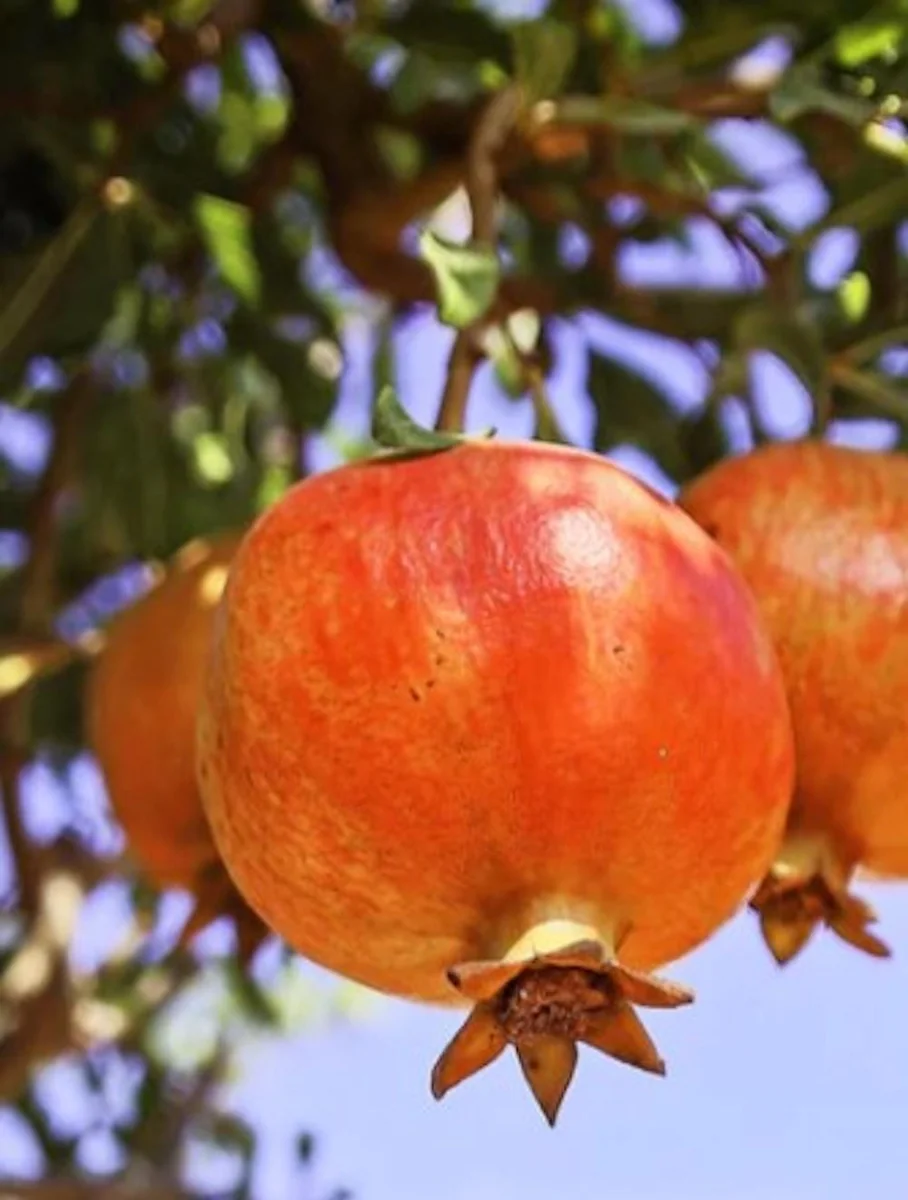
3 Salavatski Pomegranate Tree Starter Plants – Cold Hardy Punica granatum
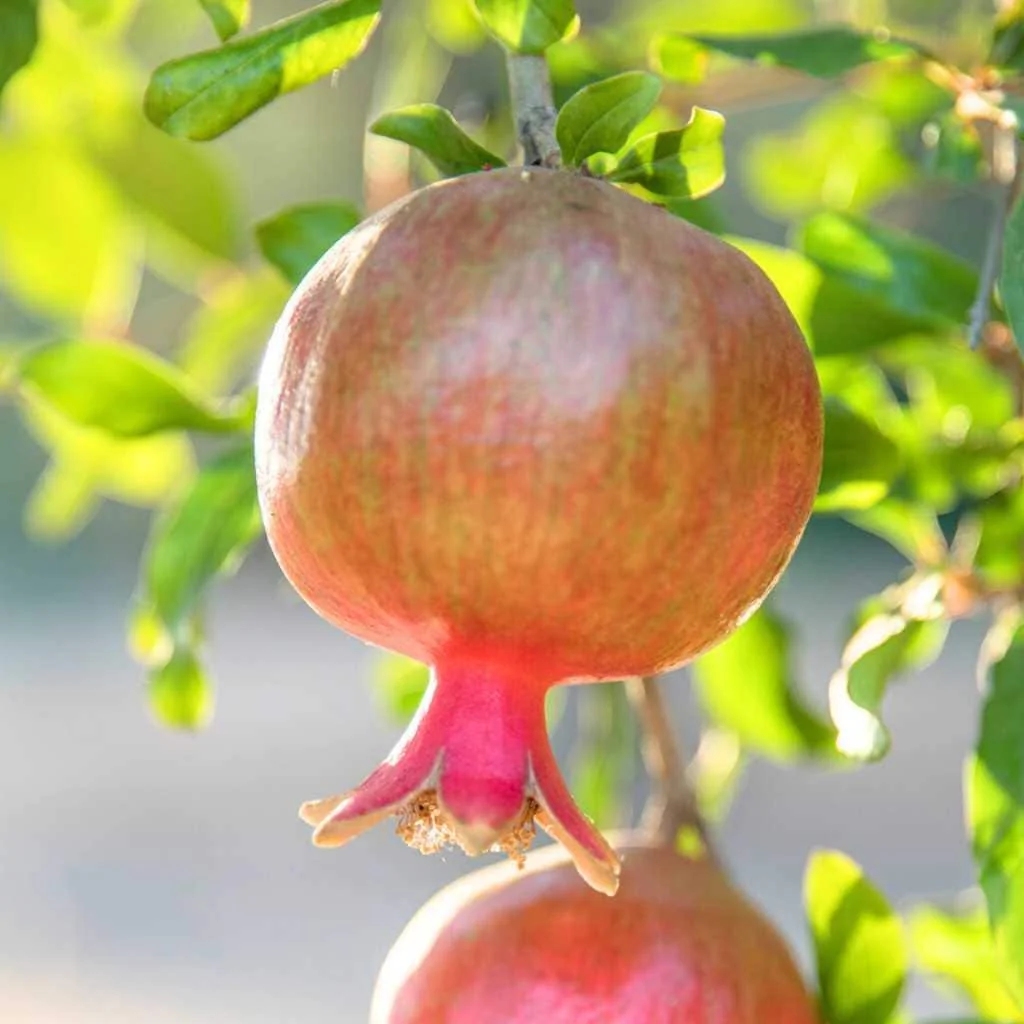
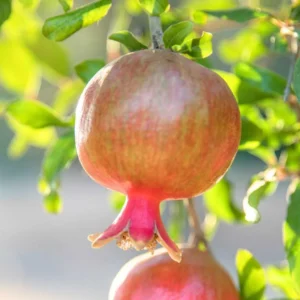
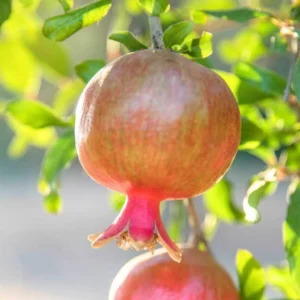
Cultivate your own delicious and highly nutritious pomegranates with this 3-pack of Salavatski pomegranate tree starter plants. Known for exceptional cold hardiness, these vigorous Punica granatum Salavatski specimens thrive in cooler regions, producing large, flavorful fruit. Perfect for home gardeners seeking a resilient fruit tree.
Original price was: $60.00.$48.00Current price is: $48.00.

With our Alive & Thrive Guarantee, we’ve got your back for the first 30 days! If you have any concerns about your plants, just reach out to us. Our team is here to help answer your questions and guide you in selecting the best plants for your garden, climate, and unique preferences. We're excited to help you create the garden of your dreams!
Estimated arrival
Mar 12
Mar 17 - Mar 19
Mar 22 - Mar 26
Product Details
-
USDA Hardiness Zone
USDA zones 6–9 -
Soil type
Well-draining soil, slightly acidic to alkaline -
Sunlight Exposure
Full sun (6-8 hours daily) -
Expected Planting Period
Spring to early summer
Overview
Embark on a rewarding gardening journey with the Salavatski pomegranate tree, a remarkable Russian variety renowned for its exceptional cold tolerance and vigorous growth. This offering includes 3 starter plants of Punica granatum Salavatski, allowing you to establish a thriving pomegranate orchard in your backyard. Originally hailing from Afghanistan, the ‘Salavatski’ was meticulously bred for its impressive hardiness, making it an ideal choice for gardeners in regions with fluctuating temperatures. Unlike many other pomegranate varieties, this plant is specifically adapted to endure colder climates, ensuring a successful harvest even where others might fail. These live plants provide an excellent foundation for cultivating your own flavorful and nutrient-rich pomegranates.
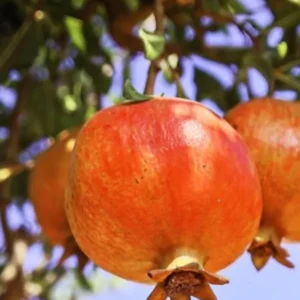
The ‘Salavatski’ is celebrated not only for its resilience but also for the quality of its fruit. Gardeners can anticipate large, juicy pomegranates with a delightful balance of sweetness and tartness, perfect for fresh eating, juicing, or culinary applications. Choosing to grow a cold hardy pomegranate like the ‘Salavatski’ means enjoying the unique taste and health benefits of homegrown fruit, along with the satisfaction of nurturing a beautiful and productive tree. This variety is a testament to nature’s adaptability and human ingenuity in horticulture, bringing the exotic appeal of pomegranates to a wider range of climates.
Key Benefits
The Salavatski pomegranate tree offers a multitude of advantages for the discerning gardener, combining aesthetic appeal with bountiful production. Its robust nature and delicious fruit make it a standout choice.
- Exceptional Cold Hardiness: The ‘Salavatski’ variety is highly tolerant of cold temperatures, capable of surviving down to 5°F and potentially below 0°F with adequate protection. This makes it a prime choice for gardeners in USDA zones 6–9, where other pomegranate varieties might struggle.
- Vigorous Growth: These starter plants are known for their strong, healthy growth habits, establishing quickly and developing into productive fruit-bearing trees. You’ll enjoy watching your Russian pomegranate plant flourish.
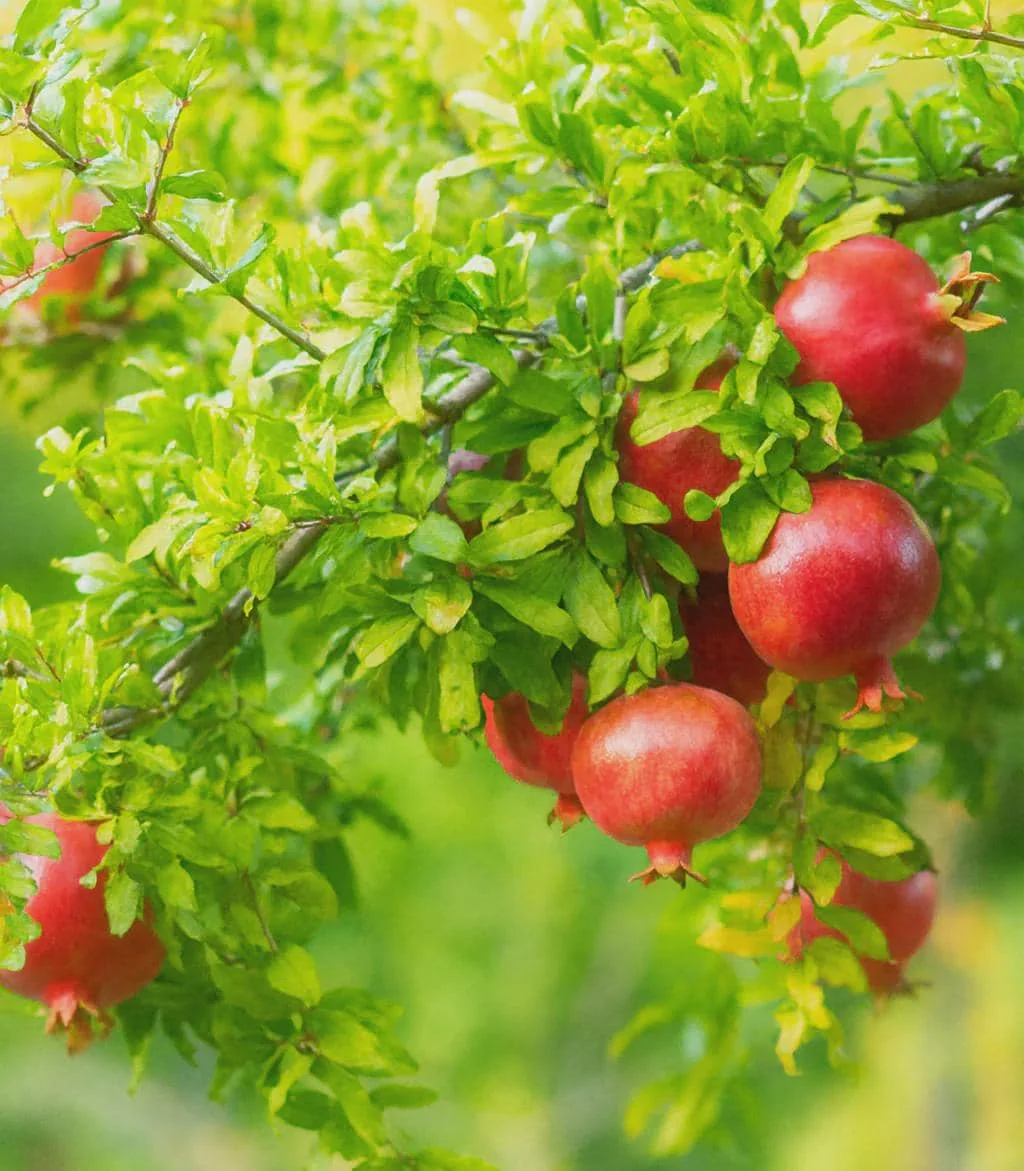
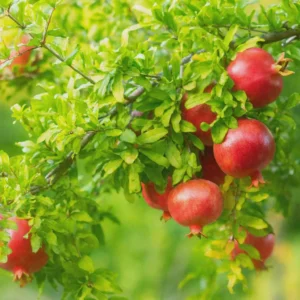
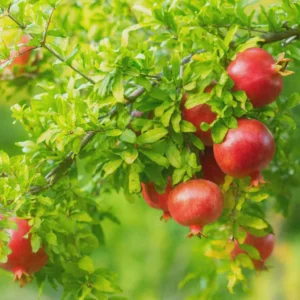
- Large, Flavorful Fruit: Enjoy a harvest of generously sized pomegranates, celebrated for their rich, complex flavor profile. The arils are juicy and sweet-tart, perfect for fresh consumption, salads, desserts, and beverages.
- Drought Tolerance: Once established, the Punica granatum Salavatski exhibits good drought resistance, requiring less frequent watering compared to many other fruit trees, making it a sustainable gardening option.
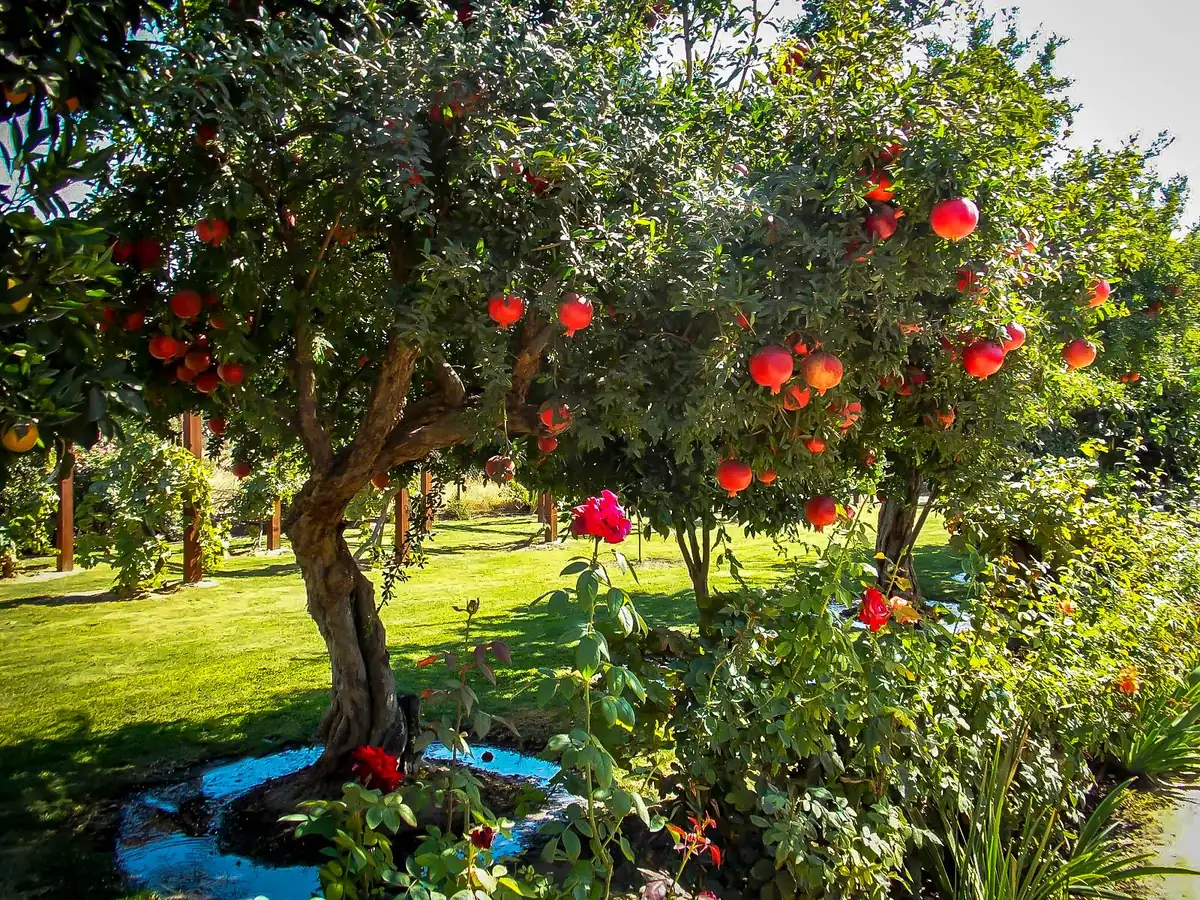
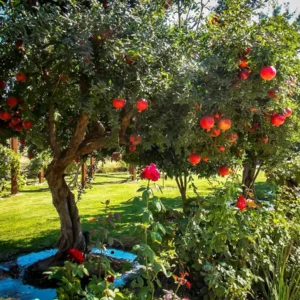
- Ornamental Appeal: Beyond its fruit, the Salavatski pomegranate tree boasts attractive foliage and vibrant, trumpet-shaped orange-red flowers in spring, adding ornamental value to any garden or landscape.
- Nutrient-Rich Harvest: Pomegranates are packed with antioxidants, vitamins, and minerals, offering significant health benefits. Growing your own ensures a fresh, organic source of this superfood.
- Adaptability to Various Soils: While preferring well-draining soil, this resilient variety can adapt to a range of soil types, making it a versatile option for diverse garden conditions.
Plant Care & Growing Tips
Successfully cultivating your Salavatski pomegranate tree involves understanding its specific needs, especially given its cold-hardy nature. These Punica granatum Salavatski starter plants are relatively low-maintenance once established, but providing the right conditions from the start will ensure robust growth and abundant fruit production. Pomegranates thrive in full sun, requiring at least 6-8 hours of direct sunlight daily to produce the best fruit. Choose a location in your garden that receives ample sun exposure throughout the day. While these trees are cold hardy, young plants may benefit from some winter protection in the lower end of their USDA zone range (zone 6-7). This could involve mulching heavily around the base or covering the plant during severe cold snaps.
Regarding watering, newly planted Russian pomegranate plant specimens need consistent moisture to help establish their root systems. Water deeply and regularly, especially during dry periods, until the plant is well-rooted. Once established, pomegranates are quite drought-tolerant, but regular watering during fruit development will lead to larger, juicier fruits. Overwatering should be avoided, as it can lead to root rot. The ideal soil for a cold hardy pomegranate is well-draining, slightly acidic to alkaline (pH 5.5-7.0), and rich in organic matter. Amend heavy clay soils with compost or sand to improve drainage. Fertilize your pomegranate tree in early spring before new growth begins, using a balanced slow-release fertilizer or one formulated for fruit trees. Pruning should be done in late winter or early spring to remove dead or crossing branches, shape the tree, and encourage air circulation. This helps promote healthy growth and fruit production for your Salavatski pomegranate tree.
Size & Details
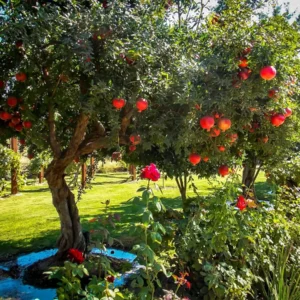
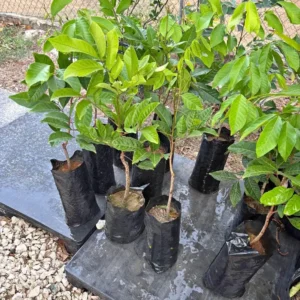
This offering provides 3 Salavatski pomegranate tree starter plants, which are typically shipped as bare root specimens without a pot to ensure safe and efficient transit. Upon arrival, these young plants will be ready for immediate planting in your garden or a larger container. As they mature, Punica granatum Salavatski can reach a height of 10-15 feet with a similar spread, forming a multi-stemmed shrub or small tree. The growth rate is moderate, allowing them to establish and begin fruiting within a few years of planting. Expect the first significant fruit production to occur within 2-3 years, with yields increasing as the tree matures. When considering where to plant your Russian pomegranate plant, allow adequate space for its mature size to ensure good air circulation and sunlight exposure.
The ‘Salavatski’ is a long-lived plant, capable of providing decades of delicious fruit with proper care. Its robust nature and adaptability make it an excellent investment for any edible landscape. These bare root plants are a cost-effective way to introduce this exceptional cold hardy pomegranate variety into your garden, allowing you to witness its transformation from a young starter into a productive and beautiful fruit-bearing specimen.
Frequently Asked Questions
- Q: How big does this plant get? A: The Salavatski pomegranate tree typically grows to a height of 10-15 feet and can have a similar spread, forming a multi-stemmed shrub or small tree. Its mature size makes it suitable for many garden spaces.
- Q: Is this an indoor or outdoor plant? A: The Salavatski pomegranate tree is primarily an outdoor plant, especially known for its cold hardiness in USDA zones 6-9. While young plants can be overwintered indoors in very cold climates, it thrives best when grown outside.
- Q: How much sunlight does it need? A: For optimal fruit production and health, the Punica granatum Salavatski requires full sun, meaning at least 6-8 hours of direct sunlight per day.
- Q: How long until it blooms and fruits? A: You can typically expect your Russian pomegranate plant to start blooming and producing fruit within 2-3 years of planting, with increasing yields as the tree matures.
- Q: Will it survive winter in my zone? A: The ‘Salavatski’ is a renowned cold hardy pomegranate, capable of surviving temperatures down to 5°F and even lower with protection, making it suitable for USDA zones 6-9.
- Q: What condition will it arrive in? A: These plants typically ship as bare root starter plants, meaning they will arrive without soil or a pot, ready for immediate planting.
- Q: Is this plant easy to care for? A: Once established, the Salavatski pomegranate tree is relatively low-maintenance, requiring consistent watering when young and during fruit development, along with annual fertilization and pruning.
- Q: What is the best soil type for this pomegranate? A: Well-draining soil is crucial for the ‘Salavatski’ pomegranate. It prefers a slightly acidic to alkaline pH and benefits from organic matter.
- Q: Why is ‘Salavatski’ considered a special variety? A: The ‘Salavatski’ is highly valued for its exceptional cold tolerance and its ability to produce large, delicious fruit in regions where other pomegranate varieties would not survive, making it a superior choice for growing pomegranate in cold climate.
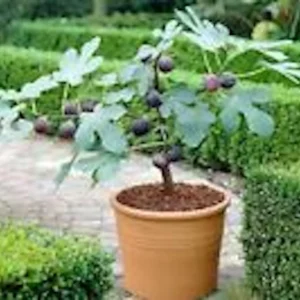
- Q: Can I grow this in a large container? A: Yes, while it prefers being in the ground, the Salavatski pomegranate tree can be successfully grown in a very large container (e.g., 20+ gallon) if proper care, watering, and pruning are provided.
Related products
-20%
Original price was: $36.00.$28.80Current price is: $28.80.
-20%
Original price was: $36.00.$28.80Current price is: $28.80.
-49%
Original price was: $59.38.$29.99Current price is: $29.99.
-10%
Original price was: $48.99.$44.09Current price is: $44.09.
-20%
Original price was: $34.00.$27.20Current price is: $27.20.
-20%
Original price was: $80.00.$64.00Current price is: $64.00.
PLANTING & CARE

The Comprehensive Guide to Growing Bay Leaf Plants for a Flavorful Garden
Imagine stepping into your garden, greeted by the earthy aroma of fresh bay leaves, their
09
Feb
Feb

How to Make Comfrey Tea: The Ultimate Organic Plant Food
Growing an organic garden can be surprisingly expensive, especially when most store-bought fertilizers come in
02
Feb
Feb

True Comfrey: 7 Essential Tips Before You Plant This Herb
A staple in permaculture practices across the US, True Comfrey easily earns its reputation as
27
Jan
Jan

7 Heart-Shaped Plants for a Lasting Valentine’s Gift
If you’ve ever bought a bouquet of roses for Valentine’s Day, you know they are
26
Jan
Jan

Best Types of Ivy Plant for Houses: How to Choose the Perfect Ones for Your Home
Are you a garden lover looking to introduce some greenery into your home? Maybe you’ve
14
Nov
Nov

When to Harvest Garlic (Especially Fall-Planted Garlic)
TIMING IS EVERYTHING, they say – and for garlic, that truth hits with surprising accuracy.
13
Nov
Nov

11 of the Best Sweet Potato Varieties to Grow for Your Garden
If you’ve ever tried growing sweet potatoes, you know that picking the right variety can
12
Nov
Nov
Pruning Bougainvillea for Winter
Bougainvillea vines are known for their dazzling display of magenta, orange, and fuchsia bracts that
05
Nov
Nov