10 Black Hawk Black Raspberry Live Plants – Rubus occidentalis – 1-2 Yr Old Hardy Fruit Shrub
-20%
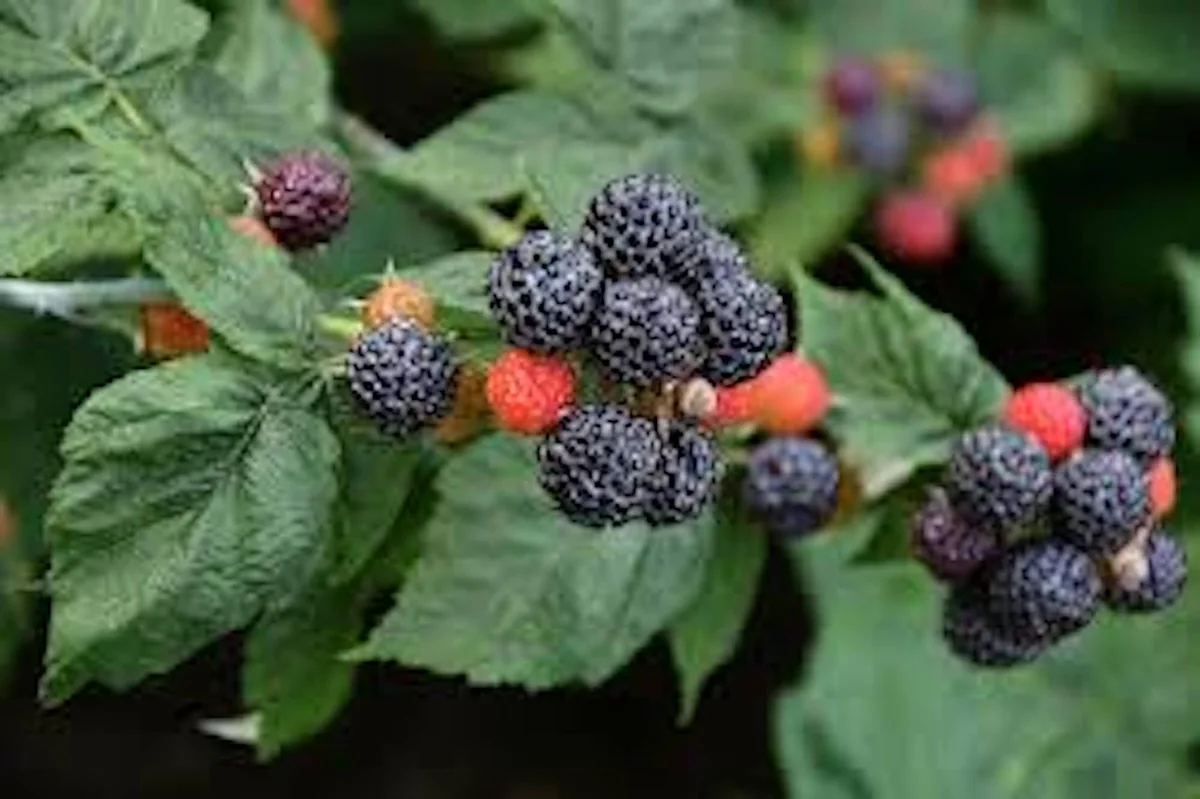
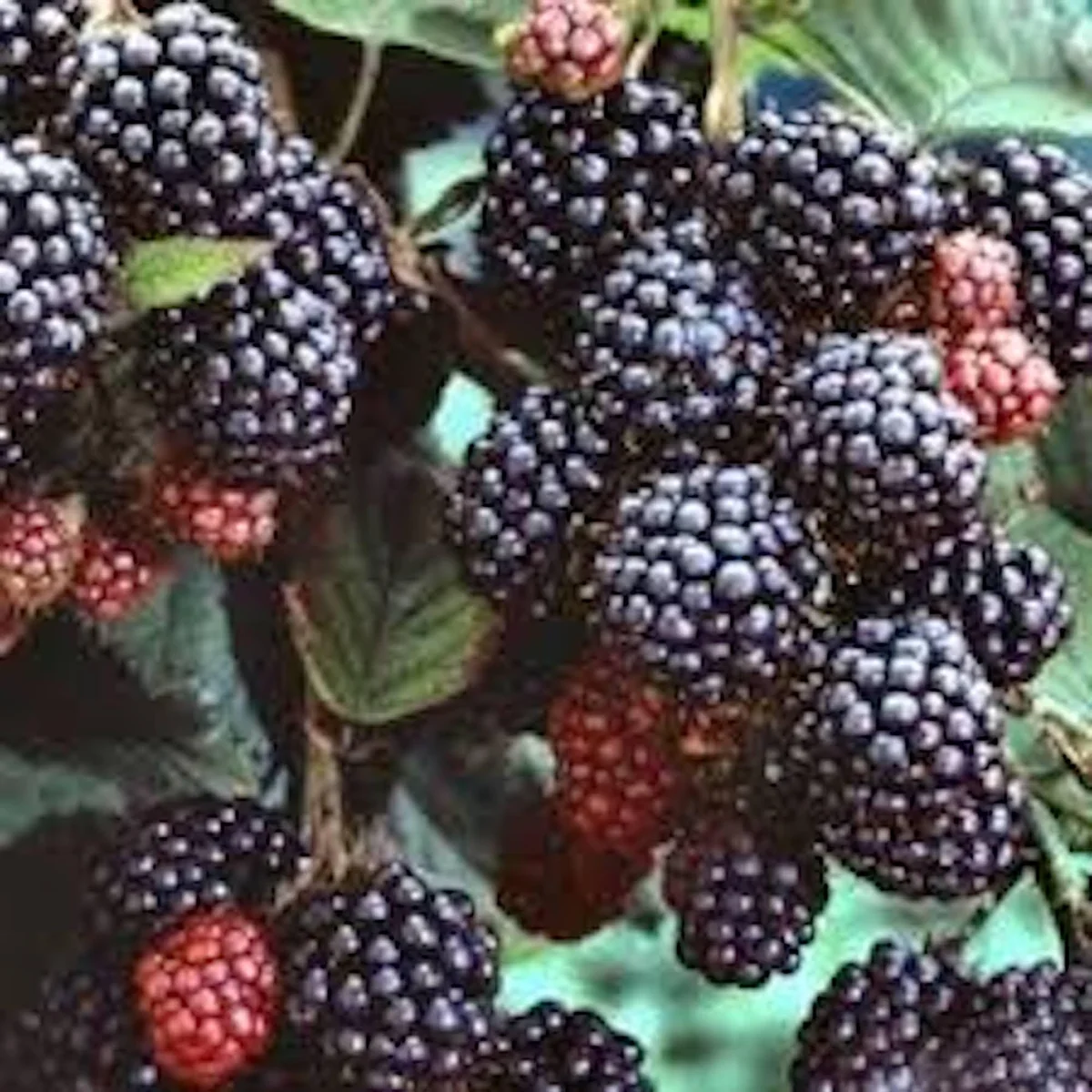
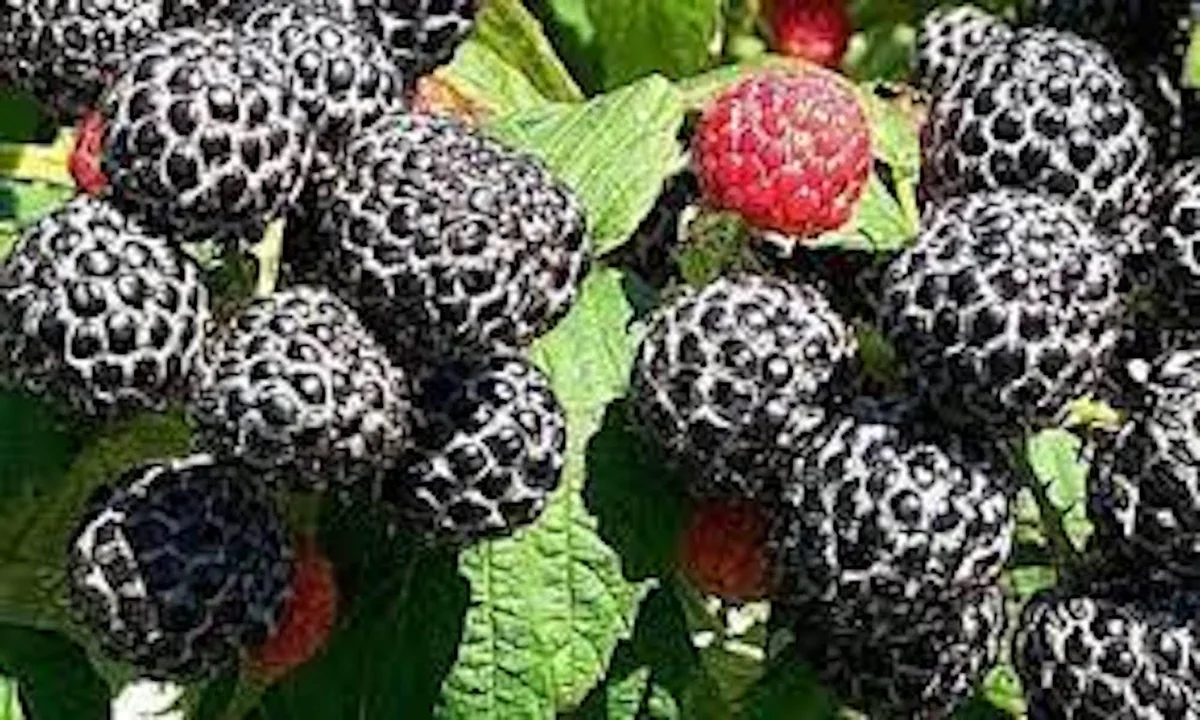
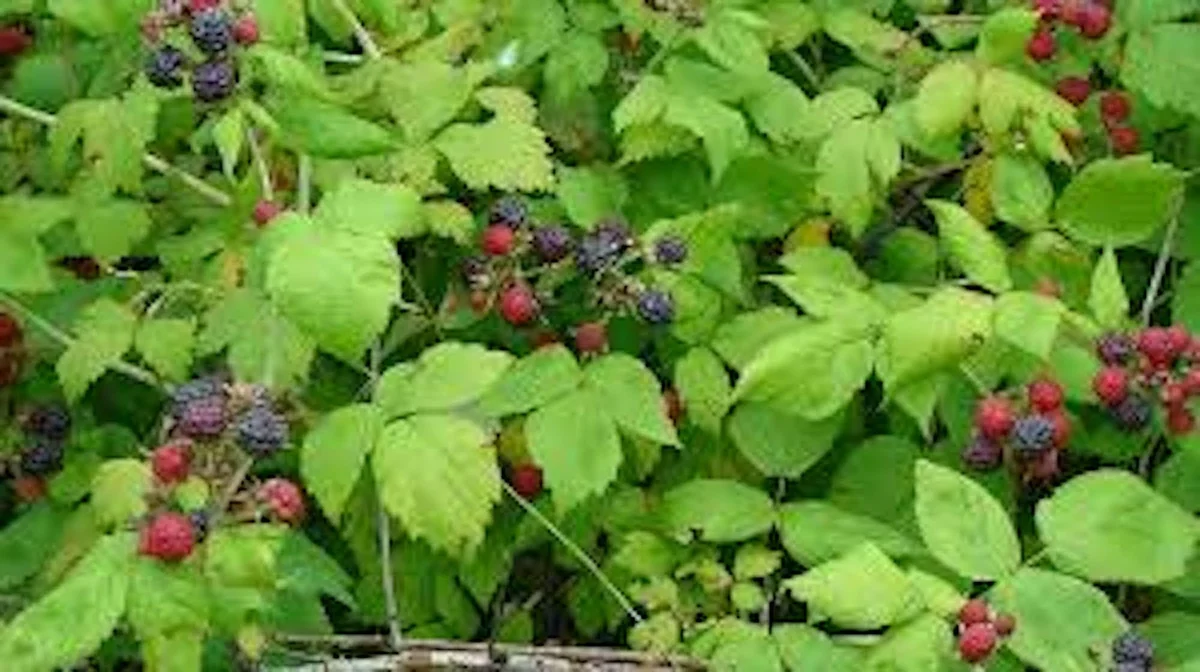
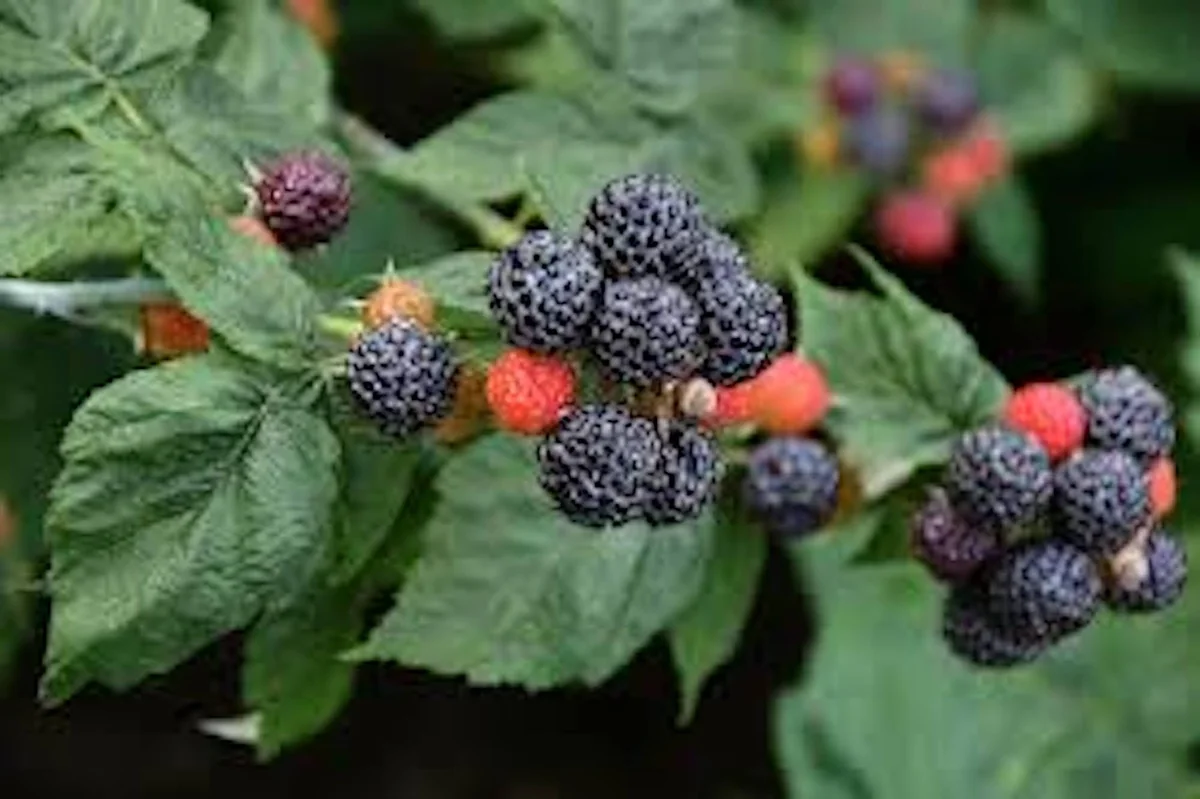
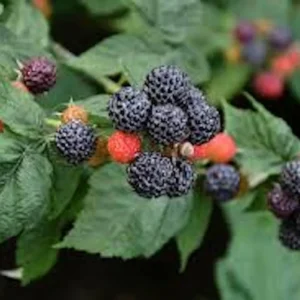
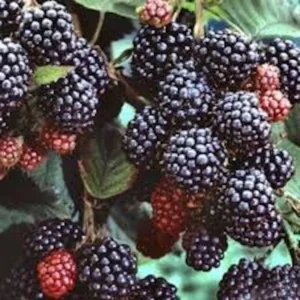
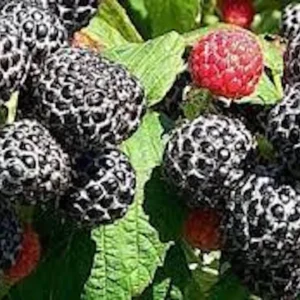
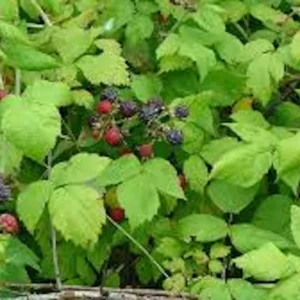
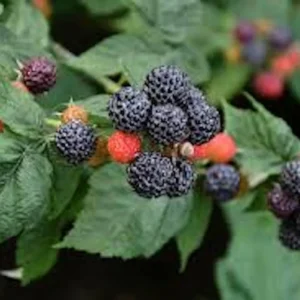
10 Black Hawk Black Raspberry Live Plants – Rubus occidentalis – 1-2 Yr Old Hardy Fruit Shrub
Cultivate your own sweet, dark berries with these Black Hawk Black Raspberry live plants. This offer includes 10 hardy, 1-2 year old Rubus occidentalis plants, perfect for home gardens. Enjoy vigorous growth and high yields of flavorful fruit, ideal for fresh eating, jams, and baking. These shrubs are known for their disease resistance and adaptability to various climates.
Original price was: $130.00.$104.00Current price is: $104.00.

With our Alive & Thrive Guarantee, we’ve got your back for the first 30 days! If you have any concerns about your plants, just reach out to us. Our team is here to help answer your questions and guide you in selecting the best plants for your garden, climate, and unique preferences. We're excited to help you create the garden of your dreams!
Estimated arrival
Mar 12
Mar 17 - Mar 19
Mar 22 - Mar 26
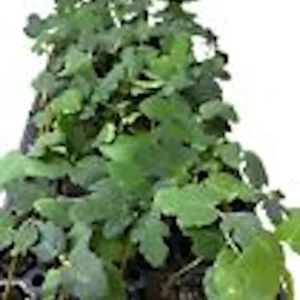
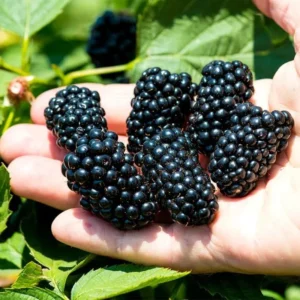
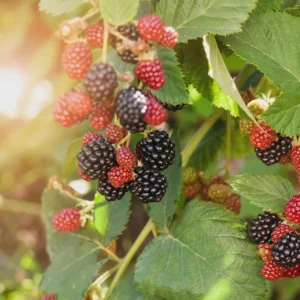
Product Details
-
USDA Hardiness Zone
USDA zones 4-8 -
Soil type
Well-drained, slightly acidic soil -
Sunlight Exposure
Full sun (6-8 hours daily) -
Expected Planting Period
Early spring
Overview
Bring the joy of homegrown fruit to your garden with these Black Hawk Black Raspberry live plants. This collection includes 10 vigorous, 1-2 year old plants of the highly sought-after Rubus occidentalis ‘Black Hawk’ variety. Known for its robust nature and prolific production of large, dark, and intensely sweet berries, the Black Hawk Black Raspberry live plant is a fantastic addition for both seasoned gardeners and enthusiastic beginners. These plants establish quickly, offering a rewarding harvest of delectable fruit that is perfect for fresh consumption, baking, or crafting homemade jams and jellies. Experience the satisfaction of picking your own healthy, organic raspberries right from your backyard.
The Black Hawk Black Raspberry is a compact, hardy shrub that combines ornamental appeal with significant edible yields. Its strong, upright canes and dark green foliage provide an attractive presence in any garden setting, while its exceptional fruit quality makes it a culinary favorite. These plants are designed for success, providing you with healthy stock ready to thrive and produce delicious berries for years to come. Whether you’re looking to start a new berry patch or expand an existing one, these 10 plants offer a generous foundation for a bountiful harvest.
Key Benefits
Investing in Black Hawk Black Raspberry live plants offers a wealth of advantages for your garden and your table. These plants are celebrated for their ease of care, resilience, and superior fruit production, making them a top choice for home fruit growers. Enjoy the simple pleasure of fresh, ripe raspberries picked directly from your own bushes, knowing they are free from pesticides and full of natural goodness.
- High Yields of Delicious Fruit: The Black Hawk Black Raspberry live plant is renowned for its abundant production of large, firm, deep red to black berries. These fruits boast a high sugar content and excellent flavor, making them ideal for a variety of culinary uses, from fresh eating to preserves. You’ll enjoy a continuous harvest throughout mid-summer.
- Hardy and Adaptable: These raspberry plants are cold-hardy, thriving in USDA hardiness zones 4-8. This wide adaptability ensures they can be successfully grown in many different climates, offering reliable performance even in colder regions. They are a robust choice for a resilient garden.
- Disease Resistance: The ‘Black Hawk’ variety is known for its natural resistance to common raspberry diseases such as raspberry rust and verticillium wilt. This inherent resilience reduces the need for chemical treatments and simplifies care, making your gardening experience more enjoyable and sustainable.
- Compact Growth Habit: Growing to a manageable height of 3-4 feet with a spreading habit, the Black Hawk Black Raspberry live plant is suitable for both large garden plots and smaller spaces. Its upright growth habit with strong canes makes harvesting easy and keeps the plant well-organized.
- Self-Pollinating Variety: As a self-pollinating variety, you only need one plant to produce fruit, though planting multiple will increase your yield. This simplifies garden planning and ensures a successful harvest without the need for companion plants.
- Versatile Culinary Use: The sweet and flavorful berries are incredibly versatile. They are perfect for eating fresh, adding to cereals or desserts, making delicious jams, jellies, pies, and other baked goods. Having a supply of fresh black raspberries opens up a world of culinary possibilities.
- Beautiful Foliage: Beyond the fruit, the Rubus occidentalis plants feature attractive dark green, rugged foliage that adds a lovely texture and color contrast to your garden throughout the growing season.
Plant Care & Growing Tips
Caring for your Black Hawk Black Raspberry live plants is straightforward, ensuring a bountiful harvest with proper attention. These hardy fruit plants prefer a location that receives ample sunlight to produce the sweetest and most abundant berries. Aim for at least 6-8 hours of direct sunlight per day. Good air circulation is also beneficial to prevent fungal issues. When planting, ensure the soil is well-prepared, as raspberries thrive in rich, well-drained, slightly acidic soil with a pH between 6.0 and 6.8. Amend heavy clay soils with organic matter like compost or peat moss to improve drainage and fertility. Dig a hole wide enough to accommodate the root system comfortably, and plant the bare-root plants at the same depth they were grown in the nursery.
Consistent watering is crucial, especially during dry periods and when the fruit is developing. The soil should remain consistently moist but not waterlogged. Deep watering encourages a strong root system. Fertilize your hardy black raspberry plants in early spring with a balanced granular fertilizer or a slow-release organic option, following package instructions. Pruning is essential for maximizing fruit production and maintaining plant health. Black raspberries fruit on one-year-old canes (floricanes), which die back after fruiting. In late summer or fall, prune out all floricanes that have fruited, cutting them back to the ground. In early spring, thin out weaker new canes (primocanes), leaving 6-8 strong canes per plant. Tip prune primocanes when they reach about 3-4 feet tall to encourage lateral branching.
Protect your black raspberry fruit plant from pests and diseases by maintaining good garden hygiene, removing any fallen leaves or diseased canes. While ‘Black Hawk’ is disease-resistant, occasional issues can arise. Monitor your plants regularly for any signs of trouble. Winter protection may be necessary in the colder parts of its hardiness range (USDA zones 4-5); consider mulching around the base of the plants or bending canes to the ground and covering them with straw to prevent winter damage. With these simple care practices, your growing black raspberry plants will reward you with years of delicious fruit.
Size & Details
This offering includes 10 healthy Black Hawk Black Raspberry live plants. Each plant is approximately 1-2 years old, ensuring a well-established root system ready for planting and vigorous growth. These plants are typically shipped as bare-root specimens, carefully packaged to maintain their vitality during transit. Upon arrival, they may appear dormant, which is perfectly normal and allows for optimal transplant shock reduction.
Once established, the Rubus occidentalis ‘Black Hawk’ variety typically grows to a mature height of 3-4 feet with a similar spread, forming a compact and manageable shrub. The strong, upright canes produce fruit on one-year-old wood, leading to a reliable mid-summer harvest. Expect these hardy black raspberry plants to begin producing fruit within 1-2 years after planting, with yields increasing as the plants mature. They are ideal for creating a productive berry patch or integrating into an existing edible landscape. Each plant is robust and ready to thrive in your garden.
Frequently Asked Questions
- Q: How big do these Black Hawk Black Raspberry live plants get? A: Once mature, the Black Hawk Black Raspberry live plant typically reaches a height of 3-4 feet with a similar spread. Its compact growth habit makes it suitable for various garden sizes without becoming overly expansive.
- Q: What is the best time to plant these Rubus occidentalis plants? A: The best time to plant bare-root Rubus occidentalis plants is in early spring, after the danger of hard frosts has passed but before the weather gets too hot. This allows the roots to establish before the growing season fully kicks in.
- Q: How much sunlight does a black raspberry fruit plant need? A: For optimal fruit production and plant health, a black raspberry fruit plant requires at least 6-8 hours of direct sunlight per day. Full sun exposure ensures the sweetest berries and vigorous growth.
- Q: Are these hardy black raspberry plants difficult to care for? A: No, hardy black raspberry plants are relatively easy to care for, making them suitable for both experienced and novice gardeners. They primarily require well-drained soil, consistent watering, and annual pruning.
- Q: When can I expect to harvest fruit from my growing black raspberry plants? A: You can typically expect your growing black raspberry plants to start producing fruit within 1-2 years after planting. Yields will increase significantly as the plants mature and establish themselves.
- Q: What USDA hardiness zones are suitable for these plants? A: These Black Hawk Black Raspberry plants are cold-hardy and thrive in USDA hardiness zones 4-8, making them adaptable to a wide range of climates across the United States.
- Q: What kind of soil do black raspberry plants prefer? A: Black raspberry plants prefer rich, well-drained, slightly acidic soil with a pH between 6.0 and 6.8. Amending with organic matter can greatly improve soil structure and fertility.
- Q: How should I prune my black raspberry fruit plant? A: Pruning is crucial. In late summer or fall, remove all canes that have already fruited (these are called floricanes) by cutting them to the ground. In early spring, thin out weaker new canes (primocanes), leaving 6-8 strong canes per plant, and tip prune them when they reach about 3-4 feet tall.
- Q: Are these plants self-pollinating? A: Yes, the Black Hawk Black Raspberry is a self-pollinating variety, meaning you only need one plant to produce fruit. However, planting multiple Black Hawk Black Raspberry live plants can lead to even higher yields.
- Q: What condition will the plants arrive in? A: The plants will typically arrive as bare-root specimens, carefully packaged to ensure they remain healthy and viable during transit. They may appear dormant, which is normal for bare-root plants and helps them acclimate to their new environment.
Related products
-20%
Original price was: $56.00.$44.80Current price is: $44.80.
-20%
Original price was: $34.00.$27.20Current price is: $27.20.
-50%
Original price was: $39.98.$19.99Current price is: $19.99.
-20%
Original price was: $66.00.$52.80Current price is: $52.80.
-10%
Original price was: $28.99.$26.09Current price is: $26.09.
-10%
Original price was: $23.99.$21.59Current price is: $21.59.
-20%
Original price was: $32.00.$25.60Current price is: $25.60.
PLANTING & CARE

The Comprehensive Guide to Growing Bay Leaf Plants for a Flavorful Garden
Imagine stepping into your garden, greeted by the earthy aroma of fresh bay leaves, their
09
Feb
Feb

How to Make Comfrey Tea: The Ultimate Organic Plant Food
Growing an organic garden can be surprisingly expensive, especially when most store-bought fertilizers come in
02
Feb
Feb

True Comfrey: 7 Essential Tips Before You Plant This Herb
A staple in permaculture practices across the US, True Comfrey easily earns its reputation as
27
Jan
Jan

7 Heart-Shaped Plants for a Lasting Valentine’s Gift
If you’ve ever bought a bouquet of roses for Valentine’s Day, you know they are
26
Jan
Jan

Best Types of Ivy Plant for Houses: How to Choose the Perfect Ones for Your Home
Are you a garden lover looking to introduce some greenery into your home? Maybe you’ve
14
Nov
Nov

When to Harvest Garlic (Especially Fall-Planted Garlic)
TIMING IS EVERYTHING, they say – and for garlic, that truth hits with surprising accuracy.
13
Nov
Nov

11 of the Best Sweet Potato Varieties to Grow for Your Garden
If you’ve ever tried growing sweet potatoes, you know that picking the right variety can
12
Nov
Nov
Pruning Bougainvillea for Winter
Bougainvillea vines are known for their dazzling display of magenta, orange, and fuchsia bracts that
05
Nov
Nov