Salavatski Russian Pomegranate Tree Starter Plant – Cold Hardy, USDA Zones 6-9
-20%
Salavatski Russian Pomegranate Tree Starter Plant – Cold Hardy, USDA Zones 6-9
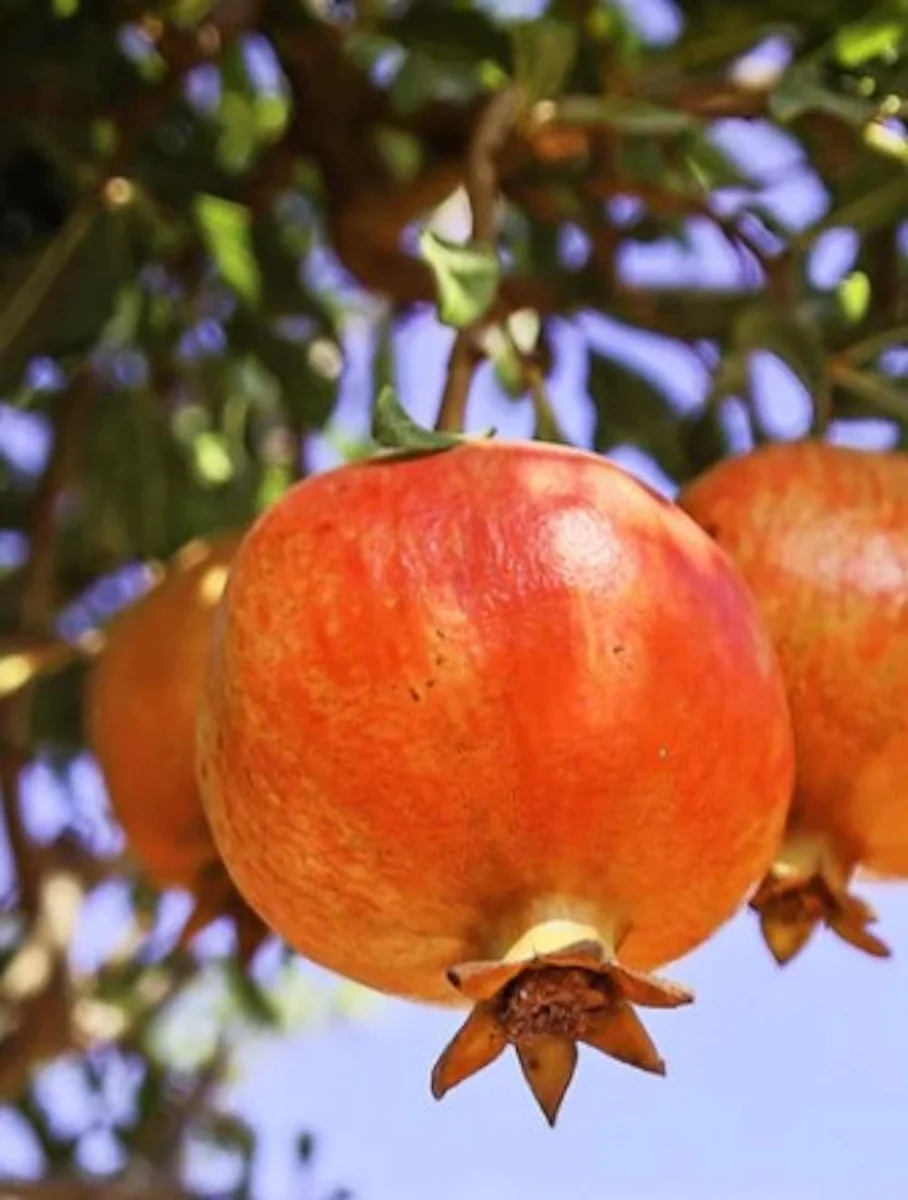
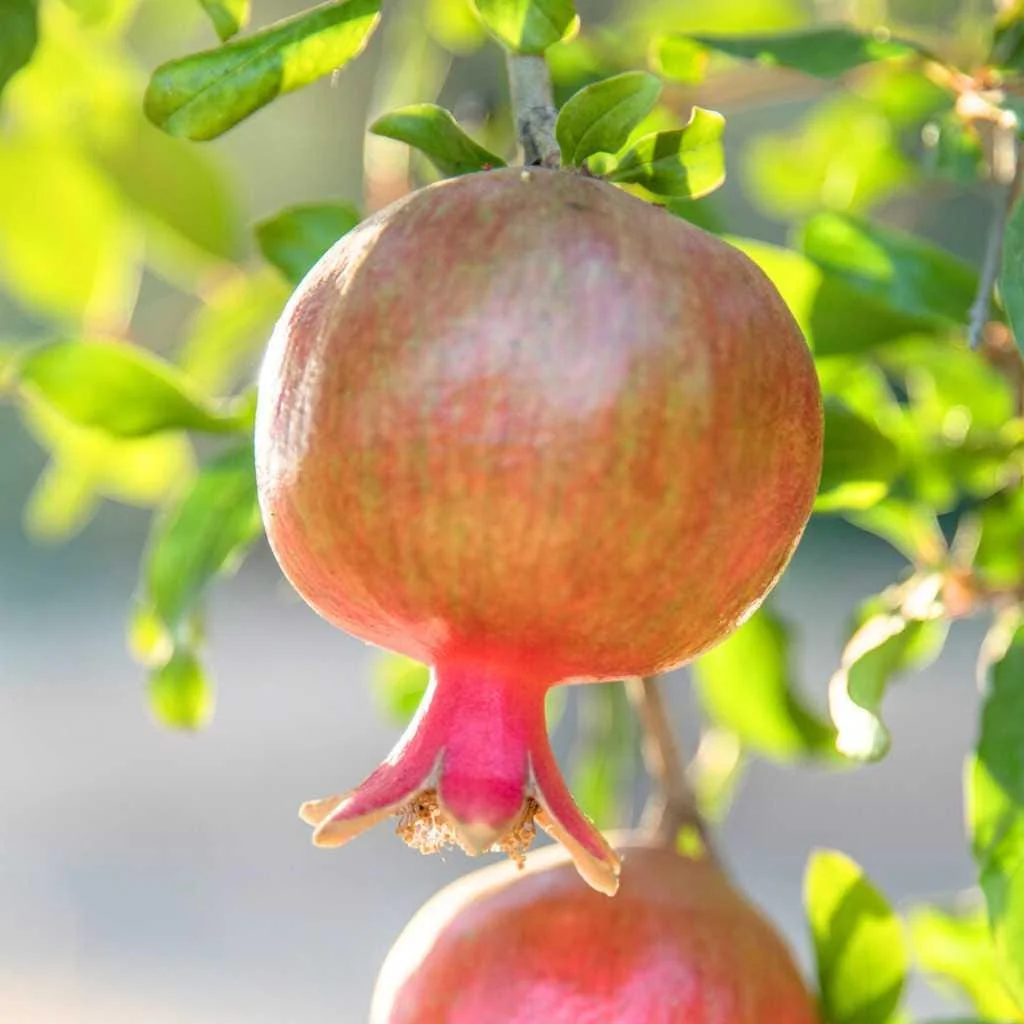
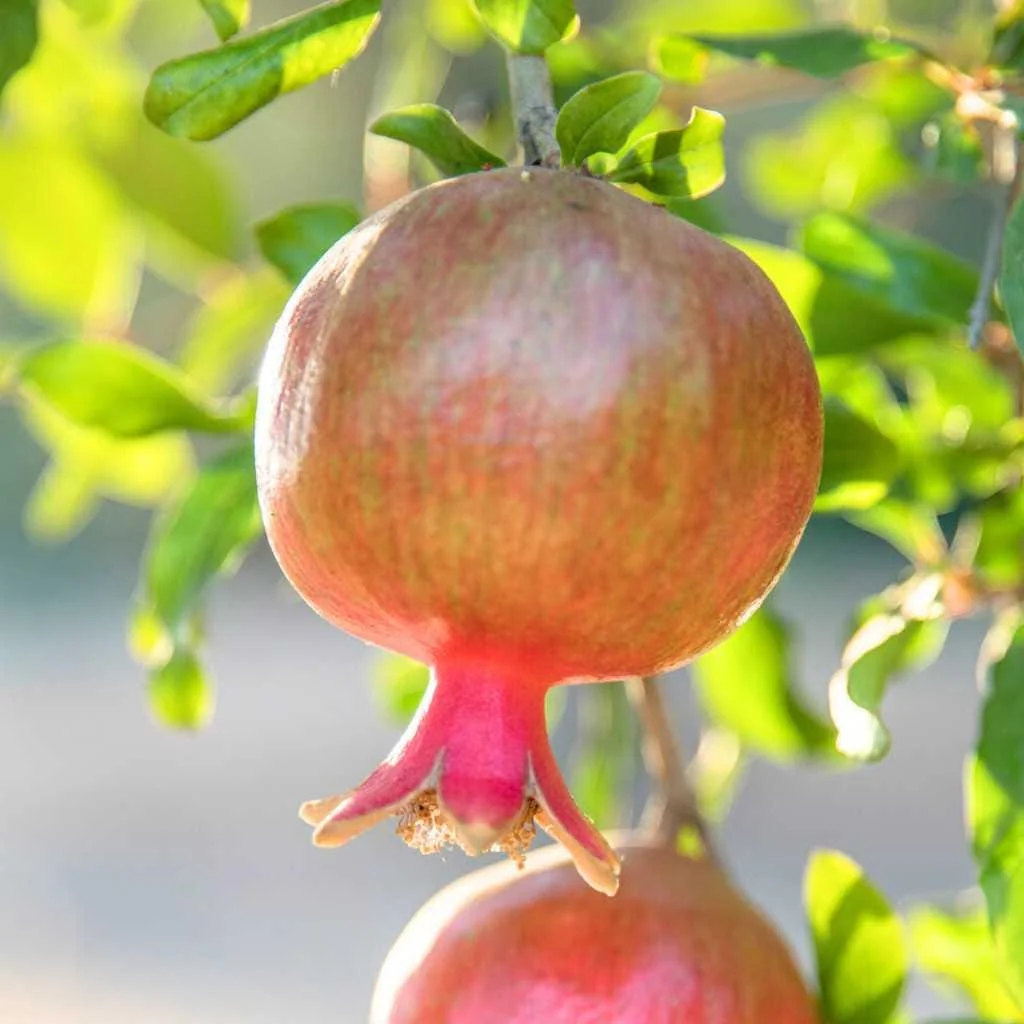
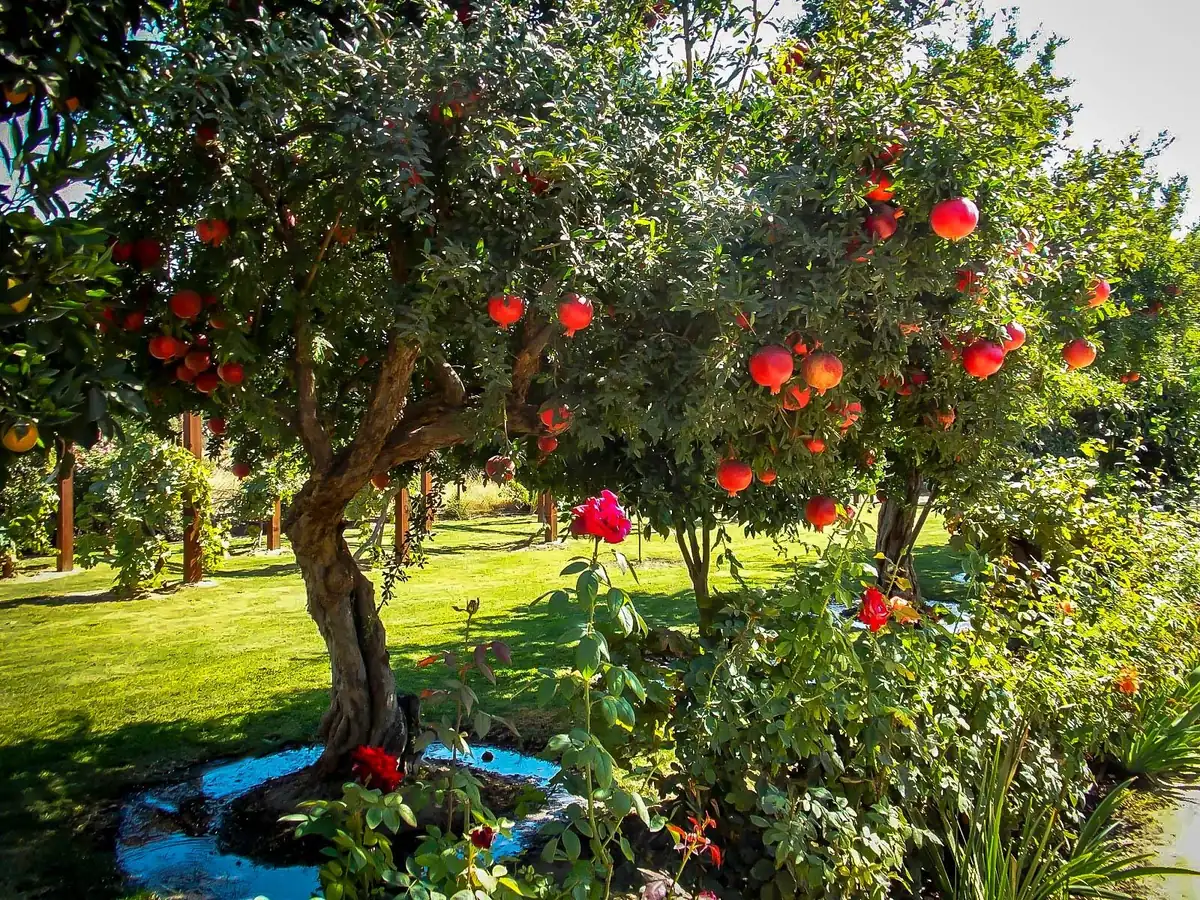
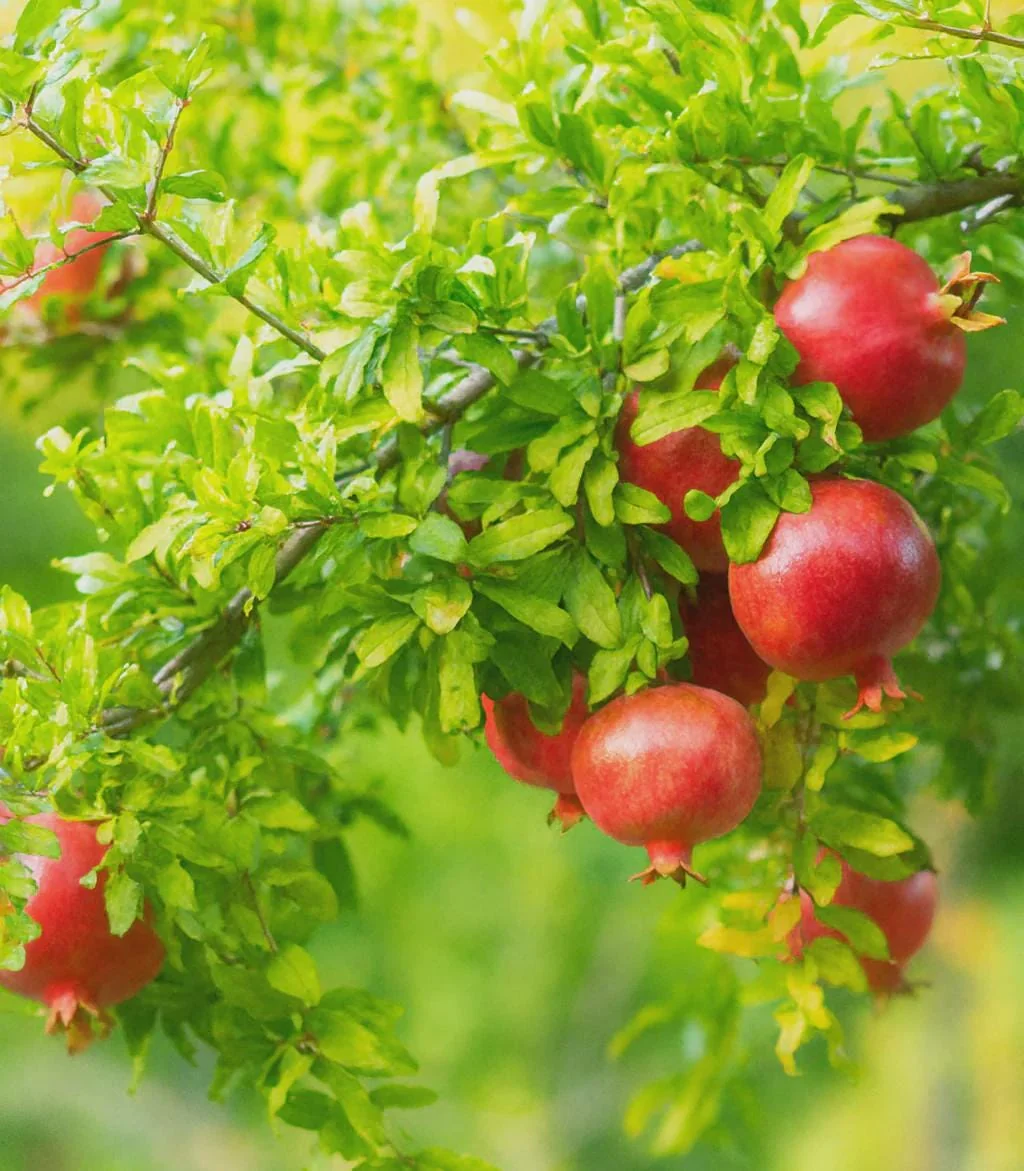
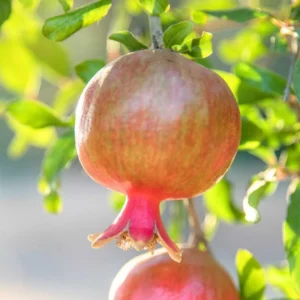
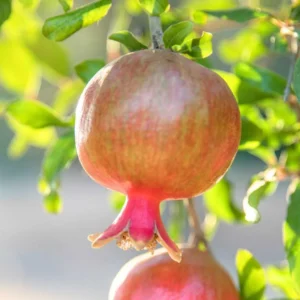
Cultivate your own flavorful fruit with this Salavatski Russian Pomegranate tree starter plant. Known for its exceptional cold hardiness, this vigorous variety thrives in USDA zones 6-9, producing large, delicious pomegranates. An excellent choice for gardeners in cooler regions seeking an adaptable and productive fruit tree.
Original price was: $90.00.$72.00Current price is: $72.00.

With our Alive & Thrive Guarantee, we’ve got your back for the first 30 days! If you have any concerns about your plants, just reach out to us. Our team is here to help answer your questions and guide you in selecting the best plants for your garden, climate, and unique preferences. We're excited to help you create the garden of your dreams!
Estimated arrival
Jan 18
Jan 23 - Jan 25
Jan 28 - Feb 01
Product Details
-
USDA Hardiness Zone
USDA zones 6-9 -
Soil type
Well-draining soil -
Sunlight Exposure
Full sun (6-8+ hours daily) -
Expected Planting Period
Spring to early summer
Overview
Bring the joy of growing your own fruit to your garden with the Salavatski Russian Pomegranate tree starter plant. This highly sought-after variety, scientifically known as Punica granatum ‘Salavatski’, is renowned for its remarkable cold tolerance and vigorous growth habit. Originating from Afghanistan, the ‘Salavatski’ was specifically bred to withstand fluctuating temperatures, making it an ideal choice for gardeners in cooler climates where other pomegranate varieties might struggle. This particular offering provides a starter plant, giving you a head start on cultivating this productive and ornamental fruit tree.
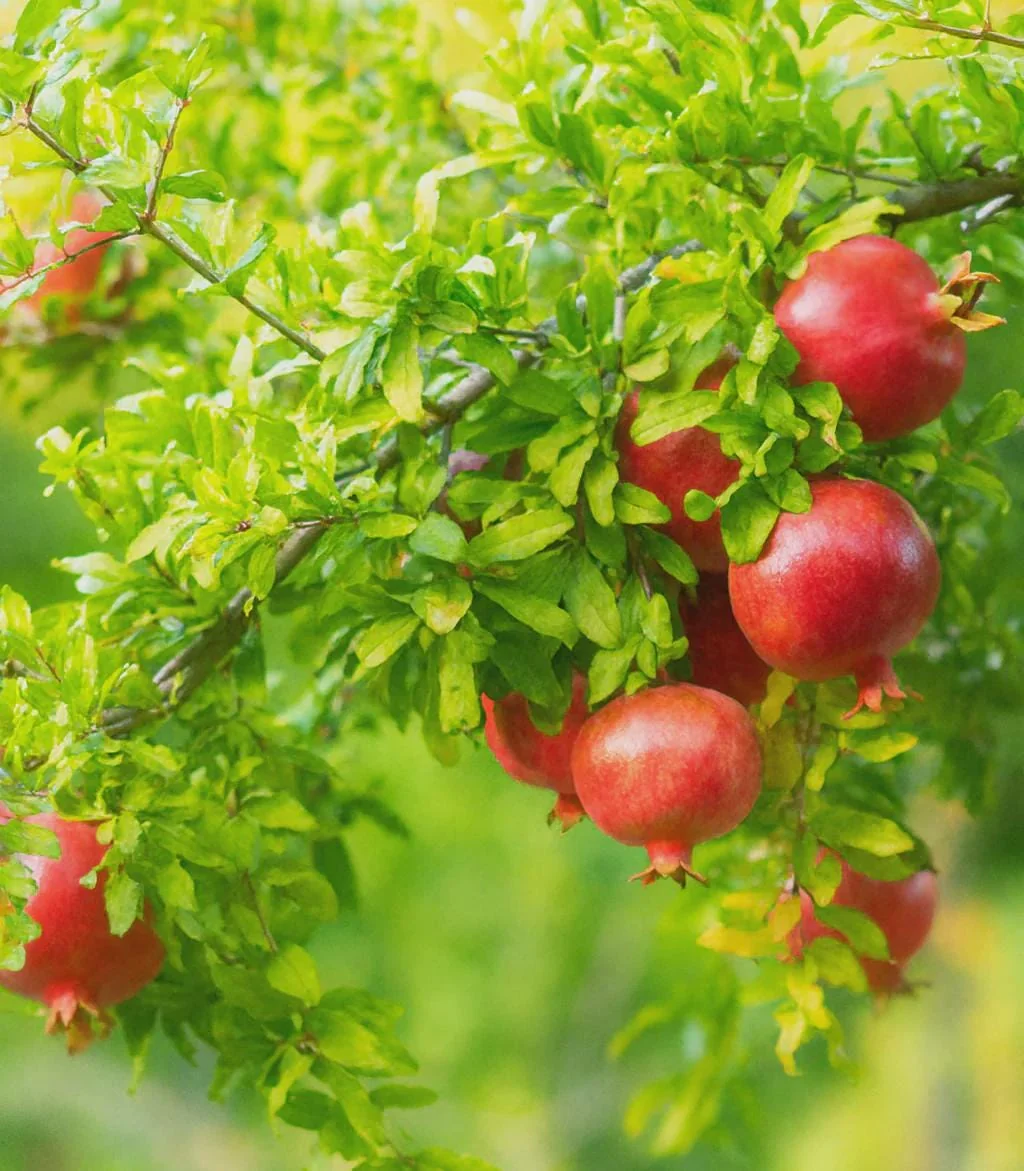
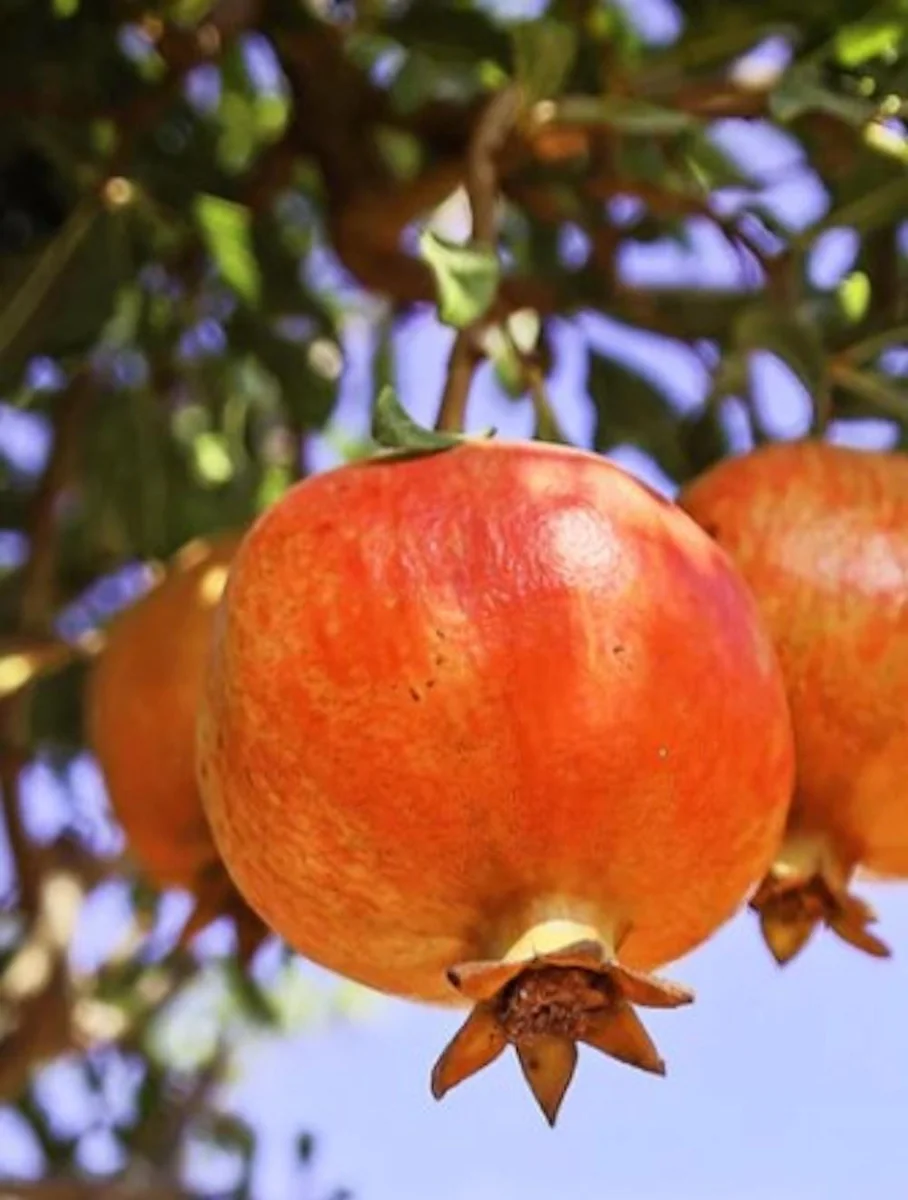
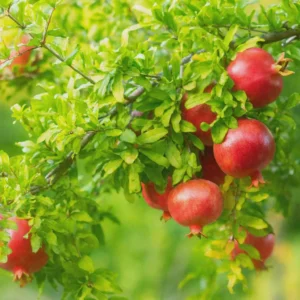
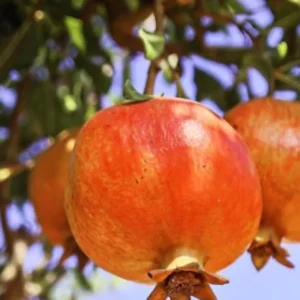
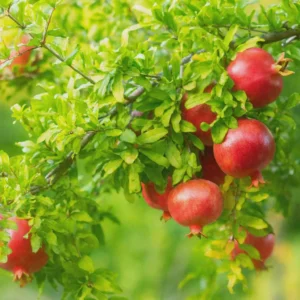
The Salavatski Russian Pomegranate tree is celebrated not only for its resilience but also for the quality of its fruit. It produces large, flavorful pomegranates that are perfect for fresh eating, juicing, or culinary applications. Whether you’re an experienced grower or new to fruit trees, this cold-hardy pomegranate offers a rewarding gardening experience and a bountiful harvest.
Key Benefits
The cold hardy pomegranate offers numerous advantages for both seasoned and novice gardeners:
- Exceptional Cold Hardiness: Thrives in USDA zones 6-9, capable of surviving temperatures as low as 5°F and potentially below 0°F with adequate protection, making it suitable for regions typically too cold for other pomegranates.
- Delicious, Large Fruit: Produces abundant, sizable pomegranates with a sweet-tart flavor, perfect for eating fresh, making juice, or using in various recipes.
- Vigorous Growth: This strong and adaptable variety establishes quickly, leading to a productive and healthy tree in your landscape.
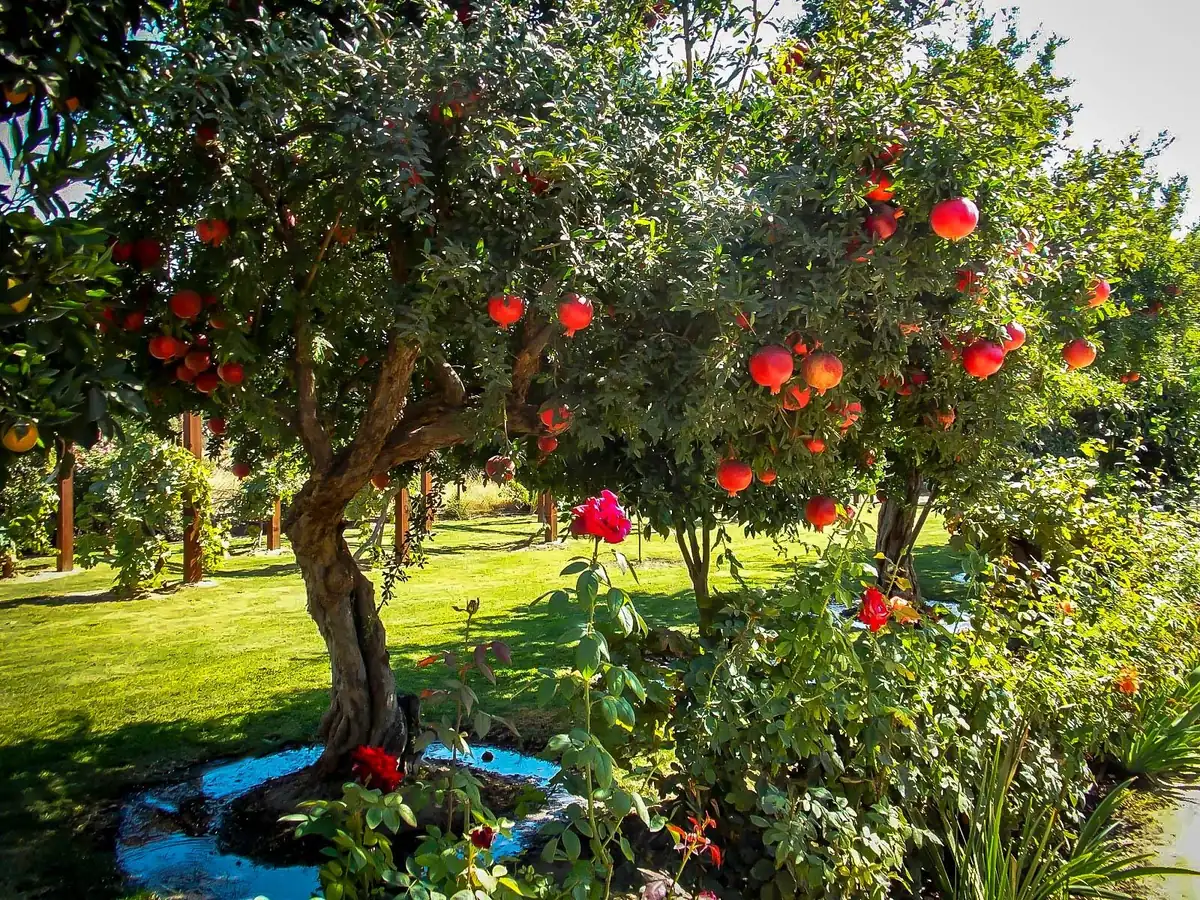
- Ornamental Appeal: Beyond its fruit, the Salavatski Russian Pomegranate tree offers attractive foliage and vibrant orange-red flowers, adding beauty to your garden.
- Drought Tolerance: Once established, pomegranate trees are relatively drought-tolerant, requiring less water than many other fruit trees.
- Adaptable to Various Soils: While preferring well-draining soil, this variety is known to be quite adaptable to different soil types, making it a versatile choice for many gardens.
- Self-Pollinating: The ‘Salavatski’ variety is self-fertile, meaning you typically only need one plant to produce fruit, simplifying the growing process.
Plant Care & Growing Tips
Caring for your Salavatski Russian Pomegranate tree is straightforward, ensuring a healthy plant and abundant fruit. For optimal growth and fruit production, plant your pomegranate in a location that receives full sun, meaning at least 6-8 hours of direct sunlight per day. While adaptable, well-draining soil is crucial; avoid heavy clay soils that retain too much moisture. If your soil is heavy, amend it with organic matter like compost to improve drainage. This variety is rated for USDA zones 6-9, making it a robust choice for temperate climates. In the colder parts of its range (zones 6-7), consider planting in a sheltered location or providing winter protection for young plants, especially during severe cold snaps.
Watering should be consistent, especially during the first year of establishment and during dry spells. Pomegranates prefer evenly moist soil but do not tolerate standing water. Once established, they are quite drought-tolerant. Fertilize in early spring with a balanced, slow-release fertilizer formulated for fruit trees. Avoid over-fertilizing, as this can lead to excessive foliage growth at the expense of fruit production. Prune in late winter or early spring to remove dead or crossing branches, maintain an open structure, and encourage air circulation. Regular pruning also helps shape the tree and promotes better fruit development. Understanding pomegranate plant care is key to a thriving specimen.
Common issues include aphids or scale insects, which can typically be managed with horticultural oil or insecticidal soap. Fungal diseases are less common but can occur in humid conditions; ensuring good air circulation through proper pruning helps prevent these. By following these guidelines, you’ll be well on your way to enjoying the delicious fruit from your grow pomegranate tree.
Size & Details
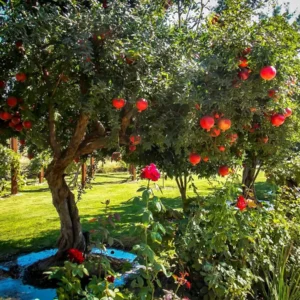
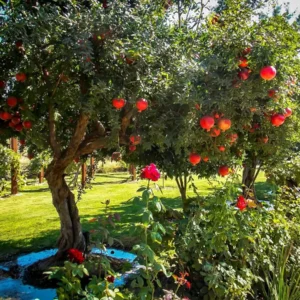
This offering is for a Salavatski Russian Pomegranate tree starter plant, which will arrive as a bare root plant. Bare root plants are typically dormant and ship without soil or a pot, allowing for easier transplanting and a robust start in your garden. Upon planting, these starter plants will quickly establish themselves, with growth rates varying based on local climate and care. Pomegranate trees are deciduous, meaning they will lose their leaves in the fall and grow new ones in the spring. Mature Salavatski pomegranate trees can reach heights of 10-15 feet and similar widths, though they can be kept smaller with regular pruning. Expect fruit production to begin within 2-3 years after planting, with increasing yields as the tree matures.
The ‘Salavatski’ variety is a vigorous grower, and with proper care, you can look forward to a healthy and productive tree for many years to come. The fruit typically ripens in late summer to early fall, offering a delightful harvest season. This is an excellent opportunity to grow pomegranate tree in your home garden.
Frequently Asked Questions
- Q: How big does this Salavatski Russian Pomegranate tree get? A: A mature ‘Salavatski’ pomegranate tree can reach a height of 10-15 feet and a similar spread. However, its size can be managed with regular pruning to fit smaller garden spaces or to be grown as a large shrub.
- Q: Is this an indoor or outdoor plant? A: The Salavatski Russian Pomegranate tree is primarily an outdoor plant, especially known for its cold hardiness in USDA zones 6-9. While it can be grown in a large container and brought indoors in colder climates, it generally performs best outdoors.
- Q: How much sunlight does a cold hardy pomegranate need? A: Pomegranates require full sun, which means at least 6-8 hours of direct sunlight per day, to produce the best fruit and ensure vigorous growth. Lack of adequate sun can result in poor fruit set.
- Q: What condition will the plant arrive in? A: This product is a starter plant and typically ships bare root, meaning it will arrive without soil or a pot. This method minimizes transplant shock and allows the plant to adapt quickly to your garden’s soil.
- Q: Is this plant easy to care for? A: Yes, the Salavatski Russian Pomegranate tree is considered relatively easy to care for, especially once established. It’s known for its adaptability and resilience, making it a good choice for gardeners of varying experience levels.
- Q: How long until it produces fruit? A: You can typically expect your ‘Salavatski’ pomegranate tree to begin producing fruit within 2-3 years after planting. Yields will increase as the tree matures.
- Q: Will it survive winter in my zone? A: The ‘Salavatski’ is a cold hardy pomegranate variety, capable of surviving winters in USDA zones 6-9. In zone 6 and colder parts of zone 7, providing some winter protection for young plants is recommended to ensure their survival.
- Q: What’s the minimum temperature this Punica granatum Salavatski can tolerate? A: This variety is known to tolerate temperatures as low as 5°F, and potentially even below 0°F with appropriate winter protection, making it one of the most cold-tolerant pomegranates available.
- Q: Do I need more than one Salavatski Russian Pomegranate tree to get fruit? A: No, the ‘Salavatski’ pomegranate is self-pollinating, meaning a single plant is sufficient to produce fruit. However, planting multiple trees can sometimes lead to even higher yields.
- Q: What are the best practices for pomegranate plant care during its first year? A: During its first year, focus on consistent watering to keep the soil evenly moist but not waterlogged, and ensure it receives plenty of sunlight. Avoid heavy fertilization, and protect it from extreme cold if planted in a marginal zone.
Related products
-20%
Original price was: $36.00.$28.80Current price is: $28.80.
-49%
Original price was: $59.38.$29.99Current price is: $29.99.
-50%
Original price was: $39.98.$19.99Current price is: $19.99.
-20%
Original price was: $80.00.$64.00Current price is: $64.00.
-20%
Original price was: $36.00.$28.80Current price is: $28.80.
-20%
Original price was: $60.00.$48.00Current price is: $48.00.
-20%
Original price was: $32.00.$25.60Current price is: $25.60.
PLANTING & CARE

Best Types of Ivy Plant for Houses: How to Choose the Perfect Ones for Your Home
Are you a garden lover looking to introduce some greenery into your home? Maybe you’ve
14
Nov
Nov

When to Harvest Garlic (Especially Fall-Planted Garlic)
TIMING IS EVERYTHING, they say – and for garlic, that truth hits with surprising accuracy.
13
Nov
Nov

11 of the Best Sweet Potato Varieties to Grow for Your Garden
If you’ve ever tried growing sweet potatoes, you know that picking the right variety can
12
Nov
Nov

The Comprehensive Guide to Growing Bay Leaf Plants for a Flavorful Garden
Imagine stepping into your garden, greeted by the earthy aroma of fresh bay leaves, their
10
Nov
Nov
Pruning Bougainvillea for Winter
Bougainvillea vines are known for their dazzling display of magenta, orange, and fuchsia bracts that
05
Nov
Nov
The Comprehensive Guide to Growing Clerodendrum Wallichii for a Stunning Garden
Imagine walking into a garden where delicate white flowers hang from graceful branches, their petals
03
Nov
Nov
8 Mistakes to Avoid When Planting Garlic That 90% of Gardeners Make
Planting garlic can be a rewarding experience, but many gardeners, especially beginners, end up making
29
Oct
Oct
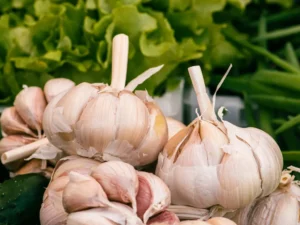
Garlic Varieties: Everything You Need to Know Before Choosing the Right Type to Grow
If you’ve ever tried growing garlic, you know that choosing the right variety can make
28
Oct
Oct