3 Queen Anne’s Lace Bare Root Plants – Daucus Carota Medicinal Herb
-63%
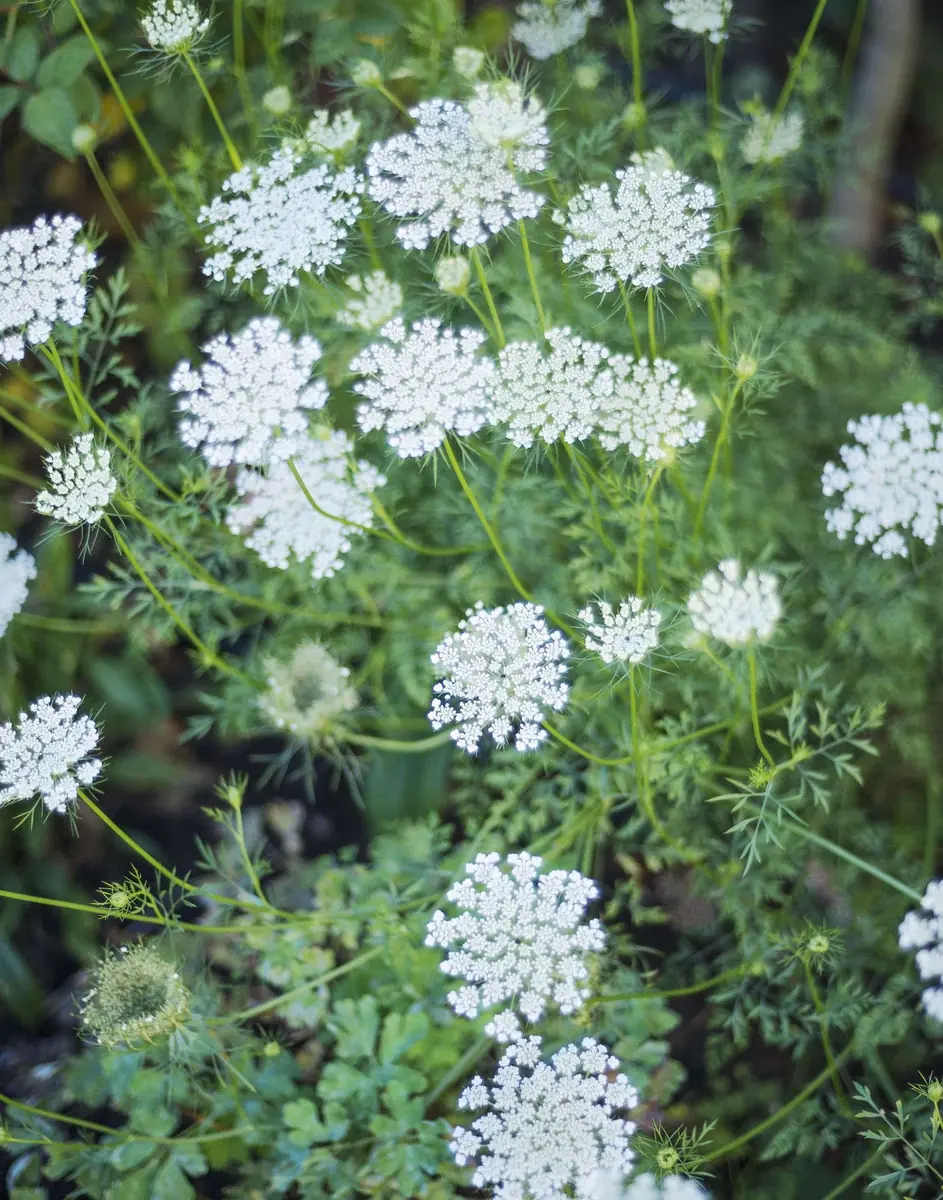
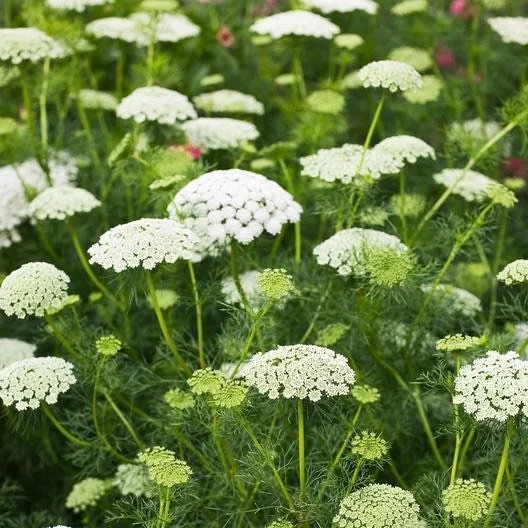
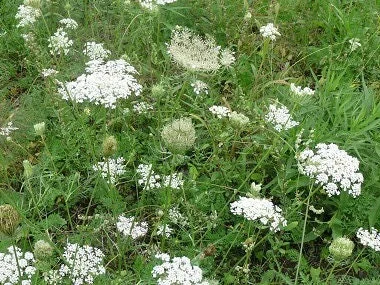
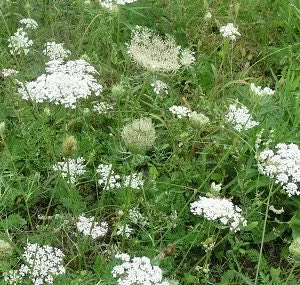
3 Queen Anne’s Lace Bare Root Plants – Daucus Carota Medicinal Herb
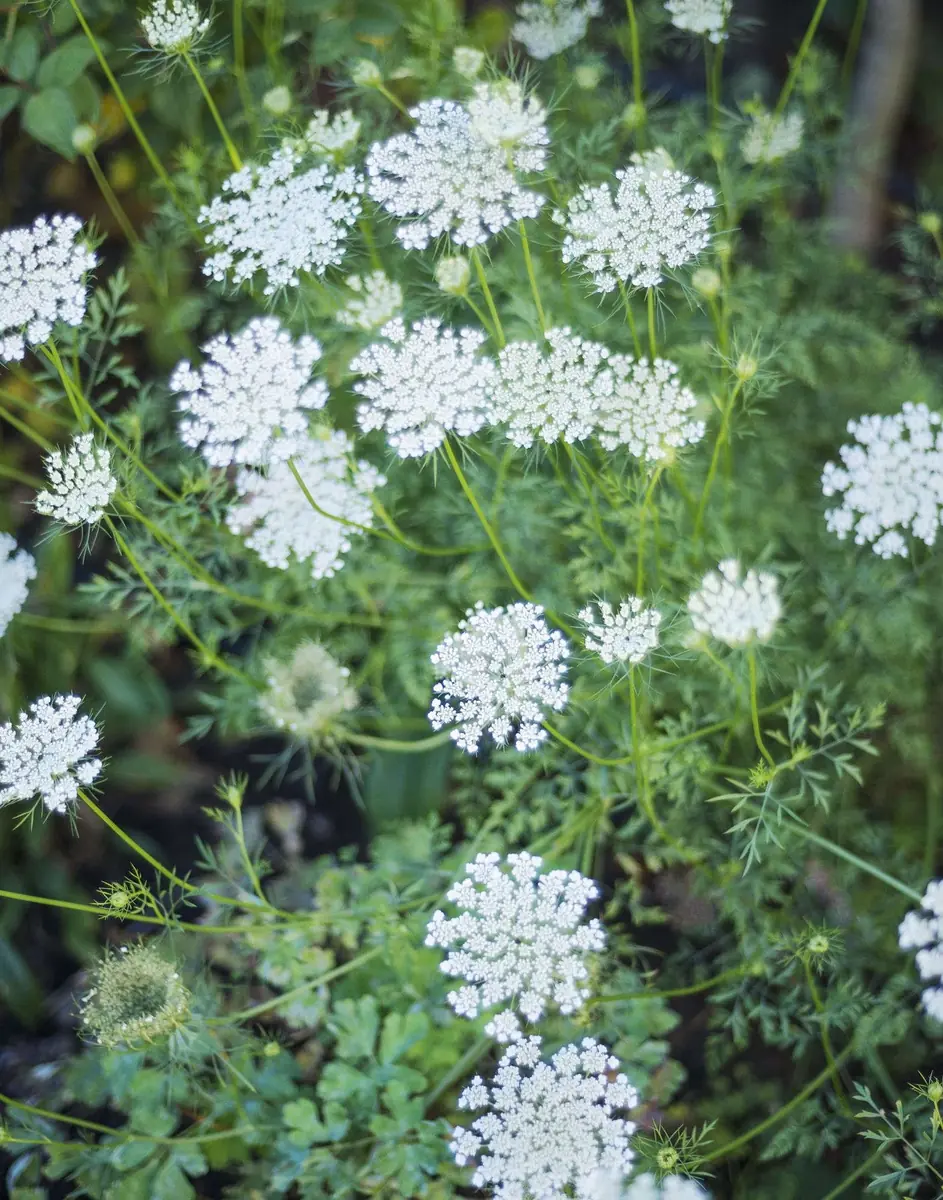
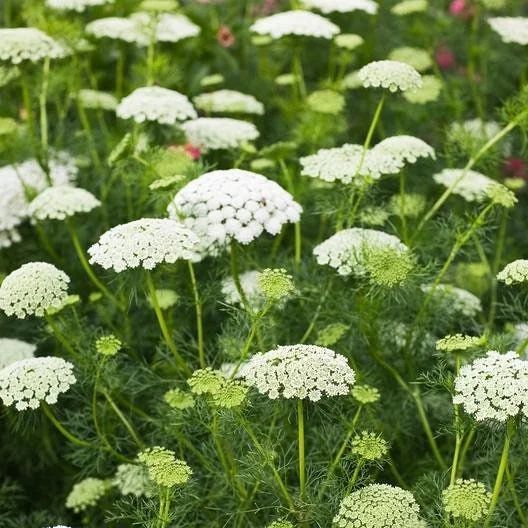
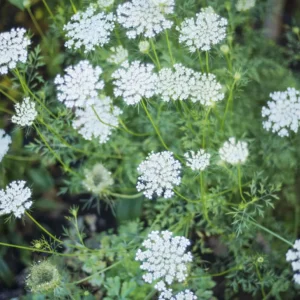
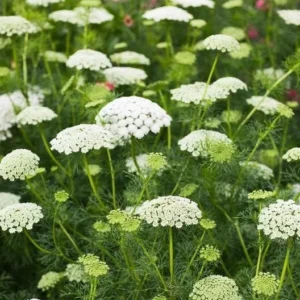
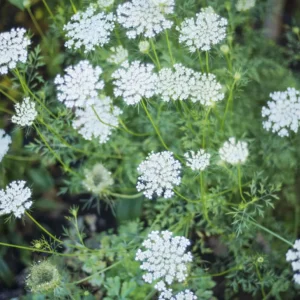
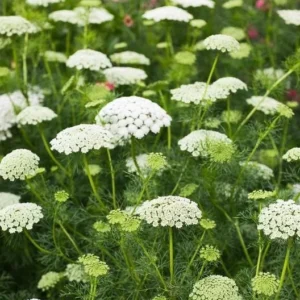
Cultivate your own Queen Anne’s Lace bare root plants. This pack includes 3 organically grown bare roots of Daucus Carota, known for their beautiful white florets and traditional uses as a medicinal herb garden addition. Easy to plant and establish, they add a touch of wild elegance to any landscape.
Original price was: $23.98.$8.99Current price is: $8.99.

With our Alive & Thrive Guarantee, we’ve got your back for the first 30 days! If you have any concerns about your plants, just reach out to us. Our team is here to help answer your questions and guide you in selecting the best plants for your garden, climate, and unique preferences. We're excited to help you create the garden of your dreams!
Estimated arrival
Mar 14
Mar 19 - Mar 21
Mar 24 - Mar 28
Product Details
-
USDA Hardiness Zone
USDA zones 3-9 -
Soil type
Well-draining soil, adaptable to various types -
Sunlight Exposure
Full sun to partial shade -
Expected Planting Period
Spring or early fall
Overview
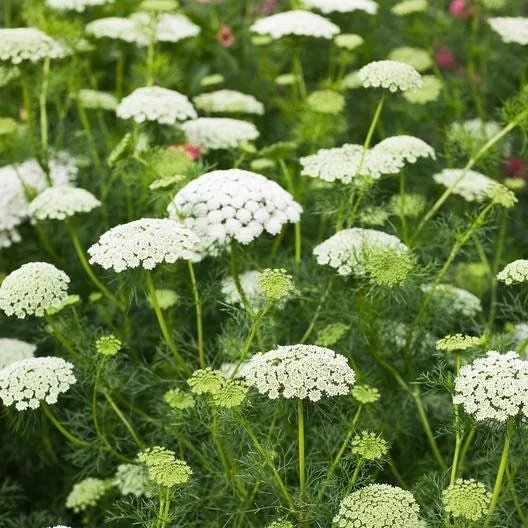
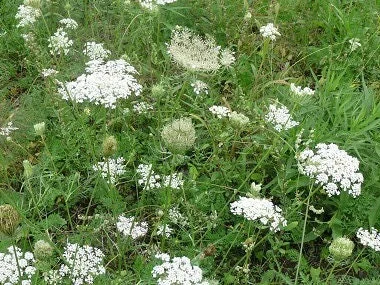
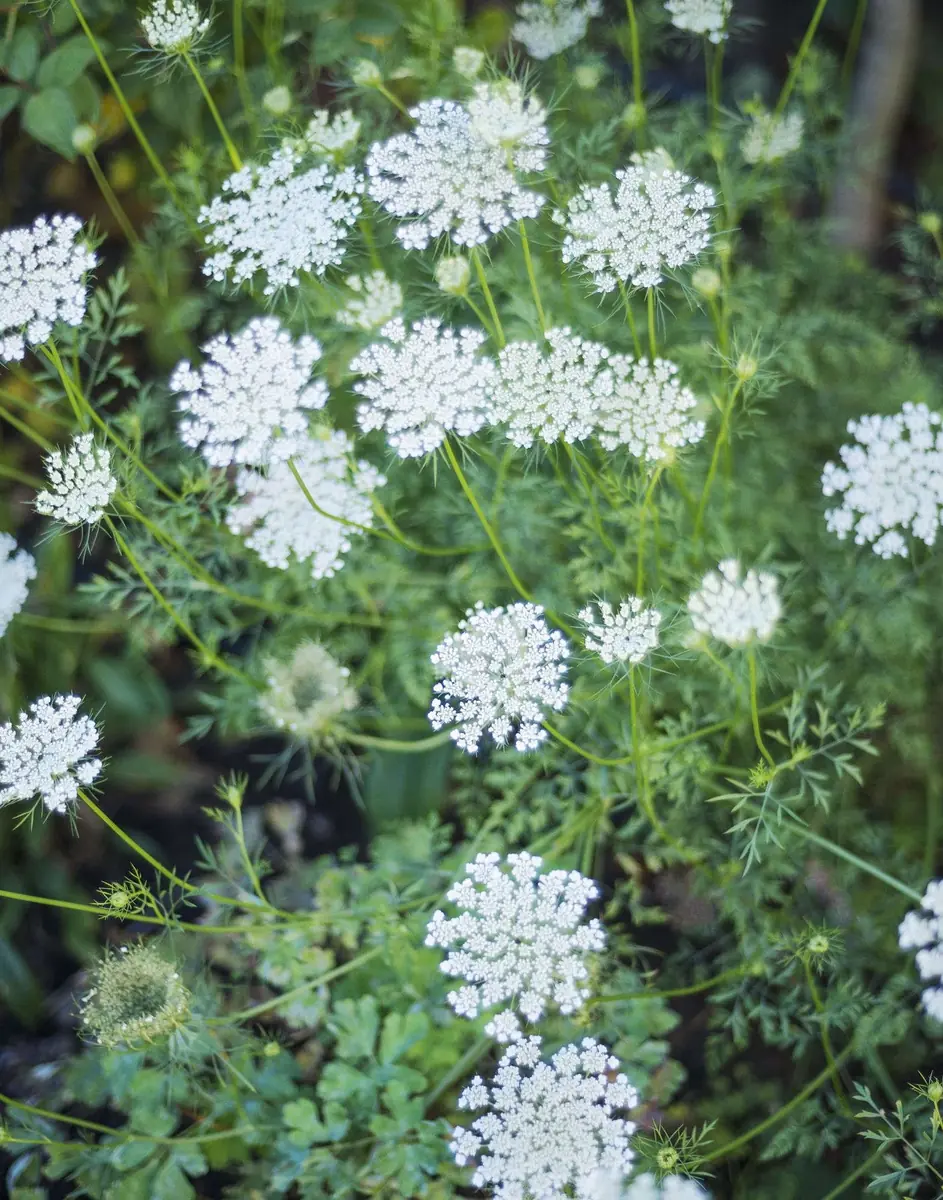
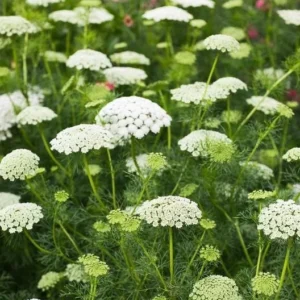
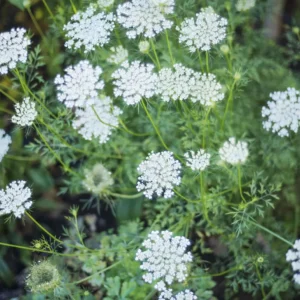
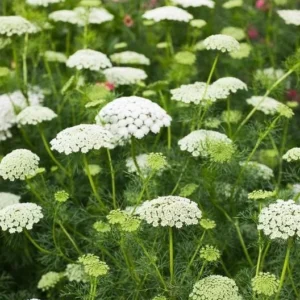
Introduce a touch of natural beauty and historical charm to your garden with our 3-pack of Queen Anne’s Lace bare root plants. Also scientifically known as Daucus Carota, these roots will grow into elegant biennials featuring delicate, lace-like white flower clusters, often with a distinctive dark purple or red floret in the center. While widely recognized as a beautiful wildflower, Daucus Carota plant also holds a rich history as a traditional medicinal herb garden ingredient. These bare roots are harvested with care, ensuring they arrive ready for planting and establish quickly in your chosen spot. Perfect for naturalizing areas, cottage gardens, or adding to an herbal collection, these plants offer both aesthetic appeal and potential traditional uses.
Our organically grown Queen Anne’s Lace bare roots are a fantastic choice for gardeners looking to cultivate unique and beneficial plants. The robust roots are prepared for optimal transplanting, providing a head start for vigorous growth. Whether you’re an experienced horticulturist or just beginning your gardening journey, growing Queen Anne’s Lace from bare root is a rewarding experience that brings a piece of the wild, untamed meadows right to your backyard. Enjoy the graceful beauty and subtle allure of this classic plant.
Key Benefits
Queen Anne’s Lace bare root plants offer a range of advantages for your garden and well-being. Their striking appearance and versatility make them a valuable addition to many landscapes.
- Aesthetic Appeal: Features intricate, umbrella-shaped white flower clusters that add a delicate, airy texture to garden beds, borders, and wildflower meadows. It’s a classic choice for a cottage garden feel.
- Attracts Pollinators: The abundant nectar and pollen of Daucus Carota plant flowers are highly attractive to beneficial insects, including bees, butterflies, and predatory wasps, promoting a healthy garden ecosystem.
- Traditional Medicinal Uses: Historically, various parts of the wild carrot plant have been used in traditional folk medicine. It’s an interesting and educational addition to a medicinal herb garden.
- Low Maintenance: Once established, Queen Anne’s Lace is remarkably self-sufficient, requiring minimal care and thriving in a variety of conditions, making it ideal for busy gardeners.
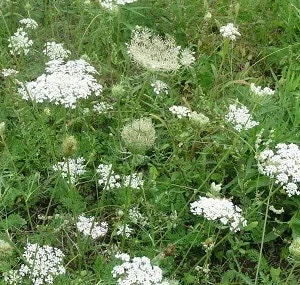
- Naturalizing Capabilities: Excellent for naturalizing large areas or creating a wild, informal look. It can self-seed, creating beautiful drifts of white flowers year after year.
- Cut Flower Potential: The elegant flower heads make beautiful and long-lasting additions to fresh cut flower arrangements, adding a rustic charm to your indoor decor.
- Soil Improvement: The deep taproot of the wild carrot plant can help break up compacted soil, improving aeration and drainage over time.
Plant Care & Growing Tips
Successfully growing Queen Anne’s Lace from bare roots is straightforward with the right approach. These resilient plants prefer a location with full sun to partial shade, ideally receiving at least 6 hours of direct sunlight per day for the best flowering. While adaptable, they thrive in well-draining soil that is not overly rich. Amend heavy clay soils with organic matter to improve drainage, or sandy soils to improve moisture retention. The pH preference is generally neutral to slightly alkaline.
When planting your Queen Anne’s Lace bare root, dig a hole large enough to accommodate the roots without bending them. Place the bare root with the crown (where the stem meets the root) at soil level, then backfill with soil and gently firm around the roots to remove air pockets. Water thoroughly after planting. During its first growing season, ensure consistent moisture, especially during dry spells, to help the plant establish a strong root system. Once established, Queen Anne’s Lace is quite drought-tolerant. Fertilization is generally not necessary in average garden soil, as excessive nutrients can sometimes lead to more foliage and fewer flowers. This Daucus Carota plant is biennial, meaning it forms foliage in the first year and flowers and sets seed in the second year before dying back. Allow some seeds to drop for successive generations if you wish for it to naturalize.
Size & Details
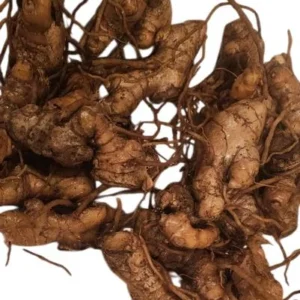
This offering includes 3 individual Queen Anne’s Lace bare root plants, carefully harvested and prepared for immediate planting. Each bare root is a living, dormant plant ready to spring to life in your garden. When mature, Queen Anne’s Lace typically grows to a height of 2 to 4 feet (60-120 cm) with a spread of about 1 to 2 feet (30-60 cm), forming an upright, branching habit. The distinctive white flower clusters, resembling delicate lace, can be up to 4-6 inches (10-15 cm) across. These plants are biennials, meaning they will establish foliage in their first year and then produce their characteristic blooms in the second year, typically from summer through fall, before completing their life cycle. For continuous blooms, allow some plants to self-seed. Planting in spring or early fall is ideal for successful establishment.
Frequently Asked Questions
- Q: How big does this plant get? A: A mature Queen Anne’s Lace bare root plant typically reaches a height of 2 to 4 feet, with a spread of 1 to 2 feet, creating a substantial and elegant presence in the garden.
- Q: Is this an indoor or outdoor plant? A: Queen Anne’s Lace (Daucus Carota plant) is primarily an outdoor plant, best suited for gardens, meadows, and naturalized areas where it can receive ample sunlight and space.
- Q: How much sunlight does it need? A: For optimal growth and flowering, this plant prefers full sun (at least 6 hours of direct sunlight daily) but can tolerate partial shade, though flowering may be less prolific.
- Q: Is this plant easy to care for? A: Yes, growing Queen Anne’s Lace is considered easy. Once established, it is very low-maintenance, drought-tolerant, and generally pest-free, making it suitable for beginner gardeners.
- Q: What condition will it arrive in? A: Your order will contain 3 dormant bare roots, carefully packaged to ensure they arrive in good, viable condition, ready for planting upon arrival.
- Q: When is the best time to plant? A: The ideal time to plant Queen Anne’s Lace bare root is in the spring after the last frost, or in the early fall, allowing the roots to establish before extreme temperatures.
- Q: Can I use this in a medicinal herb garden? A: Historically, Queen Anne’s Lace has been used as a traditional herb. While its use is noted, always exercise caution and consult with experts before using any plant for medicinal purposes.
- Q: Will it survive winter in my zone? A: As a biennial, the first year’s foliage of the wild carrot plant is generally hardy in many temperate zones. The plant completes its life cycle after flowering in the second year.
Related products
-10%
Original price was: $75.00.$67.50Current price is: $67.50.
-30%
Original price was: $59.98.$41.98Current price is: $41.98.
-58%
Original price was: $39.99.$16.99Current price is: $16.99.
-10%

Original price was: $11.99.$10.79Current price is: $10.79.
-30%
Original price was: $59.98.$41.98Current price is: $41.98.
-50%

Original price was: $27.96.$13.98Current price is: $13.98.
-67%
Original price was: $75.72.$25.24Current price is: $25.24.
-67%
From Original price was: $35.22.$11.74Current price is: $11.74.
PLANTING & CARE

The Comprehensive Guide to Growing Bay Leaf Plants for a Flavorful Garden
Imagine stepping into your garden, greeted by the earthy aroma of fresh bay leaves, their
09
Feb
Feb

How to Make Comfrey Tea: The Ultimate Organic Plant Food
Growing an organic garden can be surprisingly expensive, especially when most store-bought fertilizers come in
02
Feb
Feb

True Comfrey: 7 Essential Tips Before You Plant This Herb
A staple in permaculture practices across the US, True Comfrey easily earns its reputation as
27
Jan
Jan

7 Heart-Shaped Plants for a Lasting Valentine’s Gift
If you’ve ever bought a bouquet of roses for Valentine’s Day, you know they are
26
Jan
Jan

Best Types of Ivy Plant for Houses: How to Choose the Perfect Ones for Your Home
Are you a garden lover looking to introduce some greenery into your home? Maybe you’ve
14
Nov
Nov

When to Harvest Garlic (Especially Fall-Planted Garlic)
TIMING IS EVERYTHING, they say – and for garlic, that truth hits with surprising accuracy.
13
Nov
Nov

11 of the Best Sweet Potato Varieties to Grow for Your Garden
If you’ve ever tried growing sweet potatoes, you know that picking the right variety can
12
Nov
Nov

Pruning Bougainvillea for Winter
Bougainvillea vines are known for their dazzling display of magenta, orange, and fuchsia bracts that
05
Nov
Nov