Eastern Redbud Tree – 2 Bare Root Seedlings – 2 ft Tall – Outdoor Deciduous
-50%
Eastern Redbud Tree – 2 Bare Root Seedlings – 2 ft Tall – Outdoor Deciduous
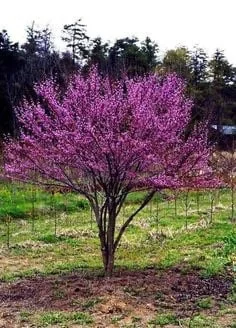
Introduce vibrant spring color to your garden with this pair of Eastern Redbud bare root seedlings. Each 2-foot tall deciduous tree is ready for planting and thrives in USDA Zones 4-9, offering beautiful purple-pink blooms and heart-shaped foliage.
Original price was: $49.96.$24.98Current price is: $24.98.

With our Alive & Thrive Guarantee, we’ve got your back for the first 30 days! If you have any concerns about your plants, just reach out to us. Our team is here to help answer your questions and guide you in selecting the best plants for your garden, climate, and unique preferences. We're excited to help you create the garden of your dreams!
Estimated arrival
Mar 17
Mar 22 - Mar 24
Mar 27 - Mar 31
Product Details
-
USDA Hardiness Zone
USDA Zones 4-9 -
Soil type
Well-draining loam, adaptable to clay or sandy soils -
Sunlight Exposure
Full sun to partial shade -
Expected Planting Period
Early spring or fall
Overview
Transform your landscape with the stunning beauty of the Eastern Redbud bare root seedlings. This offer includes two robust, 2-foot tall bare root trees, ready to establish themselves in your garden. Known scientifically as Cercis canadensis, the Eastern Redbud is a beloved small deciduous tree or large shrub, celebrated for its spectacular display of magenta-pink flowers that emerge directly on its branches in early spring, often before its distinctive heart-shaped leaves appear. Native to eastern North America, this resilient tree brings ecological benefits by attracting pollinators and providing visual interest throughout the seasons. It’s an excellent choice for adding a touch of native charm and vibrant color to any garden or yard in its suitable hardiness zones.
The Eastern Redbud bare root is an iconic species, even holding the title of the state tree of Oklahoma. Its adaptability allows it to flourish across a wide range of climates, from southern Michigan down to central Mexico, and as far west as California. These bare root seedlings are a cost-effective and efficient way to plant multiple trees, ensuring a healthy start for your new additions. When properly planted and cared for, these trees will grow into magnificent specimens, providing shade, beauty, and a haven for local wildlife. Prepare to be captivated by the delicate yet abundant blooms that herald the arrival of spring each year.
Key Benefits
The Eastern Redbud bare root offers a multitude of advantages for both gardeners and the environment, making it a highly desirable addition to nearly any outdoor space. Its exceptional qualities contribute significantly to garden aesthetics and ecological health.
- Spectacular Spring Blooms: Enjoy an explosion of brilliant, pea-like magenta-pink flowers that cover the branches in early spring, often before the leaves emerge, creating a breathtaking visual spectacle. These blooms are a vital early nectar source for bees and other pollinators.
- Attractive Foliage: Following the flowers, heart-shaped, bright green leaves unfurl, providing lush summer greenery. In autumn, the foliage transforms into attractive shades of yellow, adding another layer of seasonal interest to your landscape.
- Versatile Landscape Use: The compact size of the Eastern Redbud bare root makes it suitable for various landscape applications. It can be used as an understory tree, a specimen plant, in woodland gardens, or even as a striking accent near a patio or deck.
- Native and Eco-Friendly: As a native species, it is well-adapted to local conditions, requiring less maintenance once established. It supports local ecosystems by providing food and shelter for native wildlife, including birds and beneficial insects.
- Drought Tolerance: Once established, the Eastern Redbud exhibits good drought tolerance, making it a sustainable choice for many regions and reducing the need for excessive watering.
- Low Maintenance: Generally, this tree is quite low-maintenance, requiring minimal pruning and being relatively resistant to most pests and diseases, allowing you more time to enjoy its beauty.
- Hardy and Adaptable: Thriving across a broad range of USDA Zones (4-9), the Eastern Redbud bare root is a resilient tree that can adapt to various soil conditions, making it a reliable choice for diverse climates.
Plant Care & Growing Tips
Caring for your Eastern Redbud bare root seedlings is straightforward, ensuring they establish well and flourish into beautiful mature trees. Proper planting and consistent care in the initial years are crucial for their long-term health and vibrant display. When you’re ready for Eastern Redbud planting, choose a site with well-draining soil and adequate sunlight. While the Eastern Redbud can tolerate a range of soils, it prefers moist, well-drained loams, and can adapt to clay or sandy soils as long as drainage is good. Avoid overly wet sites, as this can lead to root rot. Dig a hole twice as wide as the root spread and deep enough so that the root collar (where the roots meet the stem) is at or slightly above ground level. Spread the roots out carefully before backfilling with soil.
Sunlight is key for optimal growth and flowering. The Eastern Redbud thrives in full sun to partial shade. In hotter climates, some afternoon shade can be beneficial to protect the tree from scorching. Water thoroughly after planting and maintain consistent moisture during the first growing season. This helps the roots establish firmly. Once established, the tree is moderately drought-tolerant, but supplemental watering during prolonged dry spells will encourage healthier growth and more prolific blooms. For general Redbud tree care, avoid over-fertilizing, especially in the first year. A light application of a balanced, slow-release fertilizer in early spring can be beneficial for established trees. Pruning should be done in late winter or early spring before new growth begins, primarily to remove dead, damaged, or crossing branches and to maintain an attractive shape. The Oklahoma state tree is generally quite resilient.
The Cercis canadensis is hardy in USDA Zones 4-9. This means it can withstand winter temperatures down to -30°F (-34°C). If you are planting in the colder end of its zone, consider mulching around the base to help insulate the roots. Watch out for common issues like canker disease, which can be managed with proper pruning and by ensuring good air circulation. By following these simple care guidelines, your Eastern Redbud trees will grow into magnificent features in your garden, providing years of enjoyment with their stunning spring flowers and graceful form. Understanding Eastern Redbud planting techniques will set your trees up for success.
Size & Details
This offering includes two Eastern Redbud bare root seedlings, each measuring approximately 2 feet (24 inches) in height at the time of shipment. Bare root seedlings are dormant plants that are shipped without soil around their roots, minimizing shipping weight and stress. Upon arrival, they require immediate planting to ensure successful establishment. When mature, the Eastern Redbud typically grows to a height of 20-30 feet with a similar spread, forming a beautiful, broad, and often multi-trunked canopy. Its growth rate is moderate, usually adding 1-2 feet per year under ideal conditions.
The trees will begin to produce their characteristic purple-pink blooms in early spring, usually within a few years of planting, with more abundant flowering as they mature. The distinctive heart-shaped leaves follow the blooms, and the trees develop attractive, often exfoliating bark with age. These seedlings are ideal for planting in spring or fall. They are perfectly suited for USDA Hardiness Zones 4-9, demonstrating excellent cold hardiness and heat tolerance within this range. Proper Eastern Redbud planting is crucial for these young trees to thrive and reach their full potential, eventually becoming a stunning centerpiece in your landscape.
Frequently Asked Questions
- Q: How big does this plant get? A: The Eastern Redbud bare root seedlings you receive are 2 feet tall. Mature Eastern Redbud trees typically reach a height of 20-30 feet with a similar spread, forming a broad, rounded canopy.
- Q: What size pot does it come in? A: These are bare root seedlings, meaning they do not come in a pot. They are shipped dormant, with their roots carefully packaged for protection during transit, ready for direct planting into the ground or a large container.
- Q: Is this an indoor or outdoor plant? A: The Eastern Redbud bare root is an outdoor deciduous tree. It requires exposure to seasonal changes, including winter dormancy, to thrive and bloom. It is not suitable for indoor cultivation.
- Q: How much sunlight does it need? A: Eastern Redbuds prefer full sun to partial shade. For the best flowering display, aim for at least 6 hours of direct sunlight per day. In very hot climates, some afternoon shade can be beneficial to prevent leaf scorch.
- Q: Is this plant easy to care for? A: Yes, Redbud tree care is generally considered easy. Once established, they are quite low-maintenance, requiring minimal pruning and being relatively tolerant of drought and various soil conditions. They are a good choice for both novice and experienced gardeners.
- Q: What condition will it arrive in? A: Your Eastern Redbud bare root seedlings will arrive dormant, meaning they will not have leaves and may appear to be just sticks. This is normal for bare root trees and indicates they are ready for planting and will leaf out in spring.
- Q: When is the best time for Eastern Redbud planting? A: The best time for Eastern Redbud planting bare root trees is in early spring, as soon as the ground can be worked, or in the fall after the leaves have dropped but before the ground freezes. This allows the roots to establish before extreme temperatures.
- Q: Will it survive winter in my zone? A: Yes, the Cercis canadensis is very hardy and thrives in USDA Zones 4-9. This means it is well-equipped to survive typical winter conditions within these zones, which cover a significant portion of the US.
- Q: What is the significance of the Oklahoma state tree? A: The Eastern Redbud is the state tree of Oklahoma, chosen for its widespread presence and beautiful spring blooms that brighten the state’s landscape. It holds cultural and ecological importance in the region.
- Q: How long until it blooms? A: Your Eastern Redbud bare root seedlings may start to show some blooms within 2-3 years after planting, with flowering becoming more abundant and spectacular as the tree matures and establishes a strong root system.
Related products
-10%
Original price was: $36.99.$33.29Current price is: $33.29.
-50%
Original price was: $73.98.$36.99Current price is: $36.99.
PLANTING & CARE

The Comprehensive Guide to Growing Bay Leaf Plants for a Flavorful Garden
Imagine stepping into your garden, greeted by the earthy aroma of fresh bay leaves, their
09
Feb
Feb

How to Make Comfrey Tea: The Ultimate Organic Plant Food
Growing an organic garden can be surprisingly expensive, especially when most store-bought fertilizers come in
02
Feb
Feb

True Comfrey: 7 Essential Tips Before You Plant This Herb
A staple in permaculture practices across the US, True Comfrey easily earns its reputation as
27
Jan
Jan

7 Heart-Shaped Plants for a Lasting Valentine’s Gift
If you’ve ever bought a bouquet of roses for Valentine’s Day, you know they are
26
Jan
Jan

Best Types of Ivy Plant for Houses: How to Choose the Perfect Ones for Your Home
Are you a garden lover looking to introduce some greenery into your home? Maybe you’ve
14
Nov
Nov

When to Harvest Garlic (Especially Fall-Planted Garlic)
TIMING IS EVERYTHING, they say – and for garlic, that truth hits with surprising accuracy.
13
Nov
Nov

11 of the Best Sweet Potato Varieties to Grow for Your Garden
If you’ve ever tried growing sweet potatoes, you know that picking the right variety can
12
Nov
Nov
Pruning Bougainvillea for Winter
Bougainvillea vines are known for their dazzling display of magenta, orange, and fuchsia bracts that
05
Nov
Nov