Nishiki Willow Live Plant – Dappled Willow, Salix integra ‘Hakuro-nishiki’, 1 Gallon Pot, 2-3 ft Tall
-50%
Nishiki Willow Live Plant – Dappled Willow, Salix integra ‘Hakuro-nishiki’, 1 Gallon Pot, 2-3 ft Tall
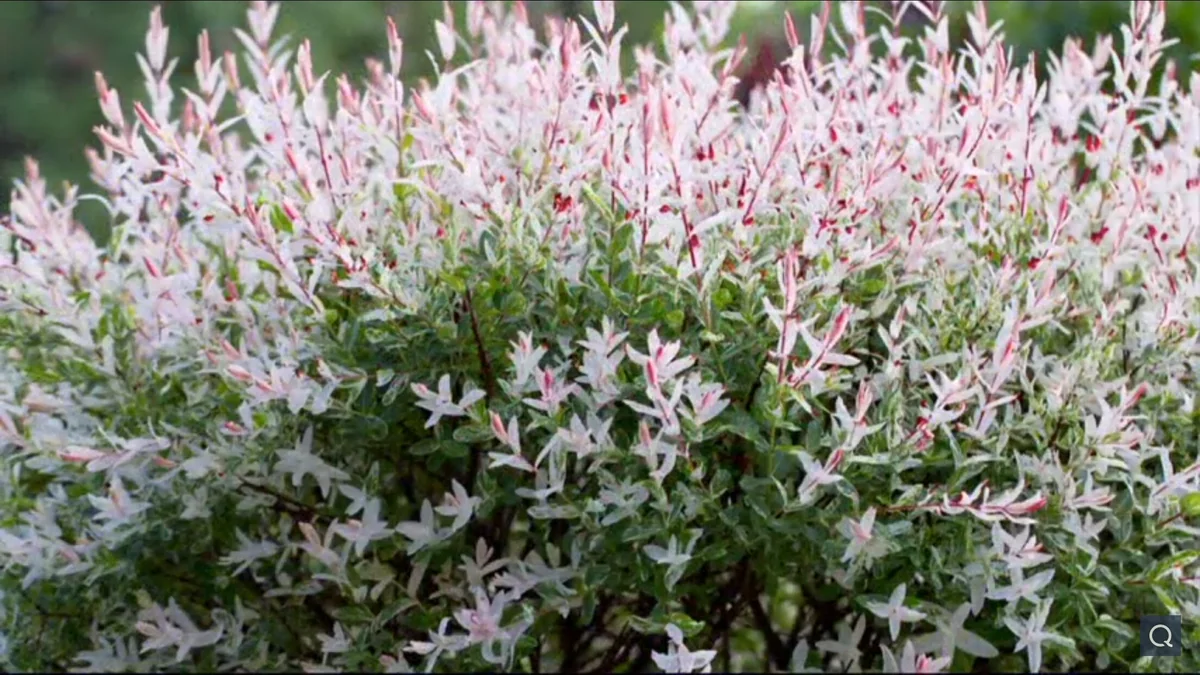
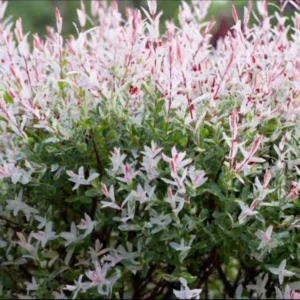
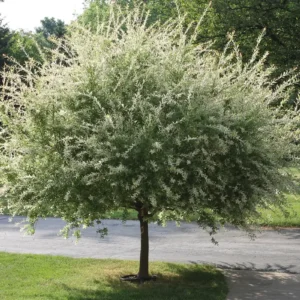
Enhance your landscape with a stunning Nishiki Willow live plant, also known as Dappled Willow. This 1-gallon potted plant, measuring 2-3 feet tall, features eye-catching pink, white, and green variegated foliage, offering year-round interest and thriving in USDA Zones 4-8. Its fast growth and tolerance to wet soils make it an excellent choice for a variety of garden settings.
Original price was: $99.96.$49.98Current price is: $49.98.

With our Alive & Thrive Guarantee, we’ve got your back for the first 30 days! If you have any concerns about your plants, just reach out to us. Our team is here to help answer your questions and guide you in selecting the best plants for your garden, climate, and unique preferences. We're excited to help you create the garden of your dreams!
Estimated arrival
Mar 27
Apr 01 - Apr 03
Apr 06 - Apr 10


Product Details
-
USDA Hardiness Zone
4-8 -
Soil type
Moist, well-draining soil -
Sunlight Exposure
Full sun to partial shade -
Expected Planting Period
Spring to early fall
Overview
Bring a splash of dynamic color and texture to your garden with the captivating Nishiki Willow live plant. This beautiful variegated shrub, botanically known as Salix integra ‘Hakuro-nishiki’, is a true showstopper, offering a unique display of foliage that changes with the seasons. Often referred to as the dappled willow plant, it is highly prized for its early spring emergence of vibrant pink new growth, which gracefully transitions into mottled shades of creamy white and green. This fast-growing shrub is an excellent choice for gardeners looking to add visual interest and a touch of elegance to their outdoor spaces. Tolerant of various conditions, including wet soils, the Nishiki Willow live plant is a versatile addition to borders, mass plantings, or as a striking specimen plant. You will receive a healthy, established plant in a 1-gallon container, typically measuring 2-3 feet in height, ready to thrive in your landscape.
Key Benefits
The Nishiki Willow live plant offers numerous advantages for both experienced and novice gardeners, making it a popular choice for diverse landscapes. Its striking appearance and ease of care contribute significantly to its appeal.
- Stunning Variegated Foliage: Enjoy a dynamic color show as new leaves emerge bright pink in spring, maturing to a beautiful blend of pink, creamy white, and green. This unique variegation provides season-long visual interest, making it a standout feature in any garden.
- Fast-Growing & Resilient: This fast-growing willow quickly establishes itself and adds significant presence to your landscape. It’s known for its robust nature and ability to tolerate a range of conditions, including moist soil, which makes it a resilient choice for many environments.
- Excellent Winter Interest: As autumn arrives, the stems of the dappled willow plant develop attractive red hues, particularly on new growth. This provides beautiful contrast against winter snow or dormant landscapes, ensuring your garden remains appealing even in colder months.
- Versatile Landscape Use: Whether you’re looking for a focal point, a vibrant hedge, or an interesting addition to a mixed border, the variegated willow shrub fits seamlessly. Its adaptable nature allows it to be used in various garden designs, from formal to more naturalistic settings.
- Attracts Pollinators: While primarily grown for its foliage, the Nishiki Willow can also attract early pollinators, contributing to the biodiversity of your garden ecosystem.
- Low Maintenance: With proper pruning, this plant maintains its vibrant color and shape with minimal fuss. Its natural hardiness means less time spent on intensive care, allowing you more time to enjoy its beauty.
- Deer Resistant: The Salix integra Hakuro-nishiki is generally considered deer resistant, making it a suitable option for gardens in areas where deer browsing can be an issue.
Plant Care & Growing Tips
Caring for your Nishiki Willow live plant is relatively straightforward, and with a few key practices, you can ensure its vibrant health and striking appearance. This resilient shrub thrives with consistent moisture and appropriate pruning to maximize its colorful display. Understanding its needs will help you cultivate a beautiful and healthy specimen.
For optimal growth and the best variegation, plant your dappled willow plant in a location that receives full sun to partial shade. Full sun (at least 6 hours of direct sunlight per day) will promote the most intense pink and white coloration in the foliage. In warmer climates, some afternoon shade can help prevent leaf scorch. The variegated willow shrub prefers consistently moist, well-draining soil. It can tolerate wet conditions, making it an excellent choice for areas with poor drainage or near water features. Water regularly, especially during dry spells and in its first year of establishment, to keep the soil evenly damp. Avoid letting the soil completely dry out between waterings. A layer of mulch around the base can help retain soil moisture and regulate soil temperature.
The Nishiki Willow is hardy in USDA Zones 4-8. It can withstand cold winters within this range. Pruning is key to maintaining a compact shape and encouraging the most vibrant new growth. For the best variegation, prune your Nishiki Willow live plant back to 8-12 inches every year in late winter or early spring, just before new growth begins. This hard pruning, known as pollarding or coppicing, stimulates the production of fresh, colorful stems and leaves. Fertilize in early spring with a balanced slow-release fertilizer to support vigorous growth. While generally robust, keep an eye out for common willow pests like aphids or willow sawfly, and treat with appropriate organic or chemical controls if necessary. Ensure good air circulation to prevent fungal issues, especially in humid environments.
Size & Details
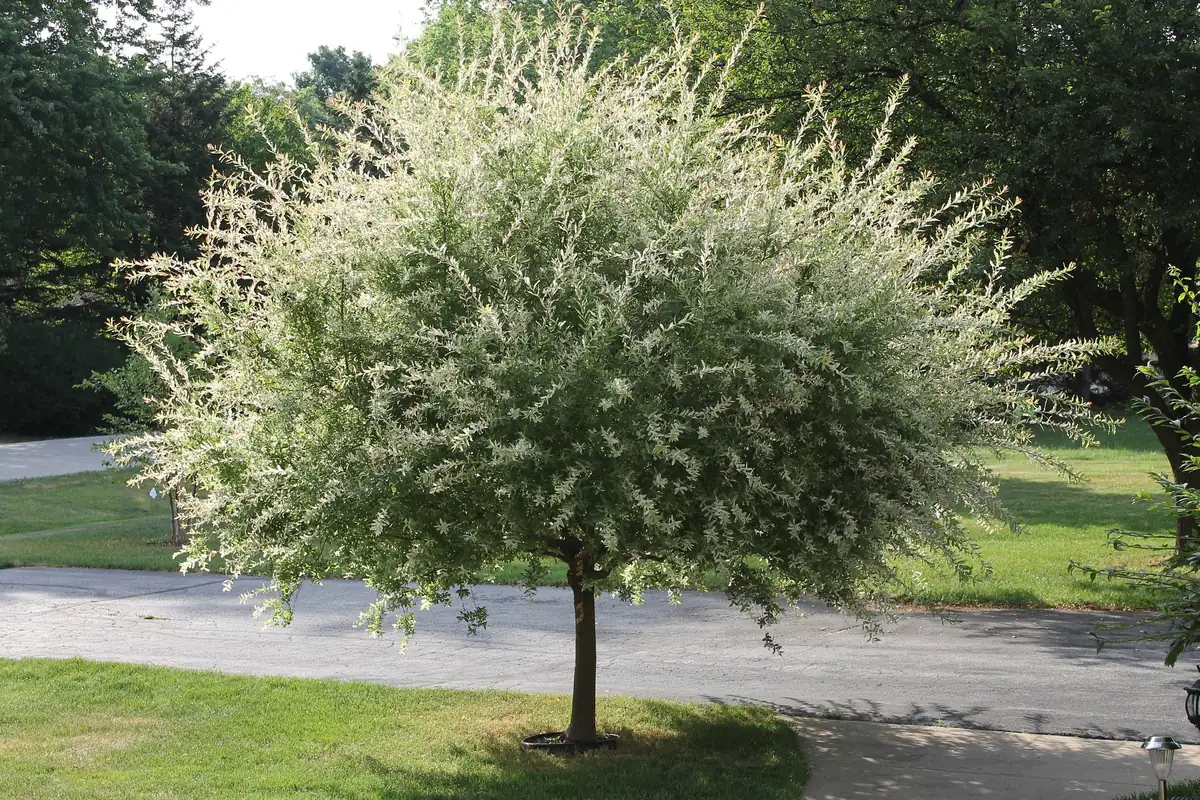
Each purchase includes one healthy Nishiki Willow live plant, specifically a Salix integra ‘Hakuro-nishiki’, delivered in a 1-gallon nursery container. At the time of shipment, the plant typically measures between 2-3 feet tall, providing a substantial starting size for your garden. This fast-growing willow can reach a mature height and spread of 4-6 feet with annual pruning, or up to 8-10 feet if left unpruned, though regular pruning is recommended for the best color display. It has a moderate to fast growth rate, quickly adding impact to your landscape. The plant will arrive well-rooted in its nursery pot, ready for transplanting into your garden or a larger container. Its narrow, lance-shaped leaves can grow up to 4 inches long, contributing to its lush appearance. The stems develop a striking red color in fall, offering excellent winter interest, particularly on new growth.
Frequently Asked Questions
- Q: How big does this plant get? A: The Nishiki Willow live plant typically grows 4-6 feet tall and wide with regular annual pruning. If left unpruned, it can reach up to 8-10 feet, but pruning is recommended to maintain its best variegated foliage and shape.
- Q: What size pot does it come in? A: Your dappled willow plant will arrive in a 1-gallon nursery container, with the plant itself measuring approximately 2-3 feet tall. This size provides a well-established plant ready for immediate transplanting.
- Q: Is this an indoor or outdoor plant? A: The Nishiki Willow is an outdoor shrub, hardy in USDA Zones 4-8. It thrives in garden beds, borders, and as a specimen plant in a landscape setting. It is not typically grown as an indoor plant.
- Q: How much sunlight does it need? A: For the most vibrant pink and white variegation, the variegated willow shrub prefers full sun (at least 6 hours of direct sunlight daily). In hotter climates, some afternoon shade can be beneficial to prevent leaf burn.
- Q: Is this plant easy to care for? A: Yes, the Salix integra Hakuro-nishiki is considered relatively easy to care for. Its main requirements are consistent moisture and annual pruning to encourage its best color display. It’s a great choice for gardeners of varying experience levels.
- Q: What condition will it arrive in? A: Your plant will arrive healthy and well-rooted in its 1-gallon container. We take great care in packaging to ensure it reaches you in excellent condition, ready for planting.
- Q: When is the best time to plant? A: The best time to plant your fast-growing willow is in spring or early fall, allowing it time to establish its root system before extreme weather. However, if properly watered, it can be planted any time the ground is workable.
- Q: Will it survive winter in my zone? A: The Nishiki Willow is hardy in USDA Zones 4-8. If you are within these zones, your plant should successfully overwinter and return with new growth in the spring.
- Q: What type of soil does it prefer? A: This plant prefers consistently moist, well-draining soil. It is quite tolerant of various soil types and can even thrive in areas with wetter conditions where other plants might struggle.
- Q: How often should I prune it? A: For the best color and compact shape, prune your Nishiki Willow live plant annually in late winter or early spring, cutting stems back to about 8-12 inches from the ground. This encourages fresh, highly variegated growth.
Related products
-50%
Original price was: $59.98.$29.99Current price is: $29.99.
-10%
Original price was: $23.99.$21.59Current price is: $21.59.
-50%
Original price was: $133.98.$66.99Current price is: $66.99.
-50%
Original price was: $83.00.$41.50Current price is: $41.50.
-10%
Original price was: $23.99.$21.59Current price is: $21.59.
-10%
Original price was: $23.99.$21.59Current price is: $21.59.
PLANTING & CARE

The Comprehensive Guide to Growing Bay Leaf Plants for a Flavorful Garden
Imagine stepping into your garden, greeted by the earthy aroma of fresh bay leaves, their
09
Feb
Feb

How to Make Comfrey Tea: The Ultimate Organic Plant Food
Growing an organic garden can be surprisingly expensive, especially when most store-bought fertilizers come in
02
Feb
Feb

True Comfrey: 7 Essential Tips Before You Plant This Herb
A staple in permaculture practices across the US, True Comfrey easily earns its reputation as
27
Jan
Jan

7 Heart-Shaped Plants for a Lasting Valentine’s Gift
If you’ve ever bought a bouquet of roses for Valentine’s Day, you know they are
26
Jan
Jan

Best Types of Ivy Plant for Houses: How to Choose the Perfect Ones for Your Home
Are you a garden lover looking to introduce some greenery into your home? Maybe you’ve
14
Nov
Nov

When to Harvest Garlic (Especially Fall-Planted Garlic)
TIMING IS EVERYTHING, they say – and for garlic, that truth hits with surprising accuracy.
13
Nov
Nov

11 of the Best Sweet Potato Varieties to Grow for Your Garden
If you’ve ever tried growing sweet potatoes, you know that picking the right variety can
12
Nov
Nov
Pruning Bougainvillea for Winter
Bougainvillea vines are known for their dazzling display of magenta, orange, and fuchsia bracts that
05
Nov
Nov