10 Chinese Lacebark Elm Bare Root Seedlings 6-12 inches Tall – Outdoor Shade Tree
-50%
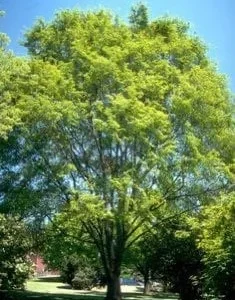
10 Chinese Lacebark Elm Bare Root Seedlings 6-12 inches Tall – Outdoor Shade Tree
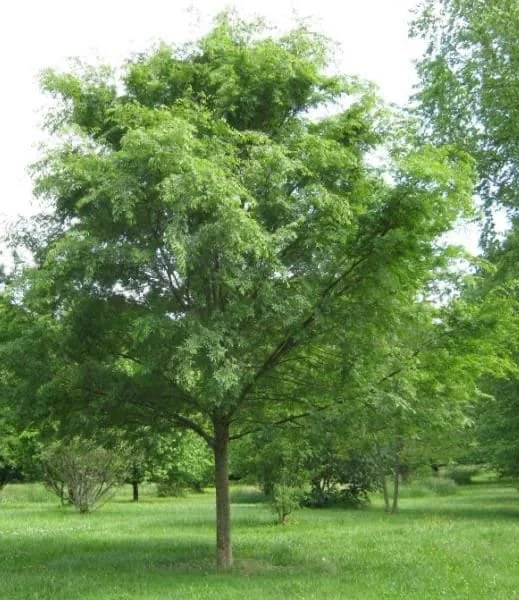
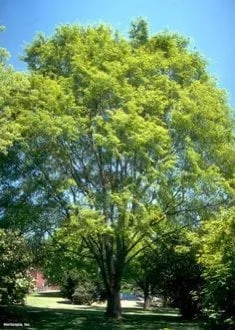
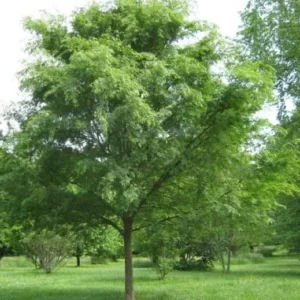
Cultivate a striking landscape with these 10 Chinese Lacebark Elm bare root seedlings, measuring 6-12 inches. Known for their distinctive exfoliating bark and rapid growth, these trees are perfect for creating shade and visual interest in USDA Zones 4-9.
Original price was: $67.96.$33.98Current price is: $33.98.

With our Alive & Thrive Guarantee, we’ve got your back for the first 30 days! If you have any concerns about your plants, just reach out to us. Our team is here to help answer your questions and guide you in selecting the best plants for your garden, climate, and unique preferences. We're excited to help you create the garden of your dreams!
Estimated arrival
Mar 18
Mar 23 - Mar 25
Mar 28 - Apr 01



Product Details
-
USDA Hardiness Zone
4-9 -
Soil type
Well-draining soil, adaptable to various types -
Sunlight Exposure
Full sun to partial shade -
Expected Planting Period
Early spring
Overview
Introduce a magnificent addition to your outdoor space with this offering of 10 Chinese Lacebark Elm bare root seedlings. Each seedling measures between 6-12 inches, providing a fantastic starting point for establishing a beautiful and resilient shade tree. The Chinese Lacebark Elm tree, scientifically known as Ulmus parvifolia, is celebrated for its unique aesthetic appeal, primarily its stunning, mottled, exfoliating bark that reveals shades of gray, tan, red, and orange as it matures. This deciduous to semi-deciduous tree is a popular choice among landscapers and home gardeners alike, not only for its ornamental qualities but also for its hardiness and adaptability. These Ulmus parvifolia seedlings will grow into a small to medium-sized tree, offering ample shade and a captivating presence in any garden setting. Its ability to thrive in various conditions makes it an excellent option for those looking to add a distinctive and robust tree to their property.
Key Benefits
The Chinese Lacebark Elm bare root seedlings offer numerous advantages for your garden and landscape, providing both aesthetic beauty and practical benefits. Cultivating these trees will enhance your property in multiple ways:
- Stunning Ornamental Bark: The most distinctive feature of the Lacebark Elm is its beautiful exfoliating bark, which peels away to reveal a mosaic of greens, grays, browns, and oranges. This provides year-round visual interest, especially striking during winter months when other trees are dormant, making it a true garden highlight.
- Rapid Growth & Shade: Known as a fast growing shade tree, the Chinese Lacebark Elm quickly establishes itself, providing welcome shade and a cooling effect over patios, driveways, or other outdoor living areas. Its vigorous growth helps create a mature landscape faster than many other tree species.
- Exceptional Hardiness: This tree is incredibly tough and adaptable, thriving across a wide range of climates (USDA Zones 4-9) and tolerating various soil types, urban pollution, and even drought once established. This resilience makes it a low-maintenance choice for busy gardeners.
- Disease Resistance: Unlike many other elm species, the Chinese Lacebark Elm tree exhibits excellent resistance to Dutch Elm Disease, a common and devastating affliction for elms. This makes it a reliable and long-lived choice for your landscape without the worry of common elm ailments.
- Attractive Foliage: The small, leathery, lustrous green leaves provide a dense canopy throughout the growing season. In some regions, the foliage may persist late into the fall or even early winter, extending the period of green in your garden.
- Versatile Landscaping Use: Its moderate size and attractive form make it suitable for a variety of landscaping purposes, including specimen planting, street trees, park trees, or as part of a mixed border. The graceful branching habit adds elegance to any design.
- Promotes Biodiversity: As a mature tree, it provides habitat and shelter for local wildlife, contributing to the ecological balance of your garden. The small, inconspicuous flowers eventually produce samaras that can be a food source for birds.
Plant Care & Growing Tips
Caring for your Chinese Lacebark Elm bare root seedlings is relatively straightforward, thanks to their robust nature. When planting, choose a site with at least 6 hours of direct sunlight daily; these trees thrive in full sun but can tolerate partial shade. For optimal growth, ensure the soil is well-draining. While adaptable to various soil types, a rich, loamy soil with a neutral to slightly acidic pH is ideal. Dig a hole wide enough to accommodate the roots without bending them, and plant the bare root seedling so the root flare is at or slightly above ground level. Backfill with native soil, gently tamping to remove air pockets.
Initial watering is crucial for bare root plants. Water thoroughly immediately after planting and continue to water regularly during the first growing season, especially during dry spells. Aim for consistently moist, but not waterlogged, soil to encourage strong root development for your Ulmus parvifolia seedlings. Once established, the Lacebark Elm is quite drought-tolerant. Fertilization is generally not required in the first year, but in subsequent years, a balanced slow-release fertilizer can be applied in early spring if soil nutrients are low. Pruning should focus on shaping the tree and removing any dead, damaged, or crossing branches, ideally in late winter or early spring before new growth emerges. This maintenance helps develop the strong structure characteristic of a mature ornamental elm tree.
These trees are hardy in USDA Zone 4-9, meaning they can withstand winter temperatures down to -30°F (-34°C). Protect young trees from extreme winter winds in colder zones. While generally pest and disease resistant, monitor for common tree issues and address them promptly. Proper care in the early years will ensure your fast growing shade tree develops into a healthy and majestic specimen.
Size & Details
This offering includes 10 Chinese Lacebark Elm bare root seedlings, each carefully selected for health and vigor. The seedlings typically measure between 6 and 12 inches in height upon arrival, making them easy to plant and establish. As a small to medium deciduous tree, a mature Chinese Lacebark Elm can reach a height of 33-59 feet (10-18 meters) and spread 49-66 feet (15-20 meters) wide, forming a beautiful, often vase-shaped or rounded crown. The leathery, lustrous green leaves are small, typically 2-5 cm long by 1-3 cm broad, and contribute to the tree’s dense canopy. The distinctive exfoliating bark, revealing mottled greys with tans and reds, is a year-round feature that gives this tree its common name. Your seedlings will arrive in a dormant, bare root state, which is the optimal condition for transplanting and encourages rapid root establishment once planted. Expect a moderate to fast growth rate, especially with proper care, allowing you to enjoy the benefits of this ornamental elm tree relatively quickly.
Frequently Asked Questions
- Q: How big does a Chinese Lacebark Elm get? A: A mature Chinese Lacebark Elm tree typically grows to be 33-59 feet (10-18 meters) tall with a spread of 49-66 feet (15-20 meters), developing a beautiful, spreading canopy.
- Q: Is this an indoor or outdoor plant? A: The Chinese Lacebark Elm bare root seedlings are intended for outdoor planting. They are robust shade trees that require ample space to grow and thrive in a garden or landscape setting.
- Q: How much sunlight does a Chinese Lacebark Elm need? A: These trees prefer full sun exposure, meaning at least 6 hours of direct sunlight per day, but they can tolerate partial shade. More sun generally leads to faster growth and better overall health.
- Q: Is this plant easy to care for? A: Yes, the Chinese Lacebark Elm tree is known for being relatively low-maintenance and highly adaptable once established. It’s an excellent choice for both experienced and novice gardeners due to its hardiness and disease resistance.
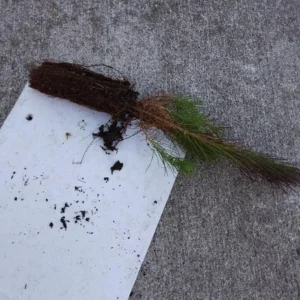
- Q: What condition will the seedlings arrive in? A: You will receive 10 bare root seedlings, measuring 6-12 inches. They will be dormant, meaning without leaves, which is the ideal state for planting and promotes successful establishment.
- Q: When is the best time to plant Chinese Lacebark Elm bare root seedlings? A: The best time to plant bare root seedlings is in early spring, after the last threat of hard frost, but before the heat of summer. This allows the roots to establish before the plant enters its active growth phase.
- Q: Will it survive winter in my zone? A: These Ulmus parvifolia seedlings are hardy in USDA Zones 4-9, meaning they are well-suited to withstand a wide range of winter temperatures in most parts of the United States. Ensure adequate winter protection for very young trees in the colder end of this range.
- Q: What type of soil is best for this ornamental elm tree? A: While adaptable, the Chinese Lacebark Elm thrives in well-draining soil. It can tolerate various soil types, including clay, loam, and sand, as long as drainage is good.
Related products
-20%
Original price was: $36.00.$28.80Current price is: $28.80.
-50%
Original price was: $73.98.$36.99Current price is: $36.99.
-20%
Original price was: $90.00.$72.00Current price is: $72.00.
PLANTING & CARE

The Comprehensive Guide to Growing Bay Leaf Plants for a Flavorful Garden
Imagine stepping into your garden, greeted by the earthy aroma of fresh bay leaves, their
09
Feb
Feb

How to Make Comfrey Tea: The Ultimate Organic Plant Food
Growing an organic garden can be surprisingly expensive, especially when most store-bought fertilizers come in
02
Feb
Feb

True Comfrey: 7 Essential Tips Before You Plant This Herb
A staple in permaculture practices across the US, True Comfrey easily earns its reputation as
27
Jan
Jan

7 Heart-Shaped Plants for a Lasting Valentine’s Gift
If you’ve ever bought a bouquet of roses for Valentine’s Day, you know they are
26
Jan
Jan

Best Types of Ivy Plant for Houses: How to Choose the Perfect Ones for Your Home
Are you a garden lover looking to introduce some greenery into your home? Maybe you’ve
14
Nov
Nov

When to Harvest Garlic (Especially Fall-Planted Garlic)
TIMING IS EVERYTHING, they say – and for garlic, that truth hits with surprising accuracy.
13
Nov
Nov

11 of the Best Sweet Potato Varieties to Grow for Your Garden
If you’ve ever tried growing sweet potatoes, you know that picking the right variety can
12
Nov
Nov
Pruning Bougainvillea for Winter
Bougainvillea vines are known for their dazzling display of magenta, orange, and fuchsia bracts that
05
Nov
Nov