Twisted Euphorbia Cactus Live Plant – Rare Spiral Succulent in 2-4 inch Pot
-30%
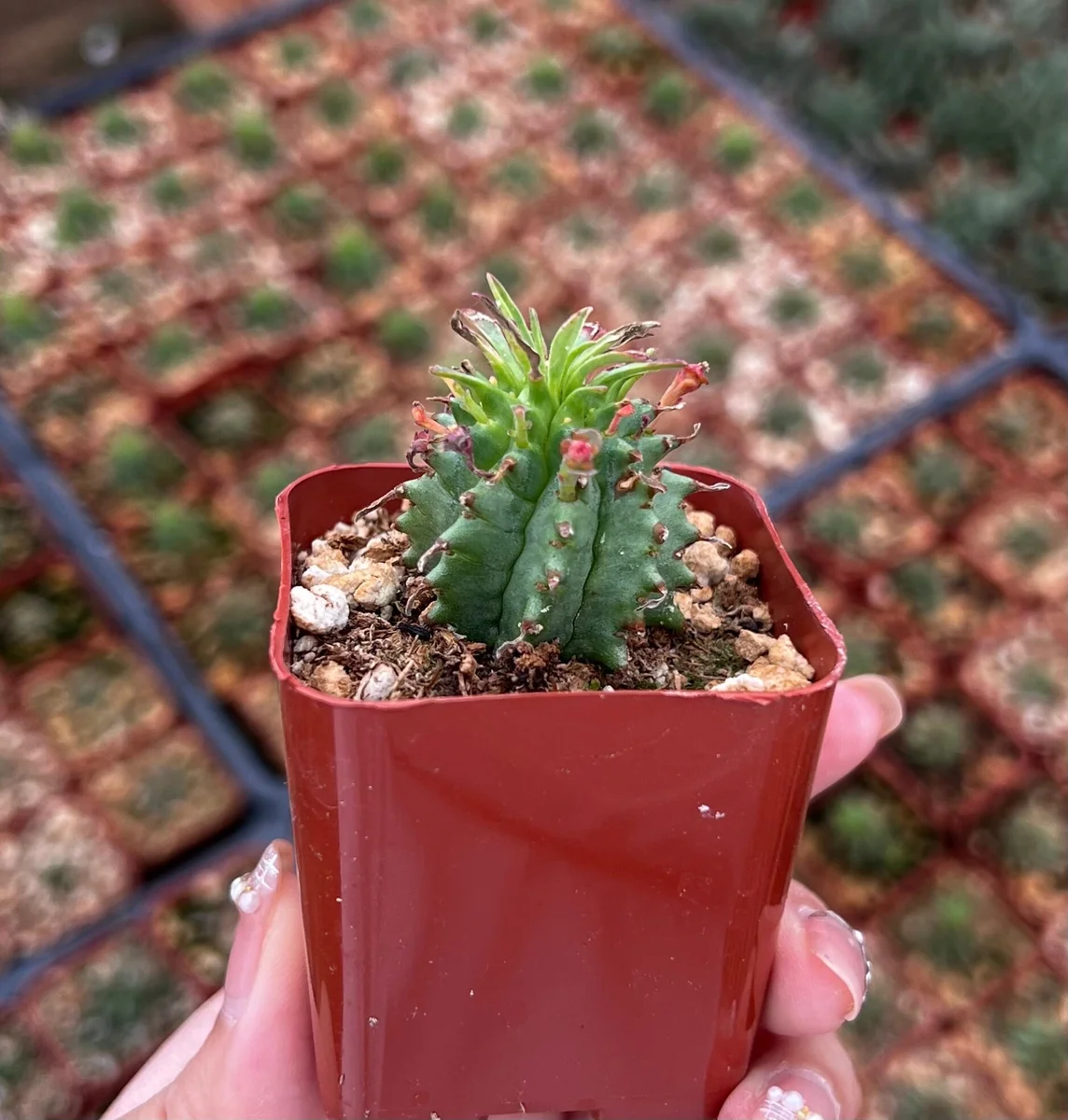
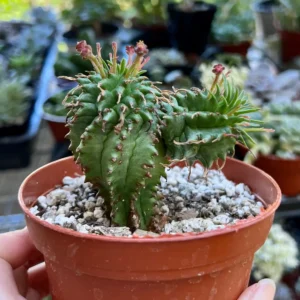
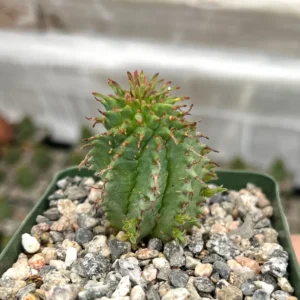
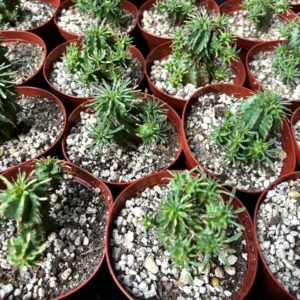
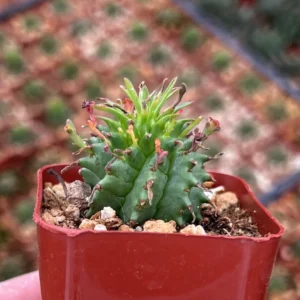
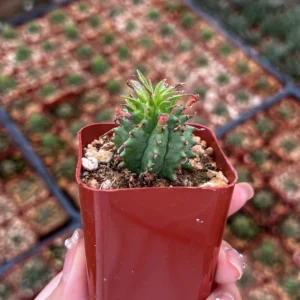
Twisted Euphorbia Cactus Live Plant – Rare Spiral Succulent in 2-4 inch Pot
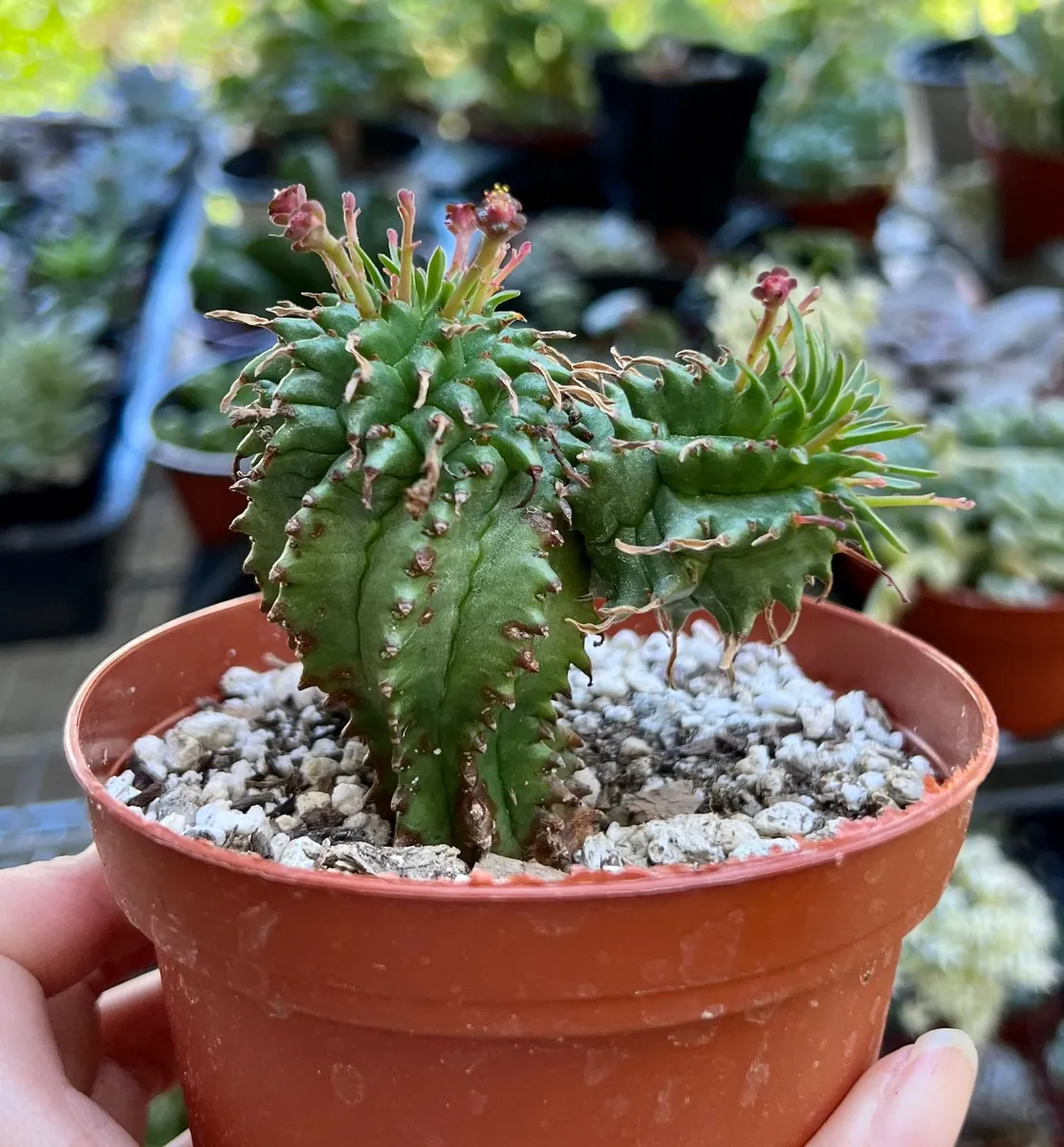
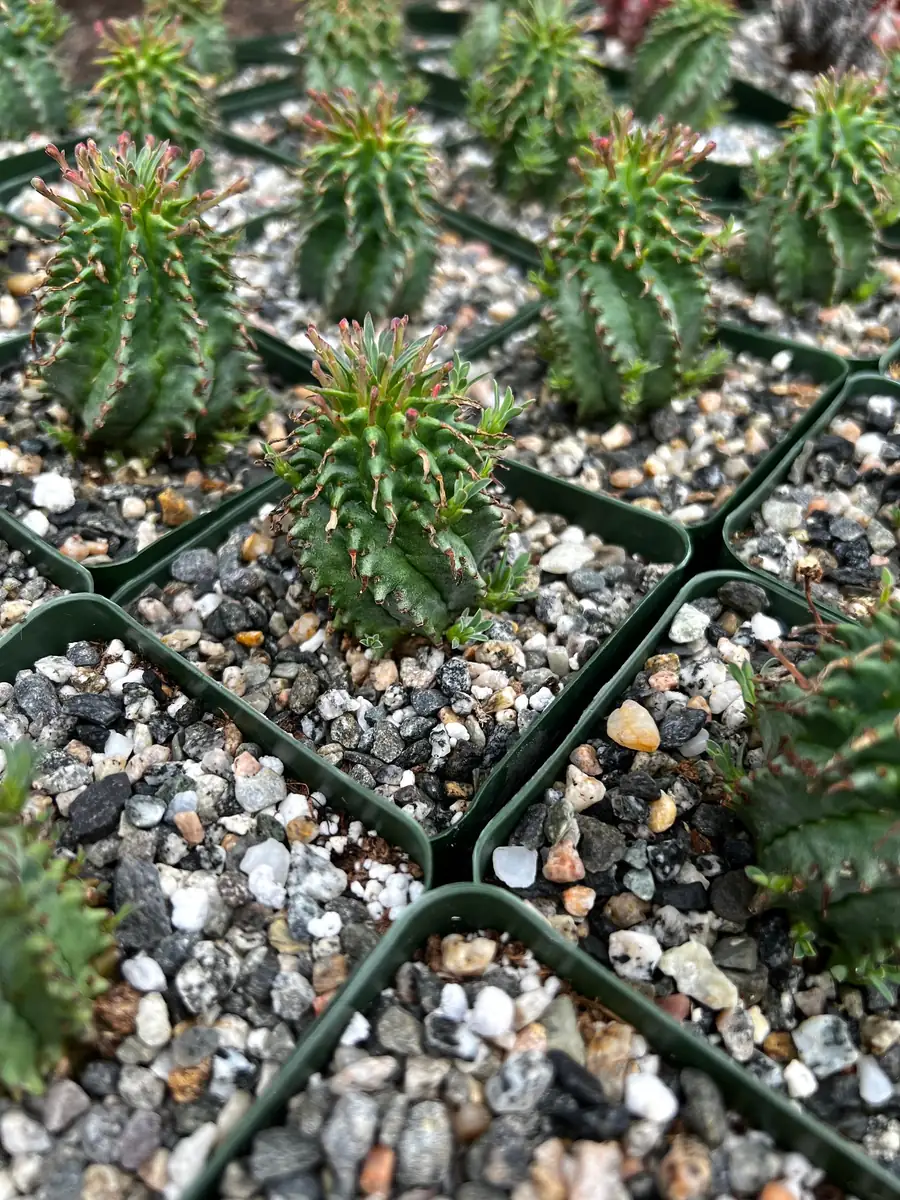
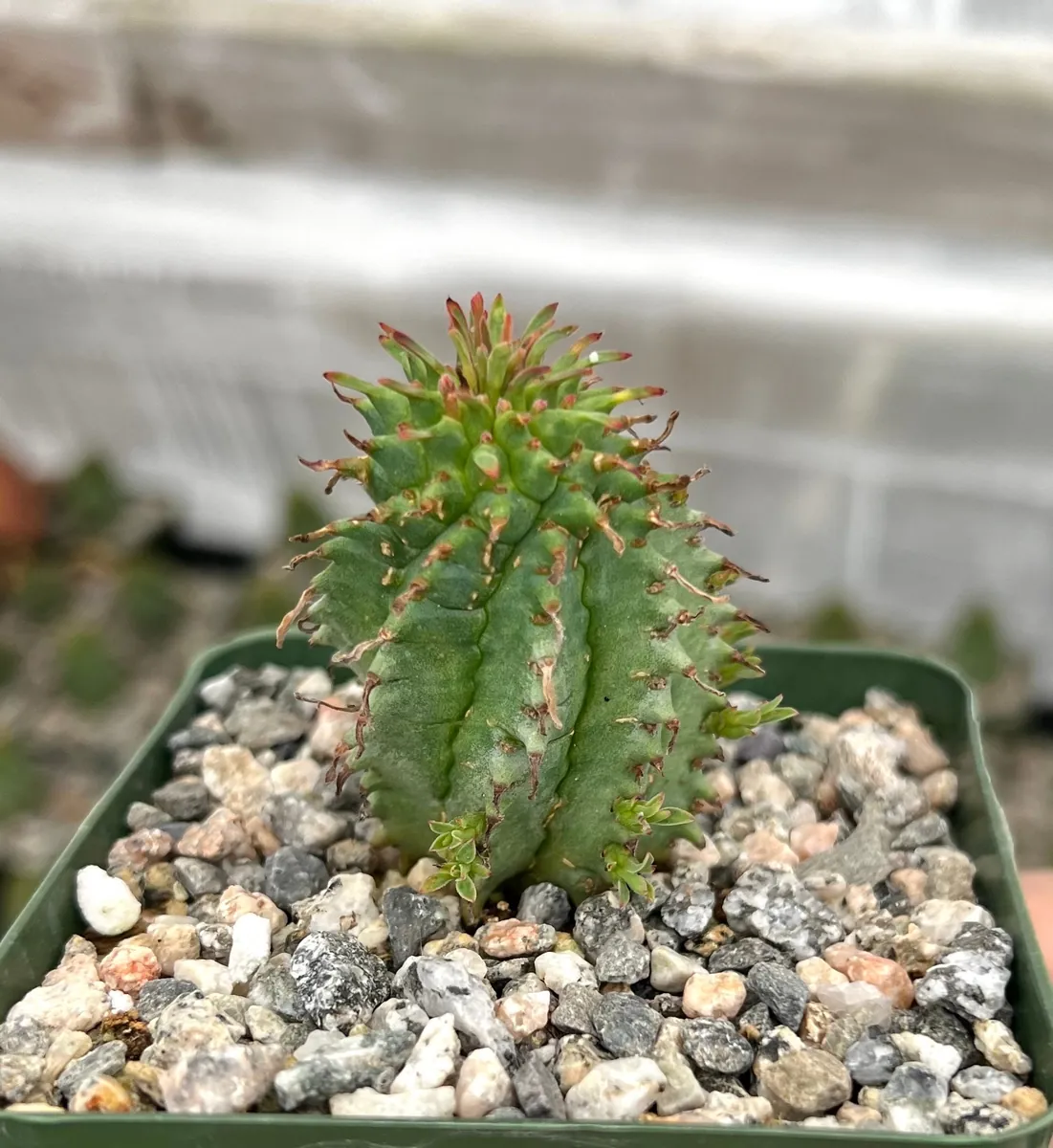
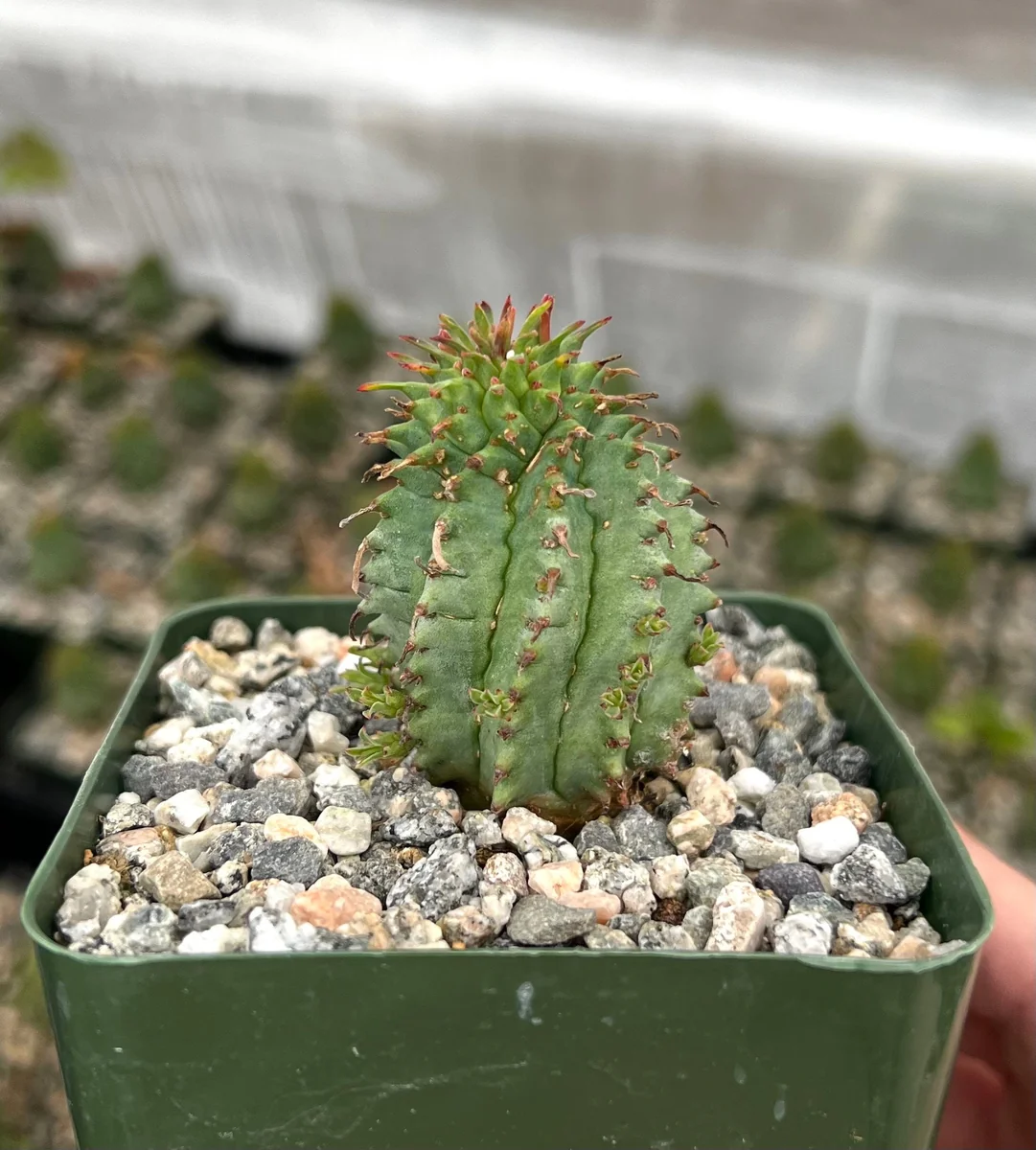
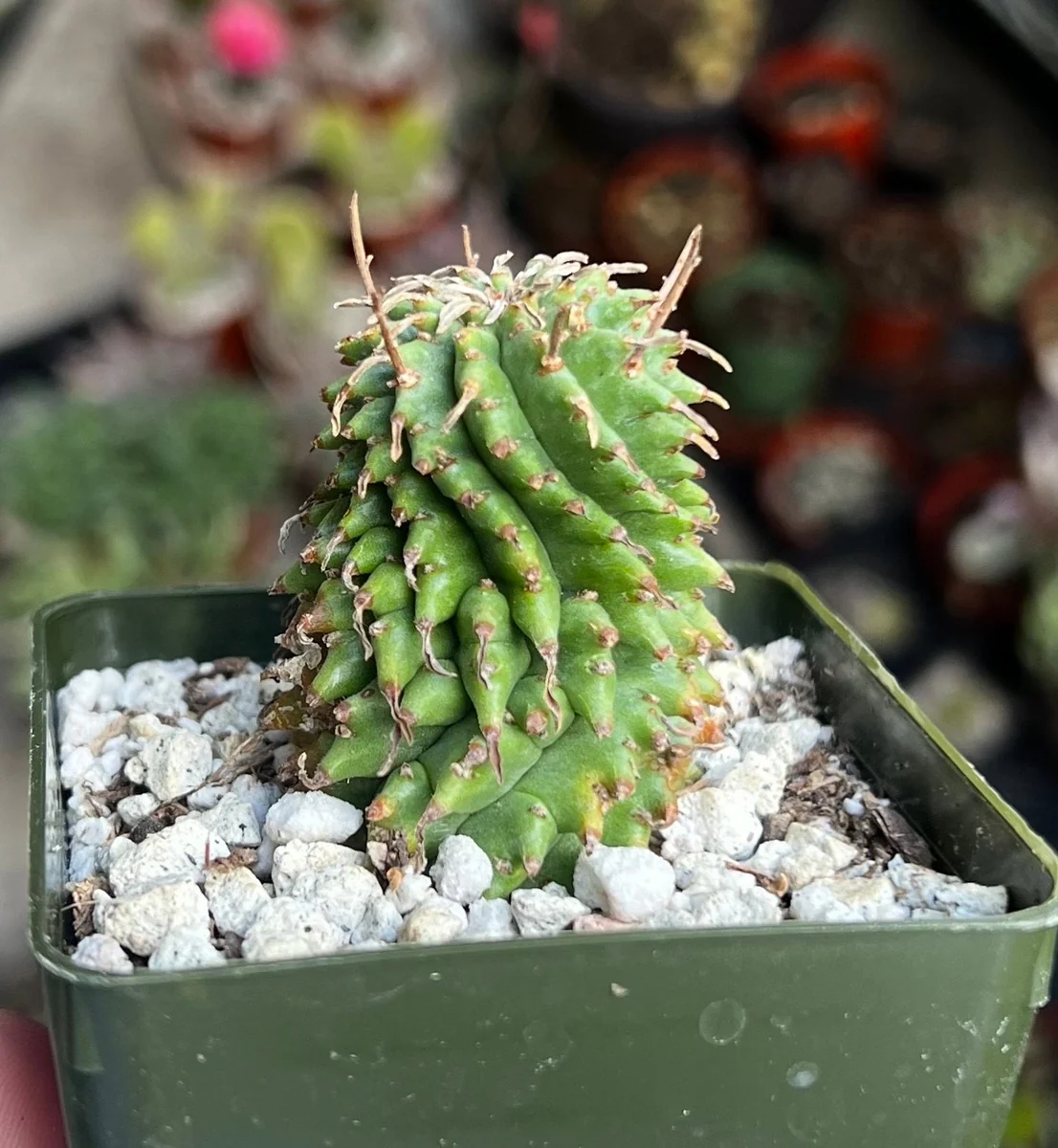
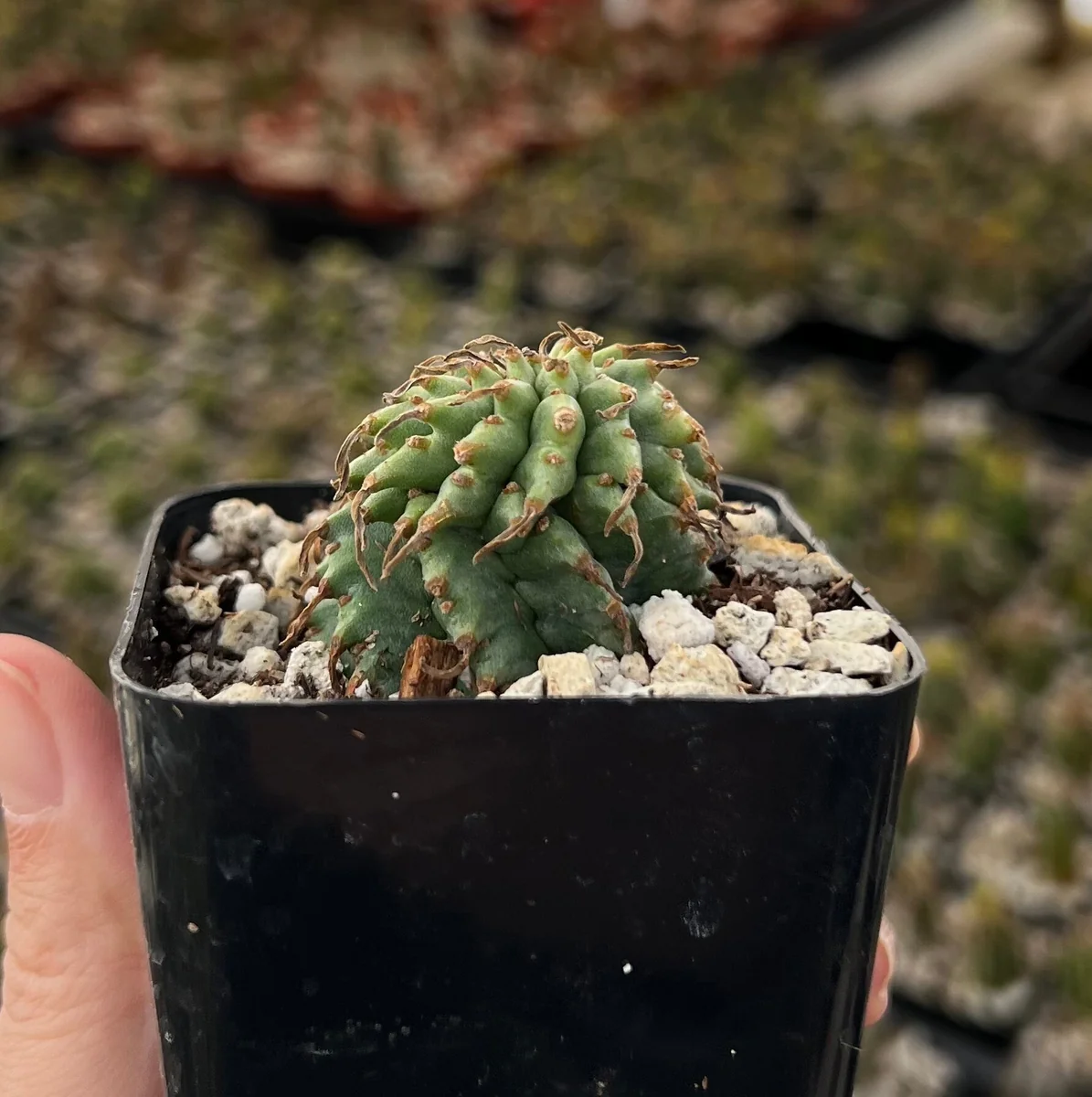
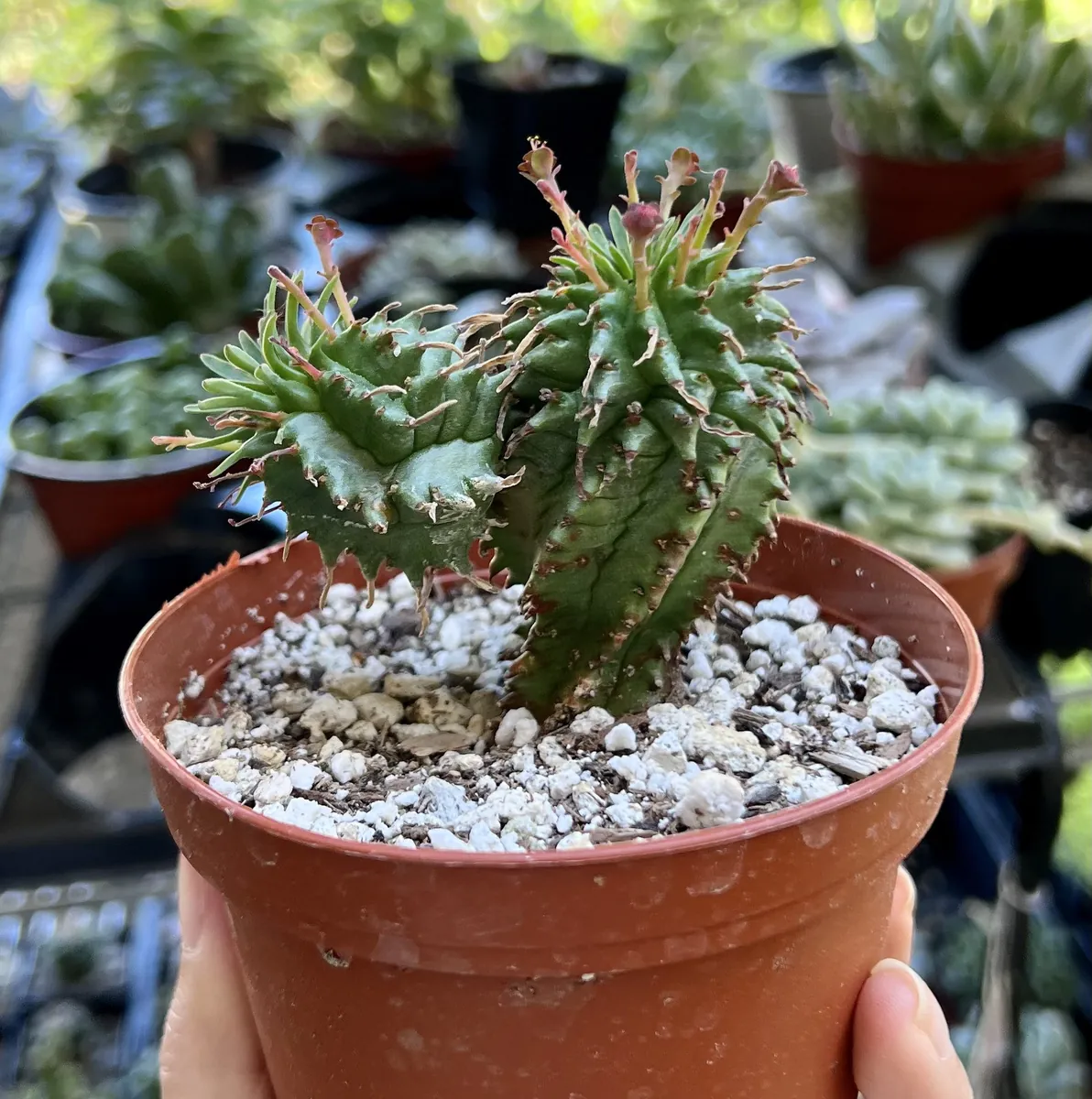
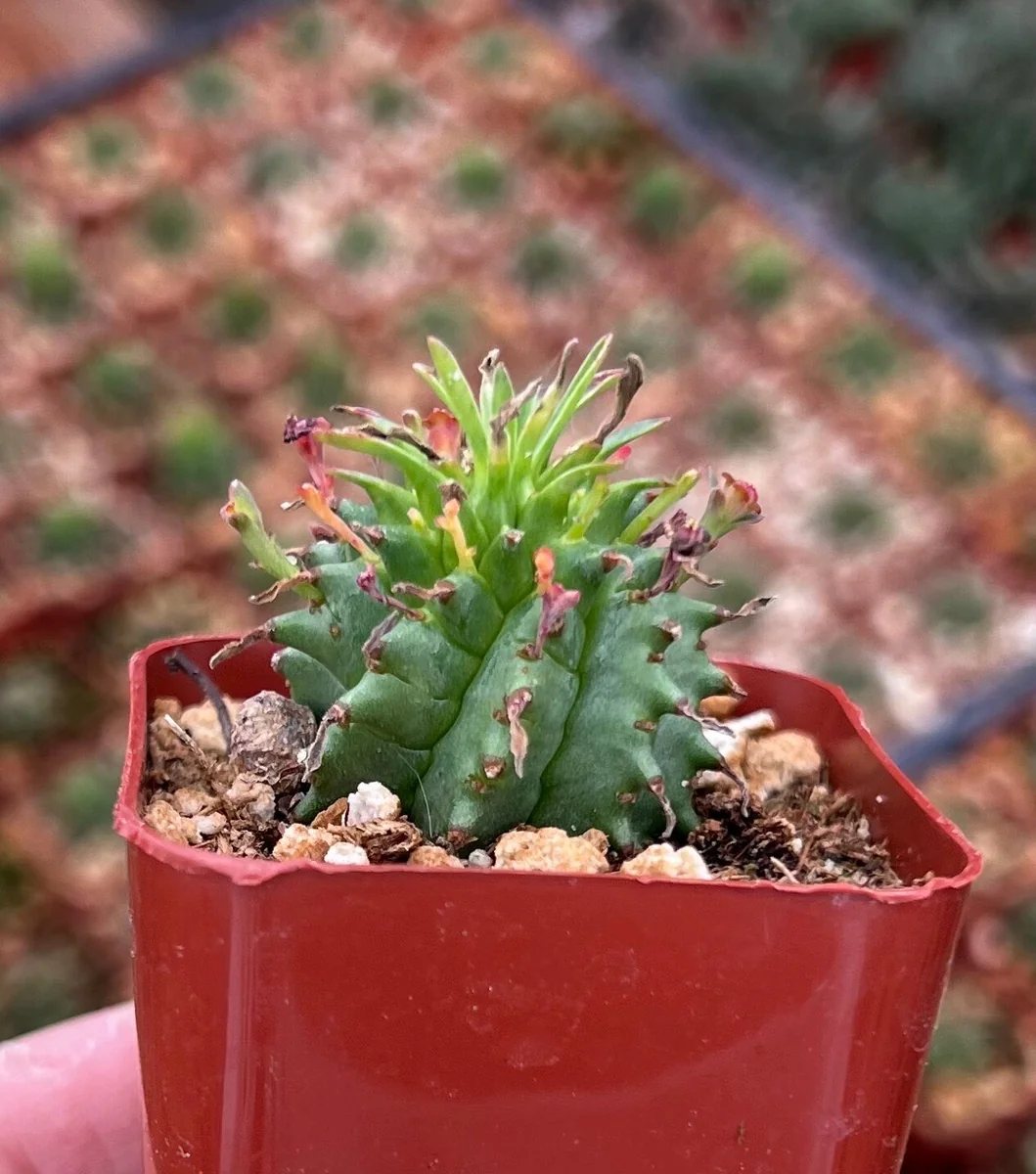
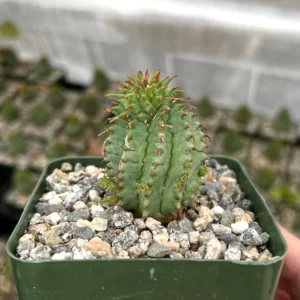
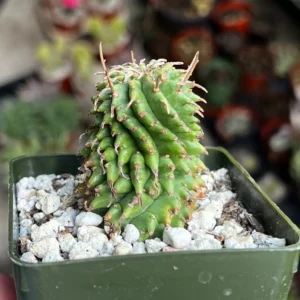
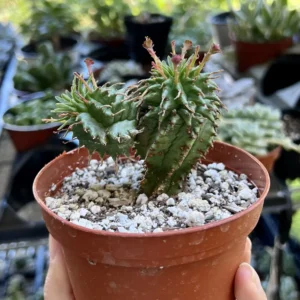
Bring home a unique and striking addition to your plant collection with the twisted euphorbia cactus live plant. This distinctive spiral cactus succulent is known for its contorted, candelabra-like growth, making it a captivating focal point. Easy to care for, it thrives indoors with bright, indirect light.
Original price was: $27.98.$19.58Current price is: $19.58.

With our Alive & Thrive Guarantee, we’ve got your back for the first 30 days! If you have any concerns about your plants, just reach out to us. Our team is here to help answer your questions and guide you in selecting the best plants for your garden, climate, and unique preferences. We're excited to help you create the garden of your dreams!
Estimated arrival
Mar 16
Mar 21 - Mar 23
Mar 26 - Mar 30
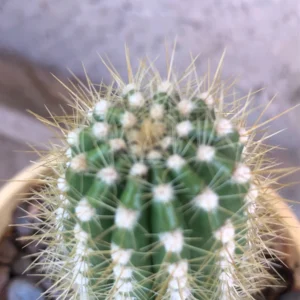
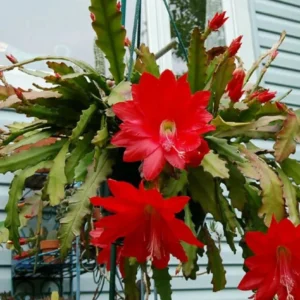
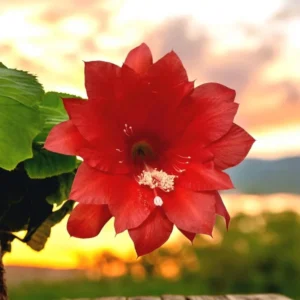
Product Details
-
USDA Hardiness Zone
USDA zones 9-11 (outdoors) or indoors year-round -
Soil type
Well-draining cactus or succulent potting mix -
Sunlight Exposure
Bright indirect light -
Expected Planting Period
Year-round indoors, or spring to early summer outdoors (in appropriate zones)
Overview
Introduce a truly mesmerizing botanical specimen into your home or garden with the twisted euphorbia cactus live plant. This captivating succulent, a cultivar of Euphorbia lactea, is highly prized by collectors and enthusiasts for its extraordinary appearance. Often referred to as “Crested Elkhorn,” “Dragon Bones,” or “Fishtail Euphorbia,” its unique, contorted growth pattern creates an artistic, sculptural form. The stems twist and spiral, resembling a candelabra or the antlers of an elk, providing a dynamic visual appeal. This rare euphorbia lactea is not only stunning but also relatively easy to maintain, making it a fantastic choice for both seasoned succulent lovers and those new to the hobby.
The twisted euphorbia cactus live plant is a tropical native, originally found in parts of Africa and India. Its ability to thrive in various environments has made it a popular ornamental plant worldwide, particularly in xeriscaping or drought-tolerant landscaping in the United States. While it’s known for its robust nature, understanding its specific needs will ensure it flourishes, showcasing its full, unique beauty for years to come.
Key Benefits
The twisted euphorbia cactus live plant offers a multitude of benefits, making it an excellent choice for any plant enthusiast seeking something out of the ordinary. Its striking appearance and low-maintenance nature contribute to its widespread appeal and ease of integration into diverse home and garden settings.
- Unique Aesthetic Appeal: Its distinctive, contorted growth and spiraling stems create an architectural and sculptural look, making it a natural conversation starter and a focal point in any room or garden design. The irregular branches resemble a candelabra, adding an artistic touch.
- Drought-Tolerant: As a succulent, this plant is naturally adapted to dry conditions. It requires infrequent watering, making it ideal for busy individuals or those looking for water-wise gardening solutions. This resilience is a hallmark of the spiral cactus succulent.
- Low Maintenance: The twisted euphorbia cactus live plant is known for its easy care requirements, needing minimal attention once established. It’s a perfect plant for beginners or anyone who desires a beautiful plant without extensive upkeep.
- Versatile Placement: While often grown indoors as a potted houseplant, it can also thrive outdoors in warmer climates, particularly in xeriscaping or rock gardens. Its adaptability allows for flexible display options.
- Long-Lived: With proper care, these plants can live for many years, growing into impressive specimens that continue to enhance your space over time. Its longevity makes it a rewarding long-term investment.
- Air Purification: Like many houseplants, the rare euphorbia lactea contributes to improved indoor air quality by absorbing toxins and releasing oxygen, promoting a healthier living environment.
- Collector’s Item: Due to its unusual form and relative rarity compared to common succulents, this plant is highly sought after by collectors, adding a unique piece to any plant collection.
Plant Care & Growing Tips
Caring for your twisted euphorbia cactus live plant is straightforward, primarily focusing on providing the right balance of light, water, and soil. This tropical plant thrives in conditions that mimic its native habitat. For optimal growth, bright, indirect sunlight is crucial. Place it near a south or west-facing window where it can receive plenty of light without being scorched by direct, intense sun, especially during the hottest parts of the day. If grown outdoors, a location with morning sun and afternoon shade is ideal. Insufficient light can lead to leggy growth, diminishing its unique twisted form.
Watering is perhaps the most critical aspect of euphorbia cactus care. This succulent is highly susceptible to root rot if overwatered. Allow the soil to dry out completely between waterings. When you do water, do so thoroughly until water drains from the bottom of the pot, then discard any excess water in the saucer. In warmer months, this might be every 2-4 weeks, while in cooler months, watering can be reduced significantly, perhaps once a month or even less. The ideal soil for a spiral cactus succulent is a well-draining mix, typically a cactus or succulent potting blend, which prevents water from sitting around the roots. Ensure the pot has drainage holes.
The twisted euphorbia cactus live plant prefers warm temperatures, ideally between 60-85°F (15-29°C), and should be protected from temperatures below 40°F (4°C). It is generally hardy in USDA zones 9-11 for outdoor cultivation. Fertilize sparingly during the growing season (spring and summer) with a balanced, diluted liquid fertilizer formulated for succulents. Propagation can be achieved through stem cuttings; allow cuttings to dry and callus for several days before planting in well-draining soil. Remember that older stems may naturally turn brown, which is a normal process and not an indication of an unhealthy plant, especially in a mature crested elkhorn plant.
Size & Details
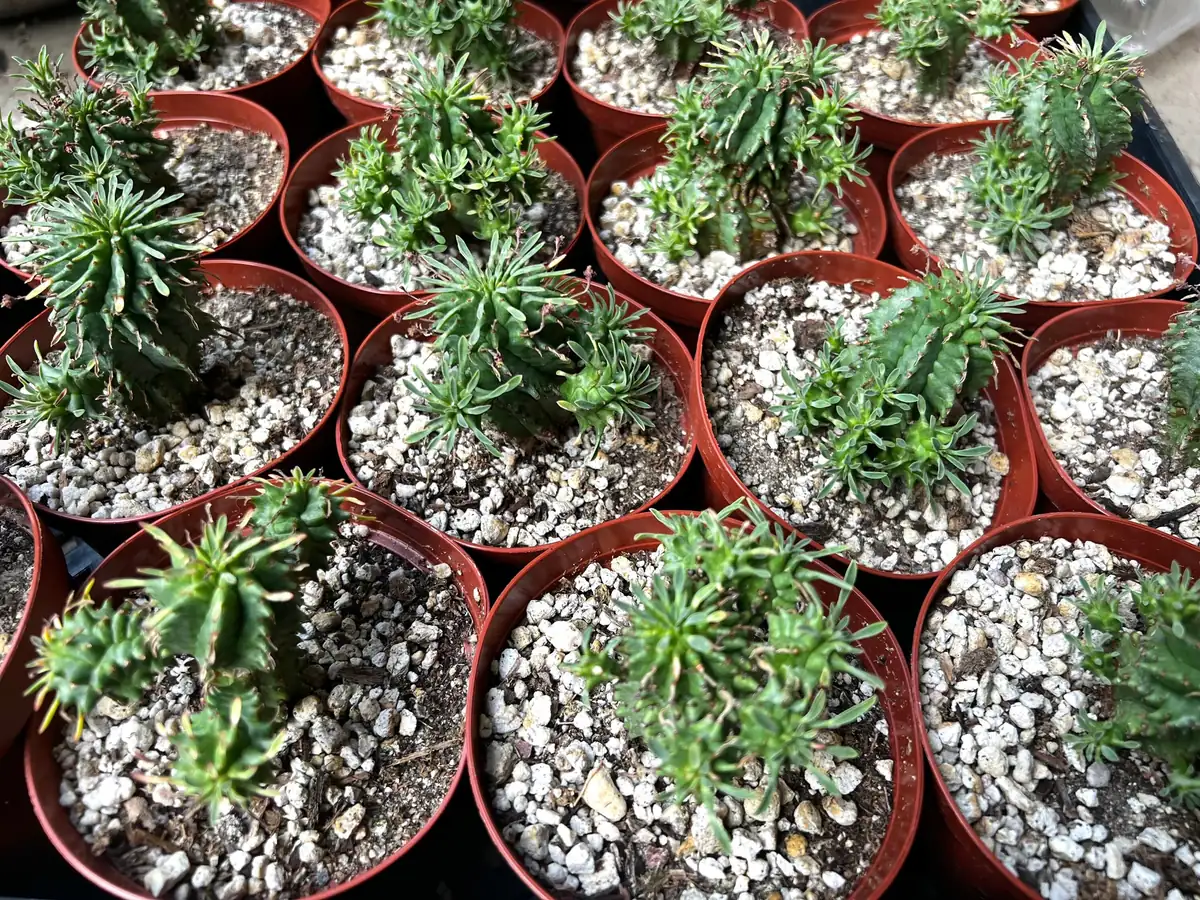
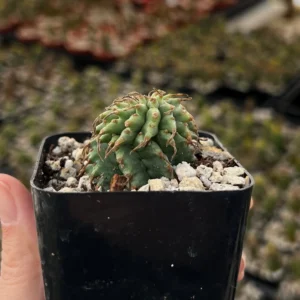
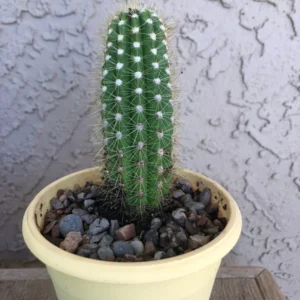
Your twisted euphorbia cactus live plant will arrive as a healthy, established specimen, ready to be integrated into your home or garden. Typically, these plants are shipped in a 2-4 inch nursery pot, providing a strong foundation for continued growth. While the plant you receive will be similar in size and appearance to those pictured, each succulent has its own unique, contorted growth pattern, ensuring your plant is one-of-a-kind. The stems of this rare euphorbia lactea can eventually grow quite tall, reaching up to 5 feet in height under optimal conditions, though indoor plants tend to remain more compact.
The growth rate is moderate, allowing you to enjoy its development over time. The vibrant green or gray-green stems will continue to twist and spiral, enhancing its distinctive candelabra-like shape. When repotting, choose a container only slightly larger than the current one to prevent excess moisture retention. This plant is a long-term companion, offering years of unique beauty with minimal fuss. The robust nature of this spiral cactus succulent makes it a resilient choice for various indoor and outdoor settings.
Frequently Asked Questions
- Q: How big does this twisted euphorbia cactus live plant get? A: Under ideal conditions, the stems can grow up to 5 feet tall, though indoor plants often remain smaller and can be pruned to maintain a desired size.
- Q: Is this an indoor or outdoor plant? A: It can thrive both indoors as a potted houseplant and outdoors in warmer climates (USDA zones 9-11) where frost is not a concern, making it a versatile spiral cactus succulent.
- Q: How much sunlight does the crested elkhorn plant need? A: It requires bright, indirect sunlight. Direct afternoon sun can scorch its stems, so a location with morning sun or filtered light is best.
- Q: Is this plant easy to care for? A: Yes, the twisted euphorbia cactus live plant is considered low-maintenance, making it suitable for both beginner and experienced plant enthusiasts. Its euphorbia cactus care needs are minimal once established.
- Q: What condition will the plant arrive in? A: You will receive a healthy, live plant in a nursery pot, similar in size and appearance to the product images, carefully packaged to ensure safe transit.
- Q: What kind of soil does this rare euphorbia lactea prefer? A: It requires well-draining soil, such as a cactus or succulent potting mix, to prevent root rot.
- Q: How often should I water my twisted euphorbia cactus live plant? A: Water thoroughly only when the soil has completely dried out, typically every 2-4 weeks during warmer months and less frequently in winter.
- Q: What is the minimum temperature this plant can tolerate? A: It should be protected from temperatures below 40°F (4°C) to prevent damage.
- Q: What does it mean if the old stems turn brown? A: Browning on older stems is a natural process for Euphorbia cactus as it matures and is not typically a sign of an unhealthy plant, especially for a well-cared-for euphorbia cactus care specimen.
- Q: Can I propagate this spiral cactus succulent? A: Yes, it can be propagated from stem cuttings. Allow the cut end to callus for several days before planting in well-draining soil.
Related products
-30%
Original price was: $129.98.$90.98Current price is: $90.98.
-39%
Original price was: $39.98.$24.50Current price is: $24.50.
-97%
Original price was: $316.80.$9.92Current price is: $9.92.
-30%
Original price was: $79.98.$55.98Current price is: $55.98.
-30%
Original price was: $79.98.$55.98Current price is: $55.98.
-30%
Original price was: $85.98.$60.18Current price is: $60.18.
-30%
Original price was: $79.98.$55.98Current price is: $55.98.
PLANTING & CARE

The Comprehensive Guide to Growing Bay Leaf Plants for a Flavorful Garden
Imagine stepping into your garden, greeted by the earthy aroma of fresh bay leaves, their
09
Feb
Feb

How to Make Comfrey Tea: The Ultimate Organic Plant Food
Growing an organic garden can be surprisingly expensive, especially when most store-bought fertilizers come in
02
Feb
Feb

True Comfrey: 7 Essential Tips Before You Plant This Herb
A staple in permaculture practices across the US, True Comfrey easily earns its reputation as
27
Jan
Jan

7 Heart-Shaped Plants for a Lasting Valentine’s Gift
If you’ve ever bought a bouquet of roses for Valentine’s Day, you know they are
26
Jan
Jan

Best Types of Ivy Plant for Houses: How to Choose the Perfect Ones for Your Home
Are you a garden lover looking to introduce some greenery into your home? Maybe you’ve
14
Nov
Nov

When to Harvest Garlic (Especially Fall-Planted Garlic)
TIMING IS EVERYTHING, they say – and for garlic, that truth hits with surprising accuracy.
13
Nov
Nov

11 of the Best Sweet Potato Varieties to Grow for Your Garden
If you’ve ever tried growing sweet potatoes, you know that picking the right variety can
12
Nov
Nov
Pruning Bougainvillea for Winter
Bougainvillea vines are known for their dazzling display of magenta, orange, and fuchsia bracts that
05
Nov
Nov