Variegated Bear’s Paw Succulent Live Plant – Cotyledon Tomentosa – Potted 2-6 inch
-30%
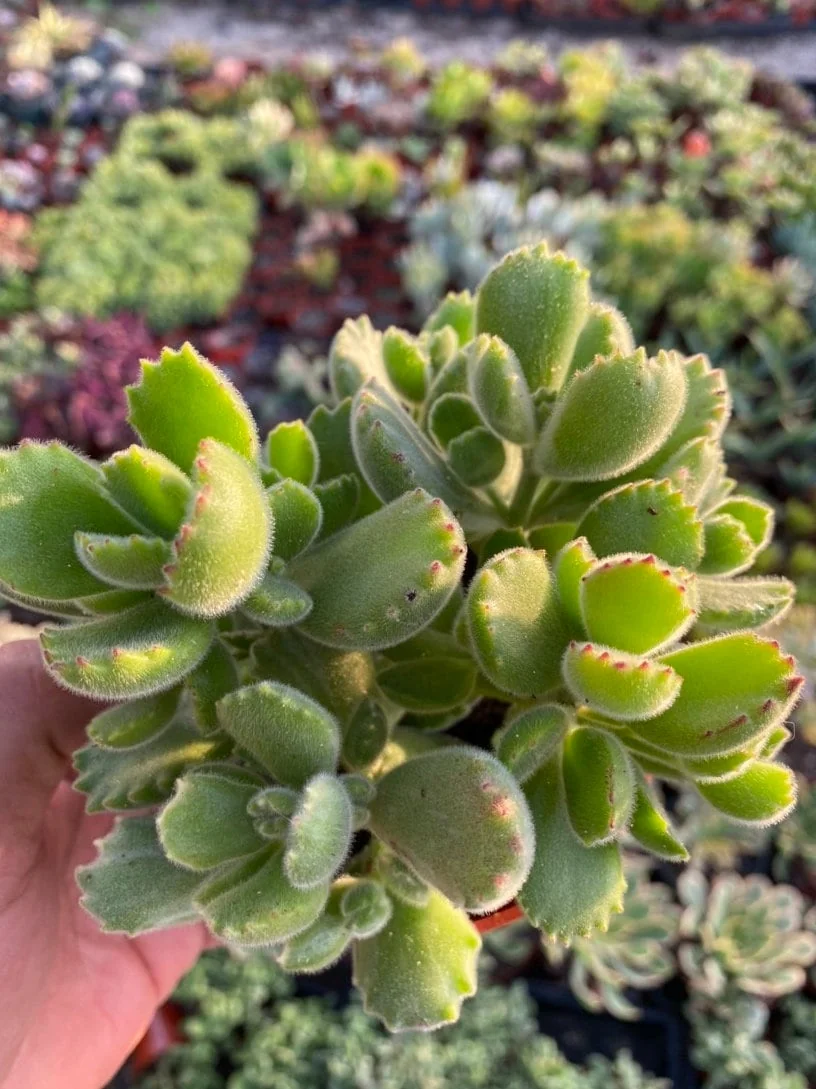
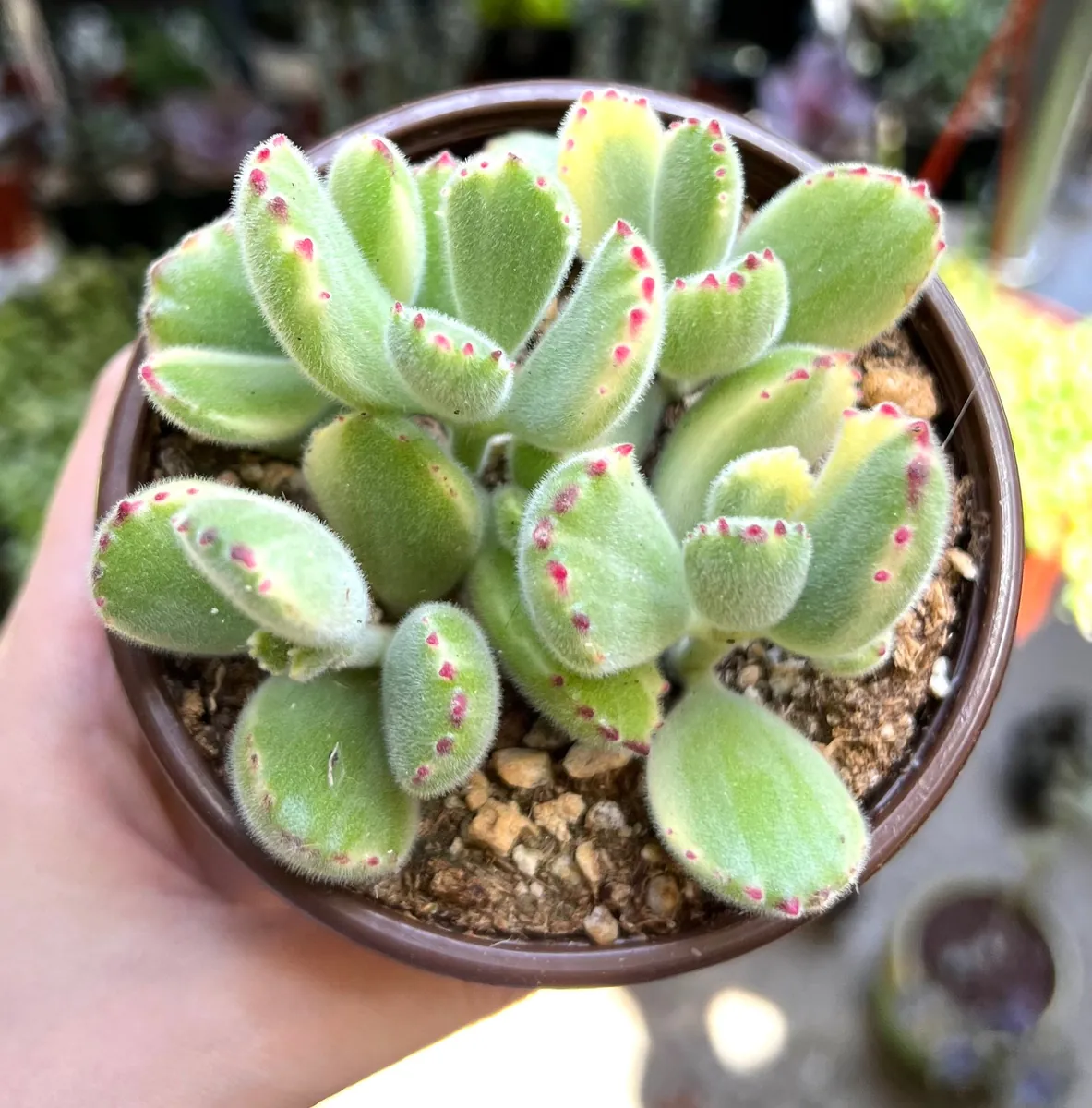
Variegated Bear’s Paw Succulent Live Plant – Cotyledon Tomentosa – Potted 2-6 inch
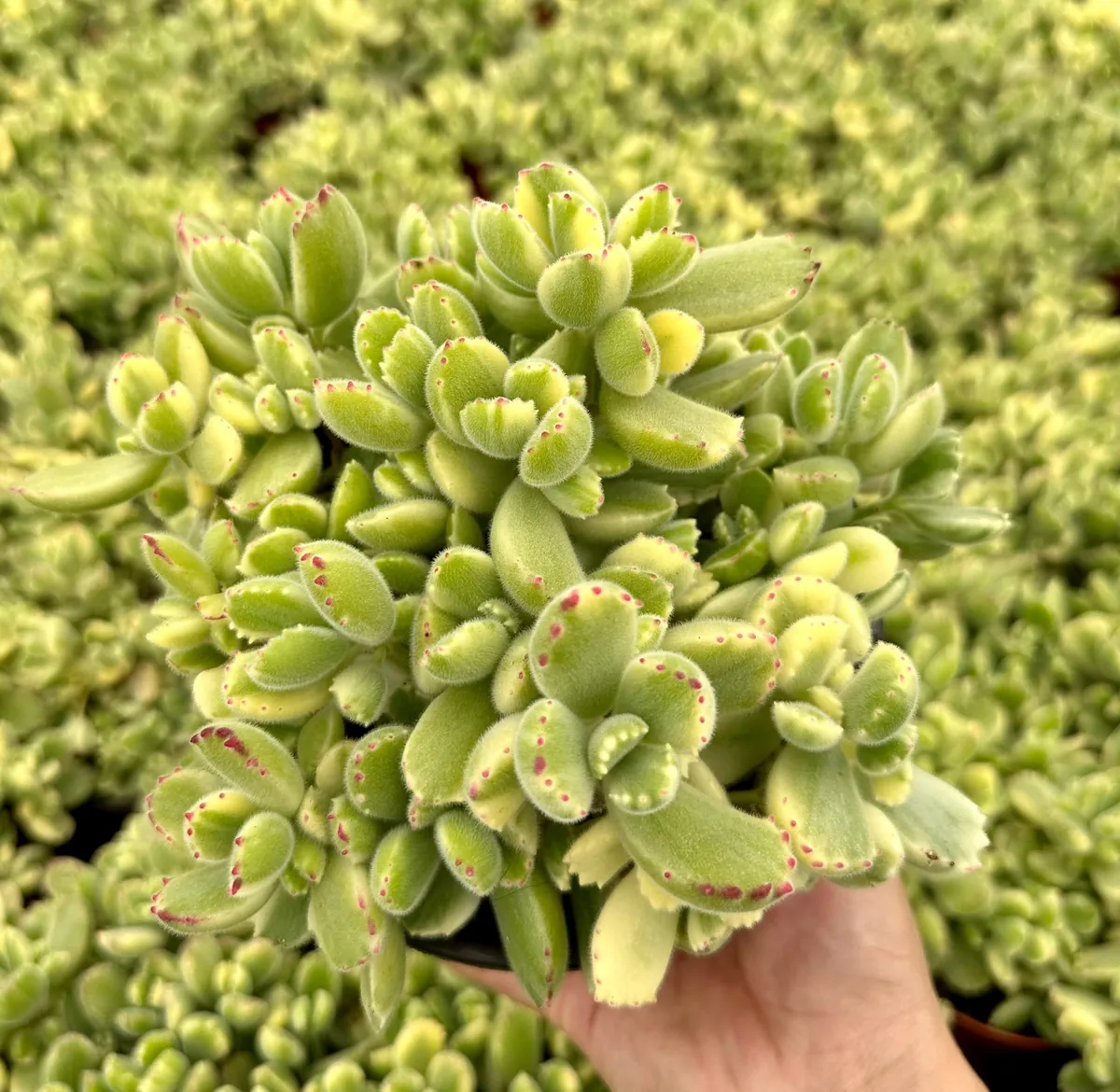
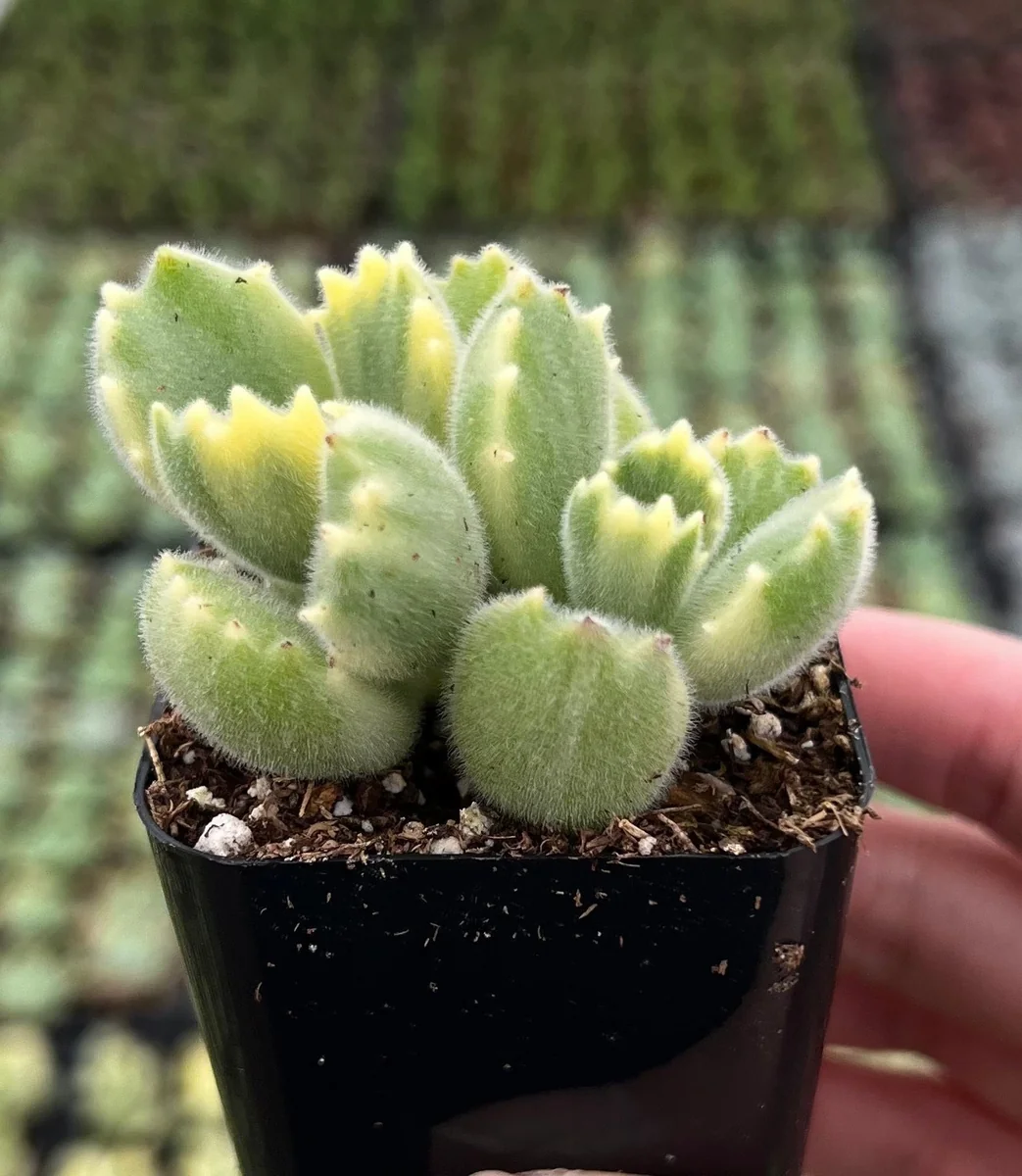
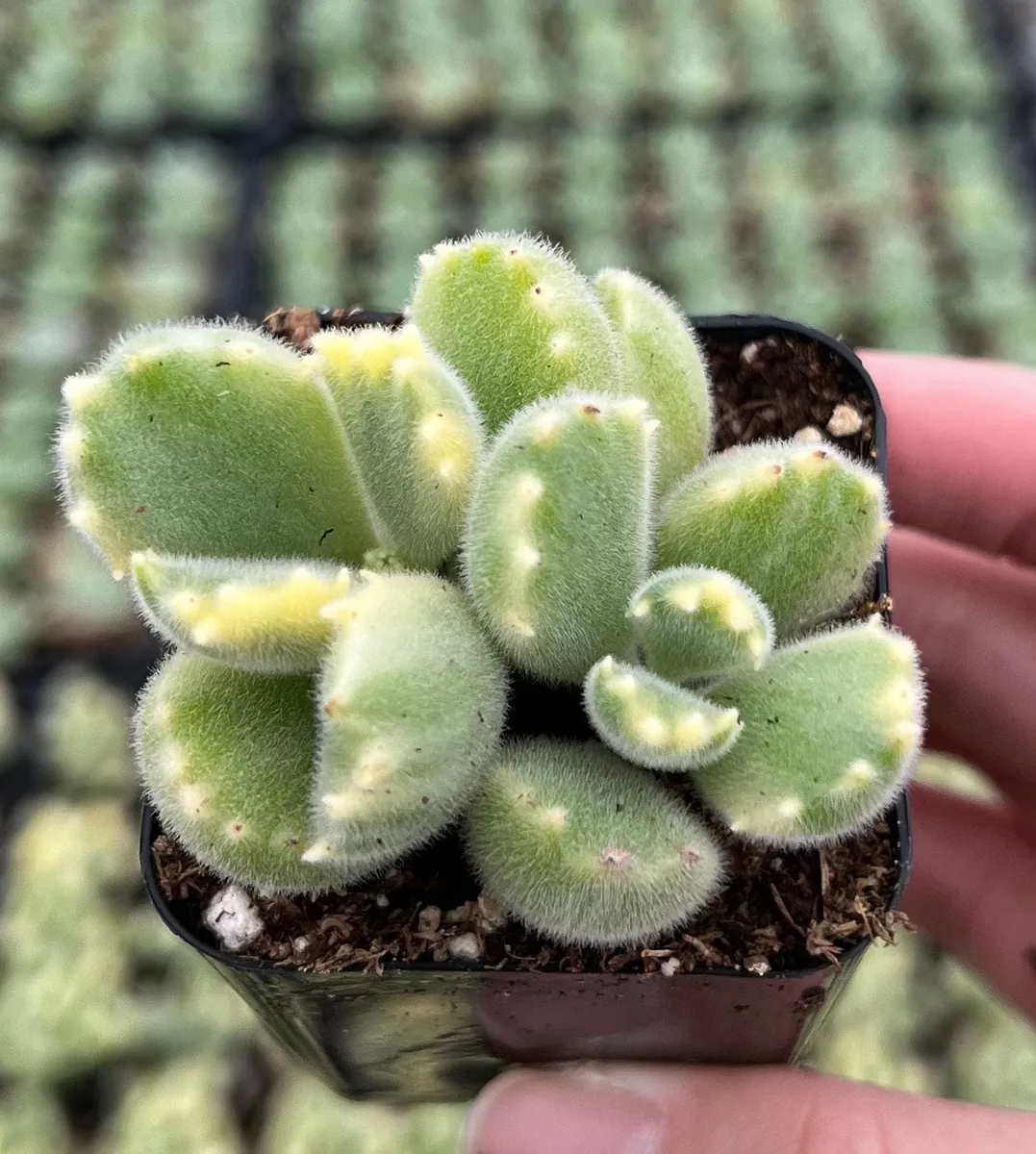
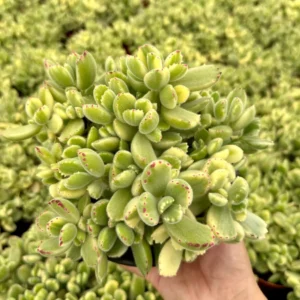
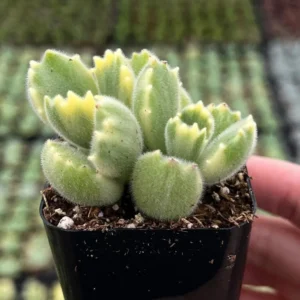
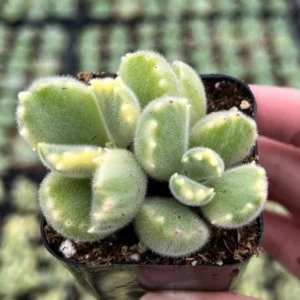
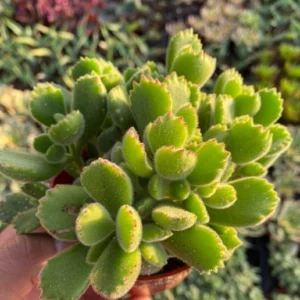
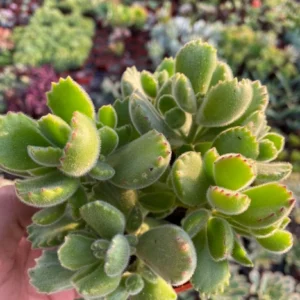
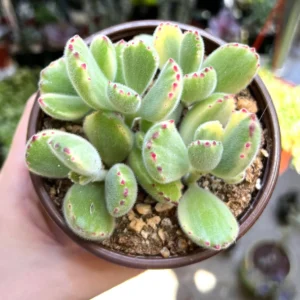
Bring home a unique and adorable Variegated Bear’s Paw succulent (Cotyledon Tomentosa). This charming live plant features distinctive fuzzy, paw-shaped leaves with beautiful variegation, making it a perfect decorative accent for any indoor space. Known for its low maintenance and pet-friendly nature, it’s an ideal choice for both beginners and experienced plant enthusiasts.
Original price was: $55.96.$39.16Current price is: $39.16.

With our Alive & Thrive Guarantee, we’ve got your back for the first 30 days! If you have any concerns about your plants, just reach out to us. Our team is here to help answer your questions and guide you in selecting the best plants for your garden, climate, and unique preferences. We're excited to help you create the garden of your dreams!
Estimated arrival
Mar 15
Mar 20 - Mar 22
Mar 25 - Mar 29
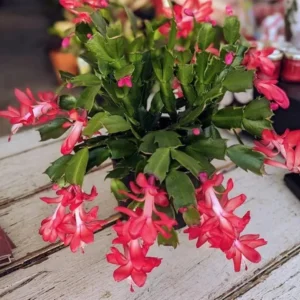
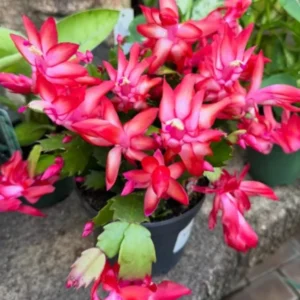
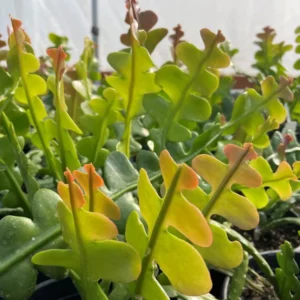
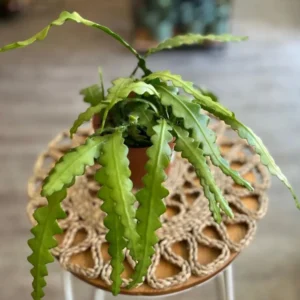

Product Details
-
USDA Hardiness Zone
USDA zones 9–11 (outdoors); suitable for all zones indoors -
Soil type
Well-draining succulent or cactus potting mix -
Sunlight Exposure
Bright indirect light -
Expected Planting Period
Year-round indoors
Overview
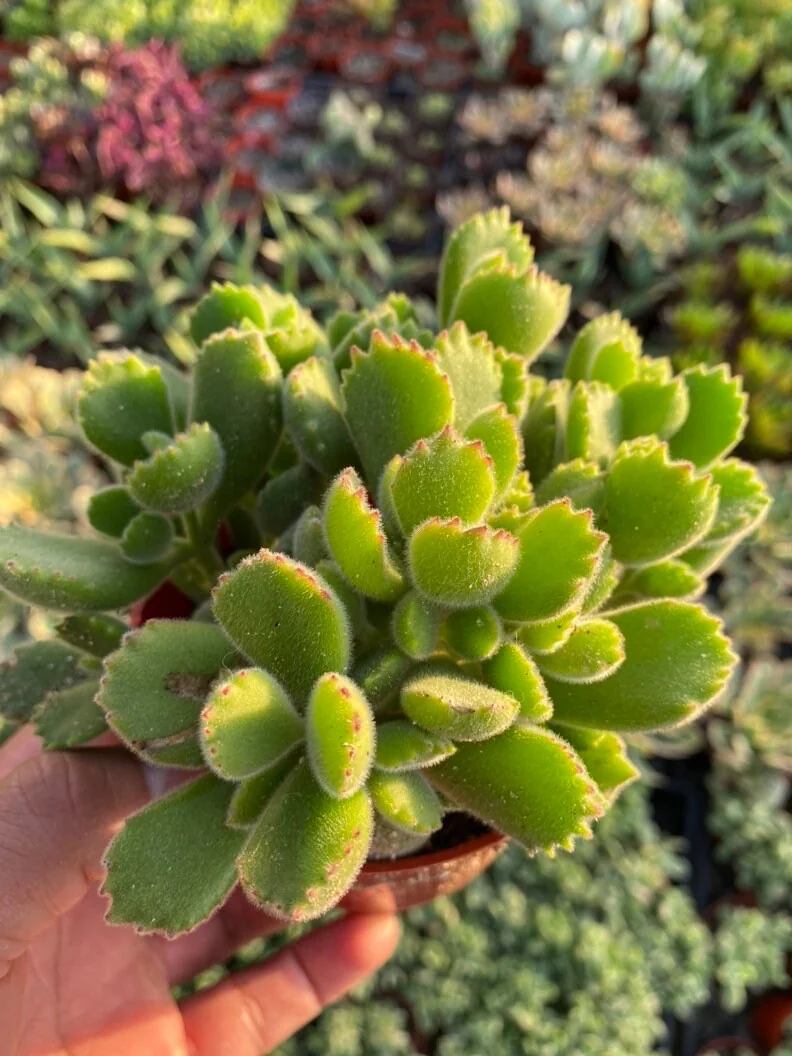
Introduce a touch of whimsical charm to your indoor garden with the delightful Variegated Bear’s Paw succulent. Also known by its botanical name, Cotyledon Tomentosa, this live plant is a true conversation starter, beloved for its distinctive furry, paw-shaped leaves that often display charming reddish or purple tints in bright light. Each leaf is covered in fine hairs, giving it a wonderfully soft texture that beckons a gentle touch. This particular variety showcases beautiful variegation, adding an extra layer of visual interest to its already unique appearance. A member of the Crassulaceae family, the Cotyledon Tomentosa is a slow-growing succulent, making it an excellent choice for windowsills, desks, or shelves where its compact size can be admired. Whether you’re a seasoned succulent collector or just starting your plant journey, the Bear’s Paw succulent offers an enchanting and relatively easy-to-care-for addition to your home.
This live plant comes potted, ready to bring immediate beauty and character to your space. Its unique form and texture make it stand out among other succulents, while its robust nature ensures it thrives with minimal fuss. The Variegated Bear’s Paw succulent is not just a plant; it’s a living sculpture that adds personality and a touch of the extraordinary to any room. Its ease of care and captivating appearance make it a popular choice for gifts or for simply treating yourself to a beautiful piece of nature.
Key Benefits
The Variegated Bear’s Paw succulent offers a myriad of benefits that extend beyond its striking appearance, making it a highly desirable plant for any home or office:
-
Unique Ornamental Appeal: Its distinctive furry, paw-shaped leaves and beautiful variegation create an eye-catching display. The soft texture and potential for colorful tips make it a standout specimen that adds significant visual interest and a touch of novelty to your plant collection.
-
Low Maintenance: As a succulent, the Cotyledon Tomentosa is incredibly drought-tolerant and requires infrequent watering. It thrives on neglect, making it perfect for busy individuals or those new to plant care. Its resilience ensures it remains beautiful with minimal effort.
-
Pet-Friendly: Unlike many houseplants, the Variegated Bear’s Paw succulent is considered non-toxic to cats and dogs, offering peace of mind for pet owners who want to enjoy greenery without worry. This makes it an excellent choice for homes with curious pets.
-
Air Purifying Qualities: Like other succulents, this plant contributes to a healthier indoor environment by filtering toxins and pollutants from the air. While not as potent as some larger foliage plants, it still plays a role in improving air quality.
-
Versatile Decor: Its compact size and unique form make it suitable for various indoor settings. It can adorn windowsills, brighten up desks, add texture to shelves, or be incorporated into succulent arrangements and terrariums, adapting beautifully to different decor styles.
-
Adaptable to Arid Environments: Naturally suited to dry conditions, it’s a perfect plant for homes with low humidity or for those looking to create a desert-inspired aesthetic. This resilience means it can handle less-than-ideal watering schedules with grace.
-
Easy Propagation: For those who enjoy expanding their plant collection, the Bear’s Paw plant care includes relatively straightforward propagation from stem or leaf cuttings, allowing you to easily share its beauty or create more plants for your own enjoyment.
Plant Care & Growing Tips
Caring for your Variegated Bear’s Paw succulent is relatively simple, making it an excellent choice for both novice and experienced plant enthusiasts. This plant thrives when its basic needs for light, water, and soil are met. Providing the right conditions will ensure your Cotyledon Tomentosa develops vibrant colors and maintains its iconic fuzzy texture.
Sunlight Requirements: The Cotyledon Tomentosa prefers bright, indirect light. Place it near a south or west-facing window where it can receive several hours of bright light daily, but avoid harsh, direct midday sun which can scorch its leaves. If kept outdoors in mild climates, a spot with morning sun and afternoon shade is ideal. Insufficient light can lead to etiolation (stretching), causing the plant to lose its compact form.
Watering Schedule and Soil Moisture Preferences: Overwatering is the most common cause of succulent demise. Water only when the soil is completely dry to the touch, typically every 2-4 weeks depending on environmental conditions like temperature and humidity. During winter dormancy, reduce watering significantly. Always allow excess water to drain completely from the pot. When considering Bear’s Paw plant care, remember that it is drought-tolerant and can go several weeks without water.
Soil Type and Drainage Requirements: This succulent requires well-draining soil to prevent root rot. A specialized succulent or cactus potting mix is ideal. You can also create your own by mixing regular potting soil with perlite, pumice, or coarse sand in a 1:1 ratio. Ensure the pot has drainage holes.
Temperature Range and USDA Hardiness Zone: The Variegated Bear’s Paw succulent prefers average room temperatures between 65-80°F (18-27°C). It is not frost-hardy and should be protected from temperatures below 40°F (4°C). If grown outdoors, bring it inside before the first frost. It is generally suitable for USDA zones 9-11 if grown outdoors year-round.
Fertilization Schedule and Type: Fertilize sparingly, if at all. A balanced, diluted liquid fertilizer formulated for succulents can be applied once or twice during the growing season (spring and summer). Avoid fertilizing during its dormant winter period. Over-fertilization can harm the plant.
Common Problems and Solutions: Watch for signs of overwatering, such as mushy or yellowing leaves, which indicate root rot. If this occurs, unpot the plant, remove affected roots, and repot in fresh, dry soil. Pests like mealybugs can sometimes appear; treat with rubbing alcohol or neem oil. Providing proper light and avoiding excessive humidity are key to preventing most issues. For optimal growth and to maintain its unique appearance, proper fuzzy succulent care is essential.
Size & Details
The Variegated Bear’s Paw succulent, Cotyledon Tomentosa, is a charming, compact plant that makes an excellent addition to any collection. This slow-growing succulent typically reaches a height of up to 12 inches (30 cm) and can spread up to 24 inches (60 cm) in width over several years, making it a perfect choice for small spaces or as an accent plant. It produces clusters of small, bell-shaped flowers, usually orange or yellow, during the summer months, adding another layer of seasonal interest to its appeal.
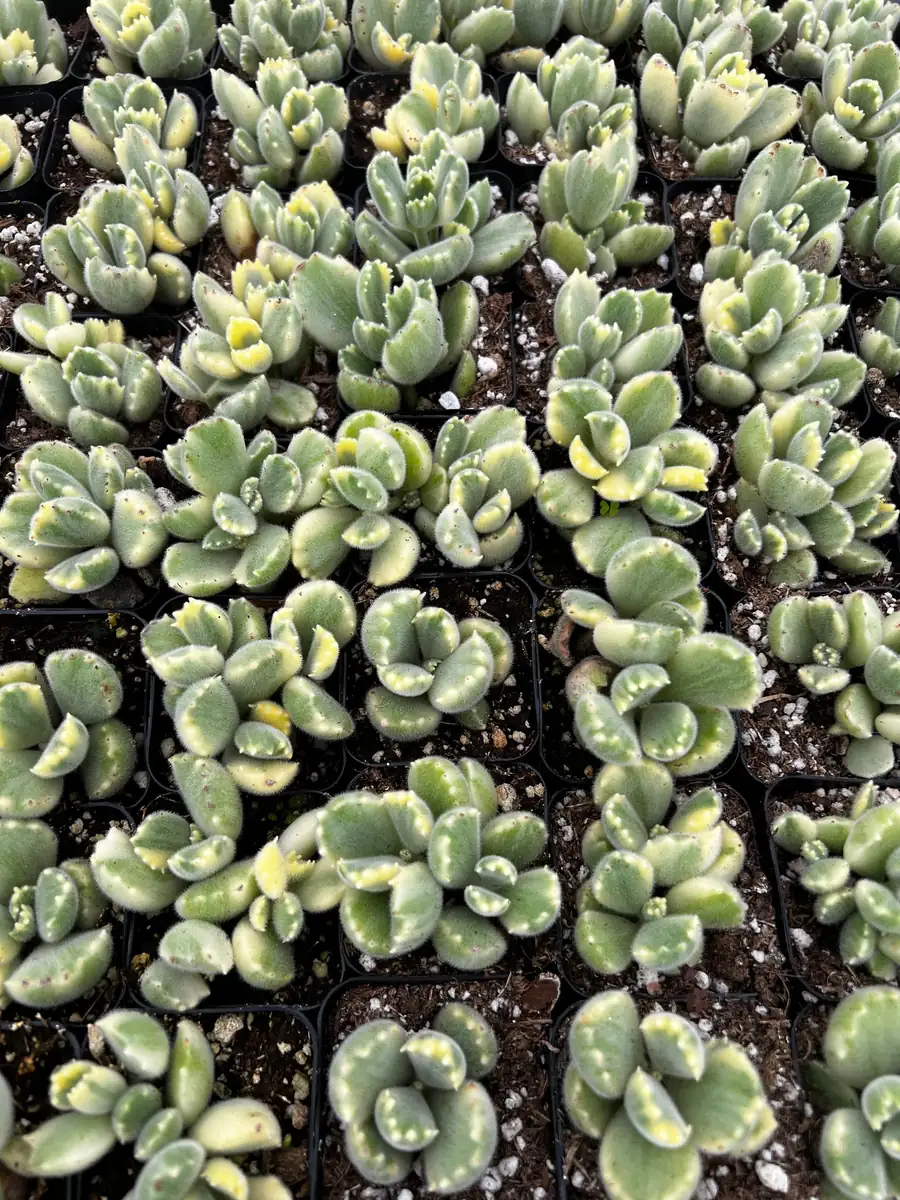
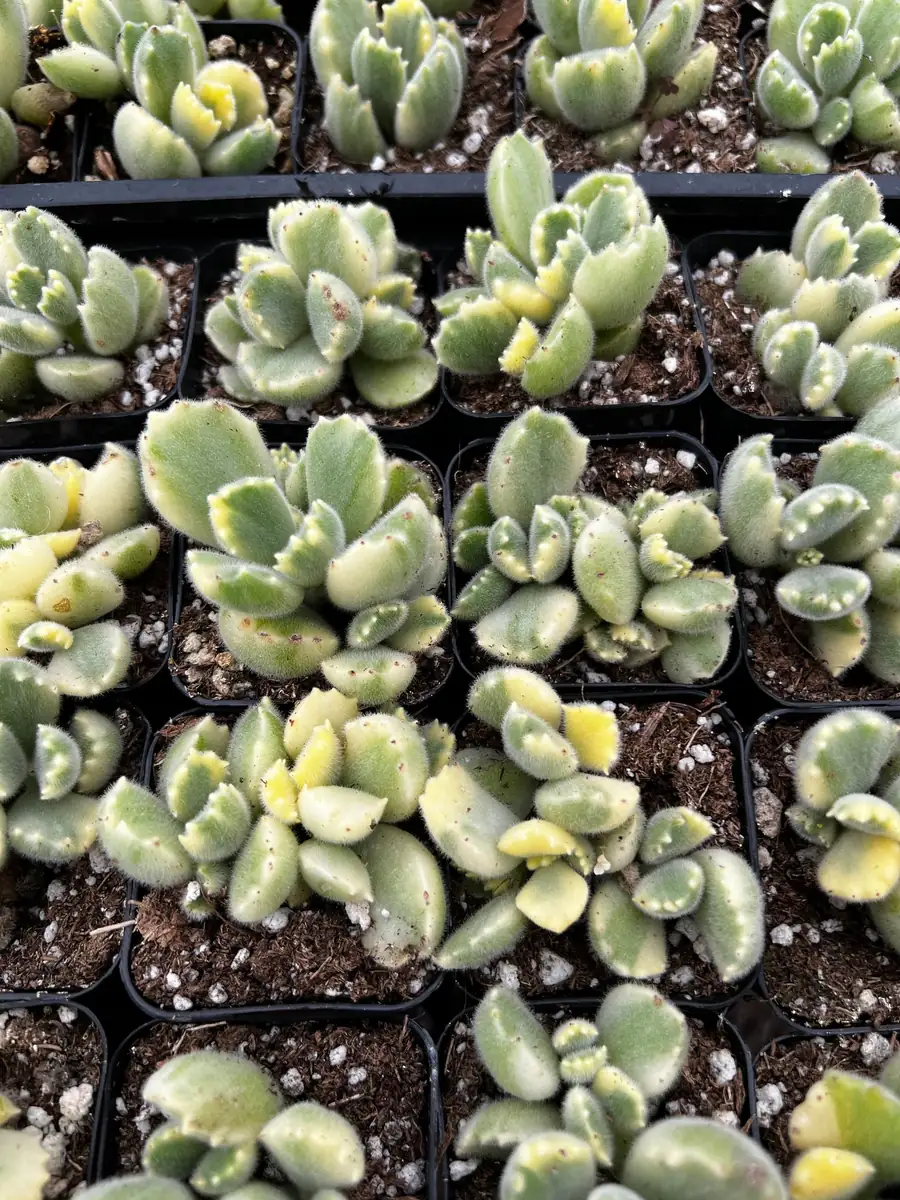
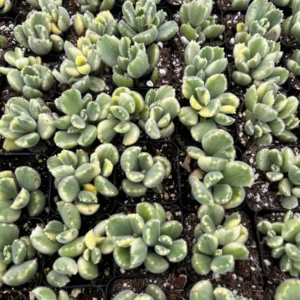
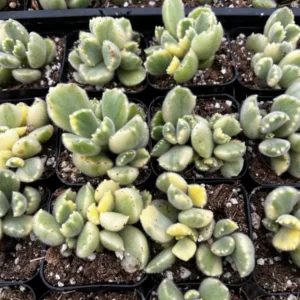
This live plant is shipped potted, ensuring it arrives healthy and ready for its new home. It is available in various pot sizes, commonly 2-inch, 4-inch, or 6-inch nursery pots, allowing you to choose the perfect size for your needs. The plant will be similar in size and appearance to those shown in product images. Its robust nature and moderate growth rate mean it will gradually develop into a beautiful specimen with its characteristic furry, paw-shaped leaves. With proper fuzzy succulent care, you can enjoy its unique beauty for many years.
Frequently Asked Questions
-
Q: How big does the Variegated Bear’s Paw succulent get? A: This succulent is a slow grower and typically reaches up to 12 inches (30 cm) in height and can spread up to 24 inches (60 cm) wide over time. Its compact nature makes it ideal for indoor settings like windowsills and desks.
-
Q: Is this an indoor or outdoor plant? A: The Cotyledon Tomentosa is primarily grown as an indoor houseplant in most regions. It can be grown outdoors in mild climates (USDA zones 9-11) where frost is not an issue, often used in rock gardens or containers.
-
Q: How much sunlight does the fuzzy succulent need? A: It thrives in bright, indirect light. Place it near a sunny window with protection from harsh afternoon sun, which can scorch its leaves. Insufficient light can cause the plant to stretch and lose its compact form.
-
Q: Is the Variegated Bear’s Paw succulent easy to care for? A: Yes, it is considered relatively easy to care for, especially for beginners. Its drought-tolerant nature means it requires infrequent watering, and it’s quite forgiving of neglect, making Bear’s Paw plant care straightforward.
-
Q: Is this plant pet-friendly? A: Yes, the Cotyledon Tomentosa is generally considered non-toxic to cats and dogs, making it a safe choice for homes with pets. However, it’s always best to discourage pets from ingesting any plant material.
-
Q: What condition will my plant arrive in? A: Your plant will be shipped potted and carefully packaged to ensure it arrives healthy and in good condition, ready to be placed in its new home. It will be similar in size to the product images.
-
Q: How often should I water my Bear’s Paw plant? A: Water only when the soil is completely dry to the touch. This usually means every 2-4 weeks, depending on the season and your home’s humidity. Reduce watering significantly during the cooler, dormant winter months.
-
Q: What kind of soil is best for this succulent? A: It requires a well-draining soil mix. A specialized succulent or cactus potting mix is ideal, or you can create one by amending regular potting soil with perlite or coarse sand to improve drainage.
-
Q: When does the fuzzy succulent bloom? A: The Variegated Bear’s Paw succulent typically produces small, bell-shaped flowers, often orange or yellow in color, during the summer months when mature and given optimal conditions.
-
Q: Can I propagate my Cotyledon Tomentosa? A: Yes, it can be propagated relatively easily from stem cuttings or even leaf cuttings. Allow cuttings to callus for a few days before planting them in well-draining soil.
| Please Select Size | 2" Pot, 4” Pot, 6'' Pot |
|---|
Related products
-97%
Original price was: $316.80.$9.92Current price is: $9.92.
-30%


Original price was: $47.98.$33.58Current price is: $33.58.
-40%

Original price was: $19.60.$11.76Current price is: $11.76.
-30%
Original price was: $79.98.$55.98Current price is: $55.98.
-30%
Original price was: $79.98.$55.98Current price is: $55.98.
-30%
Original price was: $79.98.$55.98Current price is: $55.98.
PLANTING & CARE

The Comprehensive Guide to Growing Bay Leaf Plants for a Flavorful Garden
Imagine stepping into your garden, greeted by the earthy aroma of fresh bay leaves, their
09
Feb
Feb

How to Make Comfrey Tea: The Ultimate Organic Plant Food
Growing an organic garden can be surprisingly expensive, especially when most store-bought fertilizers come in
02
Feb
Feb

True Comfrey: 7 Essential Tips Before You Plant This Herb
A staple in permaculture practices across the US, True Comfrey easily earns its reputation as
27
Jan
Jan

7 Heart-Shaped Plants for a Lasting Valentine’s Gift
If you’ve ever bought a bouquet of roses for Valentine’s Day, you know they are
26
Jan
Jan

Best Types of Ivy Plant for Houses: How to Choose the Perfect Ones for Your Home
Are you a garden lover looking to introduce some greenery into your home? Maybe you’ve
14
Nov
Nov

When to Harvest Garlic (Especially Fall-Planted Garlic)
TIMING IS EVERYTHING, they say – and for garlic, that truth hits with surprising accuracy.
13
Nov
Nov

11 of the Best Sweet Potato Varieties to Grow for Your Garden
If you’ve ever tried growing sweet potatoes, you know that picking the right variety can
12
Nov
Nov

Pruning Bougainvillea for Winter
Bougainvillea vines are known for their dazzling display of magenta, orange, and fuchsia bracts that
05
Nov
Nov