Sedum Jelly Bean Live Plant – Rubrotinctum Succulent in 2-4 inch Pot
-30%
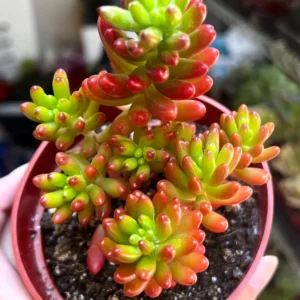
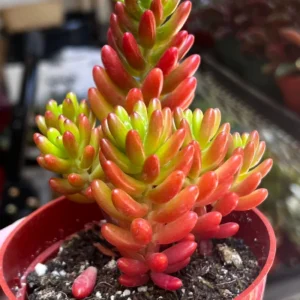
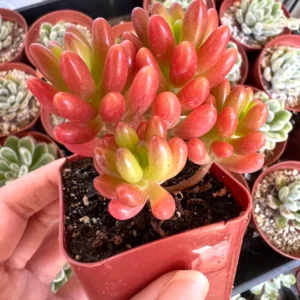
Sedum Jelly Bean Live Plant – Rubrotinctum Succulent in 2-4 inch Pot
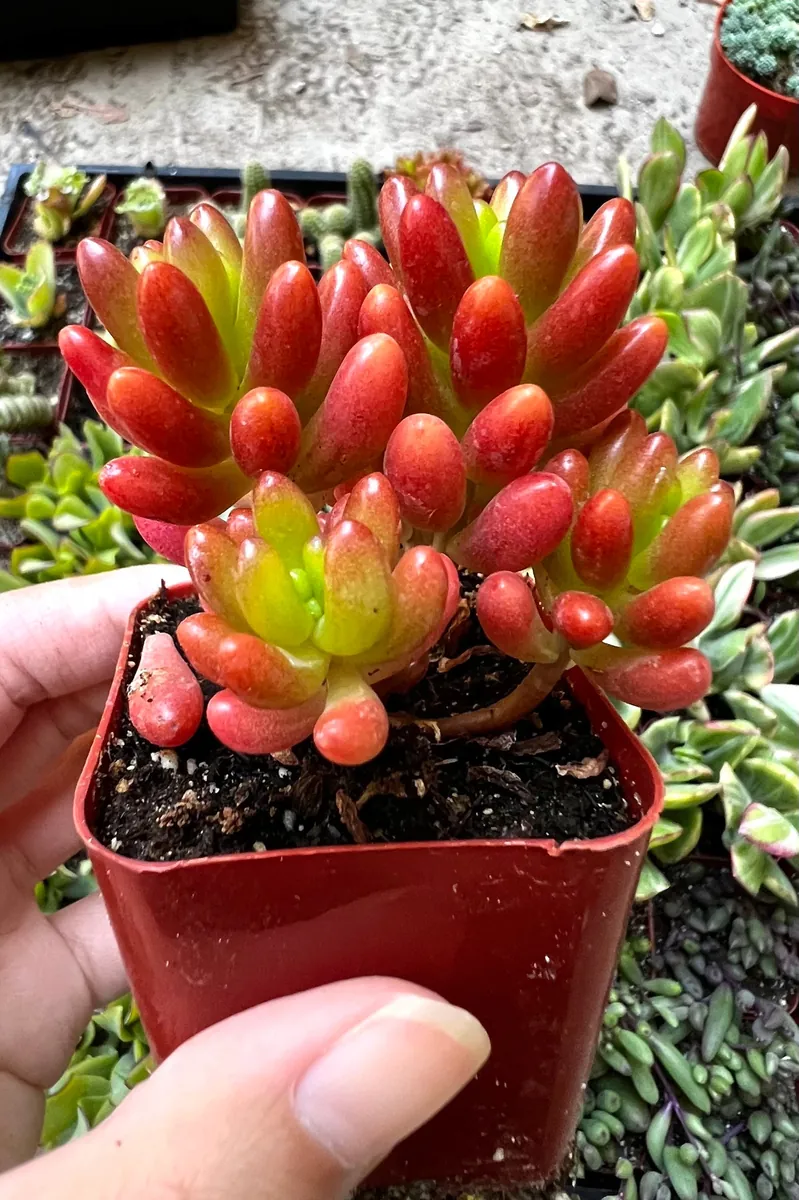
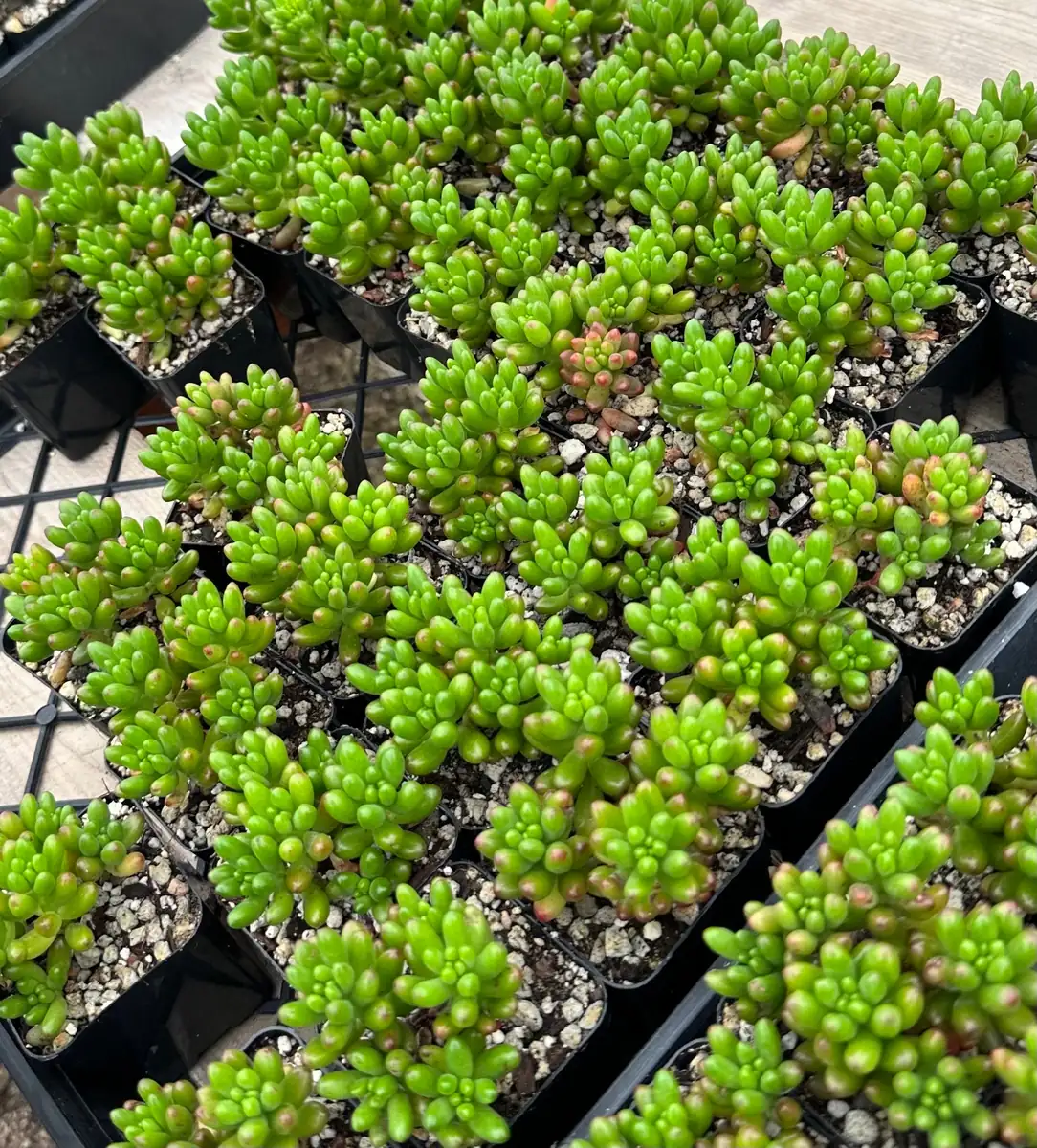
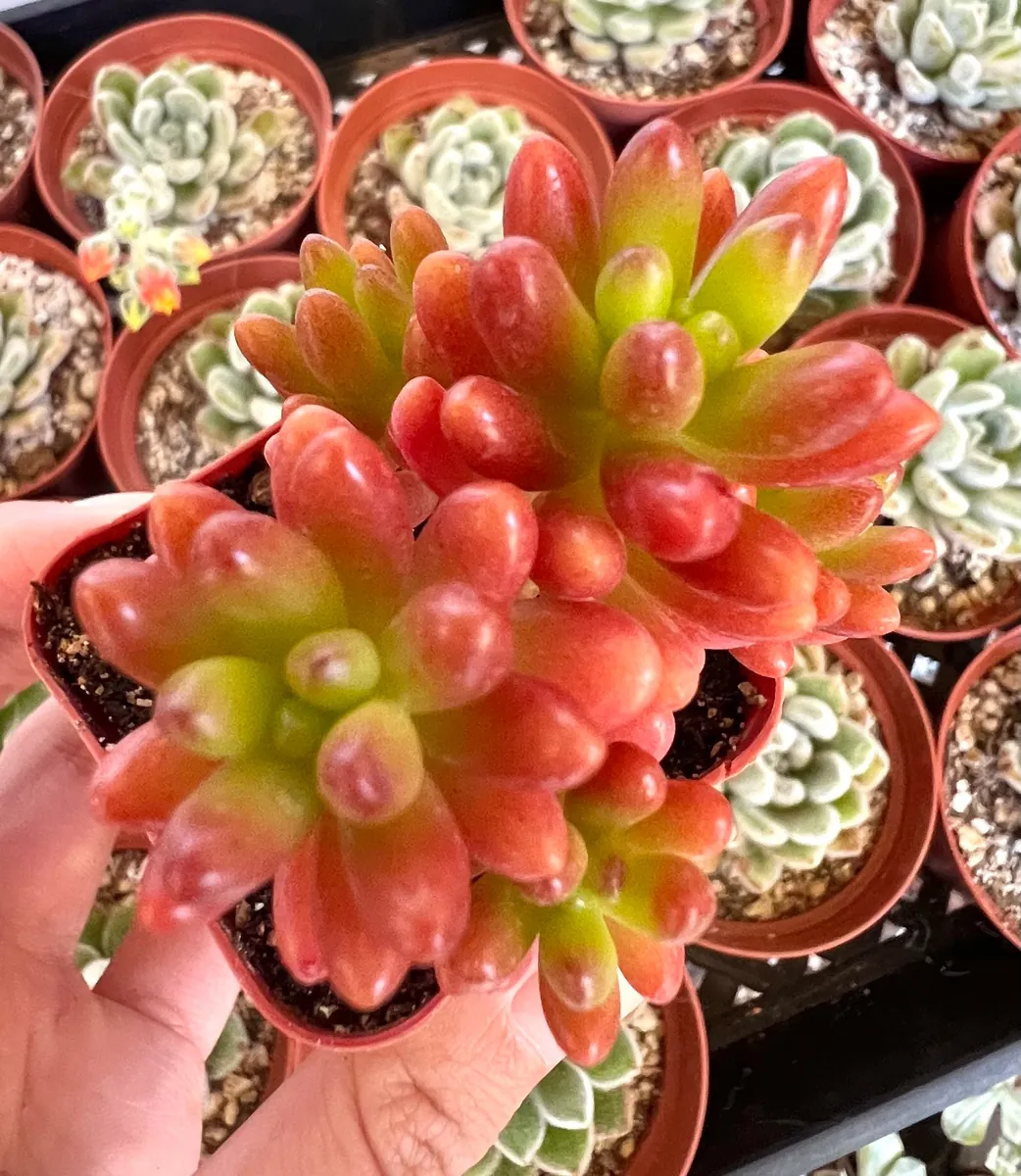
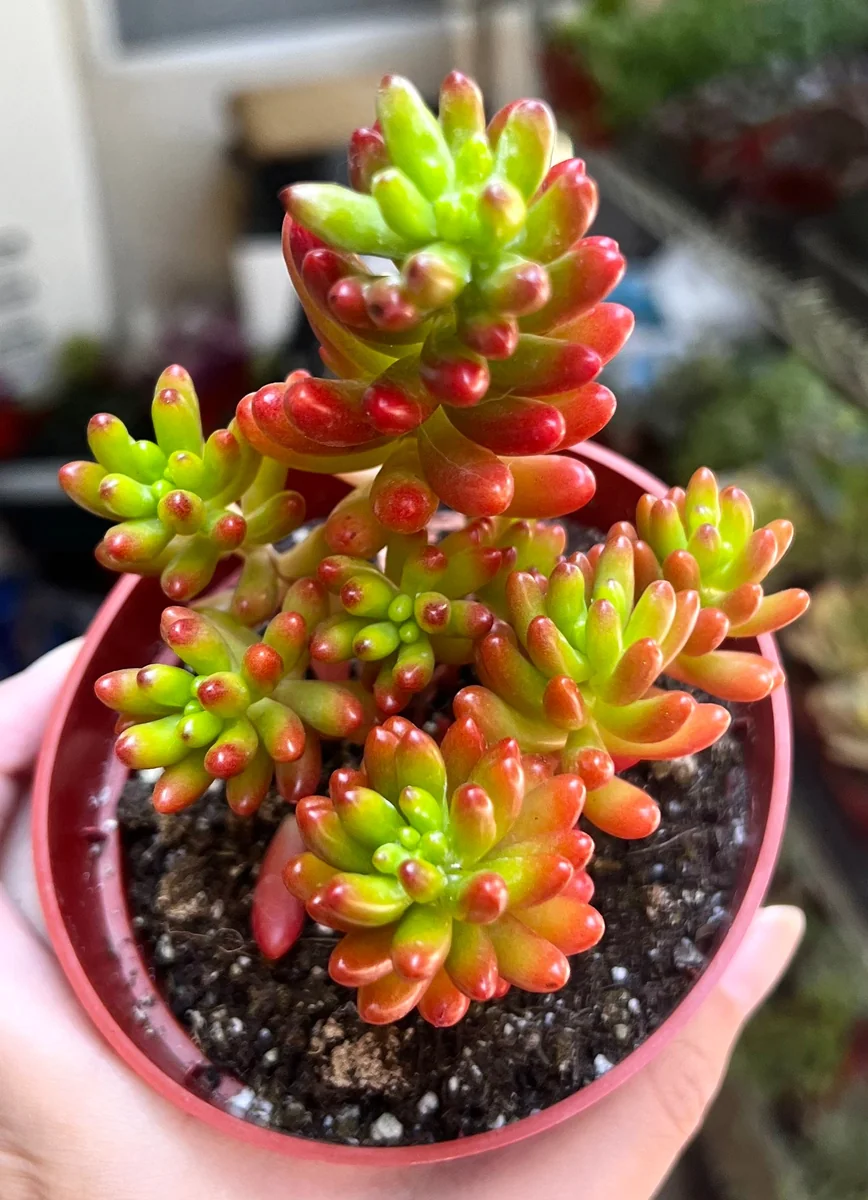
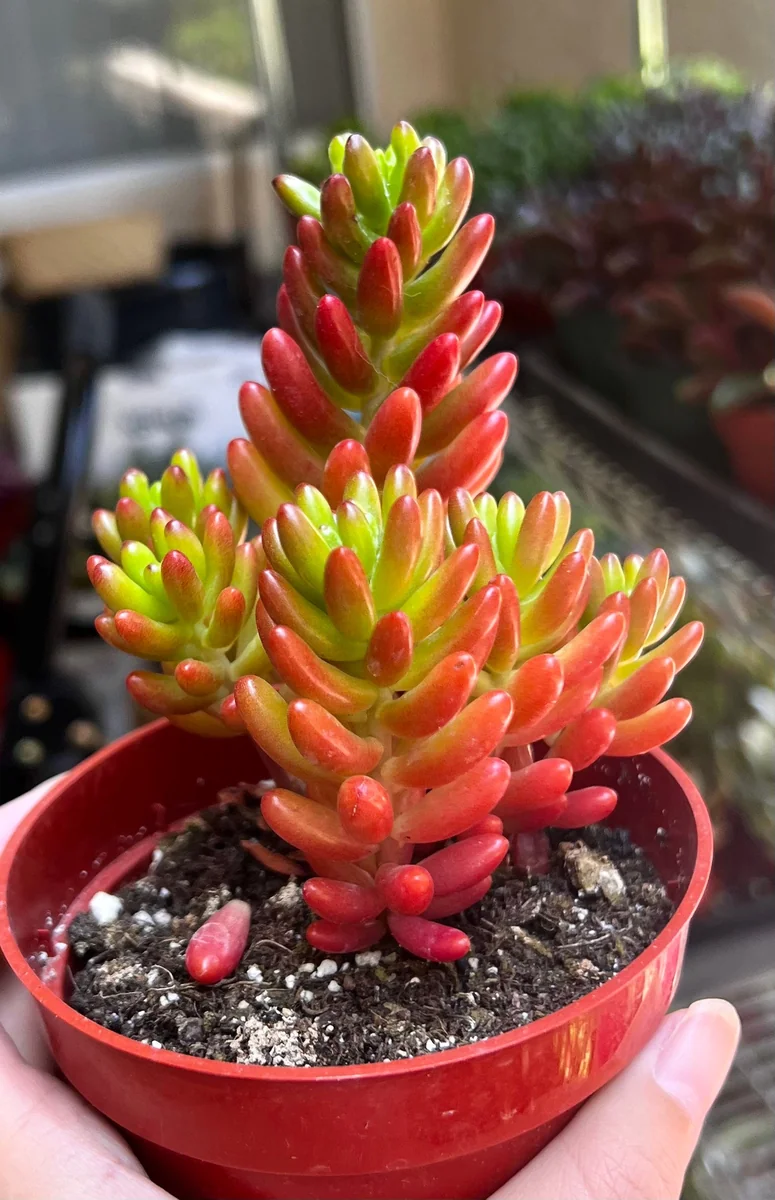
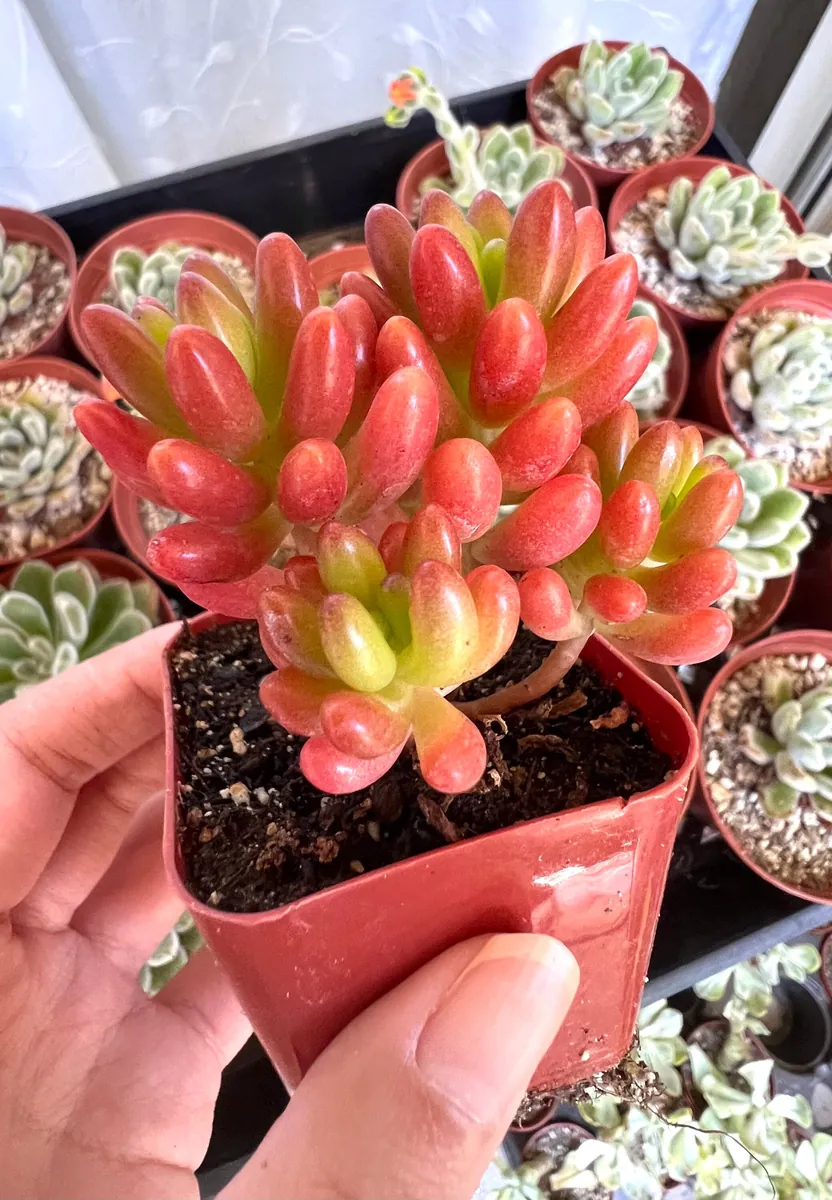
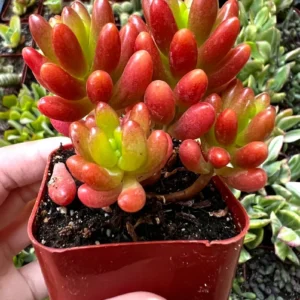
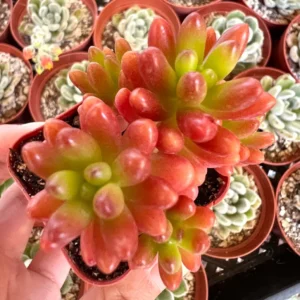
Bring vibrant charm to your space with the Sedum Jelly Bean live plant. This captivating succulent, also known as Sedum Rubrotinctum succulent, features distinctive jelly bean-shaped leaves that can blush red with ample sun. Ideal for both indoor display and outdoor rock gardens, it’s a drought-tolerant succulent that thrives with minimal attention. Available in 2-inch and 4-inch pot sizes.
From Original price was: $27.96.$19.56Current price is: $19.56.

With our Alive & Thrive Guarantee, we’ve got your back for the first 30 days! If you have any concerns about your plants, just reach out to us. Our team is here to help answer your questions and guide you in selecting the best plants for your garden, climate, and unique preferences. We're excited to help you create the garden of your dreams!
Estimated arrival
Mar 15
Mar 20 - Mar 22
Mar 25 - Mar 29
Product Details
-
USDA Hardiness Zone
USDA zones 9-11 (outdoors), all zones (indoors) -
Soil type
Well-draining succulent or cactus mix -
Sunlight Exposure
Full sun to partial shade -
Expected Planting Period
Year-round indoors, spring to summer outdoors
Overview
Introduce a delightful splash of color and unique texture to your plant collection with the Sedum Jelly Bean live plant. Also known as Sedum Rubrotinctum succulent, ‘Pork and Beans’, or ‘Stonecrop’, this charming succulent is celebrated for its distinctive, plump, jelly bean-shaped leaves that transition from a vibrant green to a striking red when exposed to strong sunlight and temperature fluctuations. Native to Mexico, this resilient and visually appealing plant makes an excellent addition to gardens, rockeries, and as a captivating houseplant. Its compact growth habit and striking foliage make it a favorite among succulent enthusiasts and beginners alike, offering beauty with remarkable ease of care.
The Sedum Jelly Bean live plant is a fantastic choice for those seeking a low-maintenance yet highly rewarding botanical companion. Its fleshy leaves store water efficiently, allowing it to withstand dry conditions, making it a truly drought-tolerant succulent. Whether you’re enhancing an outdoor landscape or brightening an indoor windowsill, this succulent promises to be a conversation starter with its playful appearance and dynamic coloration.
Key Benefits
The Sedum Jelly Bean live plant offers a multitude of advantages, making it a superb choice for various settings and gardeners of all skill levels. Its unique characteristics contribute to both aesthetic appeal and ease of cultivation:
- Striking Ornamental Value: The plump, bean-shaped leaves offer a whimsical and attractive texture. The ability for the leaves to blush from green to vibrant red under optimal conditions provides a dynamic visual appeal that enhances any space.
- Low Maintenance & Easy Care: This Jelly Bean Plant care is incredibly straightforward, requiring minimal attention once established. It’s an ideal choice for busy individuals or those new to gardening, as it forgives occasional neglect.
- Exceptional Drought Tolerance: Thanks to its succulent nature, the Sedum Rubrotinctum succulent stores water in its leaves, allowing it to thrive with infrequent watering. This makes it a perfect plant for xeriscaping or for gardeners conscious of water conservation.
- Versatile Placement: Suitable for both indoor and outdoor environments, it can be grown in containers, hanging baskets, rock gardens, or as ground cover. Its adaptability makes it a versatile addition to diverse garden designs.
- Compact Growth Habit: Growing up to 6 inches tall, its compact size makes it perfect for small spaces, windowsills, terrariums, or as a vibrant filler in mixed succulent arrangements.
- Natural Air Purifier: Like many houseplants, this drought-tolerant succulent contributes to improved indoor air quality by absorbing common toxins and releasing oxygen.
- Encourages Red Coloration: With sufficient sunshine and temperature differences, the plant’s leaves develop a beautiful red hue, adding an extra layer of visual interest and rewarding attentive care.
Plant Care & Growing Tips
Caring for your Sedum Jelly Bean live plant is generally simple, making it a joy for both novice and experienced gardeners. Providing the right conditions will ensure its vibrant growth and stunning coloration. This Sedum Rubrotinctum succulent thrives on bright light and well-draining soil.
For optimal health and color development, provide your Jelly Bean Plant with plenty of sunlight. It prefers full sun to partial shade, meaning at least 6 hours of direct sunlight per day. If grown indoors, a south-facing window is ideal. Insufficient light will result in a leggy plant with less vibrant green foliage and a lack of the characteristic red blush. Outdoors, ensure it’s in a location that receives ample sun, especially if you wish to see its leaves turn red.
Watering is crucial for any succulent, and the Sedum Jelly Bean live plant is no exception. It is a drought-tolerant succulent, so overwatering is its biggest enemy. Allow the soil to dry out completely between waterings. When you do water, do so thoroughly until water drains from the bottom of the pot. In summer, you might water every 2-4 weeks, while in winter, it might only need watering once a month or even less. Always check the soil moisture before watering. Well-draining soil is paramount; use a specialized succulent or cactus potting mix, or amend regular potting soil with perlite or coarse sand to improve drainage. This plant is hardy in USDA zones 9-11 as an outdoor perennial, but can be grown indoors in all zones. It tolerates temperatures down to about 20-25°F (-6 to -4°C) if kept dry, but protection from frost is recommended.
Fertilize sparingly, if at all. A diluted balanced liquid fertilizer can be applied once or twice during the growing season (spring and summer) if desired, but it’s not strictly necessary for this low-maintenance plant. Watch out for common succulent pests like mealybugs or aphids, though they are not frequently a problem. Good air circulation and proper watering practices are the best defenses against most issues. Propagating the Sedum Rubrotinctum succulent is easy from leaf or stem cuttings, allowing you to multiply your collection effortlessly.
Size & Details
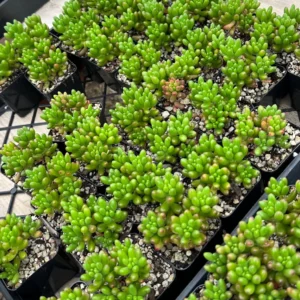
This offering features a healthy Sedum Jelly Bean live plant, ready to thrive in its new home. Plants are available in popular 2-inch and 4-inch nursery pots, providing a good foundation for growth. The plant’s height typically reaches up to 6 inches (15 cm) with a similar spread, forming a dense, colorful mat over time. Growth rate is moderate, allowing you to enjoy its development without it quickly outgrowing its space. The plants are shipped securely in their nursery pots, ensuring minimal disturbance during transit. Expect to receive a plant similar in size and vigor to the product images, though natural variations in color and form are normal. With proper Jelly Bean Plant care, it will continue to grow and develop its characteristic red blush.
Frequently Asked Questions
- Q: How big does this Sedum Jelly Bean live plant get? A: The Sedum Jelly Bean live plant typically grows up to 6 inches (15 cm) tall and can spread to a similar width, forming a compact, mounding succulent. Its size makes it ideal for small pots and arrangements.
- Q: What size pot does it come in? A: This plant is available in both 2-inch and 4-inch nursery pots, providing a healthy start for your new succulent. You can repot it into a slightly larger decorative pot upon arrival if desired.
- Q: Is this an indoor or outdoor plant? A: The Sedum Rubrotinctum succulent is versatile and can be grown both indoors and outdoors. It thrives outdoors in USDA Zones 9-11 and can be a beautiful houseplant in all other zones, provided it receives sufficient light.
- Q: How much sunlight does it need? A: For the best growth and to encourage its leaves to turn red, the Jelly Bean Plant requires full sun to partial shade, ideally at least 6 hours of direct sunlight per day.
- Q: Is this plant easy to care for? A: Yes, it is considered a very easy-to-care-for and drought-tolerant succulent, making it an excellent choice for beginners or those seeking low-maintenance plants. The most important aspects are proper light and avoiding overwatering.
- Q: What condition will it arrive in? A: Your Sedum Jelly Bean live plant will arrive securely packaged in its nursery pot, ready for you to unbox and place in its new home. We take care to ensure plants are healthy at shipment.
- Q: How often should I water my Jelly Bean Plant? A: Water only when the soil has completely dried out. This could be every 2-4 weeks in warmer months and less frequently in cooler months, depending on your environment.
- Q: What kind of soil does it prefer? A: This succulent prefers well-draining soil. A cactus or succulent potting mix is ideal, or you can amend regular potting soil with perlite or coarse sand to improve drainage.
- Q: Will it survive winter in my zone? A: If you live outside USDA Zones 9-11, it’s best to bring your Sedum Rubrotinctum succulent indoors during winter or protect it from frost, as it is not tolerant of freezing temperatures.
- Q: How can I make the leaves turn red? A: To encourage the distinct red coloration, provide the plant with plenty of direct sunlight and allow for a good temperature difference between day and night. Cooler temperatures and bright light enhance the red hues.
| Please Select Size | 2” Pot, 4” Pot |
|---|
Related products
-30%
Original price was: $47.98.$33.58Current price is: $33.58.
-30%
Original price was: $49.98.$34.98Current price is: $34.98.
-30%
Original price was: $79.98.$55.98Current price is: $55.98.
-30%
Original price was: $79.98.$55.98Current price is: $55.98.
-40%
Original price was: $19.60.$11.76Current price is: $11.76.
-30%
Original price was: $47.98.$33.58Current price is: $33.58.
PLANTING & CARE

The Comprehensive Guide to Growing Bay Leaf Plants for a Flavorful Garden
Imagine stepping into your garden, greeted by the earthy aroma of fresh bay leaves, their
09
Feb
Feb

How to Make Comfrey Tea: The Ultimate Organic Plant Food
Growing an organic garden can be surprisingly expensive, especially when most store-bought fertilizers come in
02
Feb
Feb

True Comfrey: 7 Essential Tips Before You Plant This Herb
A staple in permaculture practices across the US, True Comfrey easily earns its reputation as
27
Jan
Jan

7 Heart-Shaped Plants for a Lasting Valentine’s Gift
If you’ve ever bought a bouquet of roses for Valentine’s Day, you know they are
26
Jan
Jan

Best Types of Ivy Plant for Houses: How to Choose the Perfect Ones for Your Home
Are you a garden lover looking to introduce some greenery into your home? Maybe you’ve
14
Nov
Nov

When to Harvest Garlic (Especially Fall-Planted Garlic)
TIMING IS EVERYTHING, they say – and for garlic, that truth hits with surprising accuracy.
13
Nov
Nov

11 of the Best Sweet Potato Varieties to Grow for Your Garden
If you’ve ever tried growing sweet potatoes, you know that picking the right variety can
12
Nov
Nov
Pruning Bougainvillea for Winter
Bougainvillea vines are known for their dazzling display of magenta, orange, and fuchsia bracts that
05
Nov
Nov