Peanut Cactus Live Plant – Potted Echinopsis chamaecereus – 2″, 4″, 6″ Pot
-30%
Peanut Cactus Live Plant – Potted Echinopsis chamaecereus – 2″, 4″, 6″ Pot
Bring home a charming peanut cactus live plant, a delightful succulent known for its unique clumping stems and vibrant blooms. This echinopsis chamaecereus care is simple, making it an ideal choice for both beginners and experienced plant enthusiasts. Perfect as a minimalist cactus addition to any indoor space, offering easy care and striking visual appeal.
From Original price was: $27.96.$19.56Current price is: $19.56.

With our Alive & Thrive Guarantee, we’ve got your back for the first 30 days! If you have any concerns about your plants, just reach out to us. Our team is here to help answer your questions and guide you in selecting the best plants for your garden, climate, and unique preferences. We're excited to help you create the garden of your dreams!
Estimated arrival
Mar 14
Mar 19 - Mar 21
Mar 24 - Mar 28
Product Details
-
USDA Hardiness Zone
USDA zones 9-11 (outdoors); suitable for all zones indoors -
Soil type
Well-draining cactus or succulent potting mix -
Sunlight Exposure
Bright indirect light -
Expected Planting Period
Year-round indoors
Overview
Introduce a touch of unique desert charm to your home with the peanut cactus live plant. Also scientifically known as Echinopsis chamaecereus, this fascinating succulent is celebrated for its distinctive finger-like stems that grow in attractive clusters. Often referred to as the dwarf hedgehog cactus or dwarf cereus, its common name “peanut cactus” comes from the shape of its individual segments. This resilient and visually appealing plant is a superb choice for collectors and those seeking an easy-to-maintain houseplant. Its ability to thrive with minimal fuss makes it a perfect addition for busy individuals or novice gardeners, offering beauty without demanding constant attention.
The peanut cactus live plant is native to Argentina, where it grows in rocky and sandy soils, adapting perfectly to drought conditions. As a houseplant, it is highly adaptable and can flourish in a variety of indoor environments, bringing a piece of the arid landscape into your living space. This particular offering provides a healthy, well-established plant, ready to enhance your indoor garden with its unique form and potential for beautiful seasonal blooms. Whether you’re starting a succulent collection or looking for a striking individual specimen, the peanut cactus is an excellent choice. It thrives in pots of 2”, 4”, or 6” diameter, making it versatile for various display options.
Key Benefits
The peanut cactus live plant offers numerous advantages, making it a highly desirable addition to any plant collection. Its unique aesthetics and hardy nature contribute to its popularity. Discover the key benefits of owning this remarkable succulent:
- Unique Aesthetic Appeal: The cylindrical, clumping stems of the peanut cactus live plant create an intriguing visual texture. Its growth habit forms dense colonies over time, providing a dynamic and evolving display that can captivate any observer. This makes it an excellent focal point or a complementary piece in a succulent arrangement.
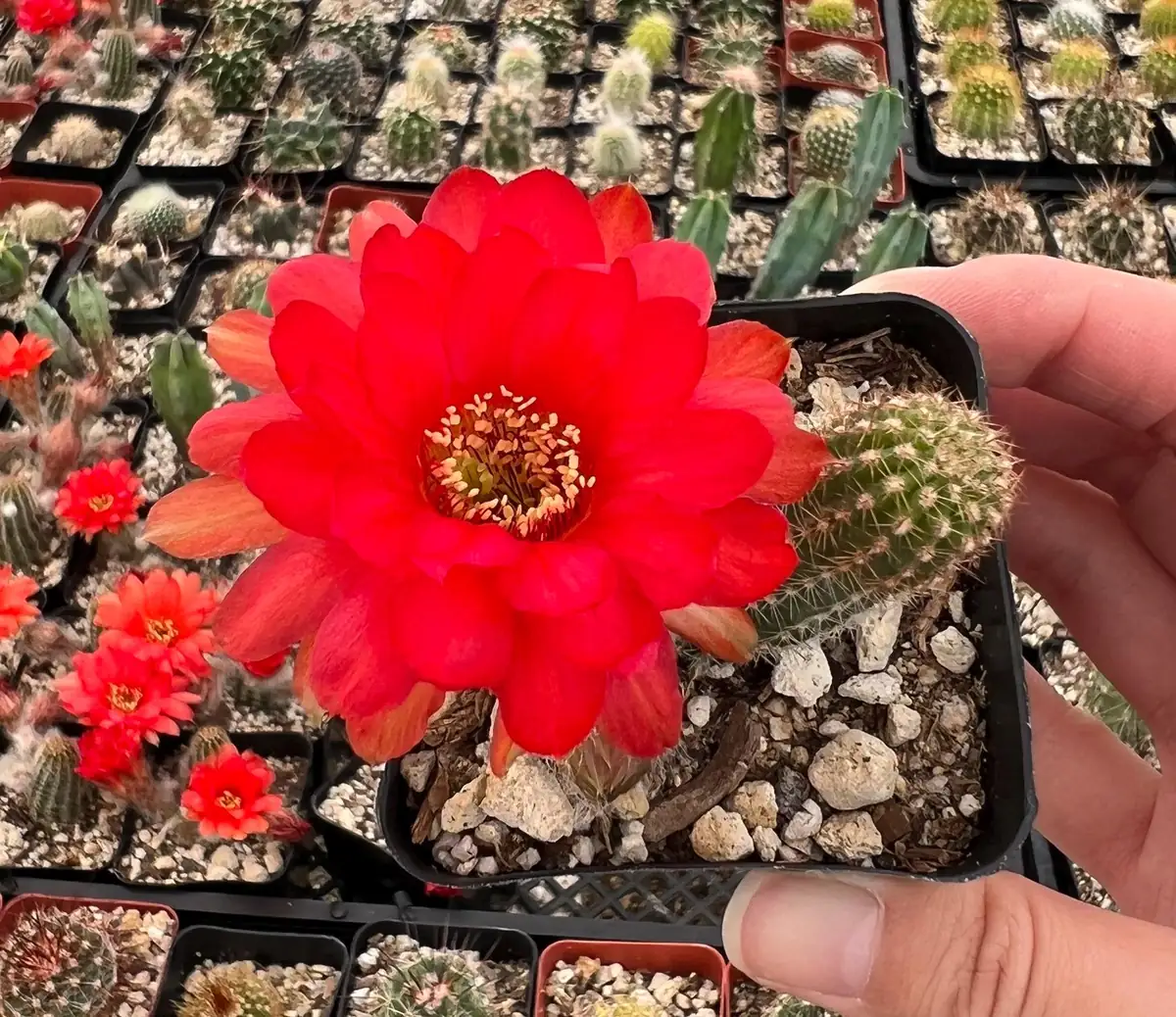
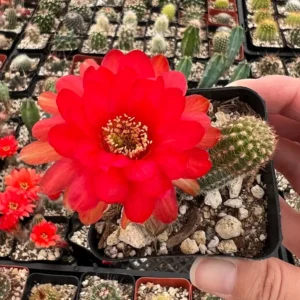
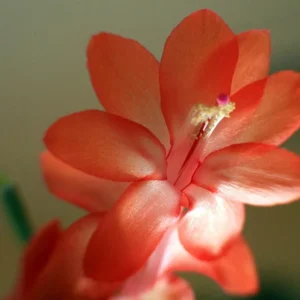
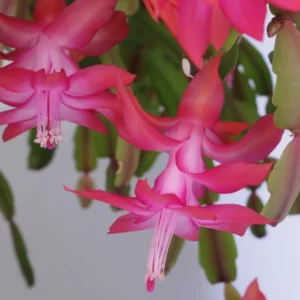
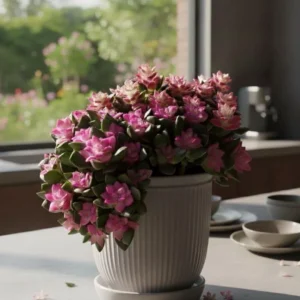
- Vibrant Seasonal Blooms: During spring or summer, the peanut cactus produces showy, funnel-shaped flowers up to 2 inches (5 cm) in diameter. These blooms typically come in shades of pink, red, orange, or yellow, adding a spectacular splash of color to your home.
- Low Maintenance: This succulent is incredibly easy to care for, requiring minimal watering and attention. Its drought-tolerant nature means it can withstand periods of neglect, making it perfect for busy individuals or those new to plant care. The echinopsis chamaecereus care routine is straightforward.
- Drought Tolerant: Adapted to arid conditions, the peanut cactus requires infrequent watering. This characteristic not only saves time but also makes it a sustainable choice for water-conscious gardeners.
- Versatile Indoor Plant: The compact size and appealing form of the peanut cactus live plant make it suitable for various indoor settings, from windowsills and desks to shelves and terrariums. It’s an excellent minimalist cactus for small spaces.
- Air Purifying Qualities: Like many houseplants, the peanut cactus contributes to healthier indoor air by absorbing toxins and releasing oxygen, improving your home environment.
- Collector’s Item: Its distinct appearance and ease of propagation make it a favorite among succulent and cactus collectors, often sought after as a dwarf hedgehog cactus.
Plant Care & Growing Tips
Caring for your peanut cactus live plant is a rewarding experience, as it thrives with relatively little effort. Understanding its basic needs will ensure its longevity and encourage vibrant growth and blooming. The key to successful echinopsis chamaecereus care lies in replicating its natural arid environment as closely as possible.
For sunlight, the peanut cactus prefers bright, indirect light. Place it near a south or west-facing window where it can receive plenty of light without being exposed to harsh, direct afternoon sun, which can scorch its delicate stems. If grown outdoors in suitable climates, partial shade during the hottest part of the day is ideal. When it comes to watering, less is more. The cactus should be watered sparingly, allowing the soil to dry out completely between waterings. Overwatering is the most common cause of root rot, which can be fatal. During winter, reduce watering even further as the plant enters a dormant phase. Good drainage is crucial, so ensure your pot has drainage holes and use a well-draining cactus or succulent potting mix. This specialized soil prevents waterlogging and provides the aeration roots need.
The peanut cactus live plant is tolerant of a wide range of temperatures, but it prefers warmer conditions. Protect it from temperatures below 40 degrees Fahrenheit (4 degrees Celsius). As an indoor plant, typical room temperatures are ideal. Fertilization is generally not heavily required; a diluted, balanced liquid fertilizer can be applied once or twice during the growing season (spring and summer) to support healthy growth and flowering. Watch out for common pests like mealybugs or spider mites, which can be treated with insecticidal soap. Proper light and watering will keep your dwarf hedgehog cactus healthy and vibrant, ensuring it remains an attractive feature in your home. This easy care succulents variety is forgiving, making it a joy to nurture.
Size & Details
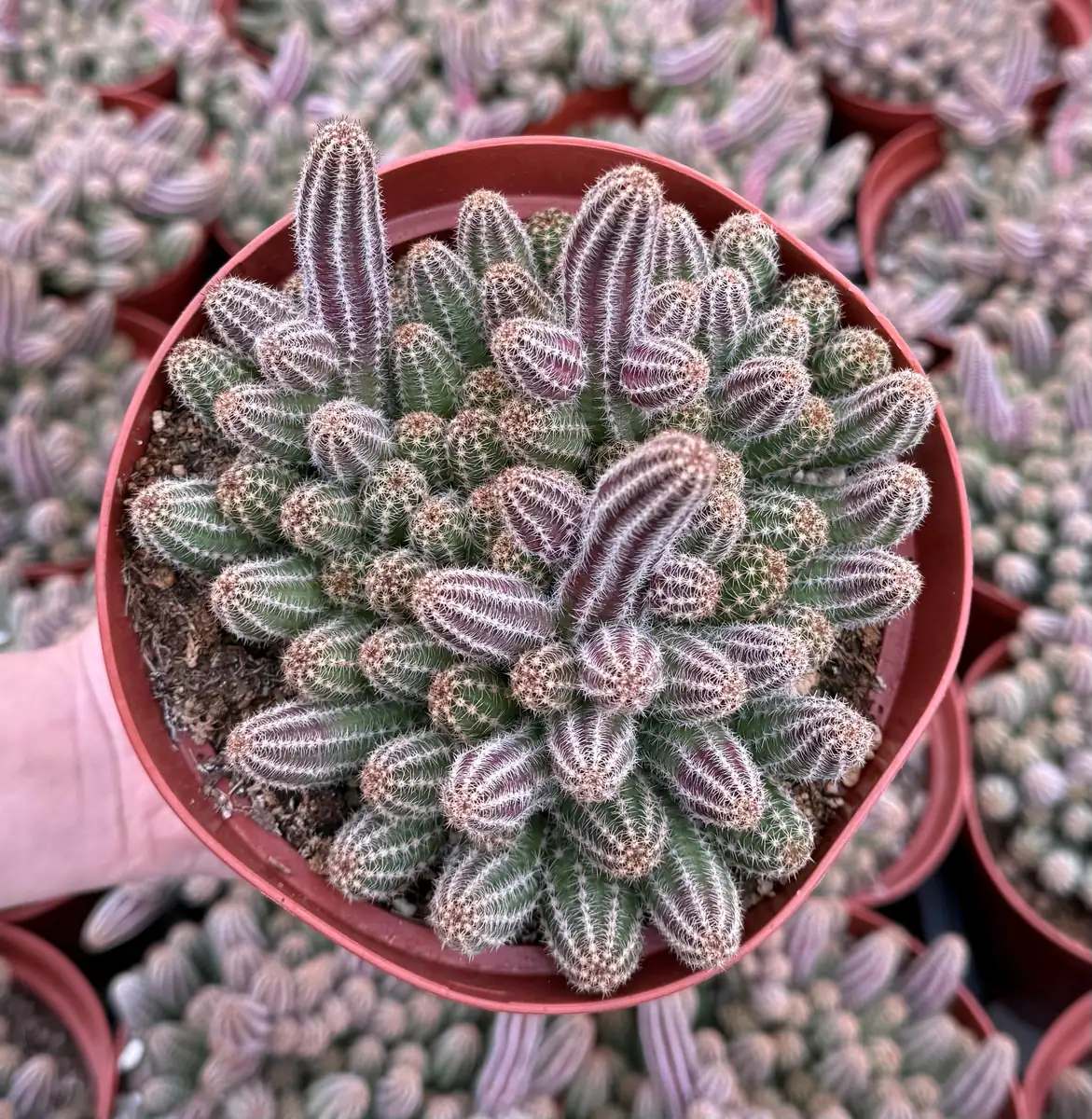
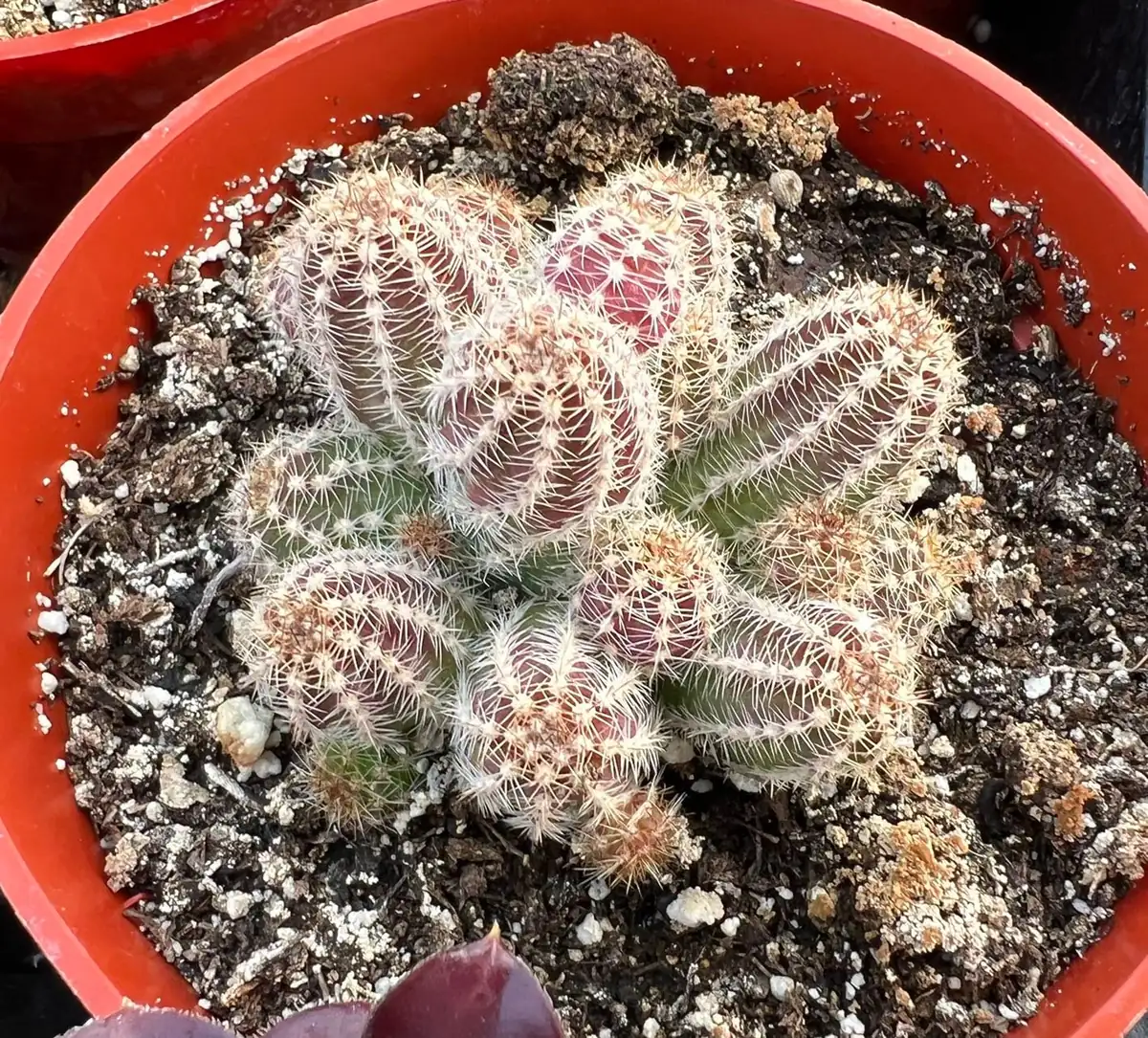
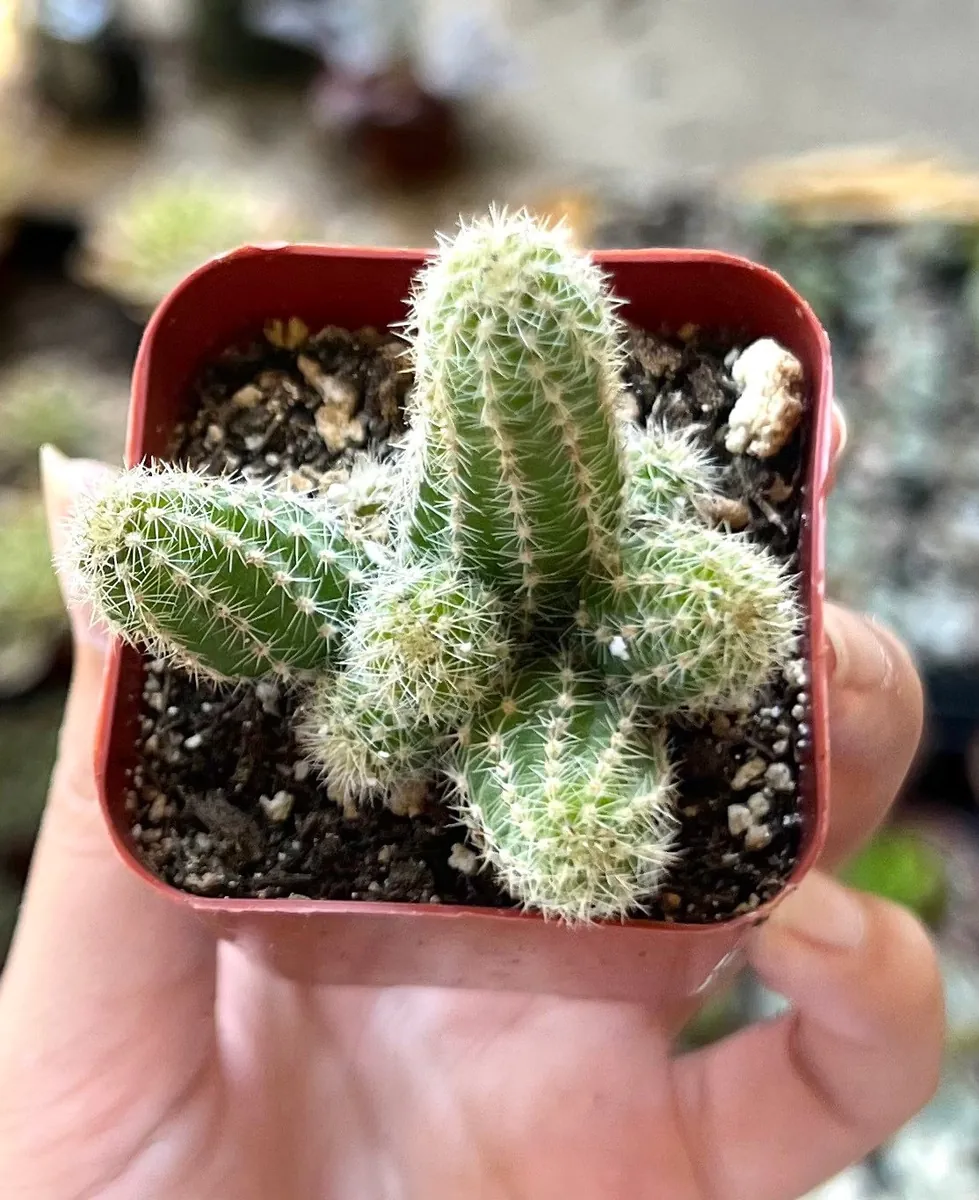
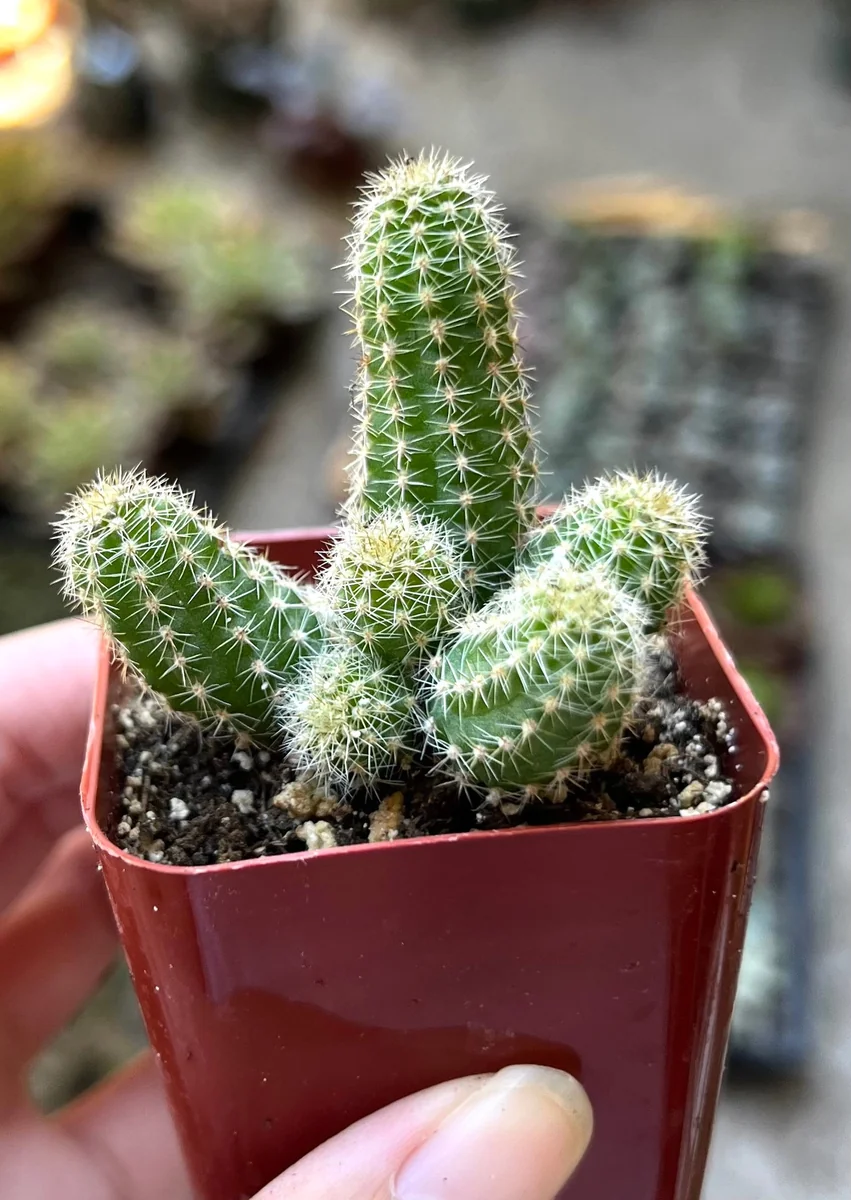
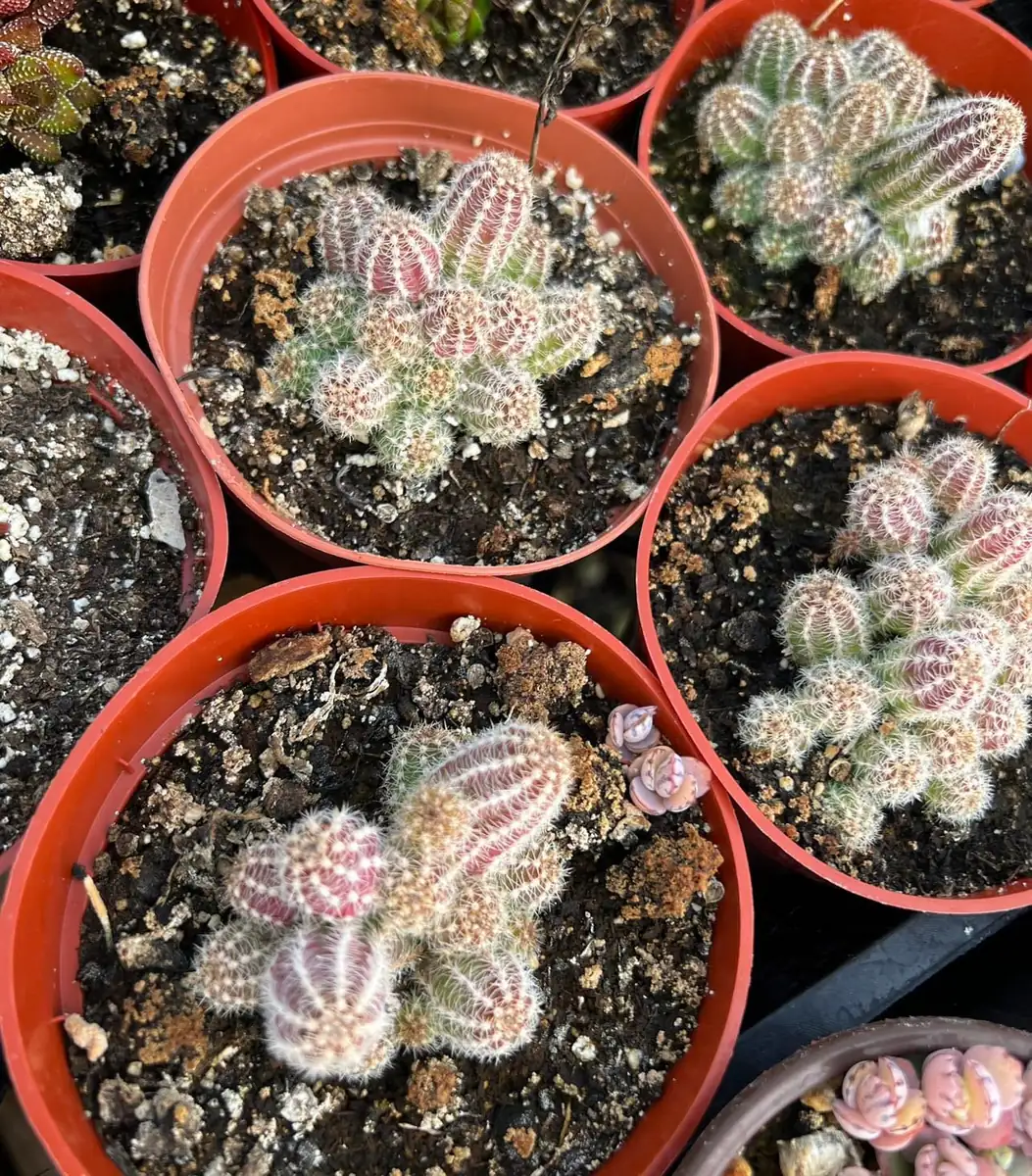
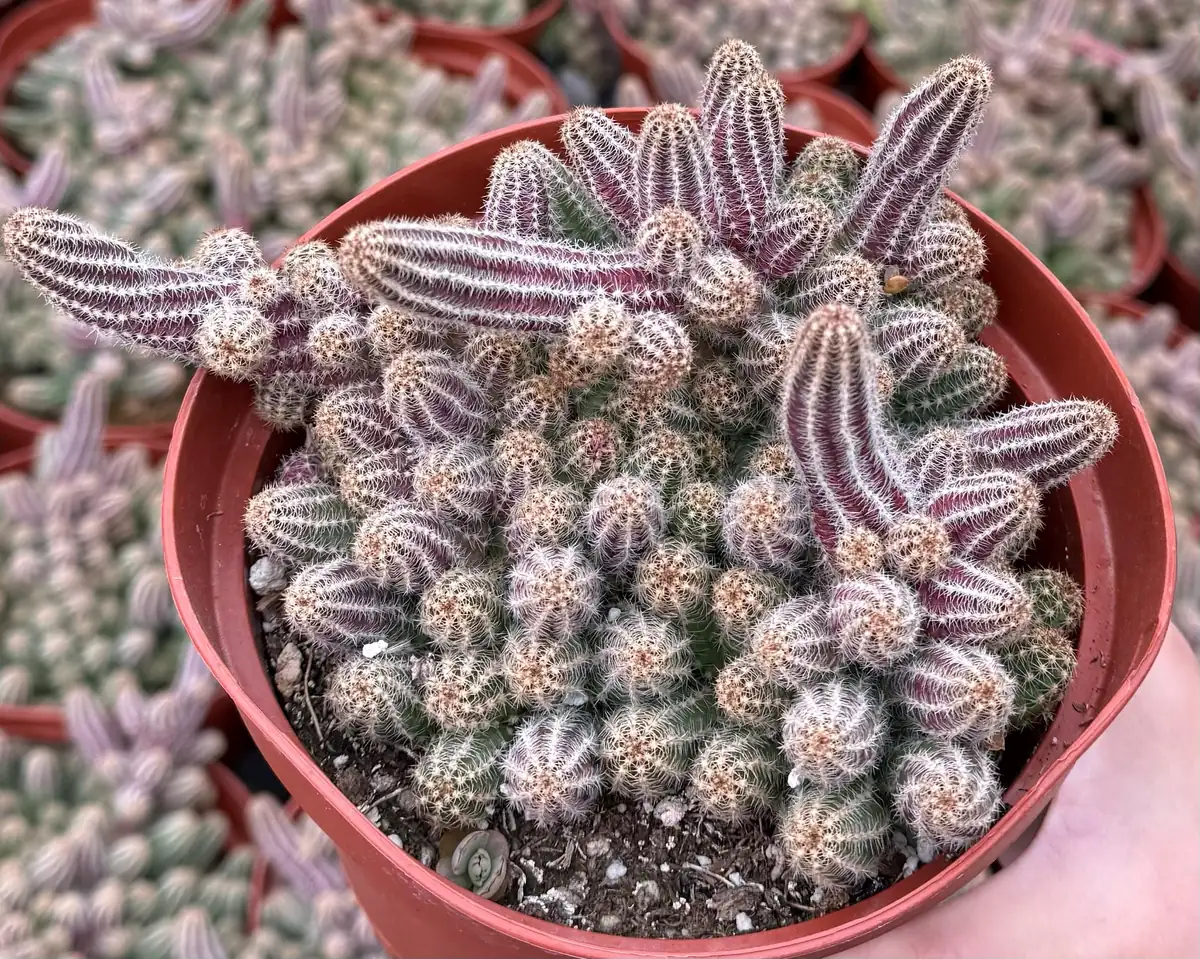
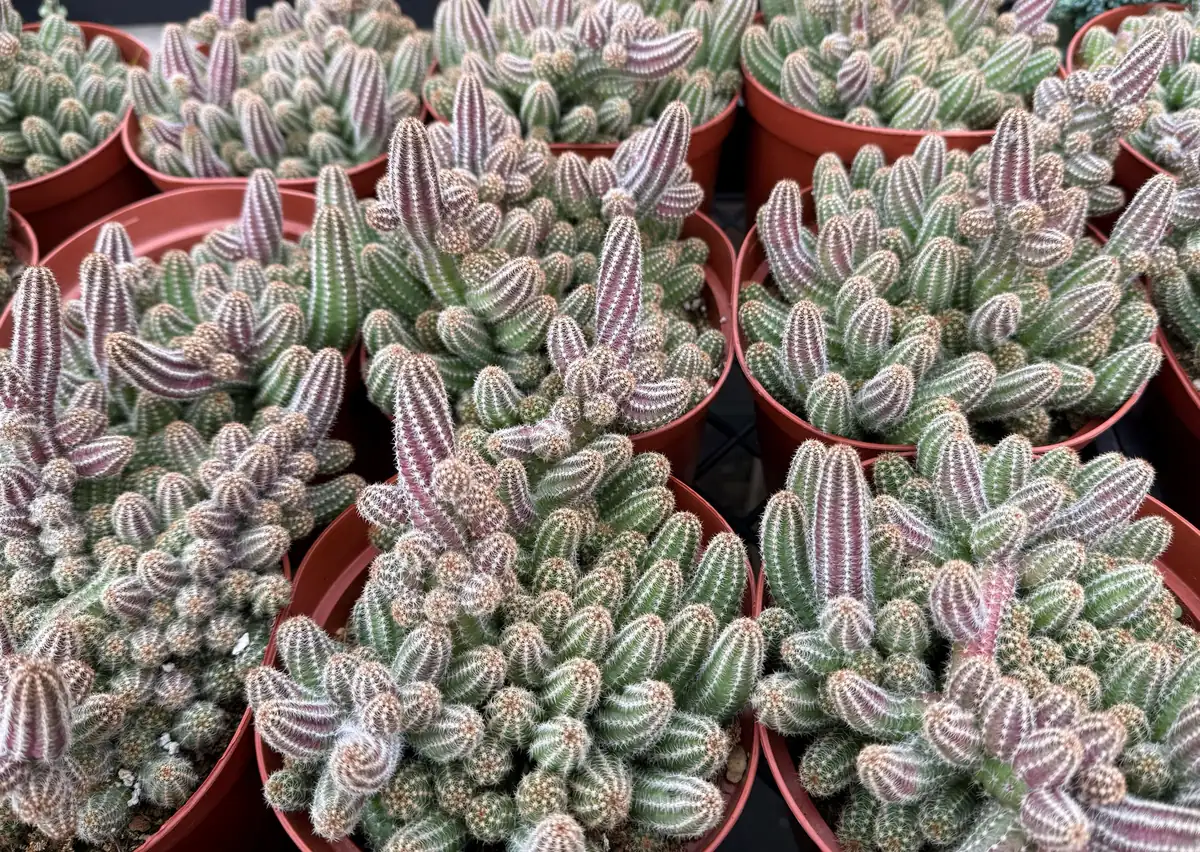
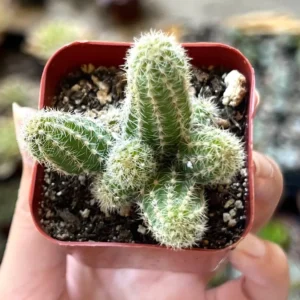
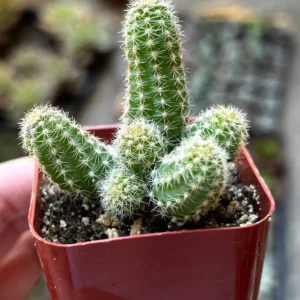
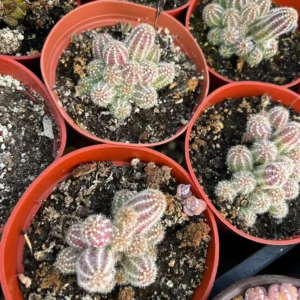
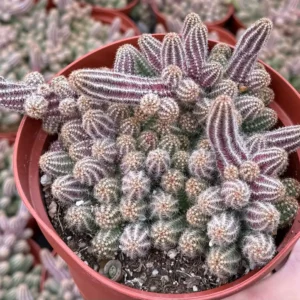
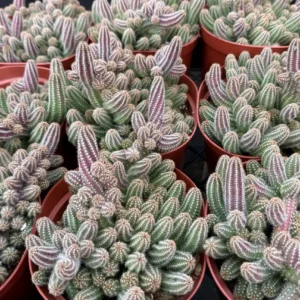
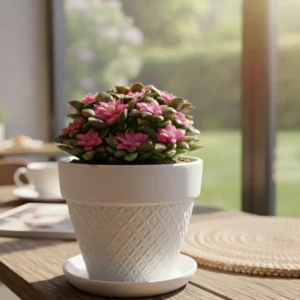
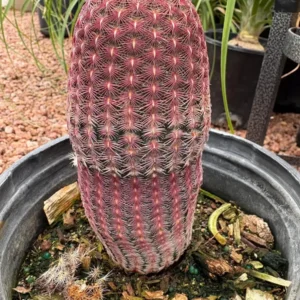
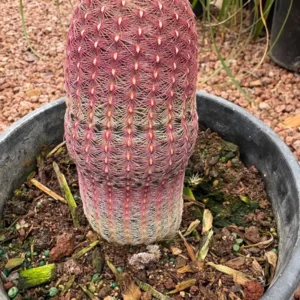
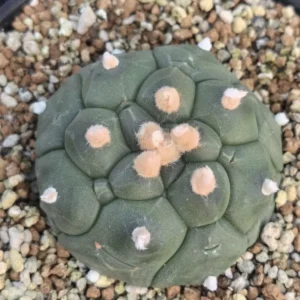
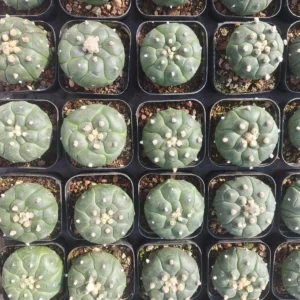
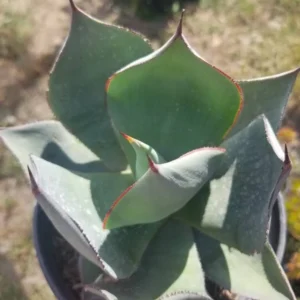
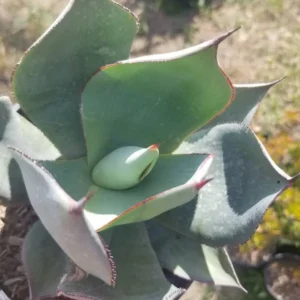
This offering includes a vibrant peanut cactus live plant, ready to thrive in your home. Each plant is carefully selected for health and vitality, presenting a similar appearance to the one pictured. The plants are provided in various common pot sizes: 2-inch, 4-inch, or 6-inch nursery pots, giving you flexibility for display and growth. These sizes are ideal for establishing the plant and allowing it room to grow and cluster. The cylindrical stems typically grow in a clumping habit, forming large colonies over time, with individual segments being somewhat flattened and having rounded edges. The stems can be green or bluish-green, adorned with small bumps or protuberances. While the plant may not have flowers or flower buds upon arrival, it typically blooms in spring or summer, producing showy flowers up to 2 inches (5 cm) in diameter.
The minimalist cactus is shipped as a rooted plant in its nursery pot, ensuring minimal transplant shock and immediate readiness for display or repotting into your chosen decorative container. With proper care, these plants are known for their moderate growth rate, gradually expanding their clumping form and offering years of enjoyment. The blooms are usually in shades of pink, red, orange, or yellow, showcasing a funnel-shaped structure with multiple petals. Following the flowers, small, spherical fruits containing tiny black seeds may appear. This compact yet striking plant is a fantastic addition for anyone looking for a unique and manageable succulent.
Frequently Asked Questions
- Q: How big does this peanut cactus live plant get? A: The peanut cactus typically forms dense clusters of cylindrical stems. Individual stems can reach several inches in length, and over time, the clusters can spread to cover a significant area in a pot, making it a substantial yet manageable plant.
- Q: What size pot does it come in? A: Our peanut cactus live plant is available in 2-inch, 4-inch, and 6-inch nursery pots. You can select the size that best fits your preference and current display needs.
- Q: Is this an indoor or outdoor plant? A: While it can be grown outdoors in USDA zones with warm climates, the peanut cactus is primarily cultivated as an indoor houseplant in most regions due to its need for protection from cold temperatures. It makes an excellent minimalist cactus for indoor settings.
- Q: How much sunlight does it need? A: The peanut cactus thrives in bright, indirect light. Avoid harsh, direct afternoon sun, especially during the hottest months, as it can cause sunburn. A spot near an east, south, or west-facing window with filtered light is ideal for optimal growth and flowering.
- Q: Is this plant easy to care for? A: Yes, the peanut cactus live plant is considered very easy to care for, making it suitable for beginners. Its drought-tolerant nature and minimal watering requirements contribute to its low-maintenance appeal. The echinopsis chamaecereus care routine is straightforward.
- Q: How often should I water my dwarf hedgehog cactus? A: Water sparingly. Allow the soil to dry out completely between waterings. In winter, reduce watering significantly. Overwatering is the biggest threat to this succulent.
- Q: What condition will the plant arrive in? A: Your peanut cactus live plant will arrive as a healthy, well-rooted plant in its nursery pot, similar in size and appearance to the product images. We ensure careful packaging to protect it during transit.
- Q: When does the peanut cactus bloom? A: The peanut cactus typically blooms in the spring or summer, producing vibrant flowers that can be pink, red, orange, or yellow. While it may not be blooming upon arrival, consistent care will encourage future flowering.
- Q: Is it good for beginners? A: Absolutely! Its resilience and forgiving nature make it an excellent choice for those new to gardening. It’s truly one of the best easy care succulents available.
- Q: What kind of soil is best for this minimalist cactus? A: A well-draining cactus or succulent potting mix is essential. This type of soil prevents water from accumulating around the roots, which is crucial for the health of your peanut cactus.
| Size | 2" Pot, 4" Pot, 6" Pot |
|---|
Related products
-30%
Original price was: $79.98.$55.98Current price is: $55.98.
-30%
Original price was: $47.98.$33.58Current price is: $33.58.
-40%

Original price was: $19.60.$11.76Current price is: $11.76.
-30%
Original price was: $85.98.$60.18Current price is: $60.18.
-30%
Original price was: $85.98.$60.18Current price is: $60.18.
-97%
Original price was: $316.80.$9.92Current price is: $9.92.
PLANTING & CARE

The Comprehensive Guide to Growing Bay Leaf Plants for a Flavorful Garden
Imagine stepping into your garden, greeted by the earthy aroma of fresh bay leaves, their
09
Feb
Feb

How to Make Comfrey Tea: The Ultimate Organic Plant Food
Growing an organic garden can be surprisingly expensive, especially when most store-bought fertilizers come in
02
Feb
Feb

True Comfrey: 7 Essential Tips Before You Plant This Herb
A staple in permaculture practices across the US, True Comfrey easily earns its reputation as
27
Jan
Jan

7 Heart-Shaped Plants for a Lasting Valentine’s Gift
If you’ve ever bought a bouquet of roses for Valentine’s Day, you know they are
26
Jan
Jan

Best Types of Ivy Plant for Houses: How to Choose the Perfect Ones for Your Home
Are you a garden lover looking to introduce some greenery into your home? Maybe you’ve
14
Nov
Nov

When to Harvest Garlic (Especially Fall-Planted Garlic)
TIMING IS EVERYTHING, they say – and for garlic, that truth hits with surprising accuracy.
13
Nov
Nov

11 of the Best Sweet Potato Varieties to Grow for Your Garden
If you’ve ever tried growing sweet potatoes, you know that picking the right variety can
12
Nov
Nov
Pruning Bougainvillea for Winter
Bougainvillea vines are known for their dazzling display of magenta, orange, and fuchsia bracts that
05
Nov
Nov