Echeveria Raindrops Live Succulent Plant – Rare Pearl-Like Droplets, Rooted, 2-6 inch Pot, Indoor/Outdoor
-30%


Echeveria Raindrops Live Succulent Plant – Rare Pearl-Like Droplets, Rooted, 2-6 inch Pot, Indoor/Outdoor
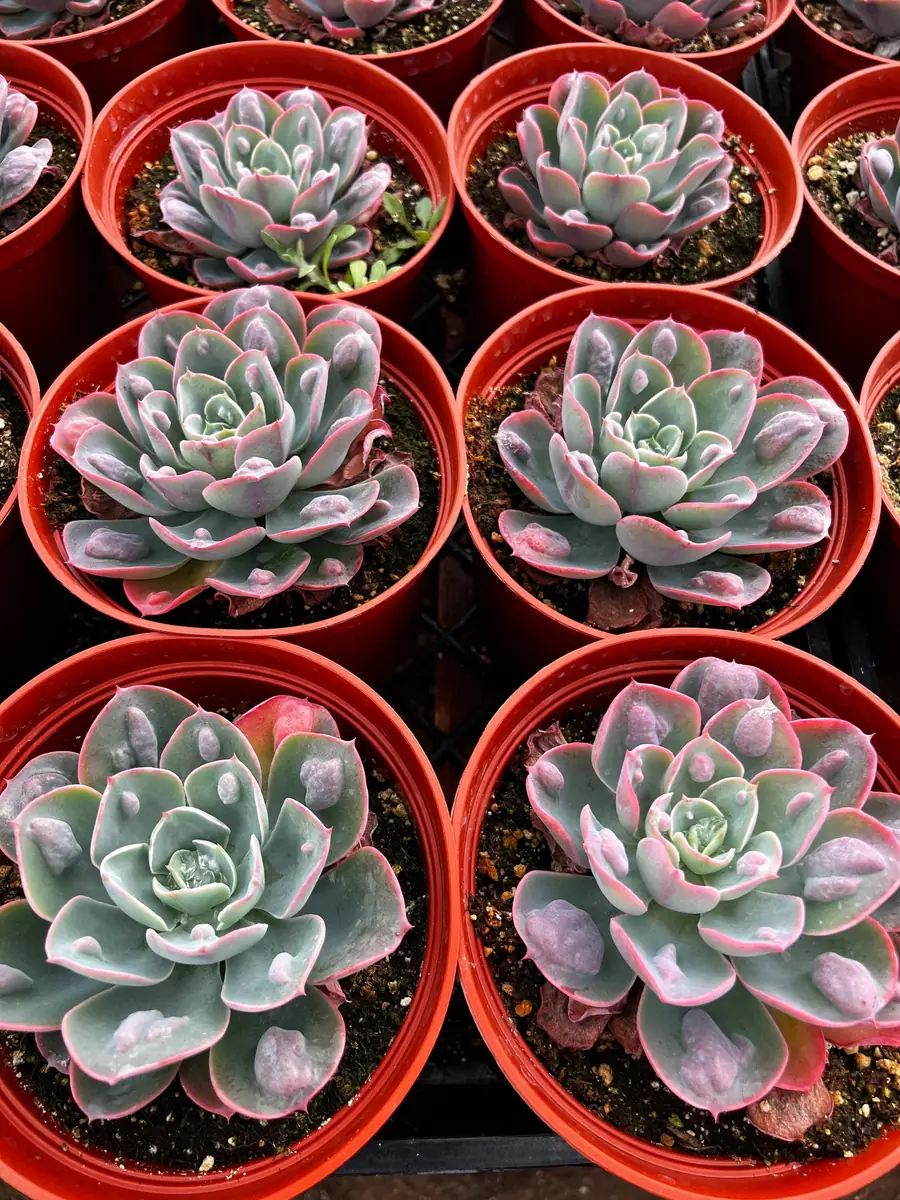
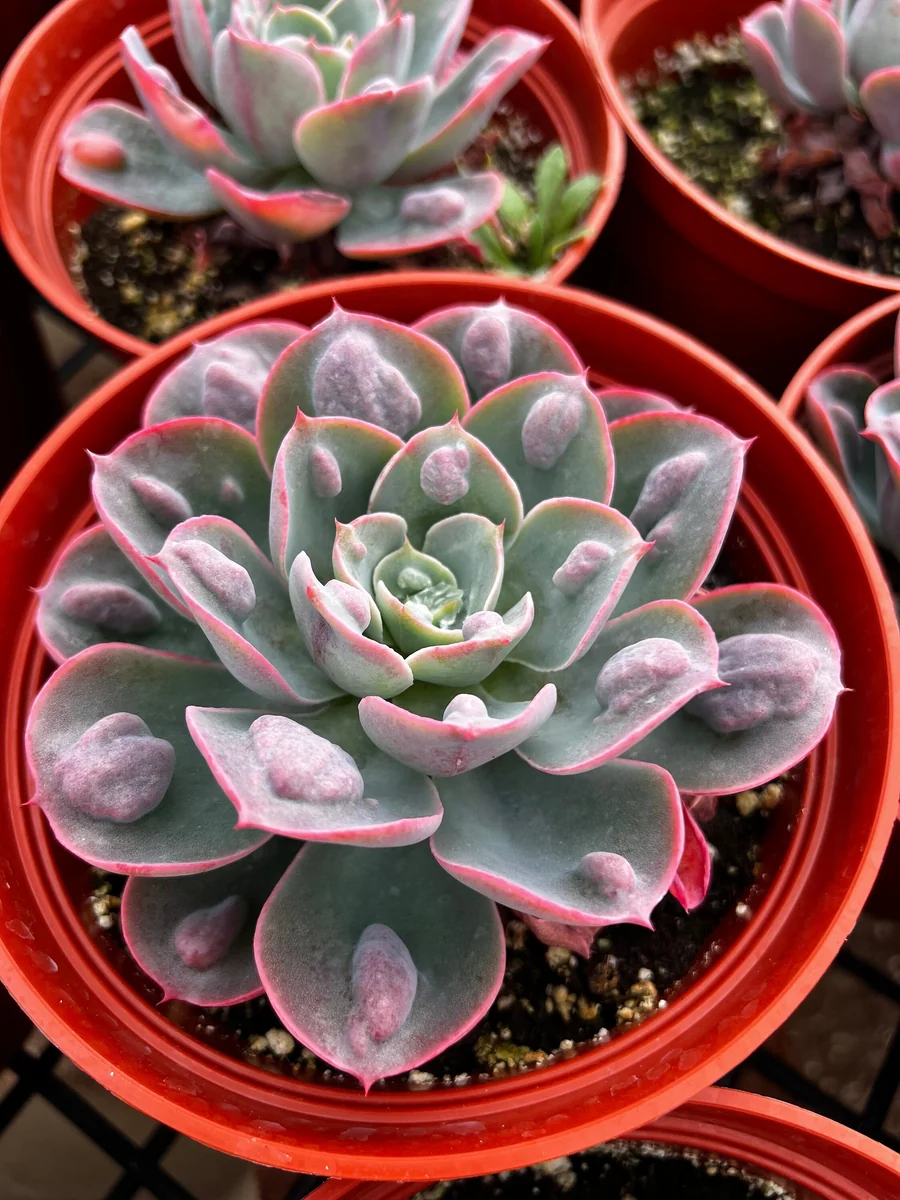
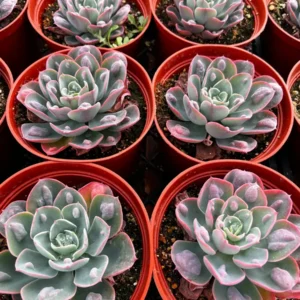
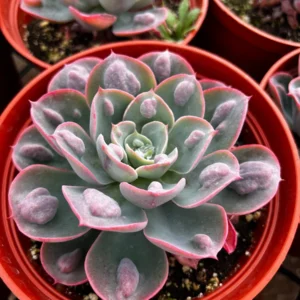
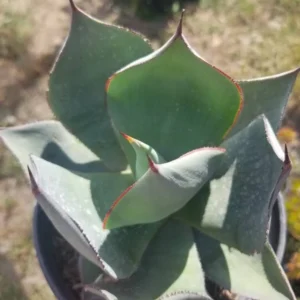
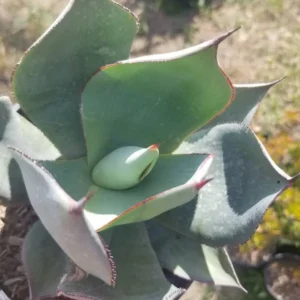
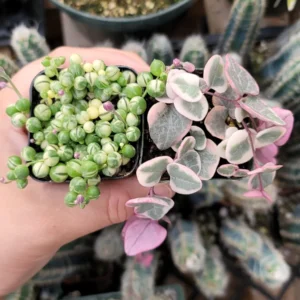
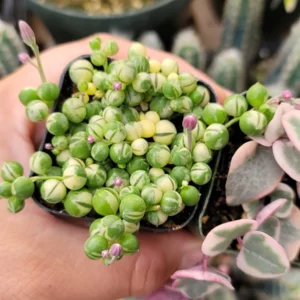
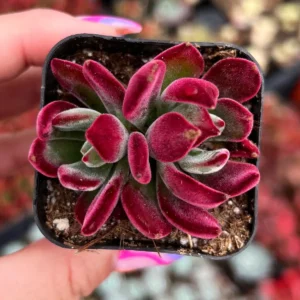
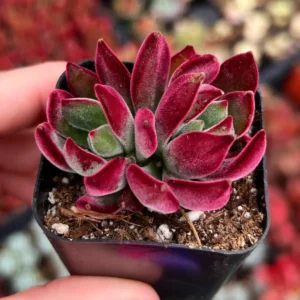
Bring home the captivating Echeveria Raindrops live plant, a truly unique rare Echeveria succulent. This beautiful plant features distinctive blue-green leaves adorned with pearl-like droplets, offering an otherworldly appearance. Ideal for both indoor and outdoor settings, it’s a low-maintenance choice for any plant enthusiast.
From Original price was: $31.96.$22.36Current price is: $22.36.

With our Alive & Thrive Guarantee, we’ve got your back for the first 30 days! If you have any concerns about your plants, just reach out to us. Our team is here to help answer your questions and guide you in selecting the best plants for your garden, climate, and unique preferences. We're excited to help you create the garden of your dreams!
Estimated arrival
Jan 13
Jan 18 - Jan 20
Jan 23 - Jan 27
Product Details
-
USDA Hardiness Zone
USDA zones 9-11 (outdoors) or indoors year-round -
Soil type
Well-draining succulent/cactus mix -
Sunlight Exposure
Bright indirect light -
Expected Planting Period
Year-round indoors; Spring to early summer outdoors
Overview
Introduce a touch of unique beauty to your plant collection with the Echeveria Raindrops live plant. This captivating succulent is celebrated for its distinctive appearance, featuring beautiful blue-green leaves adorned with small, pearl-like droplets. These ‘raindrops’ are actually glandular structures that excrete excess salt and water, giving the plant a truly otherworldly and fascinating look. As a cultivar of the popular Echeveria genus, this plant is a hybrid of Echeveria shaviana and Echeveria pumila, both native to Mexico. It’s a must-have for any enthusiast looking for a rare Echeveria succulent that stands out from the crowd.
The Echeveria Raindrops live plant is not just visually stunning; it’s also a relatively easy-to-care-for succulent, making it suitable for both experienced collectors and beginners. Its compact rosette form and unique foliage make it a perfect centerpiece for a succulent arrangement or a charming addition to a sunny windowsill. This robust plant thrives with minimal attention, rewarding growers with its enduring beauty and distinctive texture. For those seeking an unusual and attractive plant, the Echeveria Raindrops live plant offers an exceptional choice.
Key Benefits
The Echeveria Raindrops live plant offers numerous benefits beyond its striking appearance, making it a valuable addition to any home or garden. Its unique characteristics contribute to its popularity among succulent lovers and plant enthusiasts alike. This rare Echeveria succulent provides long-lasting beauty with minimal effort.
- Unique Aesthetic Appeal: The most striking feature of the Echeveria Raindrops live plant is its distinctive pearl-like droplets covering the blue-green leaves, creating a truly unique and eye-catching texture. This unusual characteristic makes it a conversation starter and a focal point in any plant display.
- Low Maintenance: This succulent is incredibly easy to care for, requiring infrequent watering and thriving on neglect. It’s perfect for busy individuals or those new to plant care, as it tolerates a wide range of conditions with minimal fuss.
- Versatile Placement: Suitable for both indoor and outdoor environments, the Echeveria Raindrops live plant can adorn windowsills, desks, patios, or rock gardens, adapting well to various settings as long as light requirements are met.
- Compact Growth Habit: With its neat rosette shape and compact size (typically 4-6 inches in diameter), this plant is ideal for small spaces, succulent arrangements, or as a charming desk companion.
- Drought Tolerant: Like most succulents, the Echeveria Raindrops live plant is highly drought-tolerant, storing water in its thick, fleshy leaves. This makes it an excellent choice for xeriscaping or for gardeners in arid climates.
- Collector’s Item: Its unique hybrid origin and distinctive features make it a highly sought-after plant among succulent collectors, adding a valuable and interesting specimen to any collection. If you are a succulent plant for collectors, this is an excellent choice.
- Easy Propagation: The plant can be easily propagated from stem cuttings, allowing enthusiasts to expand their collection or share with friends, enhancing its value as a succulent plant for collectors.
Plant Care & Growing Tips
Caring for your Echeveria Raindrops live plant is straightforward, making it a rewarding experience for both novice and experienced gardeners. Understanding its specific needs will ensure your plant thrives and maintains its beautiful, pearl-like appearance. Proper Echeveria plant care is crucial for its longevity.
Sunlight Requirements: This rare Echeveria succulent prefers bright, indirect light. If grown indoors, a south-facing window with some sheer curtain protection or an east/west-facing window will provide adequate light. Outdoors, a spot with morning sun and afternoon shade is ideal, especially in warmer climates, to prevent sunburn. Insufficient light can lead to etiolation (stretching), causing the plant to lose its compact form. Aim for at least 4-6 hours of bright light daily.
Watering Schedule & Soil: The most critical aspect of Echeveria plant care is proper watering. Echeveria Raindrops is highly susceptible to root rot if overwatered. Allow the soil to dry out completely between waterings. When you do water, do so thoroughly until water drains from the bottom of the pot. In summer, this might be every 2-4 weeks, while in winter, it could be as infrequent as once a month or less, depending on humidity and temperature. Use a well-draining soil mix specifically formulated for succulents and cacti. A good mix typically includes perlite or pumice to enhance drainage. Ensure the pot has drainage holes.
Temperature & Hardiness: Echeveria Raindrops thrives in temperatures between 65-80°F (18-27°C). It is not frost-tolerant and should be protected from temperatures below 40°F (4°C). If you live in an area with cold winters, it’s best to grow this succulent plant for collectors in a container that can be brought indoors. Echeveria plant care in colder climates requires vigilance. In terms of USDA hardiness zones, it typically performs best in zones 9-11 if grown outdoors year-round.
Fertilization: Fertilize sparingly, if at all. A balanced, diluted succulent fertilizer (half strength) can be applied once in spring or early summer during the active growing season. Avoid fertilizing in fall and winter when the plant is dormant. Over-fertilization can lead to leggy growth and chemical burns. For pest management, inspect your plant regularly for common succulent pests like mealybugs or aphids. Treat any infestations promptly with insecticidal soap or neem oil.
Size & Details
The Echeveria Raindrops live plant is typically sold as a rooted plant, ready for transplanting into your preferred container. Plants are available in various pot sizes, such as 2-inch, 4-inch, or 6-inch nursery pots, allowing you to select the appropriate size for your needs. The compact rosette form typically reaches a diameter of approximately 4-6 inches when mature, with thick and fleshy leaves that can vary in color from blue-gray to green-gray, influenced by light exposure. This unique coloring, combined with the distinctive pearl-like droplets, ensures it remains a captivating specimen.
When you receive your rare Echeveria succulent, it will be a similar size to plants depicted in typical product images, ensuring you get a healthy, established specimen. The growth rate is moderate, and with proper Echeveria plant care, it will maintain its compact, appealing shape. This makes it an ideal succulent plant for collectors who appreciate unique forms and manageable sizes. It’s a long-lived plant that will continue to enhance your living space or garden for many years with minimal fuss.
Frequently Asked Questions
- Q: How big does the Echeveria Raindrops live plant get? A: The Echeveria Raindrops live plant typically forms a compact rosette that grows to about 4-6 inches in diameter. Its size can vary slightly depending on growing conditions and pot size.
- Q: Is this an indoor or outdoor plant? A: This rare Echeveria succulent can be grown both indoors and outdoors. If grown outdoors, ensure it is protected from frost and receives appropriate sunlight. Indoors, place it near a bright window.
- Q: How much sunlight does it need? A: The Echeveria Raindrops thrives in bright, indirect light for at least 4-6 hours daily. Direct scorching afternoon sun should be avoided, especially in hot climates, to prevent leaf burn.
- Q: Is this plant easy to care for? A: Yes, the Echeveria Raindrops live plant is considered relatively easy to care for, making it a great choice for beginners and experienced succulent enthusiasts alike. The key is to avoid overwatering.
- Q: What condition will it arrive in? A: Your plant will arrive as a rooted specimen, similar in size to what is shown in typical product images. It will be carefully packaged to ensure its safe arrival.
- Q: Is it shipped in soil? A: Typically, the Echeveria Raindrops live plant is shipped as a rooted plant, often in its nursery pot with some soil to maintain its health during transit.
- Q: When is the best time to plant or re-pot this succulent? A: The best time to plant or re-pot your Echeveria Raindrops live plant is during its active growing season, which is typically spring or early summer.
- Q: What kind of soil is best for Echeveria Raindrops? A: A well-draining soil mix specifically designed for succulents and cacti is ideal. This usually contains ingredients like perlite or pumice to prevent waterlogging.
- Q: Will it survive winter in my zone? A: This rare Echeveria succulent is not frost-tolerant. If you live in USDA zones below 9, it’s recommended to bring the plant indoors during colder months or protect it from freezing temperatures.
- Q: Why are there ‘droplets’ on the leaves? A: The unique ‘droplets’ on the leaves of the Echeveria Raindrops live plant are glandular structures that excrete excess salts and water, giving the plant its distinctive and beautiful appearance.
| Size | 2“ Pot, 4” Pot |
|---|
Related products
-30%
Original price was: $79.98.$55.98Current price is: $55.98.
-30%
Original price was: $85.98.$60.18Current price is: $60.18.
PLANTING & CARE

Best Types of Ivy Plant for Houses: How to Choose the Perfect Ones for Your Home
Are you a garden lover looking to introduce some greenery into your home? Maybe you’ve
14
Nov
Nov

When to Harvest Garlic (Especially Fall-Planted Garlic)
TIMING IS EVERYTHING, they say – and for garlic, that truth hits with surprising accuracy.
13
Nov
Nov

11 of the Best Sweet Potato Varieties to Grow for Your Garden
If you’ve ever tried growing sweet potatoes, you know that picking the right variety can
12
Nov
Nov

The Comprehensive Guide to Growing Bay Leaf Plants for a Flavorful Garden
Imagine stepping into your garden, greeted by the earthy aroma of fresh bay leaves, their
10
Nov
Nov
Pruning Bougainvillea for Winter
Bougainvillea vines are known for their dazzling display of magenta, orange, and fuchsia bracts that
05
Nov
Nov
The Comprehensive Guide to Growing Clerodendrum Wallichii for a Stunning Garden
Imagine walking into a garden where delicate white flowers hang from graceful branches, their petals
03
Nov
Nov
8 Mistakes to Avoid When Planting Garlic That 90% of Gardeners Make
Planting garlic can be a rewarding experience, but many gardeners, especially beginners, end up making
29
Oct
Oct
Garlic Varieties: Everything You Need to Know Before Choosing the Right Type to Grow
If you’ve ever tried growing garlic, you know that choosing the right variety can make
28
Oct
Oct