Lily of the Valley Bulbs – Convallaria majalis – Fragrant, Easy Care Perennial – Zone 3-7
Lily of the Valley Bulbs – Convallaria majalis – Fragrant, Easy Care Perennial – Zone 3-7
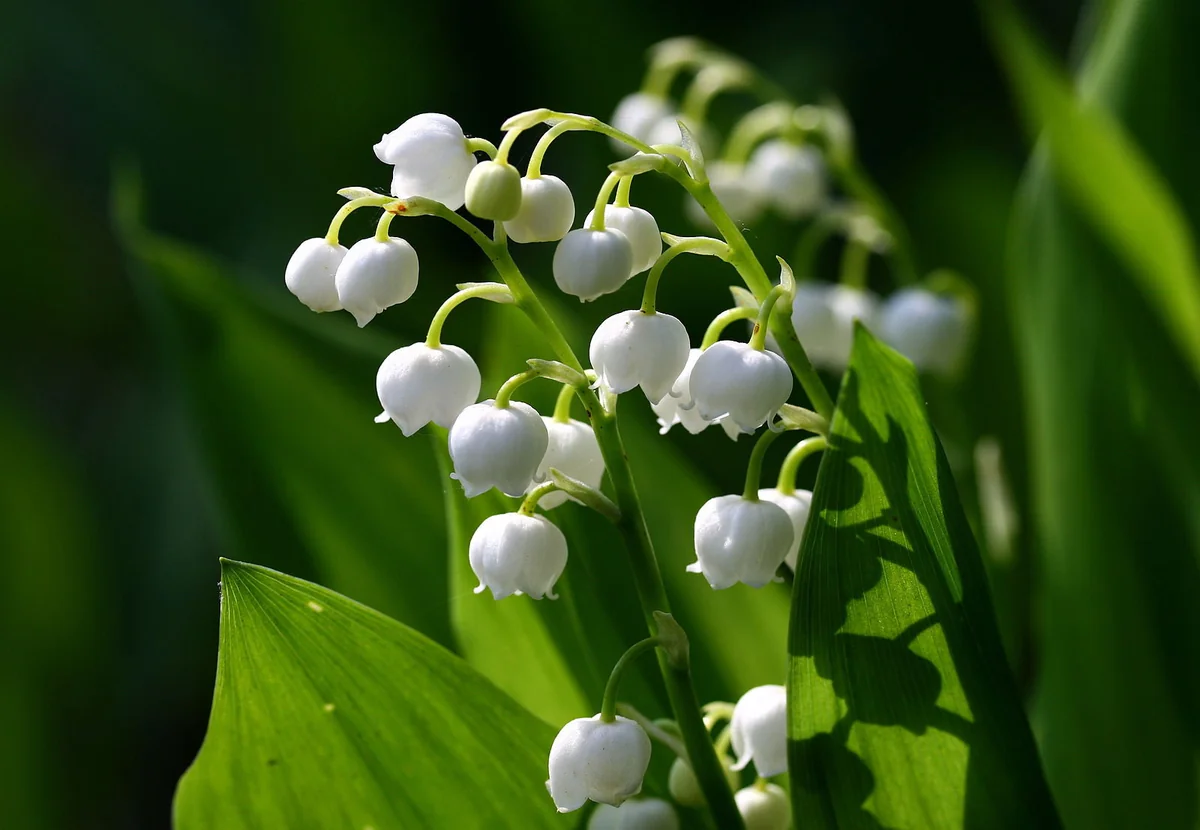
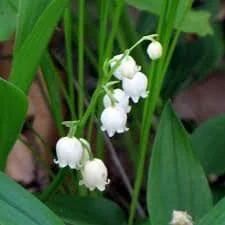
Plant lily of the valley bulbs for delightful, bell-shaped white flowers and a sweet fragrance that signals spring. These convallaria majalis bulbs establish quickly, forming an attractive groundcover in shady areas. Perfect for woodland gardens, borders, or under trees, they are an easy care perennial for zones 3-7.
From $79.80

With our Alive & Thrive Guarantee, we’ve got your back for the first 30 days! If you have any concerns about your plants, just reach out to us. Our team is here to help answer your questions and guide you in selecting the best plants for your garden, climate, and unique preferences. We're excited to help you create the garden of your dreams!
Estimated arrival
Jan 13
Jan 18 - Jan 20
Jan 23 - Jan 27


Product Details
-
USDA Hardiness Zone
3-7 -
Soil type
Moist, well-draining soil rich in organic matter -
Sunlight Exposure
Partial to full shade -
Expected Planting Period
Fall to early spring
Overview
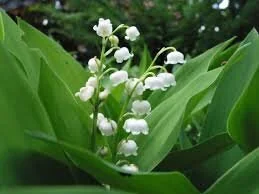
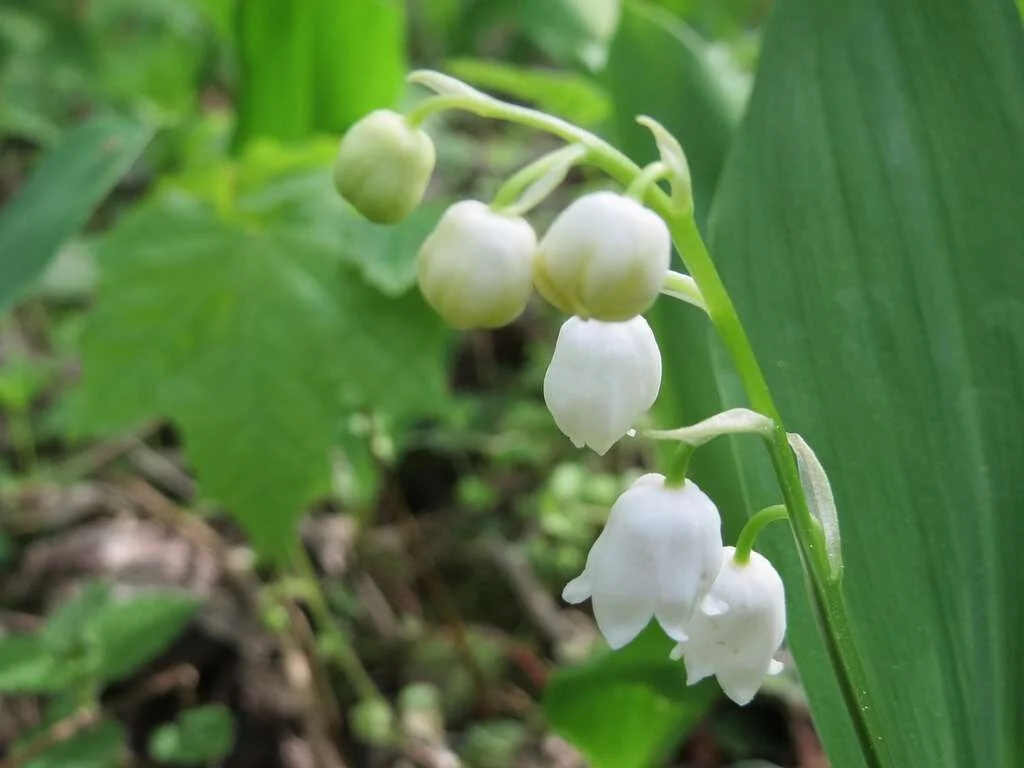
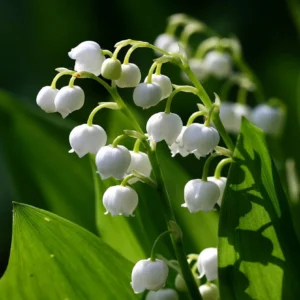
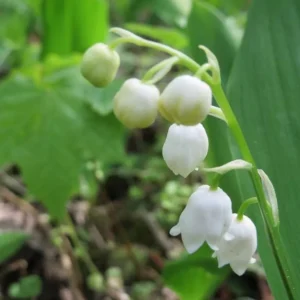
Introduce timeless elegance and enchanting fragrance to your garden with lily of the valley bulbs. Scientifically known as Convallaria majalis, this exquisite perennial is cherished for its delicate, nodding white bells that emerge in mid-spring, accompanied by broad, lush green leaves. Often associated with purity and happiness, lily of the valley creates a charming carpet of foliage and blooms, thriving in shaded environments where many other plants struggle. These bulbs are an ideal choice for gardeners seeking a low-maintenance, yet highly rewarding, addition to their landscape. They naturalize beautifully, spreading to form dense colonies that suppress weeds and provide continuous beauty year after year.
Our lily of the valley bulbs are ready to plant, promising a display of fragrant flowers that will captivate your senses. This robust plant is known for its resilience and ability to flourish with minimal intervention once established, making it an excellent option for both novice and experienced gardeners. Whether you’re aiming to fill a shady corner, create a fragrant border, or add a touch of classic charm to your outdoor space, Convallaria majalis delivers an unparalleled performance. Its ability to bloom in its first year post-planting adds to its appeal, offering immediate gratification.
Key Benefits
The allure of lily of the valley bulbs extends beyond their beauty, offering numerous advantages for your garden and well-being. These benefits make them a highly sought-after perennial:
- Enchanting Fragrance: The most prominent feature is their intensely sweet and captivating fragrance, which can perfume an entire garden space, creating a delightful sensory experience during spring.
- Shade Tolerance: Thrives in partial to full shade, making it an excellent solution for difficult-to-plant areas under trees, along north-facing walls, or in woodland gardens where other flowering plants may struggle.
- Easy Care Perennial: Once established, lily of the valley requires very little maintenance, tolerating a range of soil conditions and needing minimal watering, making it an ideal choice for busy gardeners.
- Beautiful Groundcover: Its lush green foliage forms a dense, attractive mat that effectively suppresses weeds and adds a refined texture to the garden floor.
- Attracts Pollinators: While primarily self-pollinating, its fragrant flowers can attract beneficial insects, including some butterflies, contributing to garden biodiversity.
- Deer and Rabbit Resistant: The plant’s natural compounds act as a deterrent to common garden pests like deer and rabbits, protecting your investment.
- Long-Lived: A true perennial, Convallaria majalis returns year after year, spreading gracefully and increasing its display over time, providing lasting beauty.
Plant Care & Growing Tips
Caring for your lily of the valley bulbs is straightforward, ensuring a bountiful display of fragrant blooms each spring. These resilient plants are quite forgiving, but providing optimal conditions will maximize their vigor and spread. For successful growth, focus on proper site selection and consistent moisture during establishment.
Sunlight Requirements: Convallaria majalis prefers partial to full shade. While it can tolerate some morning sun, direct afternoon sun, especially in warmer climates, can scorch its leaves. Ideal locations include under deciduous trees, on the north side of a building, or in dappled shade throughout the day. Too much sun can reduce flowering and cause foliage to yellow prematurely. For an optimal display of the fragrant shade plant, aim for locations with 2-4 hours of indirect sunlight or filtered light.
Watering and Soil: Lily of the Valley thrives in consistently moist, well-draining soil rich in organic matter. While it tolerates various soil types, a slightly acidic to neutral pH (6.0-7.0) is ideal. Amend heavy clay soils with compost or peat moss to improve drainage, and sandy soils to enhance moisture retention. Water regularly after planting, keeping the soil evenly moist but not waterlogged. Once established, it is relatively drought-tolerant but will perform best with occasional watering during dry spells. Ensure good air circulation to prevent fungal issues.
Temperature and Hardiness: These bulbs are incredibly cold-hardy, thriving in USDA Zones 3-7. They require a period of cold dormancy to initiate flowering. Protect from extreme heat by ensuring adequate shade and moisture. Apply a layer of mulch in late fall to help insulate the bulbs through winter and retain soil moisture in summer. This helps in maintaining the health of your easy care perennial through seasonal changes.
Size & Details
These lily of the valley bulbs will develop into charming plants with an upright habit, typically reaching a height of 8 to 10 inches and spreading 4 to 6 inches wide. The individual blooms are small, about 0.5 inches in size, but appear in clusters, creating a striking visual impact. Expect blooms to begin in mid-spring, often in the first year after planting, especially under favorable conditions. These bulbs are shipped in a pack of 3, ready to be planted upon arrival. They are ideal for creating a naturalized look, and their ability to bloom early in the season makes them a valuable addition to any garden looking for early spring interest.
The growth rate is moderate, with plants establishing well in the first year and beginning to spread more vigorously in subsequent years. They are known for their ability to form dense colonies over time, making them an excellent choice for a long-term groundcover solution. The plant’s strong root system helps it to withstand various environmental stresses once established.
Frequently Asked Questions
- Q: How big does this plant get? A: Lily of the Valley typically grows to a height of 8-10 inches and spreads about 4-6 inches wide per plant. Over time, it will form a dense groundcover.
- Q: Is this an indoor or outdoor plant? A: Convallaria majalis is primarily an outdoor plant, best suited for garden beds, borders, and woodland settings. It requires a cold dormancy period to thrive and bloom.
- Q: How much sunlight does it need? A: This plant prefers partial to full shade. It can tolerate some morning sun but should be protected from harsh afternoon sun to prevent leaf scorch. This is key for a healthy fragrant shade plant.
- Q: Is this plant easy to care for? A: Yes, lily of the valley is considered an easy care perennial. Once established, it requires minimal maintenance, making it suitable for beginners.
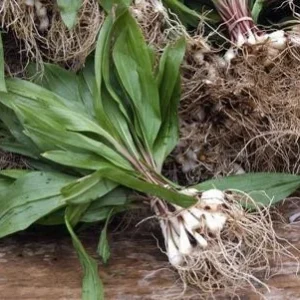
- Q: What condition will the bulbs arrive in? A: The lily of the valley bulbs will arrive in a pack of 3, ready for immediate planting. They are typically dormant and will sprout once planted in suitable conditions.
- Q: How long until it blooms? A: Many lily of the valley bulbs will bloom in their first spring after planting, provided they are established in good conditions. Full establishment and vigorous blooming usually occur by the second year.
- Q: When is the best time to plant lily of the valley bulbs? A: The optimal time for planting is in the fall or early spring. Fall planting allows the bulbs to establish roots before winter, while early spring planting allows them to emerge with the warmer weather.
- Q: Will it survive winter in my zone? A: Yes, Convallaria majalis is hardy in USDA Zones 3-7, meaning it is well-equipped to survive cold winters in these regions. It requires the cold for its dormancy cycle.
- Q: What type of soil does lily of the valley prefer? A: It thrives in moist, well-draining soil that is rich in organic matter. A slightly acidic to neutral pH is ideal for these lily of the valley bulbs.
- Q: Are lily of the valley plants toxic? A: Yes, all parts of the Convallaria majalis plant are considered toxic if ingested. It’s important to keep this in mind if you have pets or small children.
| Quantity | 10, 15, 3, 5 |
|---|
Related products
-50%
Original price was: $87.96.$43.98Current price is: $43.98.
-60%
Original price was: $69.99.$27.99Current price is: $27.99.
-50%
Original price was: $63.96.$31.98Current price is: $31.98.
-60%
Original price was: $69.99.$27.99Current price is: $27.99.
-50%

Original price was: $79.96.$39.98Current price is: $39.98.
PLANTING & CARE

Best Types of Ivy Plant for Houses: How to Choose the Perfect Ones for Your Home
Are you a garden lover looking to introduce some greenery into your home? Maybe you’ve
14
Nov
Nov

When to Harvest Garlic (Especially Fall-Planted Garlic)
TIMING IS EVERYTHING, they say – and for garlic, that truth hits with surprising accuracy.
13
Nov
Nov

11 of the Best Sweet Potato Varieties to Grow for Your Garden
If you’ve ever tried growing sweet potatoes, you know that picking the right variety can
12
Nov
Nov

The Comprehensive Guide to Growing Bay Leaf Plants for a Flavorful Garden
Imagine stepping into your garden, greeted by the earthy aroma of fresh bay leaves, their
10
Nov
Nov
Pruning Bougainvillea for Winter
Bougainvillea vines are known for their dazzling display of magenta, orange, and fuchsia bracts that
05
Nov
Nov
The Comprehensive Guide to Growing Clerodendrum Wallichii for a Stunning Garden
Imagine walking into a garden where delicate white flowers hang from graceful branches, their petals
03
Nov
Nov
8 Mistakes to Avoid When Planting Garlic That 90% of Gardeners Make
Planting garlic can be a rewarding experience, but many gardeners, especially beginners, end up making
29
Oct
Oct
Garlic Varieties: Everything You Need to Know Before Choosing the Right Type to Grow
If you’ve ever tried growing garlic, you know that choosing the right variety can make
28
Oct
Oct