Thyme Live Herb Plant 7″ Height – Perennial USDA Zones 5-9
-50%
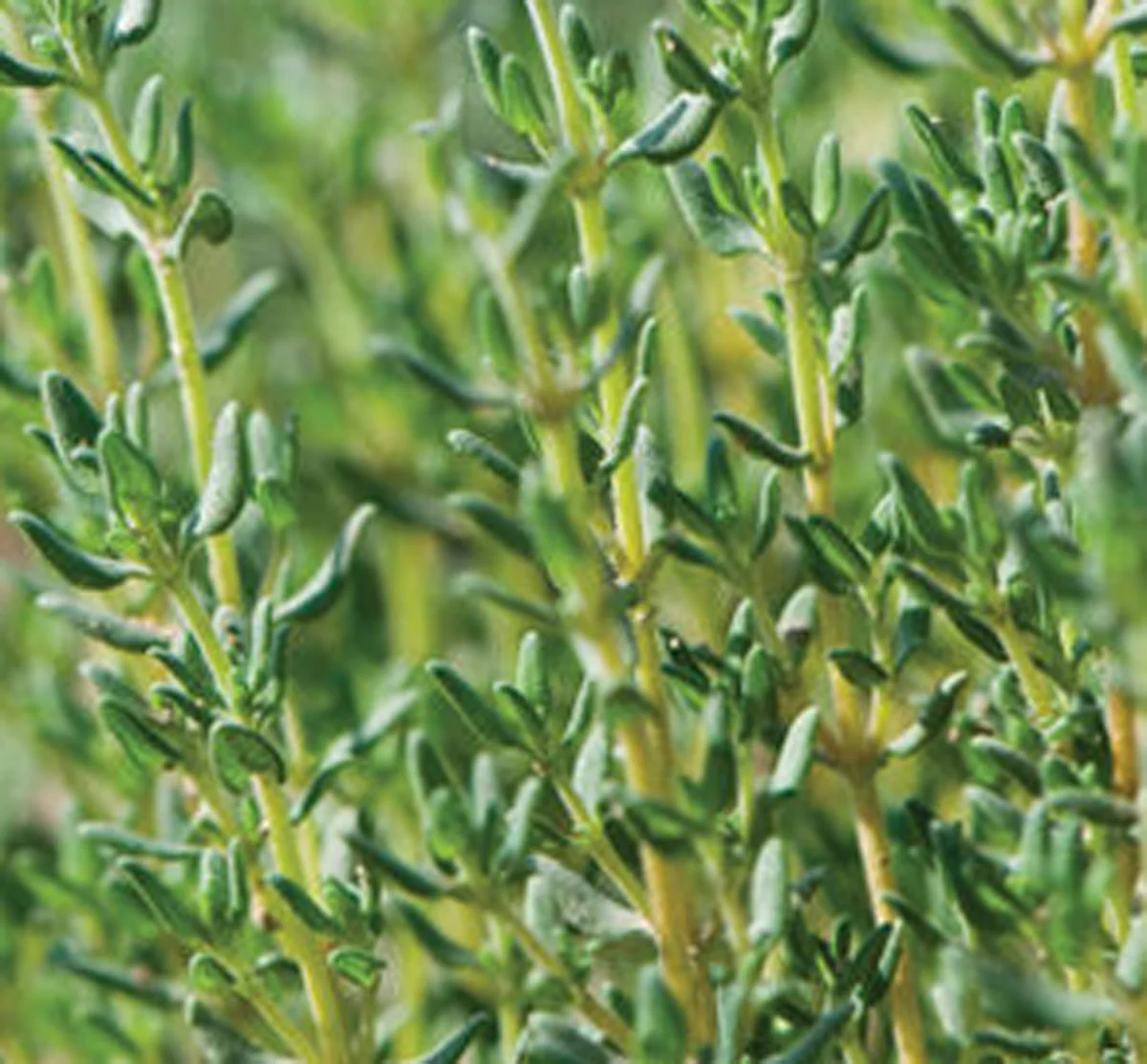
Thyme Live Herb Plant 7″ Height – Perennial USDA Zones 5-9
Bring home a fragrant thyme herb plant, standing 7″ tall in a 3.5″ pot. This versatile live thyme plant is a perennial favorite for both culinary and medicinal applications, thriving in USDA Zones 5-9. Enjoy its distinct aroma and beautiful foliage in your garden or kitchen.
Original price was: $79.80.$39.90Current price is: $39.90.

With our Alive & Thrive Guarantee, we’ve got your back for the first 30 days! If you have any concerns about your plants, just reach out to us. Our team is here to help answer your questions and guide you in selecting the best plants for your garden, climate, and unique preferences. We're excited to help you create the garden of your dreams!
Estimated arrival
Mar 11
Mar 16 - Mar 18
Mar 21 - Mar 25
Product Details
-
USDA Hardiness Zone
5-9 -
Soil type
Well-draining, sandy loam -
Sunlight Exposure
Full sun -
Expected Planting Period
Spring to early summer outdoors; year-round indoors
Overview
Cultivate the aromatic and versatile thyme herb plant in your own garden or kitchen. Known botanically as Thymus vulgaris, this popular herb is cherished for its distinct fragrance and robust flavor, making it an essential addition to any culinary enthusiast’s collection. Our live thyme plant arrives at a healthy 7″ height in a 3.5″ pot, ready to be transplanted and thrive. Thyme is a hardy perennial, meaning it will return year after year, offering continuous harvests and evergreen beauty in many climates. Its small, delicate leaves and sometimes tiny flowers add texture and interest wherever it grows.
Originally from the Mediterranean region, thyme has a rich history of use in cooking, traditional medicine, and even as an ornamental ground cover. This particular variety is well-suited for US customers, adaptable to a range of growing conditions and offering a rewarding experience for both novice and experienced gardeners. Whether you’re looking to add a fresh ingredient to your dishes or enjoy the natural beauty of a fragrant herb, this thyme herb plant is an excellent choice.
Key Benefits
Adding a thyme herb plant to your home or garden offers a multitude of advantages, from enhancing your cooking to providing a natural aesthetic. This easy-to-grow perennial is a true workhorse in the plant world, delivering consistent value and enjoyment. The benefits of owning a live thyme plant are numerous:
- Culinary Versatility: Thyme is a staple in many cuisines, from French to Mediterranean. Its earthy, slightly minty flavor pairs wonderfully with meats, vegetables, soups, and stews. Having fresh thyme on hand elevates any dish.
- Medicinal Properties: Historically, thyme has been used for various ailments. Its essential oils contain compounds like thymol, which is known for its antiseptic and antimicrobial properties. It’s often used in teas for coughs and colds.
- Aromatic Appeal: The distinct, pleasant aroma of thyme is released when its leaves are brushed or crushed, making it a delightful addition to sensory gardens or near pathways. Its fragrance can also deter certain garden pests.
- Drought Tolerance & Hardiness: Once established, thyme is remarkably drought-tolerant and can withstand various conditions. As a perennial thyme, it requires minimal intervention to return year after year, making it a low-maintenance choice.
- Attractive Groundcover: Many thyme varieties, including this one, can form a lovely, low-growing mat, making it an excellent choice for groundcover in sunny areas, rock gardens, or between stepping stones.
- Pollinator Friendly: When it flowers, thyme produces tiny blooms that are highly attractive to bees and other beneficial pollinators, contributing to the biodiversity of your garden.
- Ease of Growth: Thyme is relatively undemanding, making it suitable for gardeners of all skill levels. With proper care, your live thyme plant will flourish and provide fresh herbs for years to come.
Plant Care & Growing Tips
Caring for your thyme herb plant is straightforward, ensuring a bountiful supply of fresh herbs. Thyme thrives in conditions that mimic its native Mediterranean habitat, preferring plenty of sunshine and well-drained soil. When planting, choose a location that receives at least 6 hours of direct sunlight per day. If growing indoors, place it near a south-facing window or under a grow light. Adequate light is crucial for healthy growth and potent flavor development in your perennial thyme.
Watering is key to successful thyme cultivation. While the plant prefers moist soil, it absolutely abhors wet feet, which can lead to root rot. Allow the soil to dry out completely between waterings. When you do water, do so deeply until water drains from the bottom of the pot. For outdoor plants, natural rainfall might be sufficient, but supplemental watering during dry spells is beneficial. The ideal soil for a thyme herb plant is light, sandy, and well-draining, with a slightly alkaline to neutral pH. Incorporating sand or grit into heavy soils can improve drainage significantly. This culinary thyme is hardy in USDA Hardiness Zones 5-9, meaning it can withstand winter temperatures in these regions.
Thyme generally doesn’t require heavy fertilization. A light feeding with a balanced, organic fertilizer in the spring is usually sufficient, especially if your soil is poor. Over-fertilization can reduce the intensity of its aromatic oils. Pruning is important for maintaining a bushy shape and encouraging new growth. After flowering, trim back about one-third of the plant. Regular harvesting of the leaves also acts as a form of pruning, promoting a healthier and more productive live thyme plant. Watch out for common pests like spider mites or aphids, though thyme is generally quite resilient. Good air circulation and proper watering can prevent most issues.
Size & Details
This offering is for one healthy thyme herb plant, standing approximately 7 inches in height from the base of the pot to the top of the foliage. It is potted in a standard 3.5-inch nursery container, providing ample space for its initial root development before transplanting. As a perennial, this perennial thyme will continue to grow and expand. When mature, it typically reaches a height of 6-12 inches and can spread up to 18 inches, forming an attractive, low-growing mound or groundcover. The plant ships as a live, established specimen, ready for immediate planting in a larger pot or directly into your garden bed.
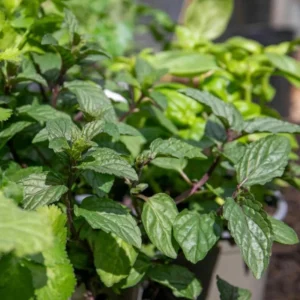
Thyme has a moderate growth rate and will quickly settle into its new environment. It is a long-lived herb, providing many years of enjoyment with proper care. The foliage is small, oval, and typically green, sometimes with a grayish tint. Flowers, if they appear, are usually tiny and range from white to pale pink or lavender, attracting beneficial insects. This live thyme plant is perfect for adding to herb gardens, rockeries, containers, or as an aromatic border plant. Its robust nature makes it a reliable choice for various landscaping and culinary needs, offering continuous harvest potential.
Frequently Asked Questions
- Q: How big does this plant get? A: This thyme herb plant arrives at approximately 7 inches tall. When mature, it typically grows to about 6-12 inches in height and can spread up to 18 inches, forming a lovely, dense mat.
- Q: What size pot does it come in? A: The live thyme plant is shipped in a 3.5-inch nursery pot, providing a good foundation for its initial growth. It will need to be transplanted into a larger pot or directly into the garden.
- Q: Is this an indoor or outdoor plant? A: Thyme is primarily an outdoor plant, thriving in full sun. However, it can be grown indoors in a sunny window or under grow lights, especially if you want fresh culinary thyme during colder months.
- Q: How much sunlight does it need? A: For optimal growth and flavor, your thyme herb plant requires at least 6 hours of direct sunlight per day. More sun generally leads to more aromatic foliage.
- Q: Is this plant easy to care for? A: Yes, thyme is considered a very easy-to-care-for herb. It is drought-tolerant and requires minimal fertilization, making it an excellent choice for beginners and busy gardeners looking for thyme care.
- Q: Can I use this thyme in cooking? A: Absolutely! This is a standard culinary thyme variety. Its leaves and flowers are perfect for flavoring a wide range of dishes, from roasted vegetables to savory meats and stews.
- Q: Is it pet-safe? A: Thyme is generally considered non-toxic to cats and dogs, though large quantities might cause mild stomach upset. Always monitor your pets around new plants.
- Q: How long until it blooms? A: Thyme plants typically flower in late spring to early summer. The small flowers are often white, pink, or lavender and attract pollinators.
- Q: Will it survive winter in my zone? A: This perennial thyme is hardy in USDA Zones 5-9. In these zones, it will typically survive winter and return in the spring. In colder zones, it may need protection or to be brought indoors.
- Q: What’s the best time to plant? A: The best time to plant your thyme herb plant outdoors is in spring after the last frost, or in early fall in warmer climates. Indoor planting can be done year-round.
Related products
-67%
Original price was: $75.72.$25.24Current price is: $25.24.
-50%
Original price was: $27.96.$13.98Current price is: $13.98.
-10%
Original price was: $23.99.$21.59Current price is: $21.59.
-30%
Original price was: $59.98.$41.98Current price is: $41.98.
-30%
Original price was: $59.98.$41.98Current price is: $41.98.
-67%
From Original price was: $35.22.$11.74Current price is: $11.74.
-10%
Original price was: $75.00.$67.50Current price is: $67.50.
-10%
Original price was: $11.99.$10.79Current price is: $10.79.
PLANTING & CARE

The Comprehensive Guide to Growing Bay Leaf Plants for a Flavorful Garden
Imagine stepping into your garden, greeted by the earthy aroma of fresh bay leaves, their
09
Feb
Feb

How to Make Comfrey Tea: The Ultimate Organic Plant Food
Growing an organic garden can be surprisingly expensive, especially when most store-bought fertilizers come in
02
Feb
Feb

True Comfrey: 7 Essential Tips Before You Plant This Herb
A staple in permaculture practices across the US, True Comfrey easily earns its reputation as
27
Jan
Jan

7 Heart-Shaped Plants for a Lasting Valentine’s Gift
If you’ve ever bought a bouquet of roses for Valentine’s Day, you know they are
26
Jan
Jan

Best Types of Ivy Plant for Houses: How to Choose the Perfect Ones for Your Home
Are you a garden lover looking to introduce some greenery into your home? Maybe you’ve
14
Nov
Nov

When to Harvest Garlic (Especially Fall-Planted Garlic)
TIMING IS EVERYTHING, they say – and for garlic, that truth hits with surprising accuracy.
13
Nov
Nov

11 of the Best Sweet Potato Varieties to Grow for Your Garden
If you’ve ever tried growing sweet potatoes, you know that picking the right variety can
12
Nov
Nov
Pruning Bougainvillea for Winter
Bougainvillea vines are known for their dazzling display of magenta, orange, and fuchsia bracts that
05
Nov
Nov