Allium Mix Bulbs – Purple Flower Bulbs, Deer Resistant, 32-36″ Tall, Zones 4-10
-50%
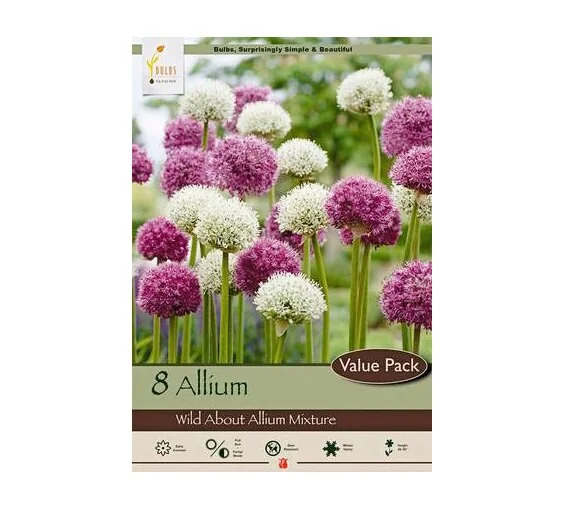
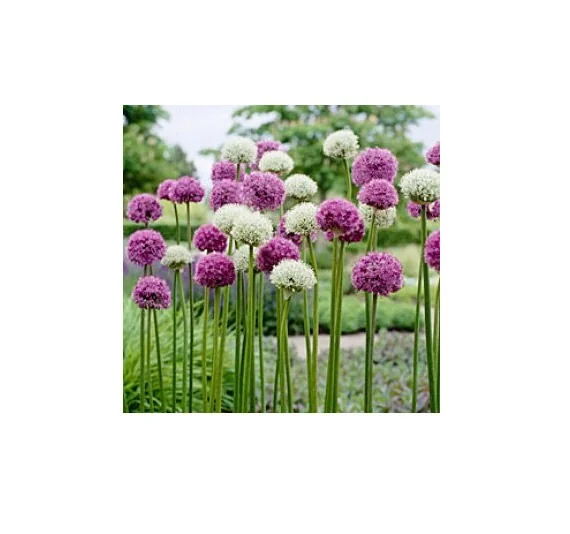
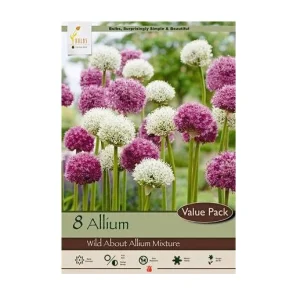
Allium Mix Bulbs – Purple Flower Bulbs, Deer Resistant, 32-36″ Tall, Zones 4-10
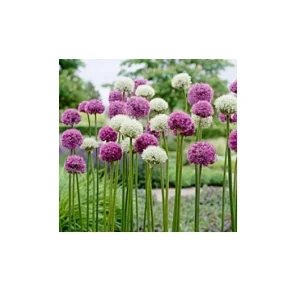
Enhance your garden with our vibrant allium mix bulbs, producing stunning purple globe flowers. These deer resistant alliums are easy to grow, reaching 32-36 inches tall, and thrive in full sun across USDA Zones 4-10. Perfect for adding architectural interest and beautiful cut flowers to your landscape.
Original price was: $79.80.$39.90Current price is: $39.90.

With our Alive & Thrive Guarantee, we’ve got your back for the first 30 days! If you have any concerns about your plants, just reach out to us. Our team is here to help answer your questions and guide you in selecting the best plants for your garden, climate, and unique preferences. We're excited to help you create the garden of your dreams!
Estimated arrival
Mar 14
Mar 19 - Mar 21
Mar 24 - Mar 28

Product Details
-
USDA Hardiness Zone
4-10 -
Soil type
Well-draining soil -
Sunlight Exposure
Full Sun to Partial Shade -
Expected Planting Period
Fall
Overview
Introduce a splash of vibrant color and unique texture to your garden with our exquisite allium mix bulbs. These hardy and low-maintenance bulbs are renowned for their striking spherical clusters of purple flowers, perched atop sturdy, leafless stems. Alliums, often referred to as ornamental onions, are a fantastic choice for gardeners seeking both beauty and resilience. They typically bloom in early summer, creating a dazzling display that attracts beneficial pollinators like bees and butterflies, while naturally deterring deer and other common garden pests. Our allium mix bulbs provide a diverse selection, ensuring a captivating visual appeal throughout your garden. They are an excellent addition to borders, rock gardens, or as a focal point in perennial beds, bringing an elegant and architectural element to any outdoor space.
These allium mix bulbs are not just beautiful; they are also incredibly easy to grow, making them suitable for both novice and experienced gardeners. Once established, they require minimal care, thriving in a variety of conditions. The unique form of the allium flower makes them exceptional for cut flower arrangements, adding an artistic touch to your indoor decor. They can also be dried for long-lasting display, preserving their charm well beyond the blooming season. With their robust nature and stunning appearance, these allium mix bulbs are a truly rewarding investment for any garden.
Key Benefits
Our allium mix bulbs offer a multitude of advantages that make them a standout choice for any garden. These benefits extend beyond their aesthetic appeal, contributing to a healthier and more vibrant ecosystem.
- Stunning Ornamental Value: Each bulb produces a magnificent globe of purple flowers, creating a dramatic visual impact in your garden. The unique spherical shape adds architectural interest and can serve as an excellent focal point or complement other perennials.
- Deer Resistant: Alliums are naturally unappealing to deer, making them an ideal choice for gardens in areas where deer browsing is a concern. You can enjoy their beauty without worrying about your plants being eaten.
- Easy to Grow: These bulbs are incredibly forgiving and require minimal attention once planted. They thrive in various conditions and are perfect for gardeners of all skill levels, offering a rewarding experience with little effort.
- Attracts Pollinators: The vibrant purple blooms are a magnet for bees and butterflies, contributing to the pollination of other plants in your garden and supporting local ecosystems.
- Versatile Use: Beyond their garden appeal, purple allium flowers make excellent cut flowers for bouquets and can also be dried to create long-lasting floral arrangements, extending their beauty indoors.
- Long Bloom Period: Blooming in early summer, alliums provide several weeks of color, bridging the gap between spring and mid-summer flowers.
- Hardy and Resilient: These bulbs are cold-hardy, thriving in USDA Zones 4-10, and can withstand a range of environmental conditions, ensuring reliable performance year after year.
Plant Care & Growing Tips
Caring for your allium mix bulbs is straightforward, ensuring a spectacular display with minimal effort. To achieve the best results, proper planting and ongoing care are essential. Alliums thrive in full sun, meaning they need at least 6 hours of direct sunlight per day. While they can tolerate partial shade, full sun exposure promotes the most vigorous growth and abundant blooms. When selecting a planting site, consider an area that receives ample light throughout the day, especially during the morning hours.
Well-drained soil is crucial for allium health. They do not tolerate soggy conditions, which can lead to bulb rot. If your soil is heavy clay, amend it with organic matter like compost or sand to improve drainage. Plant the bulbs in the fall, typically 6-8 inches deep and 4-6 inches apart, with the pointed end facing upwards. Water thoroughly after planting to settle the soil around the bulbs. Once established, alliums are relatively drought-tolerant, but consistent moisture during their active growth and blooming period will result in larger and more vibrant flowers. Reduce watering once the foliage begins to yellow and die back, as this indicates the plant is entering dormancy.
These deer resistant alliums are generally pest and disease-free. Fertilization is usually not necessary in good garden soil, but if your soil is poor, a balanced slow-release fertilizer can be applied in early spring as new growth emerges. Deadhead spent flowers to prevent self-seeding and to direct the plant’s energy towards bulb development for the following year. For a comprehensive allium planting guide, remember to choose a sunny spot, ensure good drainage, and plant in the fall for stunning early summer blooms. With these simple tips, your ornamental allium will flourish and become a highlight of your garden.
Size & Details
Our allium mix bulbs are selected to produce plants that typically reach an impressive height of 32-36 inches (approximately 81-91 cm) tall, creating a dramatic vertical element in your garden. Each bulb is a live plant in its dormant stage, ready for planting to emerge with vibrant foliage and stunning floral displays. These robust plants develop a single sturdy stem, topped with a beautiful round cluster of purple flowers that bloom in early summer. They are hardy across USDA Zones 4-10, making them suitable for a wide range of climates across the United States. The bulbs are shipped ready for fall planting, which is the optimal time to establish them for the following season’s bloom. Expect vigorous growth and flowering in the first growing season after planting, with successive years bringing even more established and impactful displays from these purple allium flowers.
Frequently Asked Questions
- Q: How big do these allium plants get? A: Our allium mix bulbs typically produce plants that grow to a height of 32-36 inches (approximately 81-91 cm) tall, with a spread of about 12-18 inches, creating a notable presence in the garden.
- Q: Is this an indoor or outdoor plant? A: Alliums are primarily outdoor garden plants. They require a period of cold dormancy to bloom effectively and are best suited for garden beds, borders, or large outdoor containers.
- Q: How much sunlight does it need? A: These deer resistant alliums thrive in full sun, requiring at least 6 hours of direct sunlight per day. They can tolerate partial shade, but full sun encourages the best flowering and strongest stems.
- Q: Is this plant easy to care for? A: Yes, alliums are considered very easy to care for. They are low-maintenance, drought-tolerant once established, and generally resistant to pests and diseases, making them ideal for gardeners of all experience levels.
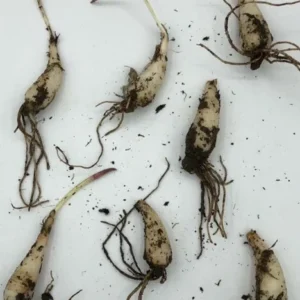
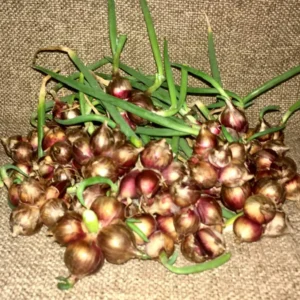
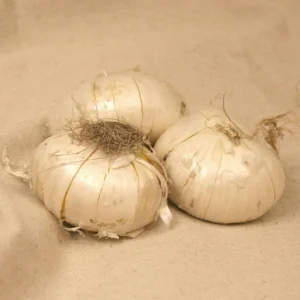
- Q: What condition will the bulbs arrive in? A: The allium mix bulbs will arrive in a dormant state, carefully packaged to ensure they are healthy and ready for planting upon receipt. They will appear firm and dry.
- Q: When is the best time to plant allium bulbs? A: The optimal time for planting allium mix bulbs is in the fall, before the ground freezes. This allows them to establish roots during the cooler months and ensures a beautiful bloom in early summer.
- Q: Will these alliums survive winter in my zone? A: These ornamental allium bulbs are hardy in USDA Zones 4-10, meaning they are well-equipped to survive winter in a broad range of climates with proper planting and care.
- Q: Are alliums truly deer resistant? A: Yes, alliums are highly regarded for their natural deer resistance. The compounds that give them their characteristic onion-like scent deter deer and other browsing animals.
- Q: Can I use the flowers for cutting? A: Absolutely! The tall, sturdy stems and vibrant purple allium flowers make them excellent and long-lasting additions to fresh cut flower arrangements.
- Q: What kind of soil do alliums prefer? A: Alliums prefer well-drained soil. They can adapt to various soil types but will struggle in heavy, waterlogged conditions. Amending with compost can improve drainage in clay soils.
Related products
-50%
Original price was: $19.96.$9.98Current price is: $9.98.
-50%

Original price was: $75.96.$37.98Current price is: $37.98.
-60%
Original price was: $69.99.$27.99Current price is: $27.99.
-60%
Original price was: $69.99.$27.99Current price is: $27.99.
-50%

Original price was: $63.96.$31.98Current price is: $31.98.
-50%

Original price was: $79.96.$39.98Current price is: $39.98.
-50%
Original price was: $63.96.$31.98Current price is: $31.98.
PLANTING & CARE

The Comprehensive Guide to Growing Bay Leaf Plants for a Flavorful Garden
Imagine stepping into your garden, greeted by the earthy aroma of fresh bay leaves, their
09
Feb
Feb

How to Make Comfrey Tea: The Ultimate Organic Plant Food
Growing an organic garden can be surprisingly expensive, especially when most store-bought fertilizers come in
02
Feb
Feb

True Comfrey: 7 Essential Tips Before You Plant This Herb
A staple in permaculture practices across the US, True Comfrey easily earns its reputation as
27
Jan
Jan

7 Heart-Shaped Plants for a Lasting Valentine’s Gift
If you’ve ever bought a bouquet of roses for Valentine’s Day, you know they are
26
Jan
Jan

Best Types of Ivy Plant for Houses: How to Choose the Perfect Ones for Your Home
Are you a garden lover looking to introduce some greenery into your home? Maybe you’ve
14
Nov
Nov

When to Harvest Garlic (Especially Fall-Planted Garlic)
TIMING IS EVERYTHING, they say – and for garlic, that truth hits with surprising accuracy.
13
Nov
Nov

11 of the Best Sweet Potato Varieties to Grow for Your Garden
If you’ve ever tried growing sweet potatoes, you know that picking the right variety can
12
Nov
Nov
Pruning Bougainvillea for Winter
Bougainvillea vines are known for their dazzling display of magenta, orange, and fuchsia bracts that
05
Nov
Nov