Variegated Iris pallida Bareroot Plant – Sweet Iris – 24-36 inches Tall
-50%
Variegated Iris pallida Bareroot Plant – Sweet Iris – 24-36 inches Tall
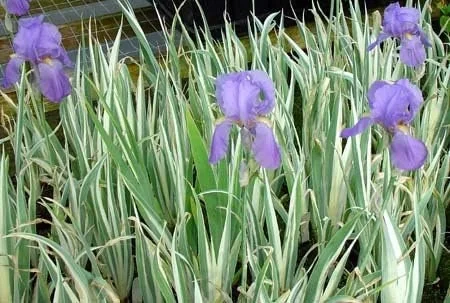
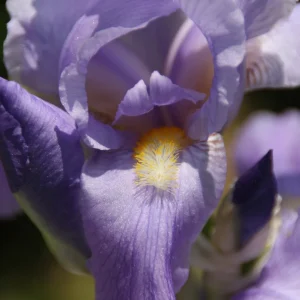
Bring unique beauty to your garden with a Variegated Iris pallida bareroot. Known for its elegant striped foliage and fragrant violet-blue flowers, this Sweet Iris plant thrives in full to part sun. It grows 24-36 inches tall and is a hardy choice for zones 4-9.
From Original price was: $143.60.$71.80Current price is: $71.80.

With our Alive & Thrive Guarantee, we’ve got your back for the first 30 days! If you have any concerns about your plants, just reach out to us. Our team is here to help answer your questions and guide you in selecting the best plants for your garden, climate, and unique preferences. We're excited to help you create the garden of your dreams!
Estimated arrival
Mar 14
Mar 19 - Mar 21
Mar 24 - Mar 28


Product Details
-
USDA Hardiness Zone
USDA Zones 4-9 -
Soil type
Well-draining soil -
Sunlight Exposure
Full to part sun -
Expected Planting Period
Spring or Fall (depending on zone)
Overview
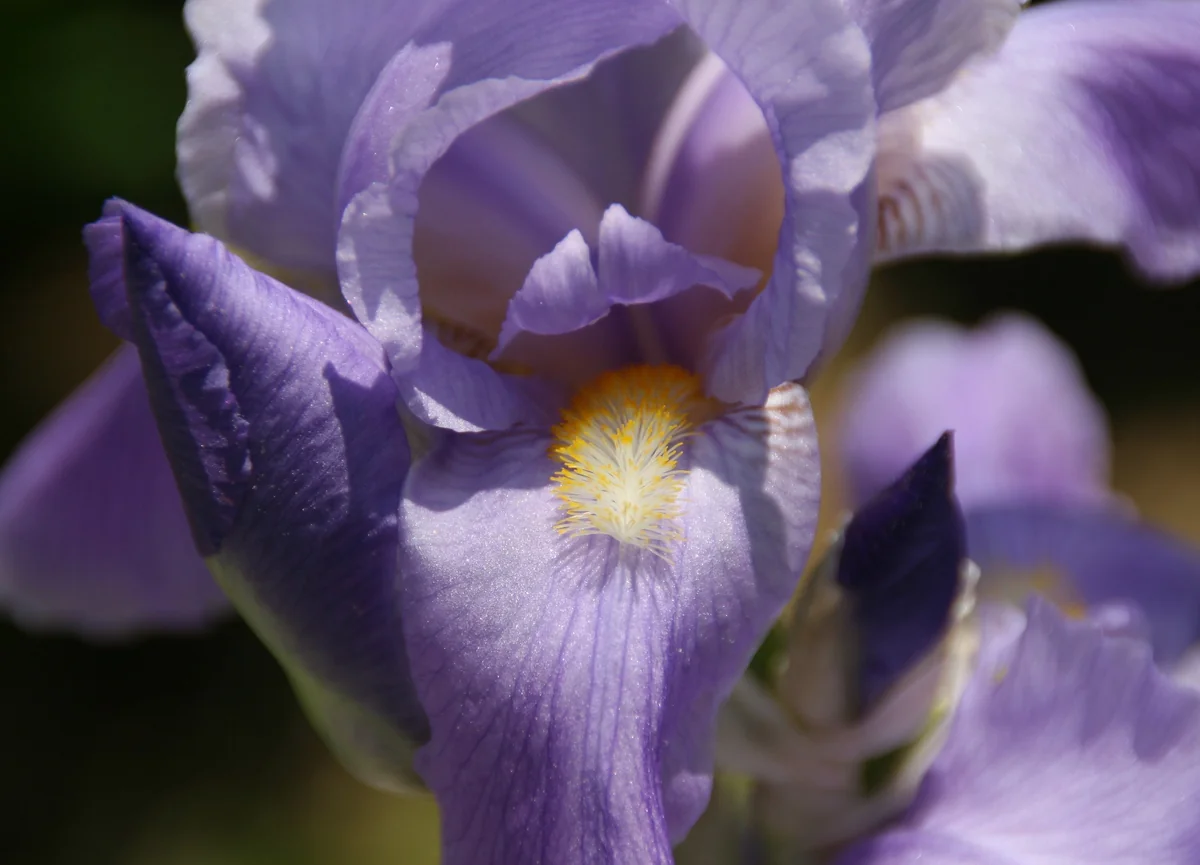
Introduce a touch of elegance and delightful fragrance to your landscape with the Variegated Iris pallida bareroot. This unique bareroot plant, also known as Sweet Iris plant or Dalmation Iris, is celebrated for its distinctive foliage that adds year-round visual interest. The leaves emerge with a vibrant lemon-yellow stripe that gracefully transitions to creamy white as the season progresses, creating a dynamic display of subtle hues. Beyond its striking variegation, this iris produces beautiful, rich violet-blue flowers in June that emit a captivating sweet fragrance. Native to Italy, this species is not only a parent to many modern Tall Bearded Iris hybrids but also a stunning specimen in its own right, perfectly capable of carrying its weight in any garden design.
The Variegated Iris pallida bareroot is a resilient and rewarding addition for gardeners seeking both beauty and ease of care. Its robust nature belies its delicate appearance, making it suitable for various garden settings. Plant it in well-drained soil and enjoy its beauty for many years to come.
Key Benefits
The Variegated Iris pallida bareroot offers numerous advantages, making it a highly desirable plant for any garden. Its unique characteristics contribute to a vibrant and appealing outdoor space:
- Stunning Variegated Foliage: The leaves feature elegant stripes that start lemon yellow and gradually fade to creamy white, providing continuous visual appeal from spring through summer. This makes the Iris pallida Variegata a standout even when not in bloom.
- Sweetly Fragrant Flowers: In June, the plant produces beautiful violet-blue flowers that are intensely fragrant, adding a delightful sensory experience to your garden. This sweet scent is a hallmark of the Sweet Iris plant.
- Hardy and Resilient: This iris is more rugged than its appearance suggests, thriving in USDA Zones 4-9. It’s a reliable perennial that returns year after year with minimal fuss.
- Low Maintenance: Once established, the Dalmation Iris care requirements are straightforward, needing only well-drained soil and adequate sunlight to flourish. It’s an excellent choice for gardeners looking for impactful plants without constant attention.
- Architectural Interest: Growing up to 3 feet tall, this plant provides significant vertical interest and structure in garden beds, borders, and even containers. Its upright form and bold foliage make a statement.
- Pollinator Friendly: The vibrant flowers attract beneficial pollinators like bees and butterflies, contributing to a healthy garden ecosystem.
- Versatile Garden Use: Perfect for cottage gardens, perennial borders, rock gardens, or as a focal point, the fragrant iris plant adapts well to various landscape designs.
Plant Care & Growing Tips
Caring for your Variegated Iris pallida bareroot is relatively simple, ensuring years of beauty and fragrance. This resilient plant thrives with proper attention to its basic needs. It prefers a location with full to part sun, meaning it should receive at least 6 hours of direct sunlight per day for optimal growth and flowering. While it can tolerate some afternoon shade, especially in hotter climates, too much shade may reduce blooming and variegation intensity. The ideal soil for this iris is well-drained soil. It’s crucial to avoid heavy, waterlogged conditions, as this can lead to root rot. If your soil is clay-heavy, amend it with organic matter like compost or grit to improve drainage. This plant is hardy in USDA Zones 4-9, making it suitable for a wide range of climates.
Watering should be consistent during the first growing season to help establish the plant, but once mature, the fragrant iris plant is quite drought-tolerant. Water deeply when the top inch or two of soil feels dry, then allow the soil to dry out between waterings. Fertilization is generally not heavily required; a balanced, slow-release fertilizer applied in early spring can promote vigorous growth and flowering. Deadhead spent blooms to encourage the plant to put energy into root and foliage development rather than seed production. Divide clumps every 3-5 years in late summer or early fall to maintain plant vigor and prevent overcrowding. Watch out for common iris pests like iris borers, and treat promptly if observed. Proper Dalmation Iris care will ensure a thriving and beautiful display.
Size & Details
This offering is for a Variegated Iris pallida bareroot plant, ready for planting to establish in your garden. When mature, the plant typically reaches a height of 24-36 inches (2-3 feet) with a spread of 18-24 inches, creating a substantial presence in the landscape. The bareroot form allows for easy planting and quick establishment in well-prepared garden beds. This Sweet Iris plant exhibits a moderate growth rate, establishing itself well within the first year and reaching its full mature size within 2-3 years. The elegant striped foliage provides continuous interest, complementing the rich violet-blue flowers that typically appear in June. This plant is shipped as a bareroot, which is the dormant rhizome without soil or a pot, ensuring it is ready to be planted directly into your garden.
Frequently Asked Questions
- Q: How tall does the Variegated Iris pallida bareroot get? A: This iris typically grows to a height of 24-36 inches (2-3 feet) when mature, making it a prominent feature in garden beds.
- Q: Is this an indoor or outdoor plant? A: The Variegated Iris pallida bareroot is an outdoor plant, best suited for garden beds and borders where it can receive adequate sunlight and space to grow.
- Q: How much sunlight does the Sweet Iris plant need? A: It thrives in full to part sun, meaning it requires at least 6 hours of direct sunlight per day for optimal growth and flowering.
- Q: Is this plant easy to care for? A: Yes, the Dalmation Iris care is relatively easy. Once established, it is quite low-maintenance, requiring well-drained soil and consistent watering during dry periods.
- Q: What condition will the Iris pallida Variegata arrive in? A: It will arrive as a dormant bareroot, which is a healthy rhizome ready for planting in your garden.
- Q: When is the best time to plant this fragrant iris plant? A: Planting times vary by zone. For fall, plant in early September (Zones 2-4) to late September/early October (Zones 8-10). For spring, plant in late March (Zones 9-10) to early/mid May (Zones 3-4).
- Q: Will it survive winter in my zone? A: This iris is hardy in USDA Zones 4-9, meaning it is well-equipped to survive winter in these regions.
- Q: How often should I water my Sweet Iris plant? A: Water regularly during its first growing season to establish roots. Once established, water deeply when the topsoil is dry, allowing it to dry out between waterings.
- Q: Does this iris have a scent? A: Yes, the flowers of the Variegated Iris pallida bareroot are known for their sweet and pleasant fragrance, adding an extra layer of enjoyment to your garden.
- Q: Can I grow this plant in a container? A: While it prefers in-ground planting, you can grow this iris in a large container (at least 12-15 inches in diameter) with good drainage, ensuring it has enough space for its root system.
| Amount | 2, 3, 5, 50 |
|---|
Related products
-50%
Original price was: $55.96.$27.98Current price is: $27.98.
-50%
Original price was: $71.96.$35.98Current price is: $35.98.
-10%
Original price was: $11.25.$10.12Current price is: $10.12.
-20%
Original price was: $174.00.$139.20Current price is: $139.20.
-50%
Original price was: $63.96.$31.98Current price is: $31.98.
-20%
From Original price was: $22.00.$17.60Current price is: $17.60.
PLANTING & CARE

The Comprehensive Guide to Growing Bay Leaf Plants for a Flavorful Garden
Imagine stepping into your garden, greeted by the earthy aroma of fresh bay leaves, their
09
Feb
Feb

How to Make Comfrey Tea: The Ultimate Organic Plant Food
Growing an organic garden can be surprisingly expensive, especially when most store-bought fertilizers come in
02
Feb
Feb

True Comfrey: 7 Essential Tips Before You Plant This Herb
A staple in permaculture practices across the US, True Comfrey easily earns its reputation as
27
Jan
Jan

7 Heart-Shaped Plants for a Lasting Valentine’s Gift
If you’ve ever bought a bouquet of roses for Valentine’s Day, you know they are
26
Jan
Jan

Best Types of Ivy Plant for Houses: How to Choose the Perfect Ones for Your Home
Are you a garden lover looking to introduce some greenery into your home? Maybe you’ve
14
Nov
Nov

When to Harvest Garlic (Especially Fall-Planted Garlic)
TIMING IS EVERYTHING, they say – and for garlic, that truth hits with surprising accuracy.
13
Nov
Nov

11 of the Best Sweet Potato Varieties to Grow for Your Garden
If you’ve ever tried growing sweet potatoes, you know that picking the right variety can
12
Nov
Nov

Pruning Bougainvillea for Winter
Bougainvillea vines are known for their dazzling display of magenta, orange, and fuchsia bracts that
05
Nov
Nov