Sweet Potato Slips Variety Pack – 15 Slips: Okinawa, Red Japanese, Beauregard – Live Plants
-50%








Sweet Potato Slips Variety Pack – 15 Slips: Okinawa, Red Japanese, Beauregard – Live Plants
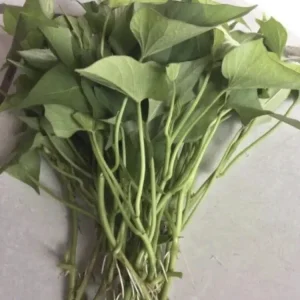
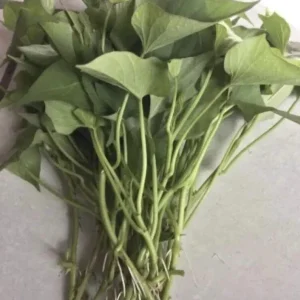
Cultivate a diverse and delicious harvest with this sweet potato slips variety pack. You will receive 15 healthy slips, including popular Okinawa, Red Japanese, and Beauregard varieties, perfect for home gardeners. These sweet potato slips are ready for planting and offer a rewarding gardening experience.
Original price was: $108.00.$54.00Current price is: $54.00.

With our Alive & Thrive Guarantee, we’ve got your back for the first 30 days! If you have any concerns about your plants, just reach out to us. Our team is here to help answer your questions and guide you in selecting the best plants for your garden, climate, and unique preferences. We're excited to help you create the garden of your dreams!
Estimated arrival
Mar 19
Mar 24 - Mar 26
Mar 29 - Apr 02


Product Details
-
USDA Hardiness Zone
USDA zones 9-11 (as perennial), zones 3-8 (as annual) -
Soil type
Well-draining, sandy loam soil -
Sunlight Exposure
Full sun (6-8+ hours daily) -
Expected Planting Period
Late spring to early summer, after last frost
Overview
Embark on a rewarding gardening journey with our premium sweet potato slips variety pack. This collection includes 15 robust live slips, featuring the highly sought-after Okinawa, Red Japanese, and Beauregard varieties. These three distinct types offer a delightful range of flavors, textures, and colors, ensuring a diverse and exciting harvest for any home gardener. Sweet potatoes are not only a delicious and versatile vegetable but also relatively easy to grow, making them an excellent choice for both beginner and experienced cultivators. Our carefully selected sweet potato slips are ready to be planted, providing a strong foundation for healthy, productive plants.
Growing your own sweet potatoes from sweet potato slips allows you to enjoy fresh, organic produce right from your backyard. Each variety brings its unique characteristics to your table: the vibrant purple flesh of Okinawa, the rich flavor of Red Japanese, and the classic sweetness of Beauregard. This variety pack is designed to provide you with an abundant yield and a fascinating exploration of different sweet potato profiles.
Key Benefits
This sweet potato slips variety pack offers numerous advantages for the enthusiastic gardener and home cook alike. These benefits extend from the ease of cultivation to the culinary versatility of the harvested tubers.
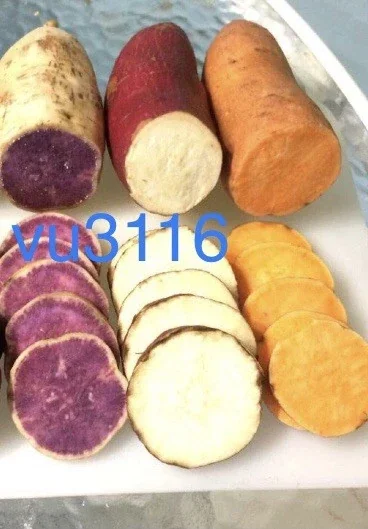
- Diverse Harvest: Enjoy three distinct types of sweet potatoes – Okinawa, Red Japanese, and Beauregard – offering a range of flavors, colors (purple, red, orange), and textures for varied culinary uses. This diversity enhances your garden’s output and your meal options.
- Easy to Grow: Sweet potatoes are known for their resilience and relatively low maintenance requirements. Planting these sweet potato slips is a straightforward process, making them suitable for gardeners of all skill levels.
- Nutrient-Rich Produce: Homegrown sweet potatoes are packed with vitamins, minerals, and antioxidants, providing a healthy and delicious addition to your diet. The Okinawa variety, in particular, is celebrated for its high antioxidant content.
- High Yield Potential: With proper care, these slips can produce a generous harvest, providing you with an ample supply of fresh sweet potatoes throughout the season. Growing your own ensures a fresh and abundant supply.
- Versatile Culinary Uses: From baking and roasting to frying and mashing, sweet potatoes are incredibly versatile. The different varieties in this pack open up even more culinary possibilities, letting you experiment with unique sweet potato dishes.
- Sustainable Gardening: Growing your own sweet potato slips promotes sustainable practices, reducing your carbon footprint and connecting you more directly with your food source.
Plant Care & Growing Tips
Cultivating a successful crop from your sweet potato slips requires attention to a few key environmental factors and care routines. Sweet potatoes thrive in warm weather and prefer long, hot growing seasons. The ideal time to plant your slips is after all danger of frost has passed and the soil temperature has warmed consistently, typically in late spring to early summer. Ensure your chosen site receives full sun, meaning at least 6-8 hours of direct sunlight per day, for optimal growth and tuber development.
Sweet potatoes perform best in well-draining, sandy loam soil with a slightly acidic pH (5.5-6.5). Avoid heavy clay soils, which can impede tuber formation and lead to rot. Amend your soil with organic matter like compost to improve drainage and fertility. Plant the sweet potato slips 12-18 inches apart in rows that are 3-4 feet apart. Bury the slips deep enough so that at least half of the slip, including a few nodes, is underground. Water thoroughly after planting to help establish the roots. Regular watering is crucial during the initial establishment phase and during dry spells, but avoid overwatering, as sweet potatoes are somewhat drought-tolerant once established. Applying a balanced fertilizer a few weeks after planting can also boost growth. Keep an eye out for pests like sweet potato weevils, and address them promptly to protect your developing tubers. The Beauregard sweet potato, Red Japanese, and Okinawa sweet potato varieties all benefit from these general care practices.
Size & Details
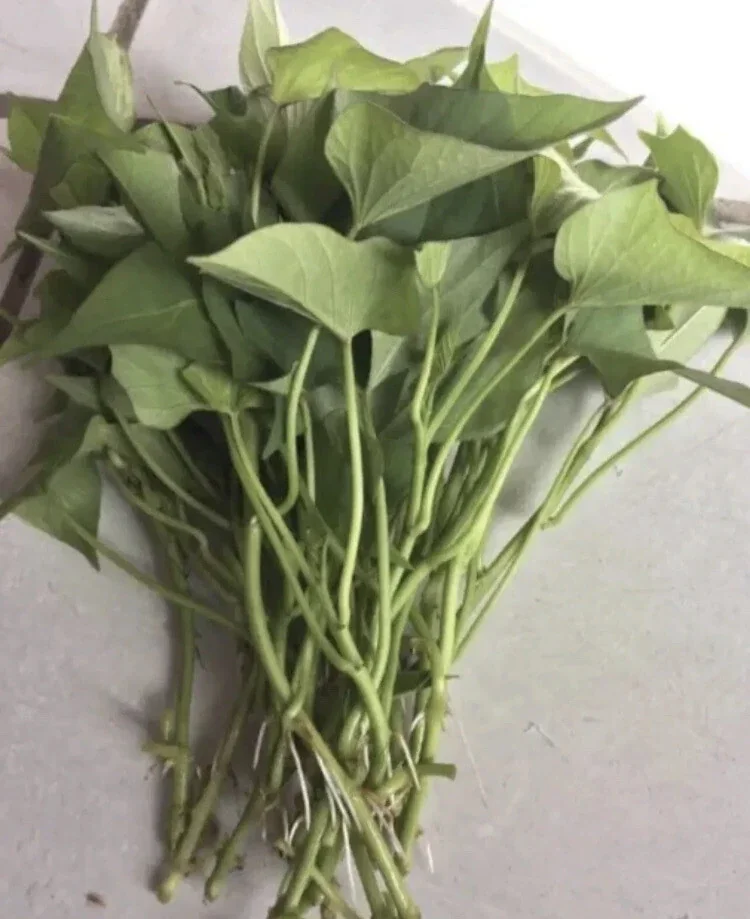
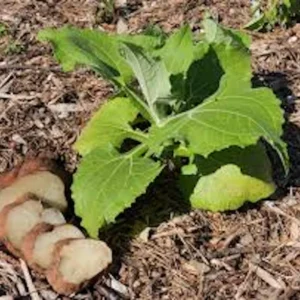
This offering includes 15 robust sweet potato slips, carefully selected from three popular varieties: Okinawa, Red Japanese, and Beauregard. These slips are typically 6-12 inches long, featuring several nodes and healthy leaf development, ready for immediate planting upon arrival. They are shipped as live plant cuttings, without soil, to ensure safe transport and optimal freshness. Each slip has the potential to grow into a vigorous vine, producing multiple tubers beneath the soil. Expect a growth rate that allows for harvest in approximately 90-120 days from planting, depending on your climate and specific growing conditions. The mature sweet potato plants can spread several feet, so ensure adequate spacing between individual slips for proper development of the root system and tubers.
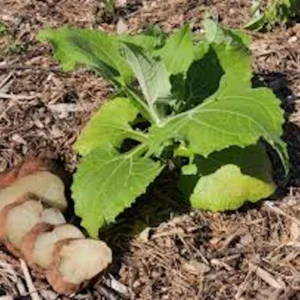
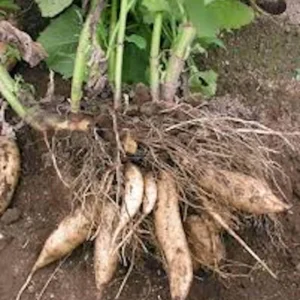
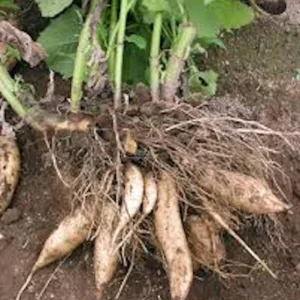
These sweet potato varieties are known for their excellent yields and distinct characteristics. The Beauregard is a classic orange-fleshed type, while the Japanese sweet potato offers a reddish skin and creamy, yellowish flesh. The Okinawa sweet potato is famed for its purple skin and vibrant purple flesh, rich in antioxidants. These slips are ideal for gardeners looking to grow sweet potatoes for fresh consumption, providing a bountiful and flavorful harvest.
Frequently Asked Questions
- Q: How big does this plant get? A: Sweet potato plants are vining plants that can spread several feet, typically 6-10 feet in length. The tubers themselves vary in size depending on the variety and growing conditions, but can range from small to large.
- Q: What size pot does it come in? A: These are sweet potato slips, which are cuttings from a mature plant. They do not come in a pot but are shipped as bare cuttings, ready for planting directly into your garden soil or larger containers.
- Q: Is this an indoor or outdoor plant? A: Sweet potatoes are primarily grown as outdoor plants in warm climates. They require full sun and a long growing season to produce tubers. While the vines can be grown indoors as ornamentals, they are unlikely to produce edible tubers without extensive light and space.
- Q: How much sunlight does it need? A: Sweet potato plants need at least 6-8 hours of direct sunlight per day to produce a good harvest. Full sun is crucial for the development of healthy tubers.
- Q: Is this plant easy to care for? A: Yes, sweet potatoes are generally considered easy to care for, especially once established. They are tolerant of various soil types and can withstand some drought. Providing adequate warmth and sunlight are the main requirements.
- Q: What condition will it arrive in? A: Your sweet potato slips will arrive as fresh, live cuttings, carefully packaged to ensure their health during transit. They may appear slightly wilted upon arrival, which is normal, and will perk up after being placed in water or planted.
- Q: Is it shipped in soil? A: No, the slips are shipped without soil. They are cuttings that need to be rooted in water or planted directly into prepared garden soil upon arrival.
- Q: Can I use these sweet potato slips for cooking? A: No, the slips themselves are planting material, not for consumption. You plant the slips, and they will grow into plants that produce edible sweet potato tubers for cooking.
- Q: How long until it blooms? A: Sweet potato plants do produce small, trumpet-shaped flowers, but the primary focus of growing them is for their edible tubers, not their blooms. Tuber development is typically ready for harvest in 90-120 days.
- Q: When is the best time to plant? A: The best time to plant sweet potato slips is in late spring or early summer, after all danger of frost has passed and the soil temperature consistently reaches at least 60°F (15°C).
- Q: Will it survive winter in my zone? A: Sweet potatoes are tender perennials typically grown as annuals in most temperate zones. They are not frost-hardy. In USDA zones 9 and above, they might survive mild winters, but generally, they are harvested before the first frost.
Related products
-20%
Original price was: $36.00.$28.80Current price is: $28.80.
-20%
Original price was: $36.00.$28.80Current price is: $28.80.
-20%
Original price was: $35.00.$28.00Current price is: $28.00.
-50%
Original price was: $59.96.$29.98Current price is: $29.98.
-20%
Original price was: $36.00.$28.80Current price is: $28.80.
-10%
Original price was: $29.99.$26.99Current price is: $26.99.
-10%
Original price was: $19.99.$17.99Current price is: $17.99.
PLANTING & CARE

The Comprehensive Guide to Growing Bay Leaf Plants for a Flavorful Garden
Imagine stepping into your garden, greeted by the earthy aroma of fresh bay leaves, their
09
Feb
Feb

How to Make Comfrey Tea: The Ultimate Organic Plant Food
Growing an organic garden can be surprisingly expensive, especially when most store-bought fertilizers come in
02
Feb
Feb

True Comfrey: 7 Essential Tips Before You Plant This Herb
A staple in permaculture practices across the US, True Comfrey easily earns its reputation as
27
Jan
Jan

7 Heart-Shaped Plants for a Lasting Valentine’s Gift
If you’ve ever bought a bouquet of roses for Valentine’s Day, you know they are
26
Jan
Jan

Best Types of Ivy Plant for Houses: How to Choose the Perfect Ones for Your Home
Are you a garden lover looking to introduce some greenery into your home? Maybe you’ve
14
Nov
Nov

When to Harvest Garlic (Especially Fall-Planted Garlic)
TIMING IS EVERYTHING, they say – and for garlic, that truth hits with surprising accuracy.
13
Nov
Nov

11 of the Best Sweet Potato Varieties to Grow for Your Garden
If you’ve ever tried growing sweet potatoes, you know that picking the right variety can
12
Nov
Nov
Pruning Bougainvillea for Winter
Bougainvillea vines are known for their dazzling display of magenta, orange, and fuchsia bracts that
05
Nov
Nov