Katuk Plant Live – Asparagus Sweet Leaf (Sauropus androgynus) – Potted Vegetable

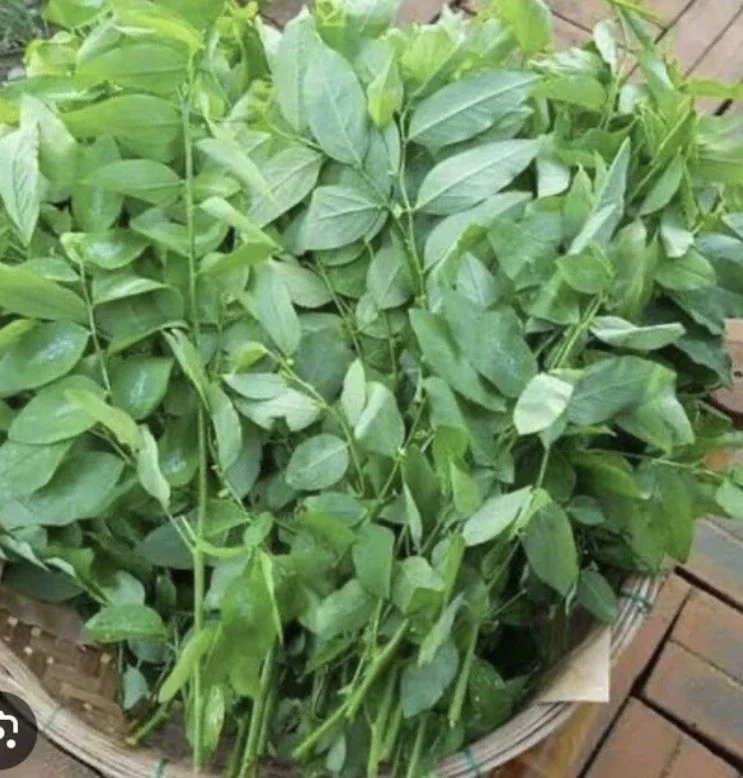
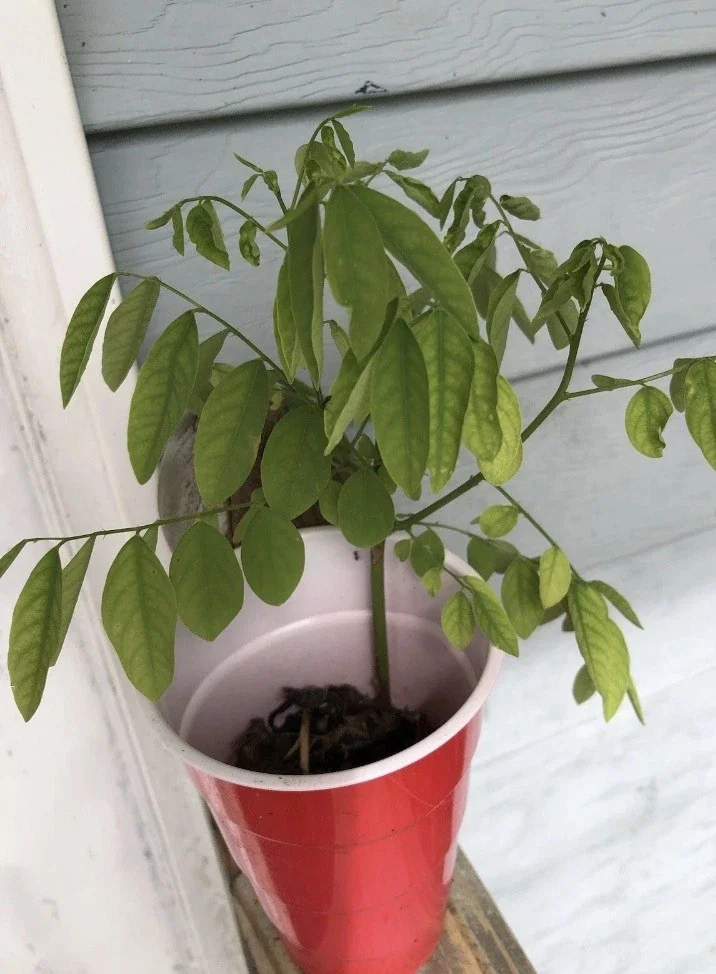

Katuk Plant Live – Asparagus Sweet Leaf (Sauropus androgynus) – Potted Vegetable
Cultivate your own healthy greens with this katuk plant live, also known as asparagus sweet leaf plant or Sauropus androgynus. This versatile edible garden plant is shipped potted, ready for your garden or container.
$28.00

With our Alive & Thrive Guarantee, we’ve got your back for the first 30 days! If you have any concerns about your plants, just reach out to us. Our team is here to help answer your questions and guide you in selecting the best plants for your garden, climate, and unique preferences. We're excited to help you create the garden of your dreams!
Estimated arrival
Mar 20
Mar 25 - Mar 27
Mar 30 - Apr 03

Product Details
-
USDA Hardiness Zone
USDA Zones 9-11 -
Soil type
Well-draining, rich potting mix -
Sunlight Exposure
Bright indirect light to partial shade -
Expected Planting Period
Year-round indoors; Spring to summer outdoors in suitable zones
Overview
Bring the goodness of fresh, nutritious greens to your home garden with the katuk plant live. Also widely recognized as asparagus sweet leaf plant, Sauropus androgynus, or Rau Ngót, this remarkable edible plant is a must-have for culinary enthusiasts and health-conscious gardeners alike. Originating from Southeast Asia, the Katuk plant is celebrated for its tender, flavorful leaves that offer a unique blend of asparagus and green pea notes. It’s an excellent addition to stir-fries, soups, salads, and smoothies, providing a rich source of vitamins and minerals. Our potted Katuk plant is carefully grown and shipped ready for planting, ensuring a smooth transition to your garden or indoor space. Discover the ease of growing your own fresh greens with this resilient and productive plant.
The sauropus androgynus is a semi-woody shrub known for its dense foliage and rapid growth, making it a sustainable choice for continuous harvesting. Its vibrant green leaves are not only delicious but also packed with health benefits, often used in traditional medicine. Whether you’re an experienced gardener or just starting, the Katuk plant offers a rewarding growing experience with minimal effort.
Key Benefits
The katuk plant live provides a multitude of advantages for both your garden and your well-being. Its ease of care and nutritional value make it a standout choice among edible plants.
- Nutrient-Rich Edible Leaves: The tender leaves of the Katuk plant are a powerhouse of nutrition, rich in vitamins A, B, C, and K, as well as protein, calcium, and iron. Incorporating them into your diet can boost overall health and vitality.
- Versatile Culinary Use: Enjoy the unique flavor profile, often described as a blend of asparagus and green peas. The leaves are excellent in stir-fries, soups, curries, salads, and even green smoothies, adding a fresh and healthy dimension to your meals.
- Easy to Grow & Maintain: This resilient asparagus sweet leaf plant is known for its robust nature and requires minimal care once established. It’s an ideal choice for both novice and experienced gardeners seeking a low-maintenance yet productive edible plant.
- Continuous Harvest: With its rapid growth habit, the Katuk plant allows for frequent harvesting of its leaves, providing a steady supply of fresh greens throughout the growing season. Simply snip off the top leaves and watch it regenerate.
- Adaptable to Various Settings: The sauropus androgynus thrives in a range of environments. It can be grown in containers on patios, in raised garden beds, or as part of a permaculture system. Its adaptability makes it suitable for many garden styles.
- Attractive Foliage: Beyond its utility, the Katuk plant boasts attractive, dense green foliage, making it a pleasant ornamental addition to your garden space, whether as a hedge or a potted specimen.
- Ideal for Tropical and Subtropical Climates: While adaptable, this plant particularly flourishes in warmer climates, making it a perfect edible garden plant for regions with mild winters or for indoor cultivation in cooler areas.
Plant Care & Growing Tips
Caring for your katuk plant live is straightforward, allowing you to enjoy a bountiful harvest with relative ease. Understanding its basic needs will ensure a healthy and productive plant. The asparagus sweet leaf plant prefers warm, humid conditions, mimicking its native tropical environment.
Sunlight Requirements
The Katuk plant thrives in bright, indirect light to partial shade. While it can tolerate full sun in cooler climates, intense afternoon sun can scorch its leaves, especially in hotter regions. For optimal growth, aim for 4-6 hours of morning sun or filtered light throughout the day. If growing indoors, place it near a window that receives ample bright, indirect light.
Watering Schedule and Soil Moisture
Consistent moisture is key for the sauropus androgynus. Water regularly, ensuring the soil remains consistently moist but not waterlogged. Allow the top inch of soil to dry out slightly between waterings. Reduce watering frequency during cooler months or if the plant is dormant. Good drainage is crucial to prevent root rot.
Soil Type and Drainage Requirements
The Katuk plant prefers rich, well-draining soil with a slightly acidic to neutral pH (6.0-7.0). A good quality potting mix amended with compost or organic matter will provide the necessary nutrients and structure. Ensure pots have drainage holes to prevent water accumulation at the roots.
Temperature Range and USDA Hardiness Zone
This tropical plant is best suited for USDA Zones 9-11, where it can be grown outdoors year-round. It thrives in temperatures between 70-90°F (21-32°C). In cooler climates, it can be grown as an annual or brought indoors when temperatures drop below 50°F (10°C). Protect it from frost, as it is not cold-hardy.
Fertilization Schedule and Type
Feed your rau ngot plant every 4-6 weeks during the active growing season (spring and summer) with a balanced liquid fertilizer or a slow-release granular fertilizer. Reduce feeding during fall and winter. Organic fertilizers like fish emulsion or compost tea can also be beneficial, promoting healthy leaf growth.
Common Problems and Solutions
The Katuk plant is generally pest-resistant, but occasionally, aphids or spider mites may appear. Treat with insecticidal soap or neem oil. Yellowing leaves can indicate overwatering or nutrient deficiency, while wilting might suggest underwatering. Adjust your care routine accordingly to keep your edible garden plant thriving.
Size & Details
This katuk plant live is shipped as a healthy, established plant, carefully secured in a nursery pot. The exact height and maturity may vary slightly but typically range from 4-8 inches tall upon arrival, ready for transplanting. With proper care, it can quickly grow into a bushy shrub, reaching heights of 3-6 feet in optimal conditions, though it can be kept smaller with regular pruning and harvesting. The plant grows at a moderate to fast rate, providing a continuous supply of fresh leaves. It arrives in a compact form, ideal for starting your own edible garden at home.
The plant is actively growing and will quickly establish itself in its new environment. Expect to begin harvesting leaves within a few weeks of planting. Its vigorous growth ensures that even with regular pruning for culinary use, the plant will remain lush and productive throughout its growing season. This rau ngot plant is a long-term investment for fresh, healthy eating.
Frequently Asked Questions
- Q: How big does this plant get? A: The katuk plant live can grow to be a shrub 3-6 feet tall and wide in ideal conditions, but its size can be easily managed through regular harvesting and pruning, making it suitable for various garden sizes or containers.
- Q: What size pot does it come in? A: The plant typically arrives in a 2-4 inch nursery pot, providing a healthy root system ready for transplanting into a larger container or directly into your garden bed.
- Q: Is this an indoor or outdoor plant? A: The Katuk plant can be grown both indoors and outdoors. It thrives outdoors in USDA Zones 9-11. In cooler climates, it’s best grown in a pot and brought indoors during cold weather, making it a versatile edible garden plant.
- Q: How much sunlight does it need? A: It prefers bright, indirect light to partial shade. While it can tolerate some morning sun, protect it from intense afternoon sun, especially in hot climates, to prevent leaf scorch.
- Q: Is this plant easy to care for? A: Yes, the asparagus sweet leaf plant is considered relatively easy to care for. It’s quite resilient and tolerates a range of conditions, making it a great choice for beginner gardeners.
- Q: What condition will it arrive in? A: Our plants are carefully packaged to ensure they arrive in excellent, healthy condition, ready to thrive in their new home. We prioritize safe and secure shipping for your sauropus androgynus.
- Q: Can I use Katuk leaves in cooking? A: Absolutely! The leaves are highly prized in Southeast Asian cuisine. They can be used fresh in salads, stir-fried, added to soups, or even blended into refreshing smoothies, offering a unique flavor and nutritional boost.
- Q: How long until it’s ready for harvest? A: You can typically begin harvesting the tender young leaves from your rau ngot plant within a few weeks after planting and establishment. Regular harvesting encourages bushier growth.
- Q: What’s the best soil for this plant? A: The Katuk plant thrives in fertile, well-draining soil rich in organic matter. A good quality potting mix amended with compost is ideal for container growing.
- Q: Will it survive winter in my zone? A: If you are in USDA Zones 9-11, it can survive winter outdoors. In colder zones, it must be protected from frost or brought indoors to overwinter.
Related products
-50%
Original price was: $37.99.$18.99Current price is: $18.99.
-20%
Original price was: $100.00.$80.00Current price is: $80.00.
-78%
Original price was: $39.99.$8.99Current price is: $8.99.
-20%
Original price was: $36.00.$28.80Current price is: $28.80.
-20%
Original price was: $36.00.$28.80Current price is: $28.80.
-20%
Original price was: $28.00.$22.40Current price is: $22.40.
-20%
Original price was: $48.00.$38.40Current price is: $38.40.
-25%
Original price was: $39.99.$29.90Current price is: $29.90.
PLANTING & CARE

The Comprehensive Guide to Growing Bay Leaf Plants for a Flavorful Garden
Imagine stepping into your garden, greeted by the earthy aroma of fresh bay leaves, their
09
Feb
Feb

How to Make Comfrey Tea: The Ultimate Organic Plant Food
Growing an organic garden can be surprisingly expensive, especially when most store-bought fertilizers come in
02
Feb
Feb

True Comfrey: 7 Essential Tips Before You Plant This Herb
A staple in permaculture practices across the US, True Comfrey easily earns its reputation as
27
Jan
Jan

7 Heart-Shaped Plants for a Lasting Valentine’s Gift
If you’ve ever bought a bouquet of roses for Valentine’s Day, you know they are
26
Jan
Jan

Best Types of Ivy Plant for Houses: How to Choose the Perfect Ones for Your Home
Are you a garden lover looking to introduce some greenery into your home? Maybe you’ve
14
Nov
Nov

When to Harvest Garlic (Especially Fall-Planted Garlic)
TIMING IS EVERYTHING, they say – and for garlic, that truth hits with surprising accuracy.
13
Nov
Nov

11 of the Best Sweet Potato Varieties to Grow for Your Garden
If you’ve ever tried growing sweet potatoes, you know that picking the right variety can
12
Nov
Nov
Pruning Bougainvillea for Winter
Bougainvillea vines are known for their dazzling display of magenta, orange, and fuchsia bracts that
05
Nov
Nov